world · Europe
Jan Hus is burned at the stake in Constance
Jan Hus was a priest and scholar who preached in Czech to large crowds at the Bethlehem Chapel in Prague. Influenced by the English theologian John Wycliffe, he attacked the wealth and corruption of the clergy and the sale of indulgences, and argued that the Bible, not the pope, was the final authority for Christians. The Church excommunicated him, but he kept the support of many Czechs, from ordinary townspeople to nobles. In 1414 Hus travelled to the great Church council at Constance, on the Rhine, to defend his views, trusting in a safe conduct from the Emperor Sigismund. Within weeks he was arrested and imprisoned. At his trial he refused to recant beliefs he said he had never held, or to abandon those he had. On 6 July 1415 the council condemned him as a heretic in Constance Cathedral, and he was burned outside the city the same day; his ashes were thrown into the Rhine. His death turned a movement into a revolt: his followers, the Hussites, fought off crusades for years. 6 July is a public holiday in the Czech Republic.
Source: Britannica: Jan Hus ↗

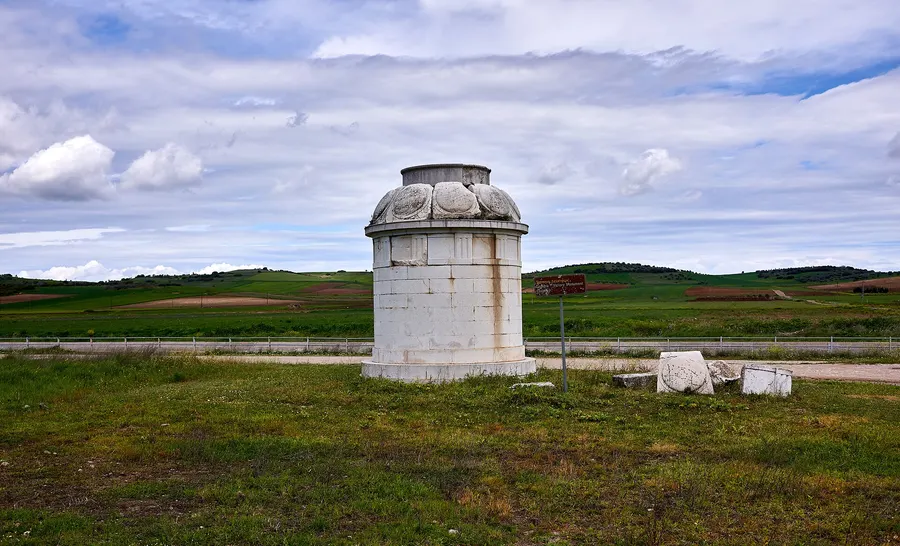 The restored Theban victory monument on the battlefield of LeuctraImage:
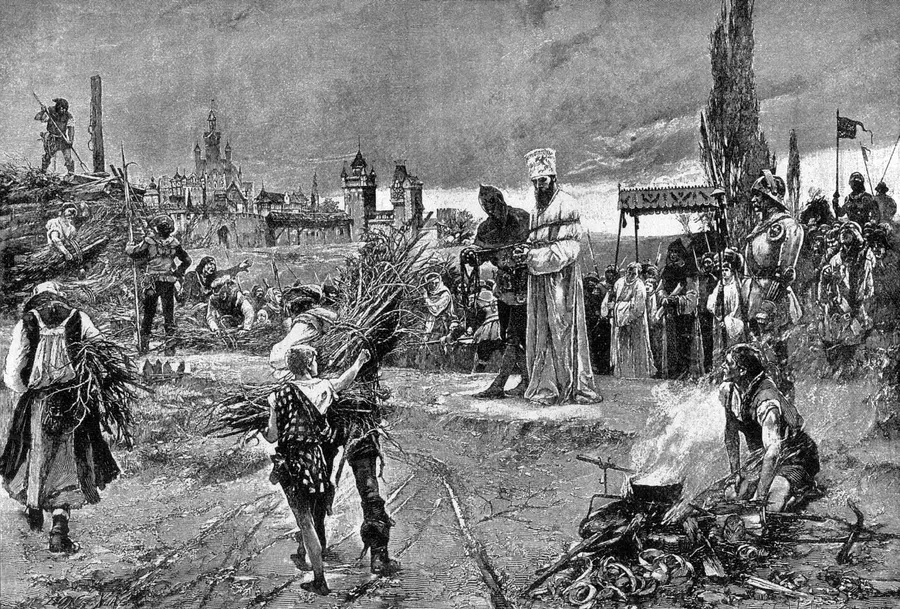 Jan Hus led to the stake at Constance, in an engraving after a painting by Carl Gustaf HellqvistImage:
 A statue of Jerónimo Luis de Cabrera, the founder of Córdoba, in the cityImage:
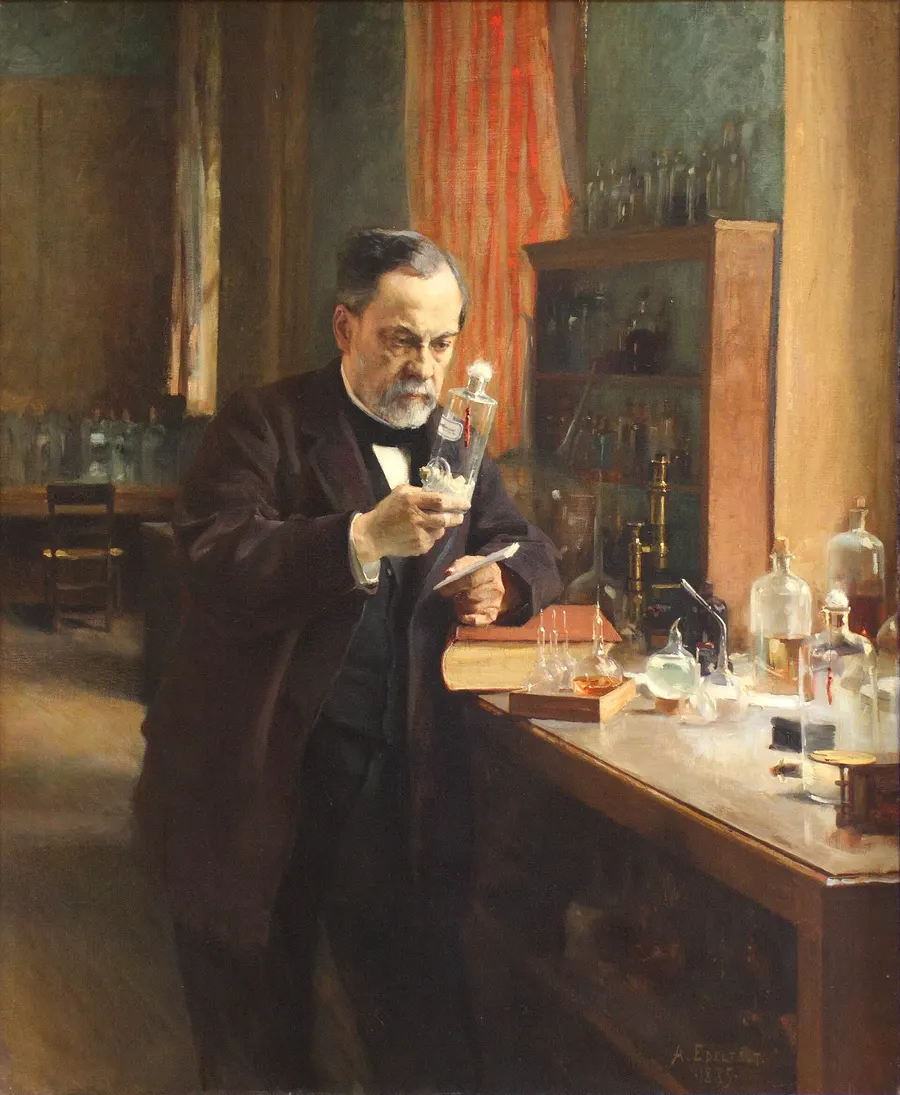 Louis Pasteur in his laboratory, painted by Albert Edelfelt in 1885, the year of the first rabies vaccinationImage:
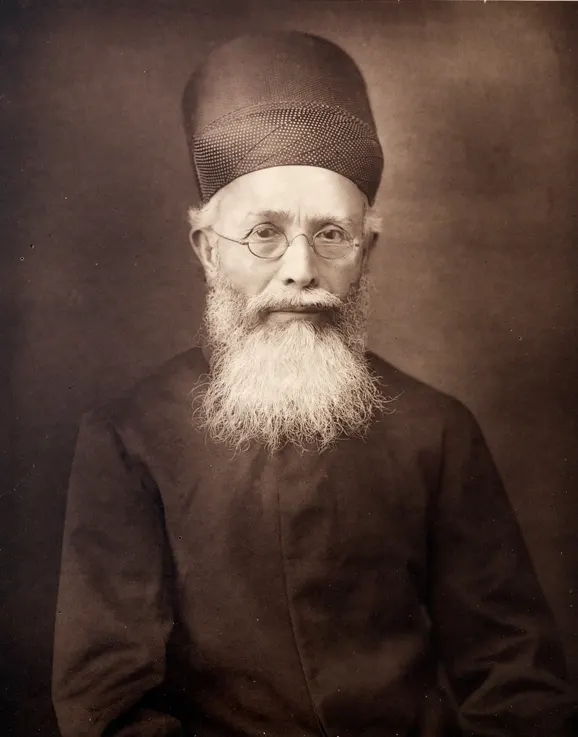 Dadabhai Naoroji, in a portrait published in 1889Image:
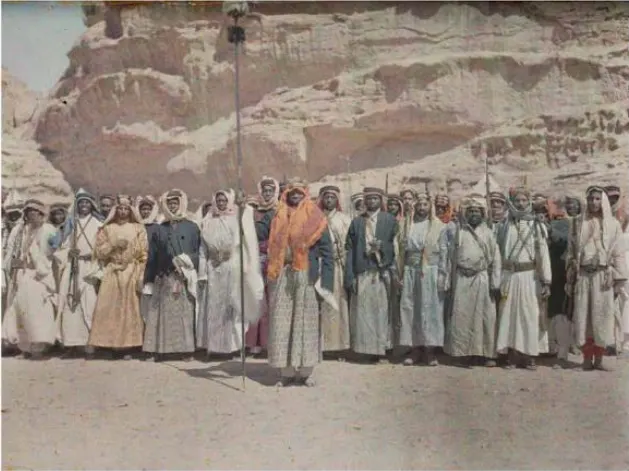 Arab fighters at Aqaba in February 1918, photographed by Paul Castelnau seven months after the port’s captureImage:
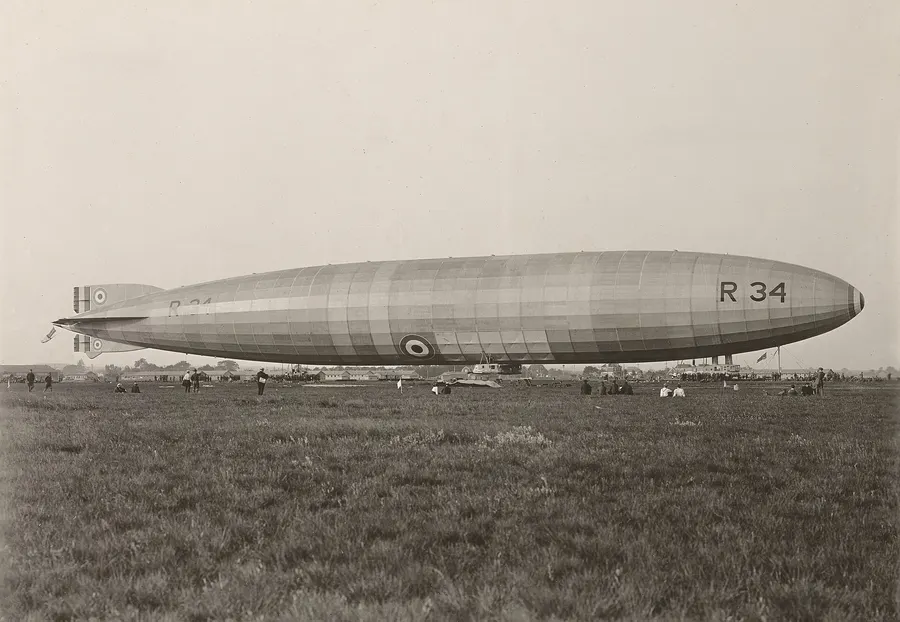 The R34 at Roosevelt Field, Long Island, after its arrival on 6 July 1919Image:
 Comiskey Park, Chicago, in 1986, five years before it was demolishedImage:
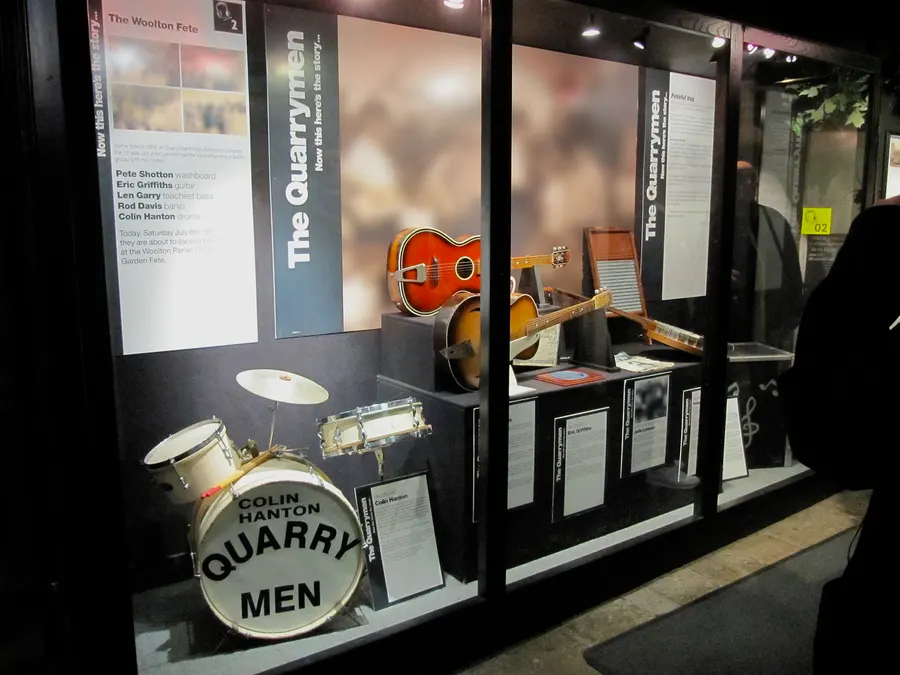 A Quarry Men bass drum and guitars on display at The Beatles Story museum in LiverpoolImage:
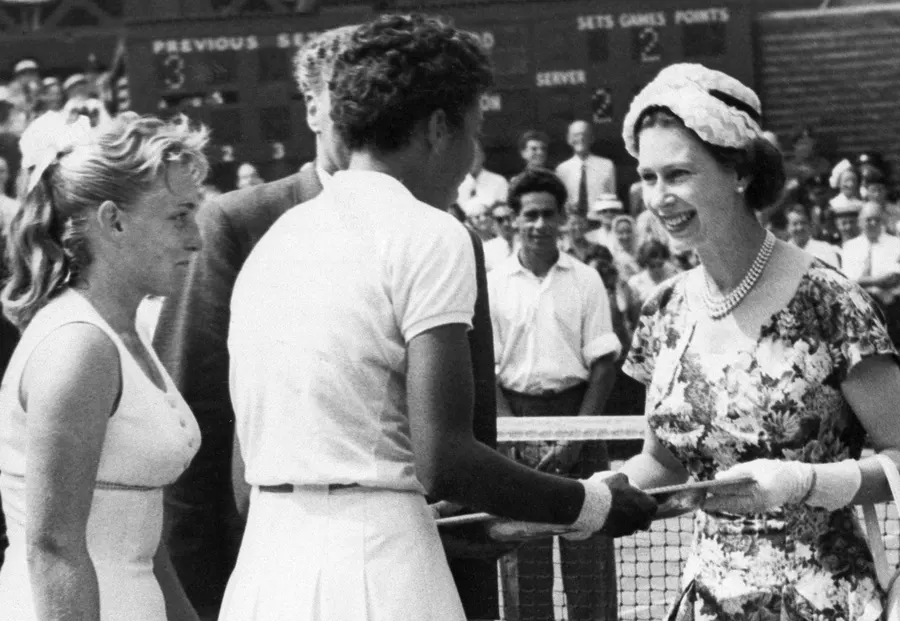 Queen Elizabeth II congratulates Althea Gibson on her Wimbledon title in 1957Image:
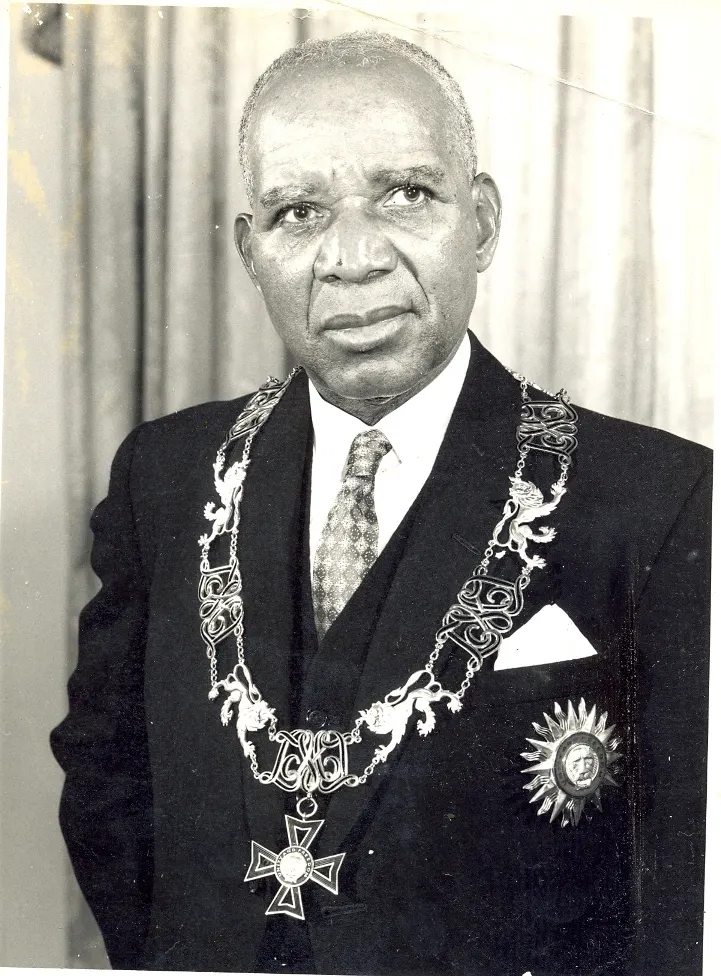 Hastings Kamuzu Banda, who led Malawi to independence and became its first presidentImage:
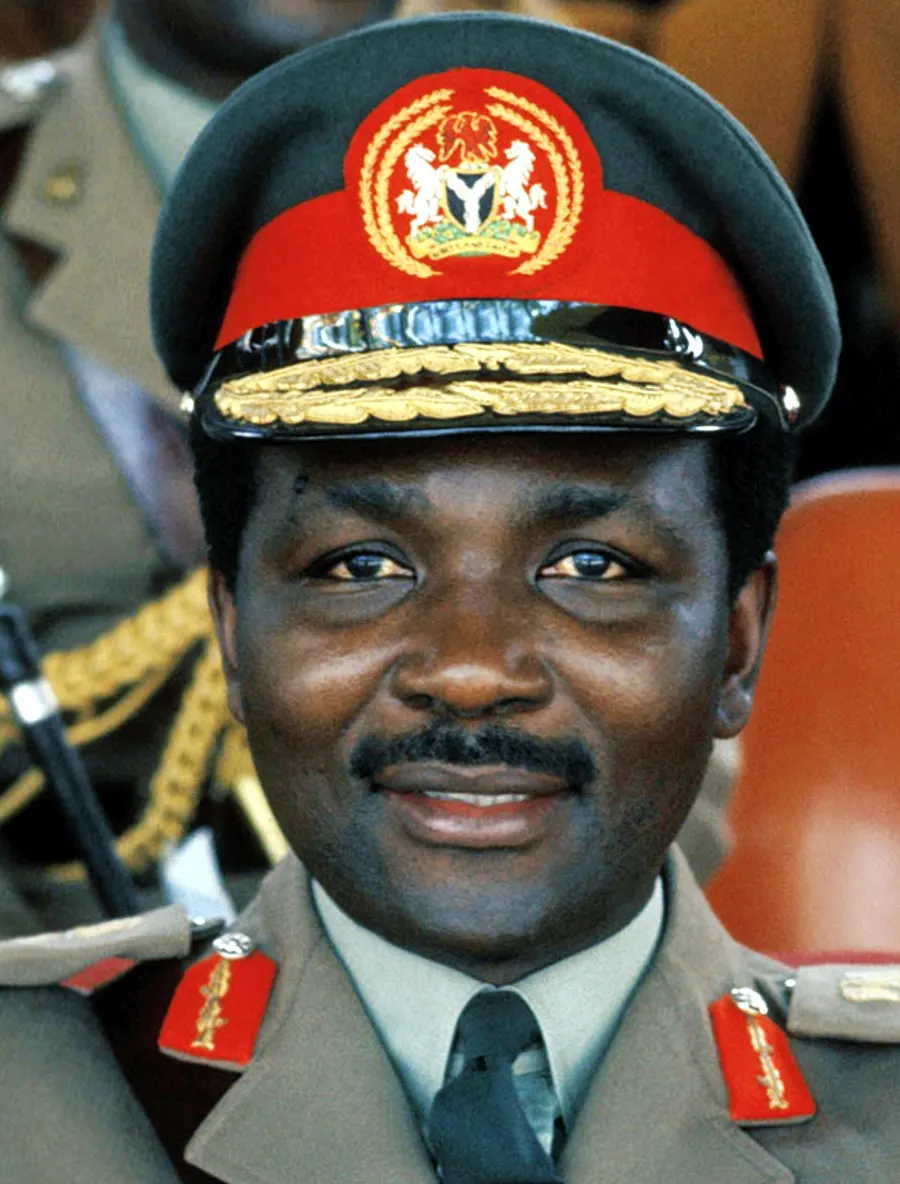 Yakubu Gowon, head of Nigeria’s federal military government during the civil warImage:
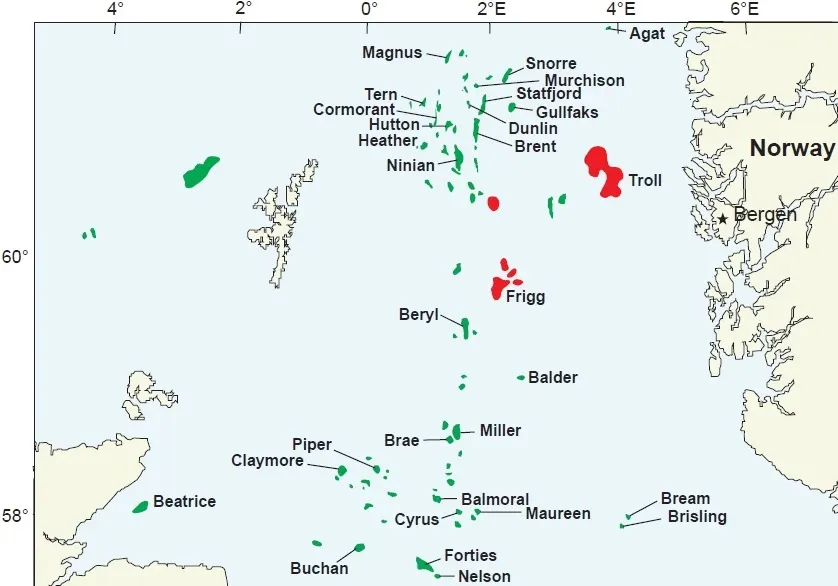 A map of the northern North Sea oil and gas fields, with the Piper field east of OrkneyImage:
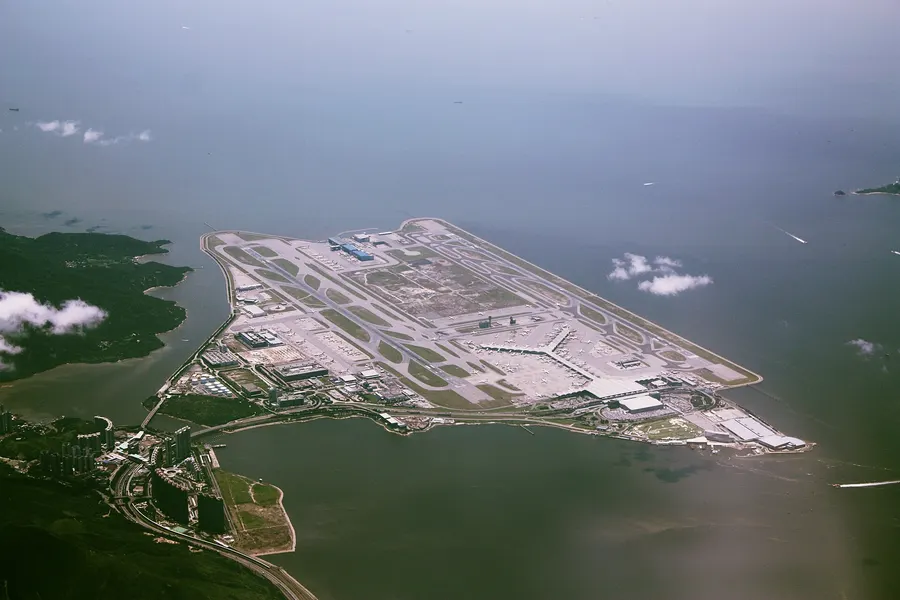 Hong Kong International Airport on its island of Chek Lap Kok, seen from the airImage:
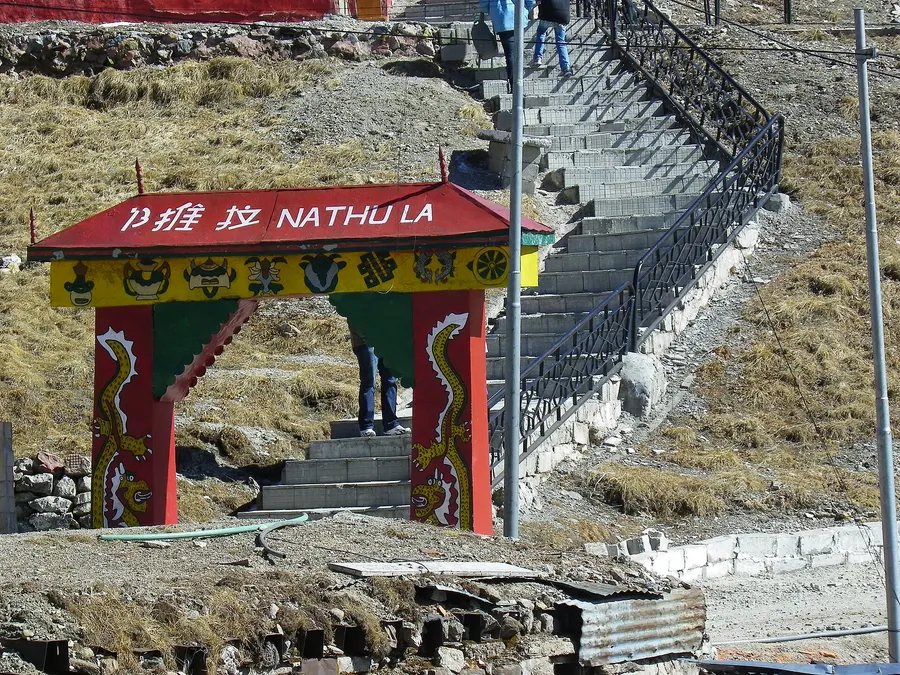 The gateway at Nathu La on the India-China border in SikkimImage: