
1294
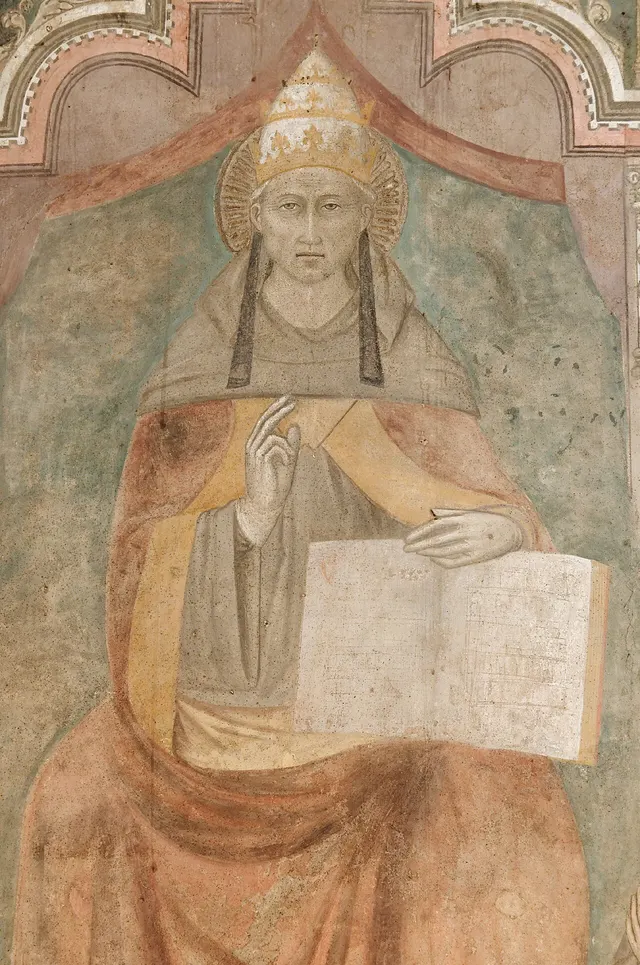 Celestine V in a 14th-century fresco by Niccolò di Tommaso in the Castel Nuovo, NaplesImage: Niccolò di Tommaso · Public domain
world · Europe
A hermit is elected Pope Celestine V
After Pope Nicholas IV died in 1292, the cardinals meeting at Perugia deadlocked for more than two years. The hermit Pietro da Morrone, about 80 years old, wrote to rebuke them for the delay, and on 5 July 1294 they chose him as pope. He took the name Celestine V, but he had no gift for government, and in December he resigned, one of the very few popes ever to do so.
Source: Britannica: St Celestine V ↗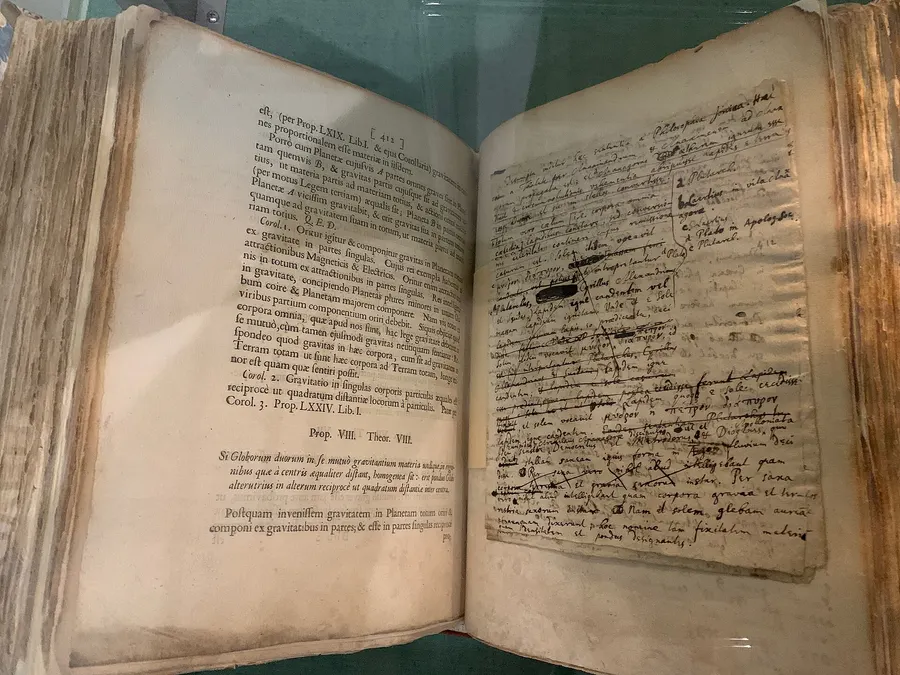 Newton’s own copy of the Principia, its pages crowded with his handwritten corrections and notesImage:
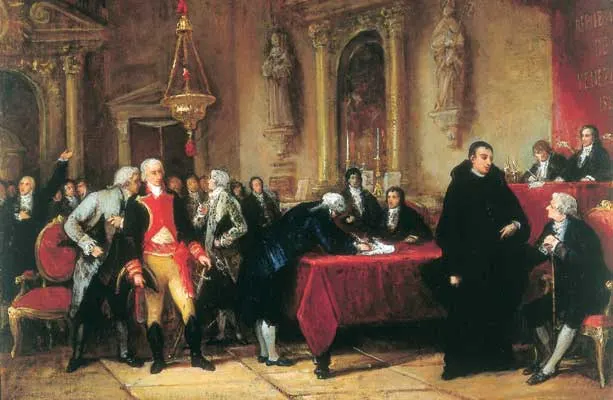 The signing of Venezuela’s Act of Independence, as imagined by the painter Martín Tovar y Tovar later in the 19th centuryImage:
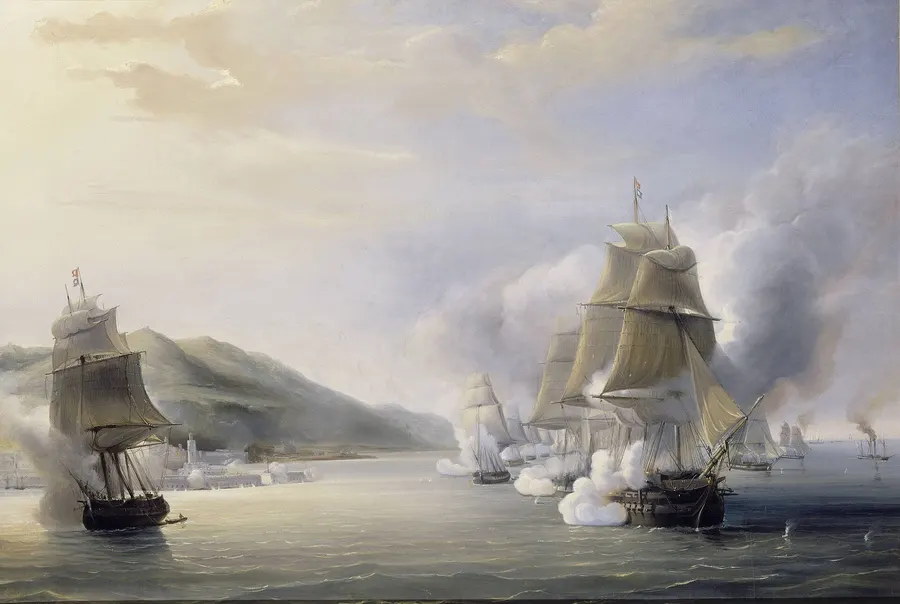 French warships bombarding the defences of Algiers in 1830, painted by Antoine Léon Morel-FatioImage:
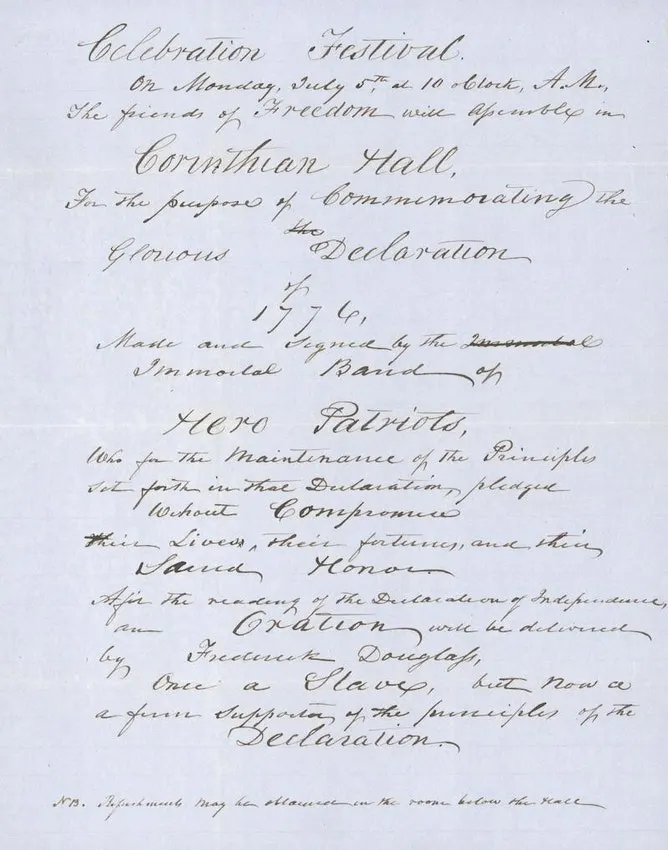 A handwritten notice for the meeting at Corinthian Hall on Monday 5 July 1852, promising an oration by Frederick Douglass, ‘once a slave’Image:
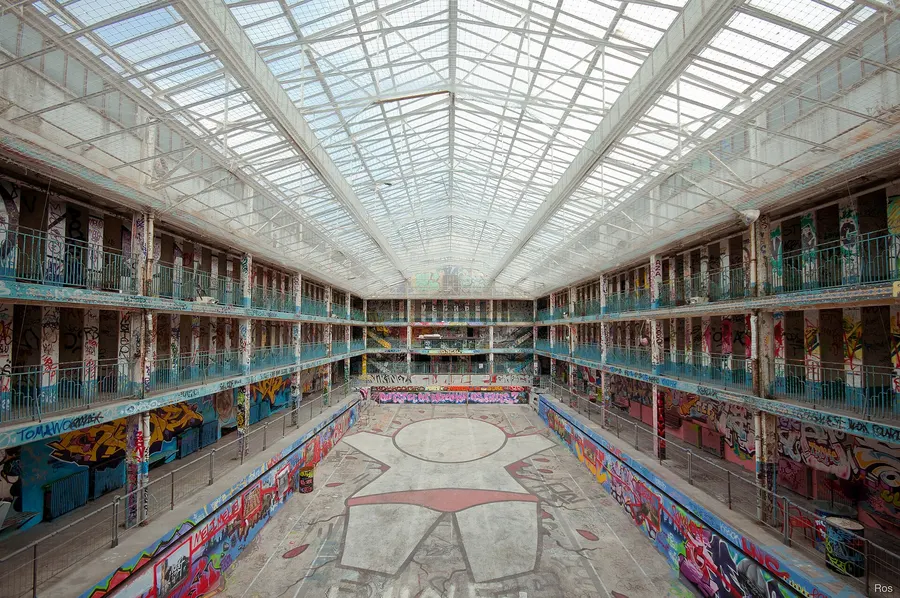 The Piscine Molitor in Paris, where the bikini was first shown, photographed while it stood empty and closed, before its restorationImage:
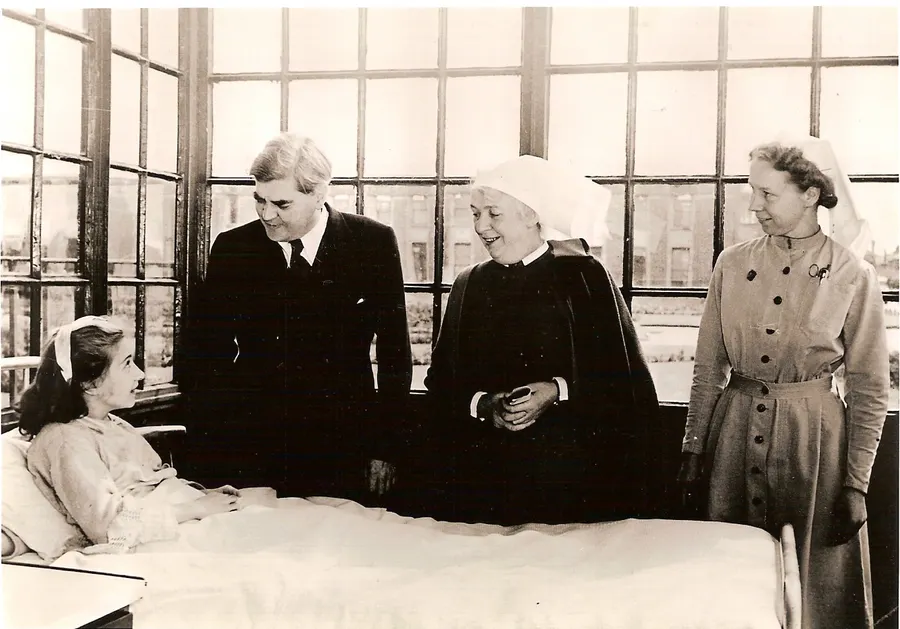 Aneurin Bevan, Minister of Health, meets a young patient at Park Hospital, Davyhulme, near Manchester, on the first day of the NHS, 5 July 1948Image:
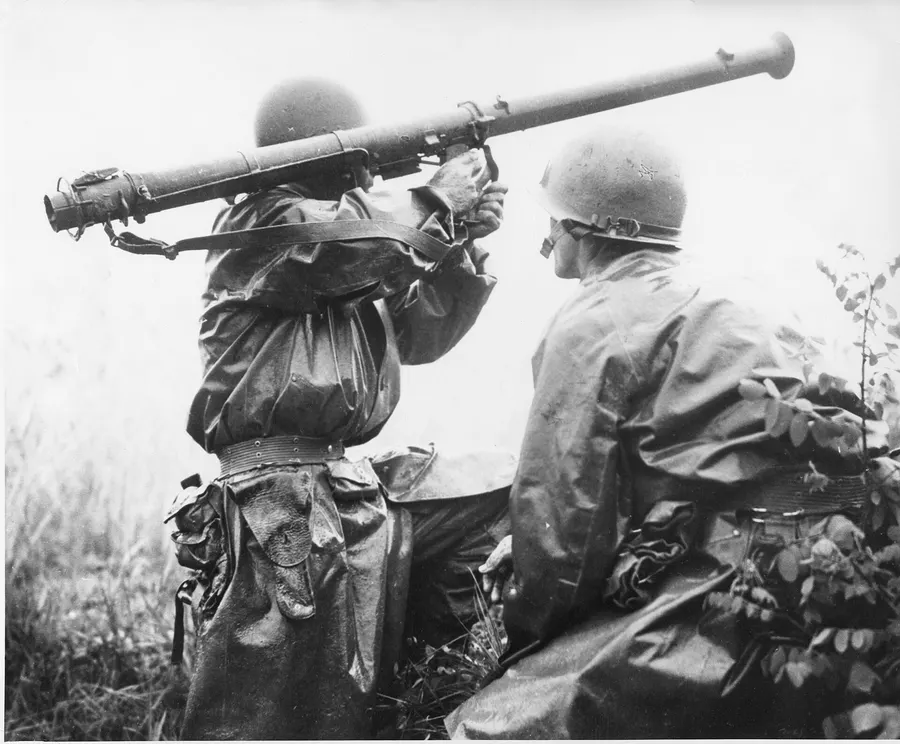 An American bazooka team at Osan in July 1950, photographed by Sergeant Charles TurnbullImage:
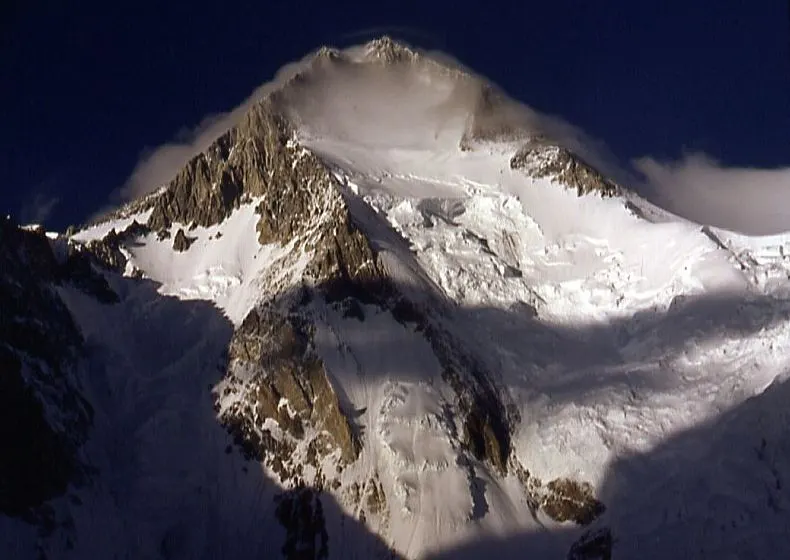 The snow-covered summit of Gasherbrum I, also known as Hidden Peak, in the KarakoramImage:
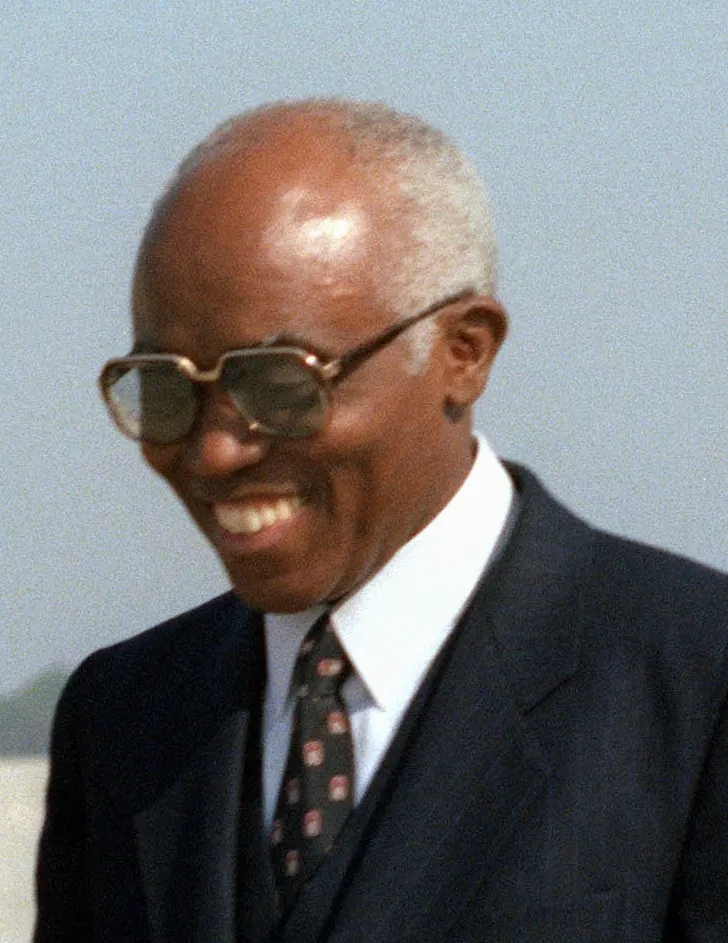 Aristides Pereira, who led the independence movement and became Cape Verde’s first president, photographed in the 1980sImage:
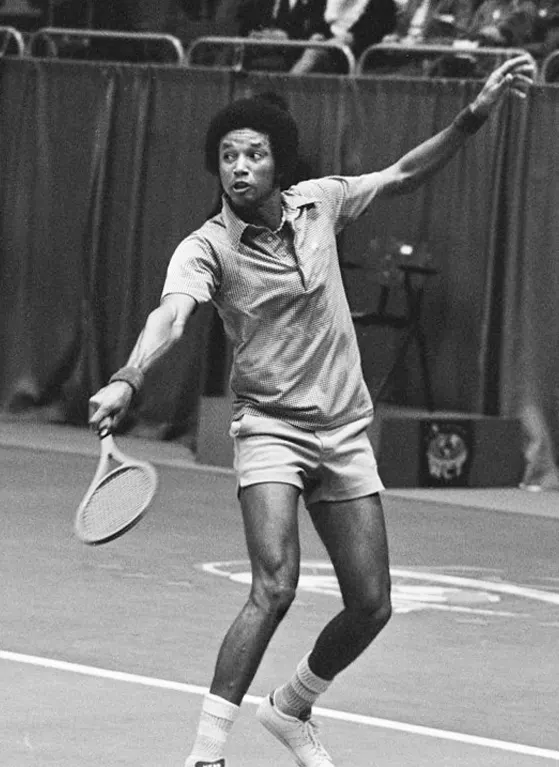 Arthur Ashe in action in the 1970sImage:
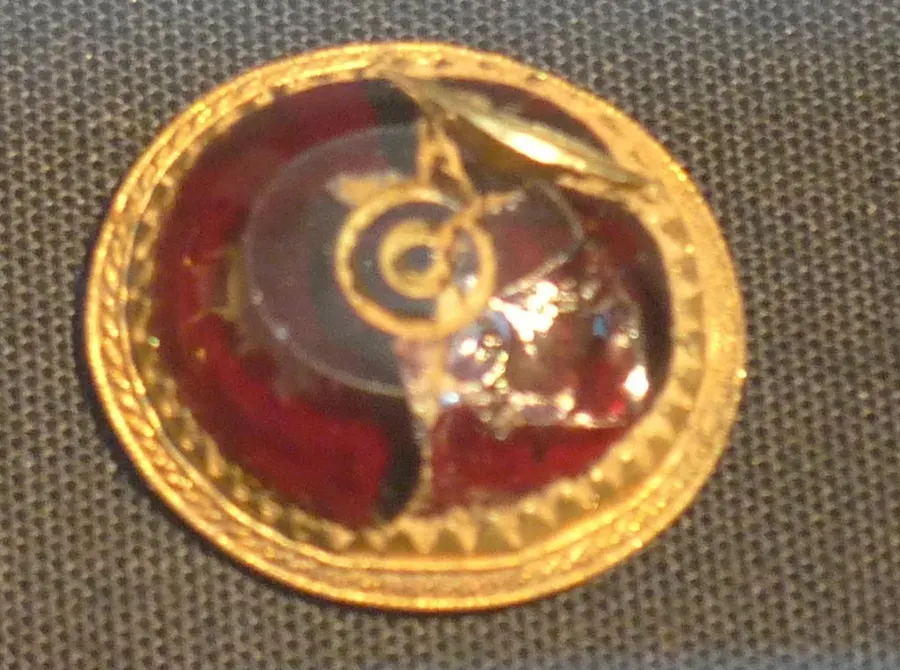 A gold sword fitting set with garnets, one of the pieces found in the Staffordshire HoardImage: