Explore 13 July

Explore 13 July: Charlotte Corday kills Marat in his bath, a Scottish missionary opens a school in Calcutta, New York burns in the draft riots and an edited telegram pushes France and Prussia to war. Born today: John Dee, Wole Soyinka and Harrison Ford.

This day through time →12 verified events across 4 eras

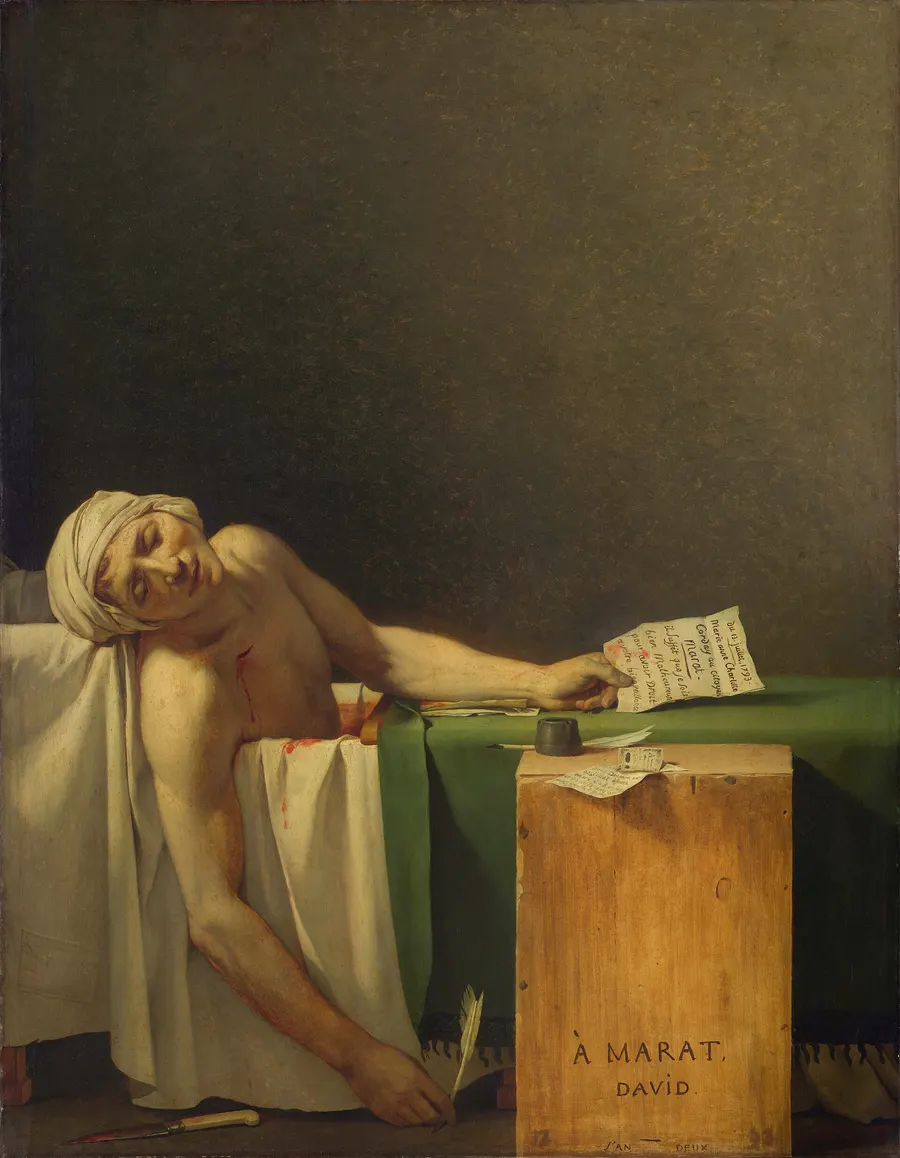
The Death of Marat, painted by Jacques-Louis David in 1793
Image creditJacques-Louis David · Public domainResized and cropped for display.

Charlotte Corday stabs Marat in his bath

Jean-Paul Marat, a doctor turned journalist, was one of the fiercest voices of the French Revolution. His newspaper, L’Ami du peuple, called again and again for traitors to be hunted down and killed, and he was a leader of the radical Montagnards, who in early June 1793 drove their rivals, the Girondins, out of the National Convention. A painful skin disease forced him to spend long hours in a medicinal bath, where he read and wrote.

Charlotte Corday, a 24-year-old from Normandy who sympathised with the Girondins, came to Paris convinced that killing Marat would stop the bloodshed. On the evening of 13 July 1793 she talked her way into his rooms by promising names of plotters in Caen, and as he wrote them down she stabbed him in the chest with a kitchen knife. She was guillotined four days later. The Jacobins turned Marat into a martyr, and Jacques-Louis David’s painting of him dead in his bath became one of the most famous images of the Revolution.

Read the full storyHistory & Timeline →Source: Britannica: Jean-Paul Marat ↗
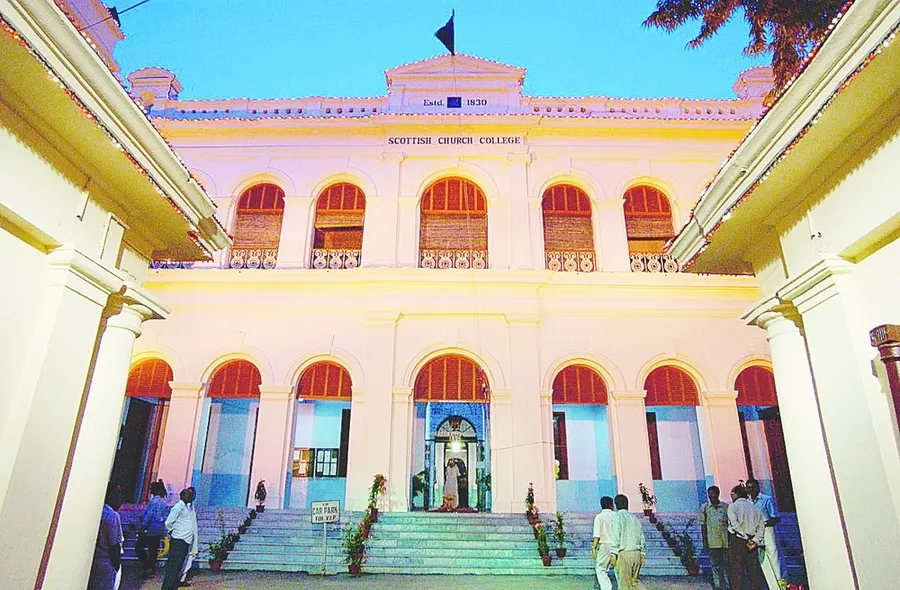
The main building of Scottish Church College in Kolkata, which grew from Alexander Duff's school
The main building of Scottish Church College in Kolkata, which grew from Alexander Duff’s school
Image creditAmi topse · CC BY-SA 4.0Resized and cropped for display.

Alexander Duff opens his school in Calcutta

Alexander Duff was the first missionary the Church of Scotland sent overseas. He sailed for India in 1829 and was shipwrecked on the way, losing almost all his books, before he reached Calcutta in 1830. He believed that the best way to reach educated Bengalis was not street preaching but a school that taught Western learning, science and literature in English, alongside the Bible, and the reformer Ram Mohan Roy helped him find premises and pupils.

On 13 July 1830 Duff opened the General Assembly’s Institution in a rented house on upper Chitpur Road, in the Jorasanko district of the city. It proved hugely popular and helped shape the English-language education that Britain later adopted across India. The school grew into Scottish Church College, one of the oldest colleges in Asia still running, whose students have included the religious teacher Swami Vivekananda and the nationalist leader Subhas Chandra Bose.

Read the full storyHistory & Timeline →Source: Scottish Church College: College history ↗
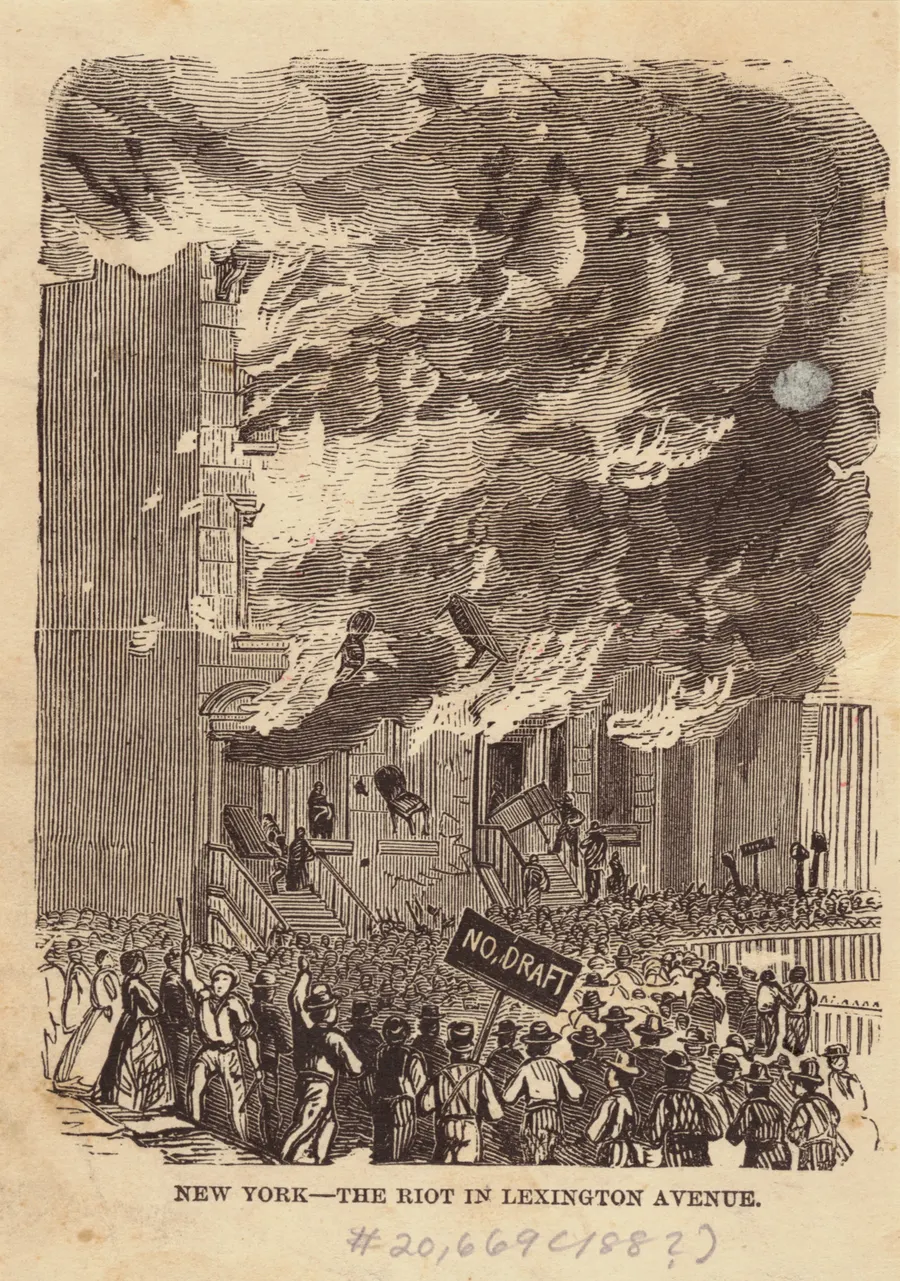
Crowds and burning buildings on Lexington Avenue during the riots, in a 19th-century engraving
Image creditUnknown engraver, from The Great Riots of New York (19th century) · Public domainResized and cropped for display.

The draft riots break out in New York City

In 1863, short of men for the Civil War, the United States brought in its first national draft. Men were chosen by lottery, but anyone called up could escape service by paying $300, more than half a year’s wages for a labourer. In New York, many poor workers, especially Irish immigrants, were angry at a war they now saw being fought to free enslaved people who might compete with them for jobs. The first names were drawn in the city on Saturday 11 July.

On the morning of Monday 13 July 1863 a crowd attacked the draft office on Third Avenue and set it on fire. For four days mobs looted shops, fought the police and burned buildings, and they turned with terrible cruelty on the city’s Black residents: men were beaten and lynched, and the Colored Orphan Asylum was burned, though its children escaped. Troops were rushed from the battlefield at Gettysburg to restore order. More than a hundred people died, in the worst civil disorder in the country’s history.

Read the full storyHistory & Timeline →Source: New-York Historical Society: What happened during the New York City Draft Riots? ↗
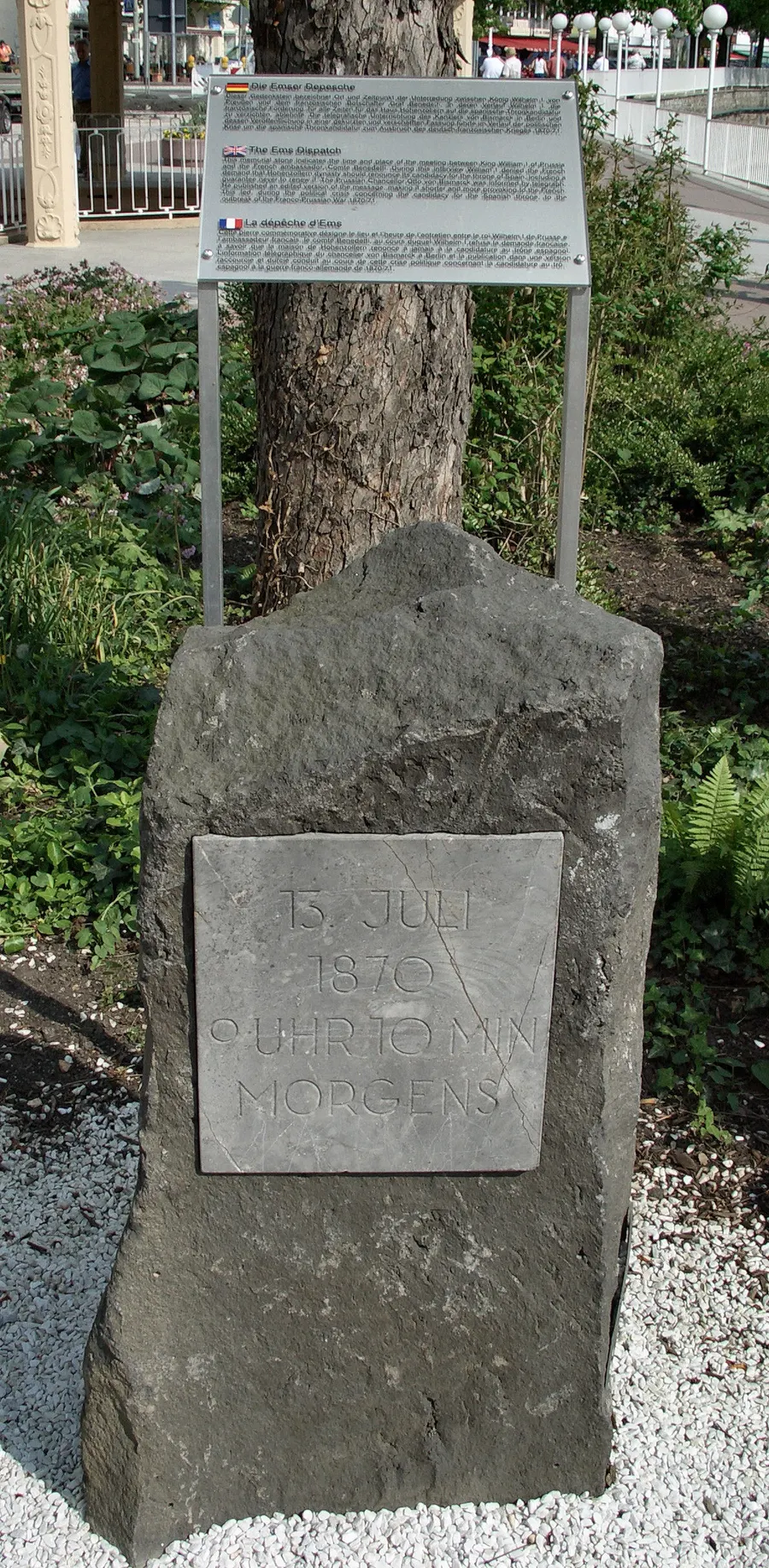
The memorial stone in the spa gardens at Bad Ems marking where King William met the French ambassador
Image creditHolger Weinandt · CC BY-SA 3.0 deResized and cropped for display.

Bismarck edits the Ems telegram and pushes France towards war

In the summer of 1870 Spain offered its vacant throne to Prince Leopold of Hohenzollern-Sigmaringen, a relative of King William I of Prussia. France was alarmed at the thought of Hohenzollerns on two of its borders, and on 12 July the candidacy was withdrawn. Paris wanted more. On 13 July the French ambassador, Count Vincent Benedetti, approached the king on his morning walk at the spa town of Ems and asked for a promise that the candidacy would never be renewed.

The king politely refused, and his staff sent a telegram describing the meeting to the Prussian chief minister, Otto von Bismarck, in Berlin. Bismarck, who believed a war with France would unite the German states behind Prussia, shortened the message before releasing it to the press that evening, so that it read as if the king had snubbed the ambassador. The French were outraged, and on 19 July France declared war on Prussia. The war ended in French defeat and the creation of the German Empire in January 1871.

Read the full storyHistory & Timeline →Source: Britannica: Ems telegram ↗

♙
PEOPLE

Born Today

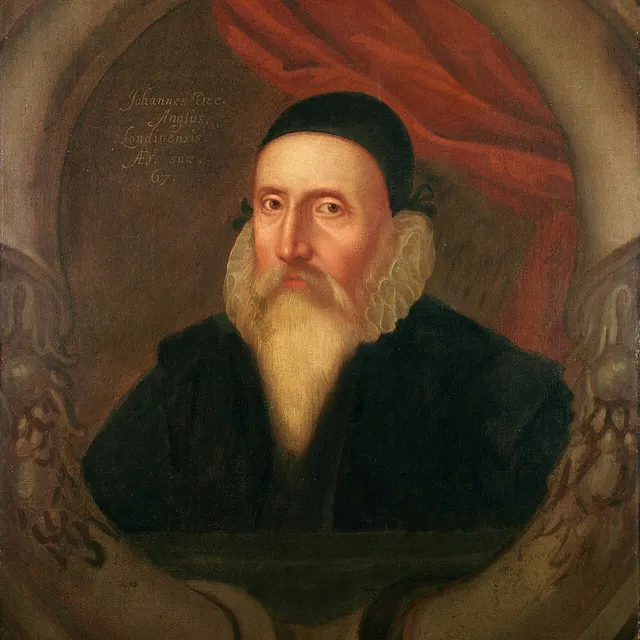
John Dee
Image creditUnidentified painter · Public domainResized and cropped for display.

John Dee

English mathematician, astrologer and adviser to Elizabeth I, who gathered one of the largest libraries in England and later sought to speak with angels.

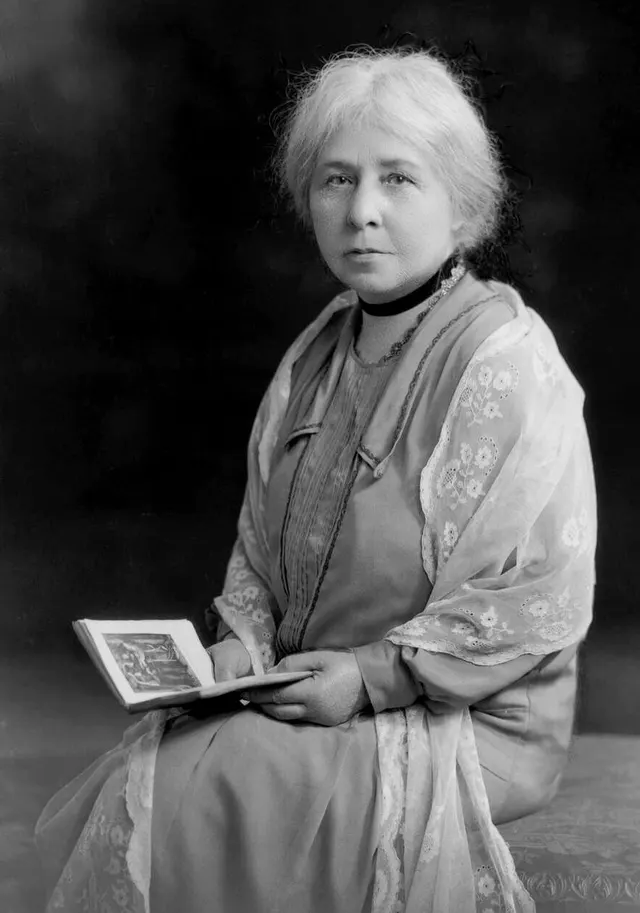
Margaret Murray
Image creditUnknown (Lafayette Ltd) · Public domainResized and cropped for display.

Margaret Murray

Egyptologist born in Calcutta who excavated with Flinders Petrie, became one of Britain’s first women lecturers in archaeology and lived to be 100.

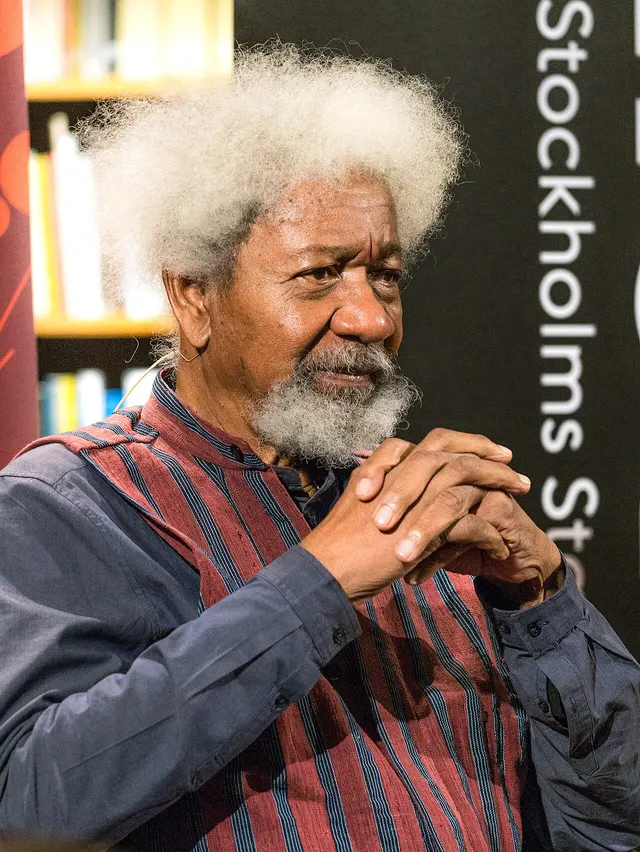
Wole Soyinka
Image creditFrankie Fouganthin · CC BY-SA 4.0Resized and cropped for display.

Wole Soyinka

Nigerian playwright, poet and campaigner who in 1986 became the first African writer to win the Nobel Prize in Literature.

Patrick Stewart
Image creditGage Skidmore · CC BY-SA 3.0Resized and cropped for display.

Patrick Stewart

English actor who spent years on stage with the Royal Shakespeare Company before finding worldwide fame as Captain Jean-Luc Picard in Star Trek.

Harrison Ford
Image creditKevin Paul · CC BY 4.0Resized and cropped for display.

Harrison Ford

American actor who became one of Hollywood’s biggest stars as Han Solo in Star Wars and as the archaeologist Indiana Jones.

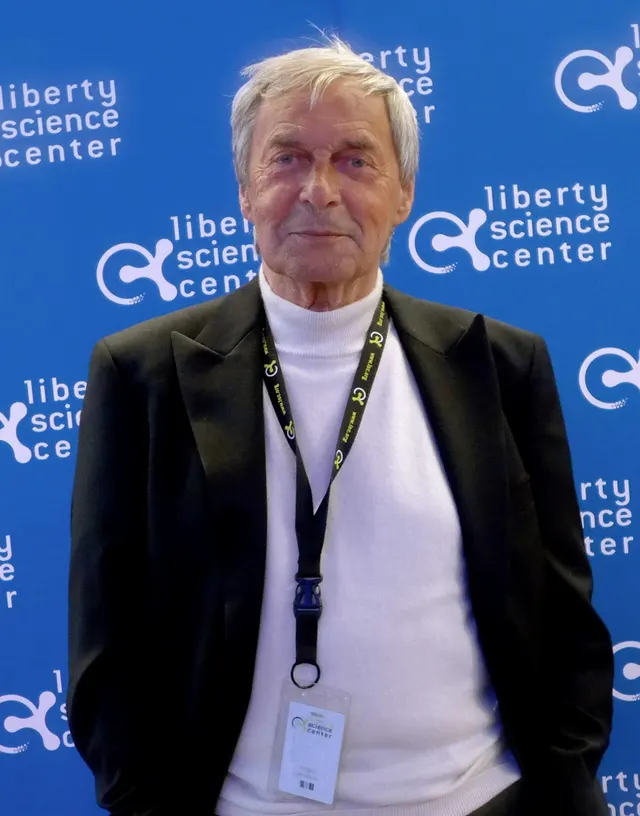
Ernő Rubik
Image creditBabak Mansouri · Public domainResized and cropped for display.

Ernő Rubik

Hungarian architect and teacher who invented the Rubik’s Cube in 1974, which became one of the best-selling puzzles of all time.

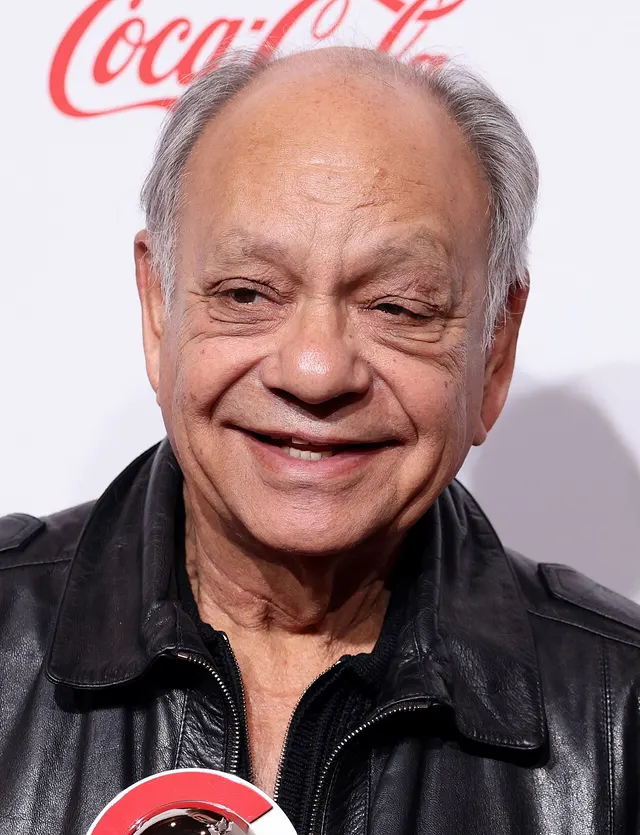
Cheech Marin
Image creditGage Skidmore · CC BY-SA 3.0Resized and cropped for display.

Cheech Marin

American comedian and actor, half of the double act Cheech and Chong, who has built one of the largest collections of Chicano art.

Guillermo Ochoa
Image creditСветлана Бекетова · CC BY-SA 3.0Resized and cropped for display.

Guillermo Ochoa

Mexican goalkeeper who played at several World Cups and became famous for his string of saves against the hosts Brazil in 2014.

◉
IDEAS THAT CHANGED THINGS

Firsts, Science & Discoveries

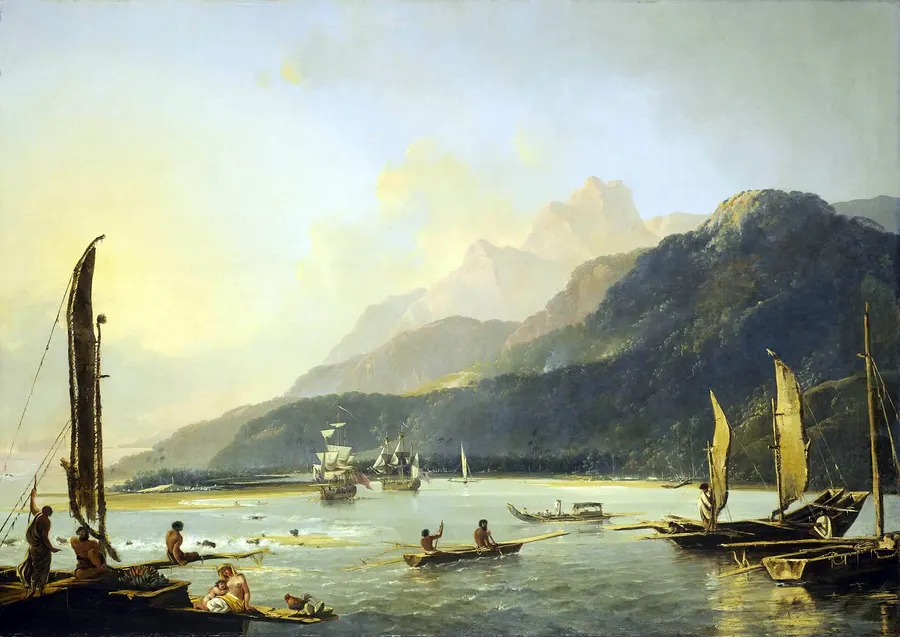
Resolution and Adventure at anchor in Matavai Bay, Tahiti, painted by William Hodges, the voyage's artist
Resolution and Adventure at anchor in Matavai Bay, Tahiti, painted by William Hodges, the voyage’s artist
Image creditWilliam Hodges · Public domainResized and cropped for display.

Cook sails on his second voyage, with a watch to find longitude

After his first Pacific voyage, James Cook was sent back to settle an old question: whether a great southern continent, Terra Australis, lay somewhere in the unexplored southern oceans. He sailed from Plymouth on 13 July 1772 in the Resolution, with Tobias Furneaux commanding a second ship, the Adventure. On board was a new kind of instrument: K1, a copy of John Harrison’s prize-winning sea watch made by the London watchmaker Larcum Kendall.

A ship could find its longitude by comparing local time with the time at home, but only if it carried a clock that kept perfect time through years of storms, heat and cold. Over three years Cook sailed further south than anyone before him, crossing the Antarctic Circle, and showed that any southern continent must lie in the ice. K1 kept such good time that Cook called it his ‘trusty friend’ and ‘never failing guide’, and its success helped make the marine chronometer standard equipment on ocean-going ships.

Read the full storyHistory & Timeline →Source: Royal Museums Greenwich: K1 ↗
☆
SPORTING HISTORY

Sporting Moments

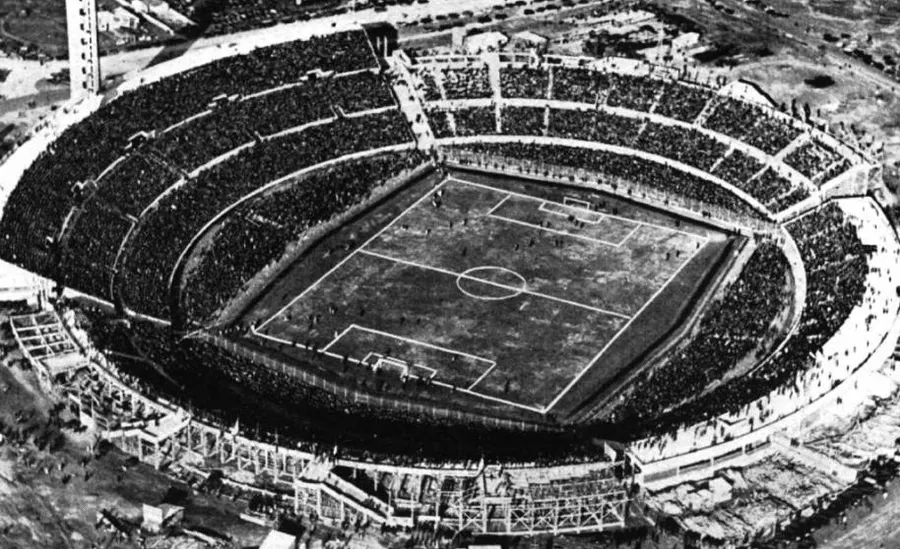
The Estadio Centenario in Montevideo, built for the 1930 World Cup, which opened five days after the first matches
Image creditUnknown author · Public domainResized and cropped for display.

The first World Cup kicks off in Montevideo

Uruguay had won the Olympic football tournaments of 1924 and 1928, and 1930 was the hundredth anniversary of its first constitution, so FIFA gave it the first World Cup. The country promised to pay the teams’ travel costs and build a great new stadium. Only four European nations, France, Belgium, Romania and Yugoslavia, made the long journey by sea, joining nine teams from the Americas.

The tournament began on 13 July 1930 with two games played at the same time in Montevideo, in winter weather. France beat Mexico 4-1, and the French forward Lucien Laurent scored the first goal in World Cup history, while the United States beat Belgium 3-0. Uruguay went on to win the final against Argentina, 4-2, at the new Estadio Centenario on 30 July.

Read the full storyHistory & Timeline →Source: FIFA: Uruguay 1930 tournament review ↗
♫
MUSIC • FILM • BOOKS • CULTURE

Culture Stories

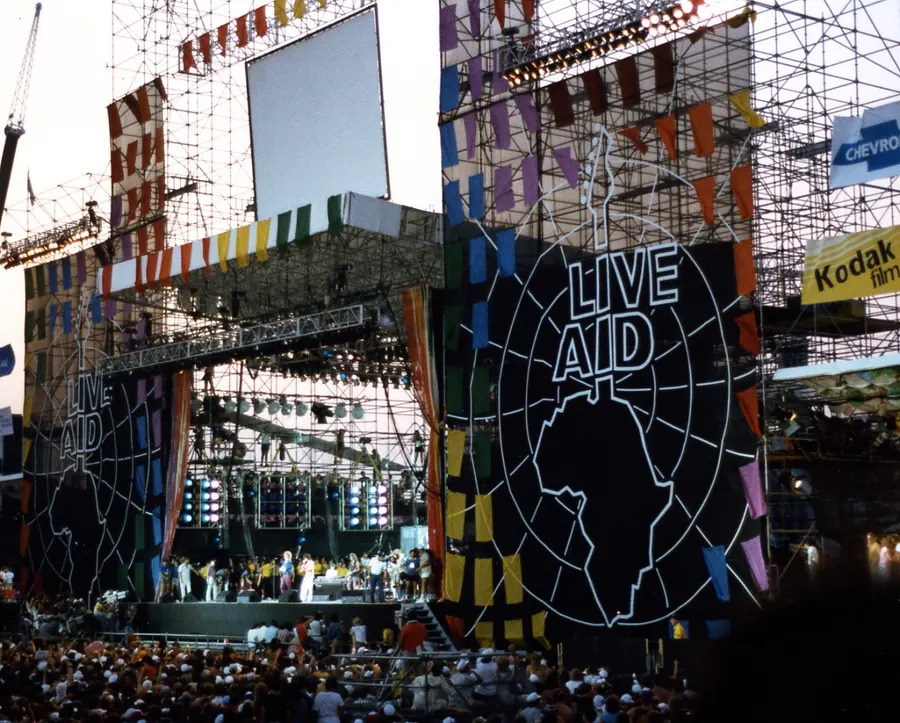
The Live Aid stage, with its guitar-shaped map of Africa, at JFK Stadium in Philadelphia
Image creditSquelle · CC BY-SA 3.0Resized and cropped for display.

Live Aid plays to the world from London and Philadelphia

In 1984 television reports of the famine in Ethiopia moved the Irish singer Bob Geldof and Midge Ure of Ultravox to gather British and Irish pop stars as Band Aid to record ‘Do They Know It’s Christmas?’. American artists answered with ‘We Are the World’. Geldof then set out to stage the biggest concert ever, to raise money for famine relief.

On 13 July 1985 Live Aid took place at Wembley Stadium in London and JFK Stadium in Philadelphia, with more than 70 acts including Queen, U2, Madonna, David Bowie and a reunited Led Zeppelin. Phil Collins played in London, flew across the Atlantic on Concorde and played again in Philadelphia. Carried by satellite to an estimated 1.5 billion viewers, the broadcast urged people to phone in donations, and it raised millions for famine relief in Africa.

Read the full storyHistory & Timeline →Source: Britannica: Live Aid ↗
✦
LIVES REMEMBERED

Remembered Today

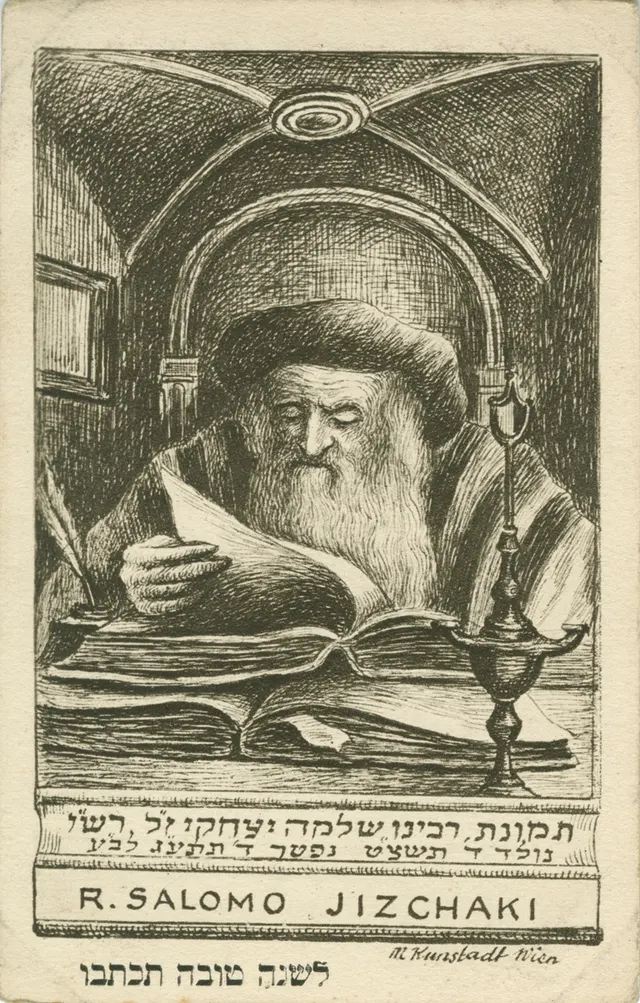
Rashi
Image creditMeir Kunstadt · Public domainResized and cropped for display.

Rashi

Rabbi of Troyes in France whose clear commentaries on the Hebrew Bible and the Talmud are still printed alongside them and studied today.

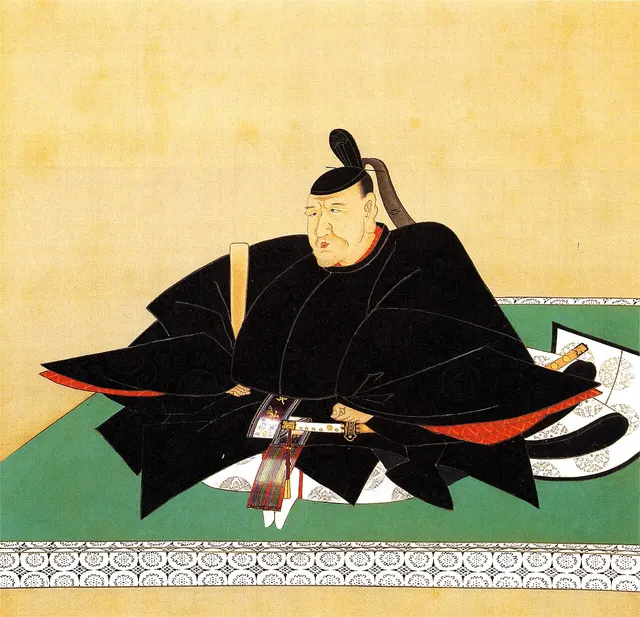
Tokugawa Ieshige
Image creditAttributed to Kanō Terunobu · Public domainResized and cropped for display.

Tokugawa Ieshige

Ninth Tokugawa shogun of Japan, who ruled from 1745 and handed power to his son Ieharu in 1760, the year before he died.

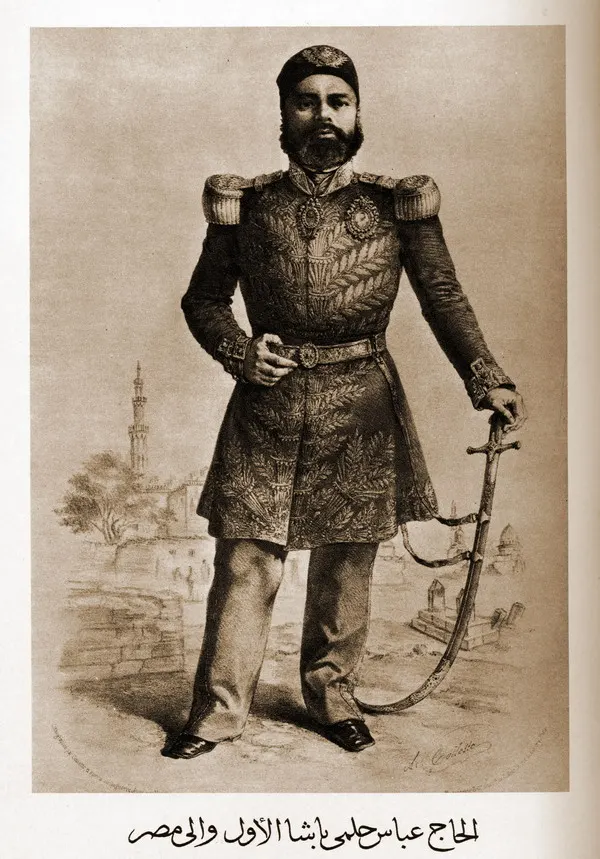
Abbas I of Egypt
Image creditUnknown author · Public domainResized and cropped for display.

Abbas I of Egypt

Grandson of Muhammad Ali who ruled Egypt from 1848 and let Britain build the country’s first railway, from Alexandria to Cairo; he died at his palace at Benha.

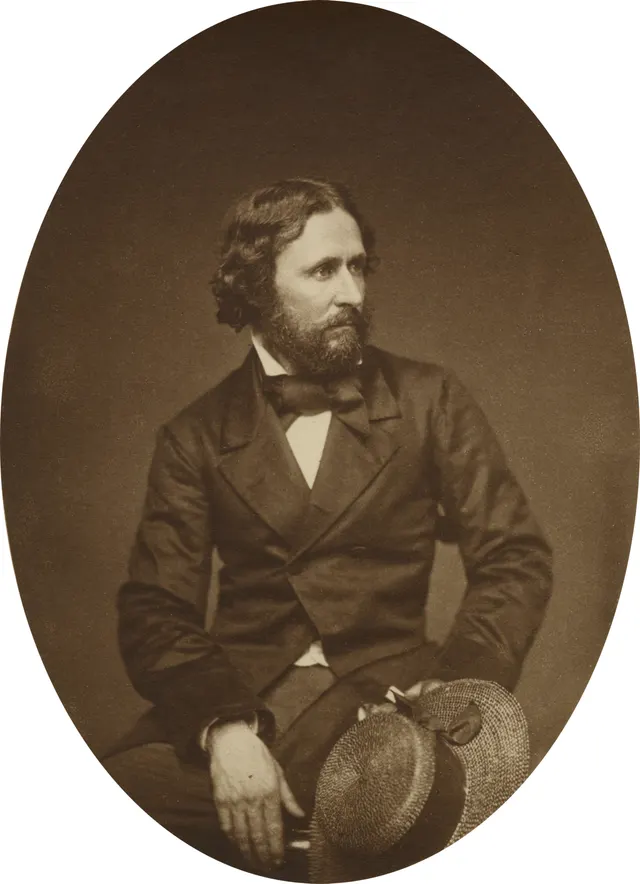
John C. Frémont
Image creditUnknown author · Public domainResized and cropped for display.

John C. Frémont

American explorer known as ‘the Pathfinder’ for his expeditions to the West, who in 1856 was the Republican Party’s first candidate for president.

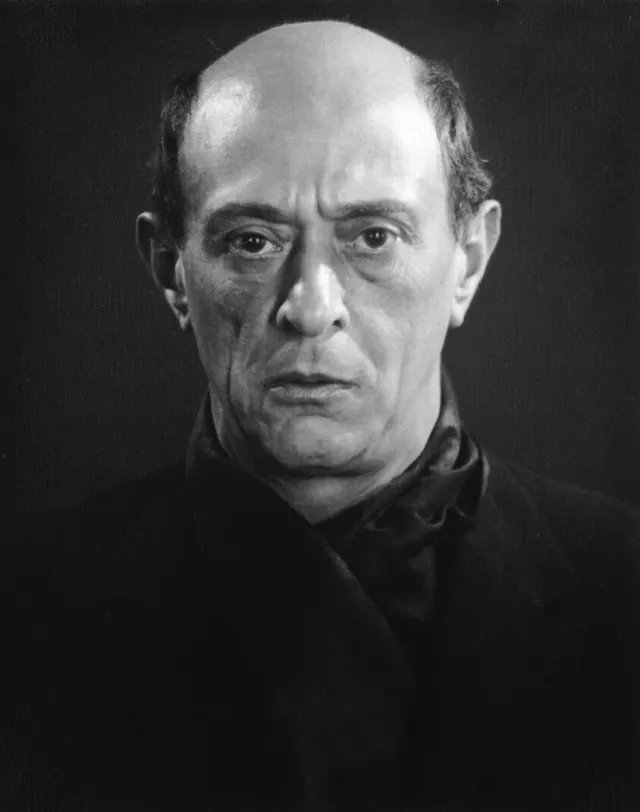
Arnold Schoenberg
Image creditMan Ray · CC BY-SA 2.0Resized and cropped for display.

Arnold Schoenberg

Austrian composer who devised the twelve-tone method of composition and, after fleeing the Nazis, taught for years in Los Angeles, where he died.

☉
AROUND THE WORLD

Observances & Anniversaries

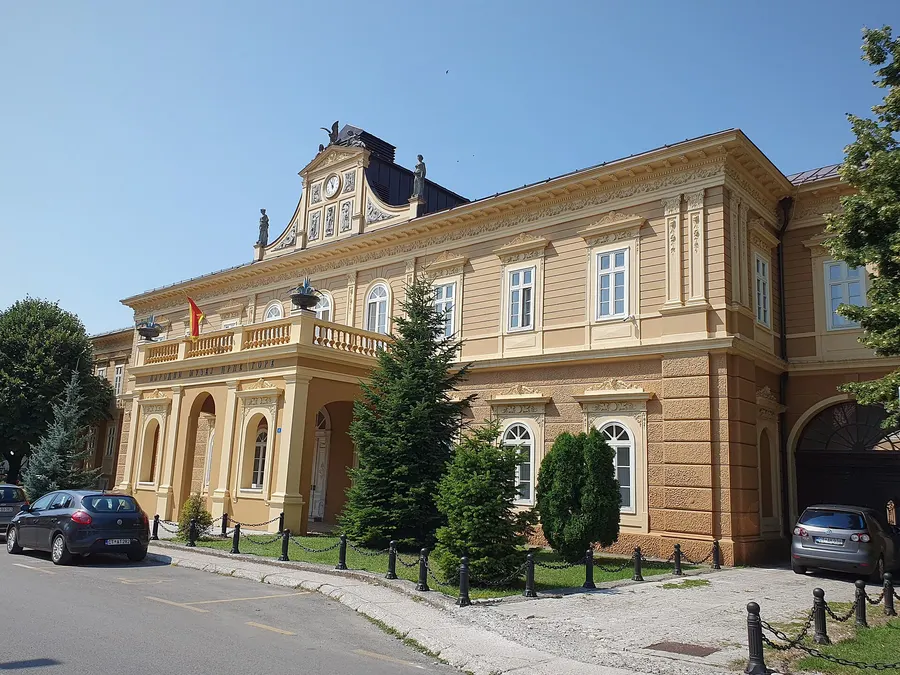
The National Museum of Montenegro in Cetinje, the country's old royal capital
The National Museum of Montenegro in Cetinje, the country’s old royal capital
Image creditQasinka · CC0Resized and cropped for display.

Statehood Day in Montenegro

Montenegro’s national holiday recalls two moments. On 13 July 1878 the Congress of Berlin recognised the small mountain principality as an independent state, and on the same date in 1941 Montenegrins rose in one of the first mass uprisings against the Axis occupation of Europe.

The day is marked with ceremonies and receptions across the country, and the state presents its 13 July Award, its highest honour for achievement in the arts, science and public life.

Source: Government of Montenegro: 13 July, symbol of Montenegrin statehood ↗
HISTORY & TIMELINE

Finished the highlights?

Follow 13 July chronologically, from the Middle Ages to the modern day, with 12 verified events and the sources behind them.

This day through time →