Explore 19 July

Explore 19 July: Henry VIII watches the Mary Rose go down, women meet at Seneca Falls to demand their rights, the Taiping capital falls, France declares war on Prussia and the Sandinistas ride into Managua. Born today: Gottfried Keller, Rosalyn Yalow and Brian May.

This day through time →13 verified events across 4 eras

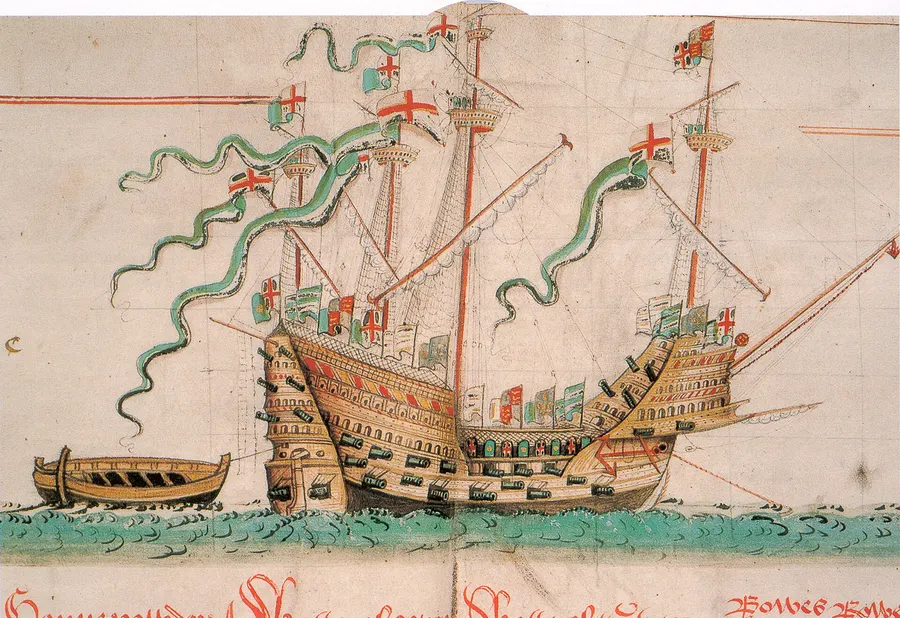
The Mary Rose as drawn in the Anthony Roll, an illustrated inventory of Henry VIII's navy made around 1546
The Mary Rose as drawn in the Anthony Roll, an illustrated inventory of Henry VIII’s navy made around 1546
Image creditAnthony Anthony (Anthony Roll, c. 1546); scan by Gerry Bye · Public domainResized and cropped for display.

The Mary Rose sinks in the Solent as Henry VIII watches

The Mary Rose was one of the first great warships of Henry VIII’s navy, launched in 1511 and rebuilt to carry heavy guns firing through lidded ports cut low in her hull. In the summer of 1545 England was at war with France, and a French invasion fleet of more than 200 ships sailed into the Solent, the strait between Portsmouth and the Isle of Wight, far outnumbering the English ships sent out to meet it.

On 19 July 1545, with the king watching from the shore near Southsea Castle, the Mary Rose fired a broadside and began to turn. She heeled over, water poured through her open gunports and she sank within minutes. Whether a gust of wind, French fire or a crowded, top-heavy ship was to blame is still debated. Only about 30 of the roughly 400 men aboard survived. The French invasion came to nothing, and in 1982 the surviving half of her hull was raised from the seabed; it is now displayed in Portsmouth.

Read the full storyHistory & Timeline →Source: Mary Rose Trust: Why did the Mary Rose sink? ↗
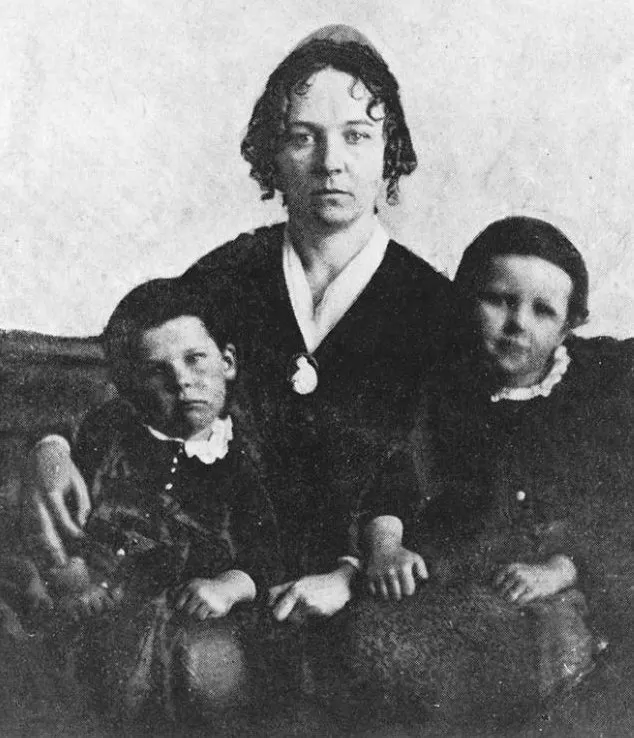
Elizabeth Cady Stanton with her sons Daniel and Henry in 1848, the year of the Seneca Falls convention
Image creditUnknown photographer · Public domainResized and cropped for display.

The first women’s rights convention opens at Seneca Falls

In the United States of the 1840s women could not vote, a married woman’s property and earnings usually belonged to her husband, and most colleges and professions were closed to women. Elizabeth Cady Stanton, a young mother living in the small mill town of Seneca Falls, New York, met the Quaker preacher Lucretia Mott and three other women over tea in July 1848, and together they decided to call a public meeting on the ‘social, civil and religious condition and rights of woman’.

It opened in the Wesleyan Chapel on 19 July 1848, and about 300 people came over two days. The women’s Declaration of Sentiments, modelled on the Declaration of Independence, listed their grievances, and 100 people signed it, including the formerly enslaved abolitionist Frederick Douglass. The call for women’s right to vote was the most controversial of the resolutions and only just passed. Seneca Falls is remembered as the start of the organised campaign for women’s rights in the United States.

Read the full storyHistory & Timeline →Source: National Park Service: Declaration of Sentiments, the first women’s rights convention ↗
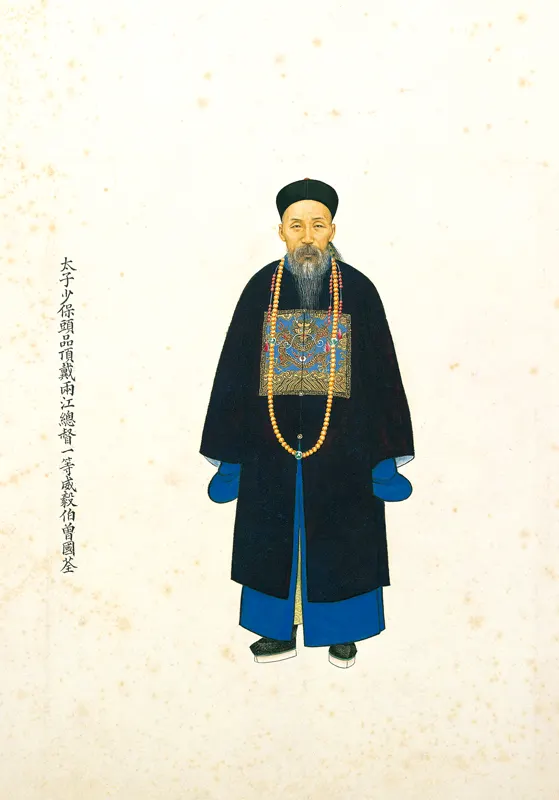
Zeng Guoquan, commander of the Qing army at Nanjing, in a 19th-century portrait from a series honouring the generals who defeated the Taiping
Image creditUnknown artist · Public domainResized and cropped for display.

Qing troops storm Nanjing, ending the Taiping Heavenly Kingdom

The Taiping Rebellion began in southern China in 1850, led by Hong Xiuquan, a failed candidate in the imperial examinations who believed he was the younger brother of Jesus Christ. His followers swept north and in 1853 took Nanjing, which became Tianjing, the Heavenly Capital of their kingdom. The war against the Qing dynasty that followed was one of the deadliest in history; estimates of the dead run to 20 million or more.

By 1864 the Qing armies of Zeng Guofan had closed around the city, and his brother Zeng Guoquan had been besieging it for two years. Hong Xiuquan died in June. On 19 July 1864 the besiegers exploded mines under the wall, brought down a long section of it and poured into the city, and the fighting and killing that followed went on for days. The fall of Nanjing broke the Taiping movement, although scattered armies fought on for some time.

Read the full storyHistory & Timeline →Source: Britannica: Third Battle of Nanjing ↗
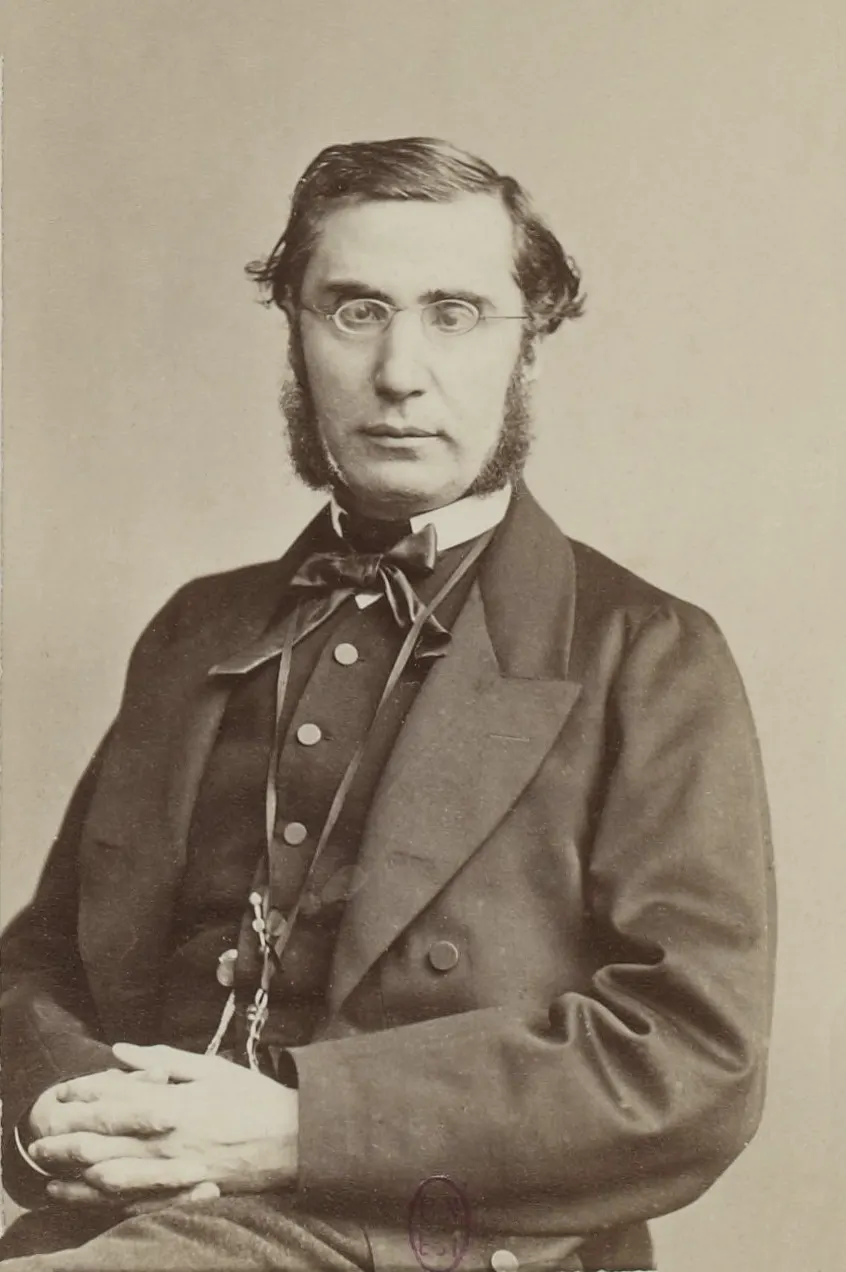
Émile Ollivier, head of Napoleon III's government in 1870, photographed by Pierre-Louis Pierson
Émile Ollivier, head of Napoleon III’s government in 1870, photographed by Pierre-Louis Pierson
Image creditPierre-Louis Pierson · Public domainResized and cropped for display.

France declares war on Prussia

In 1870 Spain offered its vacant throne to Prince Leopold, a Catholic cousin of the King of Prussia, and France, alarmed at the thought of Prussian princes on two of its borders, objected fiercely. Leopold withdrew, but the French ambassador then pressed King Wilhelm I at the spa town of Ems for a promise that the candidacy would never be renewed. Wilhelm refused politely, and the Prussian minister-president Otto von Bismarck published a shortened account of the meeting that made the exchange sound like an insult.

Paris erupted, and Napoleon III’s government, led by Émile Ollivier, who told the chamber he accepted the responsibility ‘with a light heart’, asked for war credits. On 19 July 1870 France formally declared war on Prussia. The south German states joined Prussia, and within weeks German armies had won a string of victories. Napoleon III was captured at Sedan in September, his empire fell, and in January 1871 the German Empire was proclaimed at Versailles.

Read the full storyHistory & Timeline →Source: Britannica: Franco-German War ↗
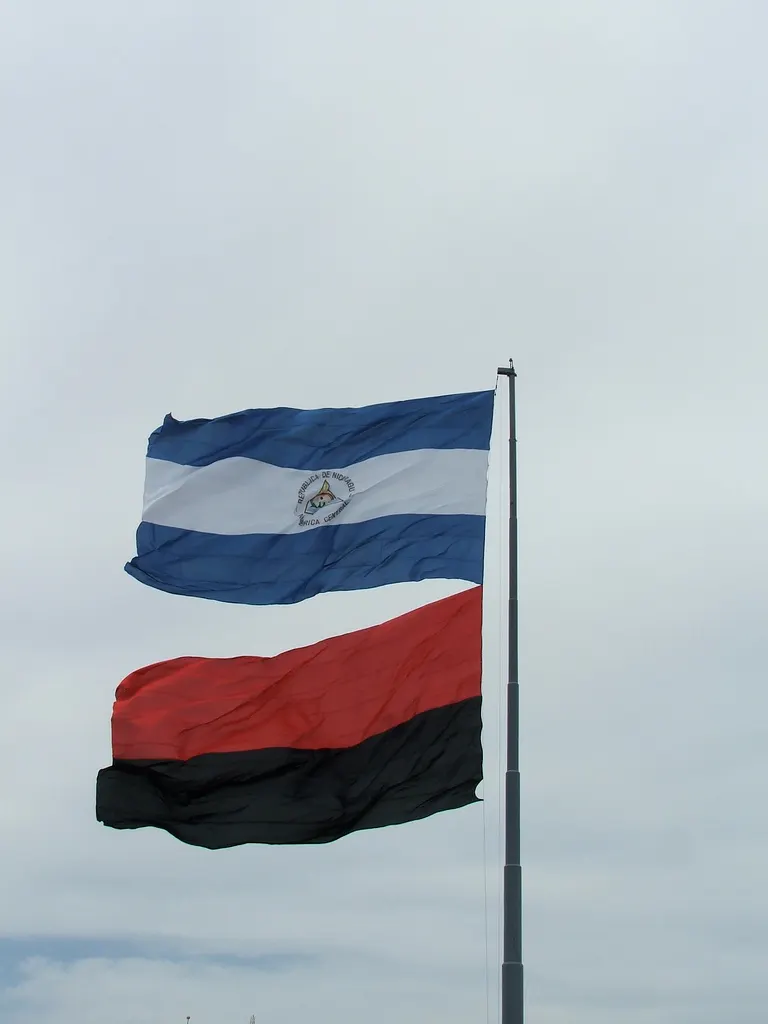
The blue and white flag of Nicaragua beside the red and black flag of the Sandinista Front
Image creditTaylor Shelton from Lexington, KY, USA · CC BY-SA 2.0Resized and cropped for display.

The Sandinistas enter Managua after Somoza’s fall

The Somoza family had ruled Nicaragua since the 1930s, backed by the National Guard and for most of that time by the United States. The Sandinista National Liberation Front, named after Augusto Sandino, who had fought US Marines in the 1920s and 1930s, began a guerrilla war in the 1960s. Anger grew after the dictatorship pocketed much of the aid sent after the 1972 Managua earthquake, and the murder of the newspaper editor Pedro Joaquín Chamorro in 1978 turned much of the country against Anastasio Somoza Debayle.

By June 1979 the Sandinistas and their allies held most of Nicaragua outside the capital. Somoza resigned and flew to Miami on 17 July, and on 19 July 1979 Sandinista columns entered Managua to cheering crowds; a revolutionary junta took power the next day. The war had cost tens of thousands of lives. In the 1980s the Sandinista government fought US-backed Contra rebels, and 19 July is still celebrated in Nicaragua as Liberation Day.

Read the full storyHistory & Timeline →Source: US Department of State, Office of the Historian: Central America, 1977-1980 ↗

♙
PEOPLE

Born Today

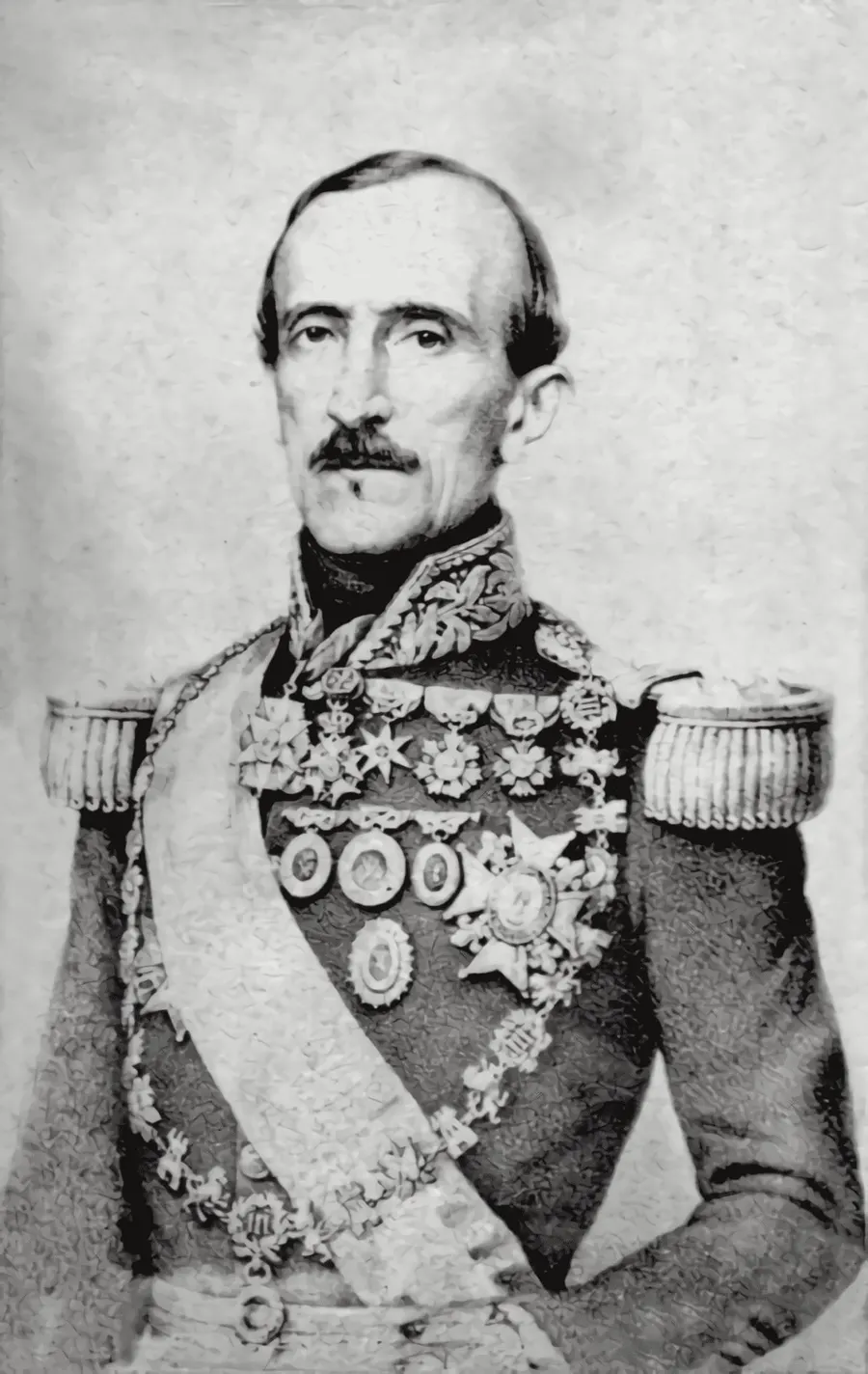
Juan José Flores
Image creditBanrepcultural · CC BY 2.0Resized and cropped for display.

Juan José Flores

Venezuelan-born general who fought for independence under Simón Bolívar and became the first president of Ecuador in 1830.

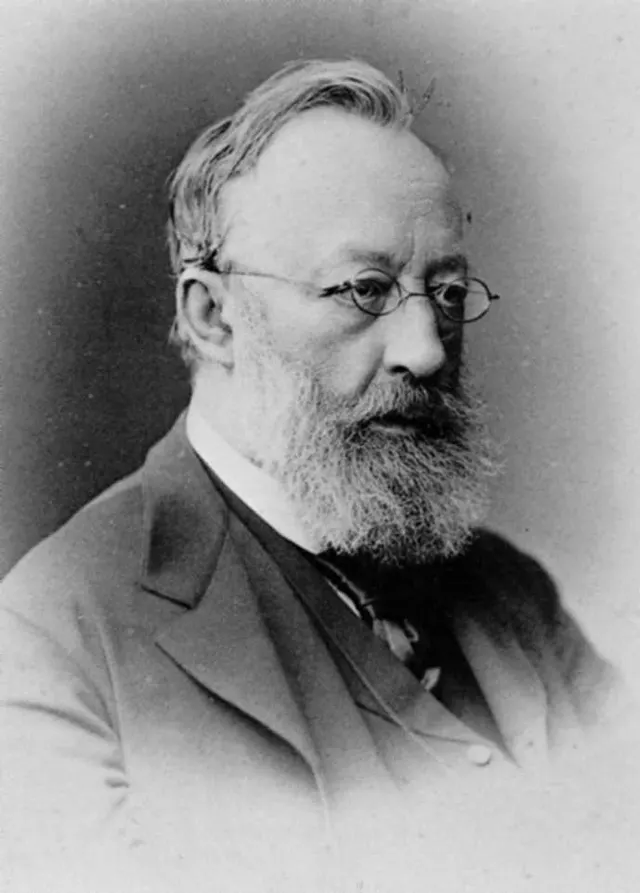
Gottfried Keller
Image creditJohannes Ganz (1821-1886) · Public domainResized and cropped for display.

Gottfried Keller

Swiss writer, author of the novel Green Henry and the stories The People of Seldwyla, and for 15 years the chief clerk of the canton of Zurich.

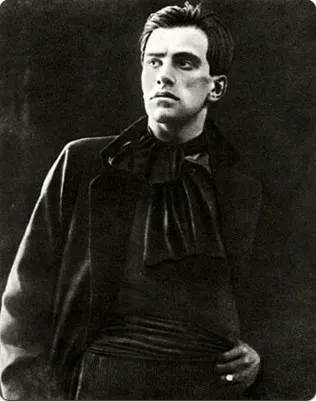
Vladimir Mayakovsky
Image creditUnknown photographer · Public domainResized and cropped for display.

Vladimir Mayakovsky

Russian Futurist poet and playwright who became the loudest poetic voice of the Russian Revolution, with works such as A Cloud in Trousers.

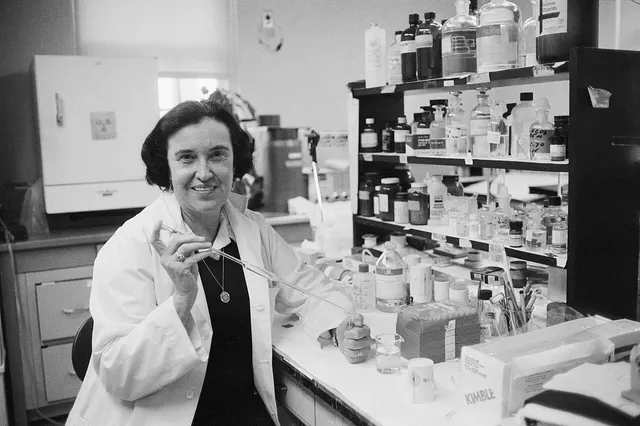
Rosalyn Yalow
Image creditUS Information Agency · Public domainResized and cropped for display.

Rosalyn Yalow

American medical physicist who helped develop radioimmunoassay, a way of measuring tiny amounts of hormones in the blood, and shared the 1977 Nobel Prize in Medicine.

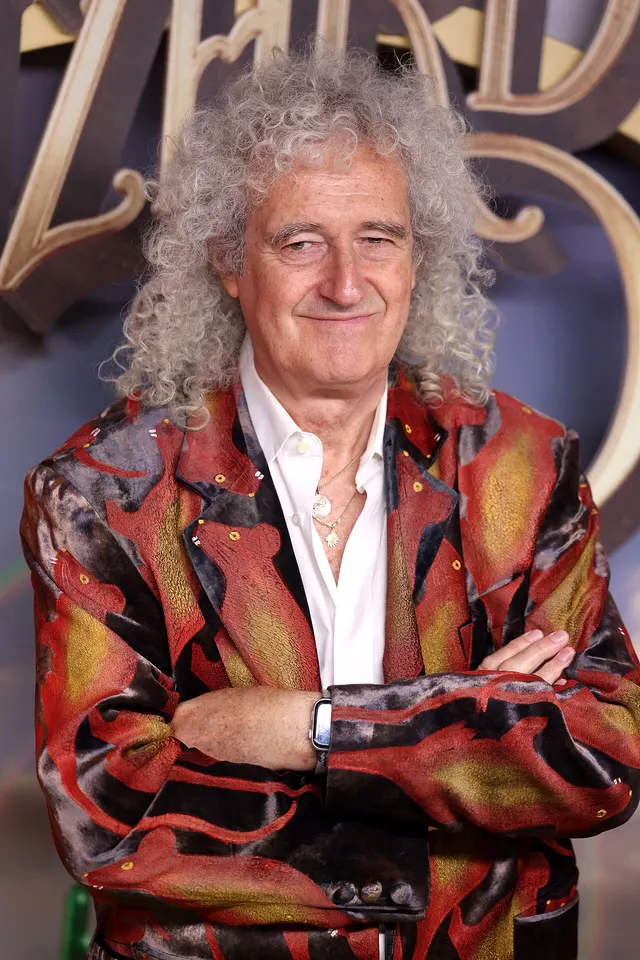
Brian May
Image creditGage Skidmore · CC BY-SA 4.0Resized and cropped for display.

Brian May

English guitarist and songwriter of Queen, who wrote ‘We Will Rock You’ and later completed a doctorate in astrophysics.

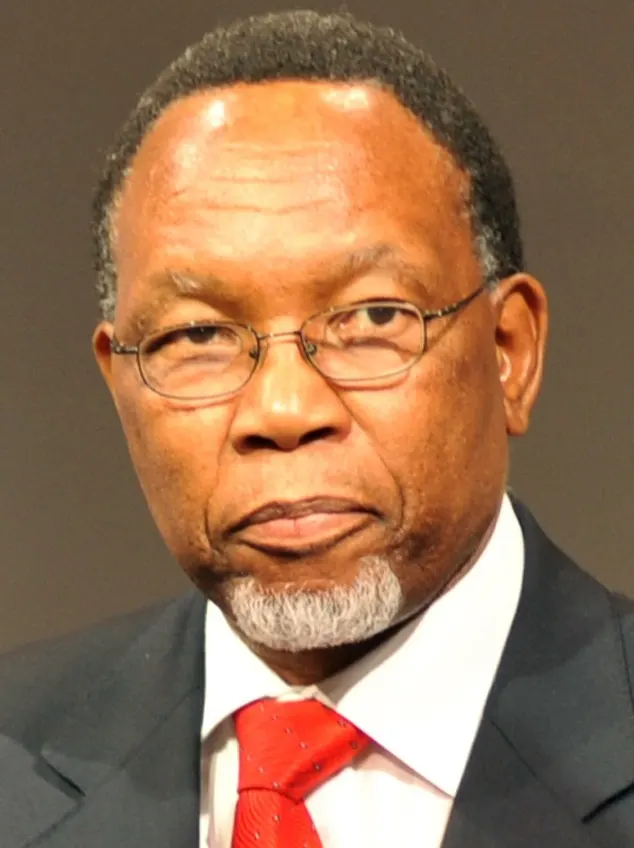
Kgalema Motlanthe
Image creditWorld Economic Forum / Eric Miller · CC BY-SA 2.0Resized and cropped for display.

Kgalema Motlanthe

South African trade unionist and ANC leader, once imprisoned on Robben Island, who served as President of South Africa in 2008-09.

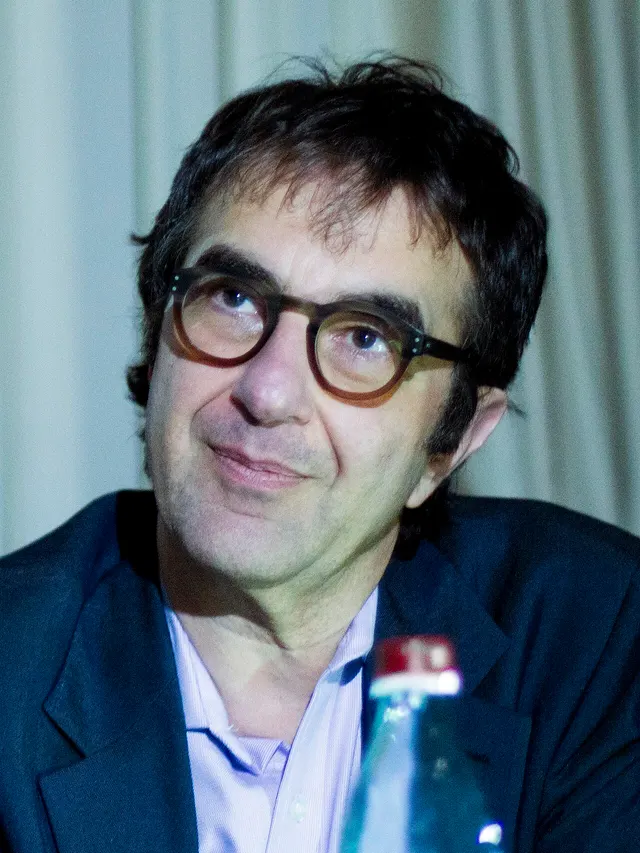
Atom Egoyan
Image creditSedaGrig · CC BY-SA 4.0Resized and cropped for display.

Atom Egoyan

Canadian film director of Armenian descent, born in Cairo, known for The Sweet Hereafter and for Ararat, about the Armenian genocide.

Hideo Nakata
Image creditDick Thomas Johnson from Tokyo, Japan · CC BY 2.0Resized and cropped for display.

Hideo Nakata

Japanese film director whose 1998 horror film Ringu became a huge hit and set off a wave of Japanese horror remakes in Hollywood.

◉
IDEAS THAT CHANGED THINGS

Firsts, Science & Discoveries

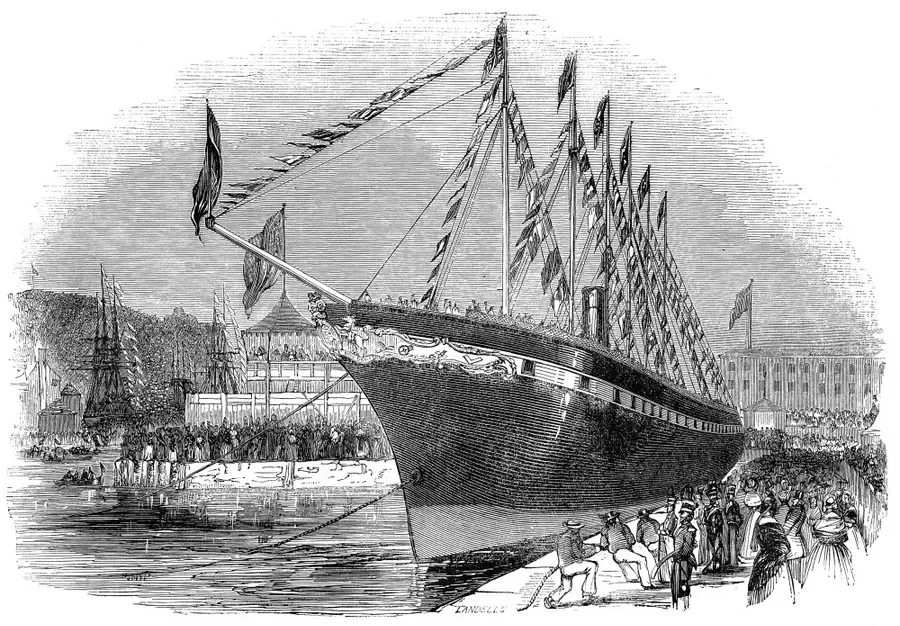
The launch of the Great Britain at Bristol, from the German weekly Illustrirte Zeitung in 1843
Image creditIllustrirte Zeitung, Leipzig, 1843 · Public domainResized and cropped for display.

Brunel’s SS Great Britain is launched at Bristol

Isambard Kingdom Brunel had already built the Great Western, a wooden paddle steamer, to carry passengers from Bristol to New York. For her successor he chose iron for the hull and, after seeing an early screw-driven ship, persuaded the owners to drop paddle wheels in favour of a single large propeller. It took four years, around 1,000 iron plates and well over 100,000 rivets to build her in a dry dock in Bristol.

On 19 July 1843 Prince Albert travelled from London on a train driven with Brunel aboard and named the ship before a huge crowd; the dock was then flooded to float her out. The Great Britain was the largest ship in the world and the first iron-hulled, propeller-driven ship to cross an ocean. She later carried emigrants to Australia for decades, ended as a hulk in the Falkland Islands and was brought home to the same Bristol dock in 1970, where she is now a museum.

Read the full storyHistory & Timeline →Source: SS Great Britain Trust: The launch of the Great Britain steamship, 1843 ↗
☆
SPORTING HISTORY

Sporting Moments

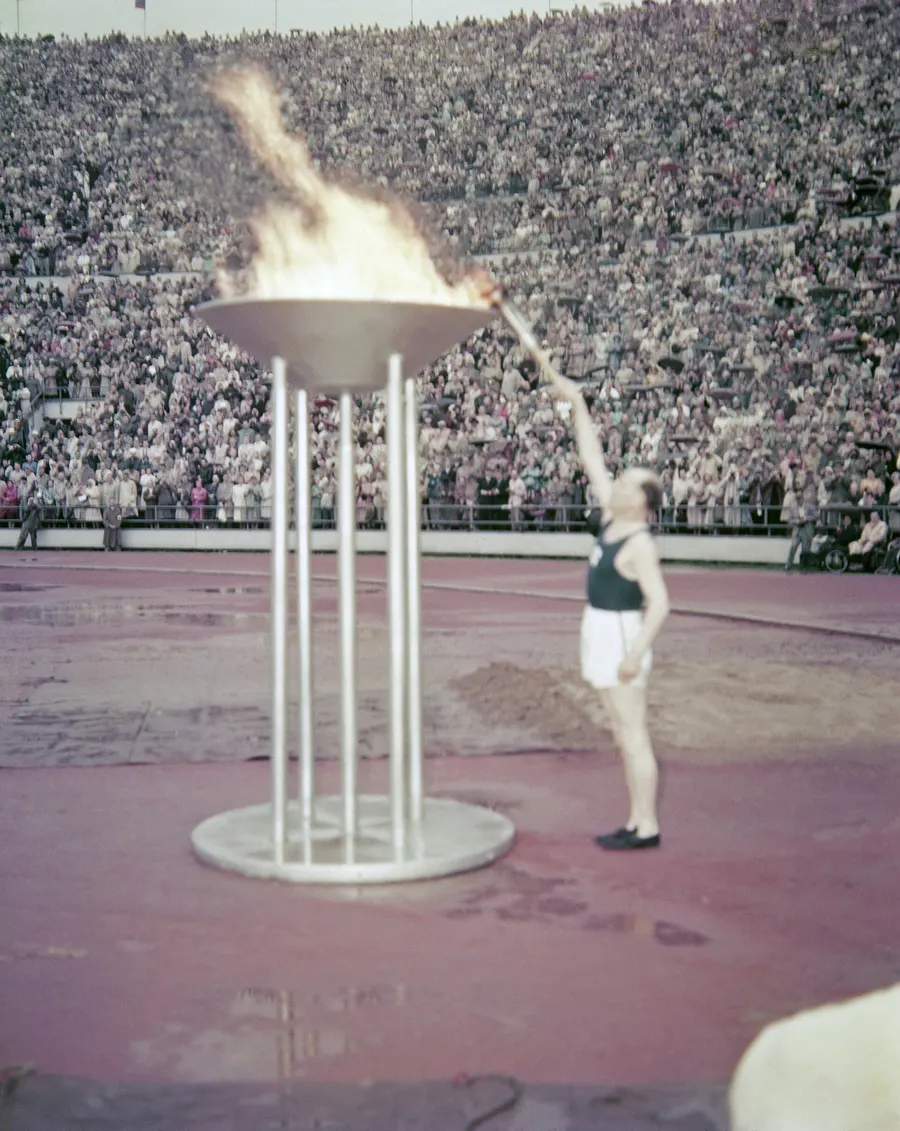
Paavo Nurmi lights the cauldron on the track of the Olympic Stadium at the opening of the Helsinki Games in 1952
Image creditOlympia-kuva Oy · CC BY 4.0Resized and cropped for display.

Paavo Nurmi lights the flame at the Helsinki Olympics

Helsinki had been chosen to hold the Olympics of 1940, but war cancelled them. Twelve years later the Finnish capital at last opened its Games, in the stadium built for the lost 1940 Olympics, on 19 July 1952. The torch was carried into the stadium by Paavo Nurmi, the ‘Flying Finn’ who had won nine Olympic gold medals in the 1920s.

Nurmi lit a cauldron on the track, and the flame was taken to the top of the stadium tower, where another Finnish running hero, Hannes Kolehmainen, lit the main flame. The Soviet Union took part in the Summer Games for the first time, and the Czech runner Emil Zátopek won the 5,000 metres, the 10,000 metres and the marathon, his first attempt at the distance.

Read the full storyHistory & Timeline →Source: Olympics.com: Helsinki 1952 Olympic torch relay ↗
♫
MUSIC • FILM • BOOKS • CULTURE

Culture Stories

Sun Studio at 706 Union Avenue in Memphis, where Elvis Presley made his first record
Image creditant gorman · CC BY 2.0Resized and cropped for display.

Sun Records releases Elvis Presley’s first single

Elvis Presley was a 19-year-old lorry driver in Memphis when the producer Sam Phillips put him in the Sun studio with the guitarist Scotty Moore and the bass player Bill Black in July 1954. For hours nothing much worked. Then, in a break on 5 July, Presley started fooling around with ‘That’s All Right’, a blues by Arthur ‘Big Boy’ Crudup, playing it fast and loose, and the others joined in. Phillips asked them to start again so he could record it.

Sun released it on 19 July 1954 as Sun 209, with a sped-up version of Bill Monroe’s bluegrass waltz ‘Blue Moon of Kentucky’ on the other side. Memphis disc jockey Dewey Phillips had already played it on air to a flood of calls. Mixing black rhythm and blues with white country music, the record helped define the sound later called rockabilly, and it is often named among the first rock ‘n’ roll records.

Read the full storyHistory & Timeline →Source: Library of Congress, National Recording Preservation Board: Sun Records sessions, Elvis Presley (1954-1955) ↗
✦
LIVES REMEMBERED

Remembered Today

Matthew Flinders
Image creditAntoine Toussaint de Chazal · Public domainResized and cropped for display.

Matthew Flinders

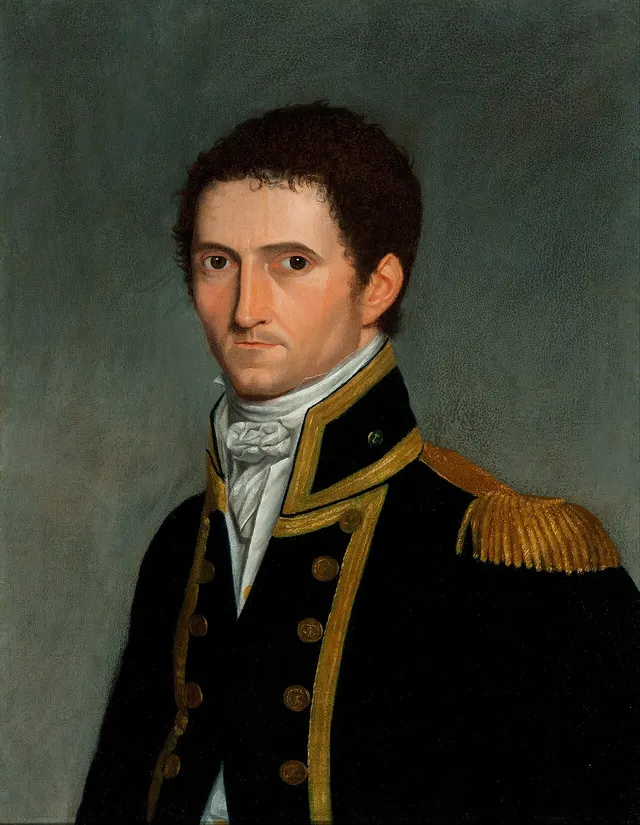
English navigator who led the first voyage around Australia and helped make the name ‘Australia’ the accepted one for the continent.

Okita Sōji
Image creditUnknown artist · Public domainResized and cropped for display.

Okita Sōji

Swordsman and captain of the first unit of the Shinsengumi, the police force that defended the shogunate in Kyoto, who died young of tuberculosis.

Frank McCourt
Image creditElke Wetzig (Elya) · CC BY-SA 3.0Resized and cropped for display.

Frank McCourt

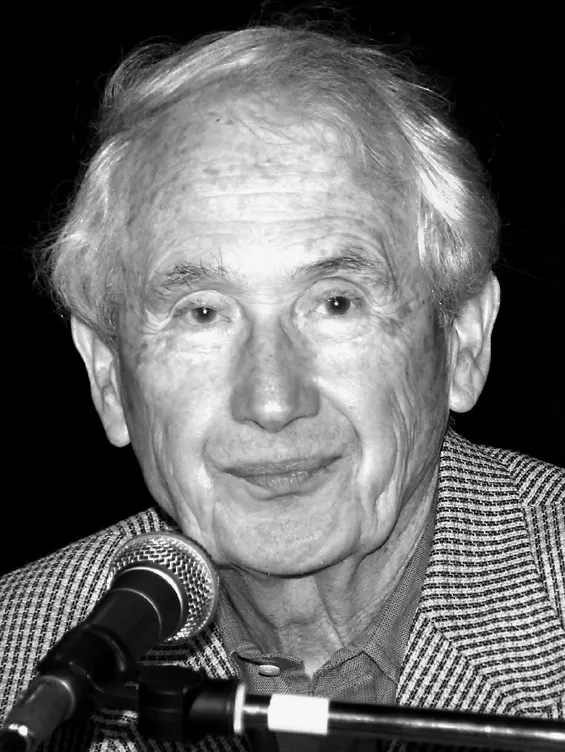
Irish-American teacher whose memoir Angela’s Ashes, about his poverty-stricken childhood in Limerick, won the Pulitzer Prize in 1997.

☉
AROUND THE WORLD

Observances & Anniversaries

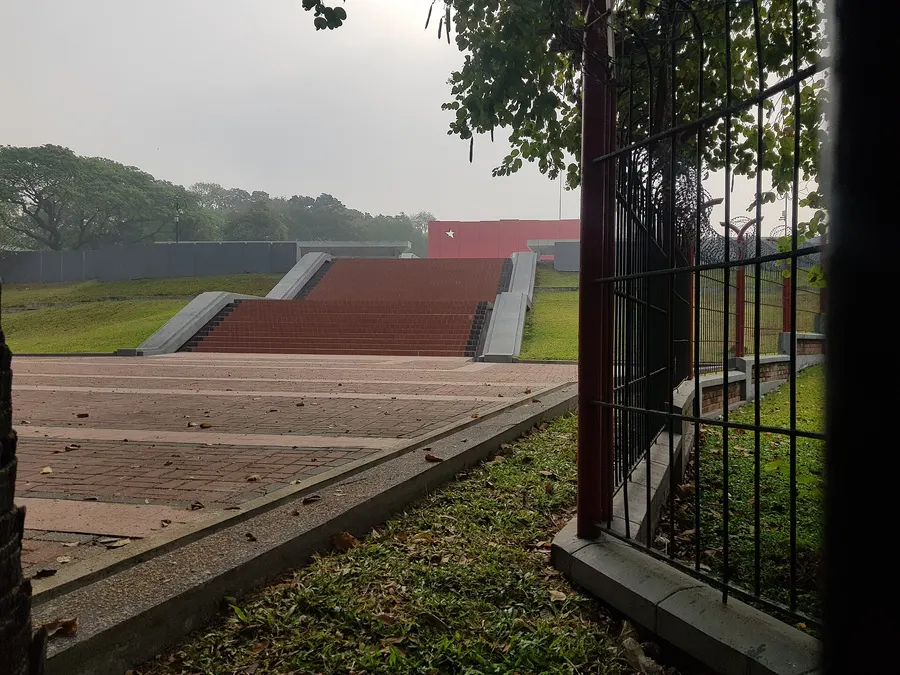
The Martyrs' Mausoleum in Yangon, near the Shwedagon Pagoda, where Aung San and his colleagues are buried
The Martyrs’ Mausoleum in Yangon, near the Shwedagon Pagoda, where Aung San and his colleagues are buried
Image creditKantabon · CC BY-SA 4.0Resized and cropped for display.

Martyrs’ Day, Myanmar

On the morning of 19 July 1947 gunmen burst into a cabinet meeting at the Secretariat building in Rangoon and shot dead General Aung San, the leader who had negotiated Burma’s independence from Britain, together with six of his ministers and two others. The former prime minister U Saw was convicted of ordering the killings and hanged.

Burma became independent six months later, in January 1948. Every year on 19 July the country remembers Aung San and the others killed with him, with ceremonies at the Martyrs’ Mausoleum in Yangon and a siren at the hour of the shooting.

Source: The Irrawaddy: The day Myanmar’s independence hero was assassinated ↗
HISTORY & TIMELINE

Finished the highlights?

Follow 19 July chronologically, from the Middle Ages to the modern day, with 13 verified events and the sources behind them.

This day through time →