
HISTORY & TIMELINE
19 July

A journey through
19 July in history

The story of 19 July runs from a battle on the Guadalete river in 711 to a new national park beneath Everest in 1976. In between come the sinking of the Mary Rose, the launch of Brunel’s iron ship the Great Britain, the first women’s rights convention in the United States, the fall of Nanjing at the end of the Taiping war, France’s declaration of war on Prussia, the opening of the Paris Métro, the slaughter at Fromelles, the opening of the Helsinki Olympics, Elvis Presley’s first record, an X-15 flight to the edge of space and the Sandinista victory in Nicaragua.

JUMP THROUGH TIME
II
THE MIDDLE AGES

Medieval History

Kingdoms, conflict, faith, power and the changing medieval world.

711
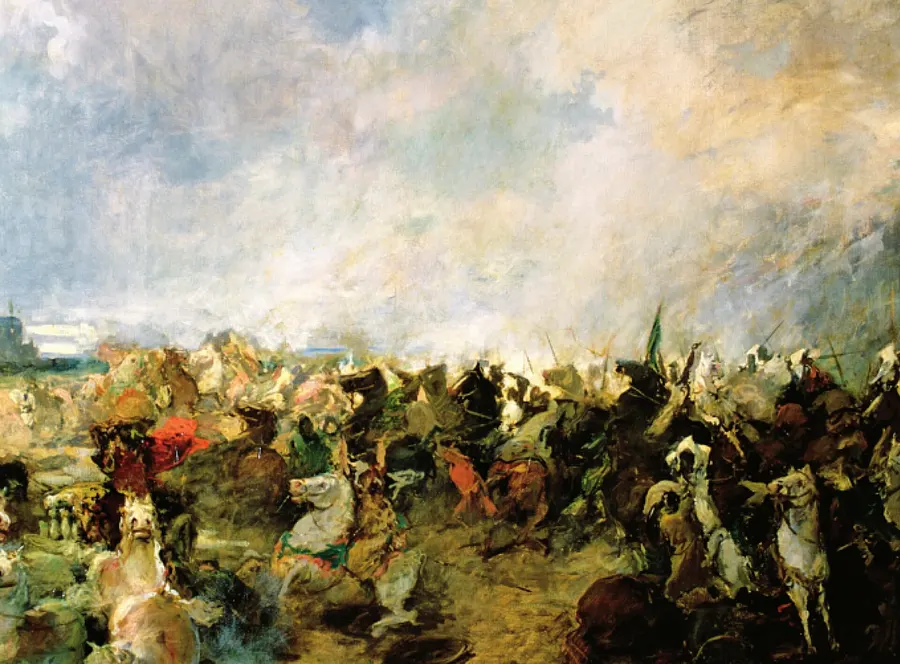
The Battle of Guadalete, as imagined by the Spanish painter Salvador Martínez Cubells in the 19th centuryThe Battle of Guadalete, as imagined by the Spanish painter Salvador Martínez Cubells in the 19th centuryImage: Salvador Martínez Cubells · Public domain
world · Europe

Tariq ibn Ziyad defeats the Visigoths at the Guadalete

In the spring of 711 the Berber commander Tariq ibn Ziyad crossed from North Africa into Spain with an Umayyad army of perhaps 7,000 men, landing near the rock later named after him, Gibraltar. The Visigothic king Roderic marched south to meet him, and in July his army was routed near the Guadalete river; the exact day is uncertain, with sources giving dates from 19 to 23 July. Roderic was killed, and within a few years most of the peninsula had become Muslim al-Andalus.

Source: Britannica: Spain, the Visigothic kingdom ↗
III
A CHANGING WORLD

Early Modern Era

Exploration, political change, scientific development and expanding global connections.

1545
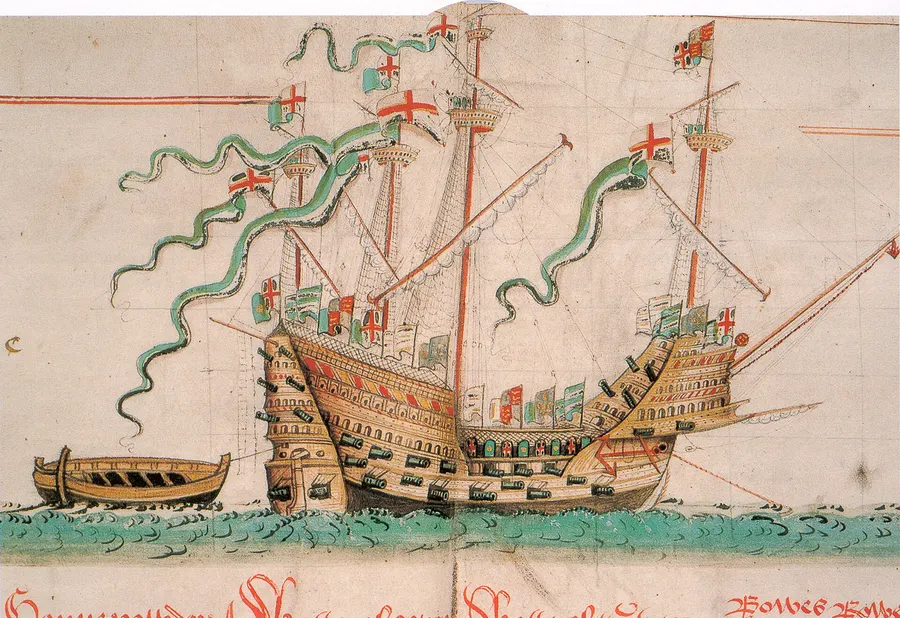
The Mary Rose as drawn in the Anthony Roll, an illustrated inventory of Henry VIII's navy made around 1546The Mary Rose as drawn in the Anthony Roll, an illustrated inventory of Henry VIII’s navy made around 1546Image: Anthony Anthony (Anthony Roll, c. 1546); scan by Gerry Bye · Public domain
world · Europe

The Mary Rose sinks in the Solent as Henry VIII watches

The Mary Rose was one of the first great warships of Henry VIII’s navy, launched in 1511 and rebuilt to carry heavy guns firing through lidded ports cut low in her hull. In the summer of 1545 England was at war with France, and a French invasion fleet of more than 200 ships sailed into the Solent, the strait between Portsmouth and the Isle of Wight, far outnumbering the English ships sent out to meet it. On 19 July 1545, with the king watching from the shore near Southsea Castle, the Mary Rose fired a broadside and began to turn. She heeled over, water poured through her open gunports and she sank within minutes. Whether a gust of wind, French fire or a crowded, top-heavy ship was to blame is still debated. Only about 30 of the roughly 400 men aboard survived. The French invasion came to nothing, and in 1982 the surviving half of her hull was raised from the seabed; it is now displayed in Portsmouth.

Source: Mary Rose Trust: Why did the Mary Rose sink? ↗
IV
THE NINETEENTH CENTURY

The 1800s

Industry, empire, invention, reform and a century of enormous transformation.

1843
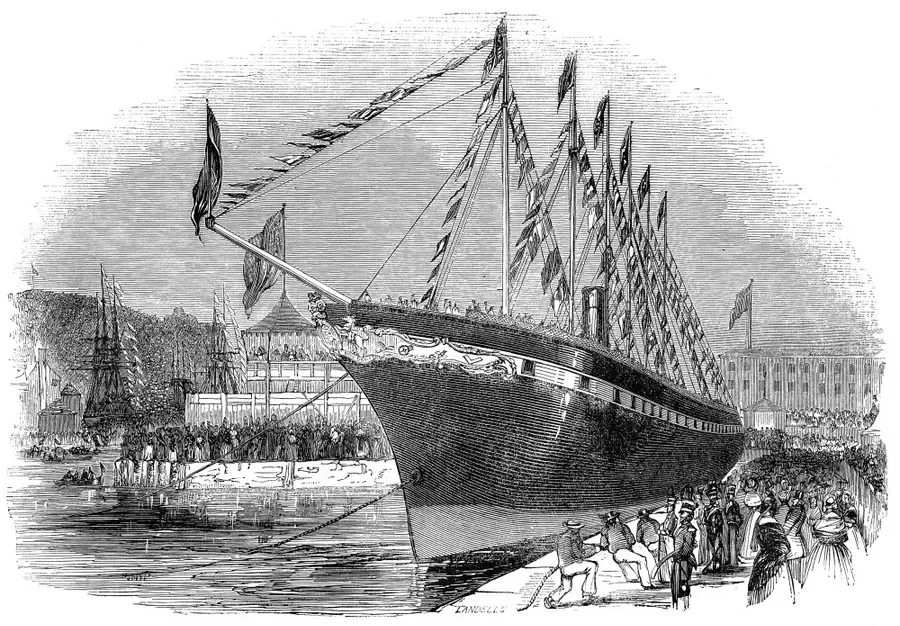
The launch of the Great Britain at Bristol, from the German weekly Illustrirte Zeitung in 1843The launch of the Great Britain at Bristol, from the German weekly Illustrirte Zeitung in 1843Image: Illustrirte Zeitung, Leipzig, 1843 · Public domain
science · Europe

Brunel’s SS Great Britain is launched at Bristol

Isambard Kingdom Brunel had already built the Great Western, a wooden paddle steamer, to carry passengers from Bristol to New York. For her successor he chose iron for the hull and, after seeing an early screw-driven ship, persuaded the owners to drop paddle wheels in favour of a single large propeller. It took four years, around 1,000 iron plates and well over 100,000 rivets to build her in a dry dock in Bristol. On 19 July 1843 Prince Albert travelled from London on a train driven with Brunel aboard and named the ship before a huge crowd; the dock was then flooded to float her out. The Great Britain was the largest ship in the world and the first iron-hulled, propeller-driven ship to cross an ocean. She later carried emigrants to Australia for decades, ended as a hulk in the Falkland Islands and was brought home to the same Bristol dock in 1970, where she is now a museum.

Source: SS Great Britain Trust: The launch of the Great Britain steamship, 1843 ↗
1848
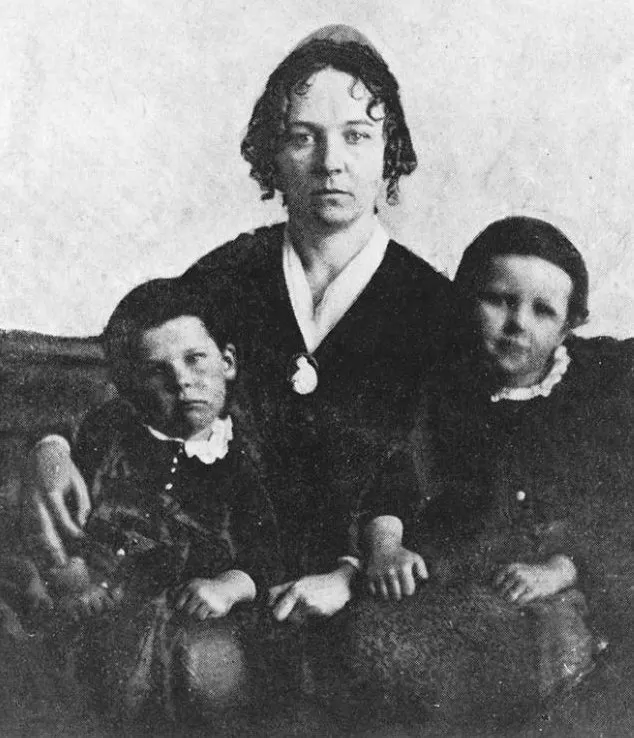
Elizabeth Cady Stanton with her sons Daniel and Henry in 1848, the year of the Seneca Falls conventionElizabeth Cady Stanton with her sons Daniel and Henry in 1848, the year of the Seneca Falls conventionImage: Unknown photographer · Public domain
politics · Americas

The first women’s rights convention opens at Seneca Falls

In the United States of the 1840s women could not vote, a married woman’s property and earnings usually belonged to her husband, and most colleges and professions were closed to women. Elizabeth Cady Stanton, a young mother living in the small mill town of Seneca Falls, New York, met the Quaker preacher Lucretia Mott and three other women over tea in July 1848, and together they decided to call a public meeting on the ‘social, civil and religious condition and rights of woman’. It opened in the Wesleyan Chapel on 19 July 1848, and about 300 people came over two days. The women’s Declaration of Sentiments, modelled on the Declaration of Independence, listed their grievances, and 100 people signed it, including the formerly enslaved abolitionist Frederick Douglass. The call for women’s right to vote was the most controversial of the resolutions and only just passed. Seneca Falls is remembered as the start of the organised campaign for women’s rights in the United States.

Source: National Park Service: Declaration of Sentiments, the first women’s rights convention ↗
1864
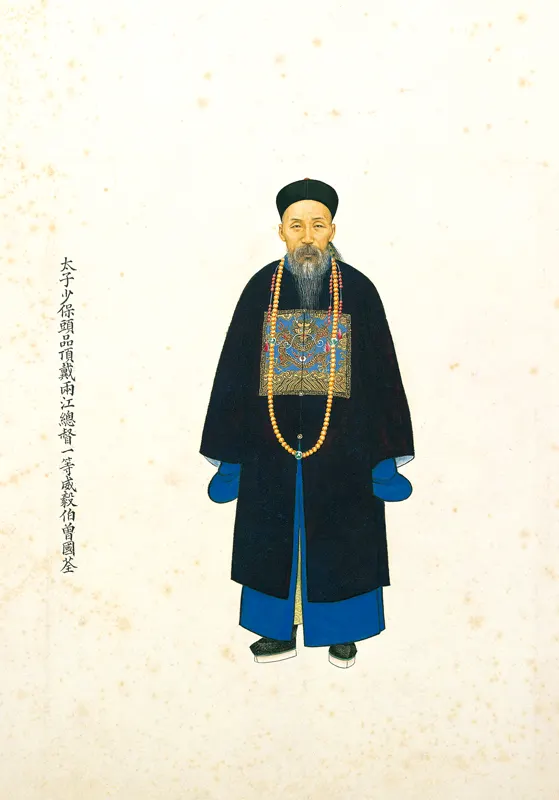
Zeng Guoquan, commander of the Qing army at Nanjing, in a 19th-century portrait from a series honouring the generals who defeated the TaipingZeng Guoquan, commander of the Qing army at Nanjing, in a 19th-century portrait from a series honouring the generals who defeated the TaipingImage: Unknown artist · Public domain
world · Asia

Qing troops storm Nanjing, ending the Taiping Heavenly Kingdom

The Taiping Rebellion began in southern China in 1850, led by Hong Xiuquan, a failed candidate in the imperial examinations who believed he was the younger brother of Jesus Christ. His followers swept north and in 1853 took Nanjing, which became Tianjing, the Heavenly Capital of their kingdom. The war against the Qing dynasty that followed was one of the deadliest in history; estimates of the dead run to 20 million or more. By 1864 the Qing armies of Zeng Guofan had closed around the city, and his brother Zeng Guoquan had been besieging it for two years. Hong Xiuquan died in June. On 19 July 1864 the besiegers exploded mines under the wall, brought down a long section of it and poured into the city, and the fighting and killing that followed went on for days. The fall of Nanjing broke the Taiping movement, although scattered armies fought on for some time.

Source: Britannica: Third Battle of Nanjing ↗
1870
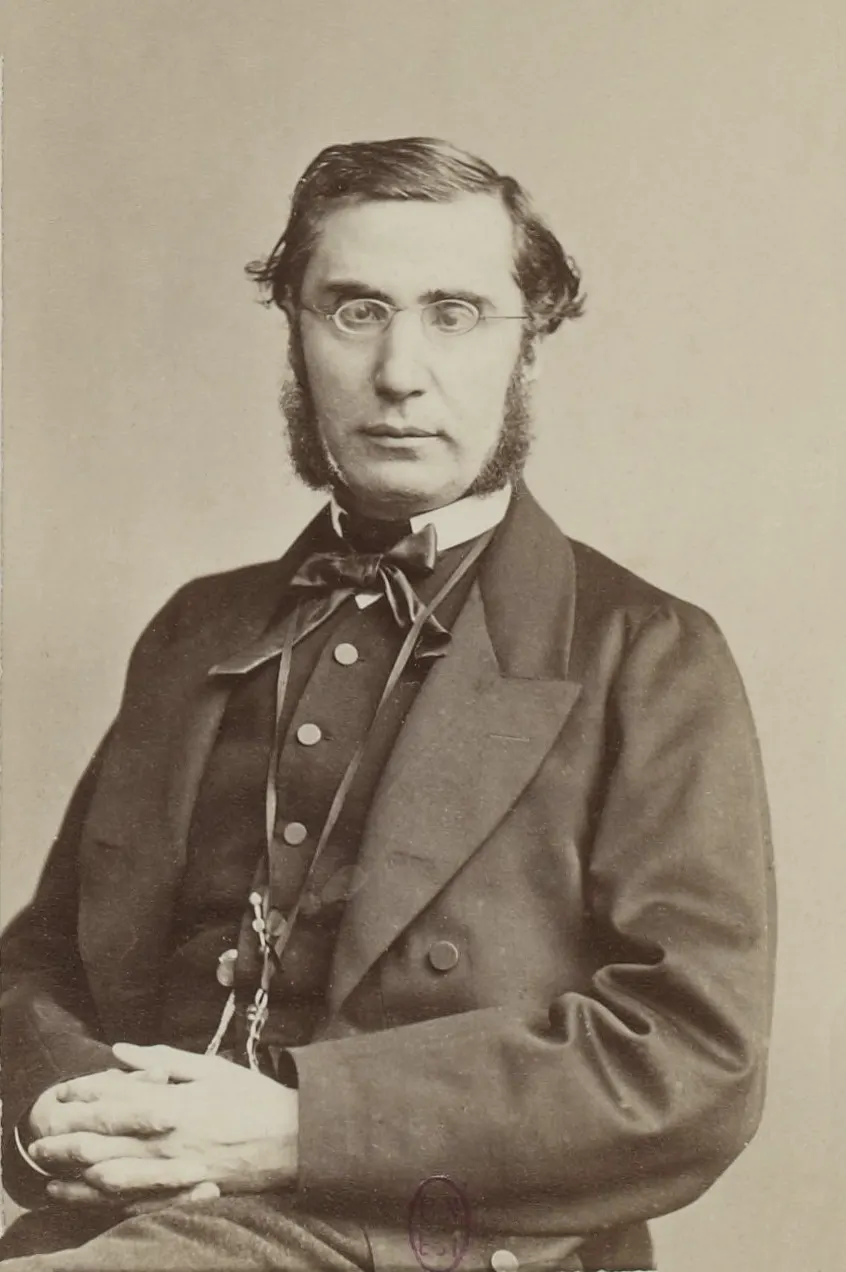
Émile Ollivier, head of Napoleon III's government in 1870, photographed by Pierre-Louis PiersonÉmile Ollivier, head of Napoleon III’s government in 1870, photographed by Pierre-Louis PiersonImage: Pierre-Louis Pierson · Public domain
world · Europe

France declares war on Prussia

In 1870 Spain offered its vacant throne to Prince Leopold, a Catholic cousin of the King of Prussia, and France, alarmed at the thought of Prussian princes on two of its borders, objected fiercely. Leopold withdrew, but the French ambassador then pressed King Wilhelm I at the spa town of Ems for a promise that the candidacy would never be renewed. Wilhelm refused politely, and the Prussian minister-president Otto von Bismarck published a shortened account of the meeting that made the exchange sound like an insult. Paris erupted, and Napoleon III’s government, led by Émile Ollivier, who told the chamber he accepted the responsibility ‘with a light heart’, asked for war credits. On 19 July 1870 France formally declared war on Prussia. The south German states joined Prussia, and within weeks German armies had won a string of victories. Napoleon III was captured at Sedan in September, his empire fell, and in January 1871 the German Empire was proclaimed at Versailles.

Source: Britannica: Franco-German War ↗
V
THE TWENTIETH CENTURY

The 1900s

War and peace, technological leaps, social change, politics, sport and popular culture.

1900
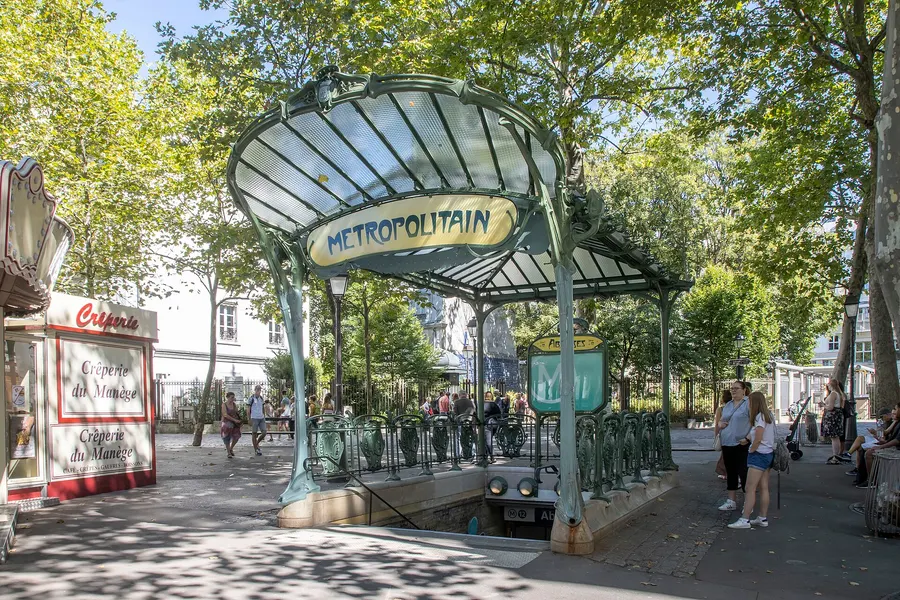
One of Hector Guimard's glass-roofed Art Nouveau Métro entrances, at Abbesses in MontmartreOne of Hector Guimard’s glass-roofed Art Nouveau Métro entrances, at Abbesses in MontmartreImage: Arthur Weidmann · CC BY-SA 4.0
science · Europe

The first line of the Paris Métro opens

Paris had argued for decades about an underground railway before building began in 1898, under the engineer Fulgence Bienvenüe, in a race to be ready for the Universal Exhibition of 1900. At 1 p.m. on 19 July 1900 Line 1 opened to the public between Porte Maillot and Porte de Vincennes, with eight of its stations ready. Its entrances, designed by Hector Guimard in the Art Nouveau style, became symbols of the city.

Source: RATP: Metro line 1, a line and its history ↗
1916
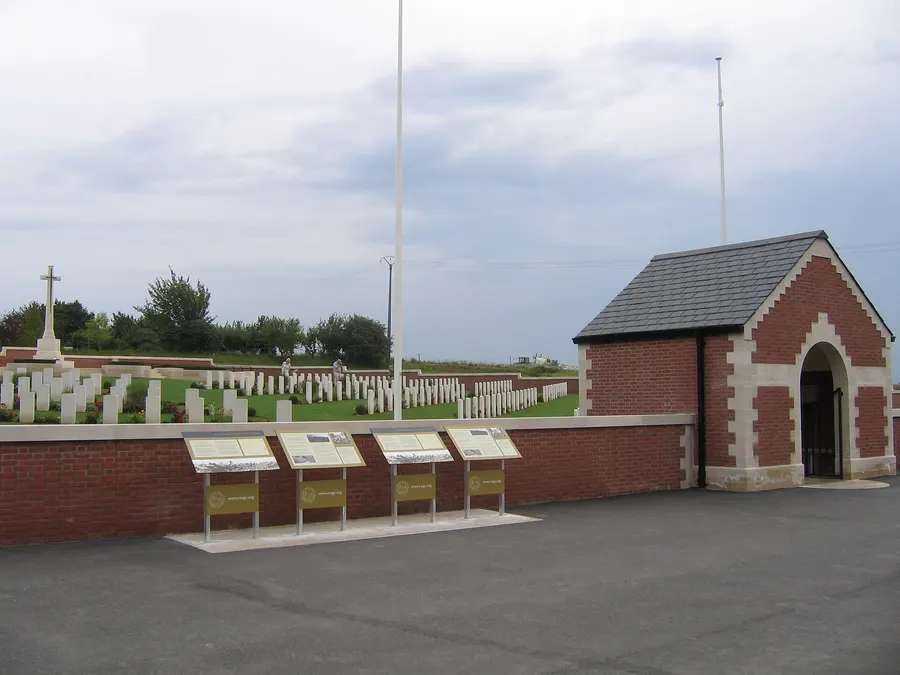
The entrance to Fromelles (Pheasant Wood) Military Cemetery, opened in 2010 for soldiers found in a mass grave nearbyThe entrance to Fromelles (Pheasant Wood) Military Cemetery, opened in 2010 for soldiers found in a mass grave nearbyImage: Carcharoth · CC BY-SA 3.0
world · Oceania

Australian troops suffer terrible losses at Fromelles

To stop German reserves being sent south to the Somme, the newly arrived Australian 5th Division and the British 61st Division attacked the German lines at Fromelles in northern France on the evening of 19 July 1916. The attack failed, and by the next morning the Australians had lost more than 5,500 men killed, wounded or captured, the heaviest loss by a single division in 24 hours in the whole war. A mass grave found at Pheasant Wood was reburied in a new cemetery in 2010.

Source: Australian War Memorial: Fromelles ↗
1952
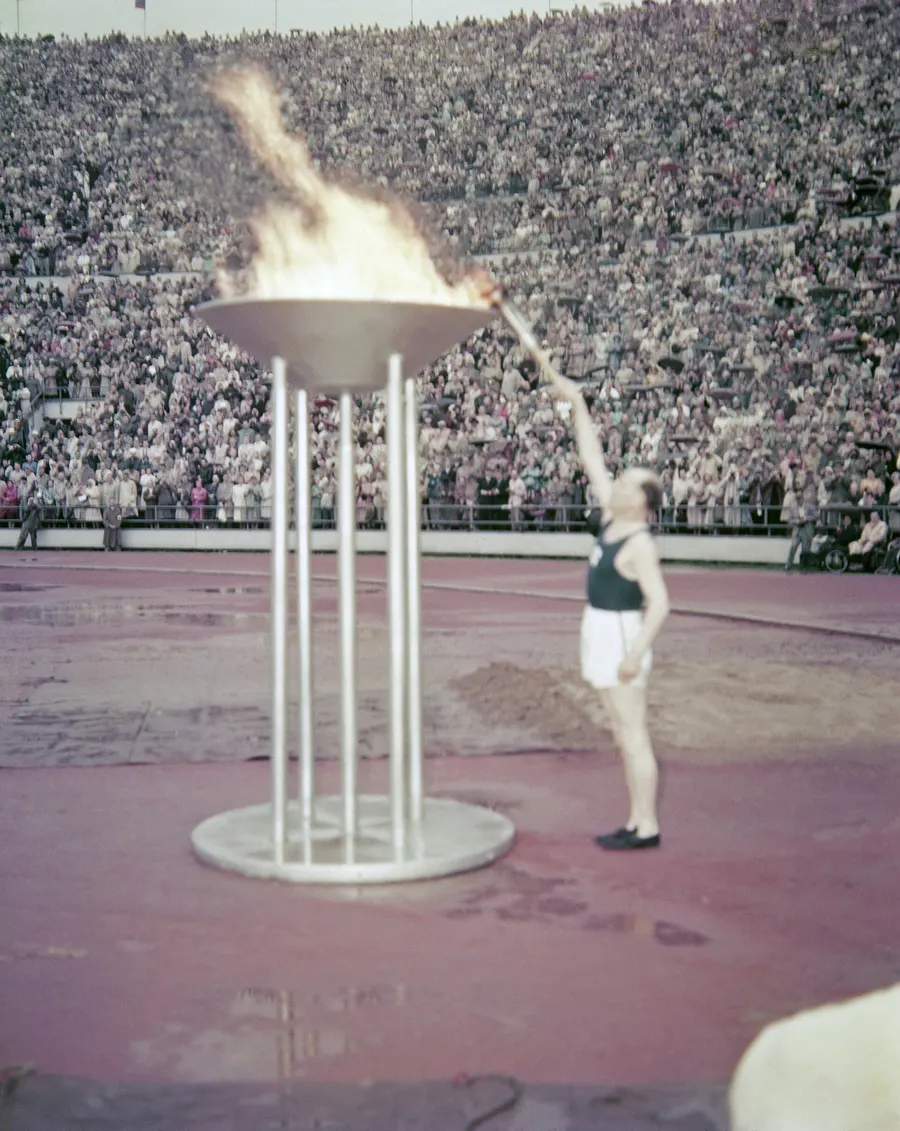
Paavo Nurmi lights the cauldron on the track of the Olympic Stadium at the opening of the Helsinki Games in 1952Paavo Nurmi lights the cauldron on the track of the Olympic Stadium at the opening of the Helsinki Games in 1952Image: Olympia-kuva Oy · CC BY 4.0
sport · Europe

Paavo Nurmi lights the flame at the Helsinki Olympics

Helsinki had been chosen to hold the Olympics of 1940, but war cancelled them. Twelve years later the Finnish capital at last opened its Games, in the stadium built for the lost 1940 Olympics, on 19 July 1952. The torch was carried into the stadium by Paavo Nurmi, the ‘Flying Finn’ who had won nine Olympic gold medals in the 1920s. Nurmi lit a cauldron on the track, and the flame was taken to the top of the stadium tower, where another Finnish running hero, Hannes Kolehmainen, lit the main flame. The Soviet Union took part in the Summer Games for the first time, and the Czech runner Emil Zátopek won the 5,000 metres, the 10,000 metres and the marathon, his first attempt at the distance.

Source: Olympics.com: Helsinki 1952 Olympic torch relay ↗
1954
Sun Studio at 706 Union Avenue in Memphis, where Elvis Presley made his first recordSun Studio at 706 Union Avenue in Memphis, where Elvis Presley made his first recordImage: ant gorman · CC BY 2.0
culture · Americas

Sun Records releases Elvis Presley’s first single

Elvis Presley was a 19-year-old lorry driver in Memphis when the producer Sam Phillips put him in the Sun studio with the guitarist Scotty Moore and the bass player Bill Black in July 1954. For hours nothing much worked. Then, in a break on 5 July, Presley started fooling around with ‘That’s All Right’, a blues by Arthur ‘Big Boy’ Crudup, playing it fast and loose, and the others joined in. Phillips asked them to start again so he could record it. Sun released it on 19 July 1954 as Sun 209, with a sped-up version of Bill Monroe’s bluegrass waltz ‘Blue Moon of Kentucky’ on the other side. Memphis disc jockey Dewey Phillips had already played it on air to a flood of calls. Mixing black rhythm and blues with white country music, the record helped define the sound later called rockabilly, and it is often named among the first rock ‘n’ roll records.

Source: Library of Congress, National Recording Preservation Board: Sun Records sessions, Elvis Presley (1954-1955) ↗
1963
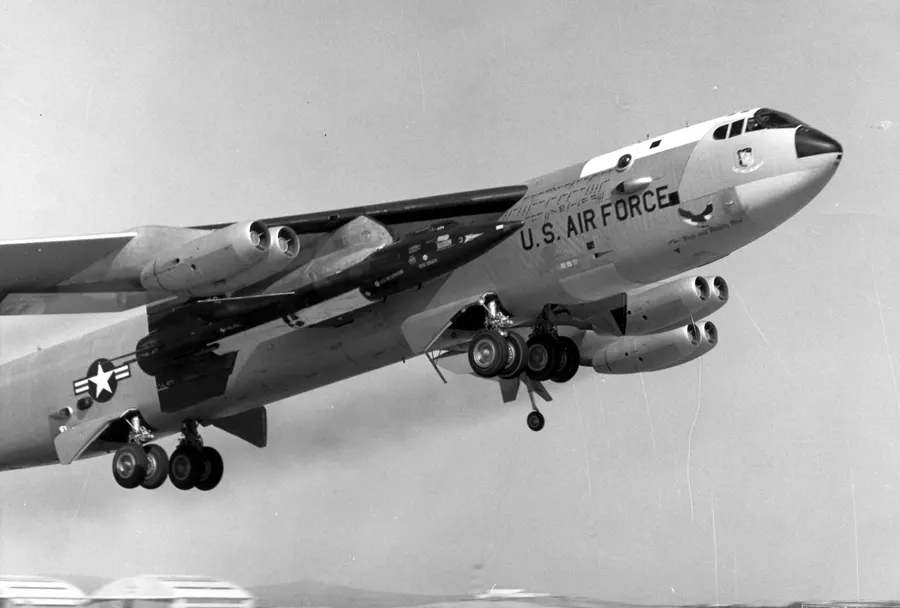
An X-15 slung beneath the wing of its B-52 carrier aircraftAn X-15 slung beneath the wing of its B-52 carrier aircraftImage: USAF · Public domain
science · Americas

Joe Walker flies the X-15 rocket plane to the edge of space

The X-15 was a rocket-powered research plane dropped from under the wing of a B-52 bomber to test flight at the fringes of the atmosphere. On 19 July 1963 the NASA pilot Joe Walker fired its engine and climbed to 347,800 feet, about 106 kilometres, above the 100-kilometre line now widely used to mark the start of space. A month later he went higher still. Walker died in 1966 in a mid-air collision during a photo flight.

Source: Air Force Test Center: July 19, 1963, North American X-15 flight records ↗
1976
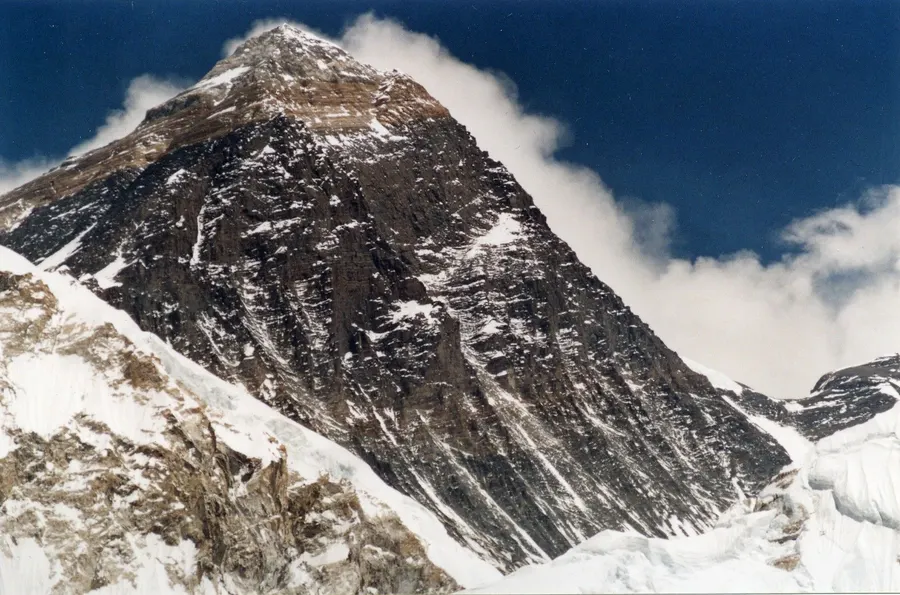
Mount Everest seen from Kala Patthar, inside Sagarmatha National ParkMount Everest seen from Kala Patthar, inside Sagarmatha National ParkImage: Uwe Gille · CC BY-SA 3.0
world · Asia

Nepal creates Sagarmatha National Park around Everest

Climbers and trekkers had been pouring into the Khumbu valley of north-eastern Nepal since the first ascent of Everest in 1953, and its forests were being cut for firewood. On 19 July 1976 Nepal established Sagarmatha National Park, named after the Nepali name for Everest, covering high valleys, glaciers and peaks that are home to the Sherpa people. In 1979 it became a UNESCO World Heritage Site.

Source: UNESCO World Heritage Centre: Sagarmatha National Park ↗
1979
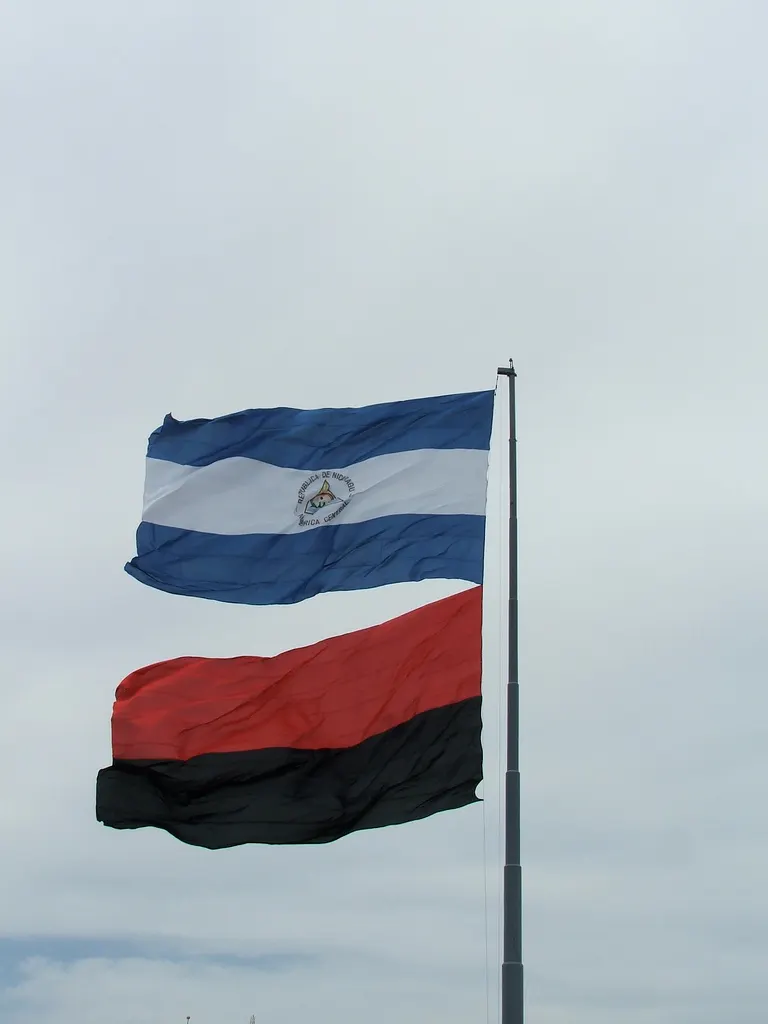
The blue and white flag of Nicaragua beside the red and black flag of the Sandinista FrontThe blue and white flag of Nicaragua beside the red and black flag of the Sandinista FrontImage: Taylor Shelton from Lexington, KY, USA · CC BY-SA 2.0
politics · Americas

The Sandinistas enter Managua after Somoza’s fall

The Somoza family had ruled Nicaragua since the 1930s, backed by the National Guard and for most of that time by the United States. The Sandinista National Liberation Front, named after Augusto Sandino, who had fought US Marines in the 1920s and 1930s, began a guerrilla war in the 1960s. Anger grew after the dictatorship pocketed much of the aid sent after the 1972 Managua earthquake, and the murder of the newspaper editor Pedro Joaquín Chamorro in 1978 turned much of the country against Anastasio Somoza Debayle. By June 1979 the Sandinistas and their allies held most of Nicaragua outside the capital. Somoza resigned and flew to Miami on 17 July, and on 19 July 1979 Sandinista columns entered Managua to cheering crowds; a revolutionary junta took power the next day. The war had cost tens of thousands of lives. In the 1980s the Sandinista government fought US-backed Contra rebels, and 19 July is still celebrated in Nicaragua as Liberation Day.

Source: US Department of State, Office of the Historian: Central America, 1977-1980 ↗
WHY THESE MOMENTS?

Significance before volume

This page is not the longest possible list of events. It is a chronological journey through 19 July, where each entry is chosen for historical significance, human interest and reliability.

Facts are checked against authoritative museums, archives, universities and reference works. Where sources disagree, the page says so.

EXPLORED THE DEEPER STORY?

Return to the highlights of 19 July

Discover the lighter side of the date with famous birthdays, culture, firsts and lives remembered.

Explore This Day →
← PREVIOUS DAY18 July
HISTORY & TIMELINE19 July
NEXT DAY →20 July