
HISTORY & TIMELINE
18 July

A journey through
18 July in history

The story of 18 July runs from a Roman army’s rout by the Gauls on the Allia to a volcano waking on Montserrat in 1995. In between come the Great Fire of Rome, Edward I’s expulsion of the Jews from England, the founding of Uruguay’s national university, the attack on Fort Wagner, the dogma of papal infallibility, the Curies’ polonium, the fall of Tōjō’s cabinet, the Exodus at Haifa, the birth of Intel, Sadat’s break with Moscow, Nadia Comăneci’s perfect 10, India’s first satellite launch, Iran’s acceptance of a ceasefire and the bombing of the AMIA in Buenos Aires.

I
EARLIEST RECORDS

Ancient & Early History

The earliest worthwhile records and events connected with this date.

-390
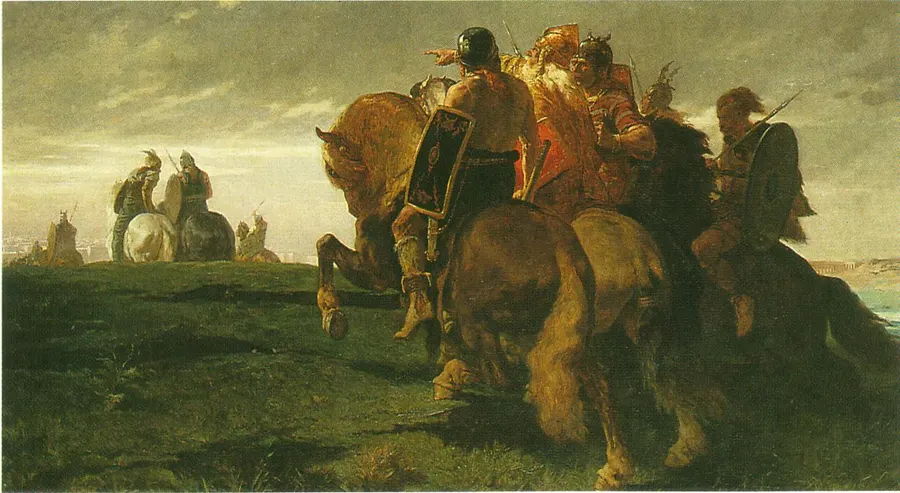
Gauls within sight of Rome, painted by Évariste-Vital Luminais in the 19th centuryGauls within sight of Rome, painted by Évariste-Vital Luminais in the 19th centuryImage: Évariste-Vital Luminais · Public domain
world · Europe

The Gauls rout the Roman army on the Allia

A Gallic army of the Senones under their chief Brennus swept south through Etruria towards Rome. On 18 July the Romans met them by the little river Allia, about eleven miles from the city, and were routed. The Gauls went on to sack Rome, leaving only the Capitol holding out, and left only after a heavy ransom was paid. Roman tradition put the battle in 390 BC, Greek sources nearer 387 BC; ever after, 18 July was an unlucky day in the Roman calendar.

Source: World History Encyclopedia: The Battle at the Allia River, 390 BCE ↗
64
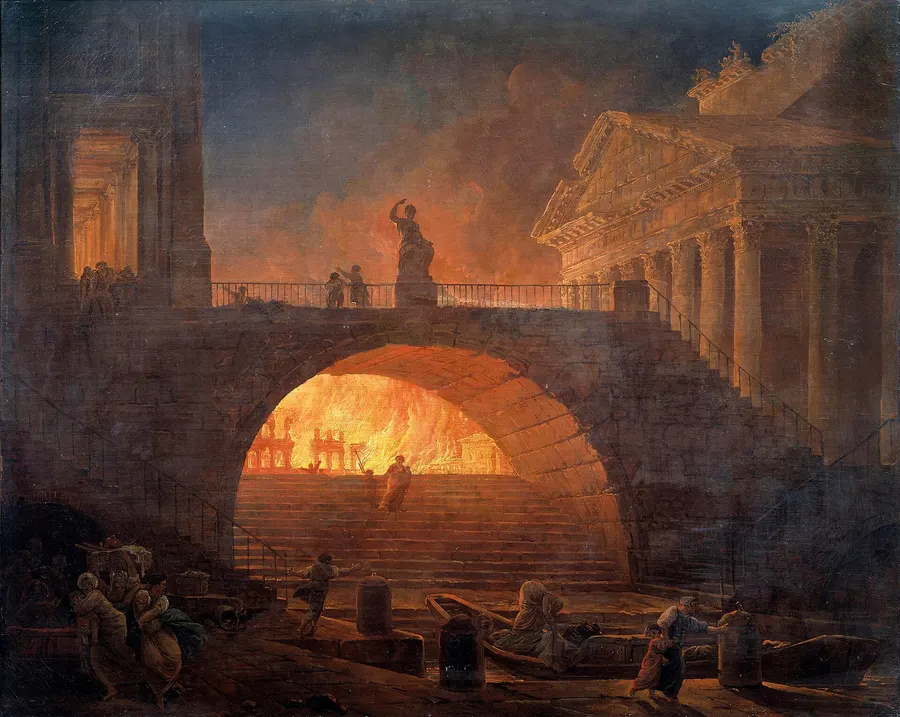
The Fire of Rome, painted by Hubert Robert in the late 18th centuryThe Fire of Rome, painted by Hubert Robert in the late 18th centuryImage: Hubert Robert · Public domain
world · Europe

The Great Fire of Rome breaks out near the Circus Maximus

Rome in the first century was a crowded city of more than a million people, many of them packed into tall timber-framed tenements along narrow, winding streets. Fires were common, and the emperor Augustus had set up a corps of night watchmen to fight them, but little could stop a blaze once it took hold in the hot, dry summer. On 18 July 64 a fire broke out among the shops at the end of the Circus Maximus, where goods that burned easily were stored. Driven by the wind, it raced through the valleys and up the hills, and according to the historian Tacitus it burned for six days and seven nights before it was checked, then flared up again. Of the city’s fourteen districts, only four escaped unharmed. The emperor Nero was at Antium when it started; he hurried back and opened shelters for the homeless, but rumours spread that he had wanted the fire to clear space for his new palace, the Golden House. To deflect the blame he turned on Rome’s Christians, the first great persecution of the new faith.

Source: Britannica: Great Fire of Rome ↗
II
THE MIDDLE AGES

Medieval History

Kingdoms, conflict, faith, power and the changing medieval world.

1290
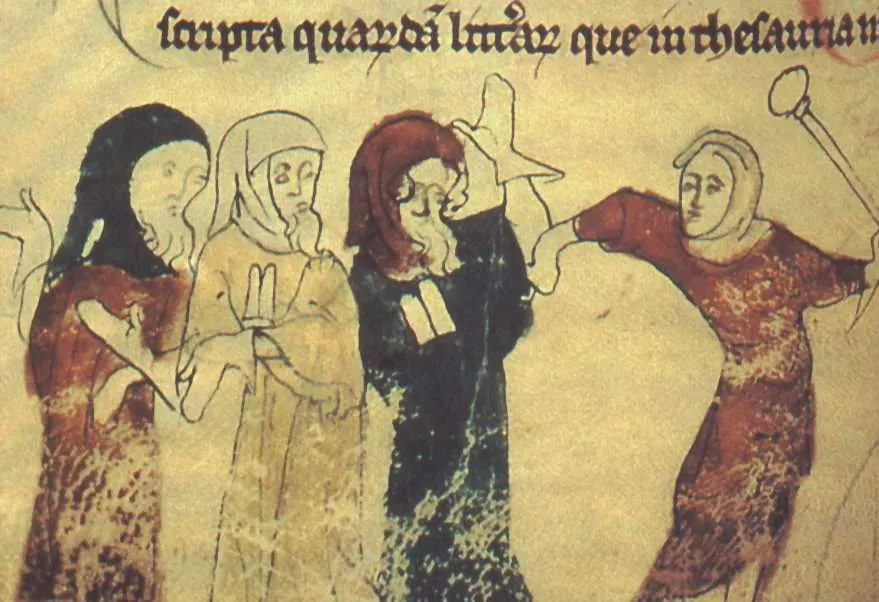
The expulsion of the Jews, drawn in the margin of the Rochester Chronicle, a 14th-century English manuscript in the British LibraryThe expulsion of the Jews, drawn in the margin of the Rochester Chronicle, a 14th-century English manuscript in the British LibraryImage: Unknown artist (Rochester Chronicle, British Library Cotton MS Nero D II) · Public domain
culture · Europe

Edward I orders the expulsion of the Jews from England

Jews had lived in England since the Norman Conquest, but by 1290 they had been impoverished by royal taxes and harassed by new laws. Edward I needed a grant of taxation from Parliament, and expelling the Jews was the price. On 18 July 1290 he issued the order, and writs went to the sheriffs that every Jew must leave the kingdom by 1 November. Some 3,000 people left. Jews were not openly readmitted until Oliver Cromwell’s time, in 1656.

Source: The National Archives: Jews in England in 1290 ↗
IV
THE NINETEENTH CENTURY

The 1800s

Industry, empire, invention, reform and a century of enormous transformation.

1849
The central building of the University of the Republic on Avenida 18 de Julio in Montevideo, home of its Faculty of LawThe central building of the University of the Republic on Avenida 18 de Julio in Montevideo, home of its Faculty of LawImage: Marcos Mendizábal · CC BY-SA 3.0
culture · Americas

Uruguay’s University of the Republic opens in Montevideo

Uruguay had been independent for less than twenty years, and Montevideo was still under siege in the long civil conflict known as the Guerra Grande, when its government decided to found a university. A law of 1833 had provided for one, and on 14 July 1849 President Joaquín Suárez issued the decree to set it up. On 18 July 1849 the university was solemnly inaugurated in the Chapel of San Ignacio, and it began teaching in the Casa de los Ejercicios in the old city. Now called the Universidad de la República, it is Uruguay’s main public university: it is free, governs itself with teachers, students and graduates, and has more than 160,000 students in faculties across most of the country.

Source: Universidad de la República: Historia ↗
1863
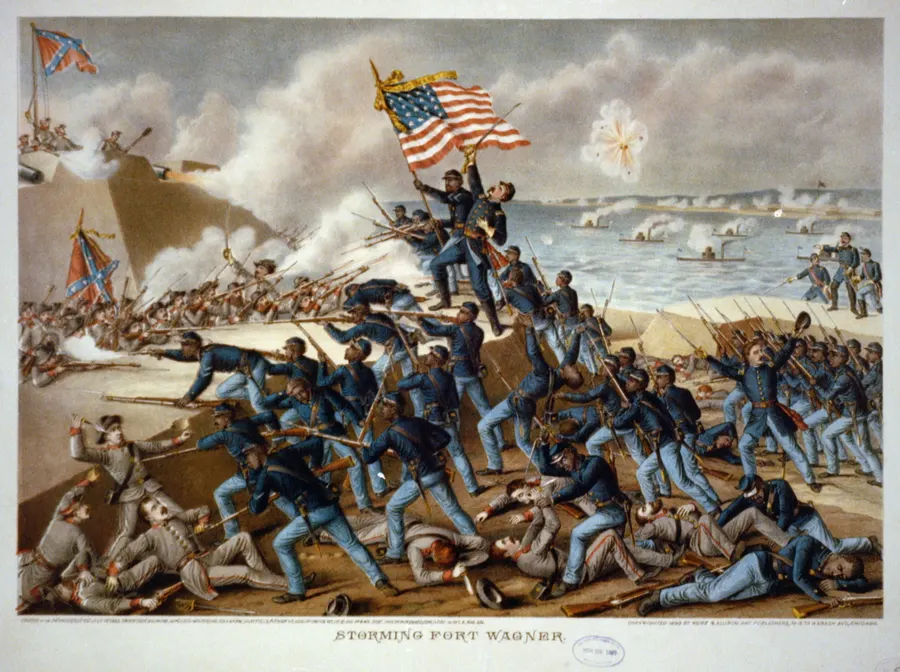
The 54th Massachusetts on the walls of Fort Wagner, in a lithograph by Kurz and Allison, 1890The 54th Massachusetts on the walls of Fort Wagner, in a lithograph by Kurz and Allison, 1890Image: Kurz & Allison · Public domain
world · Americas

The 54th Massachusetts lead the assault on Fort Wagner

The 54th Massachusetts Infantry was one of the first regiments of Black soldiers raised in the North during the American Civil War. Its men were free African Americans, among them two sons of Frederick Douglass, and its colonel was Robert Gould Shaw, the young son of a Boston anti-slavery family. Many white Americans doubted that Black troops would fight, and the regiment was eager to prove them wrong. In July 1863 Union forces were trying to take Charleston, South Carolina, and Fort Wagner, a great sand-and-earth fort on Morris Island, guarded the harbour’s approach. At dusk on 18 July 1863 the 54th was given the honour of leading the attack along a narrow beach. Raked by artillery and rifle fire, they reached the parapet and fought hand to hand, but could not hold it. Shaw was killed on the wall, and of roughly 600 men who went in, more than 250 were killed, wounded or captured. The fort held, yet the regiment’s courage was widely reported, and it helped open the way for some 180,000 Black soldiers to serve in the Union army.

Source: National Park Service: The 54th Massachusetts and the Second Battle of Fort Wagner ↗
1870
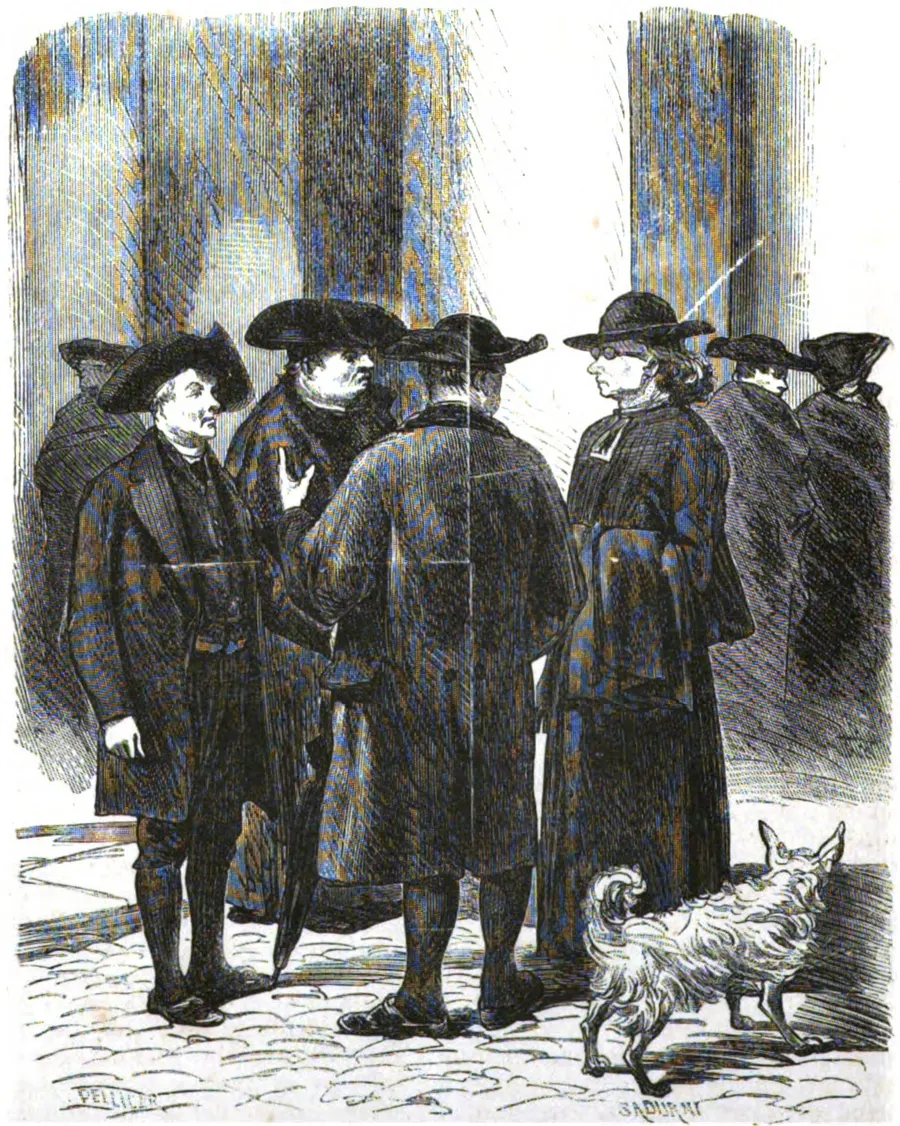
Churchmen from many countries gathered in Rome for the council, in a Spanish engraving of 1870Churchmen from many countries gathered in Rome for the council, in a Spanish engraving of 1870Image: Unknown artist · Public domain
culture · Europe

The First Vatican Council declares the pope infallible

Pope Pius IX, who had lost most of his territory to the new Kingdom of Italy, saw liberalism, nationalism and secular science pressing on the Church from every side. He called the first general council of the Catholic Church for three centuries, and some 700 bishops gathered in St Peter’s Basilica from December 1869. The most bitter question before them was whether the pope’s authority to teach should be defined as a dogma. A strong minority, many of them German, French and Austrian bishops, argued that a definition was unwise or unfounded, and many left Rome rather than vote against it. On 18 July 1870 the council adopted the constitution Pastor aeternus, which declared that when the pope speaks ex cathedra, as supreme teacher of the Church, on matters of faith or morals, he cannot err. The next day France declared war on Prussia, the French troops protecting Rome were withdrawn, and in September Italian forces took the city. The council was suspended and never resumed, but the dogma remains Catholic teaching.

Source: Britannica: Pastor Aeternus ↗
1898
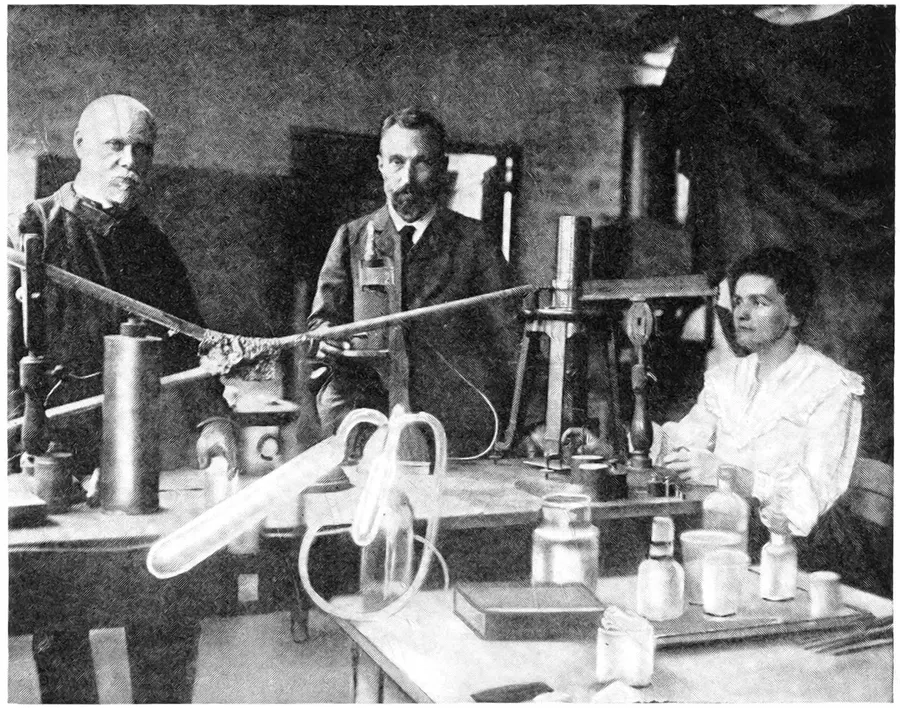
Pierre and Marie Curie with an assistant in their Paris laboratory, a photograph published by Marie Curie in 1923Pierre and Marie Curie with an assistant in their Paris laboratory, a photograph published by Marie Curie in 1923Image: Marie Curie, Henri Manuel (1874-1947) · Public domain
science · Europe

The Curies announce a new element, polonium

Working in a shed in Paris, Marie and Pierre Curie found that pitchblende, a uranium ore, was far more radioactive than its uranium could explain. By chemical separation they obtained a substance hundreds of times more active than uranium. On 18 July 1898 Henri Becquerel presented their note on it to the French Academy of Sciences, proposing a new element named polonium after Marie’s native Poland. Radium followed in December.

Source: Musée Curie: La découverte du radium et du polonium ↗
V
THE TWENTIETH CENTURY

The 1900s

War and peace, technological leaps, social change, politics, sport and popular culture.

1944
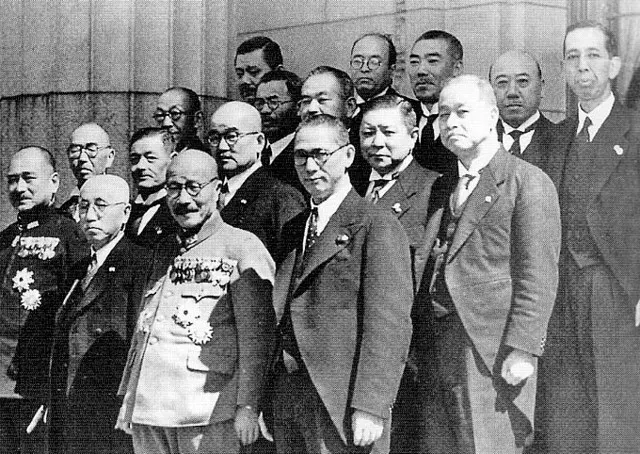
Tōjō, in uniform at the front, with the ministers of his cabinet when it took office in October 1941Tōjō, in uniform at the front, with the ministers of his cabinet when it took office in October 1941Image: Unknown author · Public domain
politics · Asia

Tōjō and his cabinet resign after the fall of Saipan

General Tōjō Hideki had led Japan’s government since October 1941 and taken it into war with the United States. In June and July 1944 American forces took Saipan in the Mariana Islands, bringing Tokyo within range of the new B-29 bombers. The defeat shook Tōjō’s hold on power; he was removed as army chief of staff, and on 18 July 1944 he and his whole cabinet resigned. General Koiso Kuniaki succeeded him.

Source: Britannica: Tojo Hideki ↗
1947
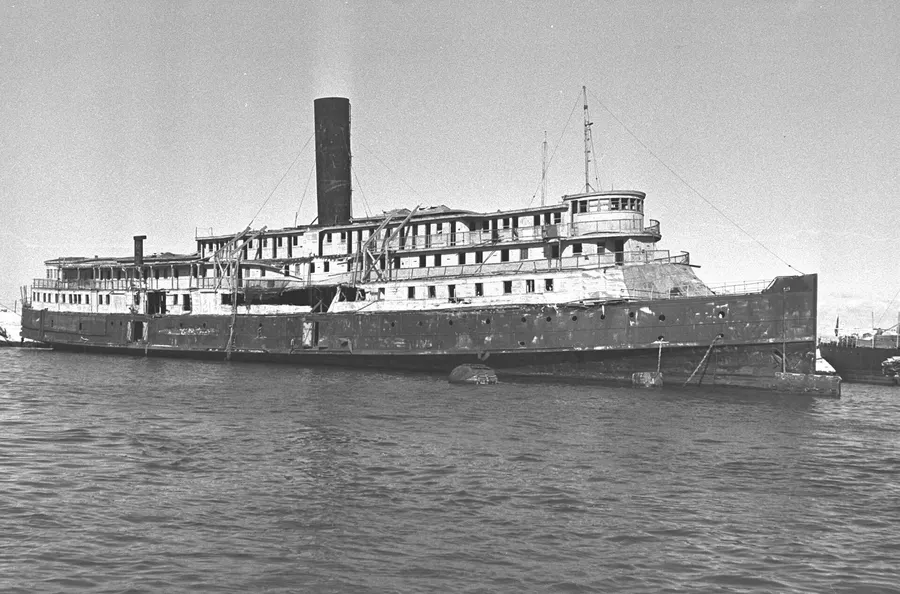
The Exodus 1947 in the port of Haifa, photographed by Fritz CohenThe Exodus 1947 in the port of Haifa, photographed by Fritz CohenImage: Fritz Cohen · Public domain
world · Middle East

The refugee ship Exodus 1947 is brought into Haifa

Some 4,500 Jewish survivors of the Holocaust, most from displaced persons camps in Germany, sailed from France aboard an old steamer renamed Exodus 1947, hoping to reach Palestine, where Britain limited Jewish immigration. British warships rammed and boarded her on 17 July, and three people died. On 18 July she was brought into Haifa, where the passengers were forced onto ships bound back to France. Their ordeal won wide sympathy for the Zionist cause.

Source: US Holocaust Memorial Museum: Exodus 1947 ↗
1968
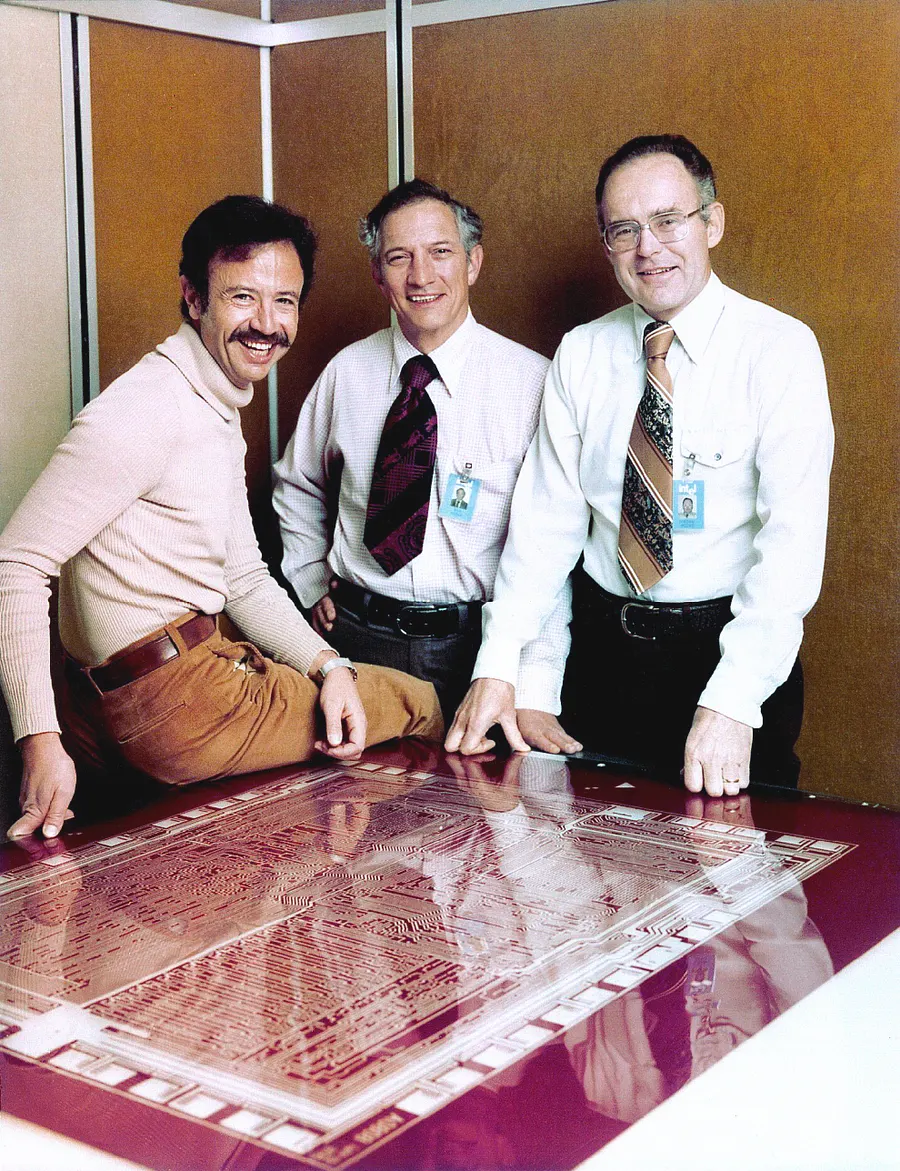
Andy Grove, Robert Noyce and Gordon Moore, Intel's three leaders, in 1978Andy Grove, Robert Noyce and Gordon Moore, Intel’s three leaders, in 1978Image: Intel Free Press · CC BY-SA 2.0
world · Americas

Robert Noyce and Gordon Moore found Intel

Robert Noyce, co-inventor of the integrated circuit, and the chemist Gordon Moore left Fairchild Semiconductor to start a company of their own. They incorporated it on 18 July 1968 as N M Electronics, then renamed it Intel, from ‘integrated electronics’. Andy Grove joined them at once. Starting in Mountain View, California, with memory chips, Intel went on to make the first commercial microprocessor in 1971 and became the giant of the personal-computer age.

Source: Intel: Intel’s founding ↗
1972
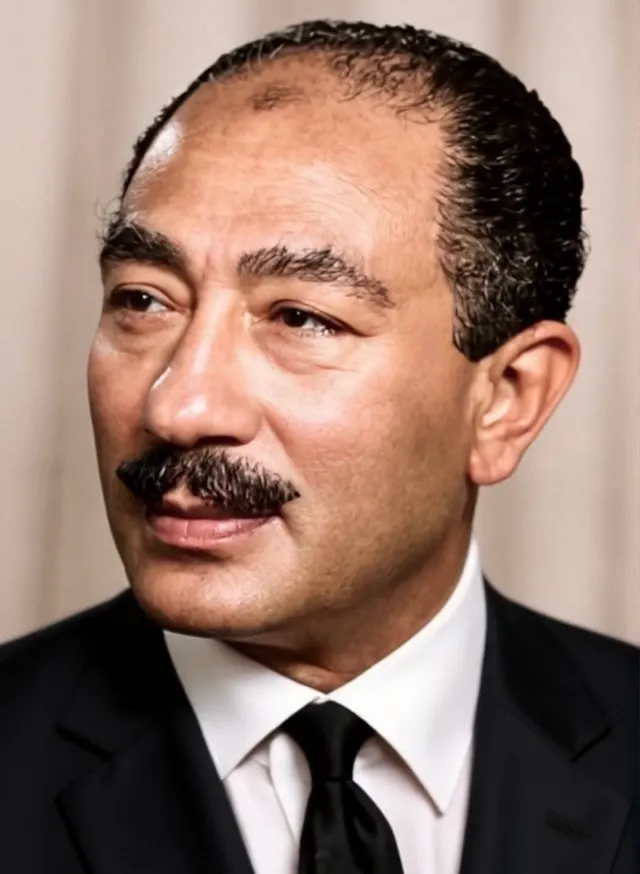
Anwar Sadat, President of Egypt from 1970 until his assassination in 1981Anwar Sadat, President of Egypt from 1970 until his assassination in 1981Image: Government · Public domain
politics · Africa

Sadat orders the Soviet military advisers out of Egypt

After its crushing defeat by Israel in 1967, Egypt rebuilt its armed forces with Soviet weapons, and thousands of Soviet officers and technicians were stationed in the country to train its army and man its air defences. Anwar Sadat, who became president on Gamal Abdel Nasser’s death in 1970, wanted to win back the Sinai, but Moscow, seeking calm with the United States, would not supply the offensive weapons he asked for. On 18 July 1972, in a long speech to the central committee of the Arab Socialist Union, Sadat announced that he had ordered the Soviet military advisers and experts, some 15,000 people, to leave, and that Soviet bases and equipment would pass to Egyptian control. He insisted that Egypt was turning neither to Washington nor against Moscow. The move freed his hand, and fifteen months later Egypt and Syria launched the October War of 1973, which led in time to Egypt’s peace with Israel.

Source: Office of the Historian, US Department of State: Foreign Relations of the United States, 1969-1976, volume XXV, document 14 ↗
1976
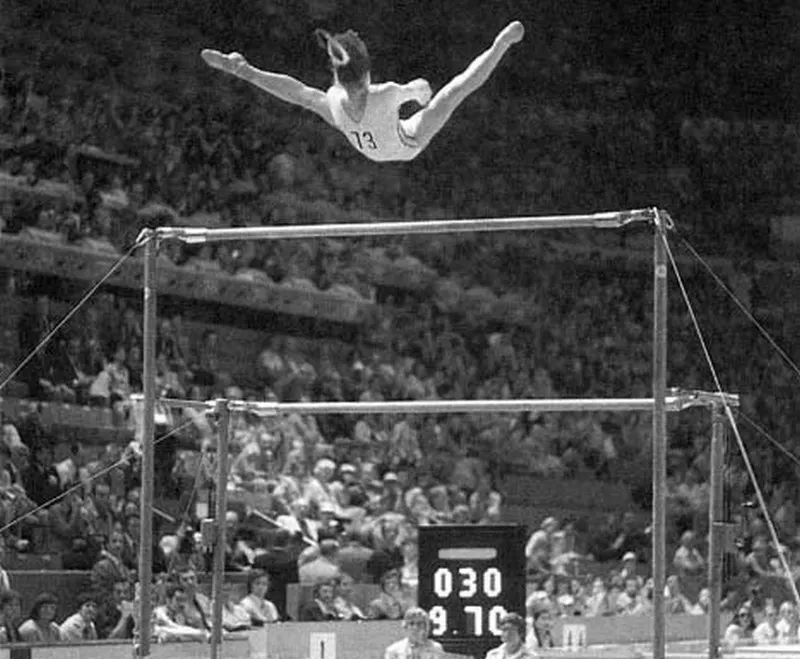
Nadia Comăneci in flight above the uneven bars at the Montreal Olympics in 1976Nadia Comăneci in flight above the uneven bars at the Montreal Olympics in 1976Image: Unknown (Comitetul Olimpic si Sportiv Roman) · Public domain
sport · Americas

Nadia Comăneci scores the first perfect 10 at the Olympics

Nadia Comăneci was picked out as a small child in the Romanian town of Onești by the coaches Béla and Márta Károlyi, and by 1975 she had won the European all-round title. At the Montreal Olympics the next year she was 14 years old, and gymnasts were marked out of ten, a score that nobody had ever been given at the Games. On 18 July 1976, in the team competition at the Montreal Forum, Comăneci swung through a flawless routine on the uneven bars, and the judges gave her 10. The scoreboard had been built with room for only three digits, so it flashed ‘1.00’, and the crowd took a moment to understand. She went on to score six more perfect 10s in Montreal and won three gold medals, including the all-round title.

Source: Olympics.com: Nadia Comaneci scores the first perfect 10 in gymnastics ↗
1980
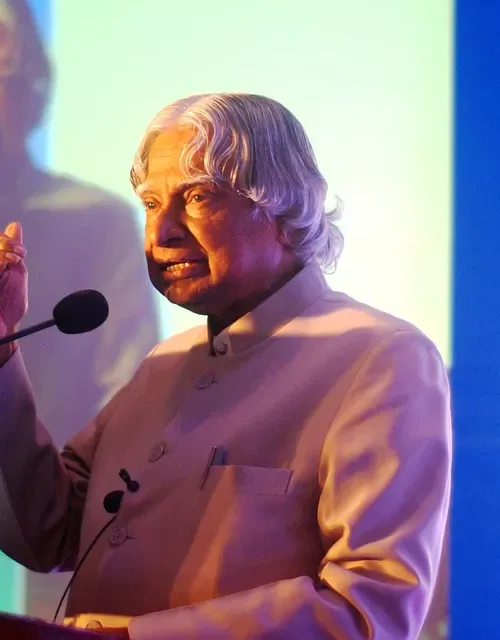
A. P. J. Abdul Kalam, who led the SLV-3 project and later became President of IndiaA. P. J. Abdul Kalam, who led the SLV-3 project and later became President of IndiaImage: Pushkarv · CC BY 3.0
science · Asia

India launches its own satellite on its own rocket

India’s space programme began in the 1960s with small sounding rockets fired from a fishing village near Thiruvananthapuram. By the 1970s the Indian Space Research Organisation was building a four-stage, solid-fuelled launcher, the SLV-3, under a project team led by A. P. J. Abdul Kalam. Its first flight, in August 1979, failed when a fault in the second stage sent it into the sea. On 18 July 1980 the second SLV-3 lifted off from Sriharikota, on the coast of Andhra Pradesh, and placed the 35-kilogram Rohini satellite RS-1 into an orbit between about 305 and 919 kilometres above the Earth. The little spinning satellite relayed data on the rocket’s fourth stage to the ground. India became only the sixth country to put a satellite into orbit with a rocket of its own, and the SLV-3 led on to the launchers that have since carried Indian probes to the Moon and Mars.

Source: ISRO: Rohini Satellite RS-1 ↗
1988
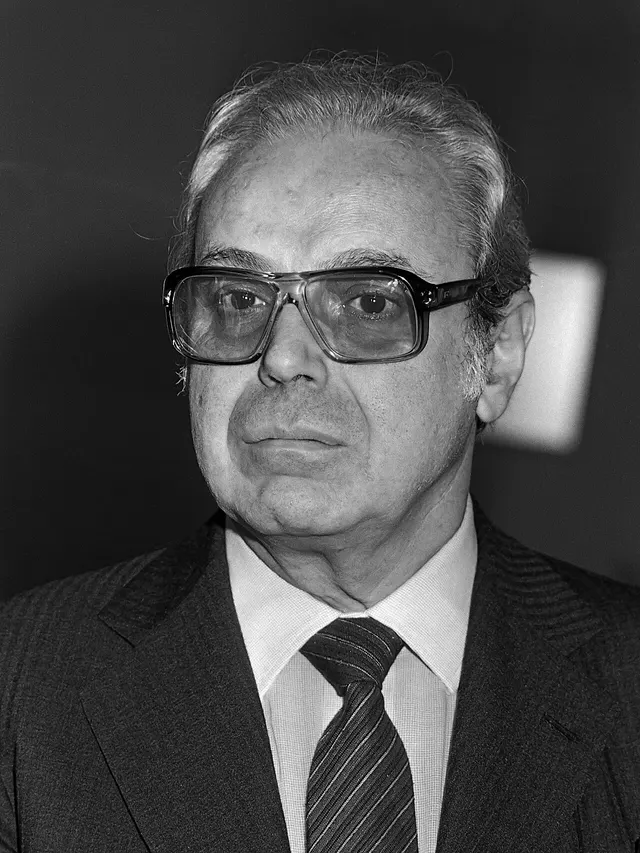
Javier Pérez de Cuéllar, the UN Secretary-General to whom Iran wrote accepting the ceasefireJavier Pérez de Cuéllar, the UN Secretary-General to whom Iran wrote accepting the ceasefireImage: Rob Bogaerts for Anefo · CC BY-SA 3.0 nl
world · Middle East

Iran accepts the UN ceasefire in its war with Iraq

Iraq invaded Iran in September 1980, and the war that followed became one of the longest and bloodiest of the 20th century, with trench warfare, attacks on cities and shipping, and Iraq’s use of chemical weapons. In July 1987 the UN Security Council unanimously passed Resolution 598, calling for an immediate ceasefire and a withdrawal to the international borders. Iraq accepted it, but Iran, which demanded that Iraq be named as the aggressor, held out. By 1988 Iran had suffered heavy defeats on the battlefield, its economy was exhausted and it was isolated abroad. On 18 July 1988 President Ali Khamenei wrote to the UN Secretary-General, Javier Pérez de Cuéllar, to say that Iran accepted the resolution. After weeks of negotiation the ceasefire came into force on 20 August 1988, watched over by a UN military observer group. Neither side had gained any territory, and hundreds of thousands of people had died.

Source: UN Peacekeeping: United Nations Iran-Iraq Military Observer Group, background ↗
1994
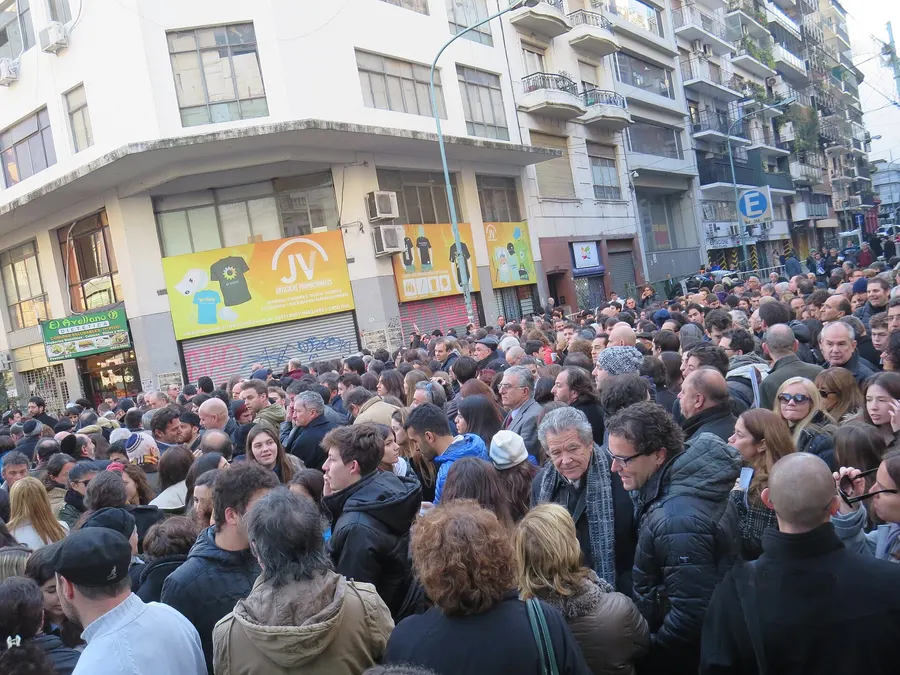
Crowds in Buenos Aires at the commemoration of the AMIA bombing in 2014Crowds in Buenos Aires at the commemoration of the AMIA bombing in 2014Image: Jaluj · CC BY-SA 4.0
world · Americas

A bomb destroys the AMIA Jewish centre in Buenos Aires

At 9.53 in the morning on 18 July 1994 a car bomb destroyed the building of the Asociación Mutual Israelita Argentina, the Argentine Jewish mutual aid association, on Calle Pasteur in Buenos Aires. Eighty-five people were killed and hundreds injured, the deadliest terrorist attack in Argentina’s history. Argentine courts have held Hezbollah and Iran responsible, but no one has been convicted. Every year a vigil is held at the rebuilt centre.

Source: Government of Argentina: A 32 años del atentado a la AMIA ↗
1995
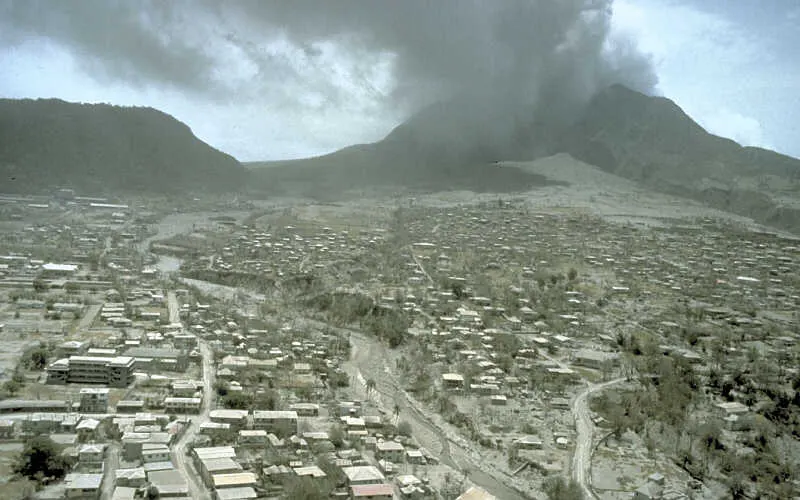
Ash-covered Plymouth, the abandoned capital of Montserrat, below the steaming Soufrière Hills volcano in July 1997Ash-covered Plymouth, the abandoned capital of Montserrat, below the steaming Soufrière Hills volcano in July 1997Image: R.P. Hoblitt · Public domain
world · Americas

The Soufrière Hills volcano awakens on Montserrat

After three years of growing earthquake activity beneath the Soufrière Hills, steam-driven explosions opened a new vent on 18 July 1995, dusting the Caribbean island of Montserrat with ash. It was the start of an eruption that went on for years. Lava domes grew and collapsed, burying the capital, Plymouth, and much of the south, and in 1997 pyroclastic flows killed 19 people. About two-thirds of the island’s people left, and the south remains an exclusion zone.

Source: Montserrat Volcano Observatory: Overview of the present eruption ↗
RESEARCH

Sources & Further Reading

Selected authoritative references supporting the events on this page.

World History Encyclopedia: The Battle at the Allia River, 390 BCE↗University of Chicago, Encyclopaedia Romana: Fasti Antiates↗Britannica: Great Fire of Rome↗Wikipedia: Great Fire of Rome↗The National Archives: Jews in England in 1290↗Britannica: Judaism, marginalisation and expulsion↗Universidad de la República: Historia↗Wikipedia: University of the Republic (Uruguay)↗National Park Service: The 54th Massachusetts and the Second Battle of Fort Wagner↗American Battlefield Trust: Fort Wagner and the 54th Massachusetts Volunteer Infantry↗Britannica: Pastor Aeternus↗Vatican: Dogmatic Constitution Pastor Aeternus (18 July 1870)↗Musée Curie: La découverte du radium et du polonium↗American Institute of Physics: Marie Curie and the science of radioactivity↗Britannica: Tojo Hideki↗National Diet Library, Japan: Koiso Cabinet↗US Holocaust Memorial Museum: Exodus 1947↗Yad Vashem: 18 July 1947, British soldiers removing Jews from the Exodus in the port of Haifa↗Intel: Intel’s founding↗Wikipedia: Intel↗Office of the Historian, US Department of State: Foreign Relations of the United States, 1969-1976, volume XXV, document 14↗Britannica: Anwar Sadat↗Olympics.com: Nadia Comaneci scores the first perfect 10 in gymnastics↗Britannica: Nadia Comaneci↗ISRO: Rohini Satellite RS-1↗ISRO: SLV-3E2 mission↗UN Peacekeeping: United Nations Iran-Iraq Military Observer Group, background↗Encyclopaedia Iranica: Iran-Iraq War↗Government of Argentina: A 32 años del atentado a la AMIA↗US Department of State: Remarks on the 31st anniversary of the terrorist attack on the AMIA↗Montserrat Volcano Observatory: Overview of the present eruption↗Smithsonian Global Volcanism Program: Soufrière Hills↗
WHY THESE MOMENTS?

Significance before volume

This page is not the longest possible list of events. It is a chronological journey through 18 July, where each entry is chosen for historical significance, human interest and reliability.

Facts are checked against authoritative museums, archives, universities and reference works. Where sources disagree, the page says so.

EXPLORED THE DEEPER STORY?

Return to the highlights of 18 July

Discover the lighter side of the date with famous birthdays, culture, firsts and lives remembered.

Explore This Day →
← PREVIOUS DAY17 July
HISTORY & TIMELINE18 July
NEXT DAY →19 July