
180
 Ruins at the archaeological site of Carthage, near TunisImage:
culture · Africa
The martyrs of Scilli are beheaded at Carthage
Twelve Christians from the small town of Scilli in Roman North Africa, seven men and five women, were brought before the proconsul Vigellius Saturninus at Carthage. Asked to swear by the emperor’s guardian spirit, they refused; their spokesman, Speratus, said they lived honestly and paid their taxes. On 17 July 180 they were sentenced and beheaded. The record of their trial is the oldest dated Christian document from Africa and among the earliest written in Latin.
Source: Britannica: Scillitan Martyrs ↗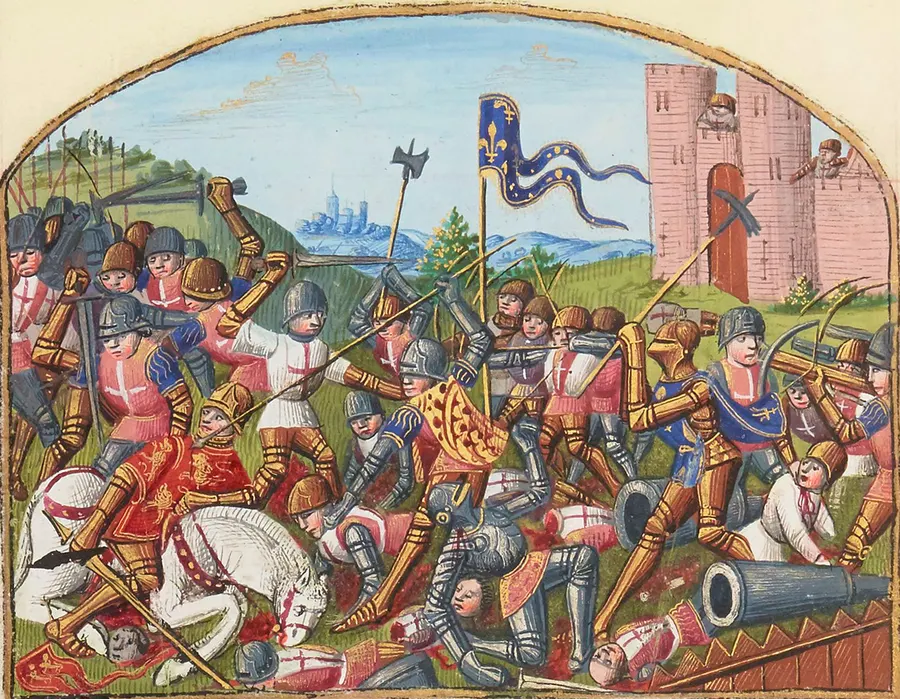 The Battle of Castillon in a 15th-century French manuscript, with a cannon in the foregroundImage:
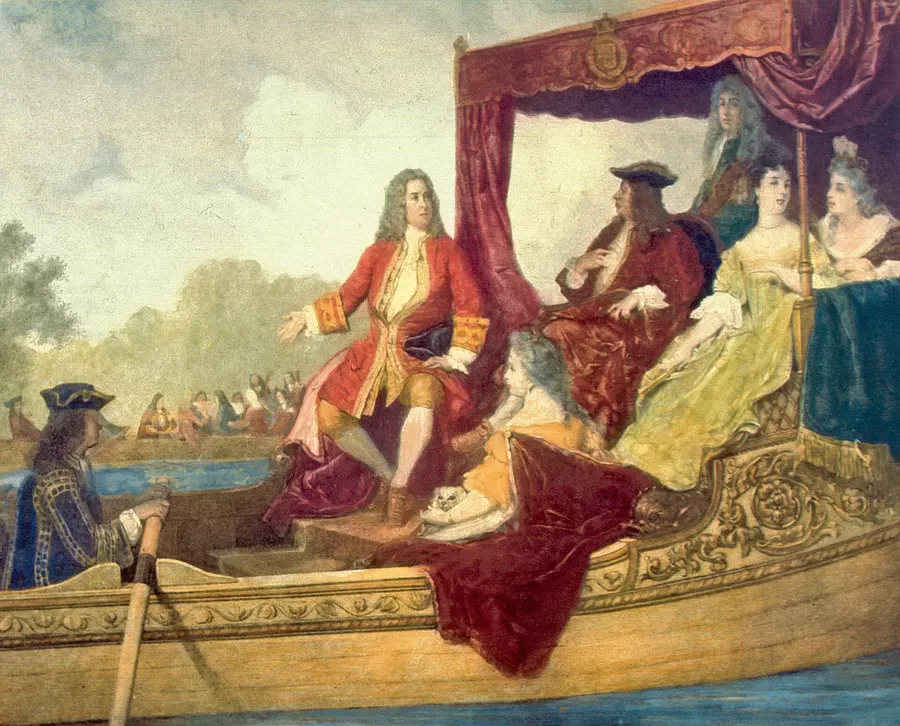 George I and his guests on the royal barge, with Handel standing beside him, in a 19th-century painting by Edouard HammanImage:
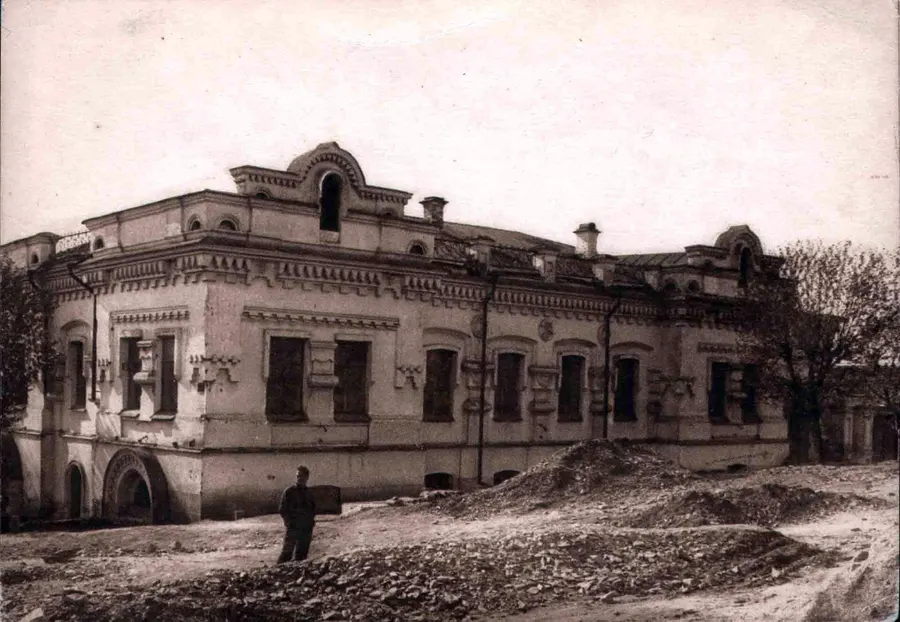 The Ipatiev House in Yekaterinburg, where the Romanov family was held and killed, in an early photographImage:
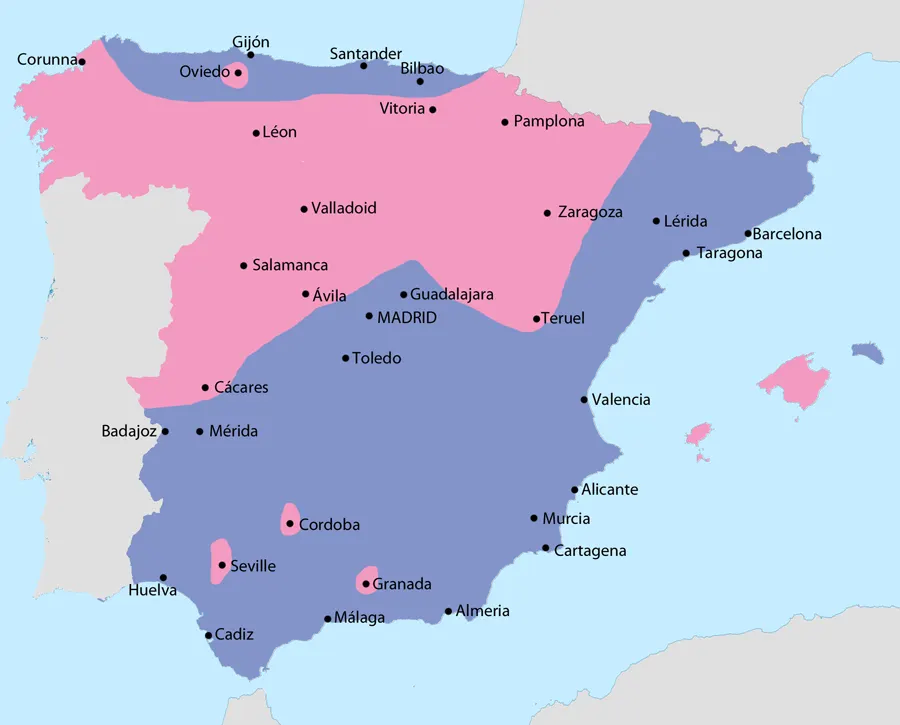 Spain after the rising of July 1936, with the areas held by the rebels in pink and by the Republic in blueImage:
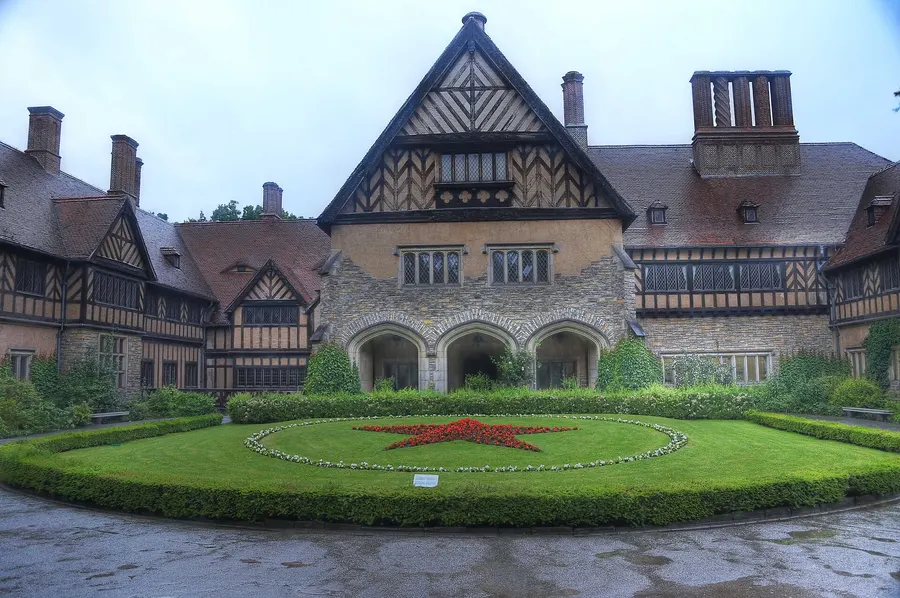 The Cecilienhof palace in Potsdam, where the conference met, with a red star planted in the courtyard lawnImage:
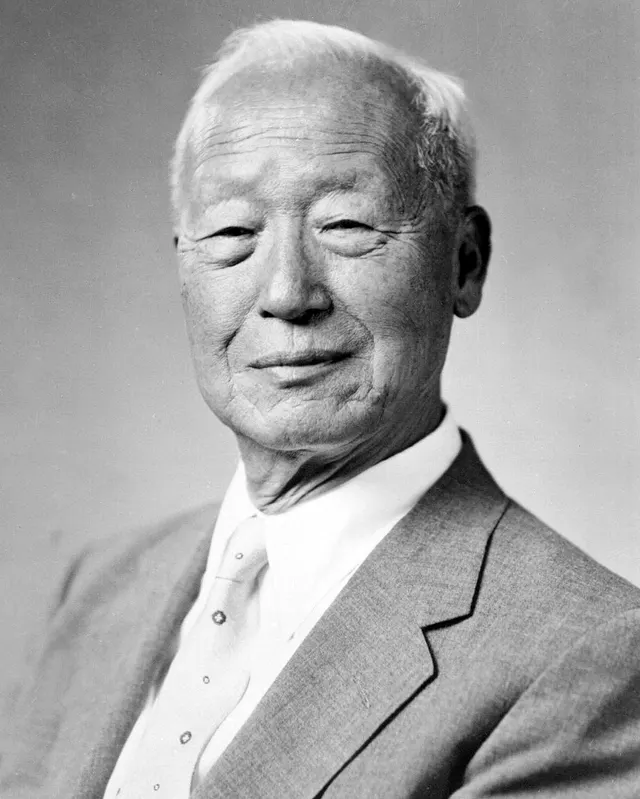 Syngman Rhee in 1948, the year the new National Assembly elected him South Korea’s first presidentImage:
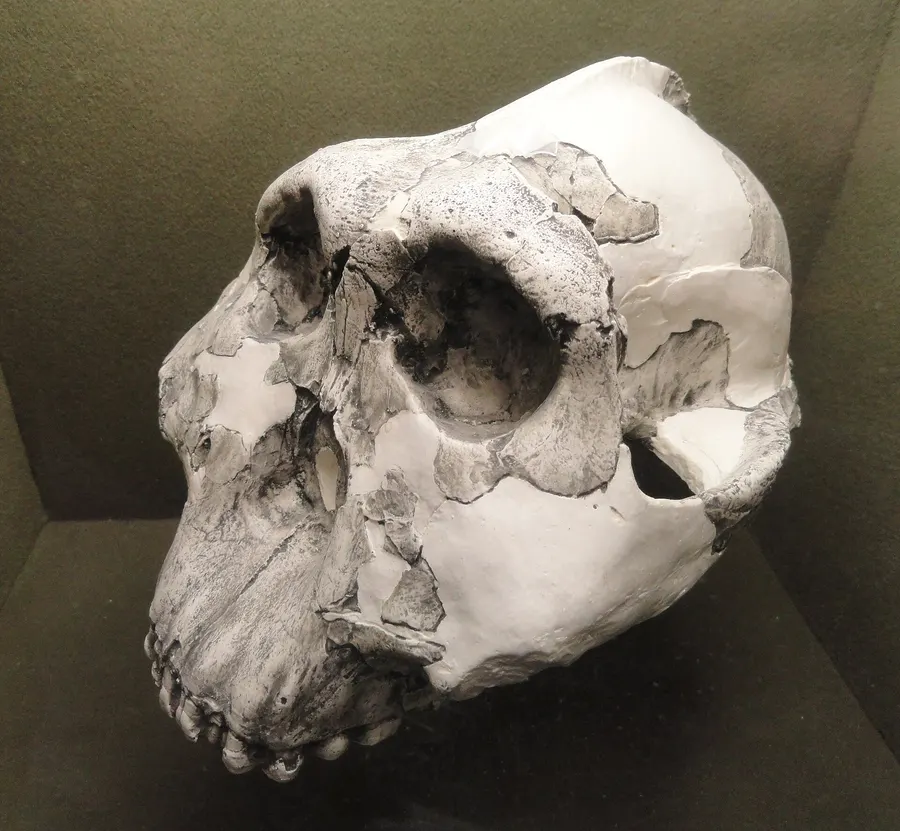 A cast of the ‘Zinj’ skull from Olduvai Gorge, on display at the Springfield Science Museum in MassachusettsImage:
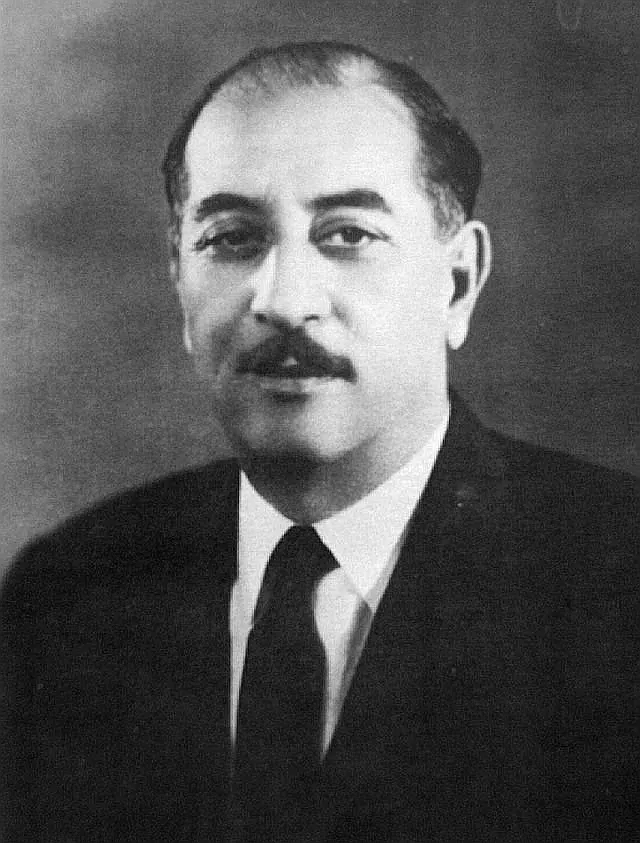 Ahmad Hasan al-Bakr, who became president of Iraq after the coupImage:
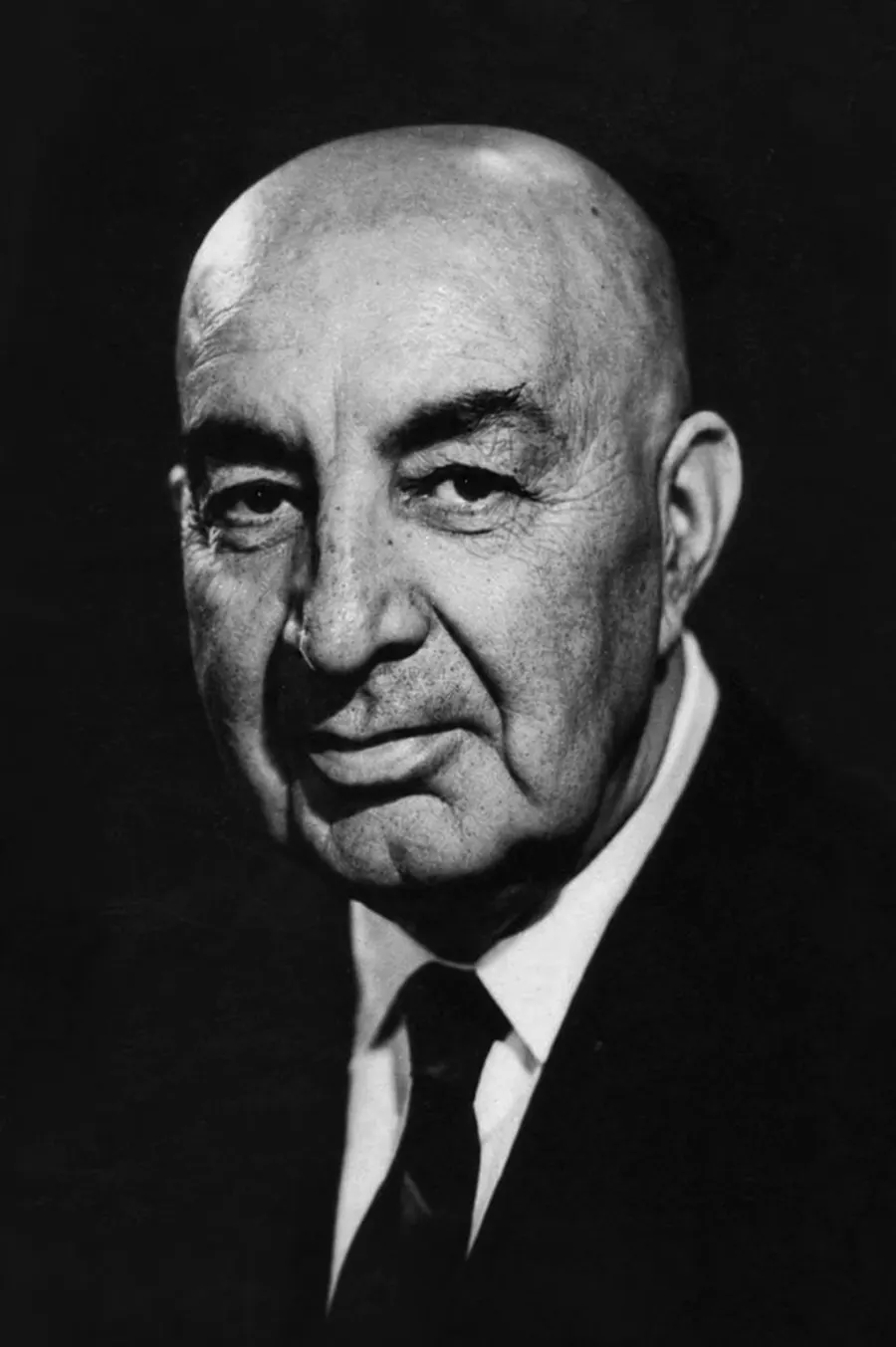 Mohammad Daoud Khan in an official portraitImage:
 Thomas Stafford and Alexei Leonov meet in the hatchway between Apollo and Soyuz, July 1975Image:
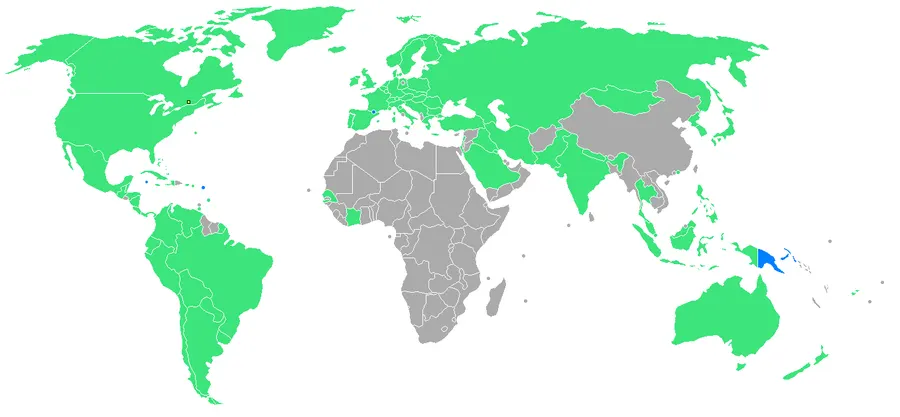 The nations at the 1976 Olympics shown in green, with most of Africa, which stayed away, in greyImage:
 Anastasio Somoza Debayle, president of Nicaragua, in a 1975 press photographImage:
 The Rose Bowl in Pasadena, California, where the 1994 World Cup final was played, seen from the air in 2018Image:
 The beach at Aitape, on the north coast of Papua New GuineaImage: