Explore 17 July

Explore 17 July: French cannon end the Hundred Years’ War at Castillon, the Romanovs are killed at Yekaterinburg, Apollo and Soyuz shake hands in orbit, African nations walk out of the Montreal Olympics and Somoza flees Nicaragua. Born today: Shah Ismail I, Angela Merkel and Terence Tao.

This day through time →15 verified events across 4 eras

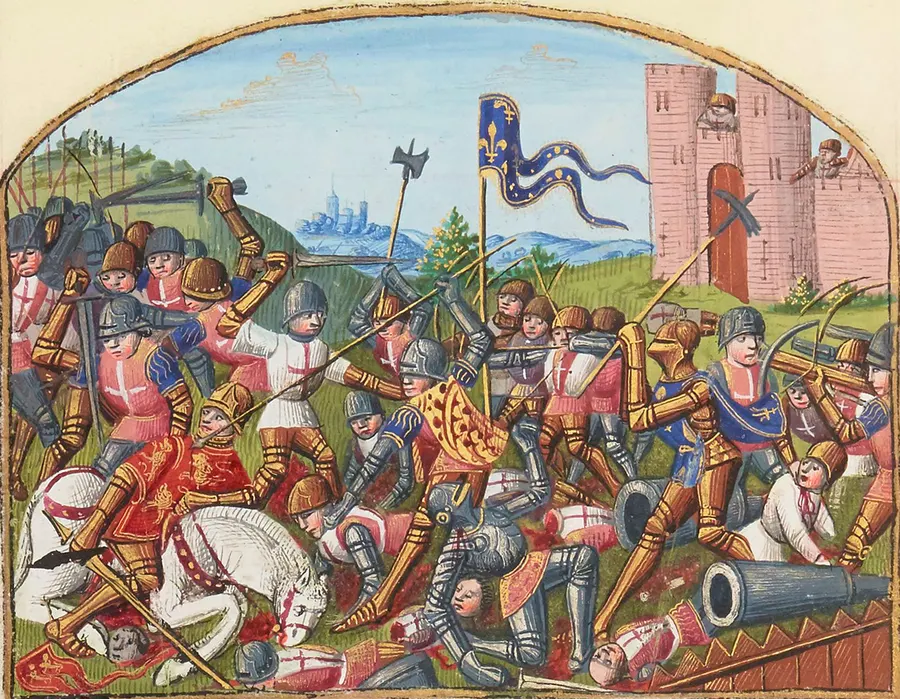
The Battle of Castillon in a 15th-century French manuscript, with a cannon in the foreground
Image creditUnknown author · Public domainResized and cropped for display.

French guns win the last battle of the Hundred Years’ War

By 1451 the French had driven the English out of Normandy and taken Gascony, which English kings had held for three centuries. But the wine merchants of Bordeaux had long traded with England, and many resented their new rulers. In October 1452 they opened the city to an English army under John Talbot, Earl of Shrewsbury, a famous veteran then well into his sixties.

The next summer the French came back, and laid siege to Castillon on the Dordogne. Their gunners, led by Jean Bureau, dug a fortified camp packed with cannon. On 17 July 1453 Talbot, told that the French were pulling out, rushed ahead with his horsemen before his infantry had come up and attacked the camp. The guns tore his ranks apart, Talbot was killed, and his army broke. Bordeaux surrendered in October, and England was left with only Calais on the French mainland. No peace treaty was signed, but the Hundred Years’ War was over.

Read the full storyHistory & Timeline →Source: Britannica: Battle of Castillon ↗
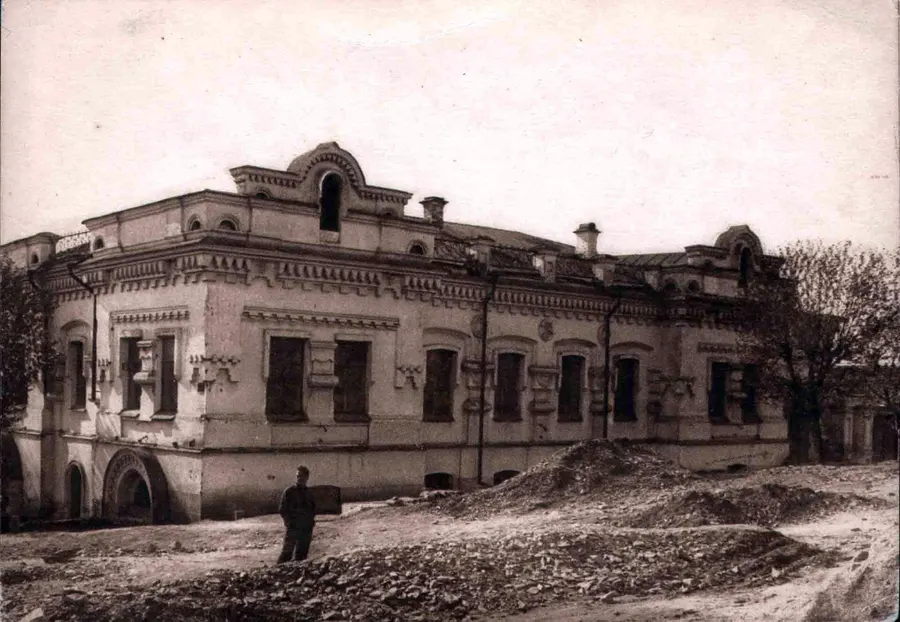
The Ipatiev House in Yekaterinburg, where the Romanov family was held and killed, in an early photograph
Image creditUnknown photographer · Public domainResized and cropped for display.

The last tsar and his family are killed at Yekaterinburg

Nicholas II gave up the Russian throne in March 1917, and after the Bolsheviks took power that autumn the former tsar, his wife Alexandra and their five children were moved further and further from the capital. In the spring of 1918 they were taken to Yekaterinburg in the Urals and shut up in a merchant’s house, the Ipatiev House, under heavy guard.

By July the civil war was going badly for the Bolsheviks, and anti-Bolshevik forces, including the Czechoslovak Legion, were closing on the town. The local Bolsheviks feared the family would be rescued. In the early hours of 17 July 1918 the Romanovs and four of their servants were woken, told they were being moved, and led down to a cellar room, where a squad shot and bayoneted all eleven. The bodies were hidden in the forest. Their remains were identified only after the fall of the Soviet Union, and most were buried in St Petersburg on 17 July 1998.

Read the full storyHistory & Timeline →Source: Britannica: Nicholas II, abdication and death ↗
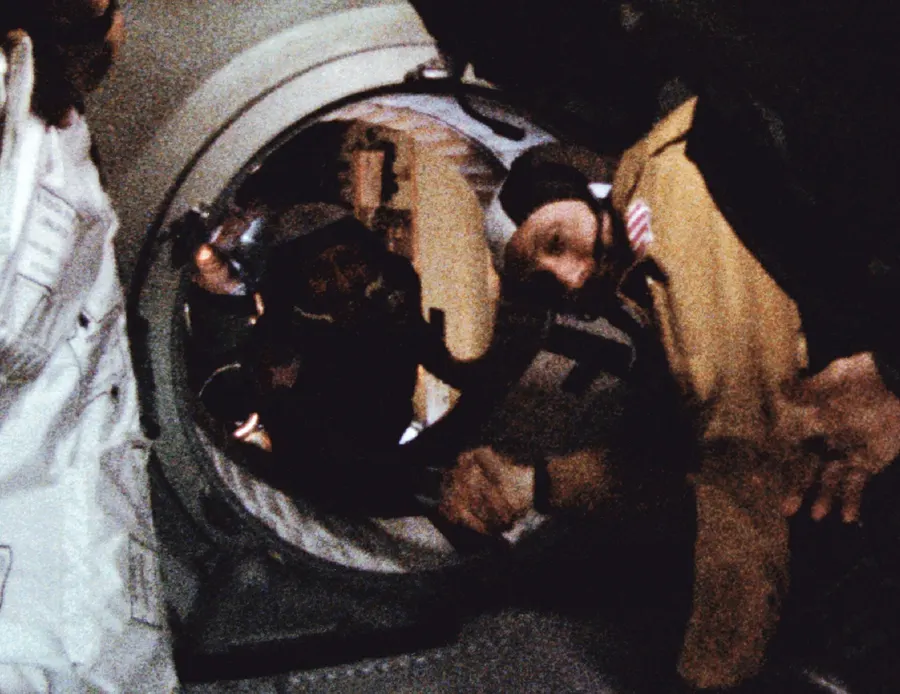
Thomas Stafford and Alexei Leonov meet in the hatchway between Apollo and Soyuz, July 1975
Image creditNASA · Public domainResized and cropped for display.

Apollo and Soyuz dock, and two rival crews shake hands in orbit

For almost two decades the United States and the Soviet Union had raced each other in space. In the easing of tension of the early 1970s the two governments agreed to try something new: a joint mission in which an American Apollo and a Soviet Soyuz would meet and link up in orbit. Engineers from both sides spent years designing a docking module that would let crews pass between craft with different air pressures.

Soyuz 19 and the last Apollo were launched on 15 July 1975. On 17 July, as they flew above the Atlantic, Thomas Stafford eased Apollo into contact with Soyuz. A few hours later the hatches were opened, and Stafford and the cosmonaut Alexei Leonov shook hands at the entrance to the Soviet craft. For the next two days the five men visited each other, shared meals and ran experiments together. It was the last Apollo flight, and a forerunner of the shuttle visits to Mir and the International Space Station.

Read the full storyHistory & Timeline →Source: NASA: 45 years ago, historic handshake in space ↗
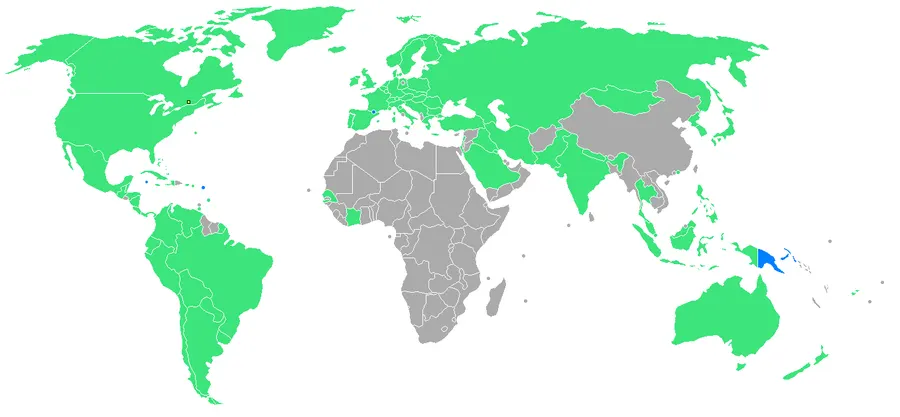
The nations at the 1976 Olympics shown in green, with most of Africa, which stayed away, in grey
Image creditUnknown author · CC BY-SA 3.0Resized and cropped for display.

African nations walk out of the Montreal Olympics

South Africa had been expelled from the Olympic movement in 1970 because of apartheid, and the United Nations urged countries to cut sporting ties with it. In 1976, only weeks before the Olympic Games in Montreal, New Zealand’s All Blacks set off on a long rugby tour of South Africa. African countries demanded that the International Olympic Committee bar New Zealand from the Games. The IOC refused, arguing that rugby was not an Olympic sport and that it had no power over it.

On the eve of the opening ceremony on 17 July 1976 more than twenty African countries withdrew, and others followed in the days after; accounts of the final number differ. Many athletes were packed off home without competing, among them Tanzania’s Filbert Bayi, the 1500 metres world record holder. The walkout helped push Commonwealth leaders to agree the following year to discourage sporting contact with South Africa.

Read the full storyHistory & Timeline →Source: Olympics.com: Montreal 1976, diplomatic controversies ↗
Anastasio Somoza Debayle, president of Nicaragua, in a 1975 press photograph
Image creditAssociated Press · Public domainResized and cropped for display.

Somoza resigns and flees Nicaragua

The Somoza family had ruled Nicaragua since the 1930s, through the presidency and their command of the National Guard, and had grown immensely rich. Anastasio Somoza Debayle, the last of the line, faced mounting anger after the Managua earthquake of 1972, when aid money went missing, and after the murder of the opposition newspaper editor Pedro Joaquín Chamorro in January 1978. Towns rose in revolt, and the guerrillas of the Sandinista National Liberation Front gathered wide support.

By mid-1979 the Sandinistas had launched a final offensive, and the United States, once the family’s firm ally, pressed Somoza to go. On 17 July 1979 he resigned and flew to Miami. Two days later the Sandinistas entered Managua in triumph, and they went on to govern Nicaragua through the 1980s. Somoza moved on to Paraguay, where he was killed in an ambush in 1980.

Read the full storyHistory & Timeline →Source: Britannica: Anastasio Somoza Debayle ↗

♙
PEOPLE

Born Today

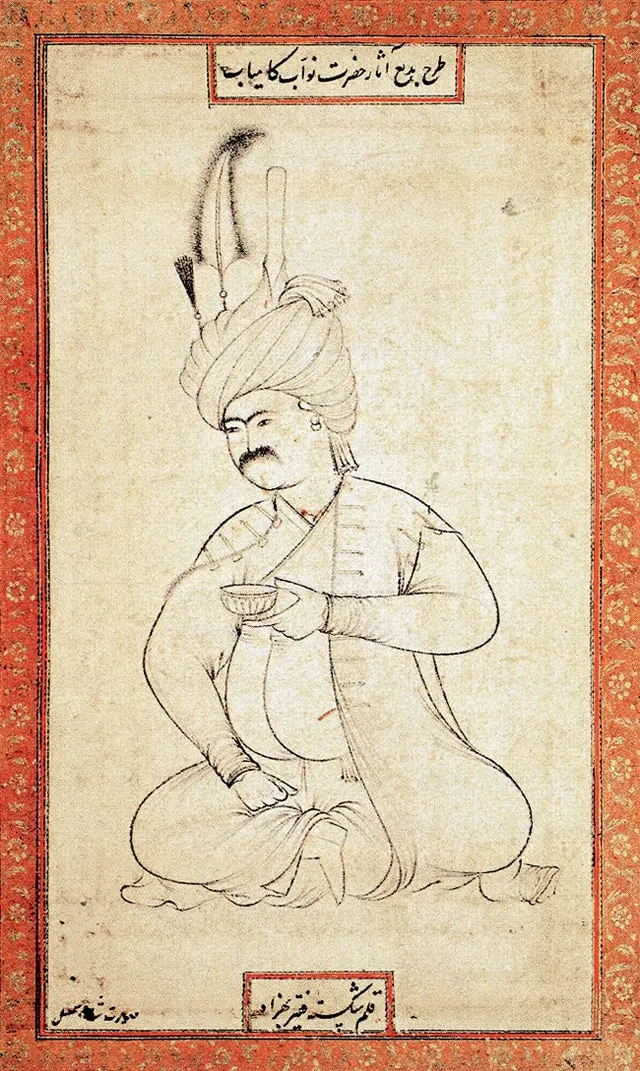
Ismail I
Image creditKamāl ud-Dīn Behzād · Public domainResized and cropped for display.

Ismail I

Founder of the Safavid dynasty, proclaimed shah at Tabriz in 1501 while still a teenager, who made Shia Islam the state religion of Iran.

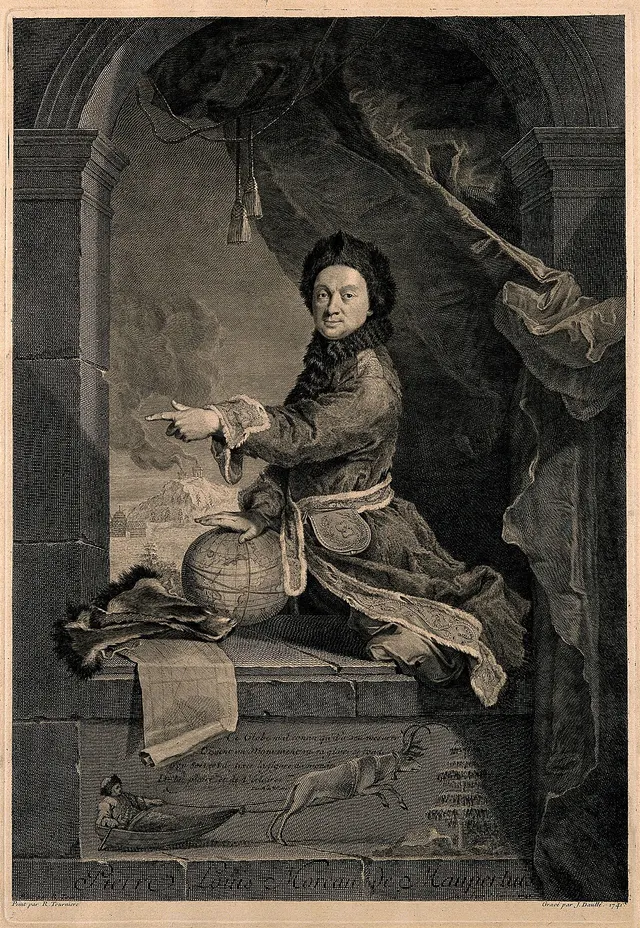
Pierre Louis Maupertuis
Image creditUnknown author · Public domainResized and cropped for display.

Pierre Louis Maupertuis

French mathematician who led the expedition to Lapland in 1736-37 that showed the Earth is flattened at the poles, and later headed the Prussian Academy of Sciences.

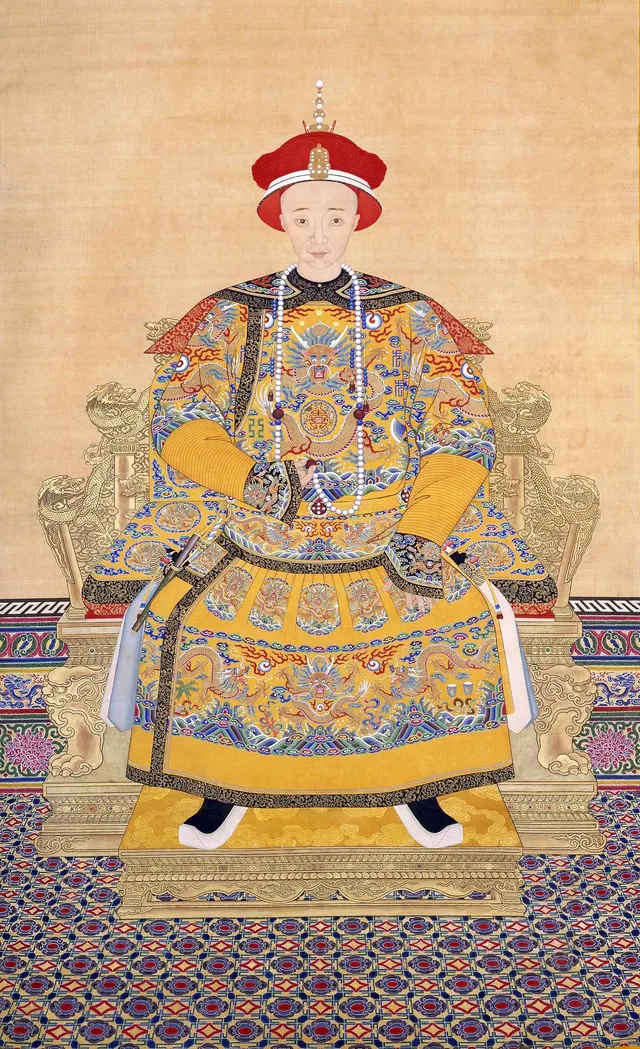
Xianfeng Emperor
Image creditQing Dynasty Court Painter · Public domainResized and cropped for display.

Xianfeng Emperor

Qing emperor of China from 1850, whose reign was shaken by the Taiping Rebellion and the Second Opium War, when he fled Beijing as British and French troops advanced.

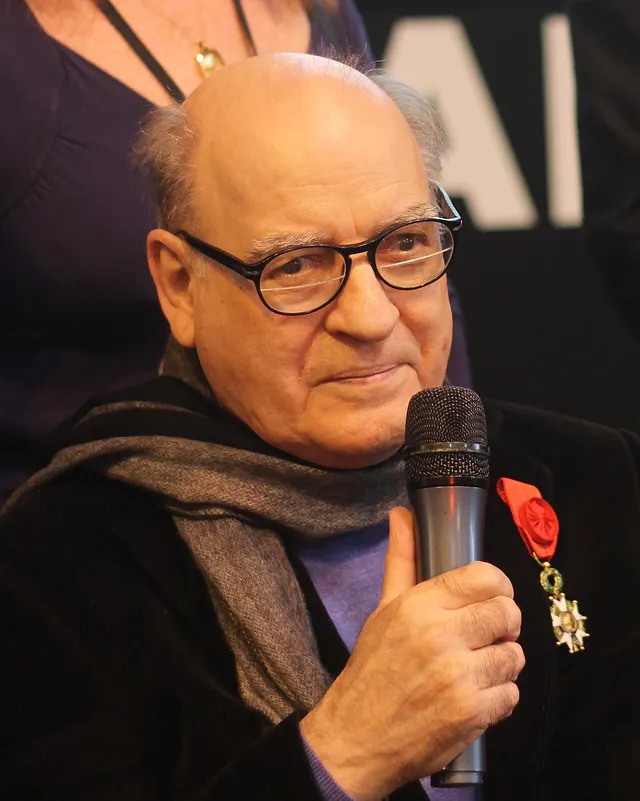
Quino
Image creditActuaLitté · CC BY-SA 2.0Resized and cropped for display.

Quino

Argentine cartoonist who created Mafalda, the sharp-witted little girl whose comic strip was read across Latin America and Europe; he died in 2020.

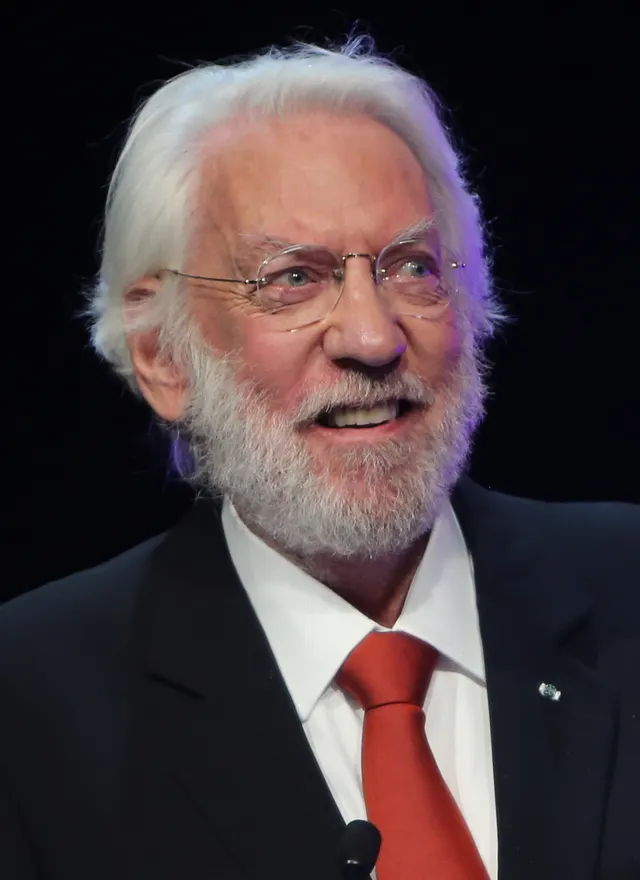
Donald Sutherland
Image creditFestival TV Monte-Carlo · CC BY-SA 3.0Resized and cropped for display.

Donald Sutherland

Canadian actor whose long career ran from M*A*S*H and Don’t Look Now to Ordinary People and The Hunger Games; he died in 2024.

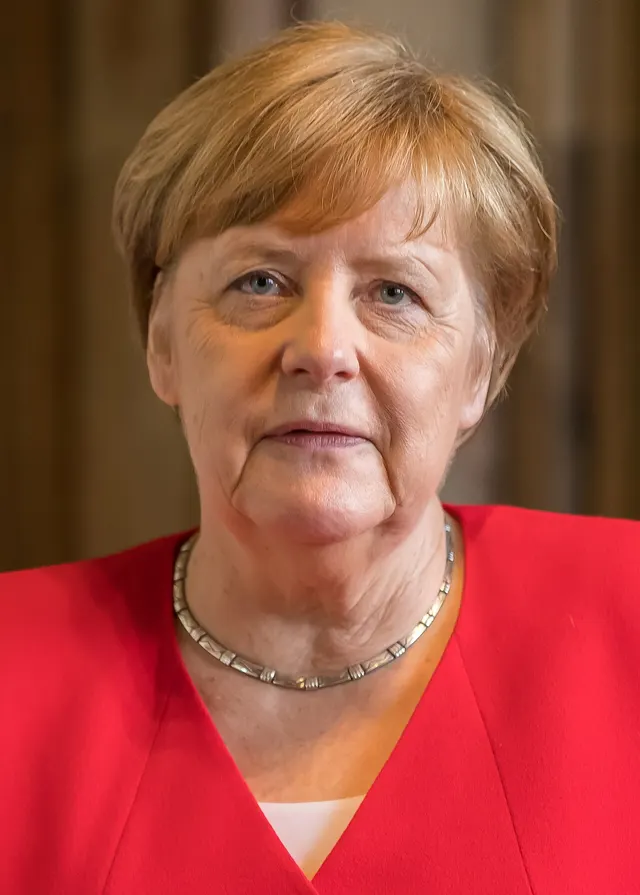
Angela Merkel
Image creditRaimond Spekking · CC BY-SA 4.0Resized and cropped for display.

Angela Merkel

Physicist raised in East Germany who became Germany’s first woman chancellor and led the country from 2005 to 2021.

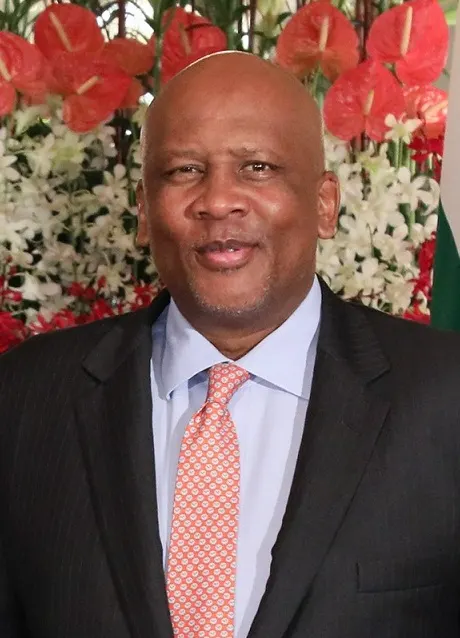
Letsie III
Image creditPrime Minister's Office of Japan · CC BY 4.0Resized and cropped for display.

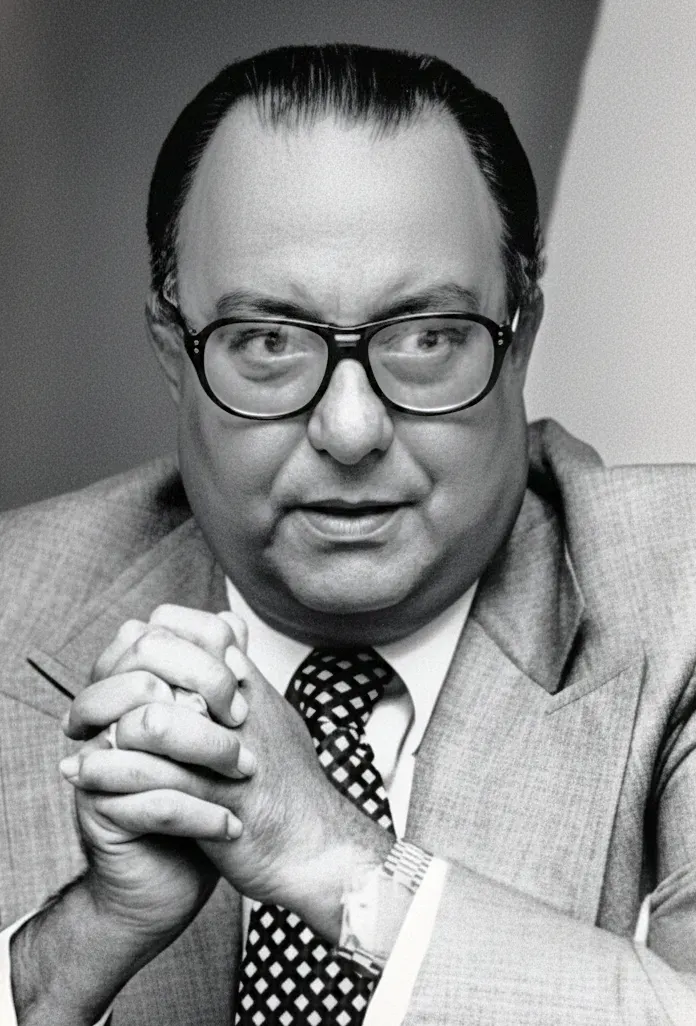
Letsie III

King of Lesotho, who first took the throne in 1990 while his father was in exile, stood aside for his return in 1995 and has reigned again since 1996.

◉
IDEAS THAT CHANGED THINGS

Firsts, Science & Discoveries

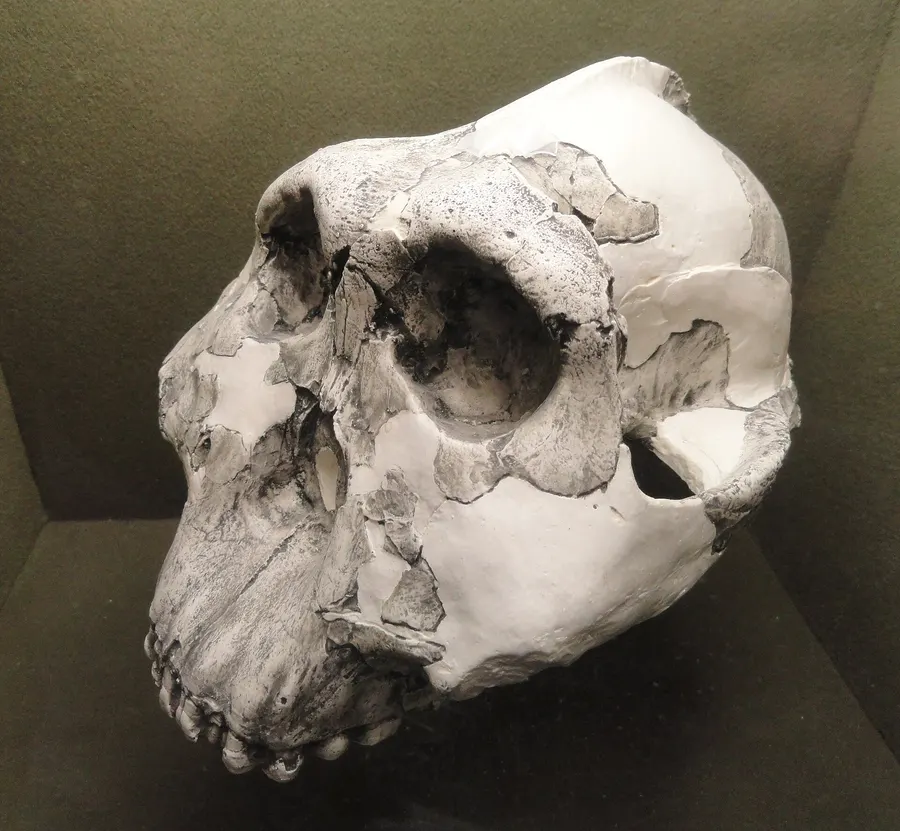
A cast of the 'Zinj' skull from Olduvai Gorge, on display at the Springfield Science Museum in Massachusetts
A cast of the ‘Zinj’ skull from Olduvai Gorge, on display at the Springfield Science Museum in Massachusetts
Image creditDaderot · CC0Resized and cropped for display.

Mary Leakey finds the ‘Nutcracker Man’ at Olduvai Gorge

Louis and Mary Leakey had searched Olduvai Gorge, a ravine cut through ancient lake beds in northern Tanzania, since the 1930s. They had found many stone tools, but not the fossils of whoever made them. On the morning of 17 July 1959 Louis was ill in camp, and Mary went out alone with her dogs. On a slope she spotted part of a skull and two large teeth weathering out of the rock.

Pieced together from hundreds of fragments, the skull belonged to a heavy-jawed hominin with huge molars, soon nicknamed ‘Nutcracker Man’. Louis named it Zinjanthropus boisei; it is now called Paranthropus boisei and is about 1.8 million years old. The find made the Leakeys famous, brought money for further digging at Olduvai, and helped turn attention to Africa as the place where humans evolved.

Read the full storyHistory & Timeline →Source: Smithsonian Human Origins: OH 5 ↗
☆
SPORTING HISTORY

Sporting Moments

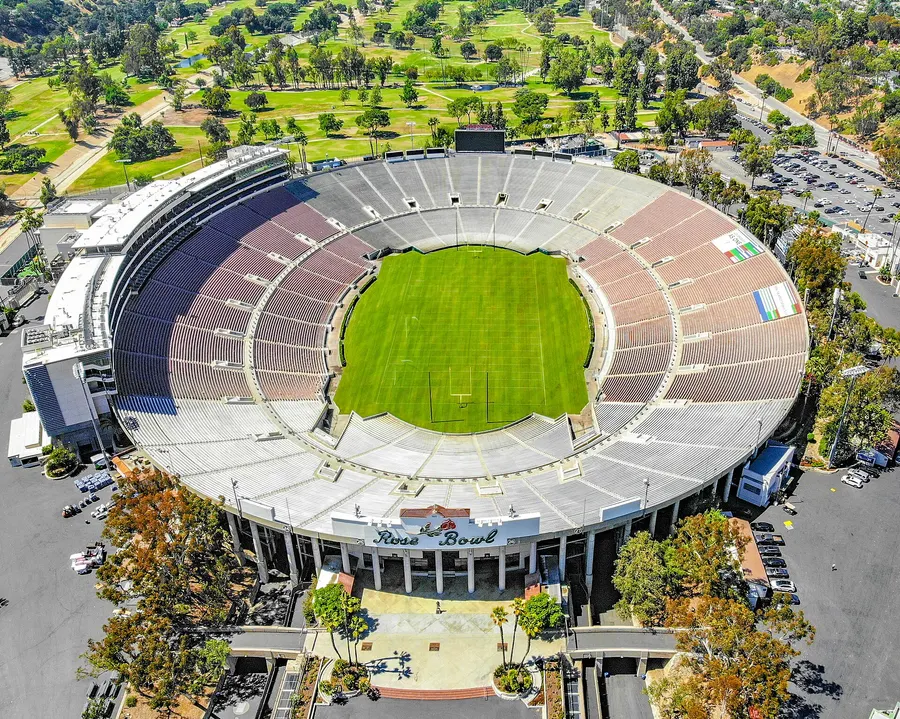
The Rose Bowl in Pasadena, California, where the 1994 World Cup final was played, seen from the air in 2018
Image creditTed Eytan · CC BY-SA 2.0Resized and cropped for display.

Brazil win a fourth World Cup as Baggio’s penalty sails over

The 1994 World Cup was the first held in the United States, and its final, at the Rose Bowl in Pasadena on 17 July, brought together the two countries that had each won the trophy three times, Brazil and Italy. Brazil, led by the striker Romário, had not been champions since 1970.

In the Californian heat the match stayed goalless through 120 minutes, and for the first time a World Cup final went to a penalty shoot-out. Brazil’s goalkeeper Taffarel saved from Daniele Massaro, and then Roberto Baggio, Italy’s great star, who had carried them to the final, shot high over the bar. Brazil had won their fourth world title.

Read the full storyHistory & Timeline →Source: FIFA: Baggio’s heartbreak at the Rose Bowl ↗
♫
MUSIC • FILM • BOOKS • CULTURE

Culture Stories

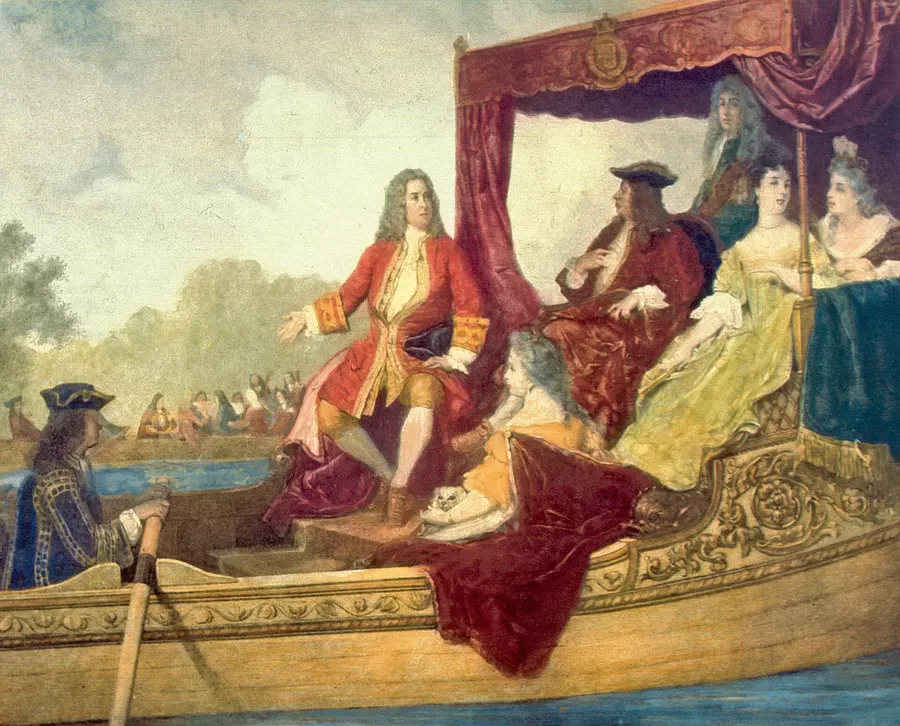
George I and his guests on the royal barge, with Handel standing beside him, in a 19th-century painting by Edouard Hamman
Image creditEdouard Hamman · Public domainResized and cropped for display.

Handel’s Water Music is played for George I on the Thames

George I, the Elector of Hanover, had become King of Great Britain in 1714 and was not much loved by his new subjects. A grand, public entertainment on the river was one way to show himself to London. George Frideric Handel, a German composer who had settled in London and had once served at the king’s court in Hanover, was asked to write the music.

On the evening of 17 July 1717 the king and his guests boarded the royal barge at Whitehall and were rowed upstream towards Chelsea on the tide, while a barge carrying about fifty musicians played alongside and crowds of boats followed. The king took supper at Chelsea and came back by water after midnight. He liked the music so much that, according to one report, he had it played three times. The suites of dances and fanfares known as the Water Music are among Handel’s best-loved works.

Read the full storyHistory & Timeline →Source: Britannica: Water Music ↗
✦
LIVES REMEMBERED

Remembered Today

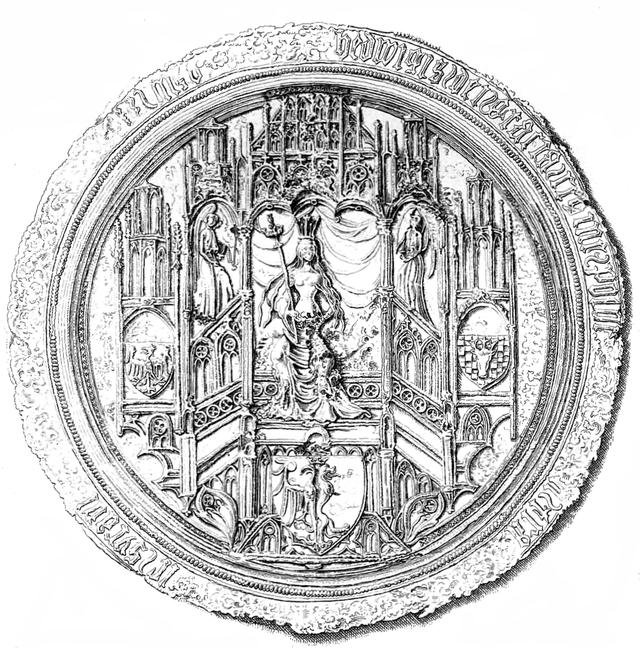
Jadwiga of Poland
Image creditUnknown author · Public domainResized and cropped for display.

Jadwiga of Poland

Queen of Poland, crowned as ‘king’ in 1384, whose marriage to Jogaila of Lithuania joined the two countries; she was made a saint in 1997.

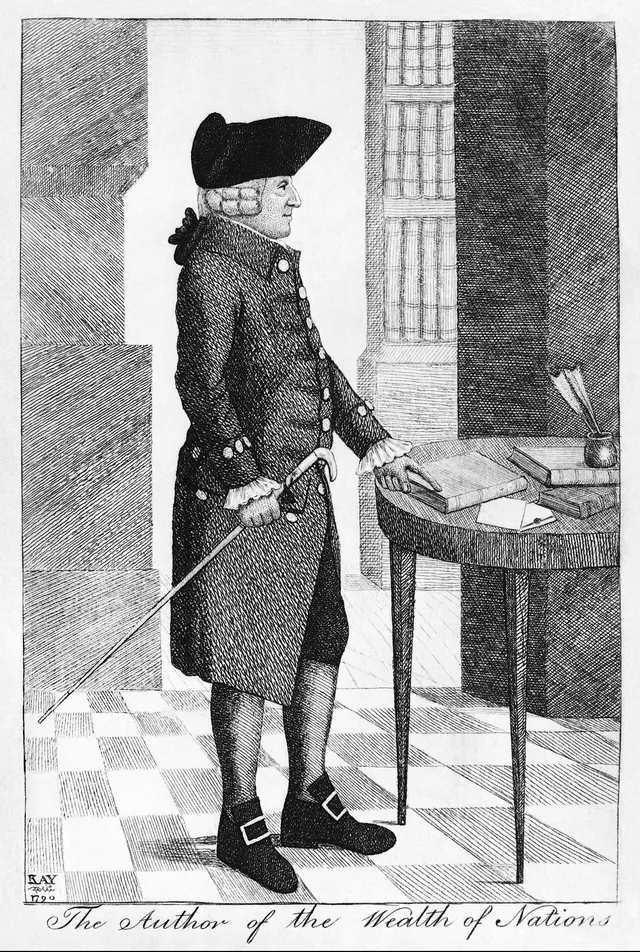
Adam Smith
Image creditJohn Kay · Public domainResized and cropped for display.

Adam Smith

Scottish philosopher whose book The Wealth of Nations, published in 1776, became a founding text of modern economics.

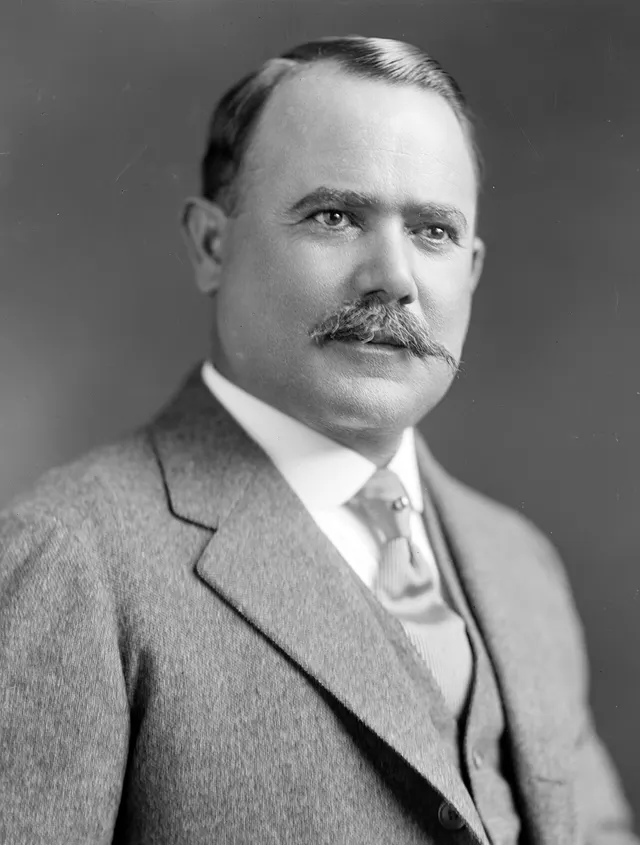
Álvaro Obregón
Image creditHarris & Ewing · Public domainResized and cropped for display.

Álvaro Obregón

Mexican revolutionary general and president from 1920 to 1924, who was shot dead in Mexico City weeks after being elected president again.

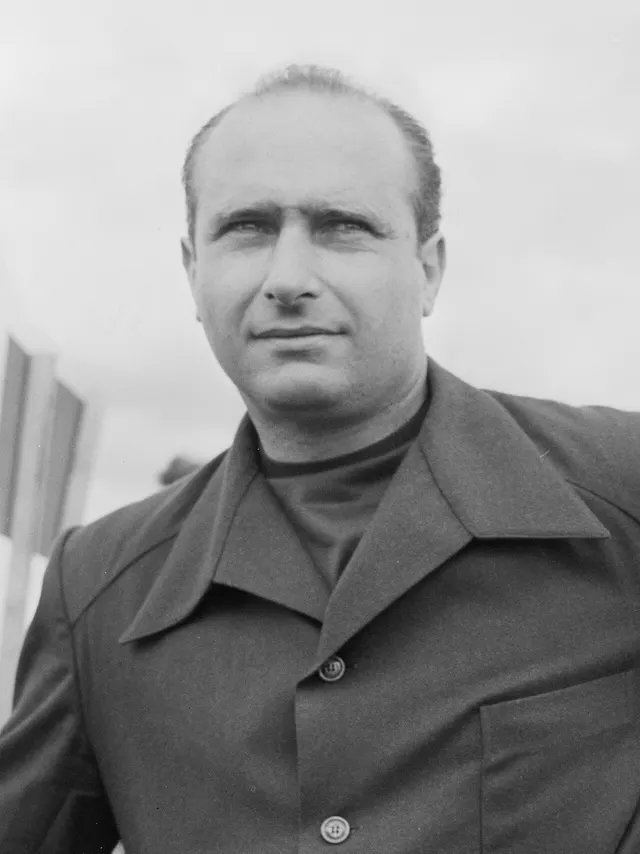
Juan Manuel Fangio
Image creditBjørn Fjørtoft · CC BY 4.0Resized and cropped for display.

Juan Manuel Fangio

Argentine racing driver who won the Formula One world championship five times in the 1950s.

☉
AROUND THE WORLD

Observances & Anniversaries

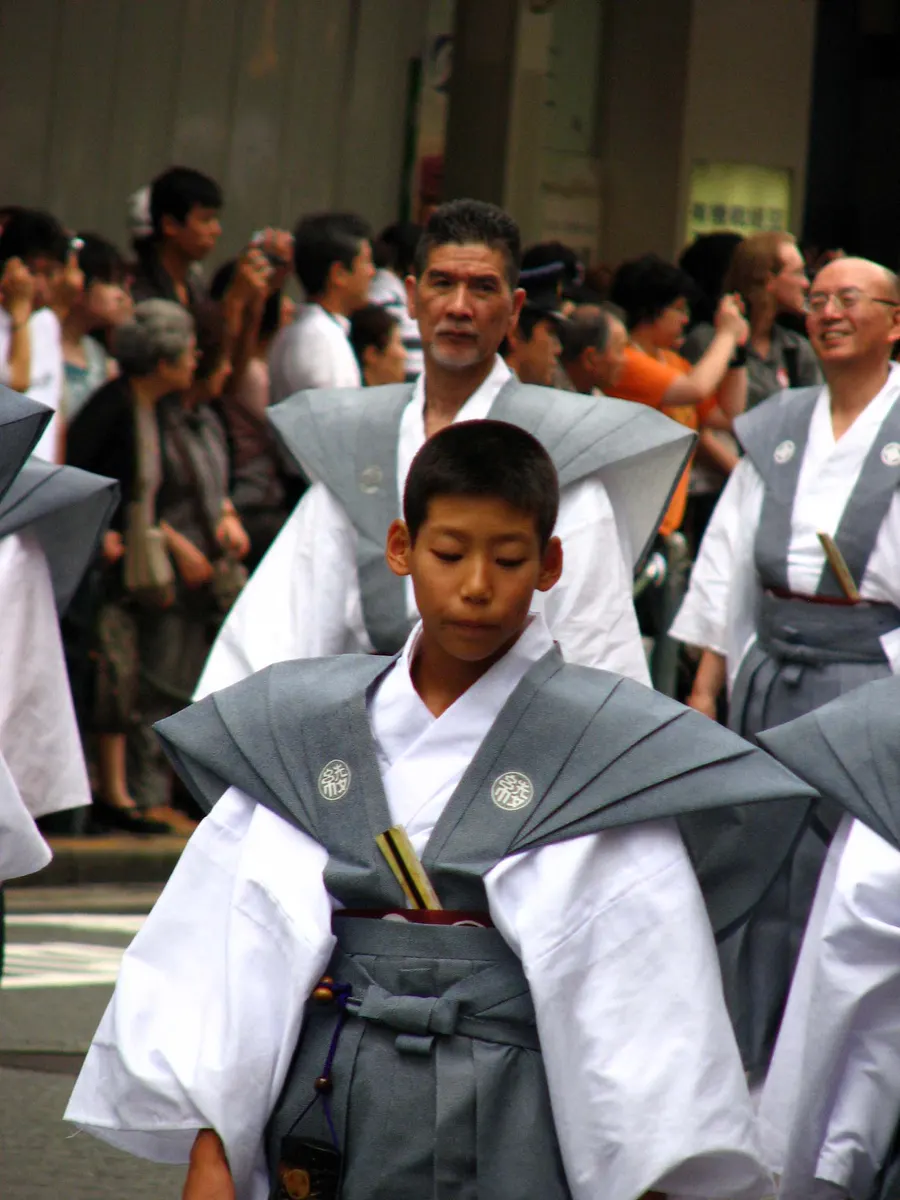
Boys in ceremonial dress taking part in the Gion Festival in Kyoto
Image creditChris Gladis from Osaka, Japan · CC BY 2.0Resized and cropped for display.

The Gion Festival float procession in Kyoto

Kyoto’s Gion Festival, held by the Yasaka Shrine, lasts through the whole of July and goes back more than a thousand years, to rituals meant to ward off epidemics. Its high point comes on 17 July, when the first great procession of yamahoko floats is hauled through the streets of the city centre.

The tallest hoko floats reach about 25 metres and weigh up to 12 tonnes, and all are hung with rich tapestries and carvings, earning them the name of ‘moving museums’. They are built and pulled by the people of the city’s old neighbourhoods. UNESCO lists the float ceremony as intangible cultural heritage of humanity.

Source: UNESCO: Yamahoko, the float ceremony of the Kyoto Gion Festival ↗
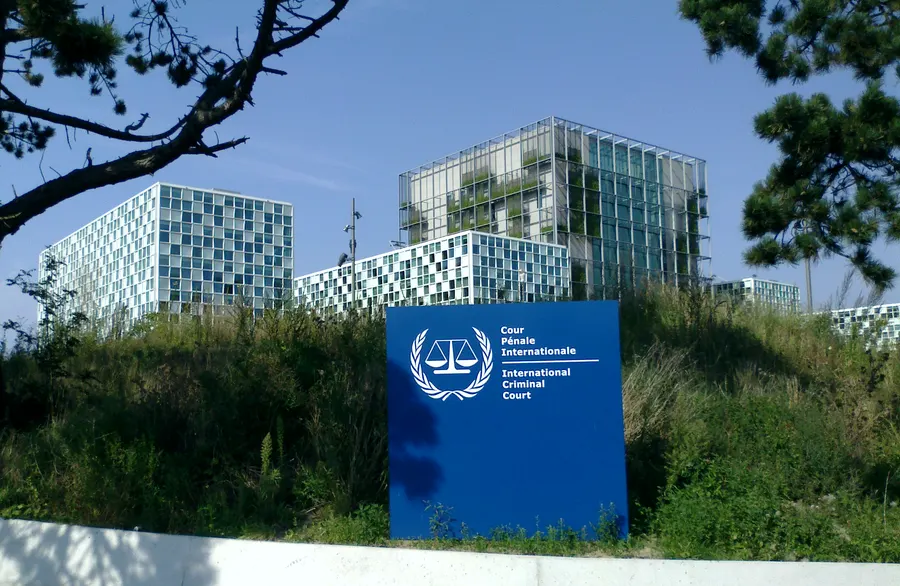
The International Criminal Court's building in The Hague
The International Criminal Court’s building in The Hague
Image creditOSeveno · CC BY-SA 4.0Resized and cropped for display.

Day of International Criminal Justice

On 17 July 1998 a diplomatic conference in Rome adopted the Rome Statute, the treaty that set up the International Criminal Court, the first permanent court able to try individuals for genocide, crimes against humanity and war crimes. The statute came into force in 2002, and the court sits in The Hague.

The anniversary is marked each year by the court and its member states as the Day of International Criminal Justice, with events that promote the fight against impunity and the rights of victims.

Source: International Criminal Court: 17 July, Day of International Criminal Justice ↗
HISTORY & TIMELINE

Finished the highlights?

Follow 17 July chronologically, from the Middle Ages to the modern day, with 15 verified events and the sources behind them.

This day through time →