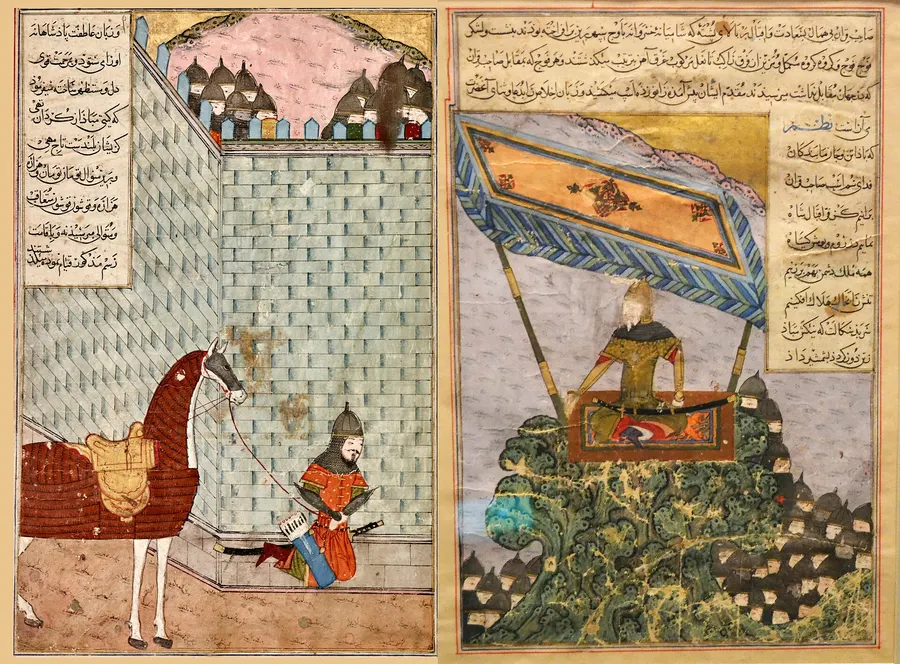
1402Timur crushes the Ottoman army at Ankara and captures Sultan Bayezid
By 1400 two conquerors were closing in on each other in Anatolia. The Ottoman sultan Bayezid I, nicknamed ‘the Thunderbolt’ for the speed of his campaigns, had overrun much of the Balkans and eastern Anatolia and was blockading Constantinople. From the east came Timur, the Turkic ruler of Samarkand, whose armies had already sacked Delhi and Baghdad. Each sheltered the other’s enemies, and in 1402 Timur marched into Ottoman lands.
The armies met near Ankara on 20 July 1402. Timur’s force was much larger, and Bayezid’s men arrived tired and short of water after Timur cut off their supply. Some of the Anatolian troops in the Ottoman army went over to Timur, and although Bayezid’s Serbian allies fought hard, the sultan was defeated and taken prisoner. He died in captivity the next year. His sons fought one another for the throne for more than a decade before the Ottoman state recovered under Mehmed I.
Read the full storyHistory & Timeline →Source: Britannica: Battle of Ankara (1402) ↗
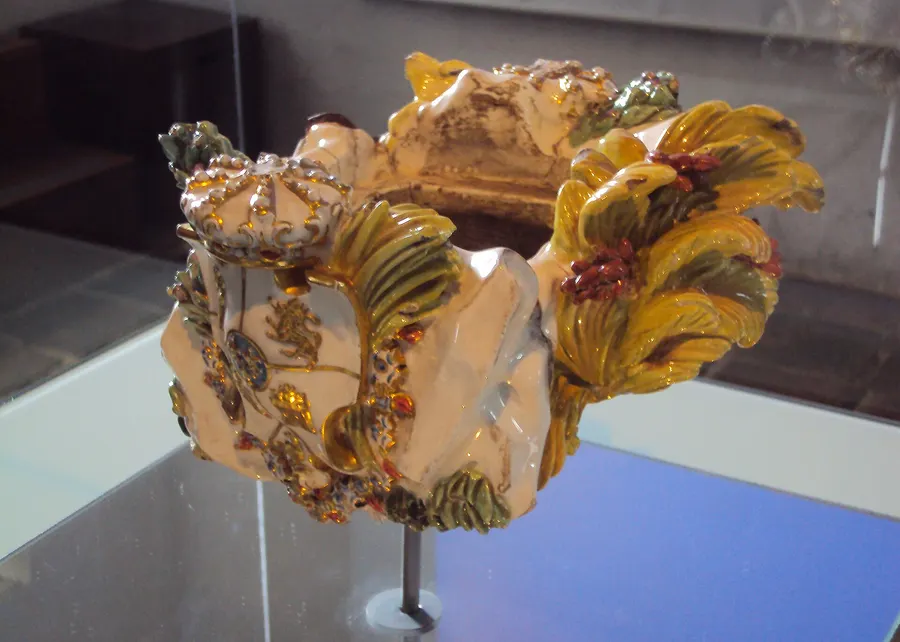
1810A quarrel over a flower vase starts a revolution in Bogotá
In 1808 Napoleon forced the Spanish king Ferdinand VII off his throne, and across Spanish America local leaders began to ask who now had the right to govern them. In Santa Fe de Bogotá, capital of the viceroyalty of New Granada, American-born creoles resented the Spanish officials who ran the colony. On 20 July 1810, a market day, a group of them planned a dinner for a visiting royal commissioner and sent Antonio Morales to borrow an ornament, traditionally a flower vase, from the shop of the Spanish merchant José González Llorente.
They expected him to refuse rudely, and he did. The brawl that followed drew a crowd into the main square, and that evening the creole leaders forced the viceroy to accept a governing junta, whose founding act was signed in the early hours of the next day. The junta still claimed to act for Ferdinand VII, and full declarations of independence came only from 1811, but 20 July is celebrated as Colombia’s Independence Day, and the shop is now the Museo de la Independencia.
Read the full storyHistory & Timeline →Source: Banco de la República, Credencial Historia: La independencia en Bogotá, el 20 de julio de 1810 ↗
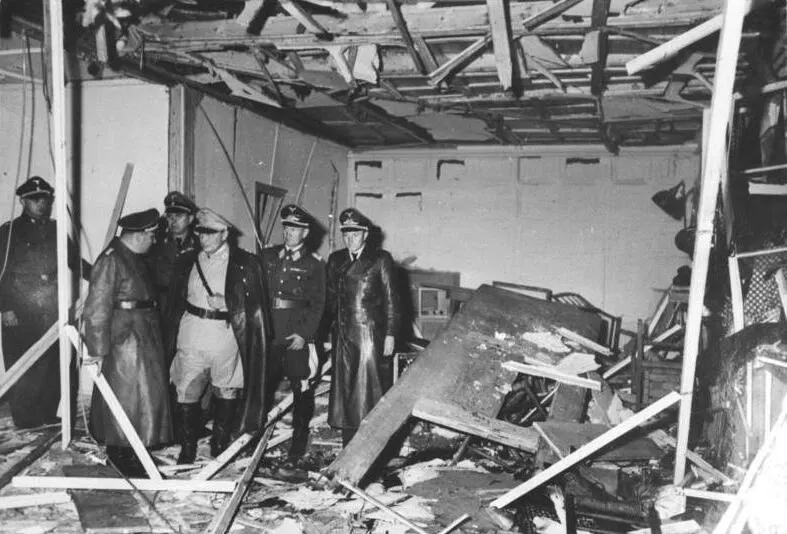
1944Stauffenberg’s bomb fails to kill Hitler
By 1944 a circle of German officers and civilians had concluded that Hitler was leading Germany to ruin and that only his death could end the war and the regime’s crimes. Colonel Claus von Stauffenberg, badly wounded in North Africa, had become chief of staff of the Replacement Army, a post that gave him access to Hitler’s briefings. The plotters planned to use an emergency order, codenamed Valkyrie, to take control in Berlin once Hitler was dead.
On 20 July 1944 Stauffenberg carried a bomb in his briefcase into a conference at the Wolf’s Lair headquarters in East Prussia, set it under the map table and left. It exploded shortly before 1 p.m., killing a stenographer and three officers, but the heavy table leg shielded Hitler, who was only slightly hurt. The coup in Berlin collapsed within hours. Stauffenberg and three others were shot that night in the courtyard of the Bendler Block, and in the purge that followed the regime executed many more.
Read the full storyHistory & Timeline →Source: German Resistance Memorial Center: Stauffenberg and the assassination attempt of July 20, 1944 ↗
1969Apollo 11 lands on the Moon
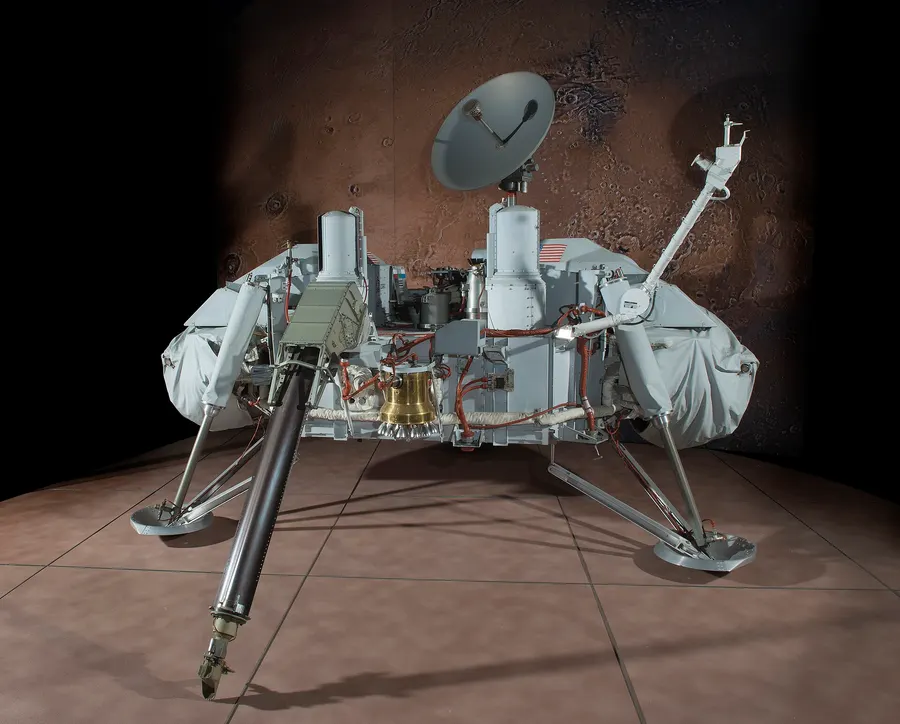
Apollo 11 lifted off from Florida on 16 July 1969 with Neil Armstrong, Buzz Aldrin and Michael Collins aboard, eight years after President Kennedy had set the goal of landing a man on the Moon before the decade was out. On 20 July Armstrong and Aldrin undocked in the lunar module Eagle while Collins stayed in orbit. In the final minutes Armstrong took manual control to fly past a boulder-strewn crater, and just after 4.17 p.m. US Eastern time he reported: ‘Houston, Tranquility Base here. The Eagle has landed.’
At 10.56 p.m. Eastern time, already the early hours of 21 July in Britain, Armstrong stepped onto the Sea of Tranquility and spoke of ‘one small step’ and ‘one giant leap for mankind’. Around 650 million people watched on television. He and Aldrin spent about two and a half hours outside, planting a flag, setting up experiments and collecting rock samples, before rejoining Collins. All three splashed down safely in the Pacific on 24 July.
Read the full storyHistory & Timeline →Source: NASA: July 20, 1969, One giant leap for mankind ↗
1989Burma’s generals put Aung San Suu Kyi under house arrest
Aung San Suu Kyi, daughter of Burma’s independence hero Aung San, had lived abroad for most of her adult life when she returned to Rangoon in 1988 to nurse her dying mother. That summer the army crushed a nationwide uprising against the military rule of Ne Win, killing thousands of protesters. Suu Kyi spoke to huge crowds calling for democracy and helped found the National League for Democracy.
On 20 July 1989 the ruling junta placed her under house arrest at her family home in Rangoon, without charge or trial. The NLD won the 1990 election by a landslide, but the generals refused to hand over power. She was awarded the Nobel Peace Prize in 1991 while still confined, and over the following two decades she spent almost 15 years in detention before her release in November 2010.
Read the full storyHistory & Timeline →Source: NobelPrize.org: Aung San Suu Kyi, biographical ↗