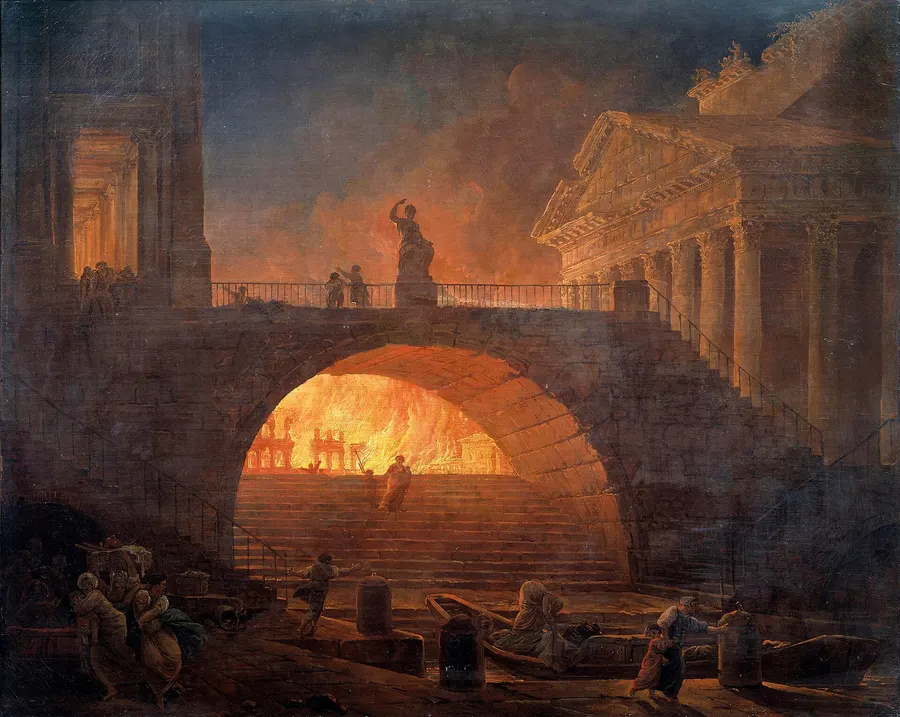
64The Great Fire of Rome breaks out near the Circus Maximus
Rome in the first century was a crowded city of more than a million people, many of them packed into tall timber-framed tenements along narrow, winding streets. Fires were common, and the emperor Augustus had set up a corps of night watchmen to fight them, but little could stop a blaze once it took hold in the hot, dry summer.
On 18 July 64 a fire broke out among the shops at the end of the Circus Maximus, where goods that burned easily were stored. Driven by the wind, it raced through the valleys and up the hills, and according to the historian Tacitus it burned for six days and seven nights before it was checked, then flared up again. Of the city’s fourteen districts, only four escaped unharmed. The emperor Nero was at Antium when it started; he hurried back and opened shelters for the homeless, but rumours spread that he had wanted the fire to clear space for his new palace, the Golden House. To deflect the blame he turned on Rome’s Christians, the first great persecution of the new faith.
Read the full storyHistory & Timeline →Source: Britannica: Great Fire of Rome ↗
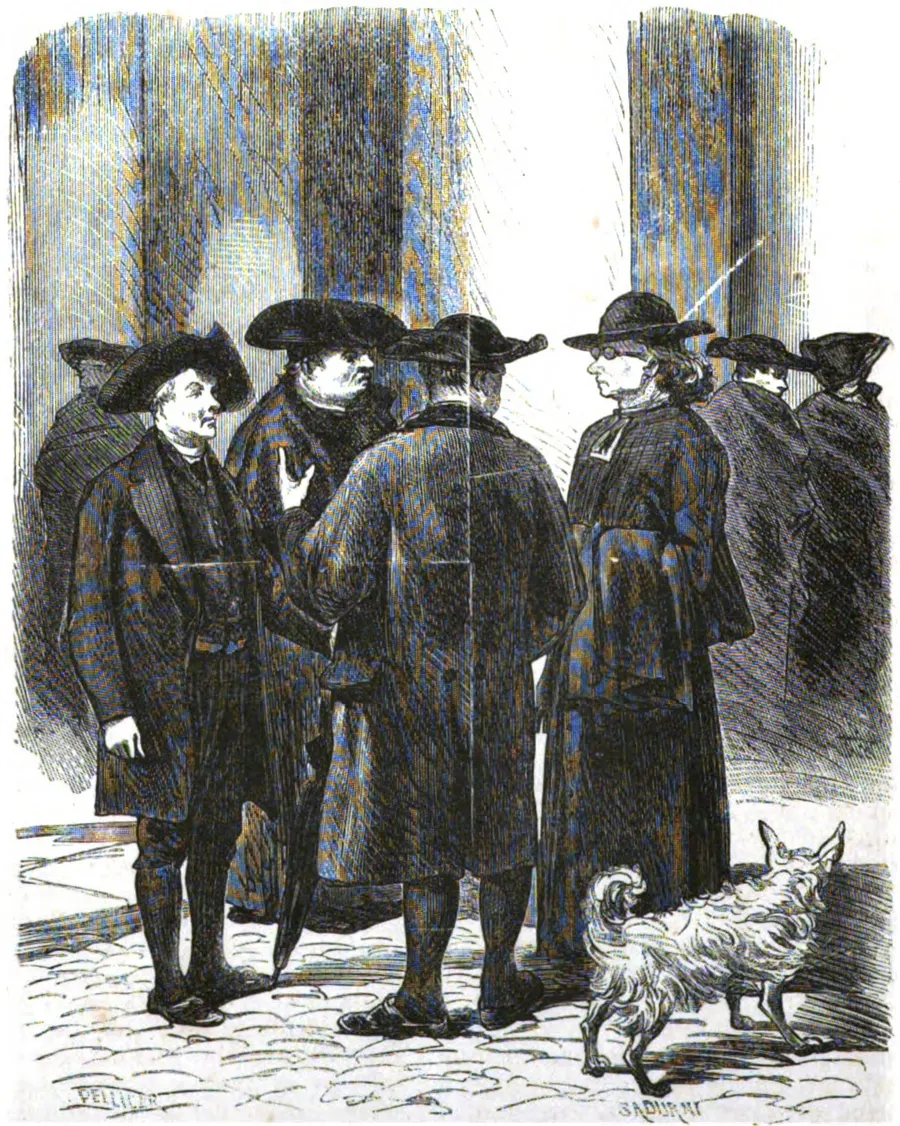
1870The First Vatican Council declares the pope infallible
Pope Pius IX, who had lost most of his territory to the new Kingdom of Italy, saw liberalism, nationalism and secular science pressing on the Church from every side. He called the first general council of the Catholic Church for three centuries, and some 700 bishops gathered in St Peter’s Basilica from December 1869. The most bitter question before them was whether the pope’s authority to teach should be defined as a dogma.
A strong minority, many of them German, French and Austrian bishops, argued that a definition was unwise or unfounded, and many left Rome rather than vote against it. On 18 July 1870 the council adopted the constitution Pastor aeternus, which declared that when the pope speaks ex cathedra, as supreme teacher of the Church, on matters of faith or morals, he cannot err. The next day France declared war on Prussia, the French troops protecting Rome were withdrawn, and in September Italian forces took the city. The council was suspended and never resumed, but the dogma remains Catholic teaching.
Read the full storyHistory & Timeline →Source: Britannica: Pastor Aeternus ↗
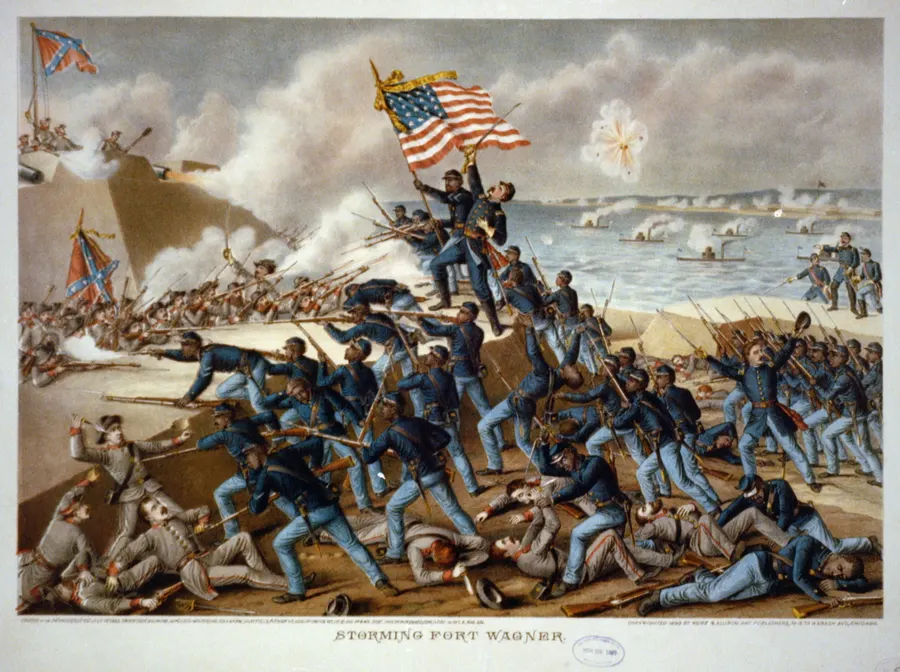
1863The 54th Massachusetts lead the assault on Fort Wagner
The 54th Massachusetts Infantry was one of the first regiments of Black soldiers raised in the North during the American Civil War. Its men were free African Americans, among them two sons of Frederick Douglass, and its colonel was Robert Gould Shaw, the young son of a Boston anti-slavery family. Many white Americans doubted that Black troops would fight, and the regiment was eager to prove them wrong.
In July 1863 Union forces were trying to take Charleston, South Carolina, and Fort Wagner, a great sand-and-earth fort on Morris Island, guarded the harbour’s approach. At dusk on 18 July 1863 the 54th was given the honour of leading the attack along a narrow beach. Raked by artillery and rifle fire, they reached the parapet and fought hand to hand, but could not hold it. Shaw was killed on the wall, and of roughly 600 men who went in, more than 250 were killed, wounded or captured. The fort held, yet the regiment’s courage was widely reported, and it helped open the way for some 180,000 Black soldiers to serve in the Union army.
Read the full storyHistory & Timeline →Source: National Park Service: The 54th Massachusetts and the Second Battle of Fort Wagner ↗
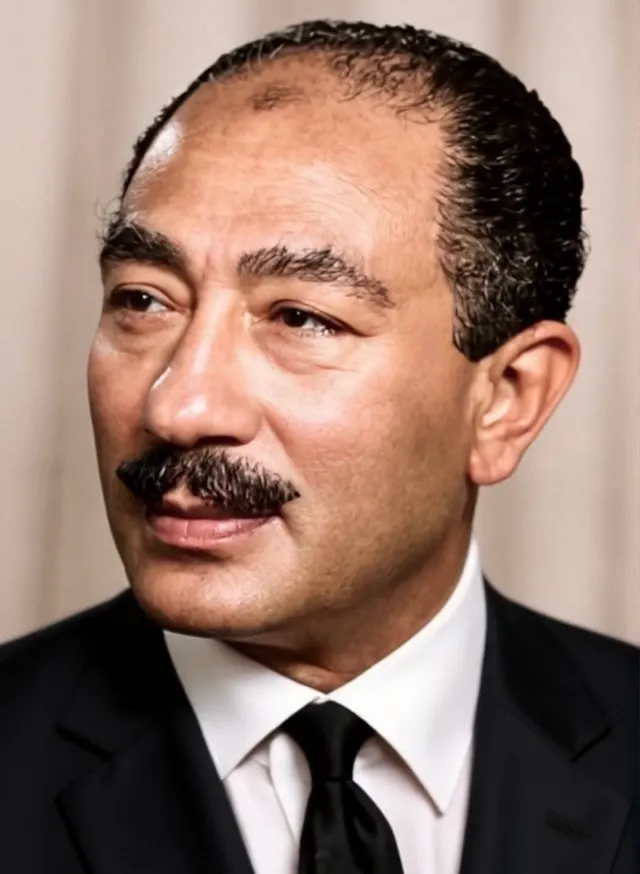
1972Sadat orders the Soviet military advisers out of Egypt
After its crushing defeat by Israel in 1967, Egypt rebuilt its armed forces with Soviet weapons, and thousands of Soviet officers and technicians were stationed in the country to train its army and man its air defences. Anwar Sadat, who became president on Gamal Abdel Nasser’s death in 1970, wanted to win back the Sinai, but Moscow, seeking calm with the United States, would not supply the offensive weapons he asked for.
On 18 July 1972, in a long speech to the central committee of the Arab Socialist Union, Sadat announced that he had ordered the Soviet military advisers and experts, some 15,000 people, to leave, and that Soviet bases and equipment would pass to Egyptian control. He insisted that Egypt was turning neither to Washington nor against Moscow. The move freed his hand, and fifteen months later Egypt and Syria launched the October War of 1973, which led in time to Egypt’s peace with Israel.
Read the full storyHistory & Timeline →Source: Office of the Historian, US Department of State: Foreign Relations of the United States, 1969-1976, volume XXV, document 14 ↗
1988Iran accepts the UN ceasefire in its war with Iraq
Iraq invaded Iran in September 1980, and the war that followed became one of the longest and bloodiest of the 20th century, with trench warfare, attacks on cities and shipping, and Iraq’s use of chemical weapons. In July 1987 the UN Security Council unanimously passed Resolution 598, calling for an immediate ceasefire and a withdrawal to the international borders. Iraq accepted it, but Iran, which demanded that Iraq be named as the aggressor, held out.
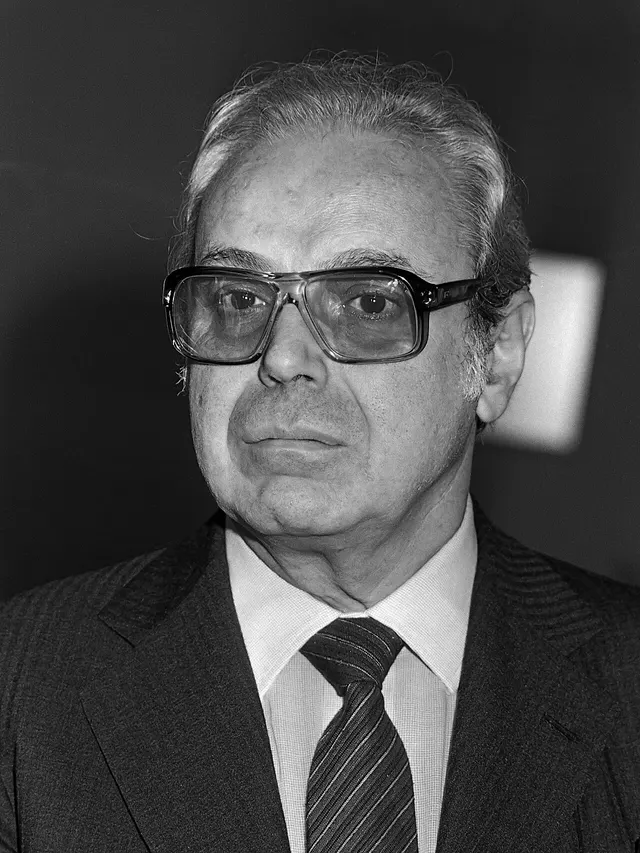
By 1988 Iran had suffered heavy defeats on the battlefield, its economy was exhausted and it was isolated abroad. On 18 July 1988 President Ali Khamenei wrote to the UN Secretary-General, Javier Pérez de Cuéllar, to say that Iran accepted the resolution. After weeks of negotiation the ceasefire came into force on 20 August 1988, watched over by a UN military observer group. Neither side had gained any territory, and hundreds of thousands of people had died.
Read the full storyHistory & Timeline →Source: UN Peacekeeping: United Nations Iran-Iraq Military Observer Group, background ↗