1567Mary, Queen of Scots is forced to give up her crown
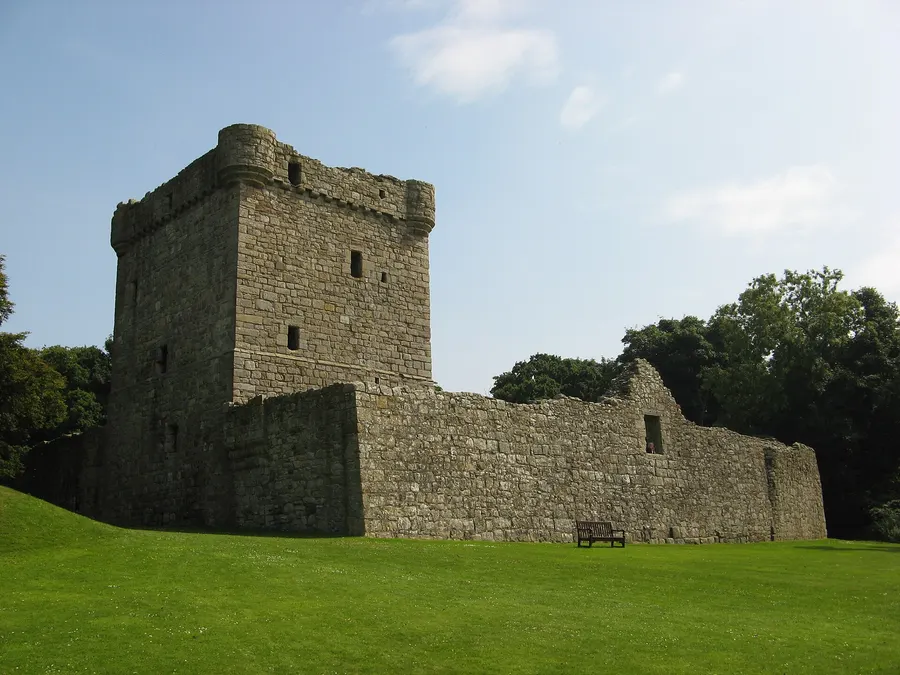
In February 1567 Mary’s husband, Lord Darnley, was found dead after an explosion at a house in Edinburgh, and three months later Mary married the Earl of Bothwell, the man widely blamed for the murder. Many Scottish lords turned against her. On 15 June their army faced hers at Carberry Hill; her soldiers melted away, Bothwell fled and Mary was taken prisoner and shut up in Lochleven Castle, on an island in a loch in Kinross-shire.
Ill and recovering from a miscarriage, she was pressed to sign a deed of abdication, and on 24 July 1567 she gave up the throne in favour of her son James, just 13 months old. He was crowned James VI at Stirling five days later, with Mary’s half-brother the Earl of Moray as regent. Mary escaped from the island in May 1568, but after her army was beaten at Langside she fled to England, where she spent the rest of her life a prisoner.
Read the full storyHistory & Timeline →Source: Britannica: Mary, Queen of Scots summary ↗
1911Hiram Bingham is led up to Machu Picchu
Hiram Bingham, a lecturer in Latin American history at Yale, went to Peru in 1911 to look for Vilcabamba, the last refuge of the Inca rulers who held out against the Spanish. In the Urubamba valley below Cusco a local farmer, Melchor Arteaga, told him of ruins on the mountain above, and on the morning of 24 July 1911 he led Bingham and a Peruvian police sergeant up the steep slope in the rain.
Near the top they met farming families who were already living among the old terraces, and a boy guided Bingham to the ruins: temples, houses and walls of finely fitted stone, overgrown with vegetation. Machu Picchu had been built in the 15th century, probably as an estate for the Inca emperor Pachacuti. Bingham returned with Yale expeditions, and photographs published in 1913 made it world-famous. The thousands of objects he took to Yale became the subject of a long dispute, and they were returned to Peru from 2011.
Read the full storyHistory & Timeline →Source: Britannica: Hiram Bingham ↗
1920France crushes the Syrian army at Maysalun
When Ottoman rule collapsed at the end of the First World War, an Arab government was set up in Damascus under Emir Faisal, a leader of the Arab Revolt, and in March 1920 a Syrian congress proclaimed him king. But in April the Allied powers meeting at San Remo gave France a mandate over Syria. In July the French commander in Beirut, General Henri Gouraud, sent Faisal an ultimatum demanding that he accept French control and disband his army.
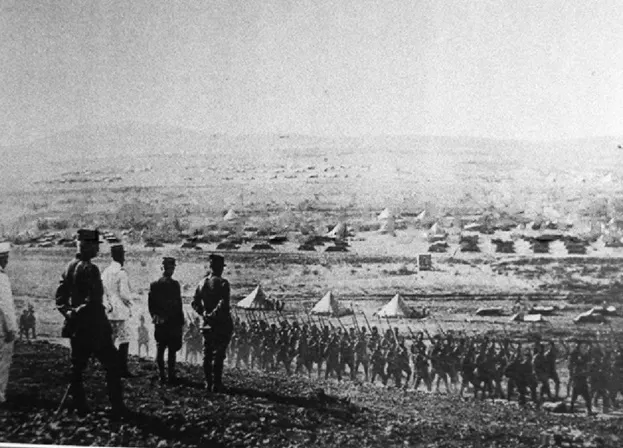
Faisal gave way, but too late to stop the French advance. His war minister, Yusuf al-Azma, gathered a small force of soldiers and volunteers in the Maysalun pass on the road from Beirut to Damascus, and on 24 July 1920 it was overwhelmed by the better-armed French army. Al-Azma was killed. French troops entered Damascus the next day and Faisal was forced into exile; he later became king of Iraq. Maysalun is still remembered in Syria as a symbol of resistance.
Read the full storyHistory & Timeline →Source: University of Oxford (ORA): The emergence of the Middle East into the modern state system ↗
1923The Treaty of Lausanne sets the borders of modern Turkey
In 1920 the defeated Ottoman government signed the Treaty of Sèvres, which would have carved up much of Anatolia among the Allies, Greece and new Armenian and Kurdish states. Turkish nationalists led by Mustafa Kemal rejected it and fought on, and by 1922 they had driven the Greek army out of Anatolia. A new peace conference opened at Lausanne in Switzerland in November 1922, with İsmet Pasha leading the Turkish delegation.
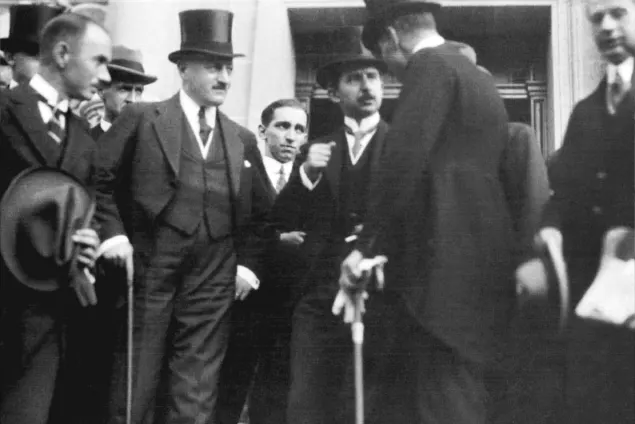
After seven months of hard bargaining the treaty was signed on 24 July 1923 by Turkey on one side and Britain, France, Italy, Japan, Greece, Romania and Yugoslavia on the other. It recognised Turkey’s borders much as they are today, with no foreign controls over its finances or army. Turkey gave up its claims to the former Arab provinces, and the straits to the Black Sea were opened to all shipping. A convention agreed at the conference also sent more than a million people between Greece and Turkey in a compulsory exchange of populations. Three months later the Republic of Turkey was proclaimed.
Read the full storyHistory & Timeline →Source: Britannica: Treaty of Lausanne ↗
1991Manmohan Singh’s budget opens up India’s economy
By the summer of 1991 India was close to bankruptcy. The Gulf War had pushed up oil prices, money sent home by Indians working in the Gulf had dried up, and foreign lenders had lost confidence; the country had enough foreign currency left to pay for only a few weeks of imports and had to pledge part of its gold reserves abroad to raise loans. The new prime minister, P. V. Narasimha Rao, made the economist Manmohan Singh his finance minister.
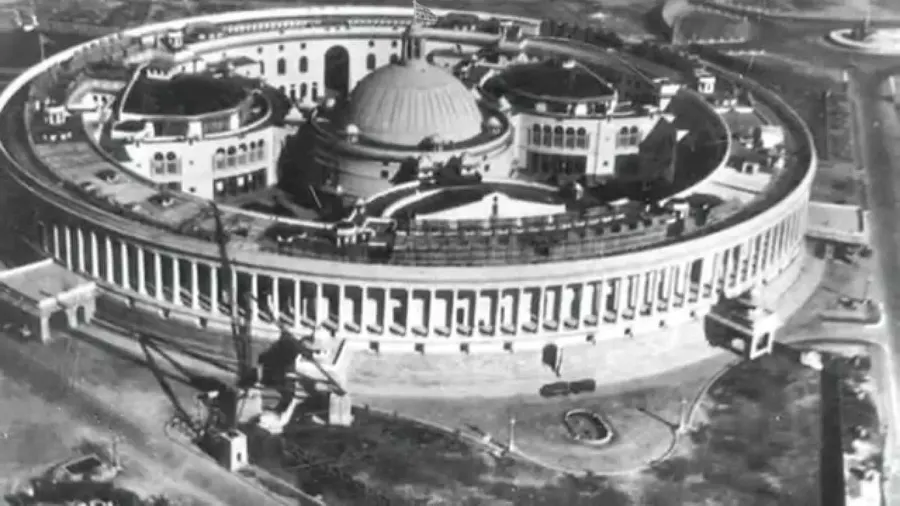
On 24 July 1991 Singh presented his budget to parliament. He cut the government’s deficit, lowered import duties and welcomed foreign investment, allowing foreign firms to own up to 51 per cent of companies in priority industries, and the same day the government’s new industrial policy scrapped licences for most industries, dismantling the ‘licence raj’. Closing his speech, he quoted Victor Hugo: no power on earth can stop an idea whose time has come. The budget is seen as the start of India’s economic liberalisation.
Read the full storyHistory & Timeline →Source: Government of India, Union Budget: Budget 1991-92 speech of Shri Manmohan Singh ↗