Explore 25 July

Explore 25 July: a Byzantine general slips into Constantinople by night, Louis Blériot flies the Channel, Mussolini is dismissed by his king, Tunisia becomes a republic and the world’s first IVF baby is born in Oldham. Born today: Thomas Eakins, Elias Canetti and Iman.

This day through time →14 verified events across 6 eras

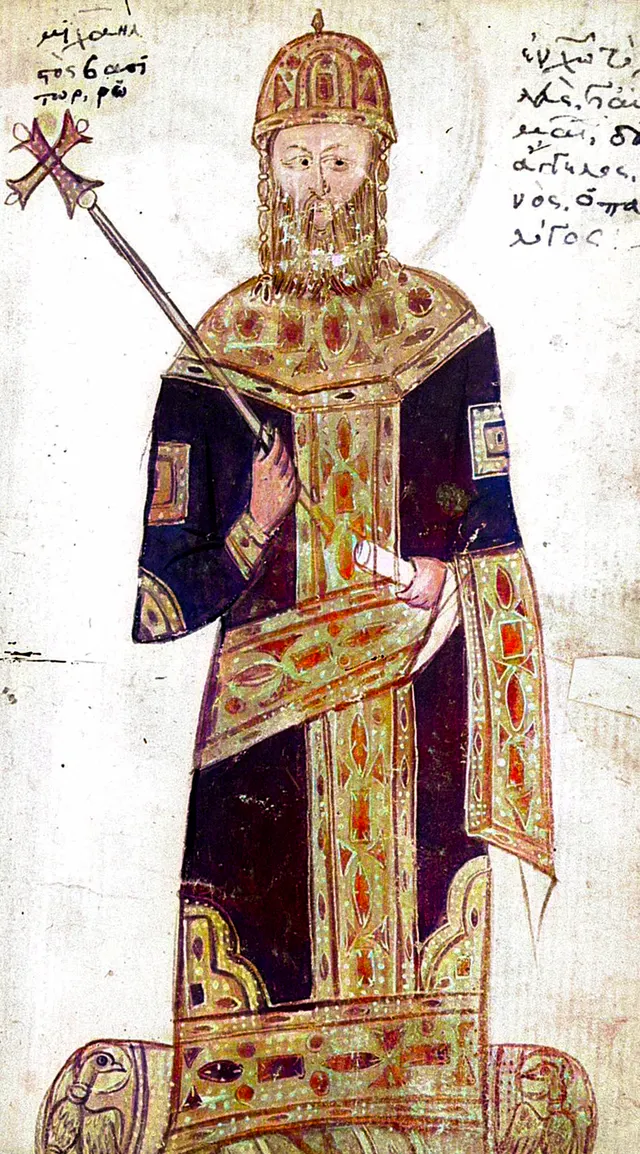
Michael VIII Palaiologos, the emperor of Nicaea who recovered Constantinople, in a medieval manuscript miniature
Image creditGeorge Pachymeres · Public domainResized and cropped for display.

A Byzantine general slips into Constantinople and ends the Latin Empire

In 1204 the knights of the Fourth Crusade sacked Constantinople and set up a Latin Empire there, while Byzantine princes fled to build rival states in exile. The strongest of them was the Empire of Nicaea in western Anatolia, and by 1261 its ruler, Michael VIII Palaiologos, had pushed the Latin emperor Baldwin II back to little more than the city itself. Constantinople’s great land walls still looked too strong to take by siege.

In July 1261 Michael’s general Alexios Strategopoulos was near the city with only a small force, many of them Cuman horsemen. Local farmers told him that most of the Latin garrison and the Venetian fleet had sailed off to attack a nearby island. On the night of 25 July his men got inside, overpowered the guards and opened a gate, and the city fell almost without a fight. Baldwin fled by ship. Michael entered in triumph in August and was crowned in Hagia Sophia, and the restored Byzantine Empire lasted until 1453.

Read the full storyHistory & Timeline →Source: Britannica: Baldwin II Porphyrogenitus ↗
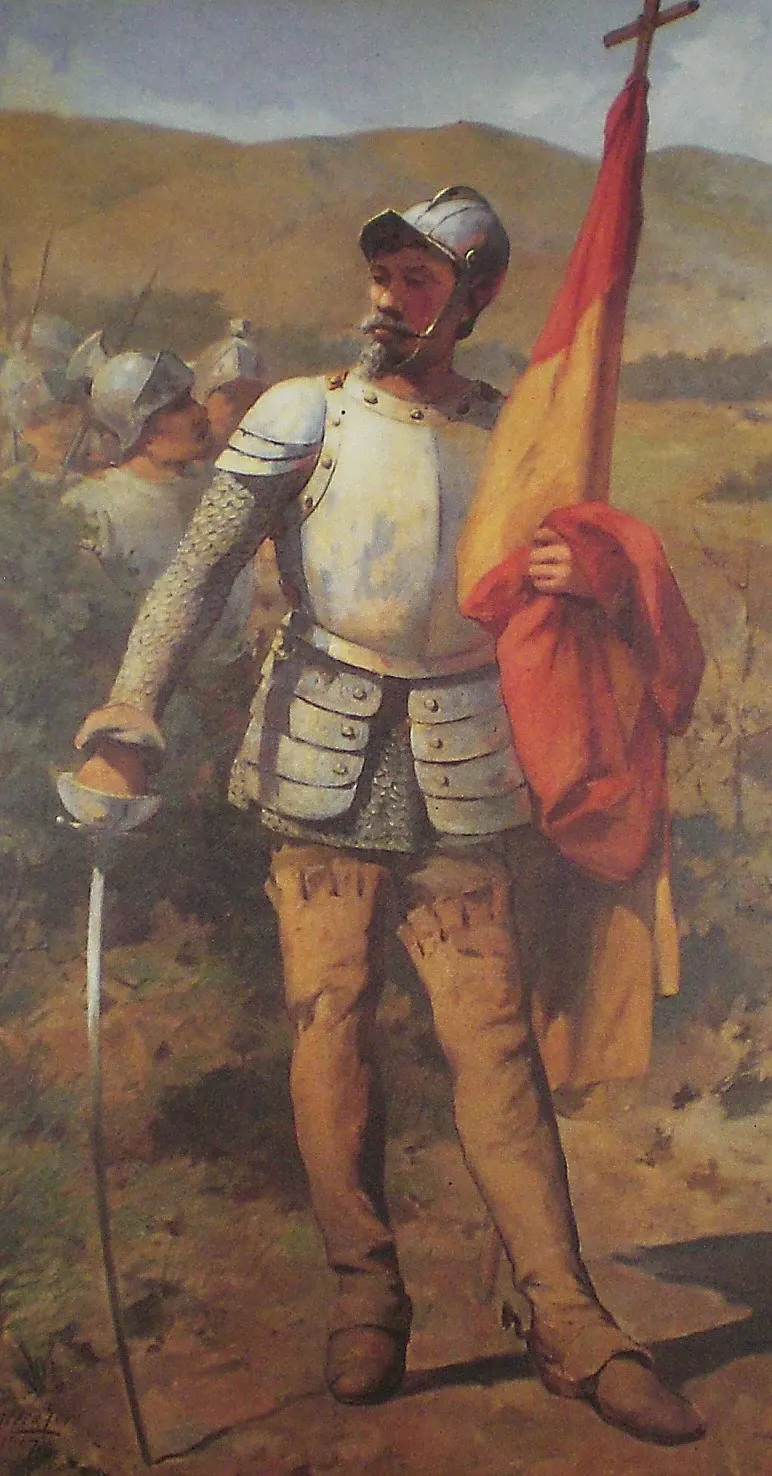
Diego de Losada, founder of Caracas, as imagined by the Venezuelan painter Antonio Herrera Toro in the early 20th century
Image creditAntonio Herrera Toro · Public domainResized and cropped for display.

Diego de Losada founds Santiago de León de Caracas

The green valley below the Ávila mountain, a few miles inland from the Caribbean coast of Venezuela, was home to peoples the Spanish called the Caracas. Earlier Spanish attempts to settle there had been driven out. In early 1567 the conquistador Diego de Losada set out from El Tocuyo with a small, experienced force and fought his way into the valley against fierce resistance led by chiefs including Guaicaipuro.

There he founded a city, very probably on 25 July 1567; no founding document survives, but 25 July is the feast of St James, and it is the day Caracas has always celebrated. He named it Santiago de León de Caracas, after the apostle James, the provincial governor Pedro Ponce de León and the valley’s native people. The small colonial town grew into the capital of Venezuela, the birthplace of Simón Bolívar and today a city of millions.

Read the full storyHistory & Timeline →Source: Fundación Empresas Polar, Diccionario de Historia de Venezuela: Losada, Diego de ↗
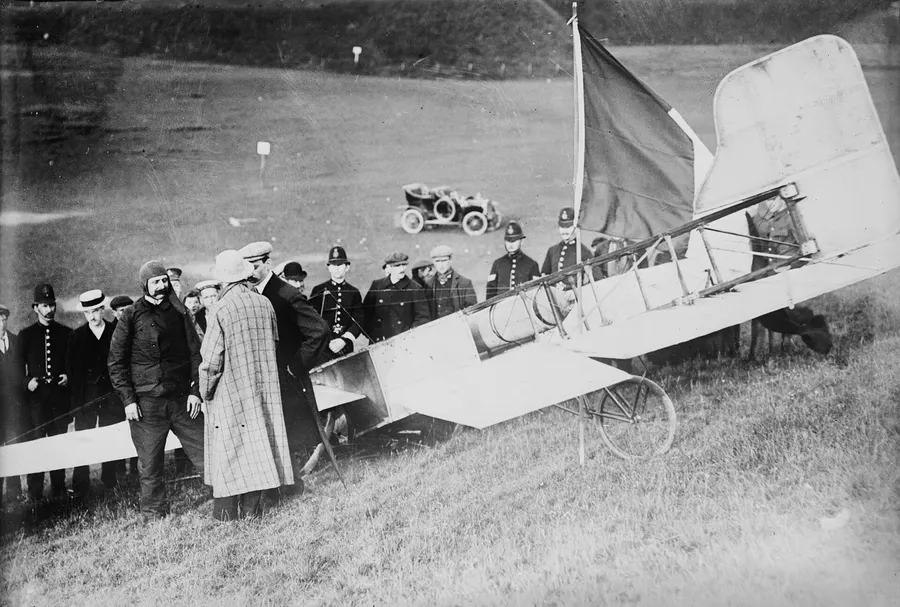
Louis Blériot with his Type XI monoplane at Dover after the first aeroplane crossing of the English Channel
Image creditBain News Service, publisher · Public domainResized and cropped for display.

Louis Blériot flies across the English Channel

Only six years after the Wright brothers’ first powered flight, the London Daily Mail offered £1,000 to the first aviator to fly across the English Channel. By July 1909 three men were waiting on the French coast for the right weather. One of them was Louis Blériot, a French maker of car headlamps who had poured his fortune into flying machines, crashing many of them along the way.

At dawn on 25 July 1909 he took off from Les Baraques, near Calais, in his Type XI, a small monoplane with a 25-horsepower Anzani engine. He carried no compass, lost sight of land in the haze and worried that rain would stop his engine. After about 36 minutes he spotted the cliffs of Dover and came down hard in a field near the castle, damaging his undercarriage and propeller. He was a hero overnight, and Britain realised that the sea no longer made it an island.

Read the full storyHistory & Timeline →Source: Smithsonian National Air and Space Museum: Blériot’s Cross-Channel Flight ↗
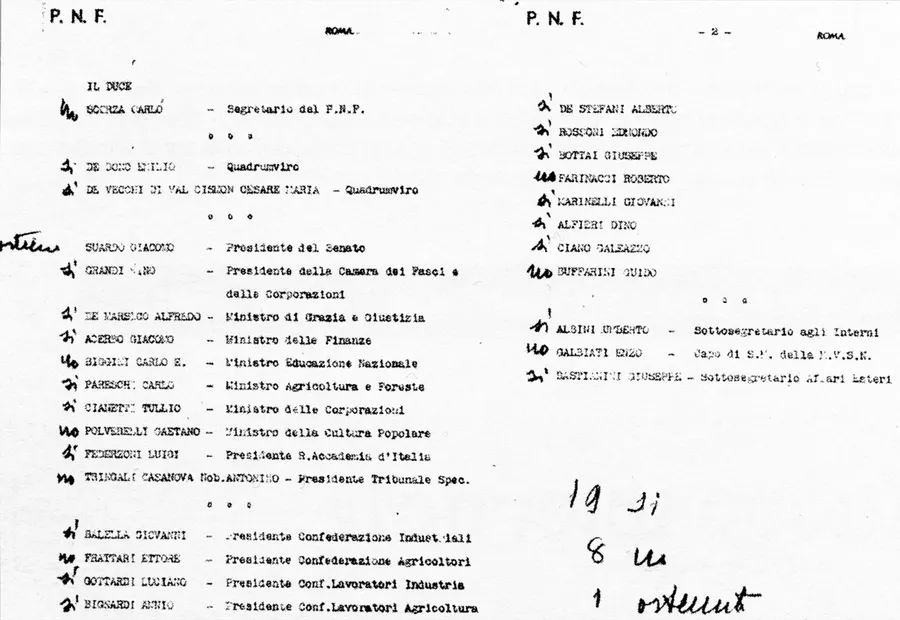
The Fascist Party's typed list of Grand Council members, with the tally on Dino Grandi's motion of 24-25 July 1943 written in by hand
The Fascist Party’s typed list of Grand Council members, with the tally on Dino Grandi’s motion of 24-25 July 1943 written in by hand
Image creditPartito Nazionale Fascista (typed list) · Public domainResized and cropped for display.

Mussolini is voted down and dismissed by the king

By the summer of 1943 Italy was losing the Second World War. Its armies had been driven out of North Africa, Allied troops landed in Sicily on 10 July, and Rome was bombed for the first time a few days later. Leading Fascists, army chiefs and the court all wanted to be rid of Benito Mussolini, who had ruled Italy for more than 20 years.

On the evening of 24 July the Fascist Grand Council met for the first time since the war began. After a long night of argument it voted by a large majority for Dino Grandi’s motion asking King Victor Emmanuel III to take back his full powers. On the afternoon of 25 July the king received Mussolini, dismissed him and had him arrested as he left, naming Marshal Pietro Badoglio prime minister. Crowds celebrated in the streets. Mussolini was held on remote islands and then in a mountain hotel, until German commandos freed him in September.

Read the full storyHistory & Timeline →Source: Britannica: Grand Council of Fascism ↗
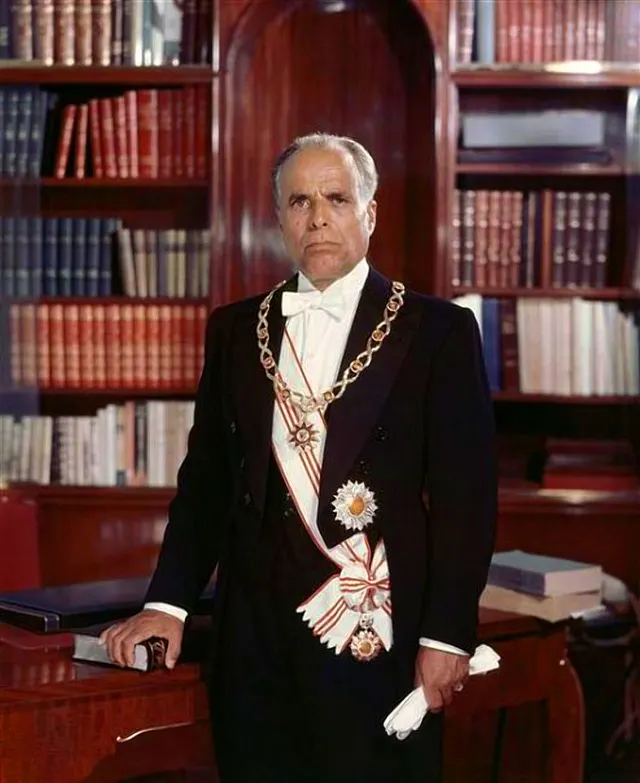
Habib Bourguiba, who led Tunisia to independence and became its first president
Image creditHabib Osman · Public domainResized and cropped for display.

Tunisia abolishes its monarchy and becomes a republic

Tunisia had been ruled by beys of the Husaynid dynasty since 1705, and from 1881 they reigned under a French protectorate. Independence came in March 1956, won largely by the Neo-Destour party of the lawyer Habib Bourguiba, who became prime minister under the bey, Muhammad VIII al-Amin. The bey had little power, and Bourguiba had little patience for a monarchy many nationalists felt had done too little against French rule.

On 25 July 1957 the Constituent Assembly voted to abolish the monarchy, declared Tunisia a republic and made Bourguiba head of state; the bey was confined to his house. Bourguiba, who as prime minister had already brought in a family law that banned polygamy and widened women’s rights, ruled as president for 30 years until he was removed in 1987. Republic Day on 25 July is a public holiday in Tunisia.

Read the full storyHistory & Timeline →Source: Britannica: Habib Bourguiba, presidency ↗

♙
PEOPLE

Born Today

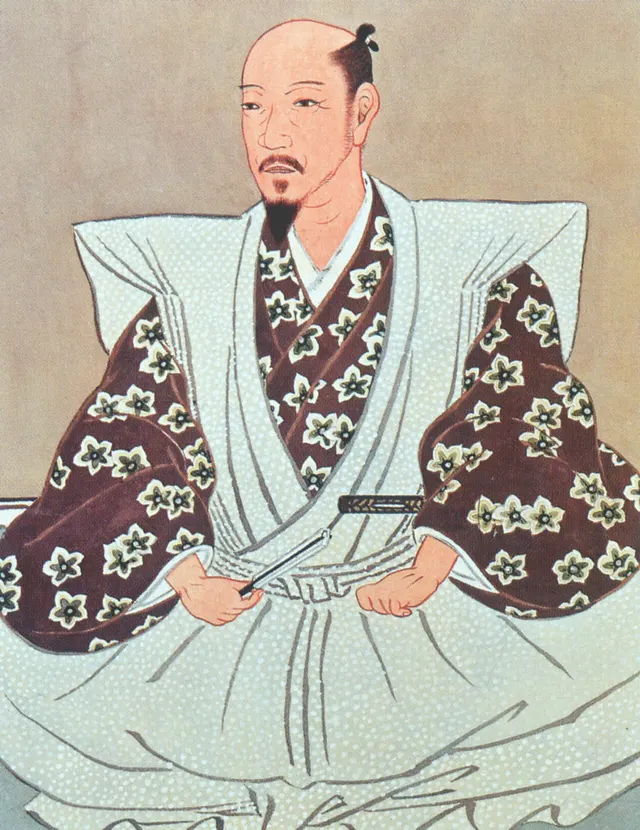
Katō Kiyomasa
Image creditUnknown artist · Public domainResized and cropped for display.

Katō Kiyomasa

Japanese warlord who fought for Toyotomi Hideyoshi in the invasions of Korea in the 1590s and built the great castle at Kumamoto.

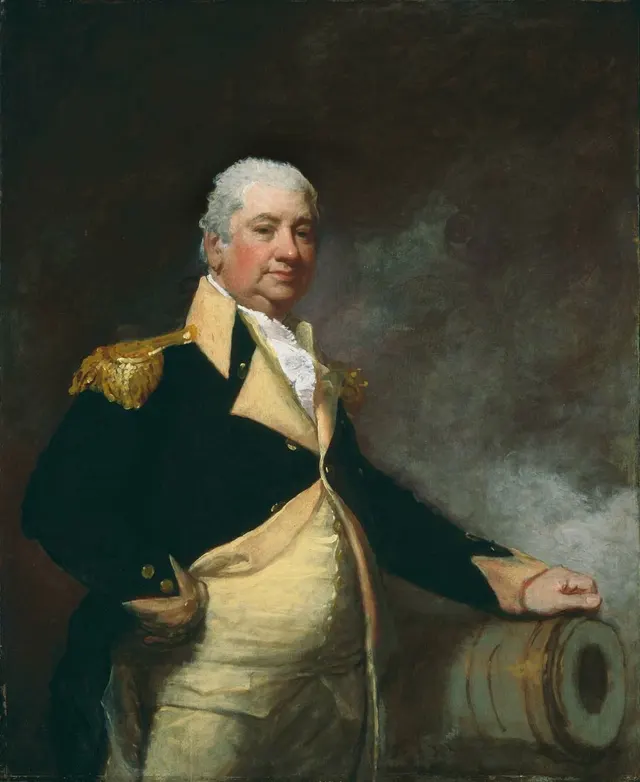
Henry Knox
Image creditGilbert Stuart · Public domainResized and cropped for display.

Henry Knox

Boston bookseller who became George Washington’s chief of artillery, hauling cannon overland from Fort Ticonderoga in the winter of 1775-76, and later the first US Secretary of War.

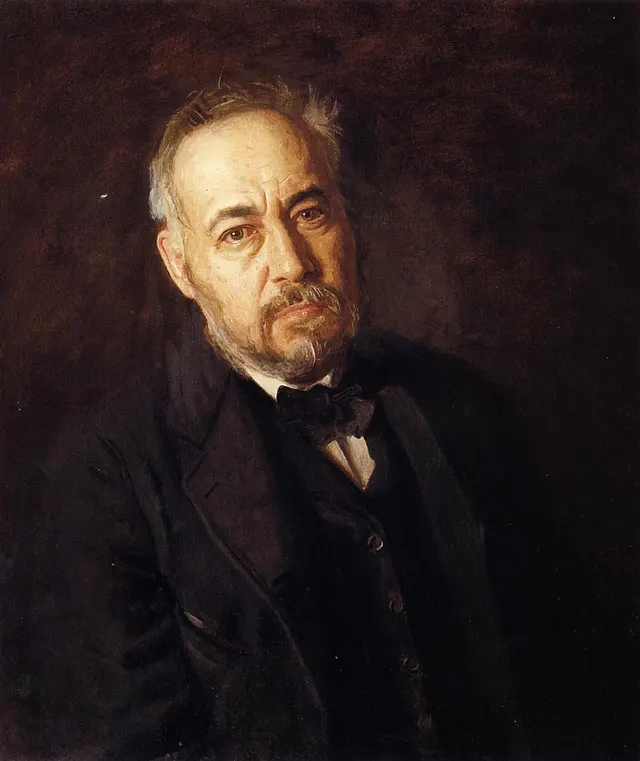
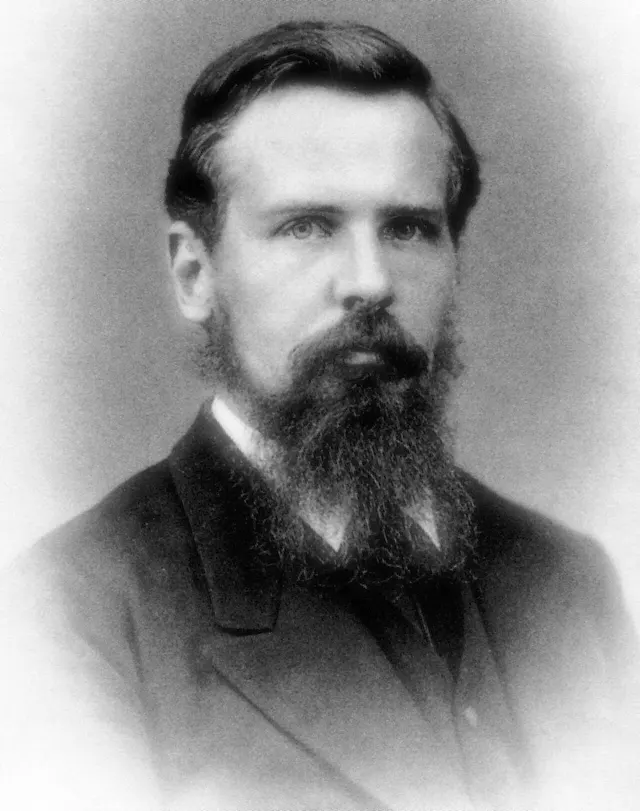
Thomas Eakins
Image creditThomas Eakins · Public domainResized and cropped for display.

Thomas Eakins

American realist painter and photographer of Philadelphia, best known for The Gross Clinic, his unflinching picture of a surgeon at work.

Paul Langerhans
Image creditUnknown photographer · Public domainResized and cropped for display.

Paul Langerhans

German pathologist who as a medical student described the clusters of cells in the pancreas now called the islets of Langerhans, which make insulin.

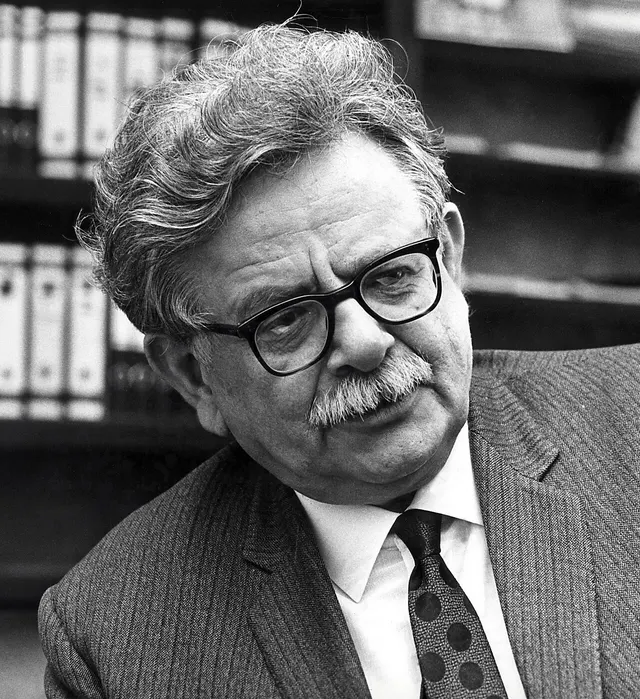
Elias Canetti
Image creditUnknown photographer · CC BY-SA 3.0 nlResized and cropped for display.

Elias Canetti

Bulgarian-born writer in German, author of the novel Auto-da-Fé and the study Crowds and Power, who won the Nobel Prize in Literature in 1981.

Iman
Image creditOndine Goat · CC BY-SA 4.0Resized and cropped for display.

Iman

Somali-born model, discovered while a student in Nairobi, who became one of the leading faces of fashion and later founded her own cosmetics company.

Frances Arnold
Image creditChristopher Michel · CC BY-SA 4.0Resized and cropped for display.

Frances Arnold

American chemical engineer who pioneered the directed evolution of enzymes and shared the 2018 Nobel Prize in Chemistry.

◉
IDEAS THAT CHANGED THINGS

Firsts, Science & Discoveries

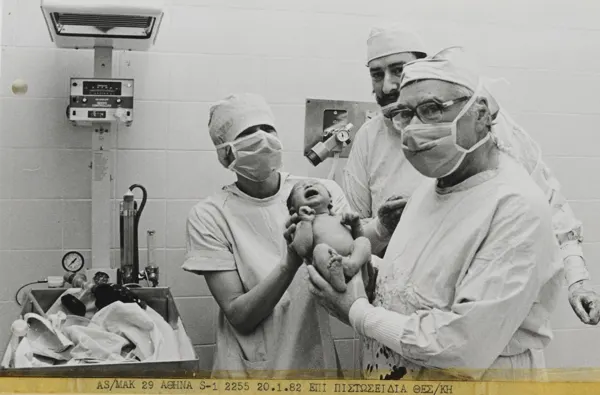
Patrick Steptoe, co-pioneer of IVF, with the delivery team and the first baby born by IVF in Greece
Image creditDimis Argyropoulos · CC BY-SA 4.0Resized and cropped for display.

Louise Brown, the first IVF baby, is born in Oldham

Lesley and John Brown of Bristol had tried for years to have a child, but Lesley’s fallopian tubes were blocked. They were referred to Patrick Steptoe, a gynaecologist in Oldham, and Robert Edwards, a Cambridge physiologist, who had spent a decade trying to fertilise human eggs outside the body. Many scientists and churchmen thought the work was dangerous or wrong, and funding had been refused.

Steptoe collected an egg from Lesley, Edwards fertilised it in a laboratory dish, and the embryo was placed in her womb about two and a half days later. On 25 July 1978 Louise Joy Brown was born by caesarean section at Oldham General Hospital, healthy and the focus of the world’s press. Since then millions of babies have been born by in vitro fertilisation. Edwards won the Nobel Prize in 2010; Steptoe had died in 1988.

Read the full storyHistory & Timeline →Source: Britannica: Louise Brown ↗
☆
SPORTING HISTORY

Sporting Moments

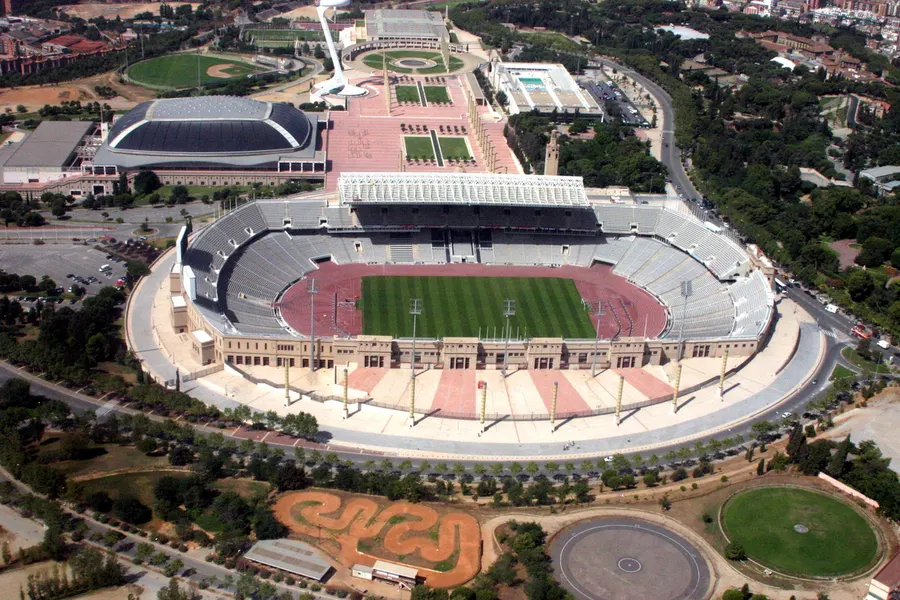
The Olympic Stadium on Montjuïc hill in Barcelona, where the 1992 Games opened
Image creditAmadalvarez · CC BY 3.0Resized and cropped for display.

A flaming arrow opens the Barcelona Olympics

The Barcelona Olympics were the first Summer Games after the end of the Cold War, and the first in decades without a boycott. Germany competed as one team again, athletes from the former Soviet Union took part as a Unified Team, and South Africa returned after more than 30 years of exclusion over apartheid.

At the opening ceremony in the Olympic Stadium on Montjuïc on the evening of 25 July 1992, the basketball player Juan Antonio San Epifanio carried the torch to the Paralympic archer Antonio Rebollo. Rebollo lit an arrow and shot it high over the cauldron, igniting the flame before 67,000 spectators, a moment watched by hundreds of millions on television. The Games that followed helped transform Barcelona’s seafront and its reputation.

Read the full storyHistory & Timeline →Source: Olympics.com: Snapped, the flaming arrow at the Olympic Games Barcelona 1992 ↗
♫
MUSIC • FILM • BOOKS • CULTURE

Culture Stories

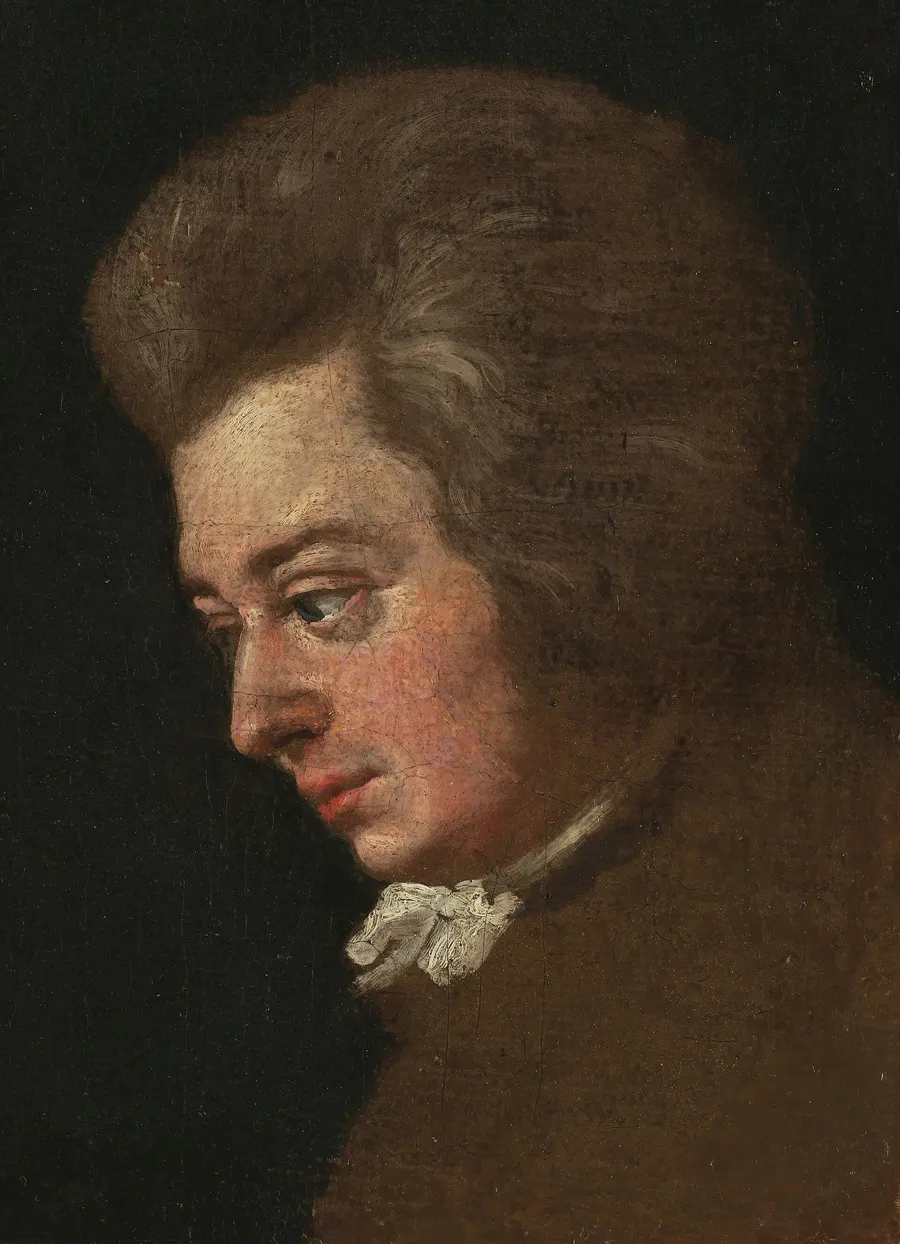
Mozart in an unfinished portrait by his brother-in-law Joseph Lange, begun around 1782
Image creditJoseph Lange · Public domainResized and cropped for display.

Mozart enters his Symphony No. 40 in his catalogue

From 1784 Mozart kept a small notebook in which he listed each new work as he finished it, with the date and the opening bars. In the summer of 1788, short of money and living in Vienna, he wrote his last three symphonies in about six weeks. The E flat symphony, No. 39, went into the notebook in June, and on 25 July 1788 he entered the Symphony No. 40 in G minor.

It is one of only two symphonies Mozart wrote in a minor key, and its restless, urgent opening theme is among the most famous in classical music. Nobody knows for sure why he wrote the three symphonies or whether he heard No. 40 performed, although he later added clarinets to it, which suggests a performance was planned. His catalogue is now in the British Library.

Read the full storyHistory & Timeline →Source: British Library: Mozart’s thematic catalogue (virtual book) ↗
✦
LIVES REMEMBERED

Remembered Today

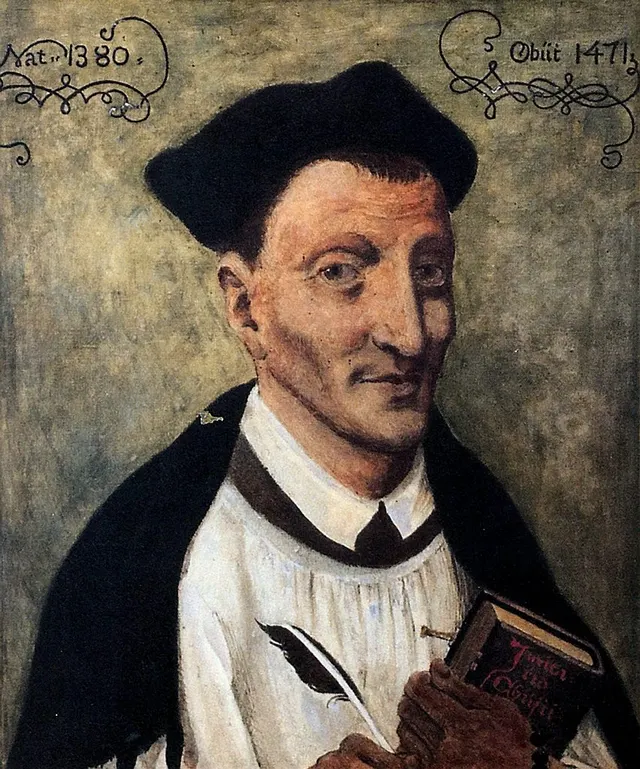
Thomas à Kempis
Image creditUnknown painter · Public domainResized and cropped for display.

Thomas à Kempis

German-born canon of a monastery near Zwolle in the Netherlands, generally credited with The Imitation of Christ, one of the most widely read Christian books.

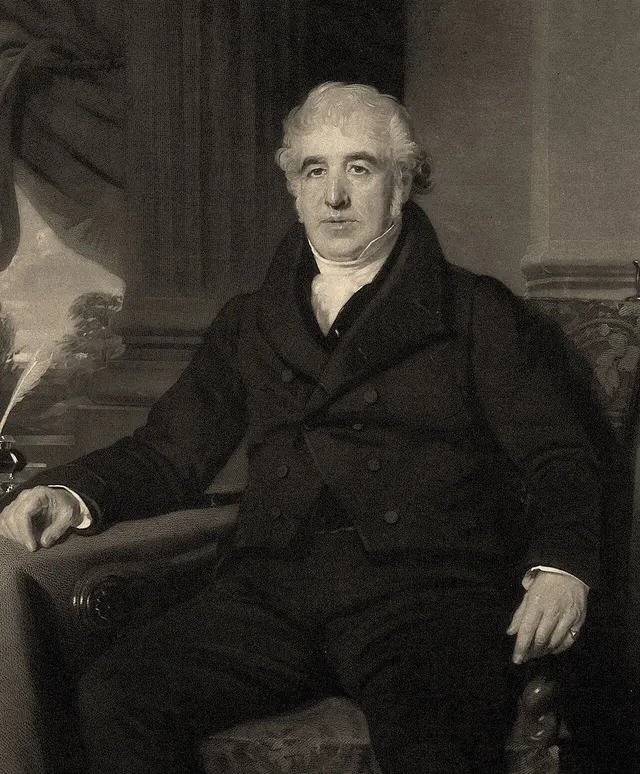
Charles Macintosh
Image creditJohn Graham Gilbert · Public domainResized and cropped for display.

Charles Macintosh

Scottish chemist who patented a waterproof fabric of rubber sandwiched between layers of cloth, the origin of the raincoat called the mackintosh.

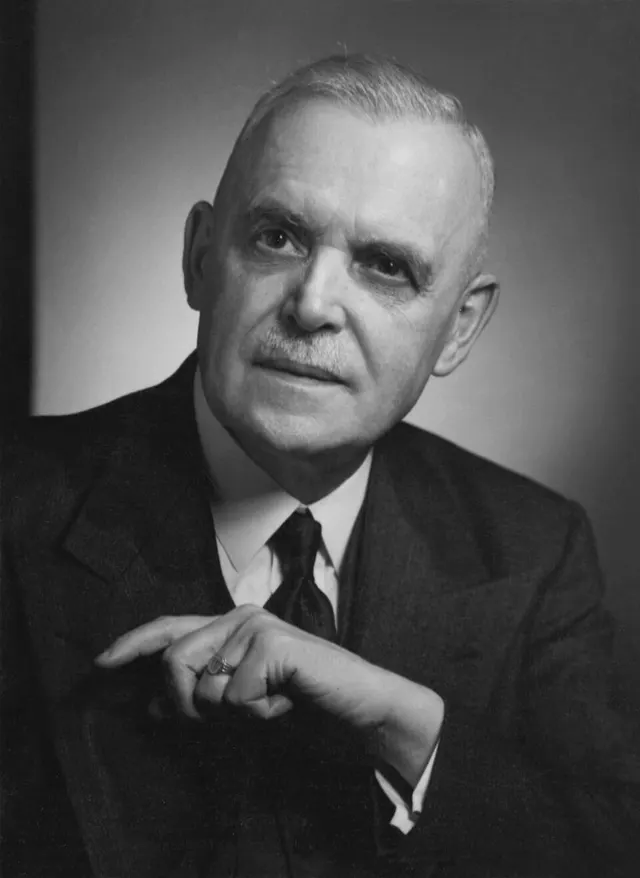
Louis St. Laurent
Image creditGeorge Nakash · Public domainResized and cropped for display.

Louis St. Laurent

Canadian lawyer and Liberal prime minister from 1948 to 1957, under whom Newfoundland joined Canada in 1949.

Ben Hogan
Image creditDick DeMarsico · Public domainResized and cropped for display.

Ben Hogan

American golfer who won nine major championships and came back from a near-fatal car crash in 1949 to win the US Open the next year.

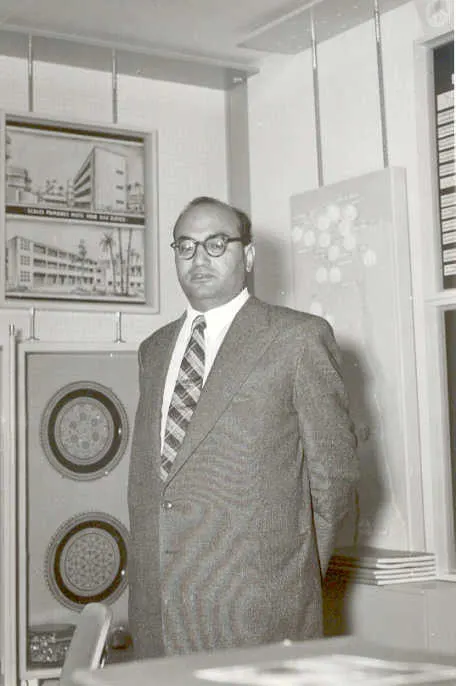
Abdel Rahman Badawi
Image creditPeter zapffe · CC BY-SA 4.0Resized and cropped for display.

Abdel Rahman Badawi

Egyptian philosopher and poet, called the foremost figure of Arab existentialism, who published more than 150 books and editions of Arabic philosophical texts.

☉
AROUND THE WORLD

Observances & Anniversaries

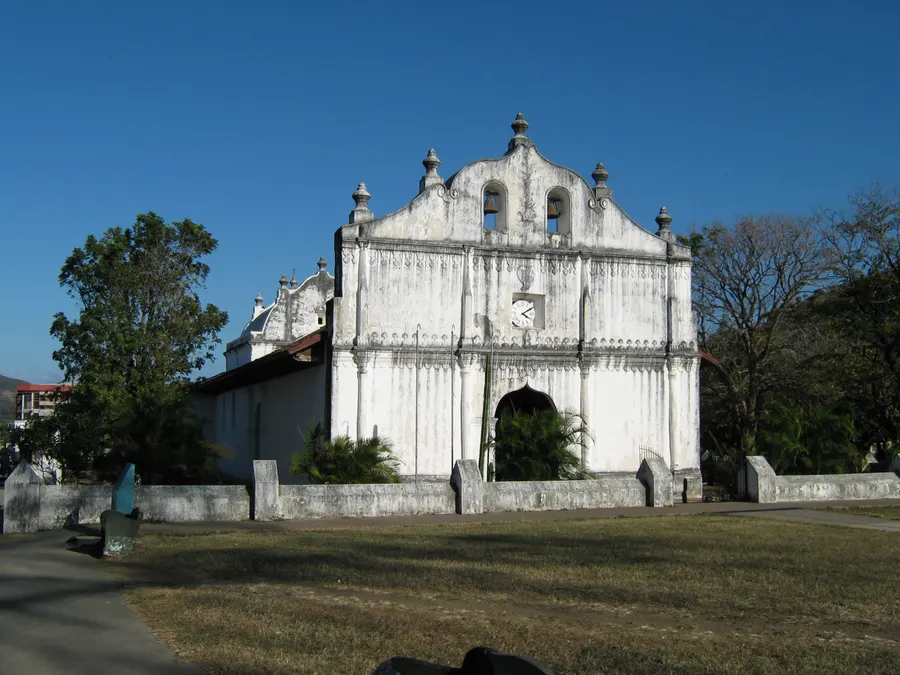
The colonial church of San Blas in Nicoya, the town whose council voted to join Costa Rica in 1824
Image creditArnaldo Rodríguez Espinoza · CC BY-SA 4.0Resized and cropped for display.

Annexation of the Partido de Nicoya (Guanacaste Day), Costa Rica

After Central America broke away from Spain in 1821, the district of Nicoya on the Pacific coast had to choose between joining Nicaragua, to which it had belonged in colonial times, or its southern neighbour Costa Rica. On 25 July 1824 an open meeting of the town council of Nicoya, joined by the people of Santa Cruz and Guanacaste, now Liberia, voted to join Costa Rica.

The region, today’s province of Guanacaste, took the motto ‘De la Patria por nuestra voluntad’, ‘Part of the nation by our own will’. Every 25 July Costa Rica keeps a public holiday with parades, folk music and dances, and historians at the University of Costa Rica point out that it was the Partido de Nicoya, not yet called Guanacaste, that joined.

Source: University of Costa Rica: ‘Anexión del Partido de Nicoya’, no ‘Anexión de Guanacaste’ ↗
HISTORY & TIMELINE

Finished the highlights?

Follow 25 July chronologically, from the Middle Ages to the modern day, with 14 verified events and the sources behind them.

This day through time →