
306
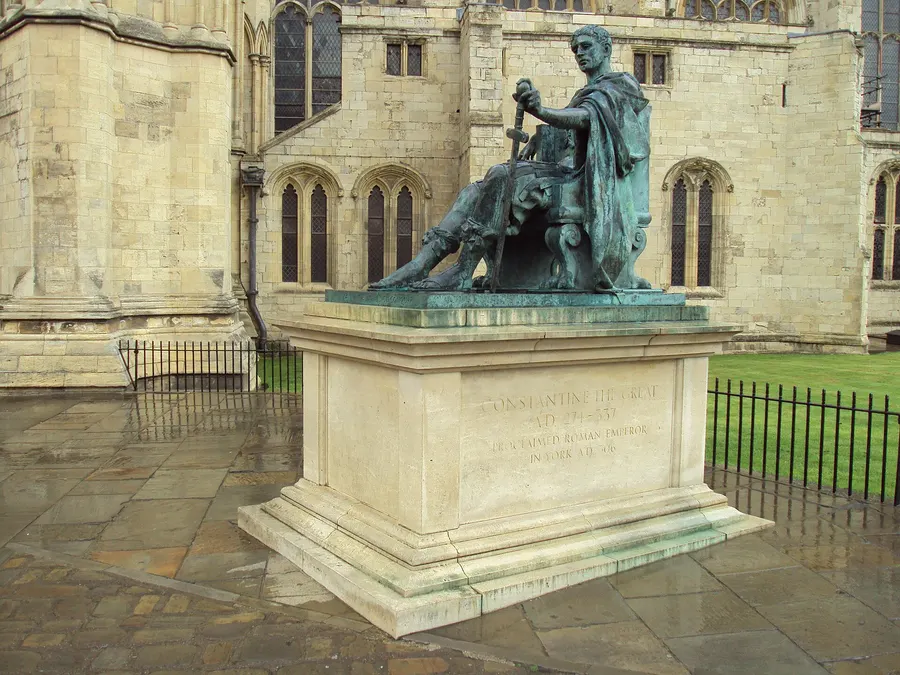 The statue of Constantine the Great outside York Minster, near the site of the Roman fortress where he was proclaimedImage: Rept0n1x · CC BY-SA 3.0
politics · Europe
Constantine is proclaimed emperor at York
The Roman emperor Constantius I had crossed to Britain with his son Constantine to campaign against the peoples of the far north. On 25 July 306 Constantius died at Eboracum, the Roman fortress that became York, and his soldiers at once acclaimed Constantine as emperor. It took him years of civil war to win the whole empire, but he went on to become the first Christian emperor and to found Constantinople.
Source: Britannica: Constantius I ↗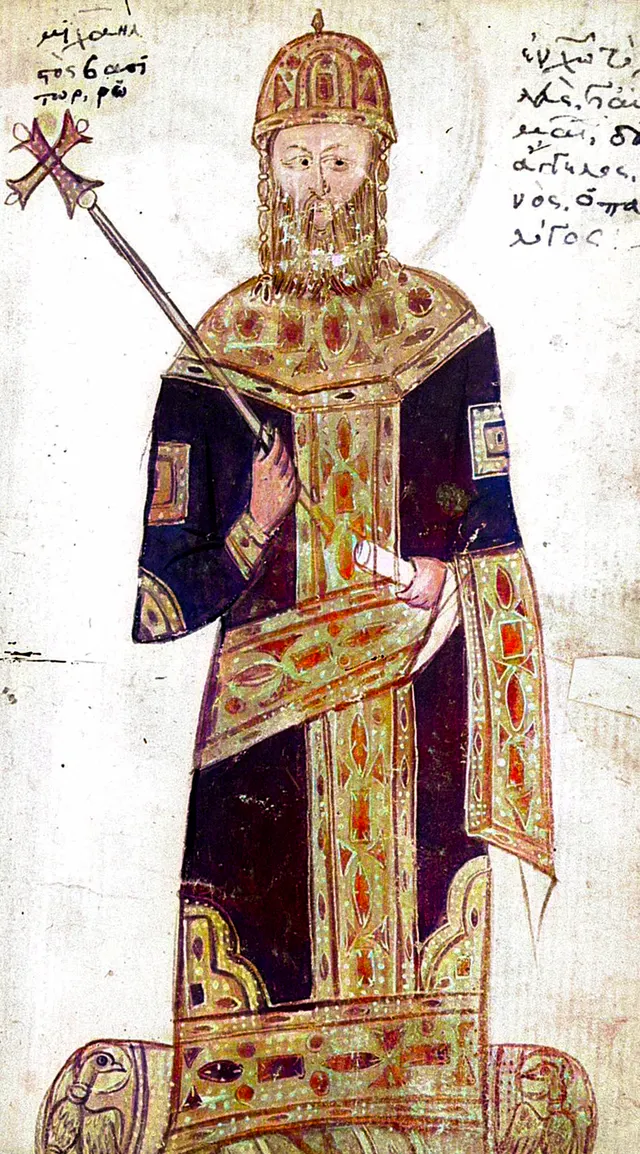 Michael VIII Palaiologos, the emperor of Nicaea who recovered Constantinople, in a medieval manuscript miniatureImage:
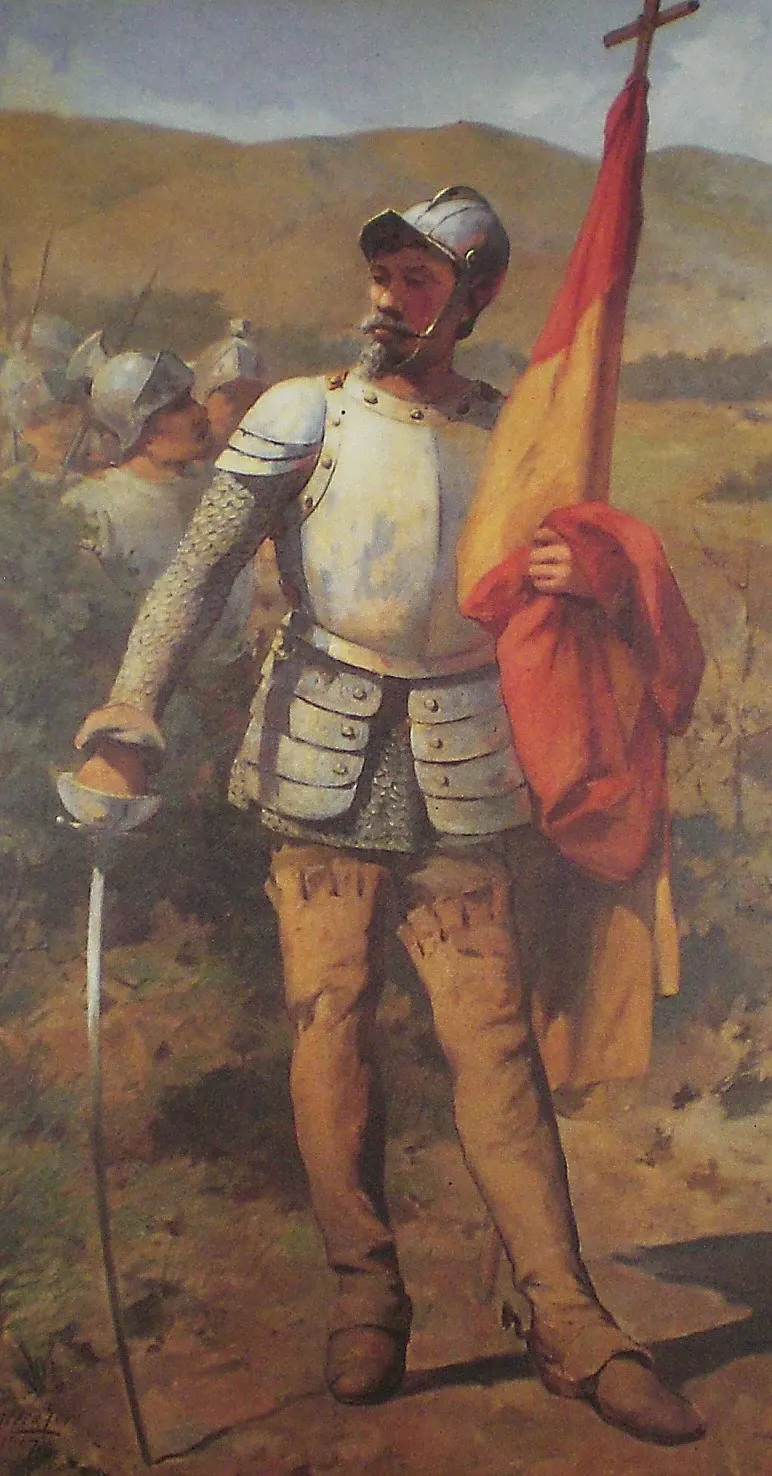 Diego de Losada, founder of Caracas, as imagined by the Venezuelan painter Antonio Herrera Toro in the early 20th centuryImage:
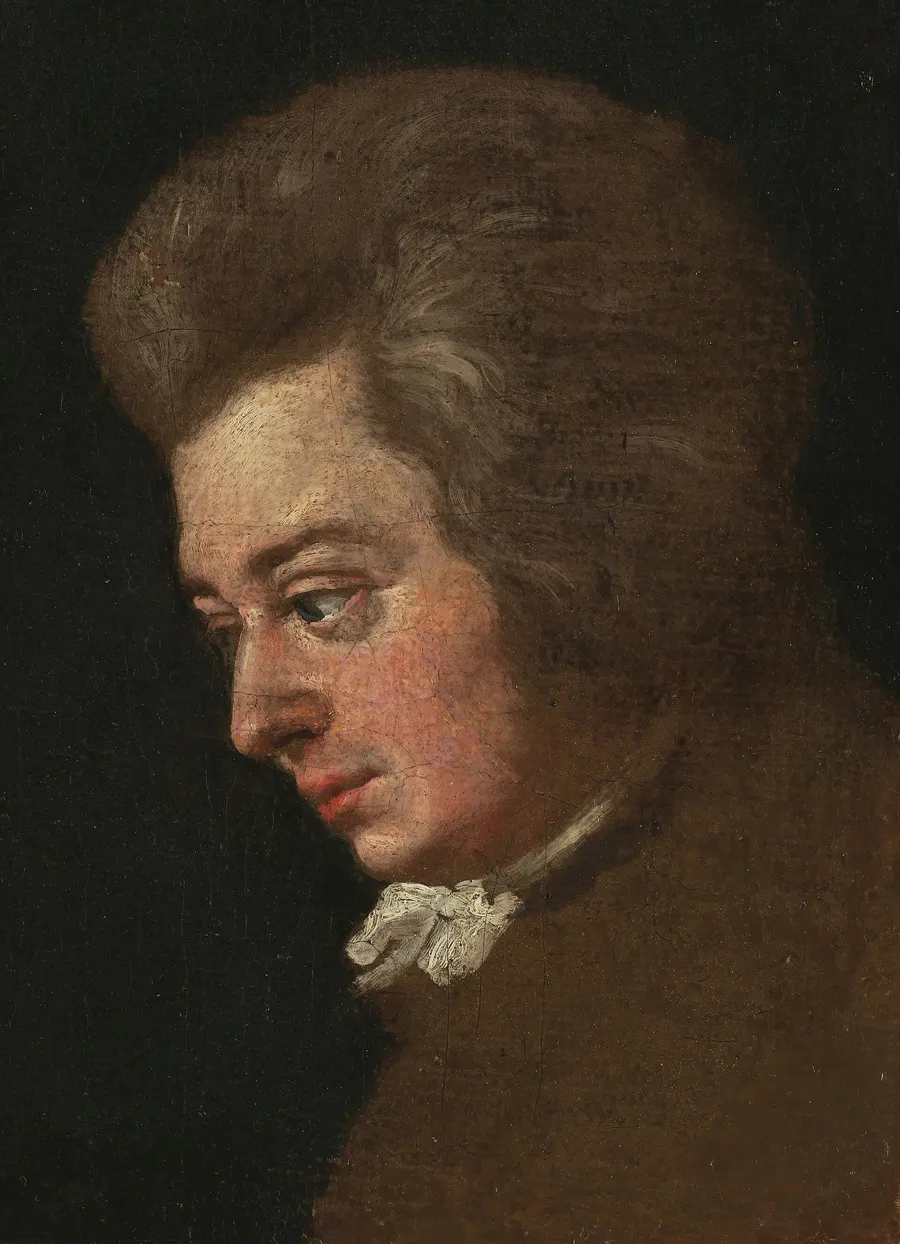 Mozart in an unfinished portrait by his brother-in-law Joseph Lange, begun around 1782Image:
 The naval battle off Pungdo, in a Japanese woodblock print by Kobayashi Kiyochika, 1894Image:
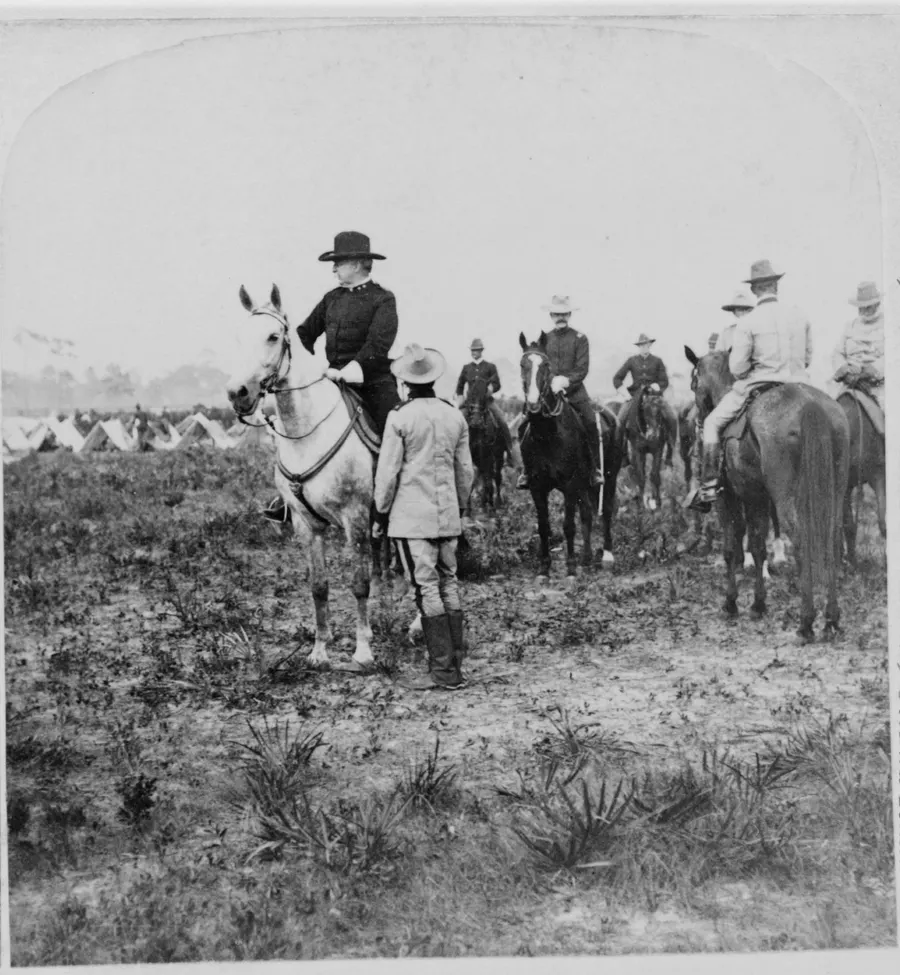 General Nelson Miles and his officers on horseback in Puerto Rico in 1898Image:
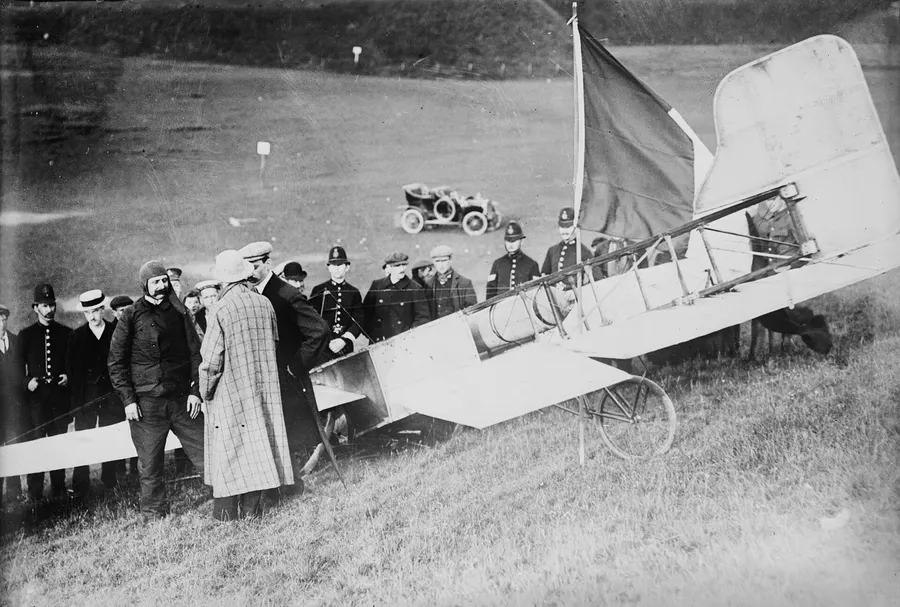 Louis Blériot with his Type XI monoplane at Dover after the first aeroplane crossing of the English ChannelImage:
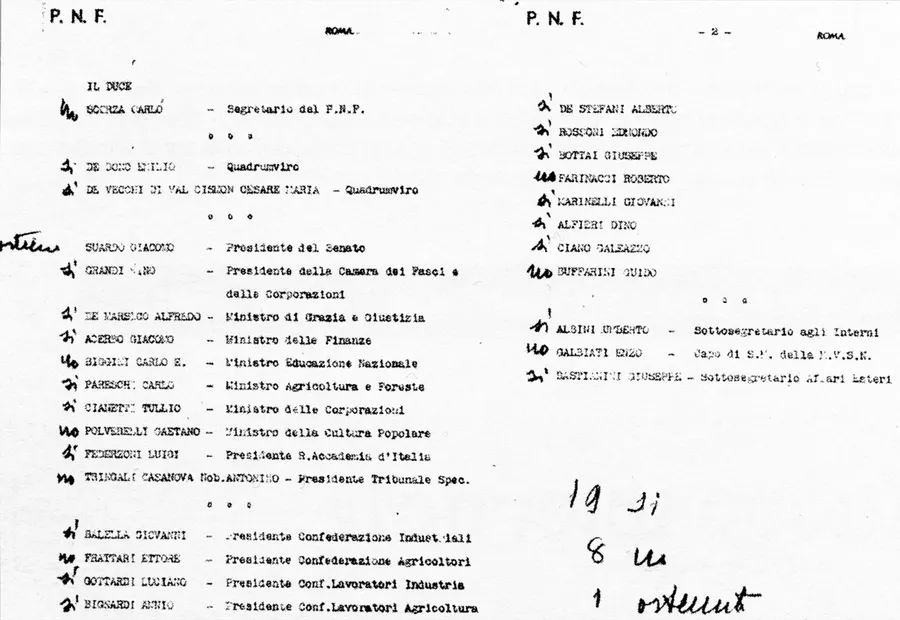 The Fascist Party’s typed list of Grand Council members, with the tally on Dino Grandi’s motion of 24-25 July 1943 written in by handImage:
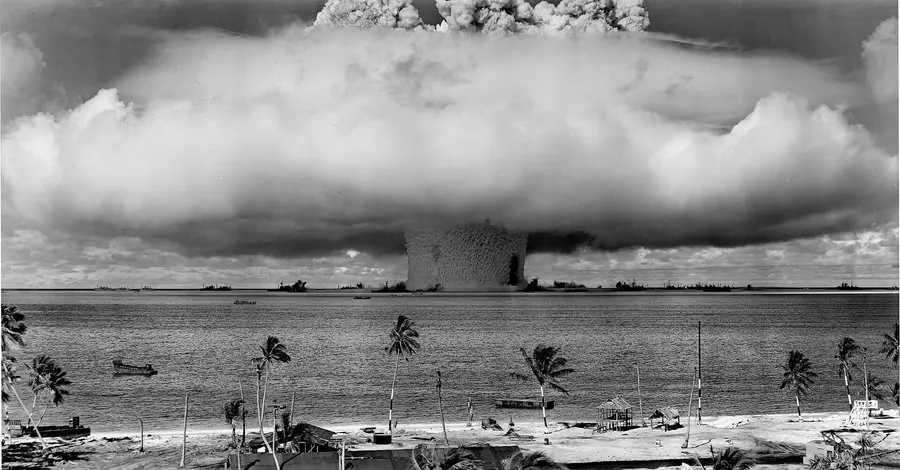 The column of water thrown up by the Baker test in Bikini lagoon, with target ships dwarfed at its footImage:
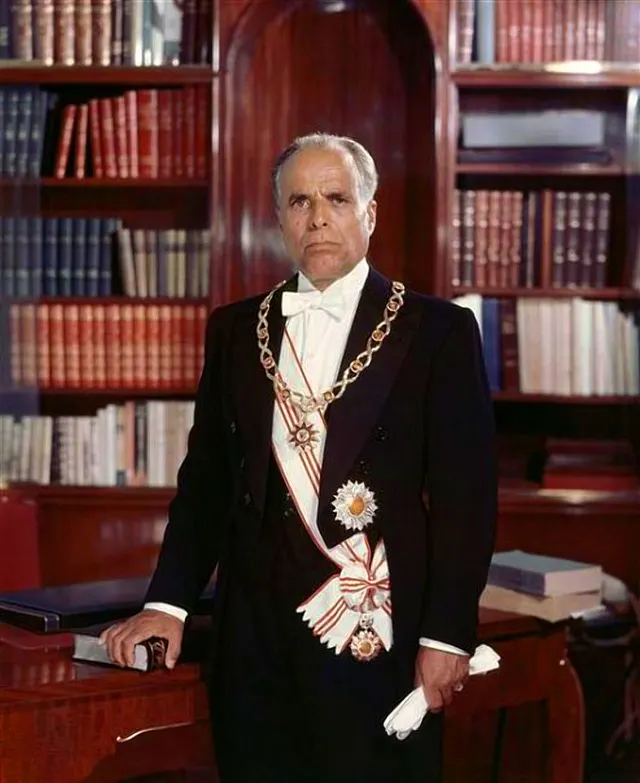 Habib Bourguiba, who led Tunisia to independence and became its first presidentImage:
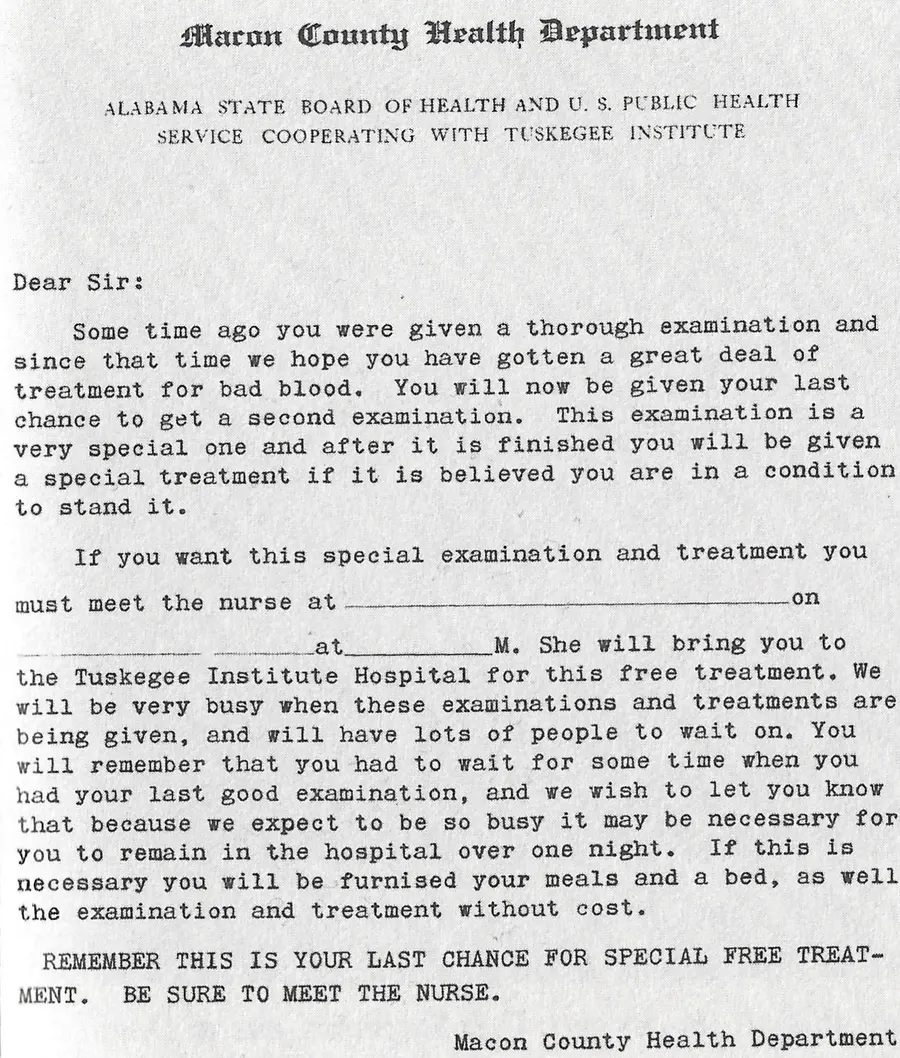 A letter from the Macon County Health Department inviting study participants to ‘special treatment’, in fact a diagnostic spinal tapImage:
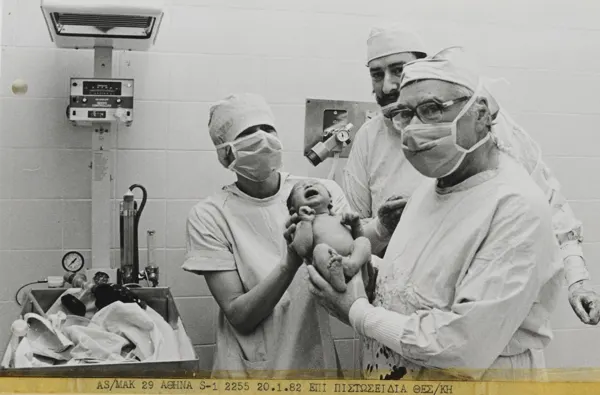 Patrick Steptoe, co-pioneer of IVF, with the delivery team and the first baby born by IVF in GreeceImage:
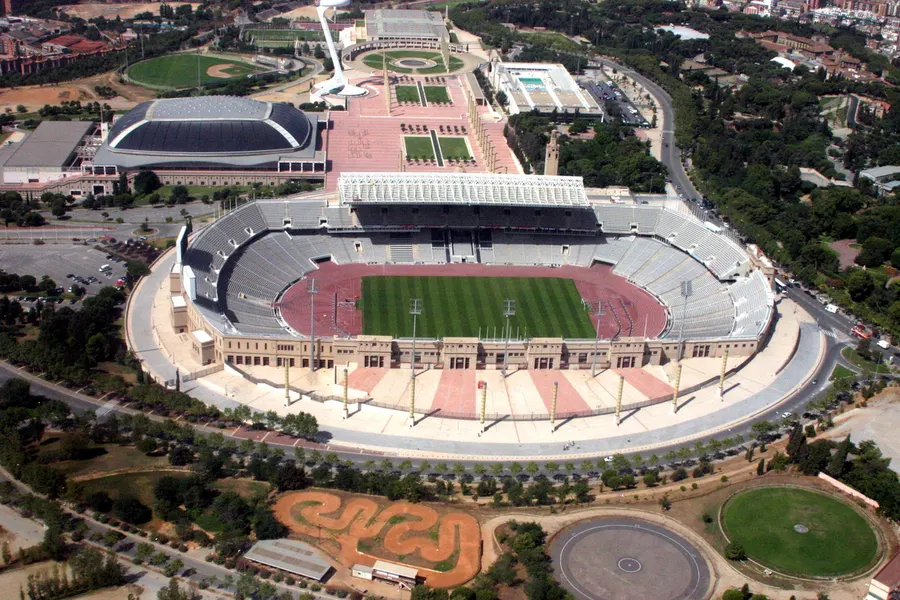 The Olympic Stadium on Montjuïc hill in Barcelona, where the 1992 Games openedImage:
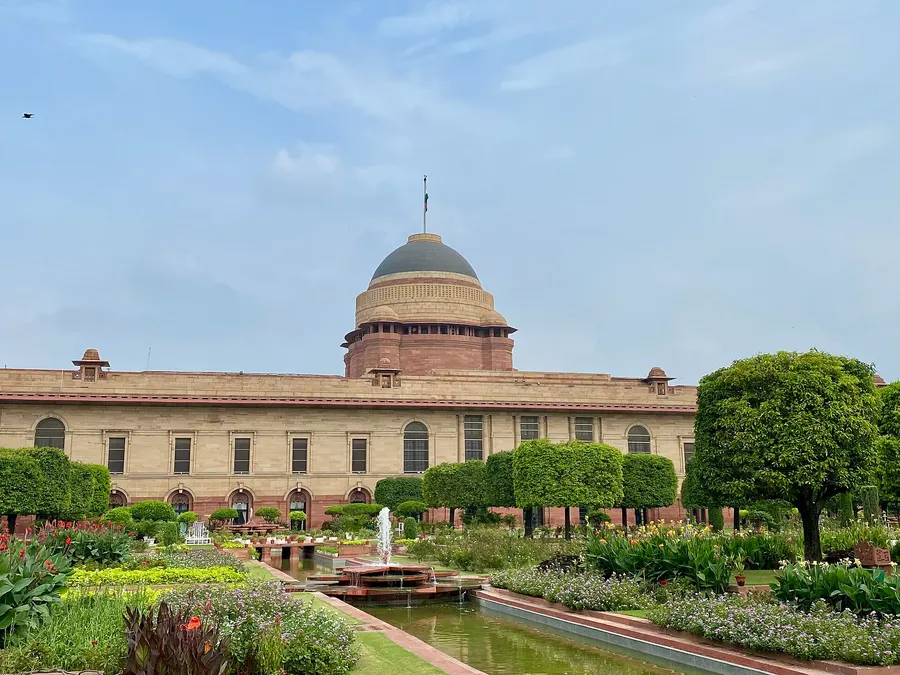 Rashtrapati Bhavan in New Delhi, the official residence of the President of IndiaImage: