Explore 26 July

Explore 26 July: a Byzantine emperor dies in a Balkan pass, the Dutch rebels renounce their king, Liberia declares its independence, Castro storms the Moncada barracks and Nasser takes the Suez Canal. Born today: Antonio Machado, James Lovelock and Mick Jagger.

This day through time →14 verified events across 5 eras

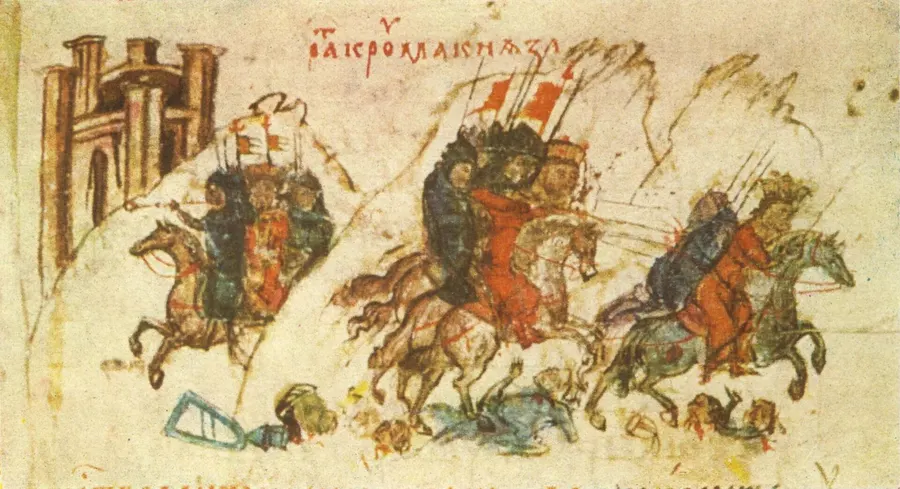
Krum's army pursues and wounds Nikephoros's son Staurakios, in a miniature from the 14th-century Bulgarian translation of the Manasses Chronicle
Krum’s army pursues and wounds Nikephoros’s son Staurakios, in a miniature from the 14th-century Bulgarian translation of the Manasses Chronicle
Image creditUnknown illuminator (Manasses Chronicle, 14th century) · Public domainResized and cropped for display.

The Bulgarians trap and kill the Byzantine emperor Nikephoros I

In the summer of 811 the Byzantine emperor Nikephoros I led a large army into Bulgaria, determined to crush Khan Krum, whose raids had cost the empire dearly. He took Krum’s capital, Pliska, burned it and plundered the khan’s treasury, and turned away offers of peace. But while the Byzantines lingered, the Bulgarians blocked the narrow mountain passes that led back towards Constantinople with walls of felled timber.

On 26 July 811, as the retreating army camped in one of these defiles, Krum’s troops fell on it at dawn. Most of the Byzantine force was destroyed and Nikephoros himself was killed, the first emperor to die in battle in more than four centuries; his son Staurakios was badly wounded and died within months. According to the chroniclers, Krum had the emperor’s skull lined with silver and used it as a drinking cup. The victory made Bulgaria one of the great powers of the Balkans.

Read the full storyHistory & Timeline →Source: Britannica: Krum ↗
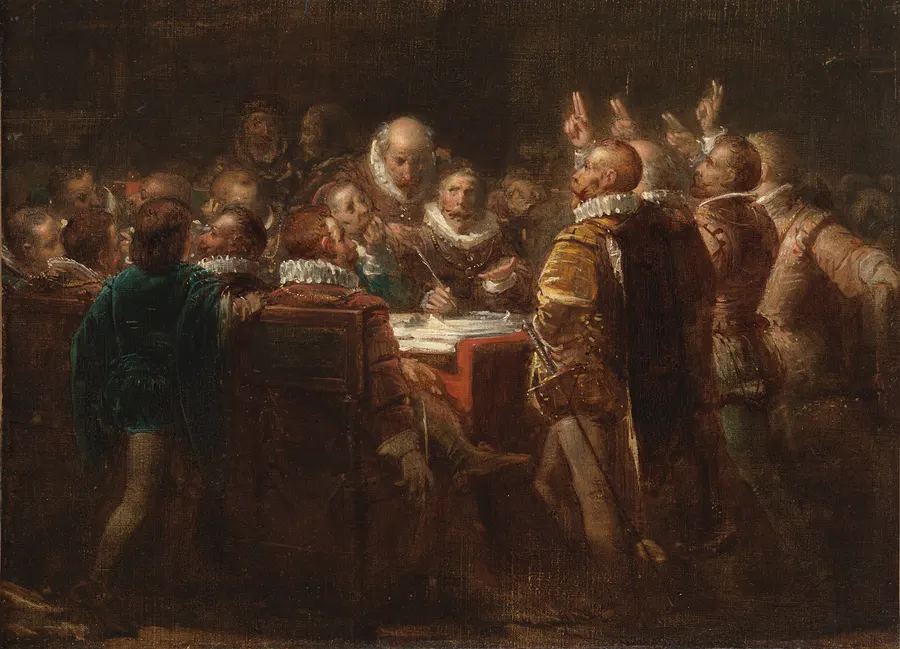
The Act of Abjuration of 1581, as imagined in a 19th-century painting by Johannes Hinderikus Egenberger
Image creditJohannes Hinderikus Egenberger · Public domainResized and cropped for display.

The Dutch rebels renounce King Philip II

By 1581 the provinces of the northern Low Countries had been in revolt against their Spanish Habsburg ruler, Philip II, for more than a decade. Led by William of Orange, they had resisted Philip’s heavy taxes, his persecution of Protestants and the brutal rule of his governors, and in 1579 several of them had joined in the Union of Utrecht to fight on together.

On 26 July 1581 their States General, meeting in The Hague, issued the Plakkaat van Verlatinghe, the Act of Abjuration. It argued that a prince exists to protect his subjects as a shepherd protects his sheep, and that a king who treats them as slaves forfeits his right to rule; Philip was therefore deposed. The rebels at first looked for another prince, but in time they governed themselves as the Dutch Republic, which Spain finally recognised in 1648. The original document is kept in the Nationaal Archief in The Hague.

Read the full storyHistory & Timeline →Source: Nationaal Archief: Plakkaat van Verlatinge (1581) ↗
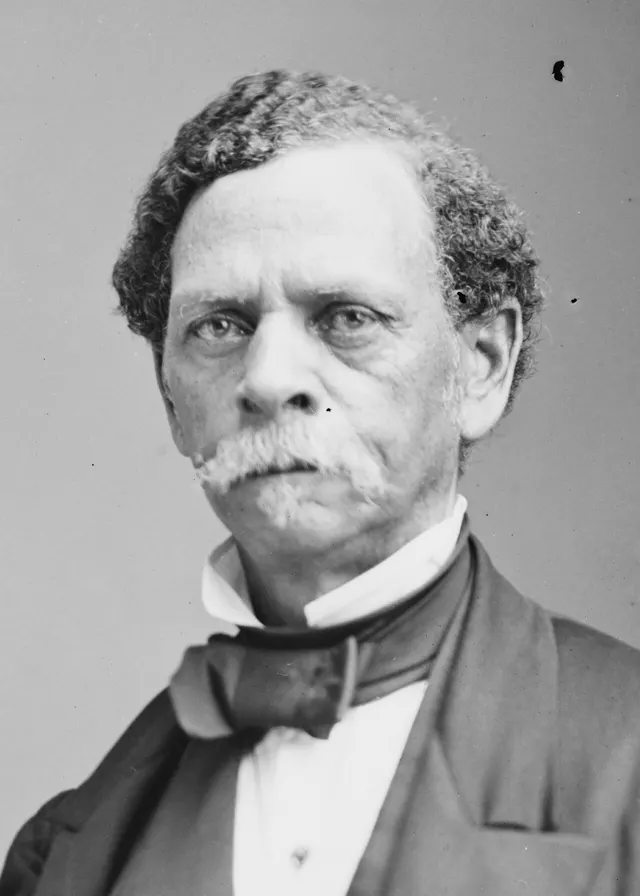
Joseph Jenkins Roberts, the Virginia-born merchant who became Liberia's first president
Joseph Jenkins Roberts, the Virginia-born merchant who became Liberia’s first president
Image creditnot stated · Public domainResized and cropped for display.

Liberia declares its independence

Liberia began in 1822 as a settlement on the West African coast founded by the American Colonization Society, a body of white Americans who wanted free Black people to leave the United States. Over the following years thousands of free-born and formerly enslaved African Americans made the crossing, and their capital was named Monrovia after President James Monroe. The colony was run by the society, but as it grew its settlers wanted the powers of a sovereign state, including the right to make their own laws on trade, which foreign merchants and governments would not accept from a private society.

On 26 July 1847 a convention in Monrovia declared Liberia a free and independent republic and adopted a constitution modelled on that of the United States. Joseph Jenkins Roberts, a merchant born in Virginia, was elected its first president. Britain was among the first countries to recognise Liberia, but the United States waited until 1862. The new state was dominated for more than a century by the settlers’ descendants rather than the peoples already living there. 26 July remains Liberia’s Independence Day.

Read the full storyHistory & Timeline →Source: Office of the Historian: Founding of Liberia, 1847 ↗
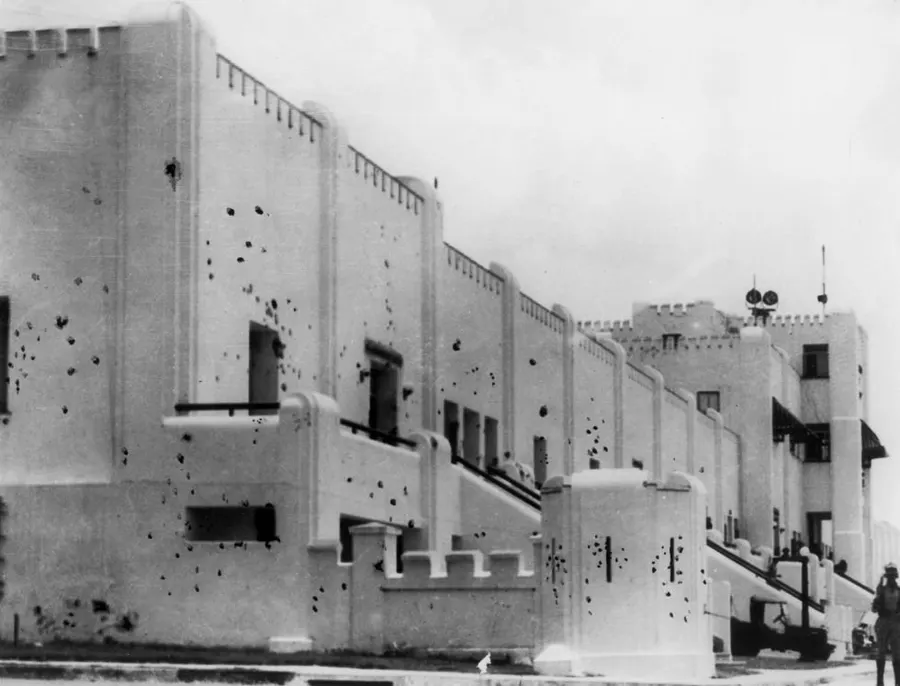
Bullet holes in the walls of the Moncada barracks in Santiago de Cuba after the attack of 1953
Image creditUnknown author · Public domainResized and cropped for display.

Fidel Castro leads the attack on the Moncada barracks

In March 1952 the former army sergeant Fulgencio Batista seized power in Cuba, cancelling the elections due that year. Among his opponents was Fidel Castro, a 26-year-old lawyer, who secretly gathered and trained a band of young followers. His plan was to seize the Moncada barracks in Santiago de Cuba, the island’s second-largest military post, arm his men with its weapons and spark a national uprising.

Early on 26 July 1953, during Santiago’s carnival, about 160 rebels attacked. The assault collapsed within hours. Many of the attackers were killed, several of them after being captured, and Castro was arrested days later. At his trial he spoke in his own defence, a speech later published as ‘History Will Absolve Me’, and was sentenced to 15 years. Released under an amnesty in 1955, he went into exile in Mexico and named his movement after the date of the attack; within six years the 26th of July Movement had driven Batista from power.

Read the full storyHistory & Timeline →Source: Britannica: 26th of July Movement ↗
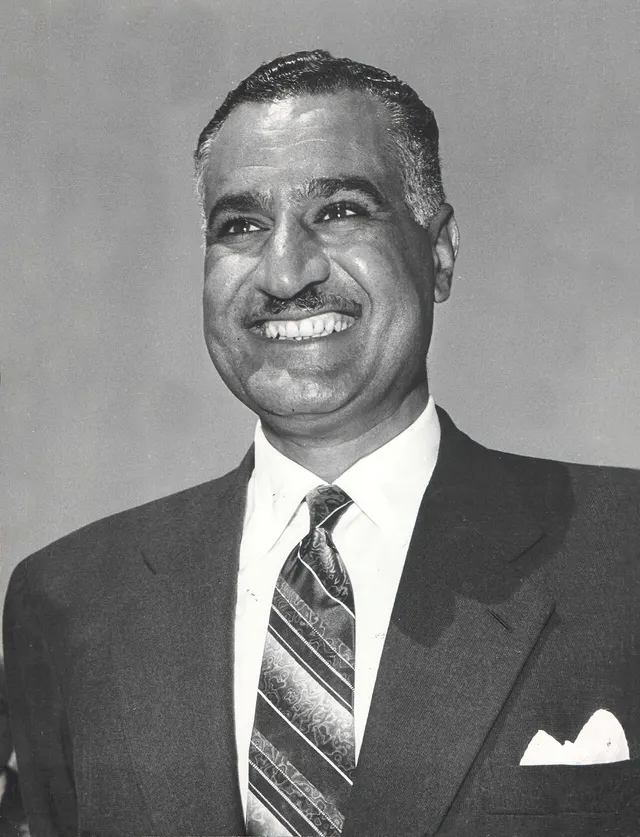
Gamal Abdel Nasser, Egypt's president, photographed on a visit to Belgrade in 1962
Gamal Abdel Nasser, Egypt’s president, photographed on a visit to Belgrade in 1962
Image creditStevan Kragujević · CC BY-SA 3.0Resized and cropped for display.

Nasser nationalises the Suez Canal

The Suez Canal had been run since it opened in 1869 by the Suez Canal Company, whose largest shareholders were the British government and French investors. Egypt’s president, Gamal Abdel Nasser, wanted to build a great new dam on the Nile at Aswan, but in July 1956 the United States and Britain withdrew their offers to help pay for it, and the World Bank loan fell through with them.

On 26 July 1956, in a long speech to a huge crowd in Alexandria, Nasser announced that he had signed a decree nationalising the company, with immediate effect. Egyptian officials took over its offices, shareholders were to be compensated at the previous day’s price on the Paris stock exchange, and the canal’s income would pay for the dam. The move made Nasser a hero across the Arab world, but it alarmed Britain and France, and within three months they had joined Israel in the invasion of Egypt that became the Suez Crisis.

Read the full storyHistory & Timeline →Source: Office of the Historian: The Suez Crisis, 1956 ↗

♙
PEOPLE

Born Today

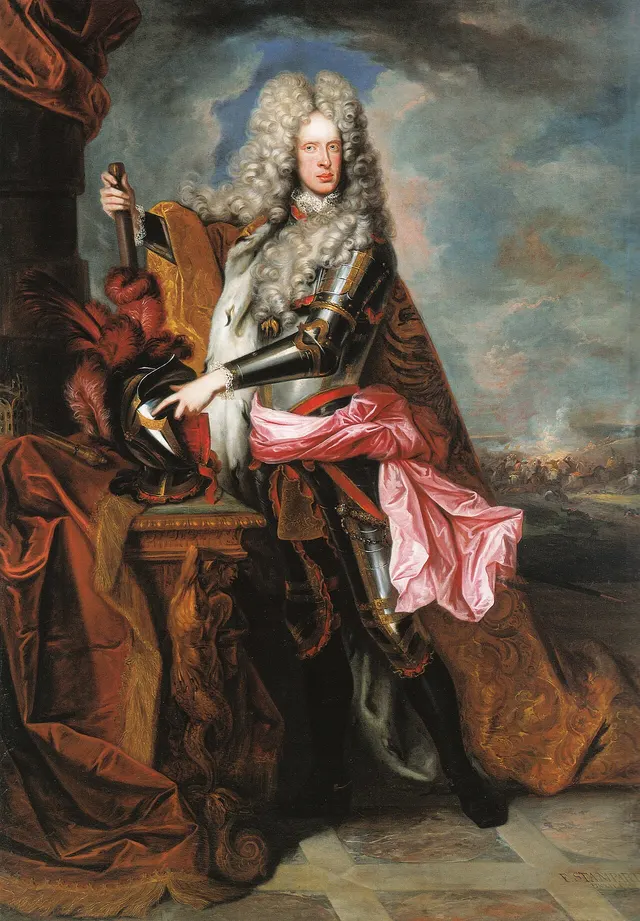
Joseph I, Holy Roman Emperor
Image creditFrans van Stampart · Public domainResized and cropped for display.

Joseph I, Holy Roman Emperor

Habsburg ruler who became Holy Roman Emperor in 1705 in the middle of the War of the Spanish Succession and died of smallpox six years later.

Mariano Arista
Image creditÉdouard Pingret · Public domainResized and cropped for display.

Mariano Arista

Mexican general who commanded in the first battles of the Mexican-American War in 1846 and was president of Mexico from 1851 to 1853.

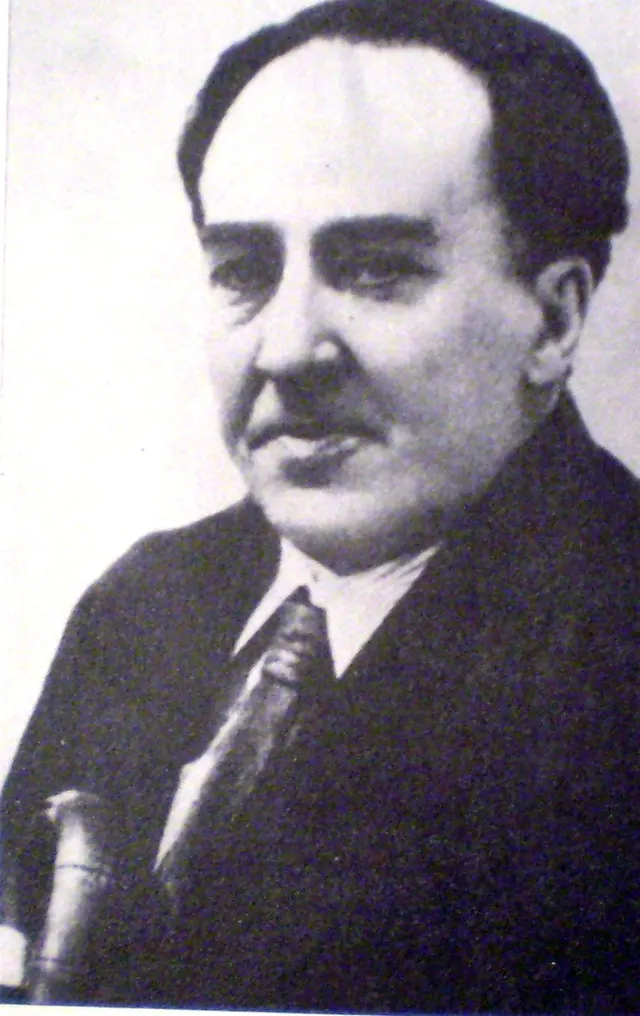
Antonio Machado
Image creditUnknown author · Public domainResized and cropped for display.

Antonio Machado

Spanish poet of the Generation of ‘98, author of Campos de Castilla, who died in exile in France weeks after fleeing at the end of the Civil War.

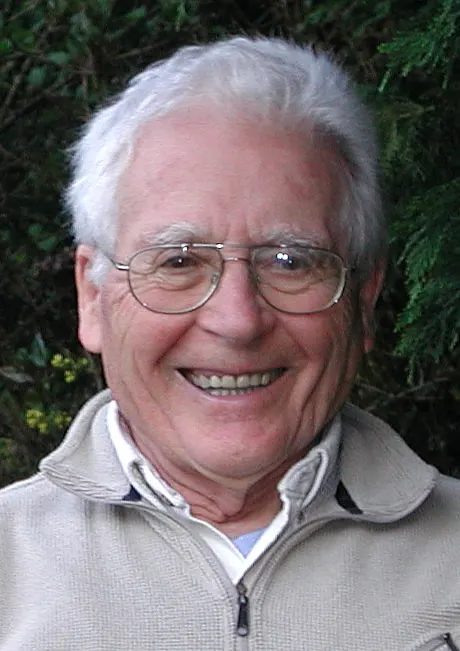
James Lovelock
Image creditBruno Comby · CC BY-SA 1.0Resized and cropped for display.

James Lovelock

English independent scientist who invented a detector sensitive enough to trace pollutants around the globe and proposed the Gaia hypothesis; he died on his 103rd birthday.

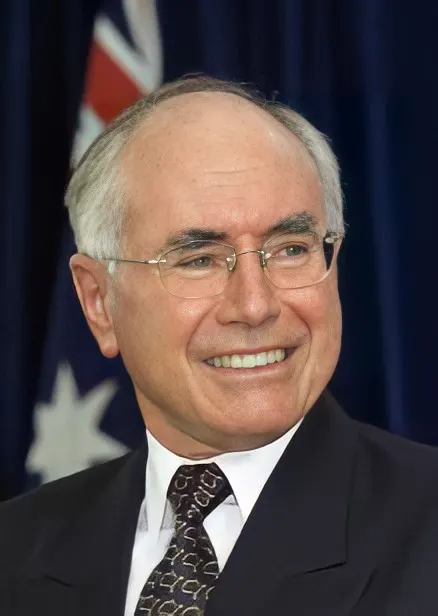
John Howard
Image creditCommonwealth of Australia · CC BY-SA 3.0Resized and cropped for display.

John Howard

Liberal prime minister of Australia from 1996 to 2007, the country’s second-longest-serving leader after Robert Menzies.

Mick Jagger
Image creditRaph_PH · CC BY 2.0Resized and cropped for display.

Mick Jagger

English singer and founder member of the Rolling Stones, who has written most of the band’s songs with Keith Richards since the 1960s.

Yuen Biao
Image creditam730 · CC BY 3.0Resized and cropped for display.

Yuen Biao

Hong Kong actor, stuntman and martial artist famed for acrobatic action films, often alongside his Peking opera school classmates Jackie Chan and Sammo Hung.

◉
IDEAS THAT CHANGED THINGS

Firsts, Science & Discoveries

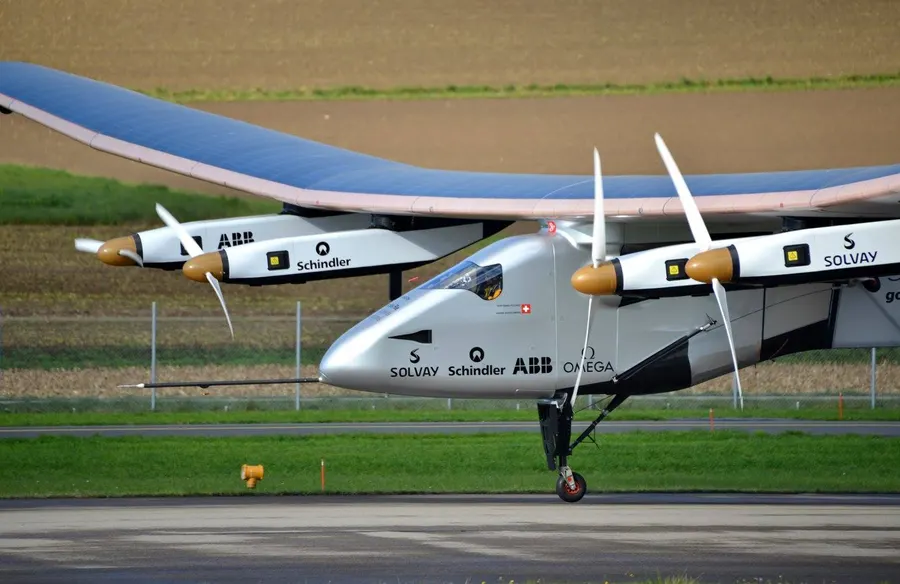
Solar Impulse 2, with Bertrand Piccard in the cockpit, on the runway at Payerne, Switzerland, in November 2014
Image creditMilko Vuille · CC BY-SA 4.0Resized and cropped for display.

Solar Impulse 2 completes the first round-the-world flight on sunlight alone

The Swiss adventurers Bertrand Piccard and André Borschberg spent more than a decade building an aeroplane that could fly day and night on the Sun’s energy alone. Solar Impulse 2 had a wingspan wider than a jumbo jet’s but weighed about as much as a family car; more than 17,000 solar cells on its wings charged the batteries that kept its four propellers turning through the night. Its single cramped cockpit meant the two pilots had to take turns.

The aircraft left Abu Dhabi in March 2015 and flew east across Asia, the Pacific, the United States, the Atlantic, southern Europe and North Africa. On the longest leg, from Japan to Hawaii, Borschberg stayed aloft for almost five days and nights. Damaged batteries then grounded the plane for months. Finally, at 4.05 in the morning local time on 26 July 2016, Piccard landed back in Abu Dhabi after some 40,000 kilometres and more than 500 hours in the air, without using a drop of fuel.

Read the full storyHistory & Timeline →Source: Smithsonian Magazine: Inside the first solar-powered flight around the world ↗
☆
SPORTING HISTORY

Sporting Moments

Stephen Roche riding a time trial at the 1987 Giro d'Italia, which he won two months before the Tour
Stephen Roche riding a time trial at the 1987 Giro d’Italia, which he won two months before the Tour
Image creditktk17028 · CC BY 2.0Resized and cropped for display.

Stephen Roche becomes the first Irishman to win the Tour de France

Stephen Roche, a Dubliner, arrived at the 1987 Tour de France having already won the Giro d’Italia that spring. The Tour turned into a duel with the Spanish climber Pedro Delgado. On the stage to La Plagne in the Alps Roche fell far behind, then clawed back almost all of the lost time on the final climb and collapsed at the finish; he had to be given oxygen before he could leave.

In the time trial at Dijon on the penultimate day he took the yellow jersey from Delgado, and on 26 July 1987 he rode into Paris as the winner by 40 seconds. Thousands welcomed him home to Dublin the next day. Later that year Roche also won the world road race championship, becoming only the second rider after Eddy Merckx to take the Giro, the Tour and the world title in the same season.

Read the full storyHistory & Timeline →Source: RTÉ Archives: Hero’s welcome for Stephen Roche ↗
♫
MUSIC • FILM • BOOKS • CULTURE

Culture Stories

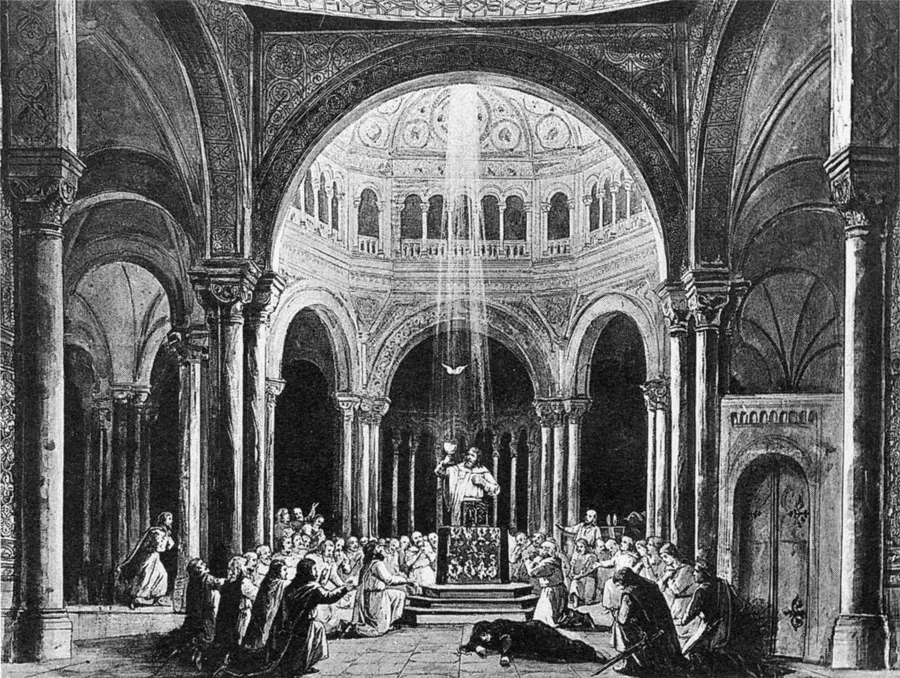
Paul von Joukowsky's stage design for the third act of Parsifal at the first production in Bayreuth, 1882
Paul von Joukowsky’s stage design for the third act of Parsifal at the first production in Bayreuth, 1882
Image creditPaul von Joukowsky · Public domainResized and cropped for display.

Wagner’s Parsifal is first performed at Bayreuth

Richard Wagner had been thinking about the story of Parsifal, the innocent ‘pure fool’ who becomes guardian of the Holy Grail, since reading Wolfram von Eschenbach’s medieval poem Parzival in the 1840s. He finished the music only in January 1882, writing it for the acoustics of the festival theatre he had built at Bayreuth in Bavaria, and he called it not an opera but a ‘festival play for the consecration of the stage’.

Parsifal was first performed there on 26 July 1882, conducted by Hermann Levi, and was given 16 times that summer. It was Wagner’s last work: he died in Venice the following February. He wanted Parsifal staged only at Bayreuth, and for decades the festival guarded it jealously, which only added to its aura of solemnity.

Read the full storyHistory & Timeline →Source: Britannica: Parsifal ↗
✦
LIVES REMEMBERED

Remembered Today

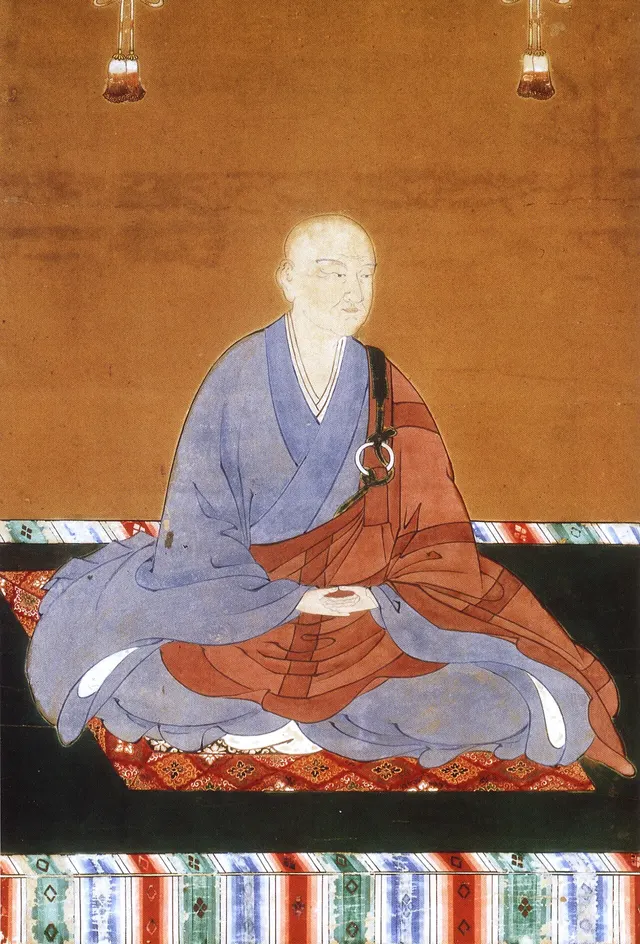
Emperor Kōmyō
Image creditUnknown artist · Public domainResized and cropped for display.

Emperor Kōmyō

Japanese emperor of the Northern Court, placed on the throne by the Ashikaga warlords in 1336 when rival imperial lines split the country.

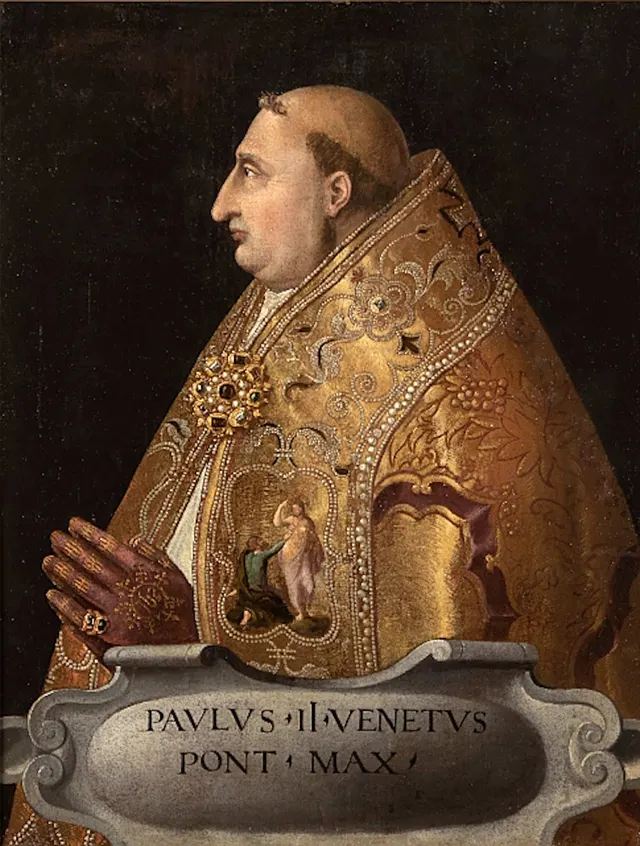
Pope Paul II
Image creditUnknown author · Public domainResized and cropped for display.

Pope Paul II

Venetian-born Pietro Barbo, pope from 1464, a great collector of art and antiquities who built the Palazzo Venezia in Rome.

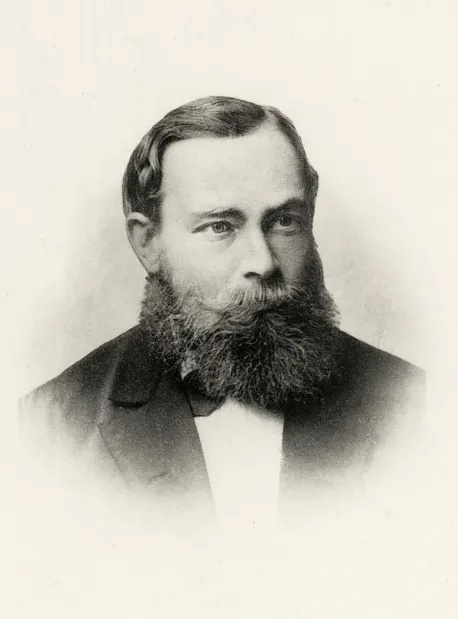
Gottlob Frege
Image creditUnknown author · Public domainResized and cropped for display.

Gottlob Frege

German mathematician and philosopher at the University of Jena whose work laid the foundations of modern logic and analytic philosophy.

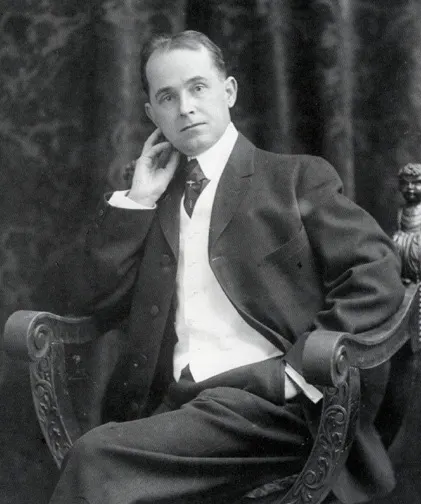
Winsor McCay
Image creditWinsor McCay · Public domainResized and cropped for display.

Winsor McCay

American cartoonist who drew the comic strip Little Nemo in Slumberland and made the pioneering animated film Gertie the Dinosaur in 1914.

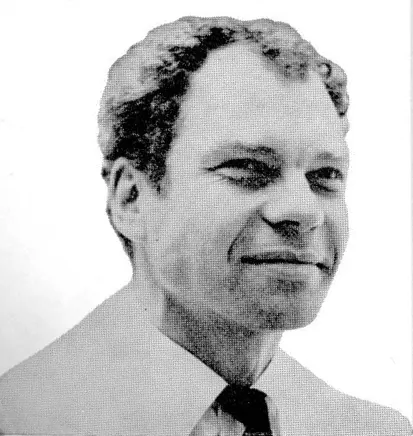
Merce Cunningham
Image creditUnknown photographer · Public domainResized and cropped for display.

Merce Cunningham

American dancer and choreographer who was at the forefront of modern dance for more than 50 years, often working with the composer John Cage.

☉
AROUND THE WORLD

Observances & Anniversaries

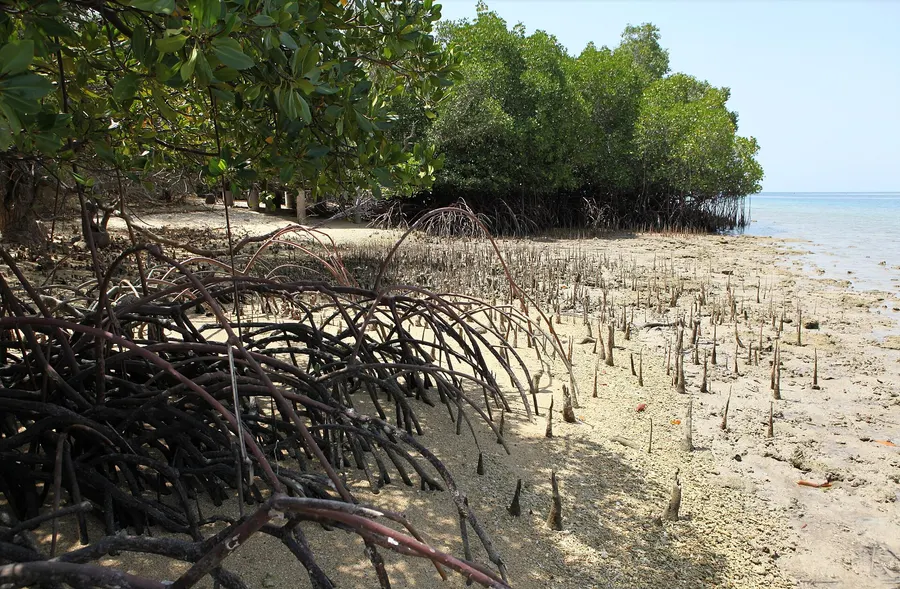
Mangroves on the coast of West Bali National Park, Indonesia
Image creditRon from Nieuwegein · CC BY-SA 2.0Resized and cropped for display.

International Day for the Conservation of the Mangrove Ecosystem

Mangroves are salt-tolerant trees and shrubs that grow along tropical and subtropical coasts, where their tangled roots stand in the tide. They shelter young fish and crabs, protect shorelines from storms and erosion, and store large amounts of carbon in their muddy soils. Yet they are disappearing several times faster than forests as a whole, cleared for farms, fish ponds and building.

UNESCO’s General Conference proclaimed this international day in 2015, and it has been marked each year on 26 July since 2016 to raise awareness of mangroves and encourage their protection.

Source: UNESCO: International Day for the Conservation of the Mangrove Ecosystem ↗
HISTORY & TIMELINE

Finished the highlights?

Follow 26 July chronologically, from the Middle Ages to the modern day, with 14 verified events and the sources behind them.

This day through time →