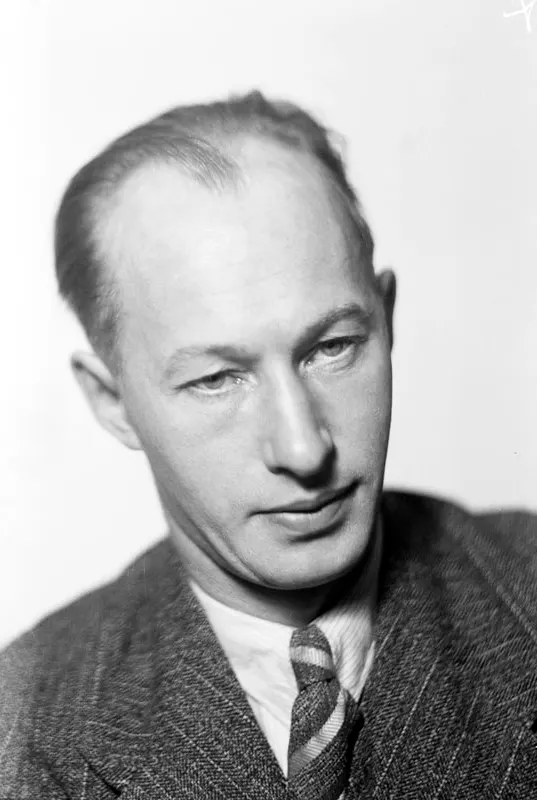
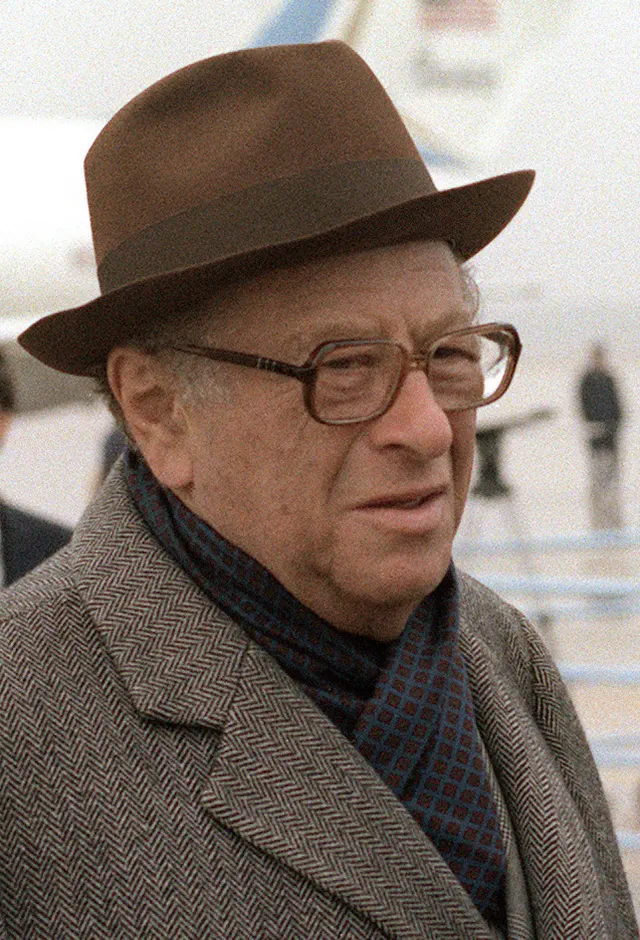
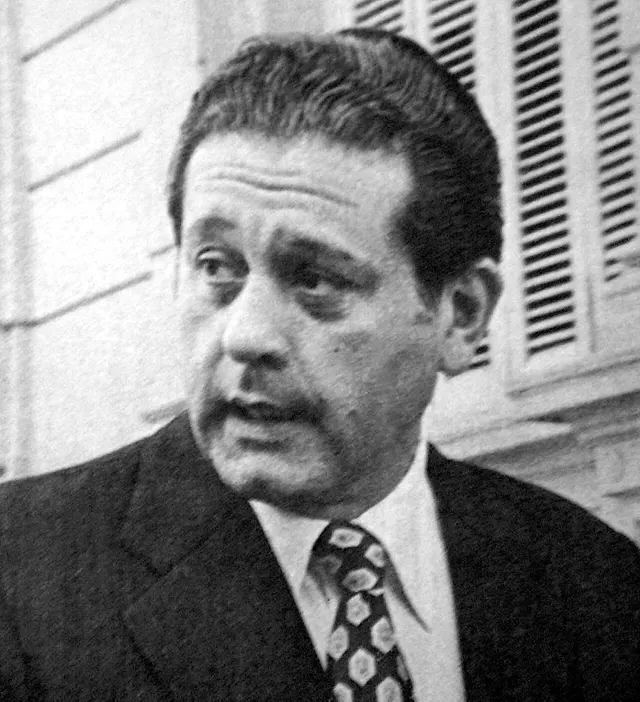
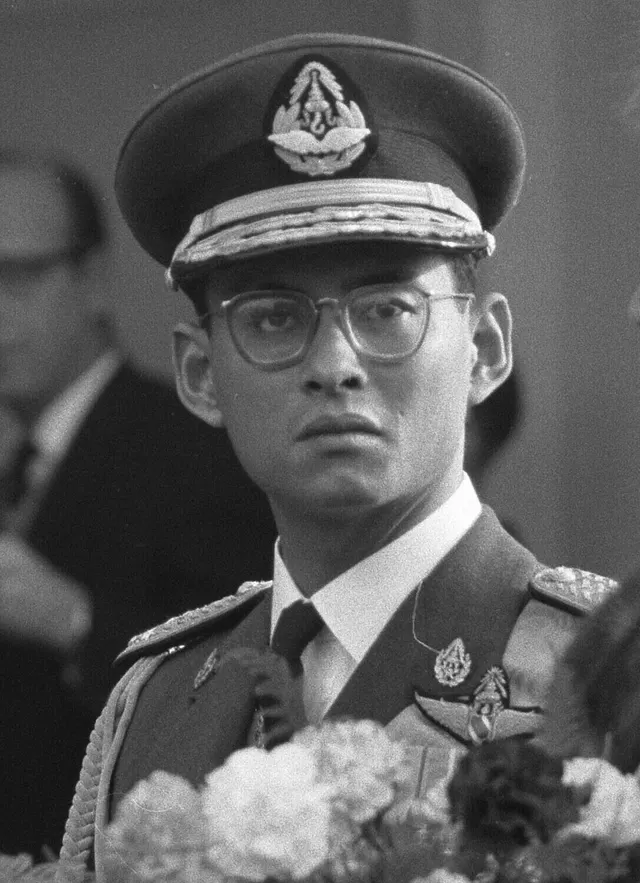
1957The International Atomic Energy Agency comes into being
In December 1953 President Dwight D. Eisenhower told the United Nations General Assembly that the atom, which had destroyed Hiroshima and Nagasaki, could be put to work for peace, and proposed an international agency to share nuclear materials and know-how. His ‘Atoms for Peace’ speech led to three years of negotiation, and in October 1956 a conference at the UN’s headquarters in New York approved the statute of a new International Atomic Energy Agency.
The statute needed 18 ratifications to take effect, and on 29 July 1957 it came into force. The agency set up home in Vienna, where it still has its headquarters, with the task of spreading the peaceful uses of nuclear energy in medicine, farming and power while checking that nuclear material was not diverted to weapons. Its inspections later became central to the Nuclear Non-Proliferation Treaty. From 26 members in its first year, it has grown to include most of the world’s countries, and in 2005 it shared the Nobel Peace Prize with its director general, Mohamed ElBaradei.
Read the full storyHistory & Timeline →Source: IAEA: History ↗
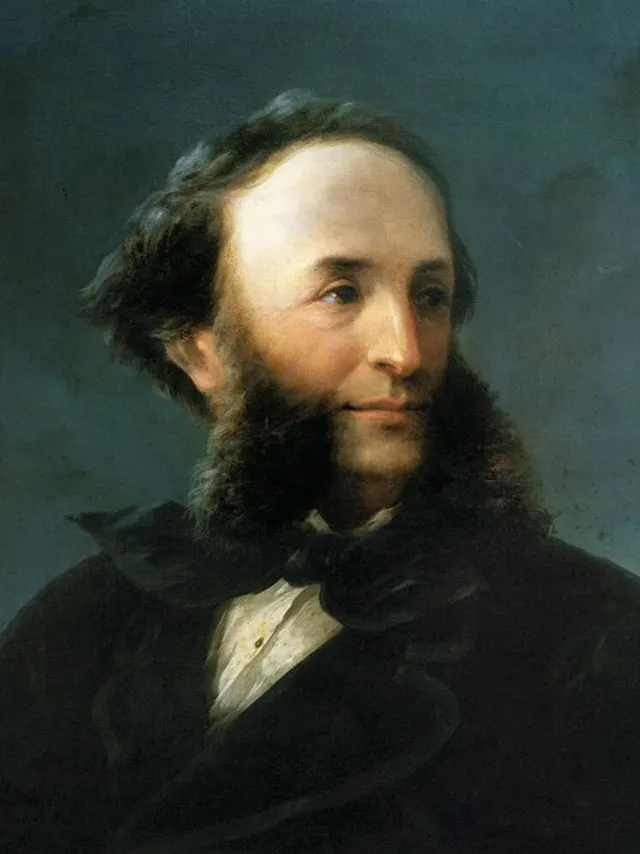
1030King Olaf Haraldsson falls at Stiklestad
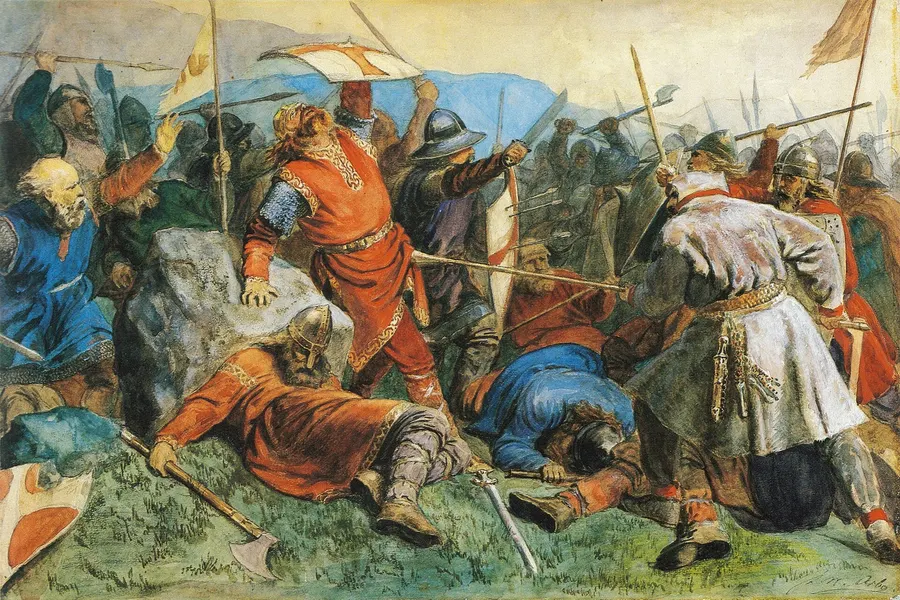
Olaf Haraldsson had fought as a Viking in England and France before seizing the throne of Norway in 1015. He worked to unite the country under one king and to make it Christian, often by force, and his hard rule turned many of the great chieftains against him. In 1028 they sided with Cnut the Great, king of Denmark and England, and Olaf fled east to Novgorod.
In 1030 he came back with a small army to win his kingdom back, and met a much larger force of farmers and chieftains from Trøndelag at Stiklestad, north of Trondheim. By tradition the battle was fought on 29 July 1030. Olaf was cut down and killed. Within a year stories of miracles had spread, and in 1031 his body was declared holy. As Saint Olaf, Norway’s eternal king, he became the country’s patron saint, and his shrine in Trondheim drew pilgrims from across northern Europe. Norwegians still mark 29 July as Olsok, Olaf’s feast day.
Read the full storyHistory & Timeline →Source: Stiklestad National Cultural Centre: The Battle of Stiklestad ↗
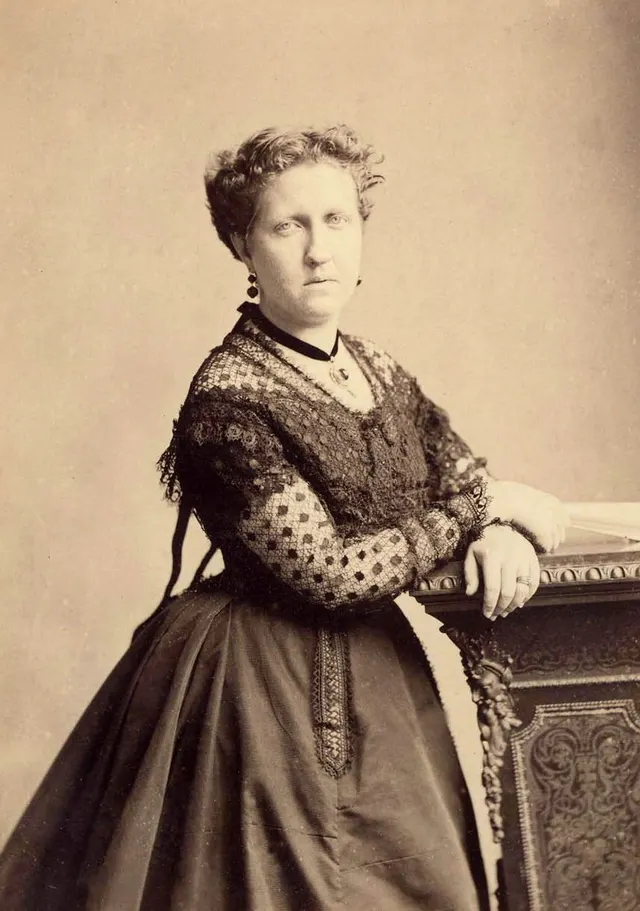
1858Japan signs the Harris Treaty with the United States
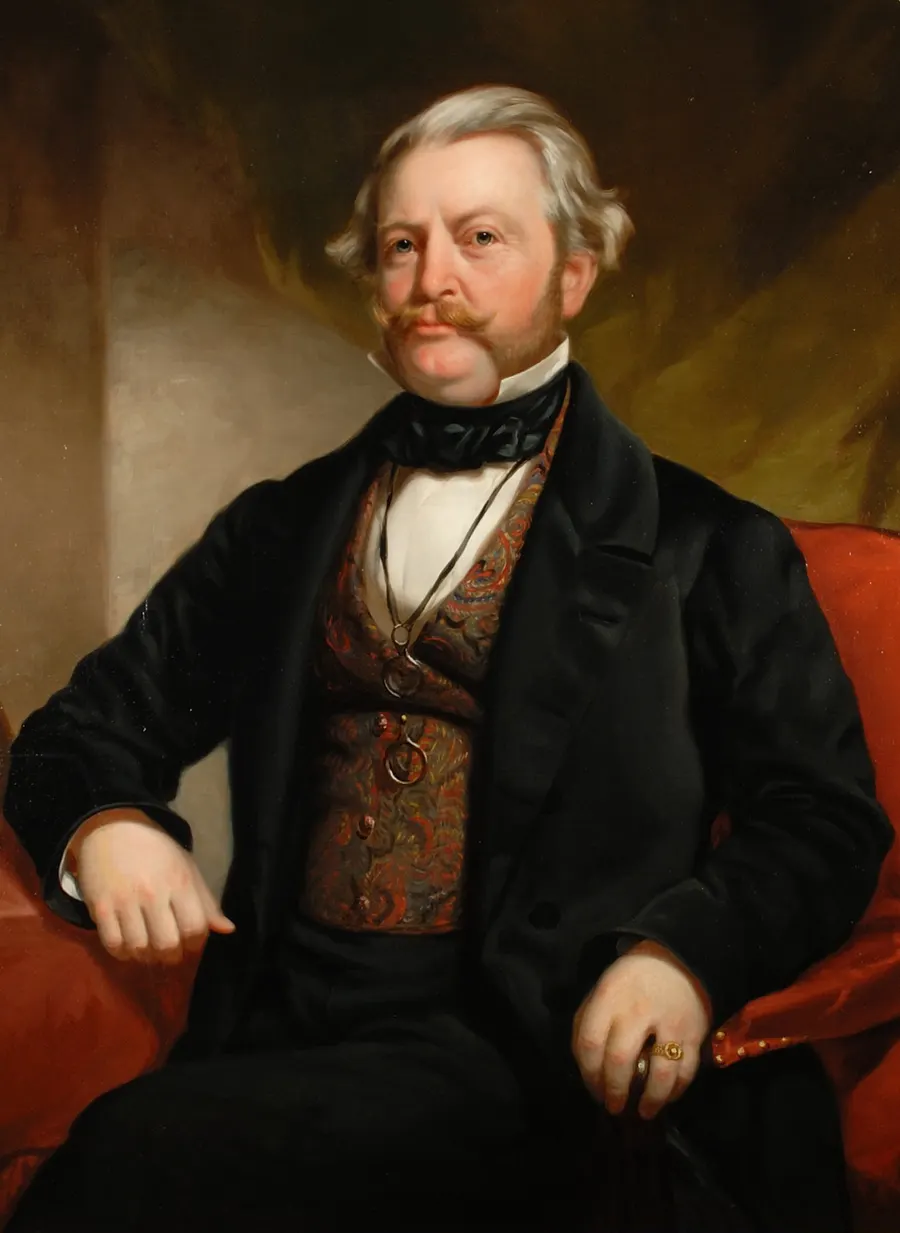
Commodore Matthew Perry’s warships had forced Japan to open two small ports to American ships in 1854, ending more than two centuries in which the shogunate had kept foreign contact to a minimum. In 1856 the merchant Townsend Harris arrived at Shimoda as the first American consul general, with orders to win a full commercial treaty. He argued that British and French fleets would soon come to take by force what Japan could now agree to on better terms.
The Treaty of Amity and Commerce was signed on 29 July 1858. It opened more ports to American trade, allowed Americans to live in them under their own consuls’ law rather than Japan’s, fixed low import duties and provided for diplomats in each other’s capitals. Britain, France, Russia and the Netherlands quickly won similar terms. The shogunate signed without the emperor’s approval, and the anger that followed helped bring it down in 1868. Japan spent decades getting these ‘unequal treaties’ revised.
Read the full storyHistory & Timeline →Source: Britannica: Harris Treaty ↗
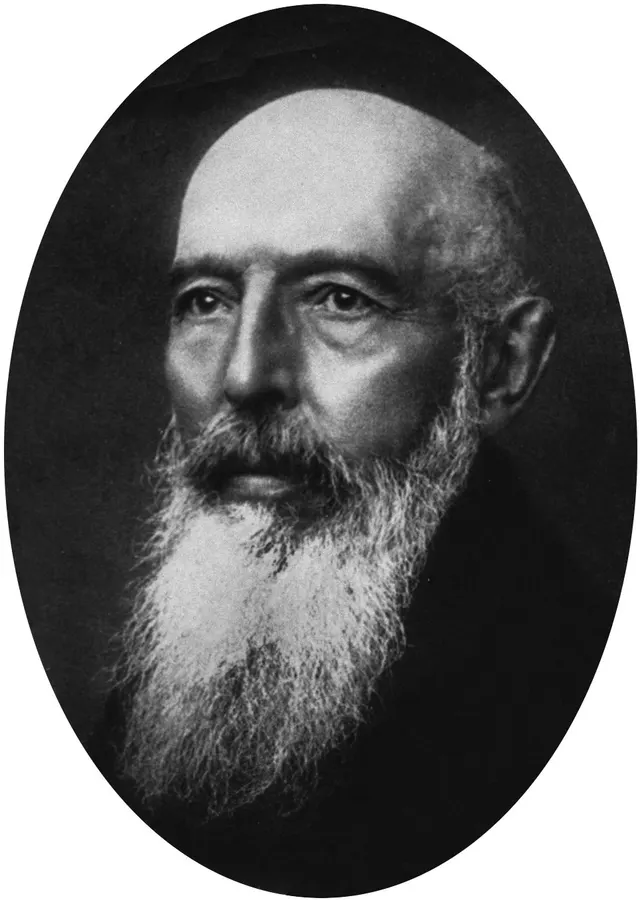
1900An anarchist shoots King Umberto I at Monza
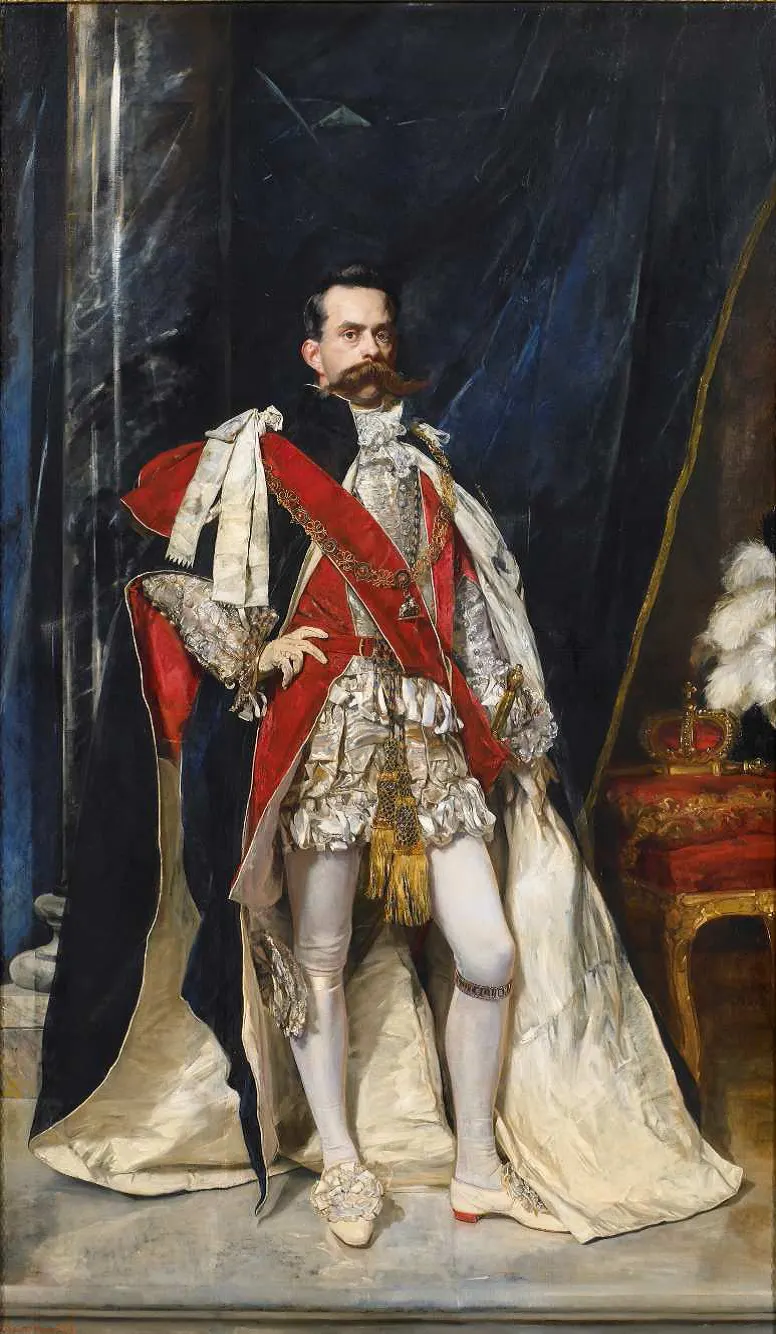
Umberto I became king of Italy in 1878 and survived two attempts on his life. His reign ended in years of hunger and unrest, and in May 1898, when crowds in Milan protested against the price of bread, troops under General Fiorenzo Bava Beccaris fired on them with rifles and cannon, killing dozens of people. Martial law followed, and the king honoured the general for his work.
Gaetano Bresci, an Italian anarchist who had emigrated to Paterson, New Jersey, decided to avenge the Milan dead and sailed home. On the evening of 29 July 1900, as the king left a gymnastics display at Monza, near Milan, Bresci stepped up to his carriage and shot him several times with a revolver. Umberto died within minutes. His son became King Victor Emmanuel III, and Bresci was sentenced to life imprisonment; he died in prison the following year.
Read the full storyHistory & Timeline →Source: Britannica: Umberto I ↗
1975Nigeria’s army removes Yakubu Gowon while he is abroad
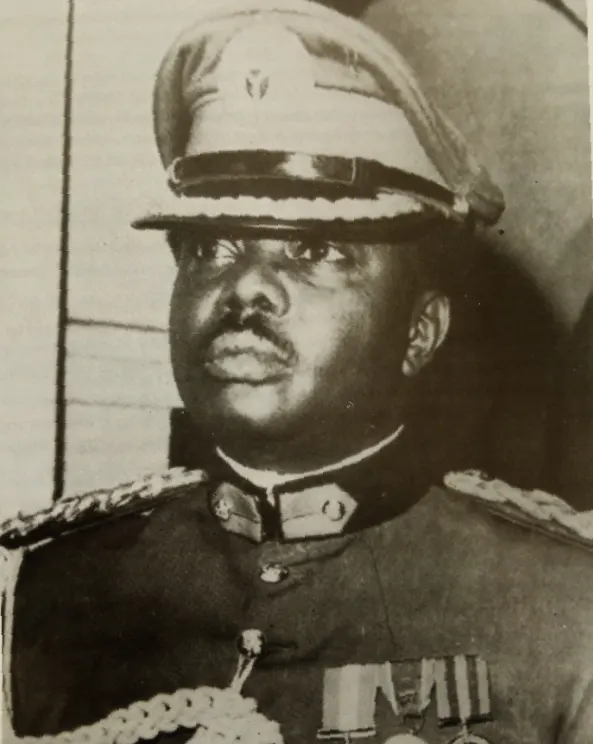
Yakubu Gowon was only 31 when he became Nigeria’s head of state after a coup in 1966. He led the federal side through the civil war against the breakaway state of Biafra from 1967 to 1970 and then pursued a policy of reconciliation. But the oil boom brought rising corruption, and in 1974 he put off his promised return to civilian rule, angering many officers.
On 29 July 1975, while Gowon was in Kampala, Uganda, at a summit of the Organisation of African Unity, a group of officers announced that he had been removed. Brigadier Murtala Mohammed became head of state. He dismissed thousands of officials, set a timetable for civilian rule and began planning a new federal capital at Abuja, but was killed in a failed coup in February 1976. Gowon went into exile in Britain, where he studied at the University of Warwick.
Read the full storyHistory & Timeline →Source: Britannica: Yakubu Gowon ↗