1914Austria-Hungary hands Serbia its ultimatum
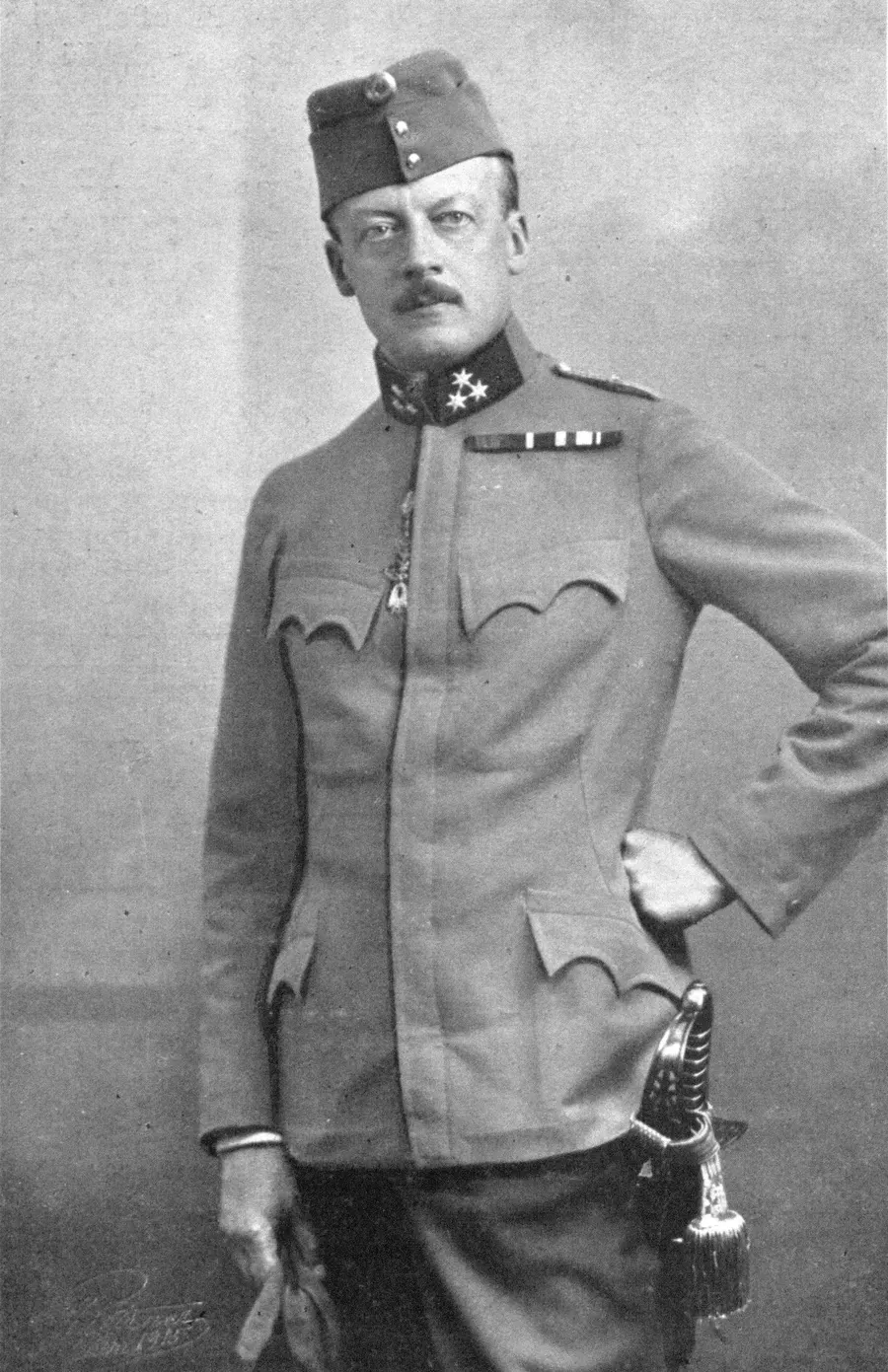
On 28 June 1914 Archduke Franz Ferdinand, heir to the Austro-Hungarian throne, was shot dead in Sarajevo by Gavrilo Princip, a young Bosnian Serb. The government in Vienna believed that the plot had been armed and organised from neighbouring Serbia, and its foreign minister, Count Leopold Berchtold, saw a chance to crush a rival that had long stirred up the Empire’s South Slav subjects. Germany promised its support, and for three weeks Vienna drafted its demands in secret.
At six in the evening on 23 July 1914 the Austro-Hungarian minister in Belgrade handed the Serbian government a note with ten demands and a deadline of 48 hours. Serbia was to suppress anti-Austrian newspapers and societies and to let Austro-Hungarian officials take part in the inquiry on Serbian soil. The British foreign secretary, Sir Edward Grey, said he had never seen one independent state send another so formidable a document. Serbia’s reply on 25 July accepted almost everything, but not all, and on 28 July Austria-Hungary declared war. Within a week most of Europe was fighting.
Read the full storyHistory & Timeline →Source: Britannica: Austria, conflict with Serbia ↗
1921The Chinese Communist Party holds its first congress
After the May Fourth protests of 1919, many young Chinese intellectuals turned to Marxism in search of a way to save a divided and weakened country, and small communist groups sprang up in Beijing, Shanghai and other cities, encouraged by agents of the Communist International sent from Moscow. In the summer of 1921 they agreed to meet and found a national party.
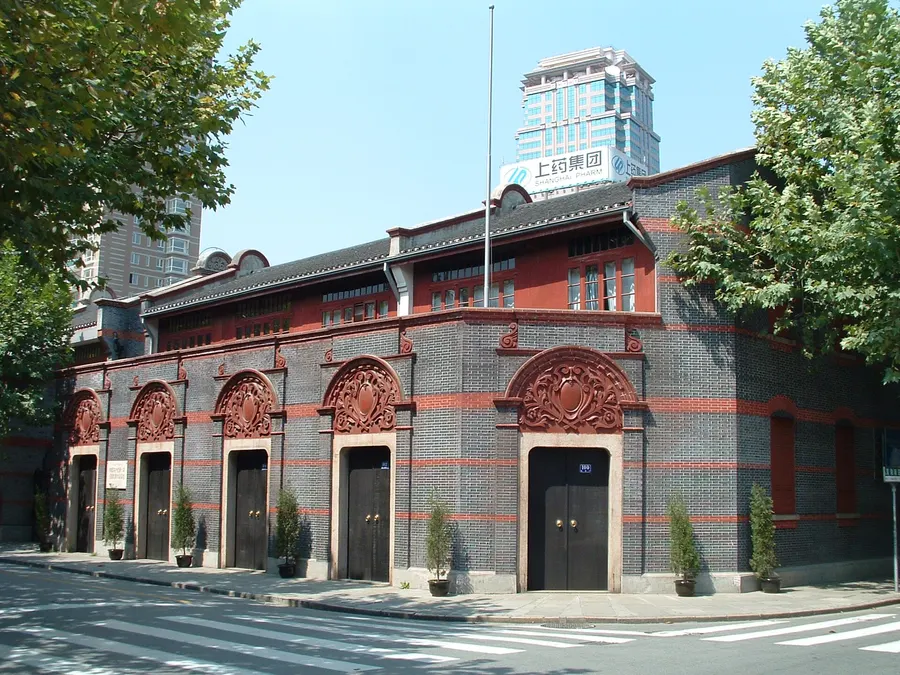
On 23 July 1921 thirteen delegates, representing a few dozen members, gathered in a house in the French Concession of Shanghai, joined by two Comintern representatives; one of the delegates was a 27-year-old schoolteacher from Hunan, Mao Zedong. About a week later a stranger looked into the meeting and the police searched the house soon afterwards, so the delegates finished their work on a hired pleasure boat on the South Lake at Jiaxing. The party later chose 1 July as its official founding day. It came to power in 1949 and has ruled China ever since.
Read the full storyHistory & Timeline →Source: Chinese Culture Centre of Hong Kong: The official founding of the Chinese Communist Party ↗
1881Chile and Argentina divide Patagonia
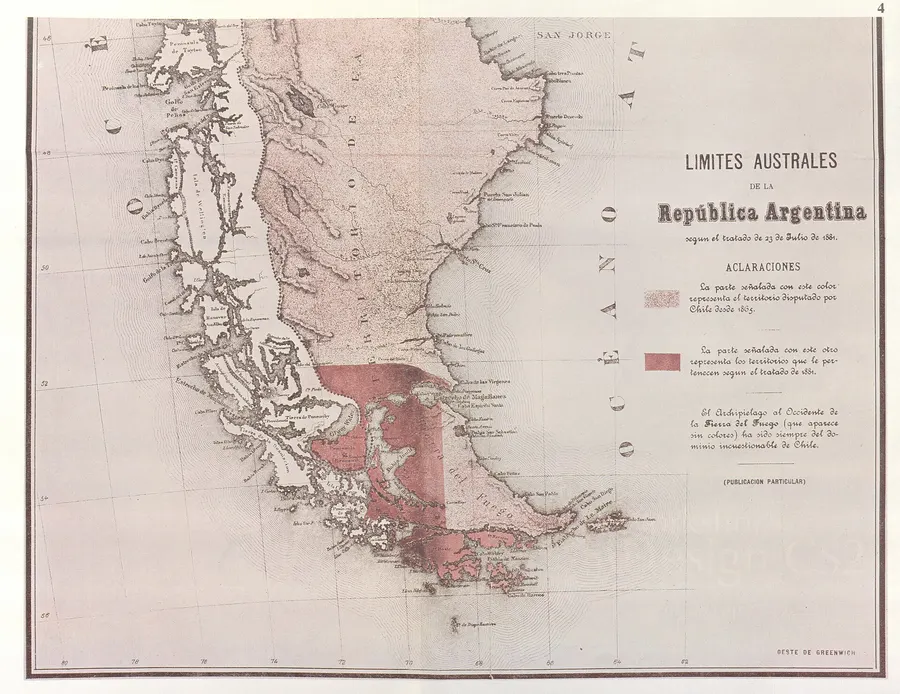
When Spain’s empire in South America broke up, Chile and Argentina inherited a vague frontier running through the Andes and down into the thinly settled lands of Patagonia and Tierra del Fuego. Both claimed the far south, and by the late 1870s the quarrel had brought them close to war. In 1879 Chile went to war with Peru and Bolivia, and with its army busy in the north it had good reason to settle with Argentina.
With the United States ministers in Santiago and Buenos Aires acting as go-betweens, the two countries signed a boundary treaty in Buenos Aires on 23 July 1881. The border was to follow the highest peaks of the Andes that divide the waters as far south as latitude 52°S. Argentina gained most of eastern Patagonia, Chile kept both shores of the Strait of Magellan, which was to be neutral and open to all shipping, and Tierra del Fuego was split between them. Arguments over how to apply the treaty lasted for more than a century, including the Beagle Channel dispute settled in 1984.
Read the full storyHistory & Timeline →Source: United Nations, Reports of International Arbitral Awards: Cordillera of the Andes Boundary Case (Argentina, Chile) ↗
1952Egypt’s Free Officers seize power
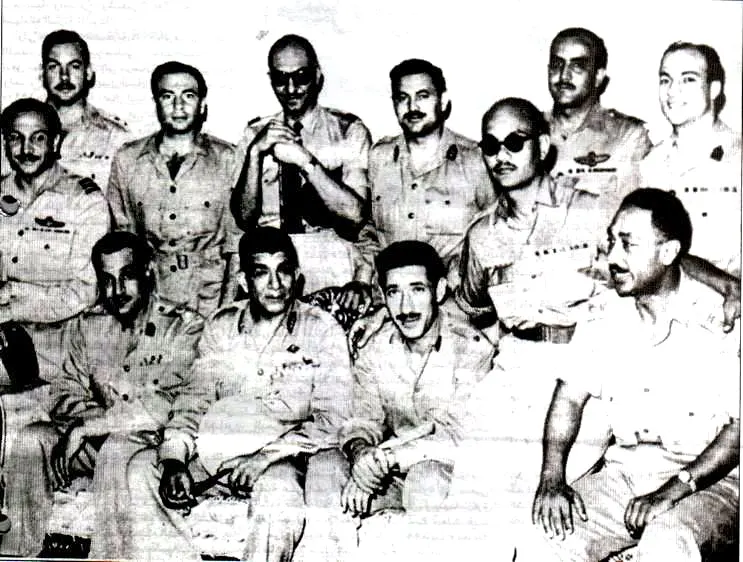
By 1952 King Farouk was widely despised in Egypt for his extravagance and for the corruption of his court, British troops still guarded the Suez Canal, and the army was bitter after its defeat in the war over Palestine in 1948. In January 1952 riots and fires swept central Cairo. A secret group of young officers, the Free Officers, founded by Gamal Abdel Nasser, had been planning to act for some time.
During the night of 22-23 July 1952 they took over army headquarters and key points in Cairo with almost no bloodshed, and on the morning of 23 July one of them, Anwar Sadat, announced the takeover on the radio. General Muhammad Naguib, a respected senior officer, was the public face of the movement, but Nasser was the real power. Farouk was forced to abdicate three days later and sailed into exile, Egypt became a republic in 1953, and Nasser took full control in 1954. 23 July is still a national holiday in Egypt, Revolution Day.
Read the full storyHistory & Timeline →Source: Britannica: Free Officers ↗
1970Qaboos overthrows his father and takes over Oman
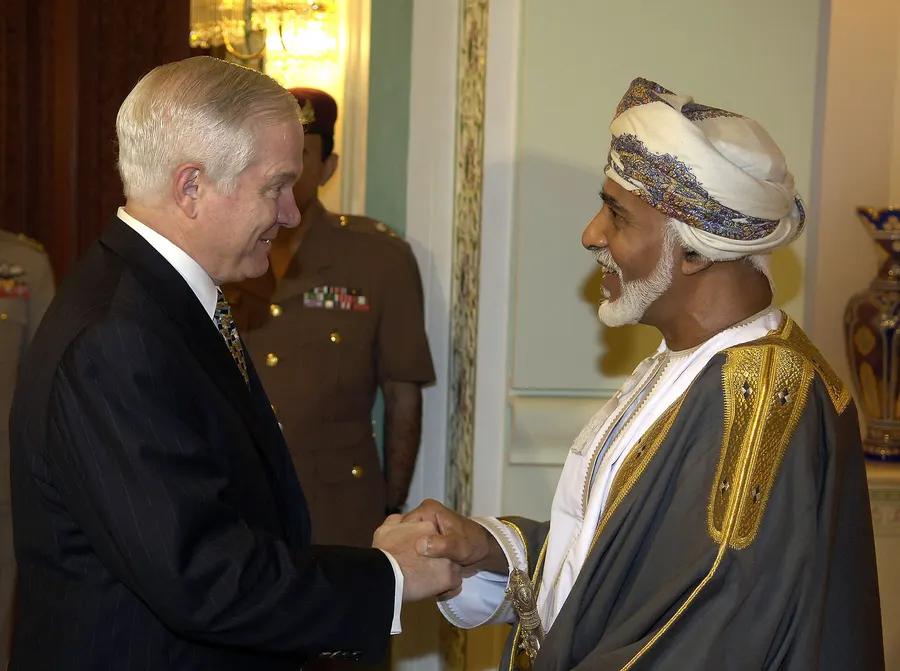
Sultan Said bin Taimur had ruled Muscat and Oman since 1932 and kept it one of the most isolated countries in the world, with very few schools, hospitals or roads, even after oil exports began in the late 1960s. A rebellion was growing in the southern province of Dhofar. His only son, Qaboos, had been educated in England and trained at Sandhurst, but on his return his father kept him almost confined to the palace at Salalah for six years.
On 23 July 1970, with British support, Qaboos and his allies moved against his father in the Salalah palace. After a brief scuffle the old sultan signed his abdication and was flown into exile in London, where he died two years later. Qaboos, then 29, renamed the country the Sultanate of Oman and spent its oil money on schools, hospitals and roads, and with outside help his forces defeated the Dhofar rebels by the mid-1970s. He ruled for almost 50 years, until his death in January 2020.
Read the full storyHistory & Timeline →Source: Britannica: Qaboos bin Said ↗