
HISTORY & TIMELINE
23 July

A journey through
23 July in history

The story of 23 July runs from Robert Emmet’s doomed rising in Dublin in 1803 to the opening of the delayed Tokyo Olympics in 2021. In between come the treaty that divided Patagonia between Chile and Argentina, Austria-Hungary’s ultimatum to Serbia, the first congress of the Chinese Communist Party, the Free Officers’ coup in Egypt, the palace coup that made Qaboos Sultan of Oman, the launch of the first Landsat satellite, the first Asian in space, the Gimli Glider, the fall of Burma’s Ne Win, Megawati Sukarnoputri’s rise to the presidency of Indonesia and the reopening of Mostar’s Old Bridge.

JUMP THROUGH TIME
IV
THE NINETEENTH CENTURY

The 1800s

Industry, empire, invention, reform and a century of enormous transformation.

1803
Robert Emmet in a miniature by John Comerford, believed to have been sketched at his trial in 1803Robert Emmet in a miniature by John Comerford, believed to have been sketched at his trial in 1803Image: John Comerford · Public domain
politics · Europe

Robert Emmet’s rising fails in Dublin

Robert Emmet, a 25-year-old Protestant nationalist, planned to seize Dublin Castle and restart the Irish revolt crushed in 1798. An explosion at one of his secret arms depots forced him to act early, and on the evening of 23 July 1803 he led a small band out into the streets. Most of his expected men never arrived, the rising collapsed into rioting, and the Lord Chief Justice, Lord Kilwarden, was piked to death in Thomas Street. Emmet was caught, and hanged on 20 September after a famous speech from the dock.

Source: Dictionary of Irish Biography: Emmet, Robert ↗
1881
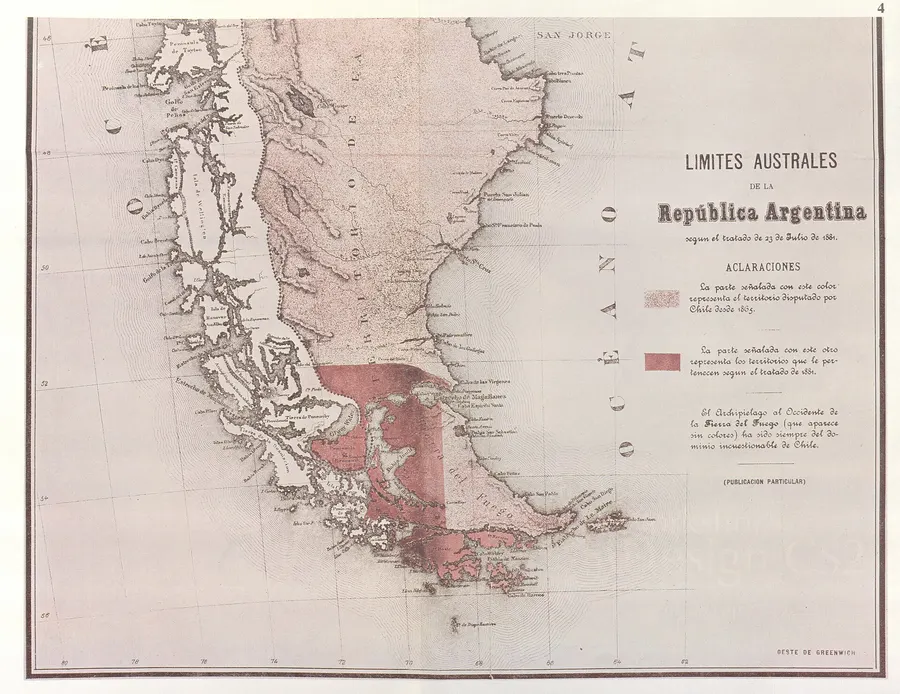
Part of an early Argentine map showing the boundary laid down by the treaty of 1881, from La Ilustración ArgentinaPart of an early Argentine map showing the boundary laid down by the treaty of 1881, from La Ilustración ArgentinaImage: La Ilustración Argentina (magazine) · Public domain
politics · Americas

Chile and Argentina divide Patagonia

When Spain’s empire in South America broke up, Chile and Argentina inherited a vague frontier running through the Andes and down into the thinly settled lands of Patagonia and Tierra del Fuego. Both claimed the far south, and by the late 1870s the quarrel had brought them close to war. In 1879 Chile went to war with Peru and Bolivia, and with its army busy in the north it had good reason to settle with Argentina. With the United States ministers in Santiago and Buenos Aires acting as go-betweens, the two countries signed a boundary treaty in Buenos Aires on 23 July 1881. The border was to follow the highest peaks of the Andes that divide the waters as far south as latitude 52°S. Argentina gained most of eastern Patagonia, Chile kept both shores of the Strait of Magellan, which was to be neutral and open to all shipping, and Tierra del Fuego was split between them. Arguments over how to apply the treaty lasted for more than a century, including the Beagle Channel dispute settled in 1984.

Source: United Nations, Reports of International Arbitral Awards: Cordillera of the Andes Boundary Case (Argentina, Chile) ↗
V
THE TWENTIETH CENTURY

The 1900s

War and peace, technological leaps, social change, politics, sport and popular culture.

1914
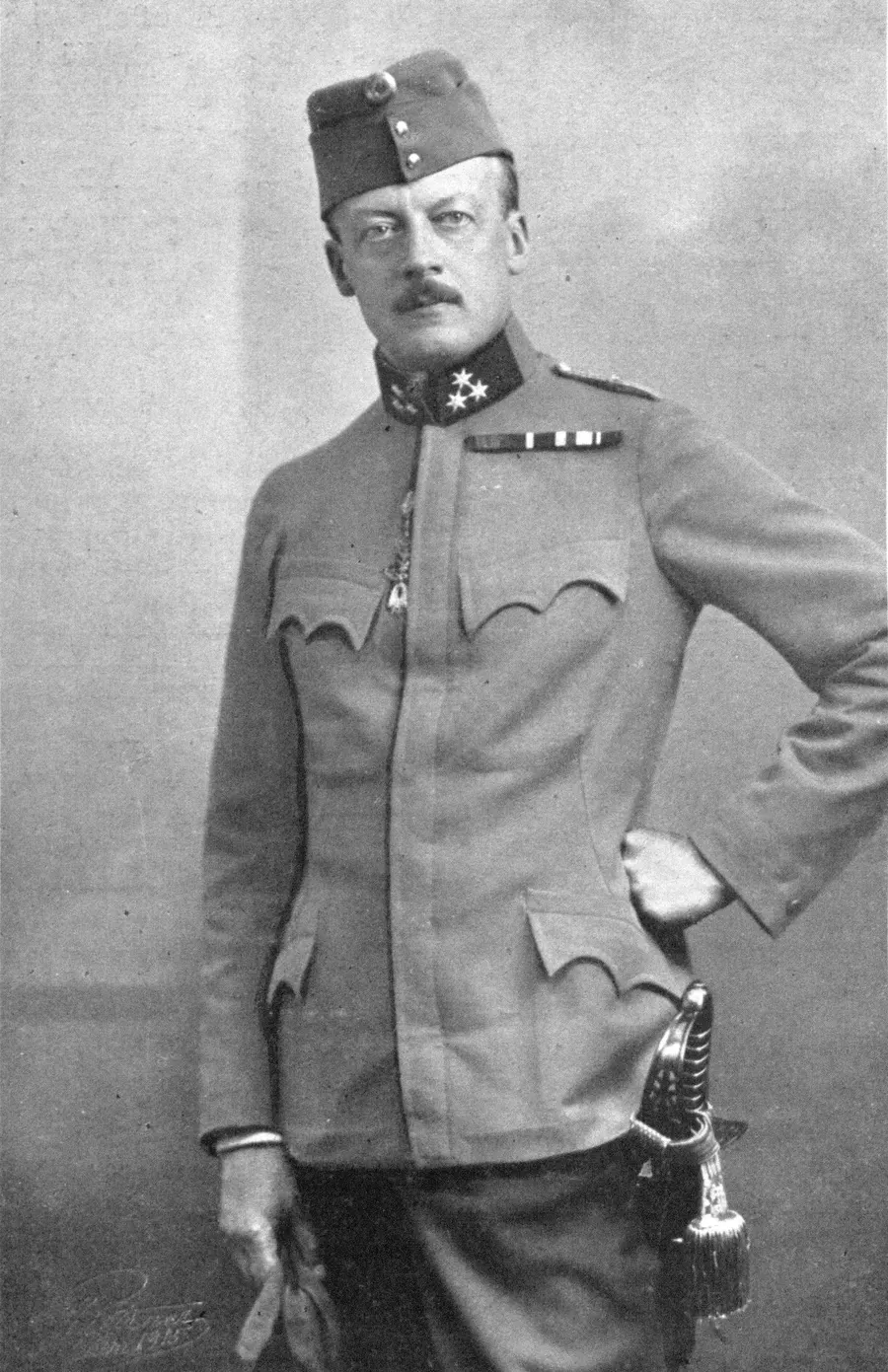
Count Leopold Berchtold, Austria-Hungary's foreign minister in 1914, photographed in uniform by Carl Pietzner in 1915Count Leopold Berchtold, Austria-Hungary’s foreign minister in 1914, photographed in uniform by Carl Pietzner in 1915Image: Carl Pietzner · Public domain
world · Europe

Austria-Hungary hands Serbia its ultimatum

On 28 June 1914 Archduke Franz Ferdinand, heir to the Austro-Hungarian throne, was shot dead in Sarajevo by Gavrilo Princip, a young Bosnian Serb. The government in Vienna believed that the plot had been armed and organised from neighbouring Serbia, and its foreign minister, Count Leopold Berchtold, saw a chance to crush a rival that had long stirred up the Empire’s South Slav subjects. Germany promised its support, and for three weeks Vienna drafted its demands in secret. At six in the evening on 23 July 1914 the Austro-Hungarian minister in Belgrade handed the Serbian government a note with ten demands and a deadline of 48 hours. Serbia was to suppress anti-Austrian newspapers and societies and to let Austro-Hungarian officials take part in the inquiry on Serbian soil. The British foreign secretary, Sir Edward Grey, said he had never seen one independent state send another so formidable a document. Serbia’s reply on 25 July accepted almost everything, but not all, and on 28 July Austria-Hungary declared war. Within a week most of Europe was fighting.

Source: Britannica: Austria, conflict with Serbia ↗
1921
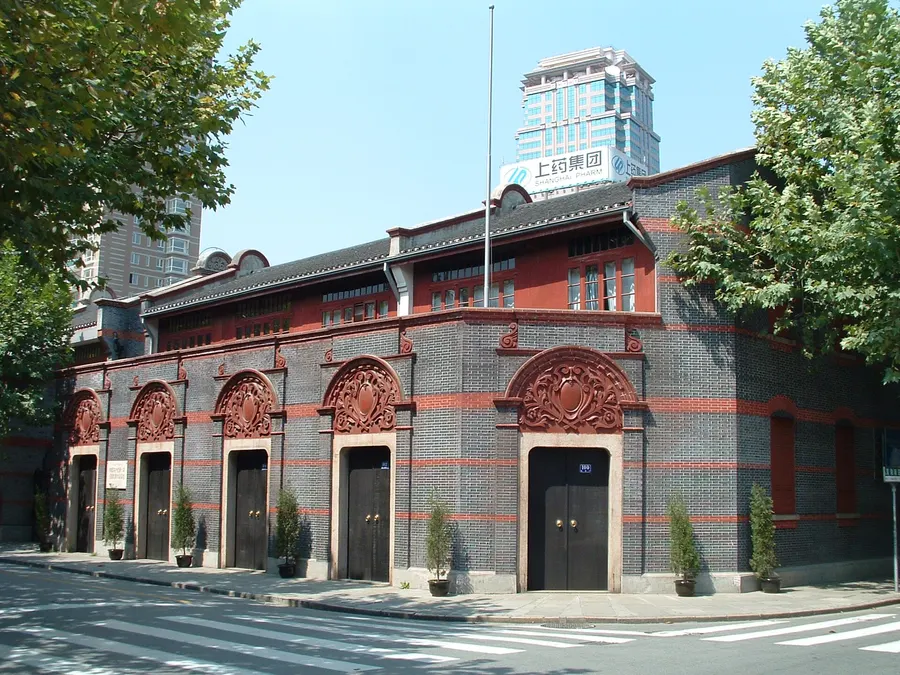
The house in Shanghai's former French Concession where the first congress of the Chinese Communist Party opened, now a museumThe house in Shanghai’s former French Concession where the first congress of the Chinese Communist Party opened, now a museumImage: Pyzhou · CC BY-SA 3.0
politics · Asia

The Chinese Communist Party holds its first congress

After the May Fourth protests of 1919, many young Chinese intellectuals turned to Marxism in search of a way to save a divided and weakened country, and small communist groups sprang up in Beijing, Shanghai and other cities, encouraged by agents of the Communist International sent from Moscow. In the summer of 1921 they agreed to meet and found a national party. On 23 July 1921 thirteen delegates, representing a few dozen members, gathered in a house in the French Concession of Shanghai, joined by two Comintern representatives; one of the delegates was a 27-year-old schoolteacher from Hunan, Mao Zedong. About a week later a stranger looked into the meeting and the police searched the house soon afterwards, so the delegates finished their work on a hired pleasure boat on the South Lake at Jiaxing. The party later chose 1 July as its official founding day. It came to power in 1949 and has ruled China ever since.

Source: Chinese Culture Centre of Hong Kong: The official founding of the Chinese Communist Party ↗
1952
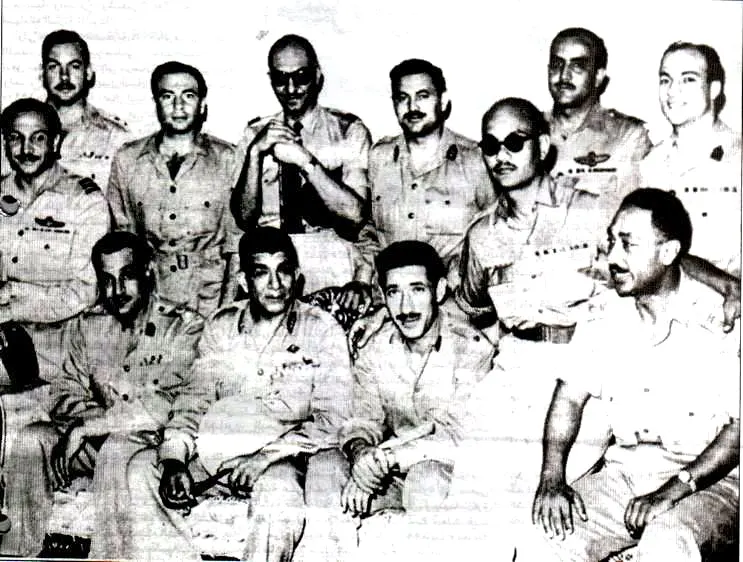
Members of the Free Officers in 1952; seated in the front row are Gamal Abdel Nasser, Muhammad Naguib, Abdel Hakim Amer and Anwar SadatMembers of the Free Officers in 1952; seated in the front row are Gamal Abdel Nasser, Muhammad Naguib, Abdel Hakim Amer and Anwar SadatImage: Unknown author · Public domain
politics · Africa

Egypt’s Free Officers seize power

By 1952 King Farouk was widely despised in Egypt for his extravagance and for the corruption of his court, British troops still guarded the Suez Canal, and the army was bitter after its defeat in the war over Palestine in 1948. In January 1952 riots and fires swept central Cairo. A secret group of young officers, the Free Officers, founded by Gamal Abdel Nasser, had been planning to act for some time. During the night of 22-23 July 1952 they took over army headquarters and key points in Cairo with almost no bloodshed, and on the morning of 23 July one of them, Anwar Sadat, announced the takeover on the radio. General Muhammad Naguib, a respected senior officer, was the public face of the movement, but Nasser was the real power. Farouk was forced to abdicate three days later and sailed into exile, Egypt became a republic in 1953, and Nasser took full control in 1954. 23 July is still a national holiday in Egypt, Revolution Day.

Source: Britannica: Free Officers ↗
1970
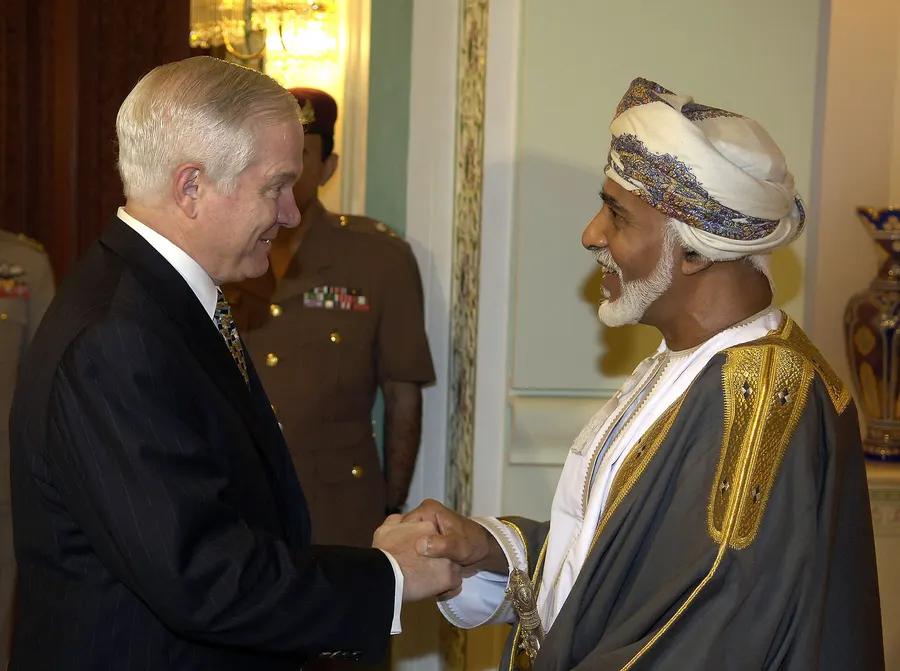
Sultan Qaboos of Oman in 2008, nearly four decades into his reign, welcoming the US defence secretary Robert GatesSultan Qaboos of Oman in 2008, nearly four decades into his reign, welcoming the US defence secretary Robert GatesImage: Defense Dept. photo by U.S. Air Force Tech. Sgt. Jerry Morrison · Public domain
politics · Middle East

Qaboos overthrows his father and takes over Oman

Sultan Said bin Taimur had ruled Muscat and Oman since 1932 and kept it one of the most isolated countries in the world, with very few schools, hospitals or roads, even after oil exports began in the late 1960s. A rebellion was growing in the southern province of Dhofar. His only son, Qaboos, had been educated in England and trained at Sandhurst, but on his return his father kept him almost confined to the palace at Salalah for six years. On 23 July 1970, with British support, Qaboos and his allies moved against his father in the Salalah palace. After a brief scuffle the old sultan signed his abdication and was flown into exile in London, where he died two years later. Qaboos, then 29, renamed the country the Sultanate of Oman and spent its oil money on schools, hospitals and roads, and with outside help his forces defeated the Dhofar rebels by the mid-1970s. He ruled for almost 50 years, until his death in January 2020.

Source: Britannica: Qaboos bin Said ↗
1972
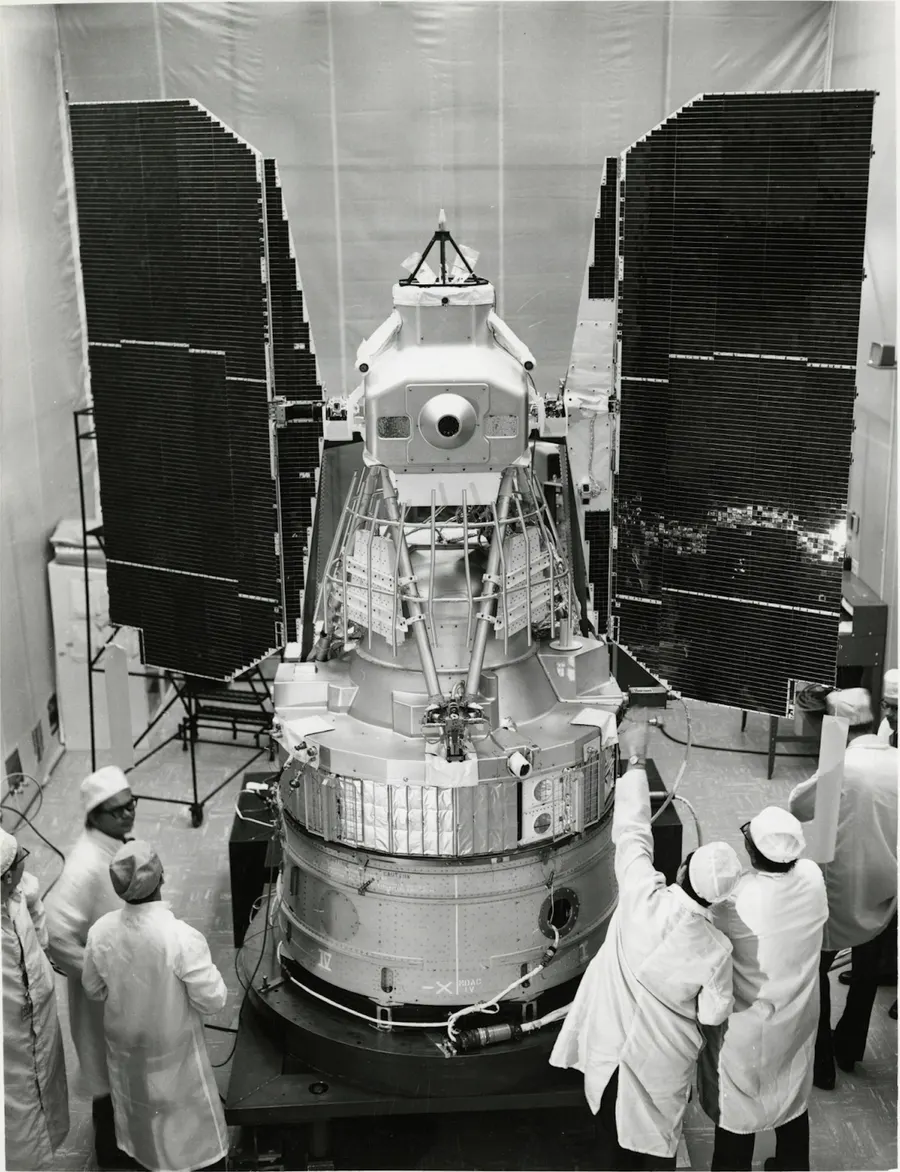
Landsat 1 with its solar panels spread, during testing at the General Electric plant at Valley ForgeLandsat 1 with its solar panels spread, during testing at the General Electric plant at Valley ForgeImage: NASA · Public domain
science · Americas

The first Landsat satellite is launched

On 23 July 1972 NASA launched the Earth Resources Technology Satellite from Vandenberg Air Force Base in California, the first satellite built to study the land surface of the Earth; it was later renamed Landsat 1. Designed to last a year, it worked for almost six, recording about three-quarters of the Earth’s surface in several bands of light. Its successors have kept watch ever since, making Landsat the longest continuous record of the planet from space, used to track farms, forests, cities and ice.

Source: US Geological Survey: Landsat 1 ↗
1980
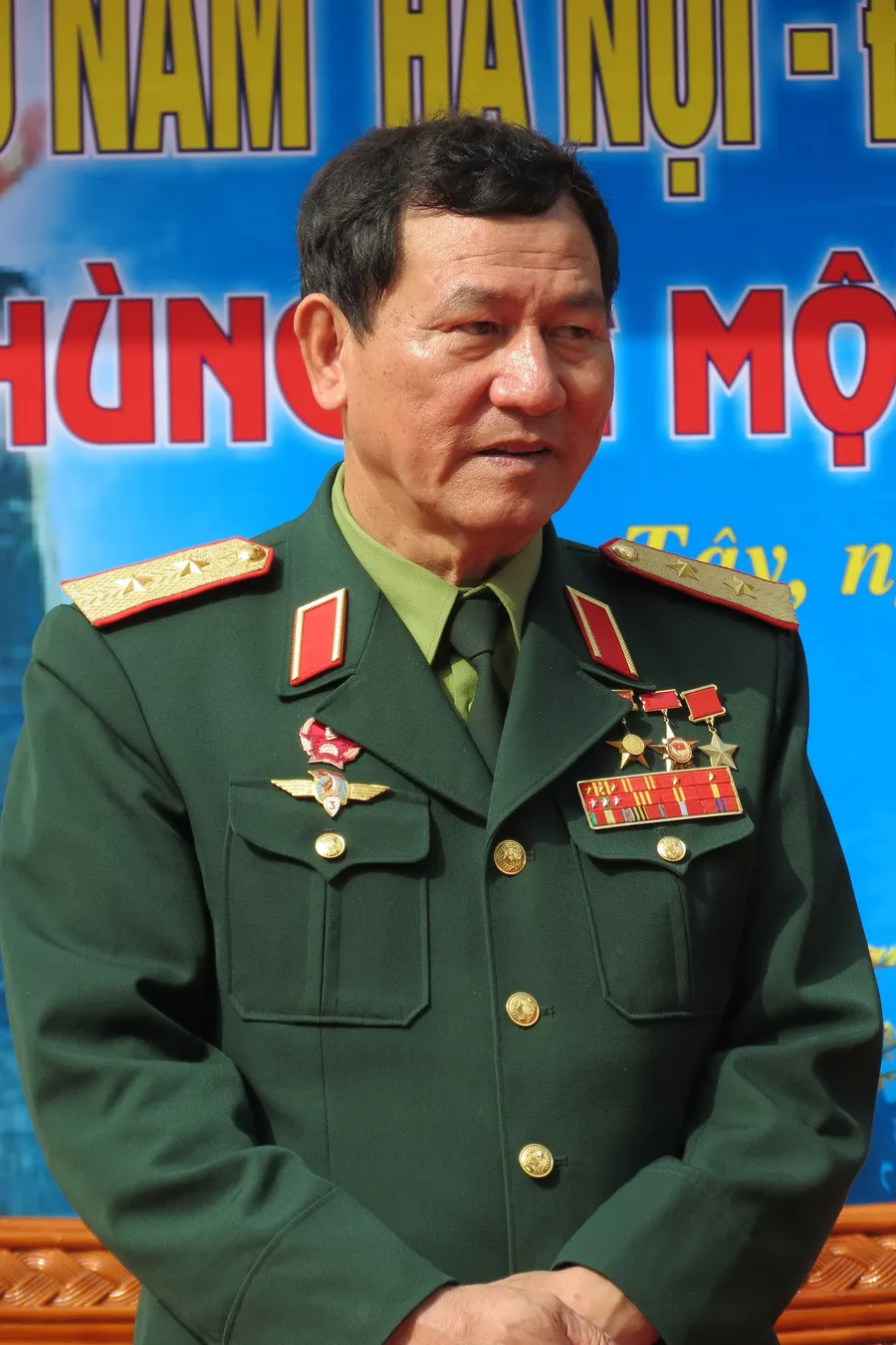
Phạm Tuân, who flew on Soyuz 37, photographed in later life in Vietnamese army uniformPhạm Tuân, who flew on Soyuz 37, photographed in later life in Vietnamese army uniformImage: Duyphuong · CC BY 3.0
world · Asia

Phạm Tuân becomes the first Asian in space

Under the Soviet Intercosmos programme, pilots from allied countries flew week-long visits to the Salyut 6 space station. On 23 July 1980 the Vietnamese air force pilot Phạm Tuân was launched from Baikonur aboard Soyuz 37 with the Soviet cosmonaut Viktor Gorbatko, becoming the first Vietnamese citizen and the first Asian to travel into space. During almost eight days in orbit he photographed Vietnam from above and ran experiments, including growing a Vietnamese water fern.

Source: Britannica: Pham Tuan ↗
1983
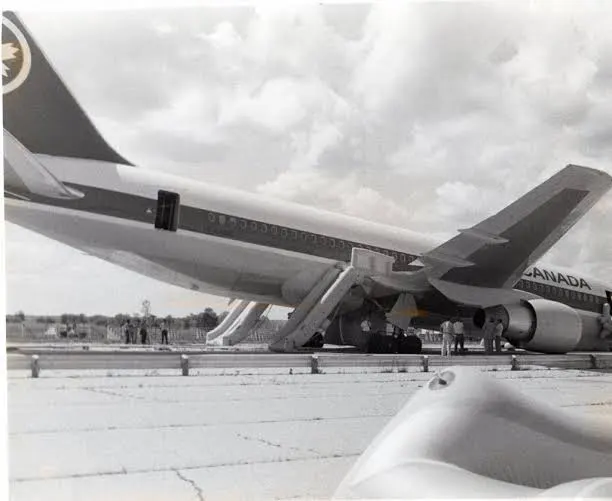
Air Canada Flight 143 on the old runway at Gimli, Manitoba, resting nose-down after its emergency landing, with its escape slides outAir Canada Flight 143 on the old runway at Gimli, Manitoba, resting nose-down after its emergency landing, with its escape slides outImage: FAA · Public domain
science · Americas

The ‘Gimli Glider’ lands with empty tanks

In 1983 Canada was changing over to metric measures, and Air Canada’s new Boeing 767s were among the first of its aircraft to measure fuel in kilograms rather than pounds. On 23 July 1983 the fuel gauges on one of them were not working, so the crew in Montreal worked out the fuel load by hand. They used the conversion figure for pounds instead of kilograms, and Flight 143 to Edmonton took off with less than half the fuel it needed. High over north-western Ontario both engines stopped, leaving the airliner gliding with most of its instruments dark. Captain Bob Pearson, an experienced glider pilot, could not reach Winnipeg, and his first officer, Maurice Quintal, remembered a former air force base at Gimli, Manitoba, now partly used as a racetrack. Pearson brought the 767 down onto the old runway about 17 minutes after the fuel ran out; the nose wheel collapsed, but all 69 people on board survived. The aircraft, repaired, flew on for another 25 years.

Source: CBC Archives: When a metric mix-up led to the ‘Gimli Glider’ emergency ↗
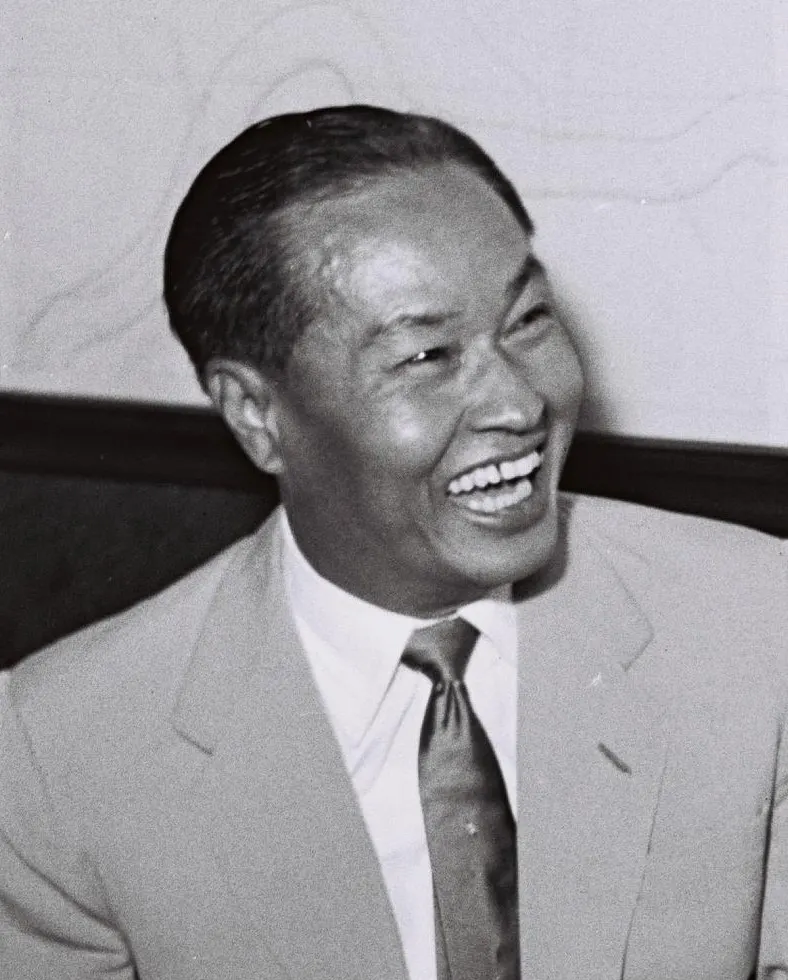
1988
General Ne Win on a visit to Jerusalem in 1959General Ne Win on a visit to Jerusalem in 1959Image: Moshe Pridan · Public domain
politics · Asia

Burma’s ruler Ne Win steps down

General Ne Win had ruled Burma since his coup of 1962, leading the country into isolation and poverty. In 1988 student protests spread into a nationwide movement, and on 23 July, at an emergency congress of his Burma Socialist Programme Party, he announced that he was resigning and proposed a referendum on multi-party rule. The protests grew into the general strike of 8 August 1988, which was violently crushed, and on 18 September the army seized power outright.

Source: Britannica: U Ne Win ↗
VI
2000 TO TODAY

Modern Day

The events of recent decades that have already become part of the historical record.

2001
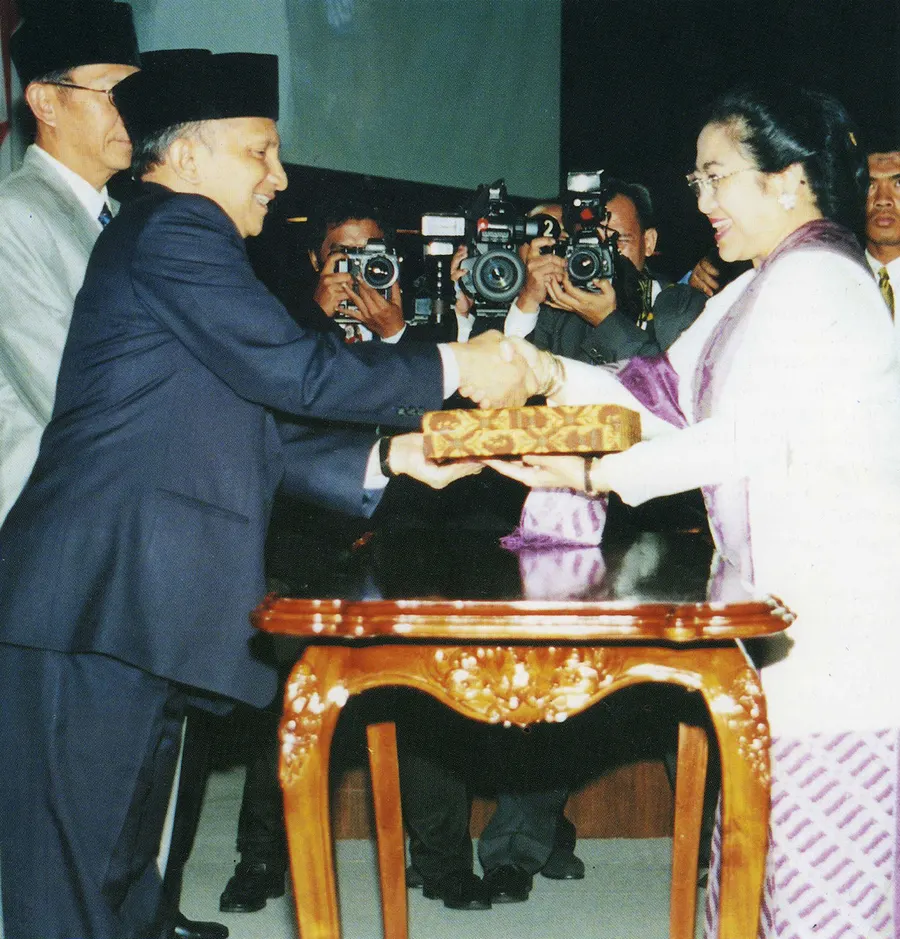
Megawati receives the result of the assembly's special session after being named president in July 2001Megawati receives the result of the assembly’s special session after being named president in July 2001Image: National Information Agency Republic of Indonesia · Public domain
politics · Asia

Megawati Sukarnoputri becomes Indonesia’s first woman president

Megawati Sukarnoputri, daughter of Indonesia’s founding president Sukarno, led the largest party in the 1999 election but lost the vote in the People’s Consultative Assembly to the Muslim cleric Abdurrahman Wahid, becoming his vice-president. As his government lurched from crisis to crisis, the assembly met in special session, and on 23 July 2001 it removed Wahid from office and made Megawati president. She was sworn in the same day, the first woman to lead the world’s most populous Muslim-majority country, and served until 2004.

Source: Britannica: Megawati Sukarnoputri ↗
2004
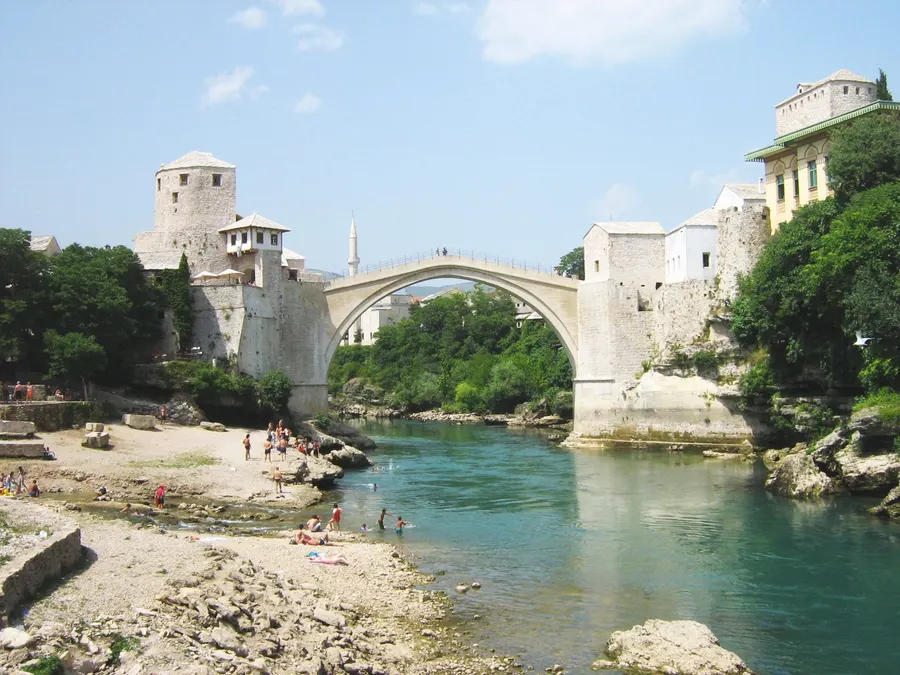
The rebuilt Old Bridge, Stari Most, over the Neretva river in Mostar, photographed in 2006The rebuilt Old Bridge, Stari Most, over the Neretva river in Mostar, photographed in 2006Image: Mhare (Wikimedia Commons) · CC BY-SA 2.5
culture · Europe

Mostar’s Old Bridge is reopened

The Old Bridge at Mostar, in Bosnia and Herzegovina, was built in 1566 for the Ottoman sultan Suleiman the Magnificent by the architect Mimar Hayruddin, a pupil of the great Sinan. Its single slender stone arch leapt high over the Neretva river, and for more than four centuries it was the symbol of a town where Muslims, Catholic Croats and Orthodox Serbs lived side by side. Local young men proved their courage by diving from it into the river below. During the Bosnian war the bridge was shelled, and on 9 November 1993 it collapsed into the river. After the war UNESCO, the World Bank and several countries paid to rebuild it exactly, using stone from the original quarry and some of the old blocks lifted from the riverbed. On 23 July 2004 the new bridge was inaugurated before crowds and visiting leaders, as a hoped-for sign of reconciliation. In 2005 the Old Bridge area of Mostar was added to the World Heritage List.

Source: UNESCO World Heritage Centre: Creating reconciliation, Mostar Bridge ↗
2021
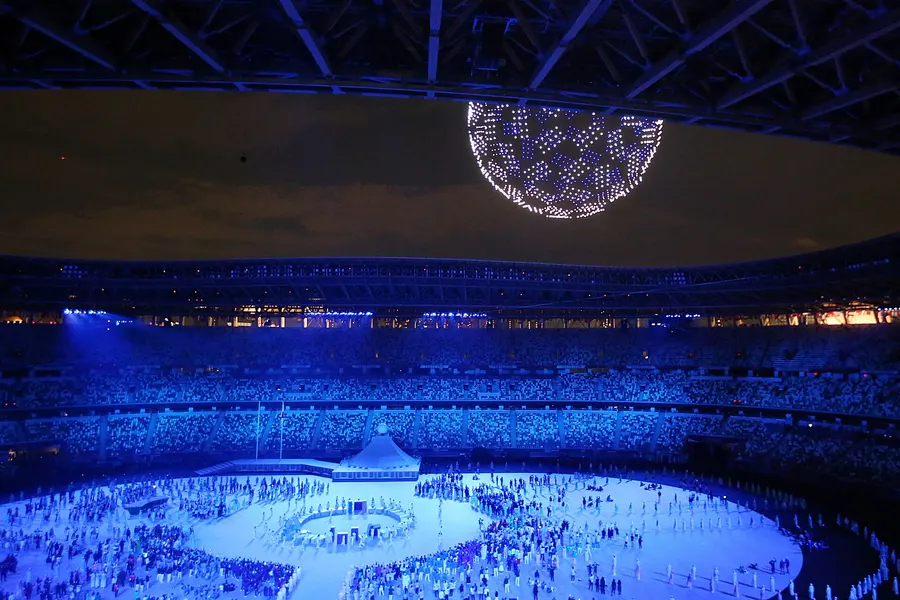
Drones form a globe above the Olympic Stadium during the opening ceremony of the Tokyo GamesDrones form a globe above the Olympic Stadium during the opening ceremony of the Tokyo GamesImage: Breno Barros · CC BY 3.0 br
sport · Asia

The delayed Tokyo Olympics open in an empty stadium

Tokyo was due to hold the Summer Olympics in 2020, but in March of that year the Covid-19 pandemic forced the Games to be postponed for a year, the first time in their history that the Olympics had been put back rather than cancelled. They kept the name Tokyo 2020. Even a year later infections were rising in Japan, and spectators were barred from the venues in and around the capital. The opening ceremony was held on 23 July 2021 in the new Olympic Stadium, in front of rows of empty seats and a few hundred invited guests. Athletes from more than 200 teams, including the Refugee Olympic Team, paraded in masks, and a globe made of more than 1,800 drones hovered above the stadium. The tennis star Naomi Osaka, whose father is Haitian and mother Japanese, was the final torchbearer and lit the cauldron.

Source: Olympics.com: Naomi Osaka lights the Olympic cauldron as Tokyo 2020 gets underway ↗
WHY THESE MOMENTS?

Significance before volume

This page is not the longest possible list of events. It is a chronological journey through 23 July, where each entry is chosen for historical significance, human interest and reliability.

Facts are checked against authoritative museums, archives, universities and reference works. Where sources disagree, the page says so.

EXPLORED THE DEEPER STORY?

Return to the highlights of 23 July

Discover the lighter side of the date with famous birthdays, culture, firsts and lives remembered.

Explore This Day →
← PREVIOUS DAY22 July
HISTORY & TIMELINE23 July
NEXT DAY →24 July