
HISTORY & TIMELINE
22 July

A journey through
22 July in history

The story of 22 July runs from William Wallace’s defeat at Falkirk in 1298 to the attacks in Oslo and on Utøya in 2011. In between come the relief of Belgrade, the first recorded entry for The Merchant of Venice, Alexander Mackenzie’s arrival at the Pacific, Spain’s rout at Annual, Wiley Post’s solo flight around the world, the start of the great deportation from the Warsaw ghetto, the close of the Bretton Woods conference, India’s new flag, the loss of Mariner 1, Saïd Aouita’s sub-13-minute 5,000 metres and the longest total eclipse of the century.

II
THE MIDDLE AGES

Medieval History

Kingdoms, conflict, faith, power and the changing medieval world.

1298
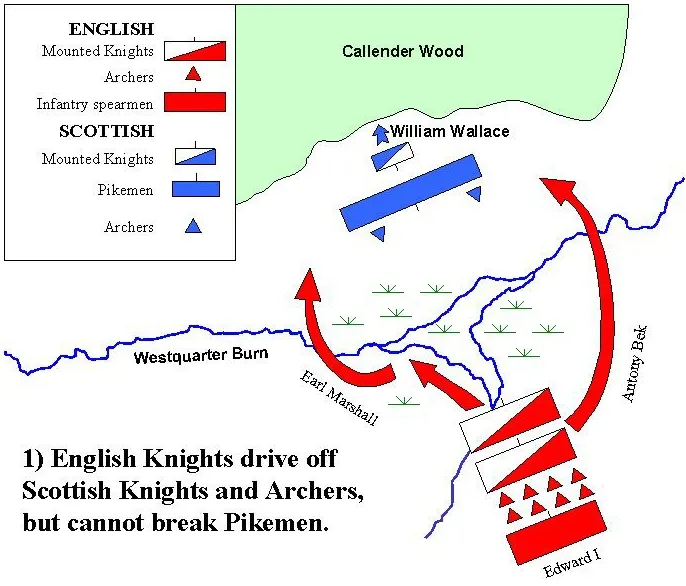
A plan of the battle of Falkirk: the English knights charge but cannot break Wallace's pikemenA plan of the battle of Falkirk: the English knights charge but cannot break Wallace’s pikemenImage: Mike Young · Public domain
world · Europe

Edward I defeats William Wallace at Falkirk

A year after William Wallace’s victory at Stirling Bridge, Edward I of England marched into Scotland with a large army that included Welsh and English archers. On 22 July 1298 Wallace drew up his spearmen near Falkirk in four tight rings called schiltrons. The English cavalry could not break them, but the archers shot them to pieces and the knights then rode in. The defeat ruined Wallace’s standing; he gave up the guardianship of Scotland and was executed in 1305.

Source: Britannica: Battle of Falkirk ↗
1456
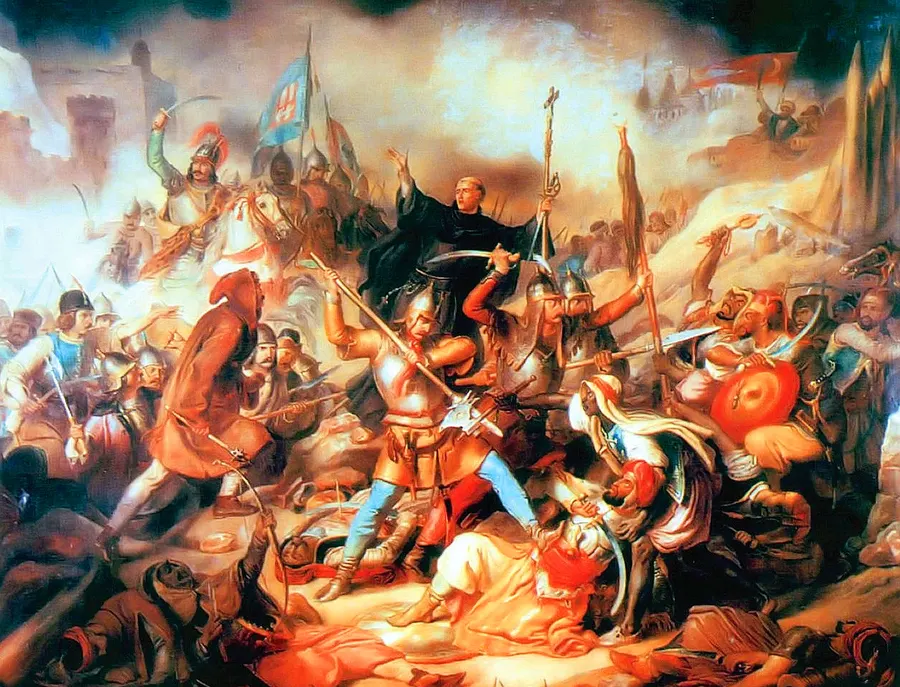
A painting of the fighting at Belgrade in 1456, with the Hungarian defenders clashing with Ottoman troopsA painting of the fighting at Belgrade in 1456, with the Hungarian defenders clashing with Ottoman troopsImage: Unknown artist · Public domain
world · Europe

Hunyadi breaks the Ottoman siege of Belgrade

Three years after taking Constantinople in 1453, the young Ottoman sultan Mehmed II turned north towards Hungary. The fortress of Belgrade, where the Sava meets the Danube, was Hungary’s gateway, and in early July 1456 Mehmed surrounded it with a large army, heavy cannon and a river fleet. The Hungarian commander János Hunyadi broke through the Ottoman boats on the Danube to reinforce the garrison, while the Franciscan preacher John of Capistrano brought a crowd of poorly armed crusaders to the walls. The Ottomans stormed the town on the night of 21 July and were thrown back. On 22 July 1456 the defenders’ counter-attack spilled out of the fortress into the besiegers’ camp, Mehmed was wounded, and that night the Ottoman army withdrew, abandoning its guns. The victory held off the Ottoman advance into Hungary for some 70 years. Hunyadi did not live to enjoy it: he died of plague in the camp a few weeks later, on 11 August.

Source: Britannica: János Hunyadi ↗
III
A CHANGING WORLD

Early Modern Era

Exploration, political change, scientific development and expanding global connections.

1598
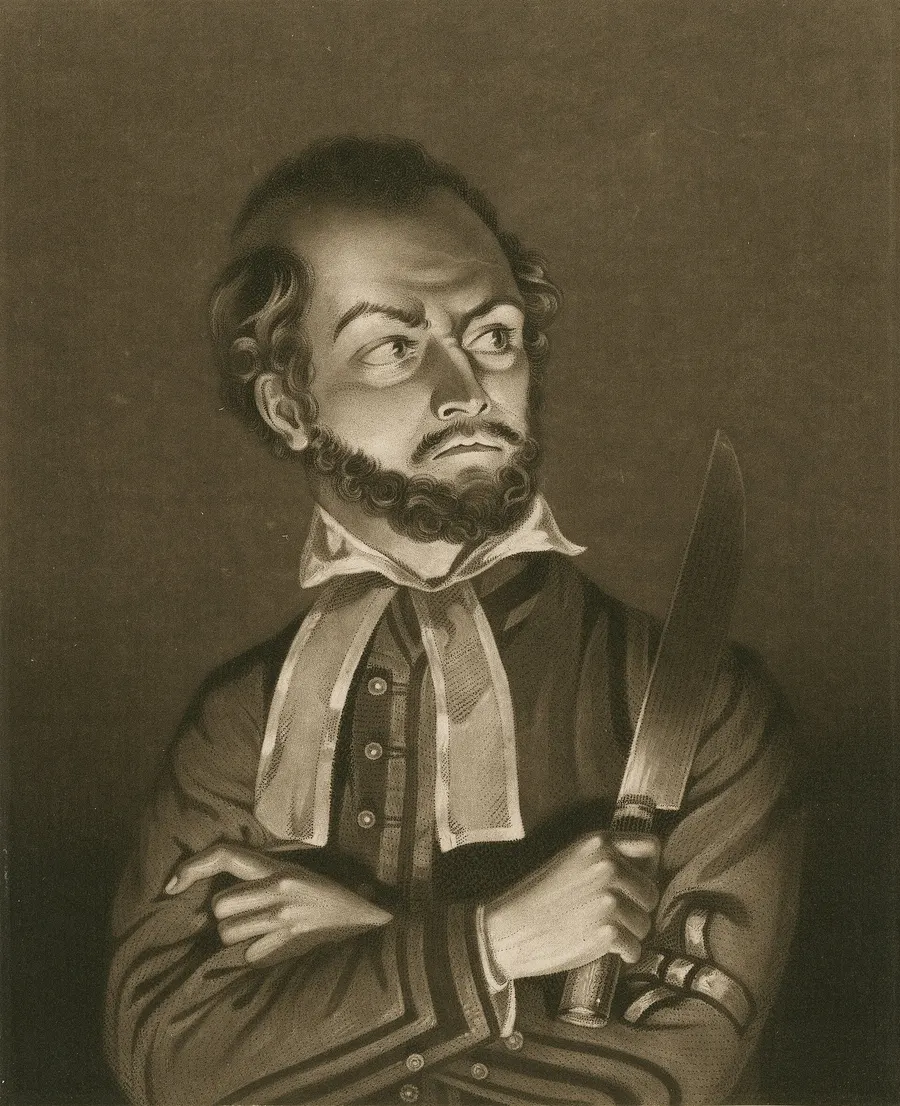
The actor Edmund Kean as Shylock, the role that made his name at Drury Lane in 1814The actor Edmund Kean as Shylock, the role that made his name at Drury Lane in 1814Image: Henry Hoppner Meyer (printmaker) · CC BY-SA 4.0
culture · Europe

The Merchant of Venice is entered in the Stationers’ Register

In Elizabethan London a printer who wanted the sole right to publish a book entered its title in the register kept by the Stationers’ Company, the guild of the book trade. On 22 July 1598 the printer James Roberts entered ‘a booke of the Marchaunt of Venyce or otherwise called the Jewe of Venyce’, with the condition that it was not to be printed without permission from the Lord Chamberlain, whose company of actors, Shakespeare’s company, performed it. The entry is the earliest record of the play, which Shakespeare probably wrote in about 1596 or 1597. Roberts printed the first edition in 1600. The story of Antonio, the merchant who pledges a pound of his flesh to the moneylender Shylock, and of Portia, who saves him in court, has been one of Shakespeare’s most performed comedies ever since, and one of his most argued over, for its treatment of Shylock as a Jew.

Source: Folger Shakespeare Library, Shakespeare Documented: Stationers’ Register entry for The Merchant of Venice ↗
1793
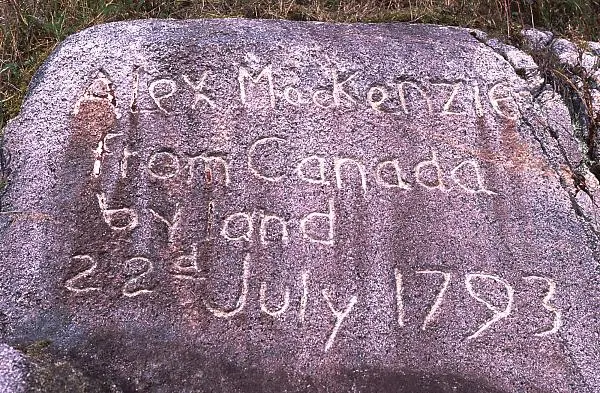
Mackenzie's message, later cut into the rock on the Dean Channel where he painted it in 1793Mackenzie’s message, later cut into the rock on the Dean Channel where he painted it in 1793Image: Frank Schulenburg · CC BY-SA 3.0
world · Americas

Alexander Mackenzie reaches the Pacific ‘from Canada, by land’

Alexander Mackenzie was a Scottish-born fur trader with the North West Company who wanted to find a route from the fur country west of Hudson Bay to the Pacific. In 1789 he had followed a great river north, hoping it would lead west, only to reach the Arctic Ocean; the river now bears his name. In October 1792 he set out again from Fort Chipewyan on Lake Athabasca, wintered on the Peace River and in May 1793 pushed on with nine companions by canoe and on foot across the Rocky Mountains. Guided along trading trails by local First Nations, the party came down the Bella Coola river to the sea. On 22 July 1793, on a rock beside the Dean Channel in what is now British Columbia, Mackenzie mixed vermilion with grease and wrote: ‘Alexander Mackenzie, from Canada, by land, the 22nd of July, 1793.’ He was the first European known to have crossed North America north of Mexico, twelve years before Lewis and Clark.

Source: The Canadian Encyclopedia: Sir Alexander Mackenzie ↗
V
THE TWENTIETH CENTURY

The 1900s

War and peace, technological leaps, social change, politics, sport and popular culture.

1921
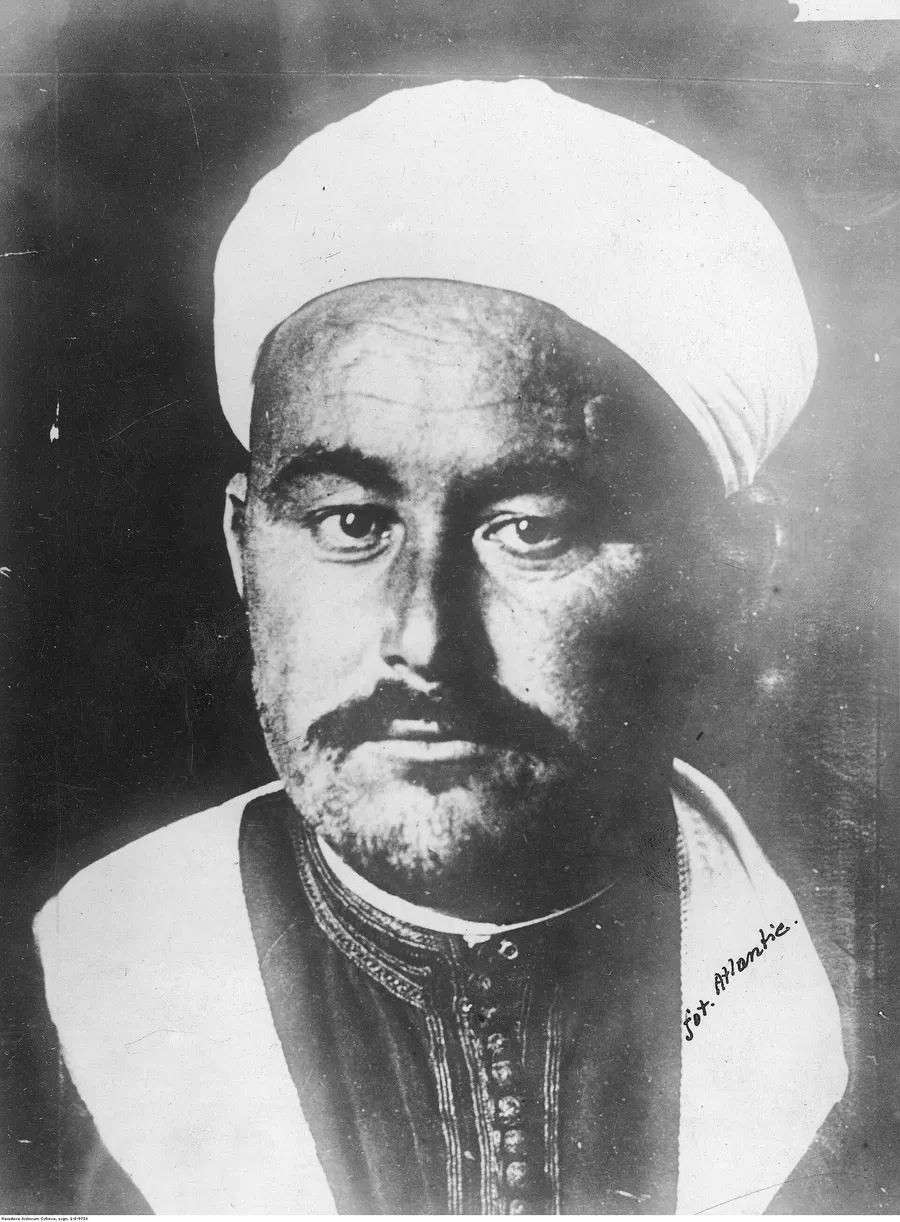
Abd el-Krim, leader of the Rif resistance to Spanish rule in northern MoroccoAbd el-Krim, leader of the Rif resistance to Spanish rule in northern MoroccoImage: Unknown author · Public domain
world · Africa

Abd el-Krim’s Rif fighters rout the Spanish army at Annual

In 1912 northern Morocco became a Spanish protectorate, but the Berber tribes of the Rif mountains never accepted it. Their leader, Muhammad ibn Abd el-Krim al-Khattabi, a former judge and newspaper editor who had worked for the Spanish in Melilla, united the tribes against them. In the summer of 1921 General Manuel Fernández Silvestre pushed a line of forts deep into the Rif, and in June and July Abd el-Krim’s fighters began picking them off. On 22 July 1921, with his camp at Annual surrounded and short of water, Silvestre ordered it abandoned. The retreat turned into a panic, the fall-back posts collapsed one after another and Silvestre was killed. Britannica puts the Spanish dead at 8,000 to 10,000, and Spain lost everything it had taken in the east of the protectorate since 1909. The disaster shook Spanish politics, and Abd el-Krim became a hero to opponents of colonial rule far beyond Morocco.

Source: Britannica: Battle of Annual ↗
1933
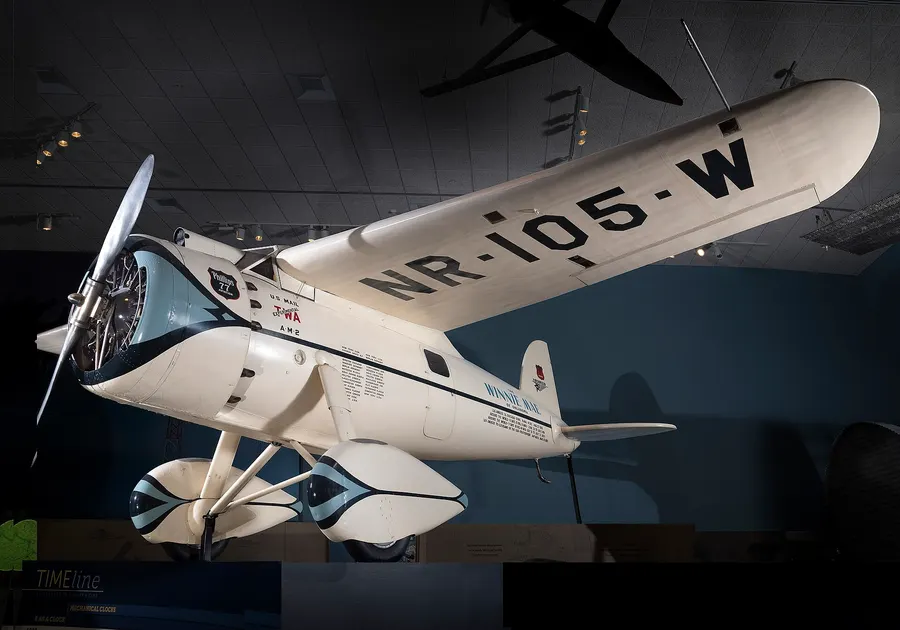
The Winnie Mae, Wiley Post's Lockheed Vega, on display at the National Air and Space MuseumThe Winnie Mae, Wiley Post’s Lockheed Vega, on display at the National Air and Space MuseumImage: National Air and Space Museum · CC0
world · Americas

Wiley Post completes the first solo flight around the world

The one-eyed Oklahoma pilot Wiley Post had already flown around the world with a navigator in 1931. In July 1933 he set off alone from New York in the same Lockheed Vega, the Winnie Mae, relying on two new devices, an automatic pilot and a radio direction finder. Despite repairs along the way, he landed back at Floyd Bennett Field on 22 July 1933 after 7 days, 18 hours and 49 minutes, the first person to fly solo around the world.

Source: Smithsonian National Air and Space Museum: Lockheed Vega Winnie Mae ↗
1942
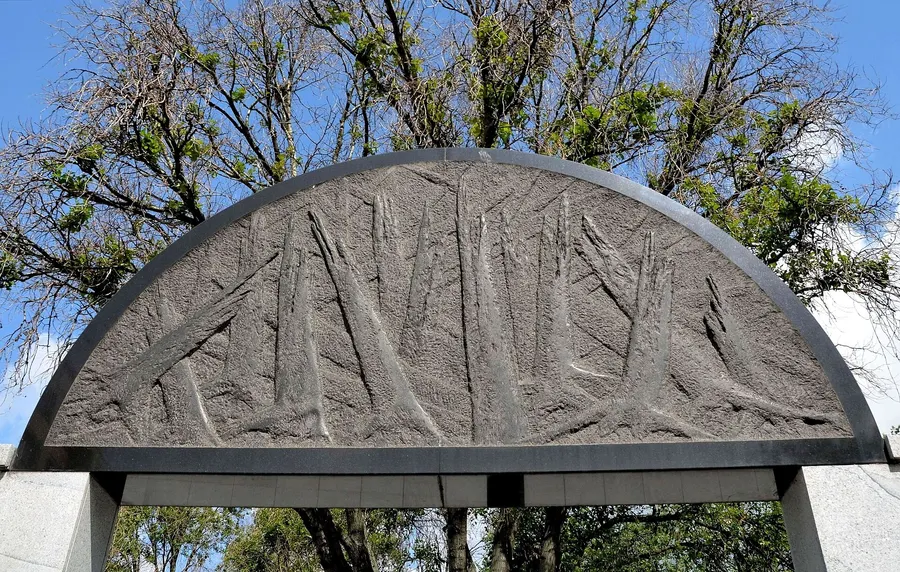
The Umschlagplatz memorial in Warsaw, at the place from which the ghetto's Jews were deportedThe Umschlagplatz memorial in Warsaw, at the place from which the ghetto’s Jews were deportedImage: Adrian Grycuk · CC BY-SA 3.0 pl
world · Europe

The great deportation from the Warsaw ghetto begins

About 400,000 Jews had been crowded into the Warsaw ghetto by German occupiers. On 22 July 1942 the SS and police began mass deportations, forcing people to the Umschlagplatz, a rail siding on the ghetto’s edge, and into freight wagons bound for the Treblinka killing centre. By 21 September about 265,000 had been deported and murdered there, and some 35,000 more were killed in the ghetto. The survivors rose in revolt in 1943.

Source: United States Holocaust Memorial Museum: Deportations to and from the Warsaw Ghetto ↗
1944
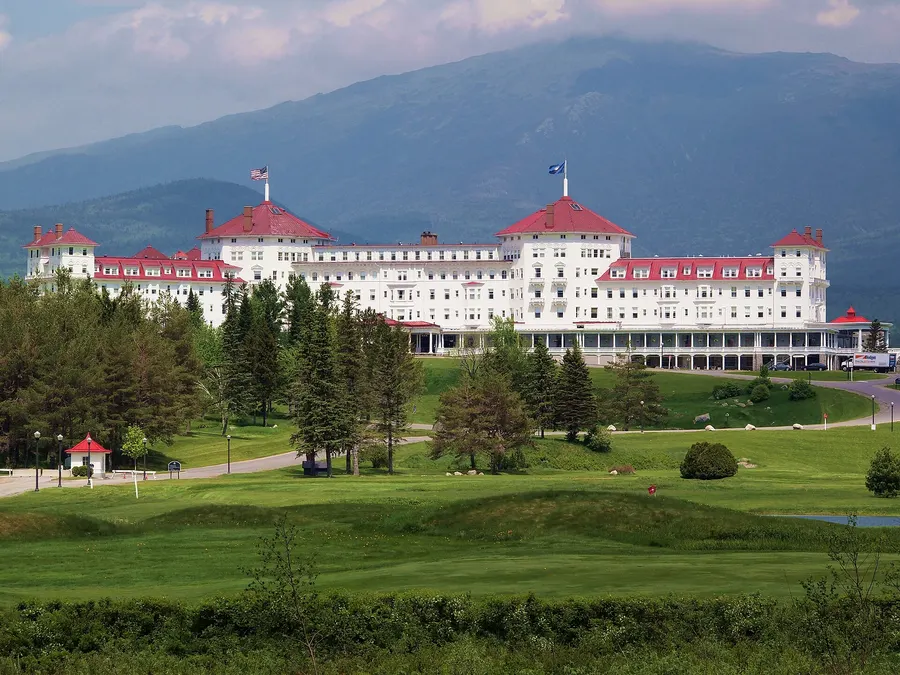
The Mount Washington Hotel at Bretton Woods, New Hampshire, where the conference met in July 1944The Mount Washington Hotel at Bretton Woods, New Hampshire, where the conference met in July 1944Image: rickpilot_2000 from Hooksett, USA · CC BY 2.0
world · Global

The Bretton Woods conference creates the IMF and the World Bank

The collapse of world trade and the currency wars of the 1930s had helped push the world towards war, and the Allies were determined not to repeat them. On 1 July 1944, while fighting raged in Normandy, delegates from 44 nations gathered at a grand resort hotel at Bretton Woods in the mountains of New Hampshire for the United Nations Monetary and Financial Conference. The leading figures were the British economist John Maynard Keynes and Harry Dexter White of the US Treasury. The talks overran, and on 22 July 1944 the delegates signed the Final Act. It set up the International Monetary Fund, to steady exchange rates and lend to countries in difficulty, and the International Bank for Reconstruction and Development, now part of the World Bank. Currencies were fixed against the US dollar, which in turn could be exchanged for gold at 35 dollars an ounce. That system lasted until 1971, but both institutions are still at the centre of the world economy.

Source: US Department of State, Office of the Historian: Bretton Woods-GATT, 1941-1947 ↗
1947
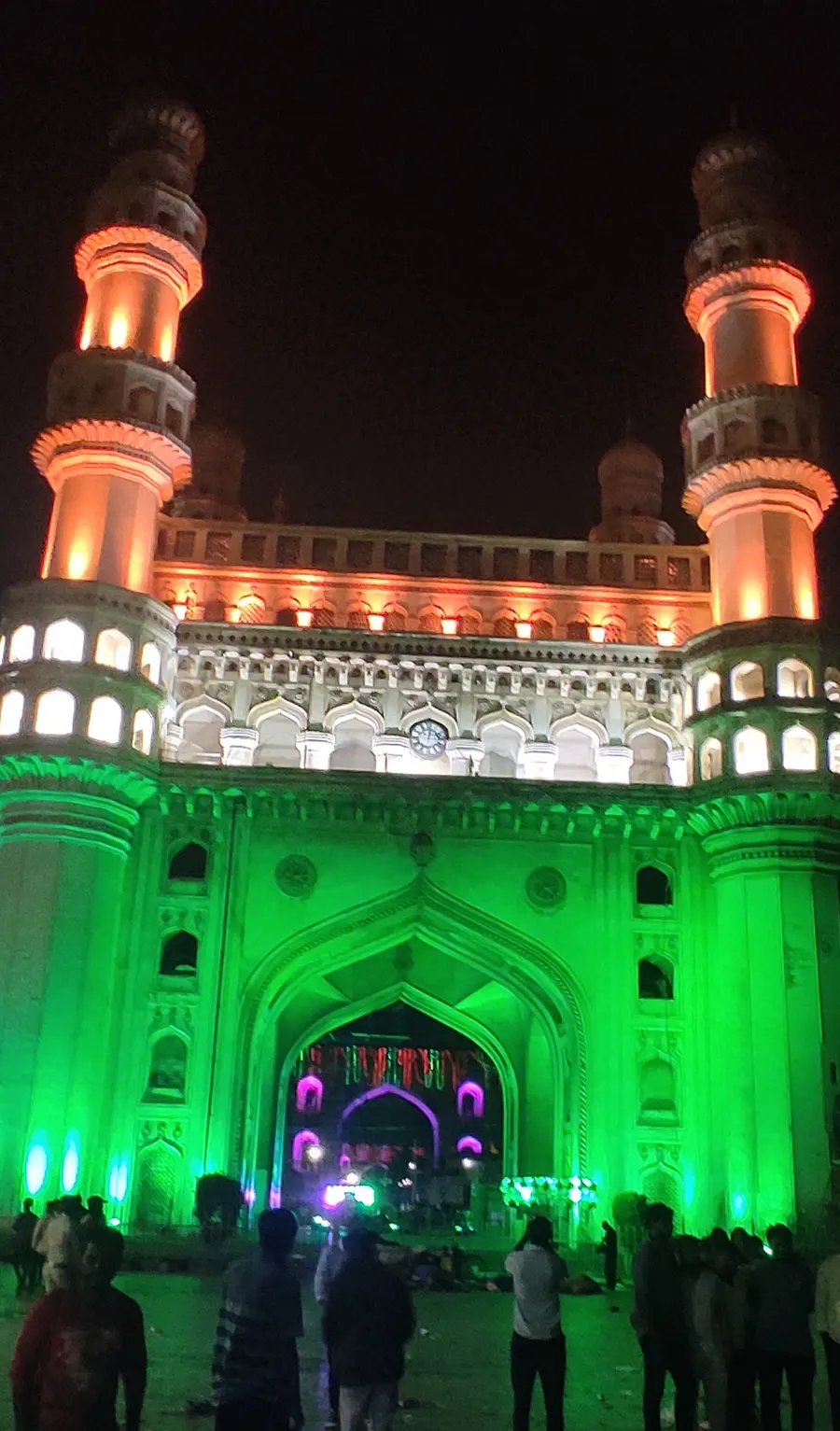
The Charminar in Hyderabad lit up in the saffron, white and green of the Indian flagThe Charminar in Hyderabad lit up in the saffron, white and green of the Indian flagImage: Badri.kamal · CC BY-SA 4.0
politics · Asia

India’s Constituent Assembly adopts the tricolour

For decades the Indian independence movement had rallied behind flags of saffron, white and green, and from 1931 the Indian National Congress used a tricolour with a spinning wheel, the charkha, at its centre as a symbol of Gandhi’s call for home-spun cloth. In the summer of 1947, with British rule due to end on 15 August, the Constituent Assembly that was drafting India’s constitution had to choose a flag for the new country. On 22 July 1947 Jawaharlal Nehru moved the resolution, and the Assembly adopted a horizontal tricolour of deep saffron, white and dark green in equal bands, with the charkha replaced by a navy-blue wheel of 24 spokes, the Ashoka Chakra, taken from the lion capital of the emperor Ashoka at Sarnath. The flag became the national flag of the Dominion of India on 15 August 1947 and remained that of the Republic of India from 1950.

Source: Know India, Government of India: National Flag ↗
1962
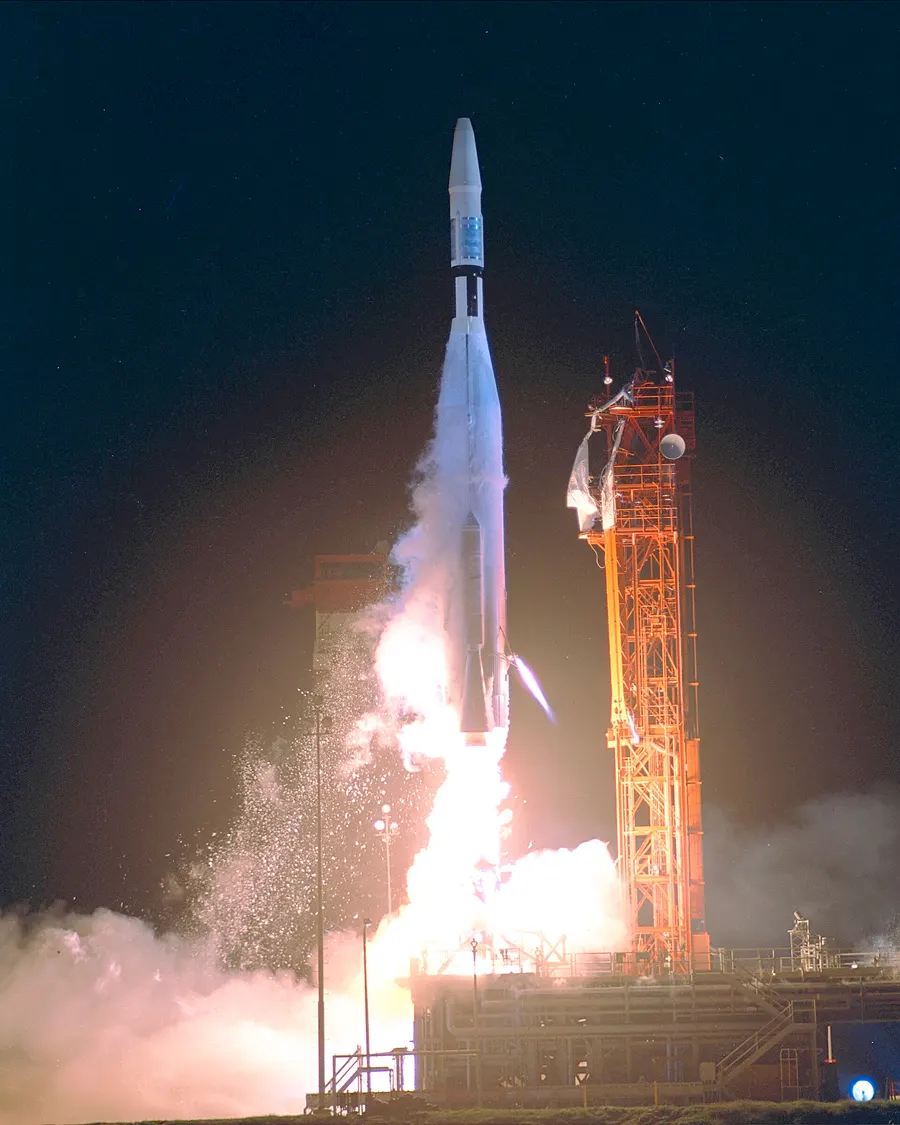
The Atlas-Agena rocket carrying Mariner 1 lifts off from Cape Canaveral on 22 July 1962The Atlas-Agena rocket carrying Mariner 1 lifts off from Cape Canaveral on 22 July 1962Image: NASA · Public domain
science · Americas

Mariner 1, NASA’s first attempt to reach Venus, is destroyed

In 1962 no spacecraft had yet worked at another planet. NASA’s Jet Propulsion Laboratory built two probes, Mariner 1 and Mariner 2, to fly past Venus, and on 22 July 1962 Mariner 1 lifted off from Cape Canaveral on an Atlas-Agena rocket. Within minutes the rocket began to veer off course, and with the risk that it might come down in the Atlantic shipping lanes or on land, the range safety officer sent the command to destroy it about 294 seconds after launch. The investigation found a software error: a small bar over the symbol for radius, marking an averaged value, had been left out of a guidance equation, so the rocket reacted wrongly when its radio guidance faltered. The fault is often remembered as ‘the most expensive hyphen in history’. It was quickly fixed, Mariner 2 was launched on 27 August, and on 14 December 1962 it flew past Venus, the first spacecraft to make a successful visit to another planet.

Source: NASA: 60 Years Ago, Mariner 1 Launch Attempt to Venus ↗
1987
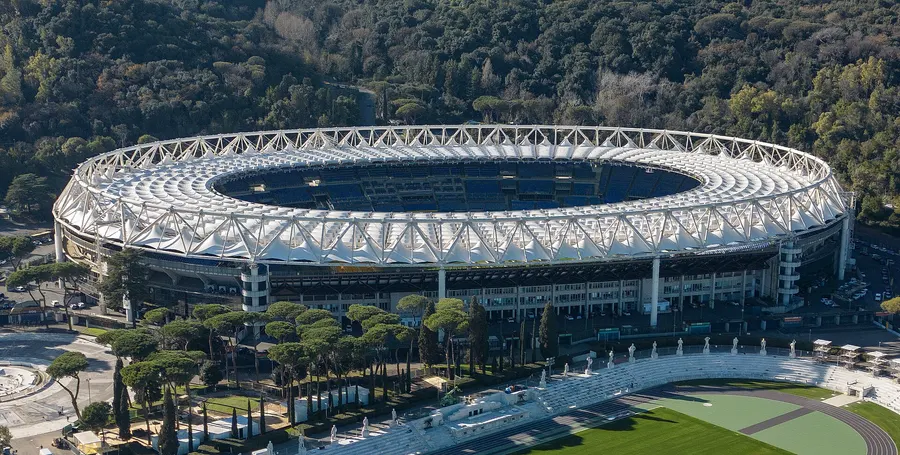
The Stadio Olimpico in Rome, where Saïd Aouita broke 13 minutes for 5,000 metres in 1987The Stadio Olimpico in Rome, where Saïd Aouita broke 13 minutes for 5,000 metres in 1987Image: Messapi, cropped by Blackcat · CC BY-SA 4.0
sport · Africa

Saïd Aouita becomes the first man to run 5,000 metres in under 13 minutes

Saïd Aouita of Morocco was the most versatile distance runner of the 1980s, fast enough to set world records at distances from 1,500 metres to 5,000 metres. He won the Olympic 5,000 metres in Los Angeles in 1984 and in 1985 took the world record for the distance, but the 13-minute barrier still stood. At the Golden Gala meeting in Rome on 22 July 1987 Aouita was pushed hard by the American Sydney Maree, and he crossed the line in 12 minutes 58.39 seconds, the first man to break 13 minutes. A month later he won the world title at the same stadium, and he was later named Morocco’s sportsman of the century.

Source: World Athletics: Said Aouita recalls his barrier-breaking world record ↗
VI
2000 TO TODAY

Modern Day

The events of recent decades that have already become part of the historical record.

2009
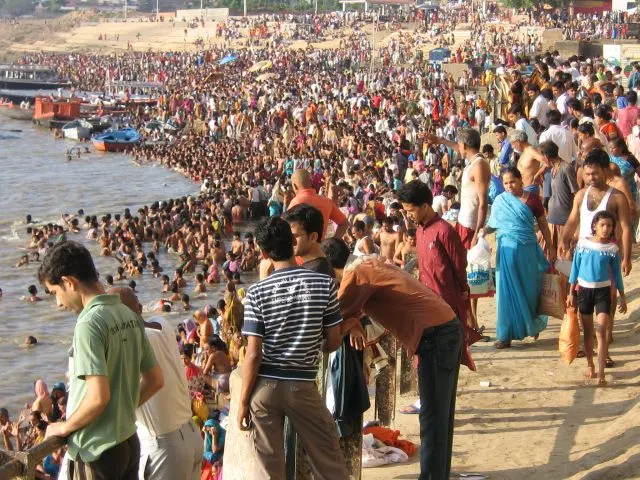
Crowds on the banks of the Ganges at Varanasi, India, on the day of the eclipse, 22 July 2009Crowds on the banks of the Ganges at Varanasi, India, on the day of the eclipse, 22 July 2009Image: Bluerasberry · Public domain
science · Asia

The longest total eclipse of the 21st century darkens Asia

On 22 July 2009 the Moon’s shadow swept across India, Nepal, Bhutan, Bangladesh and China before curving out over the Pacific. Millions watched under cloudy monsoon skies; in cities such as Varanasi and Shanghai day briefly turned to night. At the point of greatest eclipse, over the Pacific, the Sun was fully covered for 6 minutes 39 seconds, the longest total eclipse between 2001 and 2100.

Source: NASA Goddard Space Flight Center: Total Solar Eclipse of 2009 July 22 ↗
2011
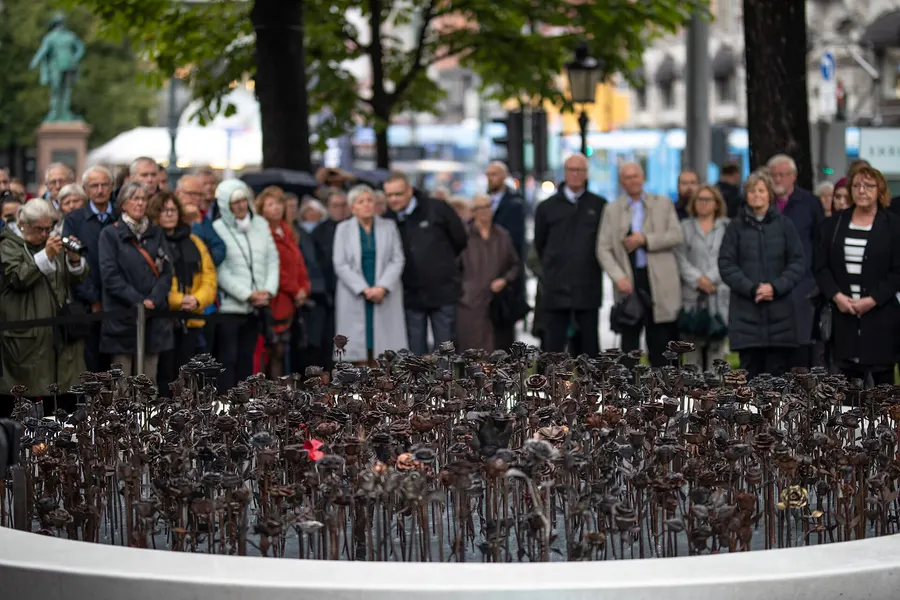
People gather at the unveiling of the Iron Roses, a memorial in Oslo to the victims of 22 July 2011People gather at the unveiling of the Iron Roses, a memorial in Oslo to the victims of 22 July 2011Image: Hellando · CC BY-SA 4.0
world · Europe

Norway is struck by attacks in Oslo and on Utøya

On the afternoon of 22 July 2011 a far-right extremist set off a car bomb in the government quarter of Oslo, killing eight people, and then went to the island of Utøya, where he shot dead 69 people, most of them teenagers, at the Labour Party youth wing’s summer camp. It was the deadliest attack in Norway since the Second World War. The country answered with mass rose marches, and the 22 July Centre now keeps the memory of the victims.

Source: 22 July Centre: What happened on 22 July 2011? Timeline ↗
RESEARCH

Sources & Further Reading

Selected authoritative references supporting the events on this page.

WHY THESE MOMENTS?

Significance before volume

This page is not the longest possible list of events. It is a chronological journey through 22 July, where each entry is chosen for historical significance, human interest and reliability.

Facts are checked against authoritative museums, archives, universities and reference works. Where sources disagree, the page says so.

EXPLORED THE DEEPER STORY?

Return to the highlights of 22 July

Discover the lighter side of the date with famous birthdays, culture, firsts and lives remembered.

Explore This Day →
← PREVIOUS DAY21 July
HISTORY & TIMELINE22 July
NEXT DAY →23 July