HISTORY & TIMELINE
21 July

A journey through
21 July in history

The story of 21 July runs from an earthquake and tsunami that struck the eastern Mediterranean in 365 to the election of Nepal’s first president in 2008. In between come Hotspur’s death at Shrewsbury, the pope’s suppression of the Jesuits, the peace of Küçük Kaynarca, the Battle of the Pyramids, the First Battle of Bull Run, the opening of the Tate Gallery, Malcolm Campbell’s 150 mph run on Pendine Sands, the verdict in the Scopes trial, the Geneva agreements on Indochina, Gus Grissom’s flight in Liberty Bell 7 and a reading of minus 89.2 °C at Vostok Station.

I
EARLIEST RECORDS

Ancient & Early History

The earliest worthwhile records and events connected with this date.

365
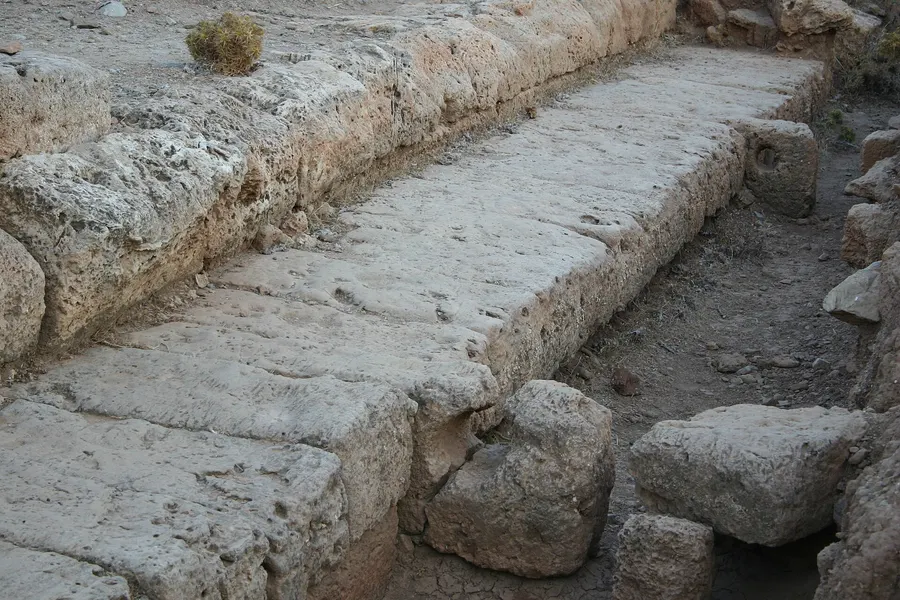
The ancient quay at Phalasarna in western Crete, left above sea level when the coast was upliftedThe ancient quay at Phalasarna in western Crete, left above sea level when the coast was upliftedImage: Elpida Hadjidaki · CC BY-SA 4.0
world · Africa

An earthquake and tsunami strike the eastern Mediterranean

On 21 July 365, according to the Roman historian Ammianus Marcellinus, the sea drew back from the shore and then returned in a great wave, drowning thousands in Alexandria and leaving ships stranded on rooftops. Geologists now link it to a huge earthquake off western Crete, estimated at magnitude 8 or more, which lifted parts of the island’s coast by several metres. The raised harbour of Phalasarna is still high and dry today.

Source: Britannica: Mediterranean earthquake and tsunami of 365 ↗
II
THE MIDDLE AGES

Medieval History

Kingdoms, conflict, faith, power and the changing medieval world.

1403
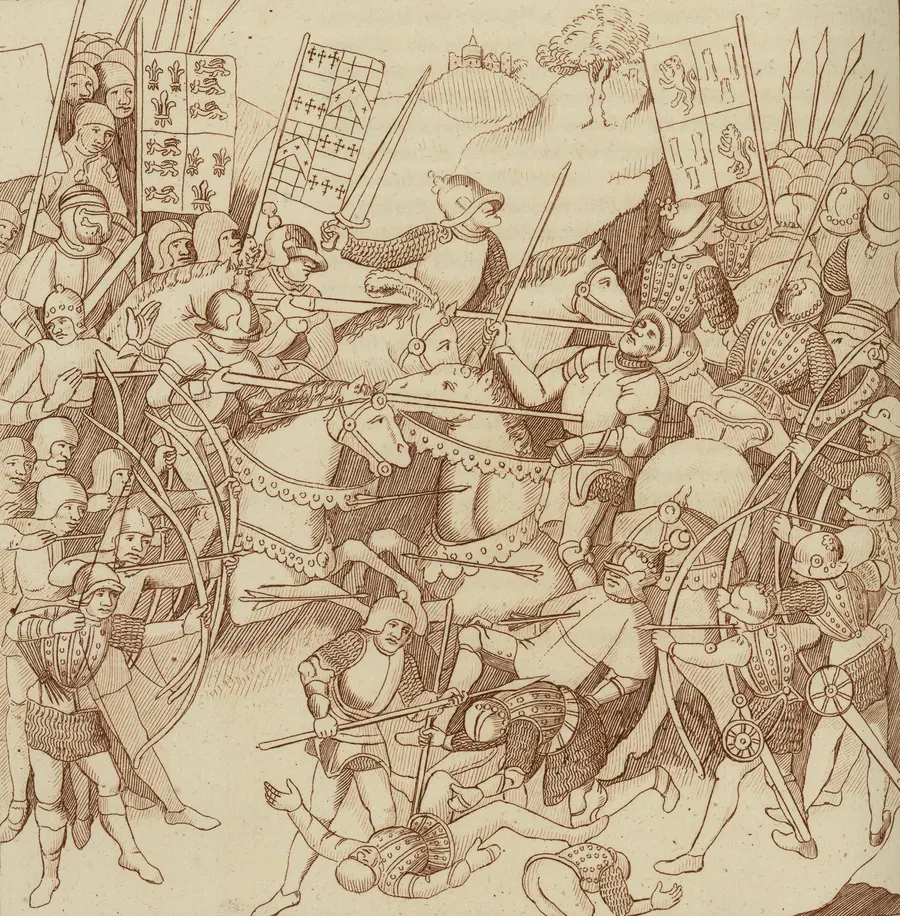
The Battle of Shrewsbury, a drawing from an 18th-century illustrated copy of Thomas Pennant's A Tour in Wales, now in the National Library of WalesThe Battle of Shrewsbury, a drawing from an 18th-century illustrated copy of Thomas Pennant’s A Tour in Wales, now in the National Library of WalesImage: Thomas Pennant · Public domain
world · Europe

Hotspur is killed at the Battle of Shrewsbury

The powerful Percy family had helped Henry IV seize the English throne in 1399, but quarrels over money and prisoners turned them against him, and they allied with the Welsh rebel Owain Glyndŵr. Henry reached Shrewsbury just ahead of Sir Henry Percy, known as Hotspur, and on 21 July 1403 the two armies fought north of the town, with archers on both sides causing terrible losses. Hotspur was killed, and the rebellion collapsed.

Source: Historic England: Battle of Shrewsbury 1403 ↗
III
A CHANGING WORLD

Early Modern Era

Exploration, political change, scientific development and expanding global connections.

1773
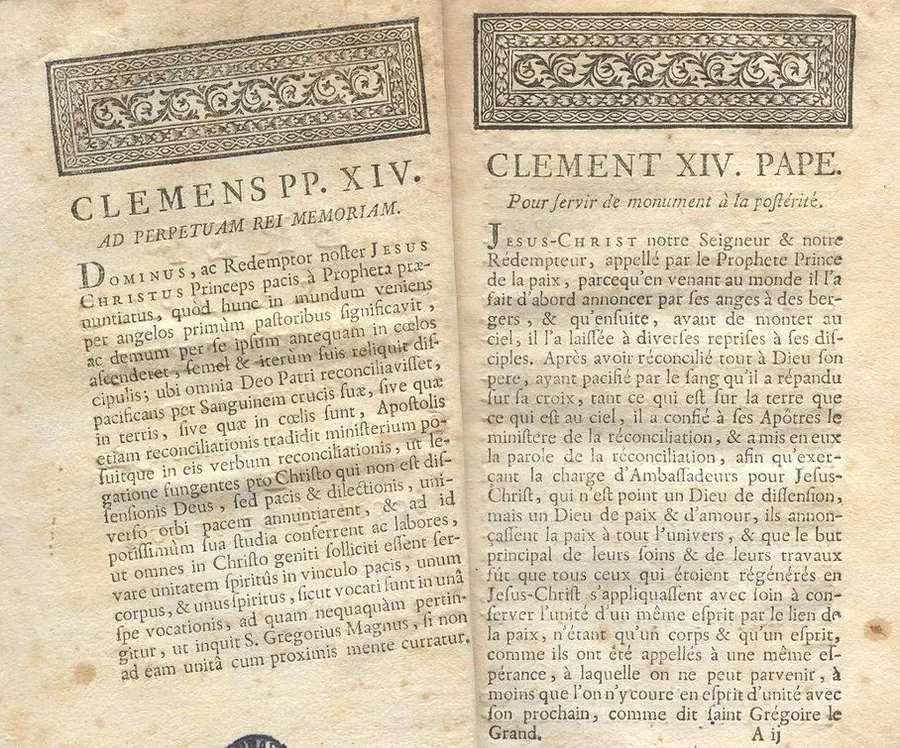
An early printed edition, in Latin and French, of the papal brief Dominus ac Redemptor, which dissolved the Society of JesusAn early printed edition, in Latin and French, of the papal brief Dominus ac Redemptor, which dissolved the Society of JesusImage: Unknown printer (1773 edition) · Public domain
culture · Europe

Pope Clement XIV dissolves the Jesuits

The Society of Jesus, founded by Ignatius of Loyola in 1540, had grown into one of the most powerful orders in the Catholic Church, running hundreds of schools and colleges and sending missionaries from Paraguay to China. Its influence at royal courts and its independence made it many enemies. In the 1750s and 1760s the Jesuits were expelled from Portugal, France and Spain and their empires, and the Bourbon kings then pressed the papacy to abolish the order altogether. Pope Clement XIV, elected in 1769, held out for several years, fearing an open break with the Catholic monarchies if he refused. The brief Dominus ac Redemptor, dated 21 July 1773, finally dissolved the Society, which then had about 23,000 members. Its houses and schools were closed, and its superior general died in prison in Rome. Only in Russia, where Catherine the Great refused to publish the brief, did Jesuits carry on openly, and the order was restored by Pope Pius VII in 1814.

Source: Boston College, Portal to Jesuit Studies: Dominus ac Redemptor (1773) ↗
1774
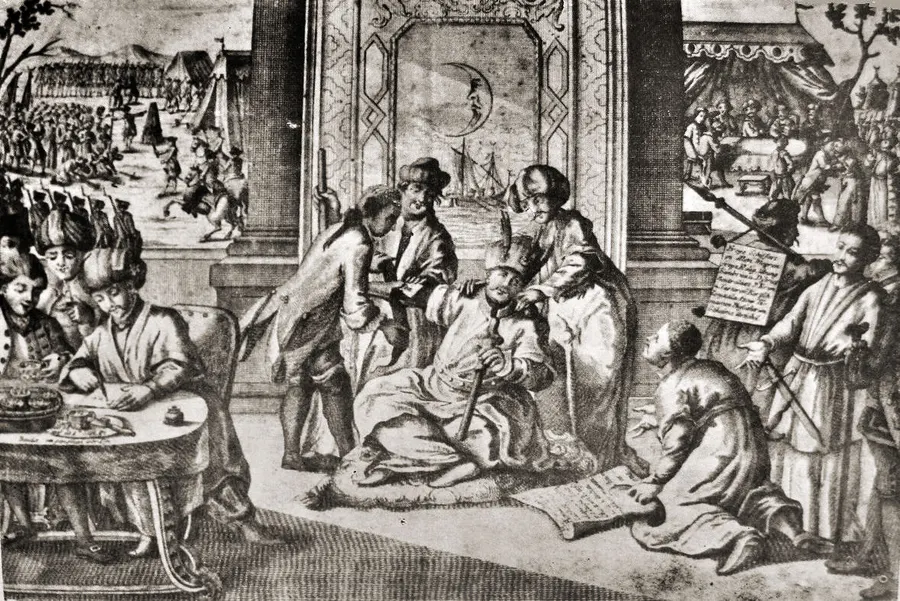
A late 18th-century allegorical engraving of the Treaty of Küçük Kaynarca, showing the Ottoman Empire losing its territoriesA late 18th-century allegorical engraving of the Treaty of Küçük Kaynarca, showing the Ottoman Empire losing its territoriesImage: Unknown engraver, late 18th century (Cabinet of Engravings, Romanian Academy, Bucharest) · Public domain
politics · Europe

The Treaty of Küçük Kaynarca ends a Russo-Turkish war

After six years of war in which Catherine the Great’s armies and fleets defeated the Ottomans on land and sea, the two empires made peace at the village of Küçük Kaynarca, in today’s Bulgaria, on 21 July 1774. The Crimean khanate was declared independent of the sultan, Russia gained ports on the Black Sea and the right to sail through the Straits, and it won a vague role as protector of Orthodox Christians. Russia annexed Crimea nine years later.

Source: Britannica: Treaty of Küçük Kaynarca ↗
1798
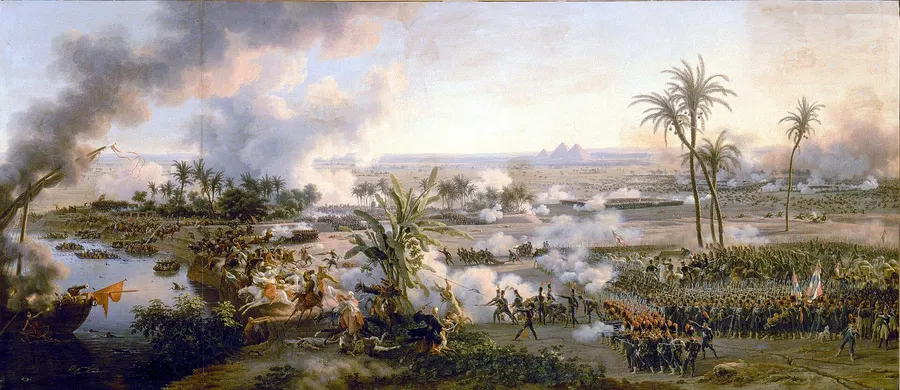
The Battle of the Pyramids, painted by Louis-François Lejeune, an officer who served in Napoleon's armiesThe Battle of the Pyramids, painted by Louis-François Lejeune, an officer who served in Napoleon’s armiesImage: Louis-François, Baron Lejeune · Public domain
world · Africa

Napoleon defeats the Mamluks at the Battle of the Pyramids

In the spring of 1798 General Napoleon Bonaparte sailed from France with around 30,000 men to seize Egypt, then ruled by Mamluk beys under the loose authority of the Ottoman sultan. France hoped to gain a rich colony and to threaten Britain’s route to India. The army landed near Alexandria on 1 July and marched south along the Nile towards Cairo through the summer heat. On 21 July 1798, near the village of Embabeh on the west bank of the Nile, with the pyramids of Giza visible on the horizon, the French met the army of Murad Bey. Napoleon formed his infantry into great hollow squares, and the charges of the Mamluk horsemen broke against their volleys and bayonets. Thousands of Egyptian soldiers were killed or drowned for the loss of a few hundred French, and Cairo was occupied soon after. Less than two weeks later, Nelson destroyed the French fleet at Aboukir Bay, leaving the army stranded in Egypt.

Source: Britannica: Battle of the Pyramids ↗
IV
THE NINETEENTH CENTURY

The 1800s

Industry, empire, invention, reform and a century of enormous transformation.

1861
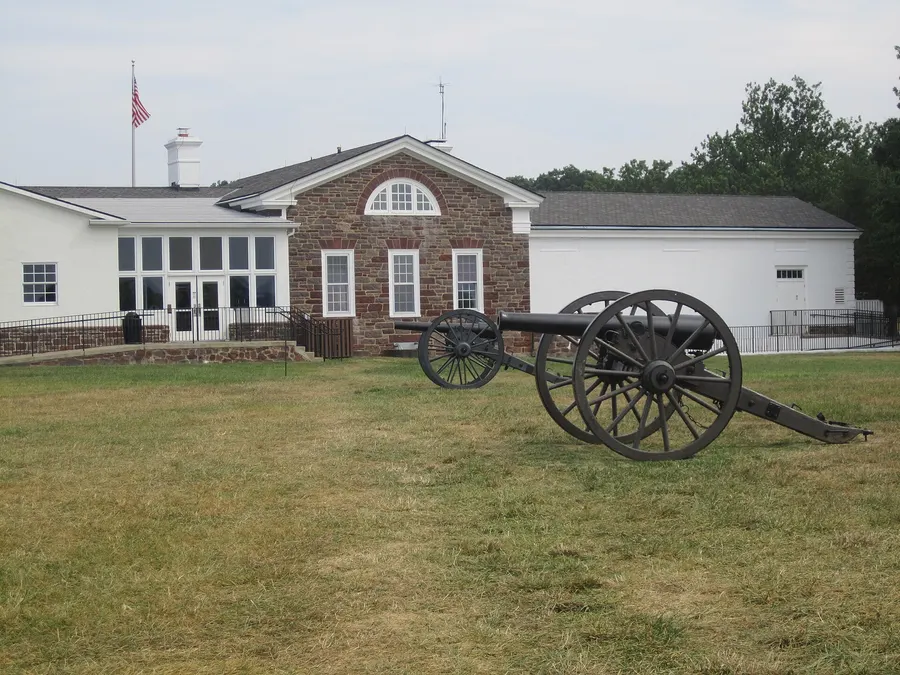
A Civil War cannon outside the visitor centre at Manassas National Battlefield Park in VirginiaA Civil War cannon outside the visitor centre at Manassas National Battlefield Park in VirginiaImage: Billy Hathorn · CC BY 3.0
world · Americas

The First Battle of Bull Run shatters hopes of a short war

Three months after the Civil War began at Fort Sumter, the Northern public was demanding an advance on the Confederate capital at Richmond. General Irvin McDowell led some 35,000 inexperienced Union troops out of Washington towards the railway junction at Manassas, Virginia, where Confederate forces under P. G. T. Beauregard were waiting behind a small stream called Bull Run. Congressmen and sightseers followed the army out to watch. The armies met on the morning of 21 July 1861. The Union attack at first drove the Confederates back, but on Henry Hill a brigade under Thomas J. Jackson held firm, earning him the nickname ‘Stonewall’, and Confederate reinforcements arriving by train turned the battle. By late afternoon the Union army was falling back in confusion towards Washington. Nearly 900 men were killed and thousands wounded, captured or missing, and both sides realised the war would be long and bloody. The South calls it the First Battle of Manassas.

Source: National Park Service: The Battle of First Manassas (First Bull Run) ↗
V
THE TWENTIETH CENTURY

The 1900s

War and peace, technological leaps, social change, politics, sport and popular culture.

1925
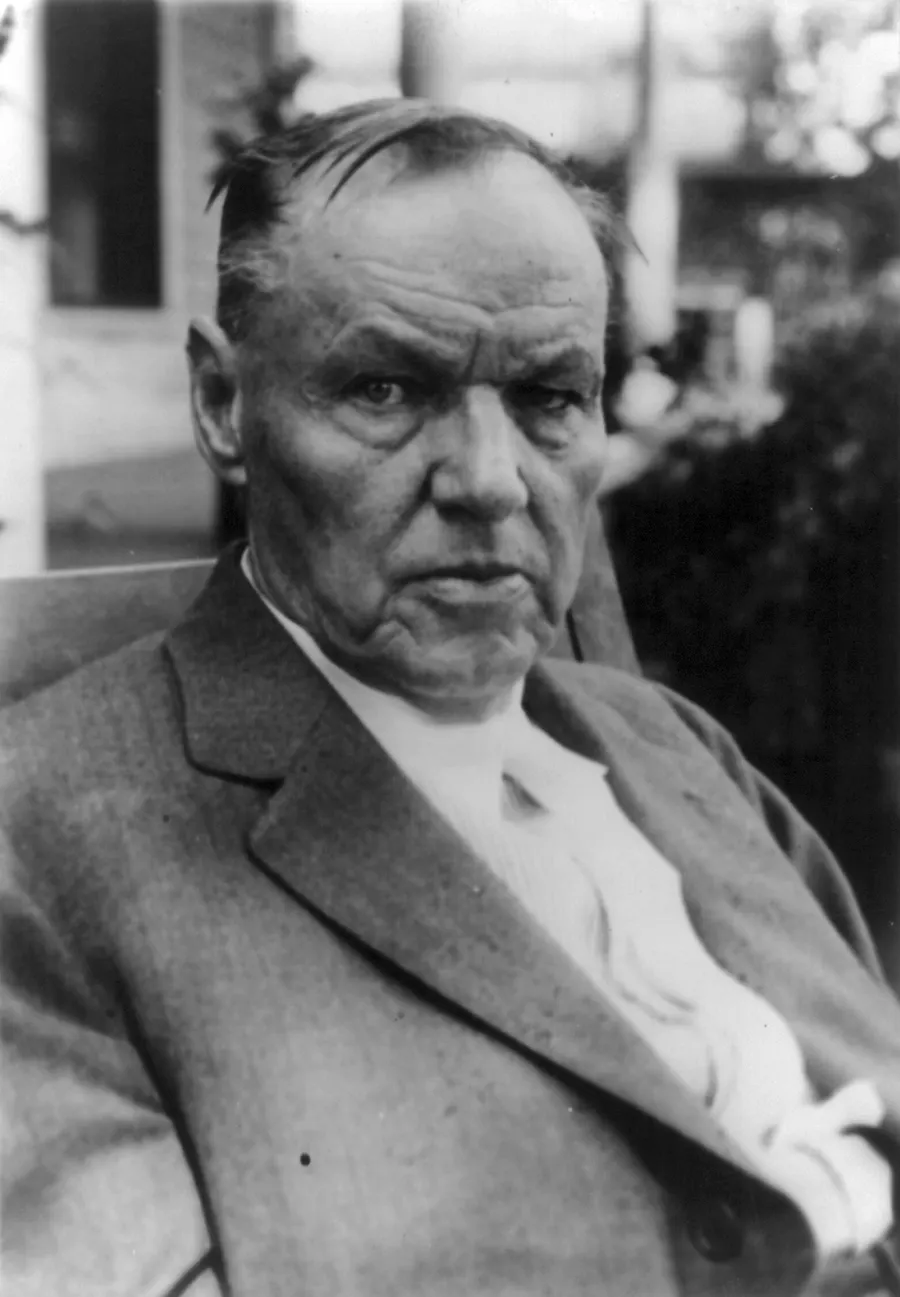
Clarence Darrow, counsel for the defence, during the Scopes trial at Dayton, Tennessee, in July 1925Clarence Darrow, counsel for the defence, during the Scopes trial at Dayton, Tennessee, in July 1925Image: Underwood & Underwood · Public domain
science · Americas

John Scopes is found guilty of teaching evolution

In March 1925 Tennessee passed the Butler Act, which made it a crime to teach in state schools any theory denying the Bible’s story of the creation of man. The American Civil Liberties Union offered to defend a teacher willing to test the law, and John T. Scopes, a young science teacher in the small town of Dayton, agreed to be charged. The case drew huge crowds and reporters to Dayton and was broadcast on radio. The three-times presidential candidate William Jennings Bryan helped the prosecution, and Clarence Darrow, the most famous defence lawyer in the country, led the defence. The judge would not allow scientists to testify, so Darrow called Bryan himself to the stand as an expert on the Bible. On 21 July 1925 the jury took only minutes to find Scopes guilty, and he was fined $100. The conviction was overturned on a technicality in 1927, but the law stayed in force until 1967.

Source: Britannica: Scopes Trial ↗
1925
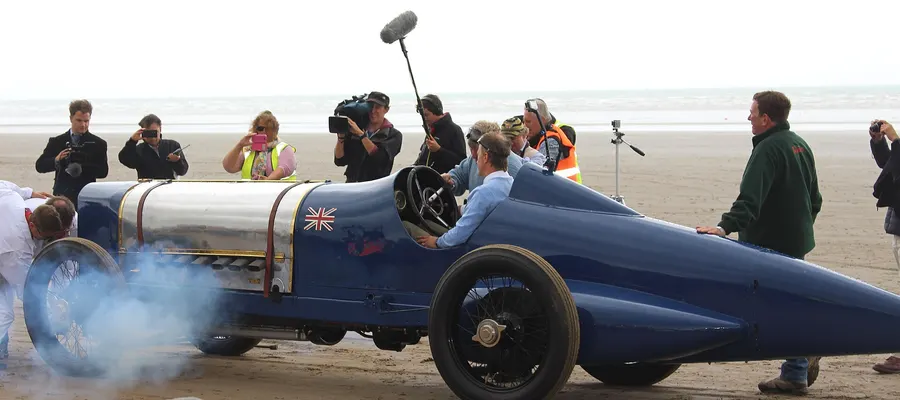
The Sunbeam 350HP Blue Bird back on Pendine Sands on 21 July 2015, the 90th anniversary of Campbell's recordThe Sunbeam 350HP Blue Bird back on Pendine Sands on 21 July 2015, the 90th anniversary of Campbell’s recordImage: Thruxton · CC BY-SA 4.0
sport · Europe

Malcolm Campbell breaks 150 mph on Pendine Sands

In the 1920s the world land speed record was fought over on long, flat beaches, where hard wet sand gave a straight run of several miles. One of the most popular was Pendine Sands in Carmarthenshire, south-west Wales. The English driver Malcolm Campbell had bought a Sunbeam racing car with a huge 18-litre aero-style engine, painted it blue and named it Blue Bird. On 21 July 1925, driving in both directions along the beach as the rules demanded, Campbell set a new world land speed record of 150.766 mph (242.628 km/h), the first time anyone had driven a car faster than 150 mph. He went on to set many more records on land and water. The car survives and is now in the National Motor Museum at Beaulieu.

Source: National Motor Museum: Sunbeam 350hp Blue Bird ↗
1954
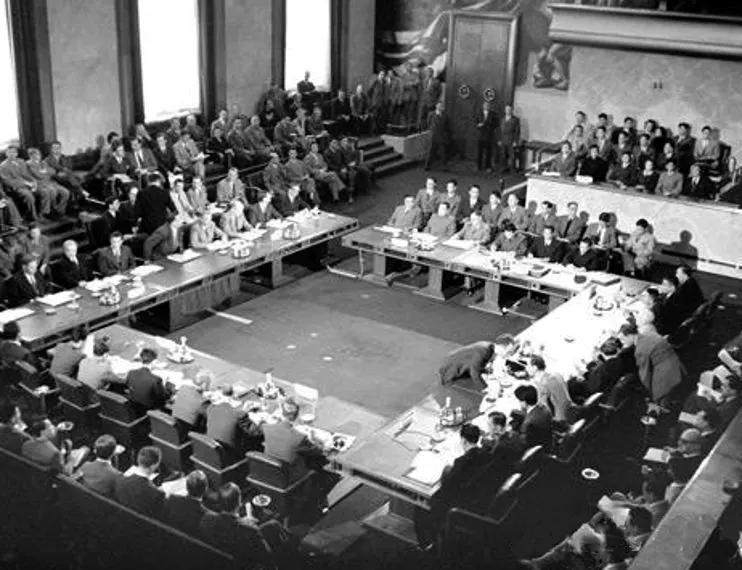
Delegates at the Geneva Conference of 1954, which ended the French war in IndochinaDelegates at the Geneva Conference of 1954, which ended the French war in IndochinaImage: US Army Photograph · Public domain
politics · Asia

The Geneva agreements end France’s war in Indochina

For eight years France had fought the communist-led Viet Minh of Ho Chi Minh for control of Vietnam. In May 1954 the French garrison at Dien Bien Phu fell after a long siege, and the war-weary French government looked for a way out. At Geneva, where the great powers were already meeting to discuss Korea, delegates from France, Britain, the United States, the Soviet Union, China, Cambodia, Laos and both Vietnamese governments turned to Indochina. The ceasefire agreements were signed on 21 July 1954. Vietnam was divided at the 17th parallel, with the Viet Minh in the north and the French-backed State of Vietnam in the south, and troops were given 300 days to move to their own side. The line was meant to be temporary, and a final declaration called for elections across Vietnam in 1956. The United States and South Vietnam did not sign it, the elections were never held, and the division led on to the Vietnam War.

Source: Britannica: Geneva Accords ↗
1961
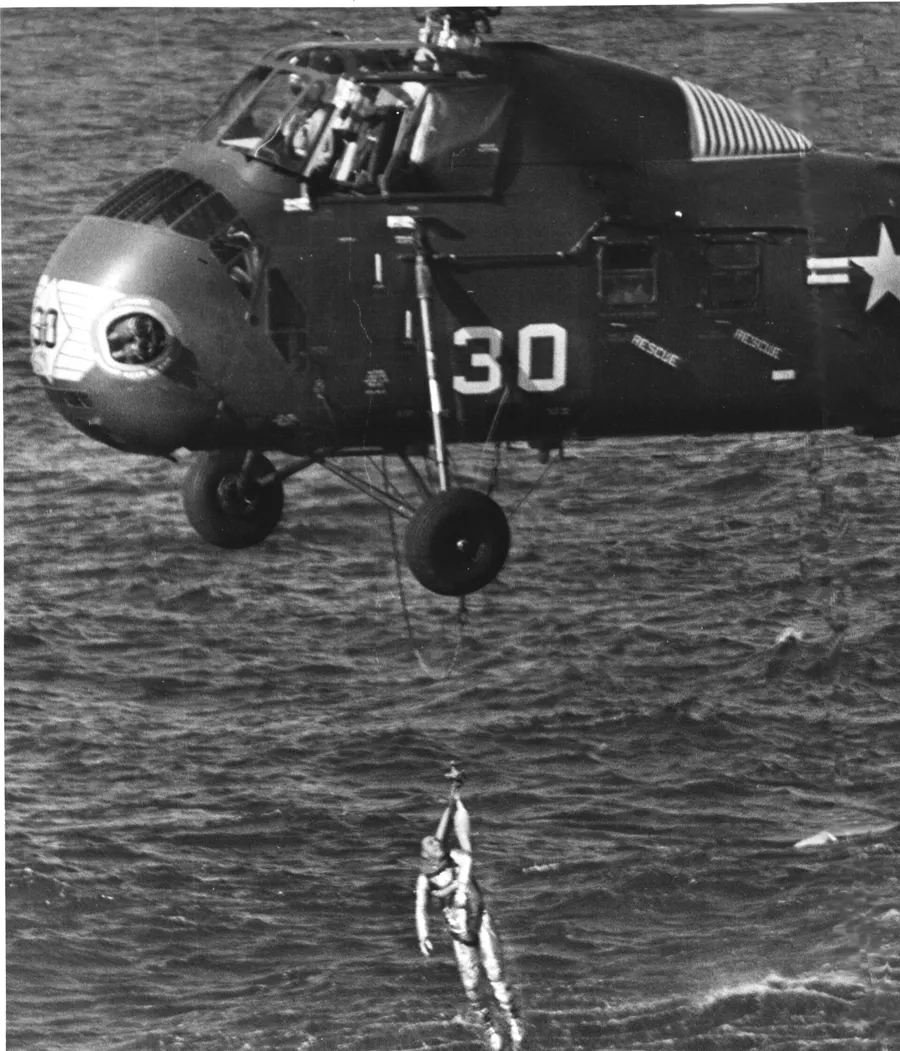
Gus Grissom is lifted from the sea by a recovery helicopter after the flight of Liberty Bell 7Gus Grissom is lifted from the sea by a recovery helicopter after the flight of Liberty Bell 7Image: NASA · Public domain
world · Americas

Gus Grissom flies Liberty Bell 7 and nearly drowns

On 21 July 1961 the astronaut Virgil ‘Gus’ Grissom became the second American in space, riding a Redstone rocket on a 15-minute suborbital flight in the Mercury capsule Liberty Bell 7. After splashdown in the Atlantic the capsule’s hatch blew off unexpectedly, water poured in and Grissom had to swim for his life before a helicopter hauled him out. The capsule sank in deep water and was not recovered until 1999.

Source: NASA: Mercury-Redstone 4, Liberty Bell 7 ↗
1983
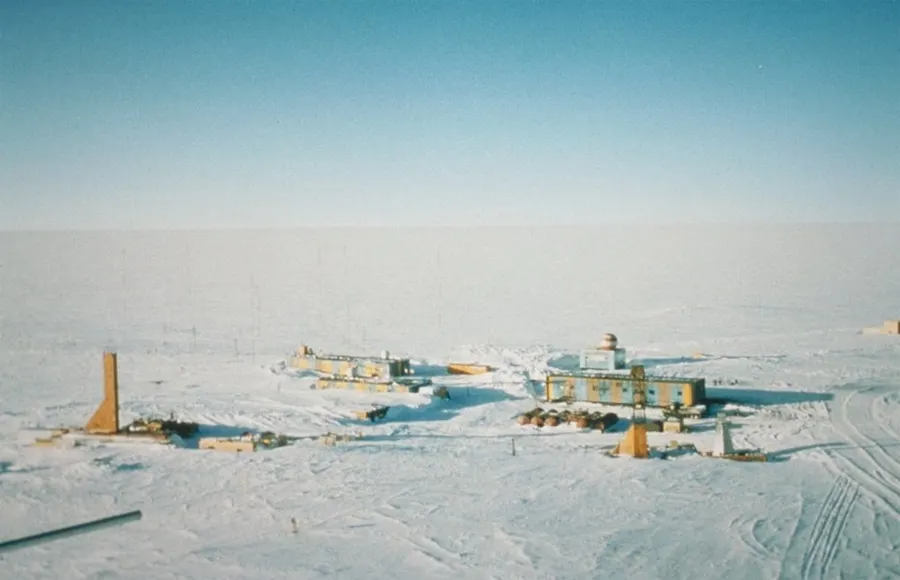
Vostok Station, a cluster of buildings on the ice of the high East Antarctic plateauVostok Station, a cluster of buildings on the ice of the high East Antarctic plateauImage: Todd Sowers, LDEO, Columbia University, for NOAA · Public domain
science · Global

Vostok Station records minus 89.2 °C, the coldest reading on Earth

The Soviet Union opened Vostok Station in 1957, deep in the interior of East Antarctica, about 3,500 metres above sea level on the ice sheet. It is one of the most remote and hostile places people have ever lived, and in the long polar night the small winter crew recorded the weather several times a day, as well as drilling deep ice cores that later revealed hundreds of thousands of years of climate history. At 02:45 GMT on 21 July 1983 the station’s thermometer read minus 89.2 °C, the lowest air temperature ever measured at the Earth’s surface. A study by the British Antarctic Survey found it came after a week of clear, still skies that let heat escape into space. The World Meteorological Organization still lists it as the world record, although satellites have since detected even colder surface temperatures in hollows on the high Antarctic plateau.

Source: British Antarctic Survey: Record low surface air temperature at Vostok Station, Antarctica ↗
VI
2000 TO TODAY

Modern Day

The events of recent decades that have already become part of the historical record.

2008
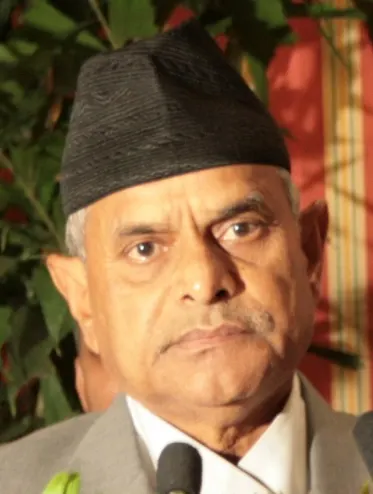
Ram Baran Yadav speaking in August 2008, a month after his election as presidentRam Baran Yadav speaking in August 2008, a month after his election as presidentImage: Indiver · Public domain
politics · Asia

Nepal elects its first president

Nepal’s monarchy, which had reigned for 240 years, was abolished in May 2008 by a newly elected Constituent Assembly, two years after the end of a decade-long civil war with Maoist rebels. On 21 July 2008 the assembly chose Ram Baran Yadav of the Nepali Congress, a doctor from the southern plains, as the first president of the new republic, defeating the candidate backed by the Maoists in a run-off vote.

Source: UN News: Secretary-General congratulates first President of Nepal ↗
WHY THESE MOMENTS?

Significance before volume

This page is not the longest possible list of events. It is a chronological journey through 21 July, where each entry is chosen for historical significance, human interest and reliability.

Facts are checked against authoritative museums, archives, universities and reference works. Where sources disagree, the page says so.

EXPLORED THE DEEPER STORY?

Return to the highlights of 21 July

Discover the lighter side of the date with famous birthdays, culture, firsts and lives remembered.

Explore This Day →
← PREVIOUS DAY20 July
HISTORY & TIMELINE21 July
NEXT DAY →22 July