HISTORY & TIMELINE
29 July

A journey through
29 July in history

The story of 29 July runs from a boy king taking the throne of the Maya city of Palenque in 615 to a peace accord for Sri Lanka in 1987. In between come the death of Olaf Haraldsson at Stiklestad, the quiet opening of the Arc de Triomphe, the Harris Treaty between the United States and Japan, the killing of King Umberto I at Monza, Mohun Bagan’s barefoot victory in Calcutta, the publication of The Fellowship of the Ring, the birth of the International Atomic Energy Agency, the law that created NASA, the eruption of Arenal, a coup in Nigeria and a royal wedding watched around the world.

I
EARLIEST RECORDS

Ancient & Early History

The earliest worthwhile records and events connected with this date.

615
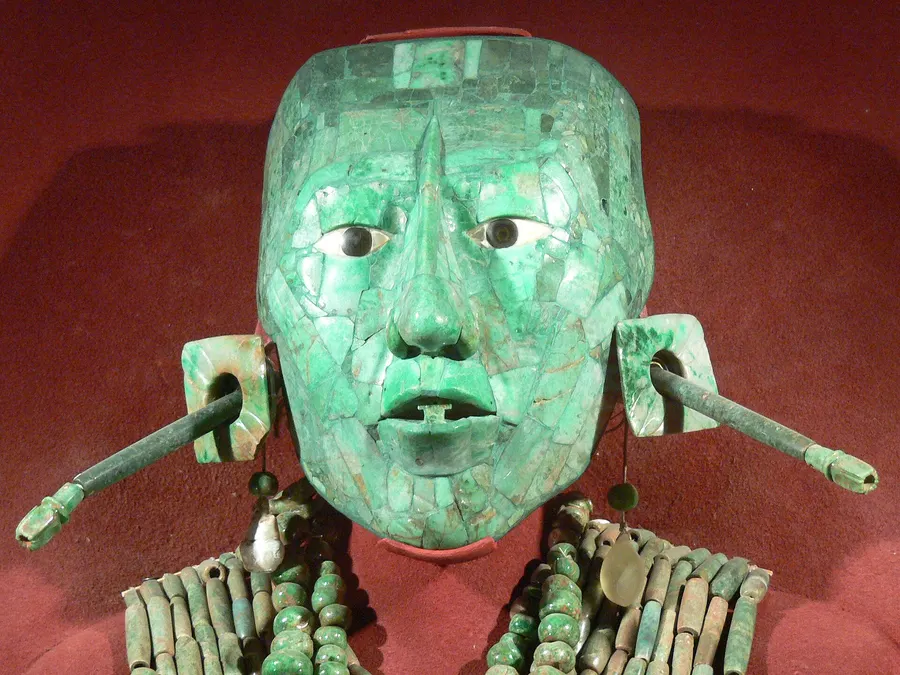
Pakal's jade funerary mask, found in his tomb in the Temple of the Inscriptions at PalenquePakal’s jade funerary mask, found in his tomb in the Temple of the Inscriptions at PalenqueImage: Wolfgang Sauber · CC BY-SA 3.0
politics · Americas

Twelve-year-old Pakal becomes ruler of Palenque

K’inich Janaab Pakal took the throne of the Maya city of Palenque, in what is now southern Mexico, at the age of 12, after a time of defeat in which his mother, Lady Sak K’uk’, held power. His accession is recorded in the Maya Long Count as 9.9.2.4.8, usually given as 29 July 615, although the Western date depends on how the two calendars are matched. He ruled for 68 years and rebuilt Palenque; his tomb, with its jade mask, was found in 1952 in the Temple of the Inscriptions.

Source: Mesoweb: The Rulers of Palenque, a beginner’s guide ↗
II
THE MIDDLE AGES

Medieval History

Kingdoms, conflict, faith, power and the changing medieval world.

1030
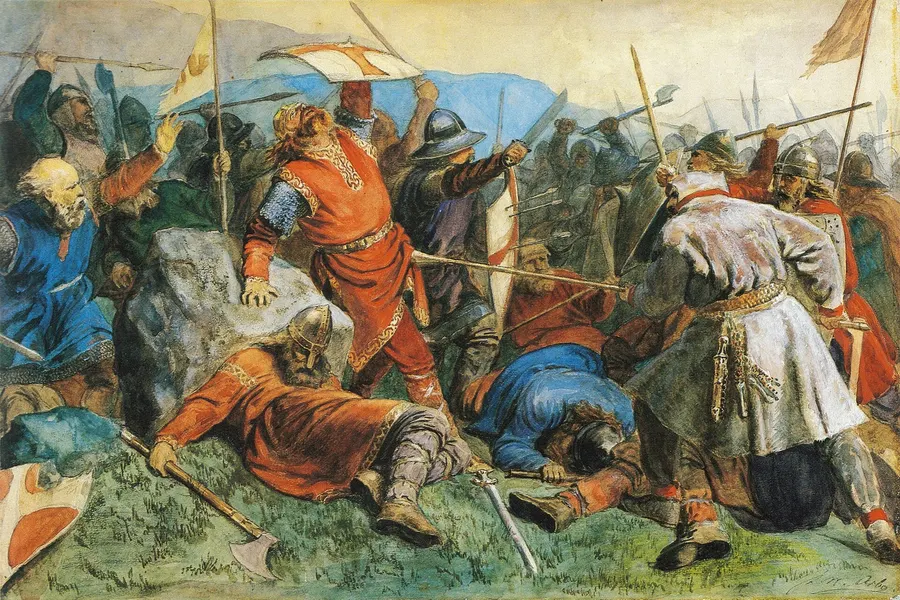
The Death of Olaf at Stiklestad, painted by Peter Nicolai Arbo around 1859The Death of Olaf at Stiklestad, painted by Peter Nicolai Arbo around 1859Image: Peter Nicolai Arbo · Public domain

world · Europe

King Olaf Haraldsson falls at Stiklestad

Olaf Haraldsson had fought as a Viking in England and France before seizing the throne of Norway in 1015. He worked to unite the country under one king and to make it Christian, often by force, and his hard rule turned many of the great chieftains against him. In 1028 they sided with Cnut the Great, king of Denmark and England, and Olaf fled east to Novgorod. In 1030 he came back with a small army to win his kingdom back, and met a much larger force of farmers and chieftains from Trøndelag at Stiklestad, north of Trondheim. By tradition the battle was fought on 29 July 1030. Olaf was cut down and killed. Within a year stories of miracles had spread, and in 1031 his body was declared holy. As Saint Olaf, Norway’s eternal king, he became the country’s patron saint, and his shrine in Trondheim drew pilgrims from across northern Europe. Norwegians still mark 29 July as Olsok, Olaf’s feast day.

Source: Stiklestad National Cultural Centre: The Battle of Stiklestad ↗
IV
THE NINETEENTH CENTURY

The 1800s

Industry, empire, invention, reform and a century of enormous transformation.

1836
Looking up into the Arc de Triomphe in Paris, with the names of battles and generals carved on its inner wallsLooking up into the Arc de Triomphe in Paris, with the names of battles and generals carved on its inner wallsImage: edwin.11 · CC BY 2.0
culture · Europe

The Arc de Triomphe is opened, almost in secret

Napoleon ordered a great triumphal arch for Paris in 1806, after his victory at Austerlitz, but work stalled when his empire fell. King Louis-Philippe finished it and dedicated it to the armies of the Revolution and the Empire. It was inaugurated on 29 July 1836, 30 years after work began, but the grand ceremony was cancelled for fear of an attack on the king, and only a handful of people were present.

Source: Arc de Triomphe (Centre des monuments nationaux): History of the Arc de Triomphe ↗
1858
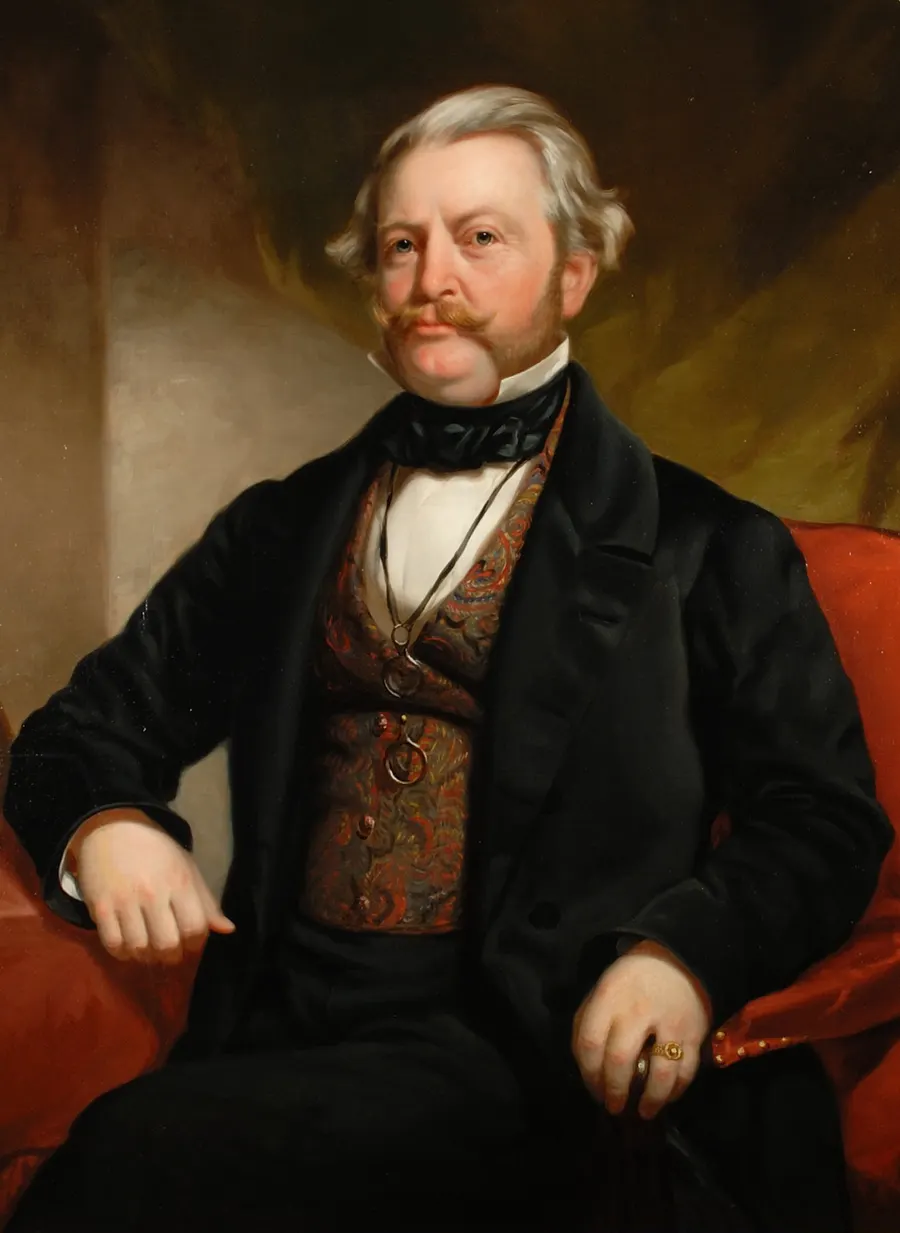
Townsend Harris, the first American consul general in Japan, painted by James Bogle in 1855Townsend Harris, the first American consul general in Japan, painted by James Bogle in 1855Image: James Bogle (ca. 1817-1873) · Public domain
politics · Asia

Japan signs the Harris Treaty with the United States

Commodore Matthew Perry’s warships had forced Japan to open two small ports to American ships in 1854, ending more than two centuries in which the shogunate had kept foreign contact to a minimum. In 1856 the merchant Townsend Harris arrived at Shimoda as the first American consul general, with orders to win a full commercial treaty. He argued that British and French fleets would soon come to take by force what Japan could now agree to on better terms. The Treaty of Amity and Commerce was signed on 29 July 1858. It opened more ports to American trade, allowed Americans to live in them under their own consuls’ law rather than Japan’s, fixed low import duties and provided for diplomats in each other’s capitals. Britain, France, Russia and the Netherlands quickly won similar terms. The shogunate signed without the emperor’s approval, and the anger that followed helped bring it down in 1868. Japan spent decades getting these ‘unequal treaties’ revised.

Source: Britannica: Harris Treaty ↗
V
THE TWENTIETH CENTURY

The 1900s

War and peace, technological leaps, social change, politics, sport and popular culture.

1900
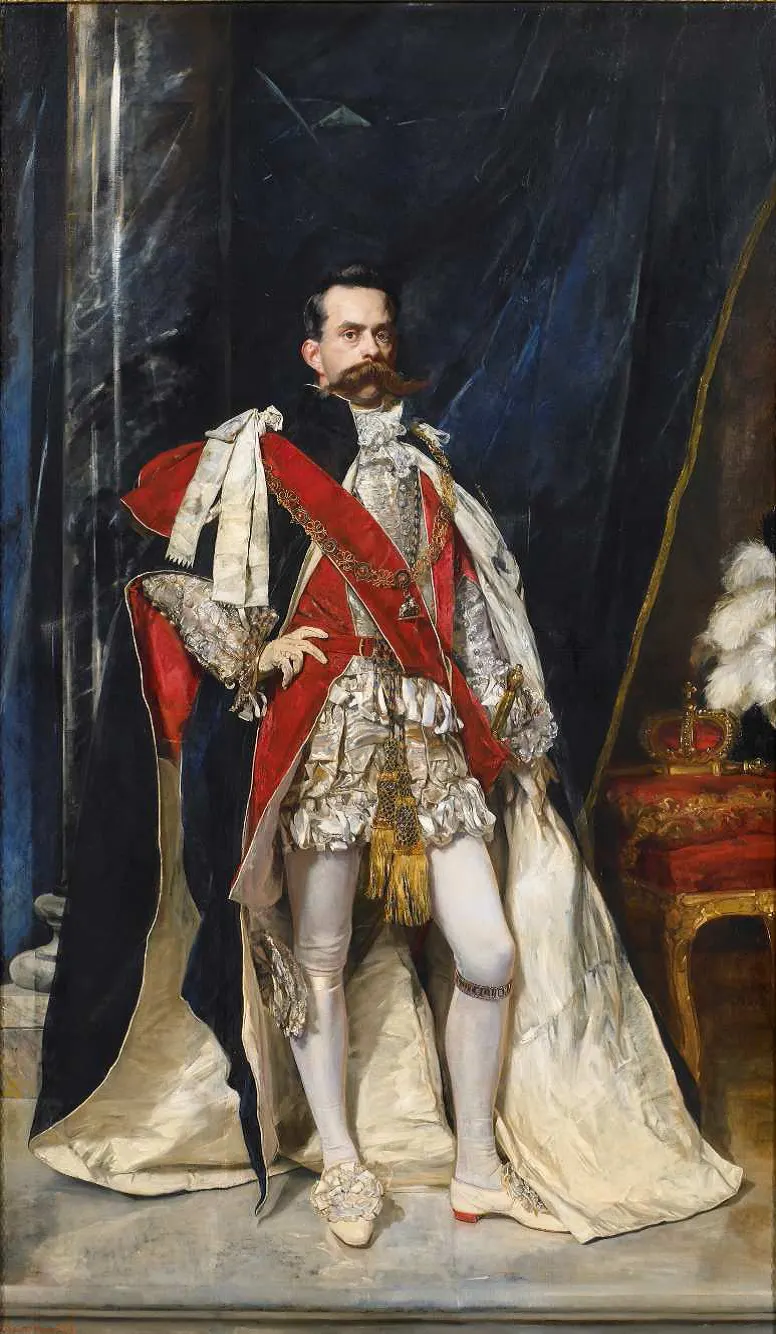
King Umberto I of Italy in the robes of the Order of the GarterKing Umberto I of Italy in the robes of the Order of the GarterImage: Scipione Vannutelli · Public domain
politics · Europe

An anarchist shoots King Umberto I at Monza

Umberto I became king of Italy in 1878 and survived two attempts on his life. His reign ended in years of hunger and unrest, and in May 1898, when crowds in Milan protested against the price of bread, troops under General Fiorenzo Bava Beccaris fired on them with rifles and cannon, killing dozens of people. Martial law followed, and the king honoured the general for his work. Gaetano Bresci, an Italian anarchist who had emigrated to Paterson, New Jersey, decided to avenge the Milan dead and sailed home. On the evening of 29 July 1900, as the king left a gymnastics display at Monza, near Milan, Bresci stepped up to his carriage and shot him several times with a revolver. Umberto died within minutes. His son became King Victor Emmanuel III, and Bresci was sentenced to life imprisonment; he died in prison the following year.

Source: Britannica: Umberto I ↗
1911
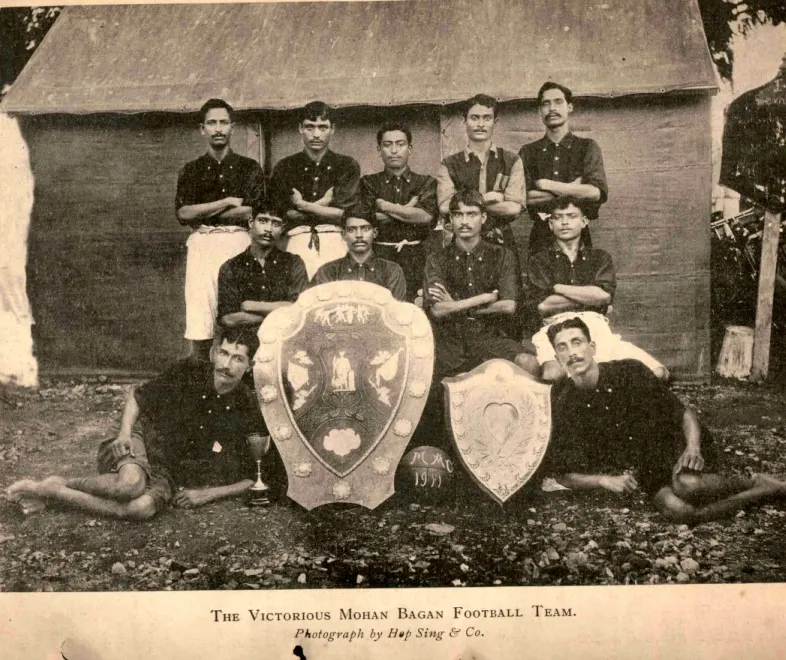
The Mohun Bagan team that won the IFA Shield in 1911The Mohun Bagan team that won the IFA Shield in 1911Image: Hay Sing & Co. · Public domain
sport · Asia

Barefoot Mohun Bagan beat a British army team for the IFA Shield

Football came to India with the British, and by the early 1900s the Indian Football Association Shield in Calcutta was dominated by British regimental and club teams. Mohun Bagan, a club founded in the city in 1889, reached the 1911 final after a run in which most of its players played barefoot against opponents in boots. The final against the East Yorkshire Regiment was played on 29 July 1911 in front of a huge crowd. The soldiers took the lead late on through Sergeant Jackson, but Mohun Bagan’s captain Shibdas Bhaduri equalised and Abhilash Ghosh scored the winner. It was the first time an Indian team had won the shield, and at a time of rising nationalism the victory was celebrated far beyond football. The club still marks 29 July as Mohun Bagan Day.

Source: Penguin India: When India defeated the English in 1911, an excerpt from Barefoot to Boots ↗
1954
culture · Europe

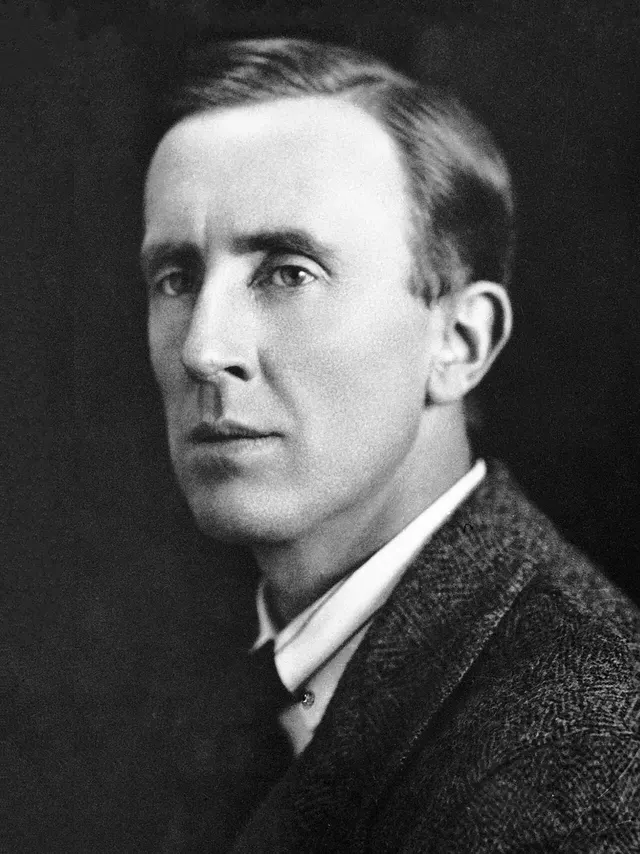
The Fellowship of the Ring is published

After the success of The Hobbit in 1937, the publisher Stanley Unwin asked J. R. R. Tolkien for a sequel. The Oxford professor spent the next 12 years writing it, and the story grew into a vast tale of a quest to destroy a ring of power, set in a world with its own languages, histories and maps. By the time it was finished it was far longer than any children’s book. Worried about the cost of paper and the risk of such a long book, George Allen & Unwin decided to publish it in three volumes. The first, The Fellowship of the Ring, came out on 29 July 1954 in a print run of a few thousand copies. The Two Towers followed that November and The Return of the King in October 1955. Tolkien never liked it being called a trilogy. The Lord of the Rings has since sold many millions of copies and shaped modern fantasy writing.

Source: The Tolkien Society: The Fellowship of the Ring published 63 years ago ↗
1957
The Vienna International Centre, where the International Atomic Energy Agency has its headquartersThe Vienna International Centre, where the International Atomic Energy Agency has its headquartersImage: Herbert Ortner, Vienna, Austria · CC BY 2.5
science · Global

The International Atomic Energy Agency comes into being

In December 1953 President Dwight D. Eisenhower told the United Nations General Assembly that the atom, which had destroyed Hiroshima and Nagasaki, could be put to work for peace, and proposed an international agency to share nuclear materials and know-how. His ‘Atoms for Peace’ speech led to three years of negotiation, and in October 1956 a conference at the UN’s headquarters in New York approved the statute of a new International Atomic Energy Agency. The statute needed 18 ratifications to take effect, and on 29 July 1957 it came into force. The agency set up home in Vienna, where it still has its headquarters, with the task of spreading the peaceful uses of nuclear energy in medicine, farming and power while checking that nuclear material was not diverted to weapons. Its inspections later became central to the Nuclear Non-Proliferation Treaty. From 26 members in its first year, it has grown to include most of the world’s countries, and in 2005 it shared the Nobel Peace Prize with its director general, Mohamed ElBaradei.

Source: IAEA: History ↗
1958
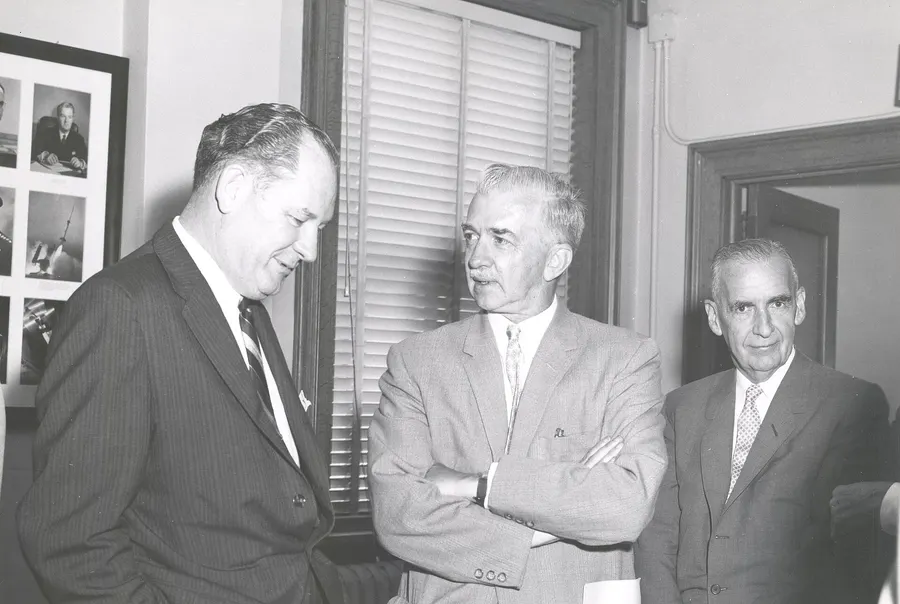
The final meeting of the National Advisory Committee for Aeronautics, NASA's forerunner, on 21 August 1958The final meeting of the National Advisory Committee for Aeronautics, NASA’s forerunner, on 21 August 1958Image: NASA · Public domain

science · Americas

Eisenhower signs the law that creates NASA

The launch of Sputnik by the Soviet Union in October 1957 shocked Americans, who feared they had fallen behind in rockets and science. The United States put its first satellite, Explorer 1, into orbit in January 1958, but its space work was split between the army, navy and air force. In April President Eisenhower asked Congress for a single civilian agency to run the country’s space programme. Congress passed the National Aeronautics and Space Act on 16 July, and Eisenhower signed it into law on 29 July 1958. It declared that American activities in space should be devoted to peaceful purposes for the benefit of all humankind. The new National Aeronautics and Space Administration took over the National Advisory Committee for Aeronautics, founded in 1915, with its laboratories and around 8,000 staff, and opened for business on 1 October 1958.

Source: NASA: 65 years ago, the National Aeronautics and Space Act of 1958 creates NASA ↗
1968
Arenal volcano in Costa Rica, seen across rough ground and forest on the flow of lava it poured out after 1968Arenal volcano in Costa Rica, seen across rough ground and forest on the flow of lava it poured out after 1968Image: Christophe Meneboeuf · CC BY-SA 3.0
world · Americas

Costa Rica’s Arenal volcano bursts back to life

Arenal, a cone-shaped volcano in northern Costa Rica, had been quiet for centuries and was covered in forest. On the morning of 29 July 1968 it exploded, hurling rocks over the villages on its western side and nearly destroying Tabacón. The Smithsonian’s Global Volcanism Program puts the dead at 78; other accounts give 87. Arenal then stayed active for more than 40 years, its glowing lava flows drawing visitors from around the world.

Source: Smithsonian Institution, Global Volcanism Program: Arenal ↗
1975
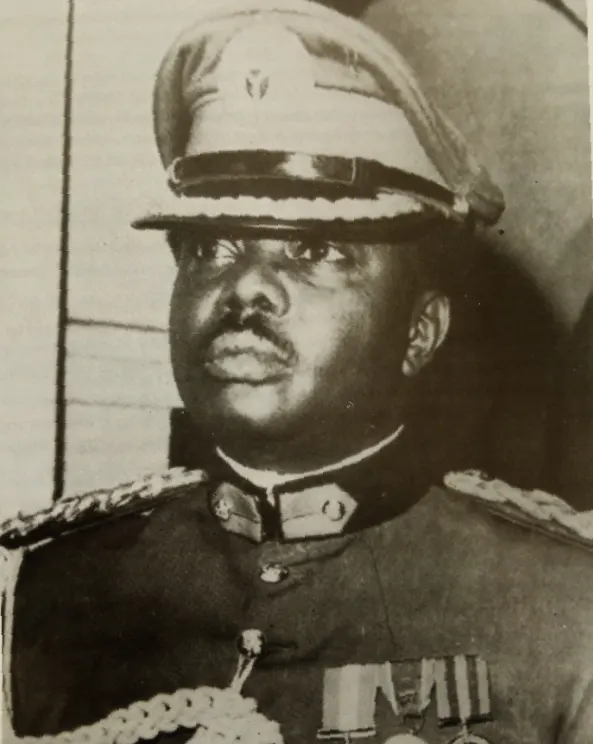
Murtala Mohammed, who became Nigeria's head of state after the coup of July 1975Murtala Mohammed, who became Nigeria’s head of state after the coup of July 1975Image: Seven Ways Zaria · Public domain
politics · Africa

Nigeria’s army removes Yakubu Gowon while he is abroad

Yakubu Gowon was only 31 when he became Nigeria’s head of state after a coup in 1966. He led the federal side through the civil war against the breakaway state of Biafra from 1967 to 1970 and then pursued a policy of reconciliation. But the oil boom brought rising corruption, and in 1974 he put off his promised return to civilian rule, angering many officers. On 29 July 1975, while Gowon was in Kampala, Uganda, at a summit of the Organisation of African Unity, a group of officers announced that he had been removed. Brigadier Murtala Mohammed became head of state. He dismissed thousands of officials, set a timetable for civilian rule and began planning a new federal capital at Abuja, but was killed in a failed coup in February 1976. Gowon went into exile in Britain, where he studied at the University of Warwick.

Source: Britannica: Yakubu Gowon ↗
1981
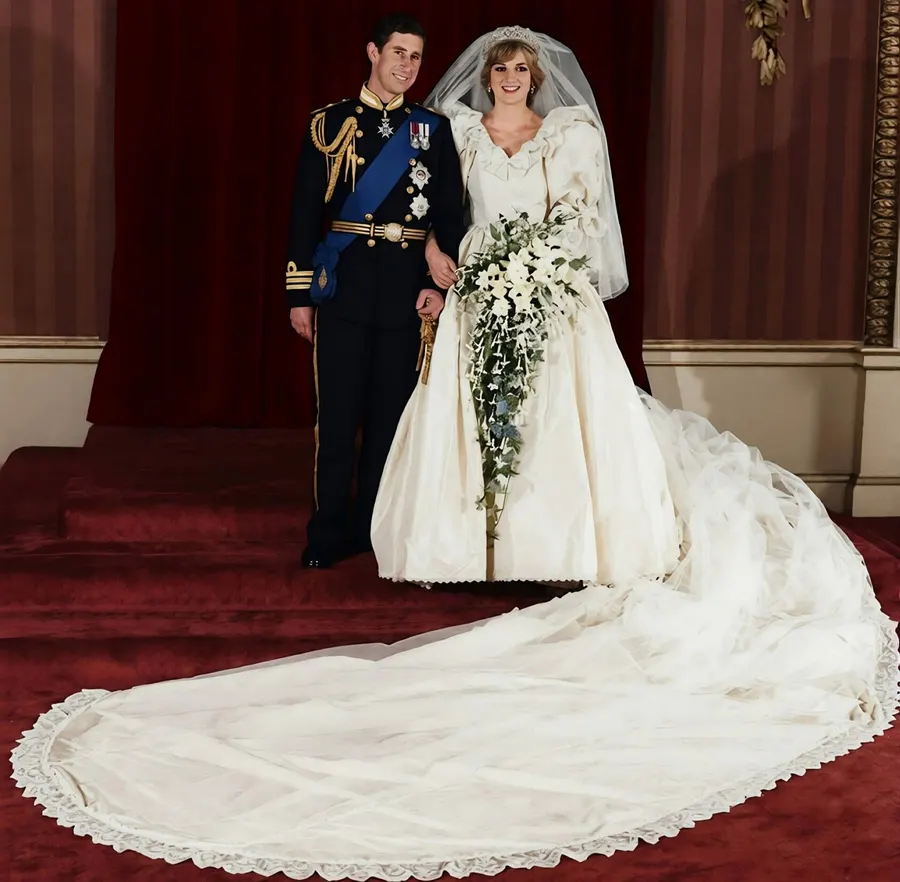
The Prince and Princess of Wales after their wedding in July 1981The Prince and Princess of Wales after their wedding in July 1981Image: United Press International · Public domain
culture · Europe

Prince Charles marries Lady Diana Spencer

On 29 July 1981 Charles, Prince of Wales, married the 20-year-old Lady Diana Spencer in St Paul’s Cathedral in London, rather than Westminster Abbey. Crowds lined the route from Buckingham Palace, and the service was followed on television and radio by hundreds of millions of people around the world; St Paul’s puts the audience at about a billion. The couple separated in 1992 and divorced in 1996.

Source: St Paul’s Cathedral: Today in history, a rare royal wedding takes place at St Paul’s ↗
1987
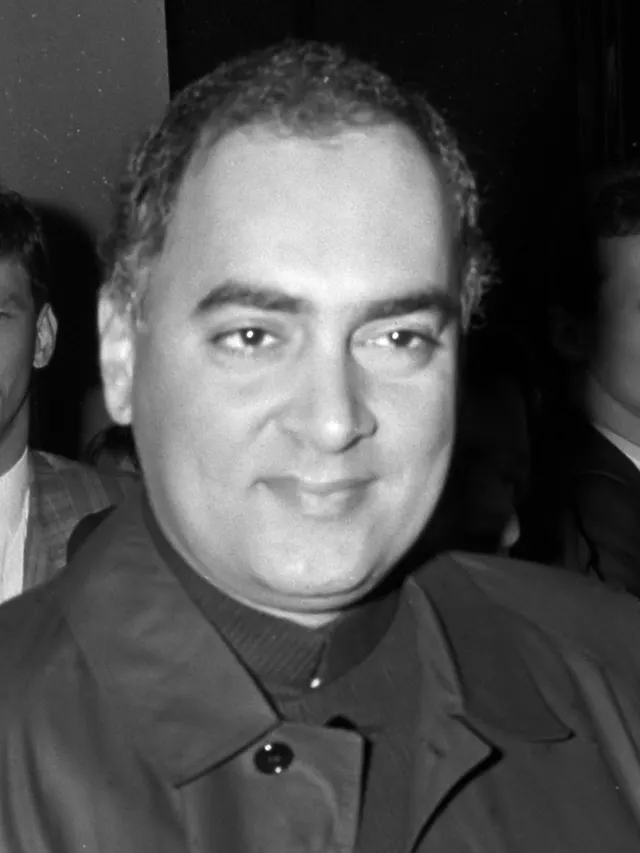
Rajiv Gandhi, prime minister of India, photographed in 1987Rajiv Gandhi, prime minister of India, photographed in 1987Image: Bart Molendijk / Anefo · CC BY-SA 3.0 nl
politics · Asia

India and Sri Lanka sign an accord to end the Tamil conflict

Sri Lanka had been at war since 1983 with Tamil militant groups fighting for a separate state in the north and east. On 29 July 1987 in Colombo, President J. R. Jayewardene and India’s prime minister, Rajiv Gandhi, signed an accord offering the Tamil areas their own provincial government and recognising Tamil as an official language, while the militants were to give up their weapons. Indian peacekeepers were sent in, but they were soon fighting the Tamil Tigers and left in 1990.

Source: Ministry of External Affairs, India: Indo-Lanka Accord, Colombo, 29 July 1987 ↗
WHY THESE MOMENTS?

Significance before volume

This page is not the longest possible list of events. It is a chronological journey through 29 July, where each entry is chosen for historical significance, human interest and reliability.

Facts are checked against authoritative museums, archives, universities and reference works. Where sources disagree, the page says so.

EXPLORED THE DEEPER STORY?

Return to the highlights of 29 July

Discover the lighter side of the date with famous birthdays, culture, firsts and lives remembered.

Explore This Day →
← PREVIOUS DAY28 July
HISTORY & TIMELINE29 July
NEXT DAY →30 July