Explore 15 July

Explore 15 July: crusaders storm Jerusalem, Poland and Lithuania crush the Teutonic Knights at Grunwald, French soldiers unearth the Rosetta Stone and a coup in Nicosia sets Cyprus on the road to division. Born today: Walter Benjamin, Jacques Derrida and Jocelyn Bell Burnell.

This day through time →13 verified events across 6 eras

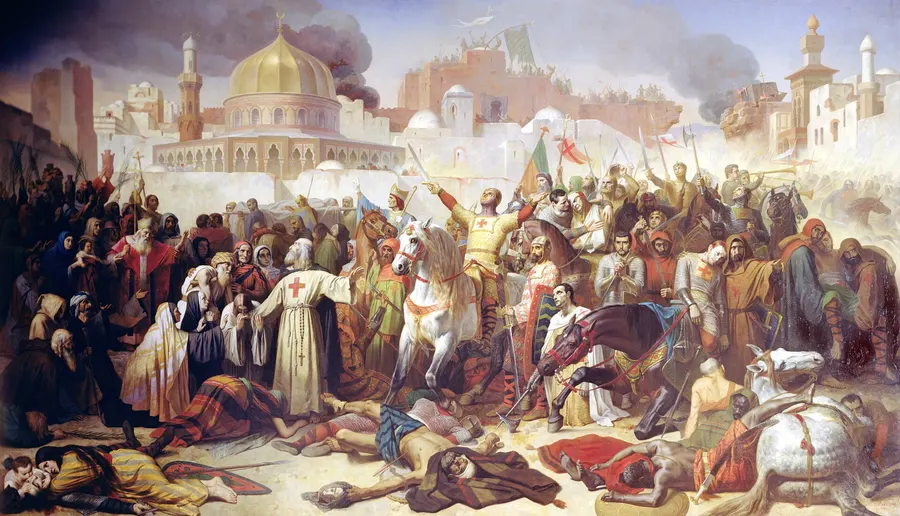
The Taking of Jerusalem by the Crusaders, 15 July 1099, painted by Émile Signol in 1847
Image creditÉmile Signol · Public domainResized and cropped for display.

The crusaders storm Jerusalem

The First Crusade had set out from Europe in 1096 at the call of Pope Urban II. After three years of marching, sieges and hunger, the survivors reached Jerusalem on 7 June 1099. The city was held by the Fatimid rulers of Egypt, who had taken it from the Turks only the year before. The crusaders, reduced to perhaps 1,200 to 1,500 knights and some 12,000 foot soldiers, settled down to a siege and built wooden siege towers.

The towers were pushed up to the walls on 13 and 14 July, and on 15 July 1099 the men of Godfrey of Bouillon fought their way onto a stretch of the northern wall. Others followed on ladders, and a gate was opened. The governor surrendered to Raymond of Toulouse in the Tower of David and was escorted out, but the crusaders then killed a great many of the city’s Muslim and Jewish inhabitants; how many is still disputed. Godfrey became the city’s first Latin ruler, and a Fatimid relief army was beaten at Ascalon a few weeks later.

Read the full storyHistory & Timeline →Source: Britannica: Crusades, the siege of Jerusalem ↗
The Battle of Tannenberg (Grunwald), from the illustrated Swiss chronicle of Diebold Schilling the Elder, about 1485
Image creditDiebold Schilling the Elder · Public domainResized and cropped for display.

Poland and Lithuania crush the Teutonic Knights at Grunwald

The Teutonic Knights, a German crusading order, had built a powerful state in Prussia on the Baltic coast and spent two centuries fighting their pagan neighbours in Lithuania. When the Lithuanian grand duke Jogaila married the queen of Poland in 1386, became King Władysław II Jagiełło and accepted Christianity, the knights refused to believe the conversion was sincere. In 1409 their Grand Master, Ulrich von Jungingen, declared war on both countries.

On 15 July 1410 the armies met between the villages of Grunwald and Tannenberg in Prussia. Jagiełło and his cousin Vytautas, grand duke of Lithuania, led a host of Poles, Lithuanians, Ruthenians and Tatars against the knights and their foreign volunteers, in one of the largest battles of medieval Europe. By evening the order’s army was destroyed and von Jungingen lay dead. The victors failed to take the knights’ fortress at Marienburg, but the order never recovered its strength, and Poland-Lithuania rose to be a great power. Grunwald remains a national symbol in Poland and Lithuania.

Read the full storyHistory & Timeline →Source: Britannica: Battle of Grunwald (1410) ↗
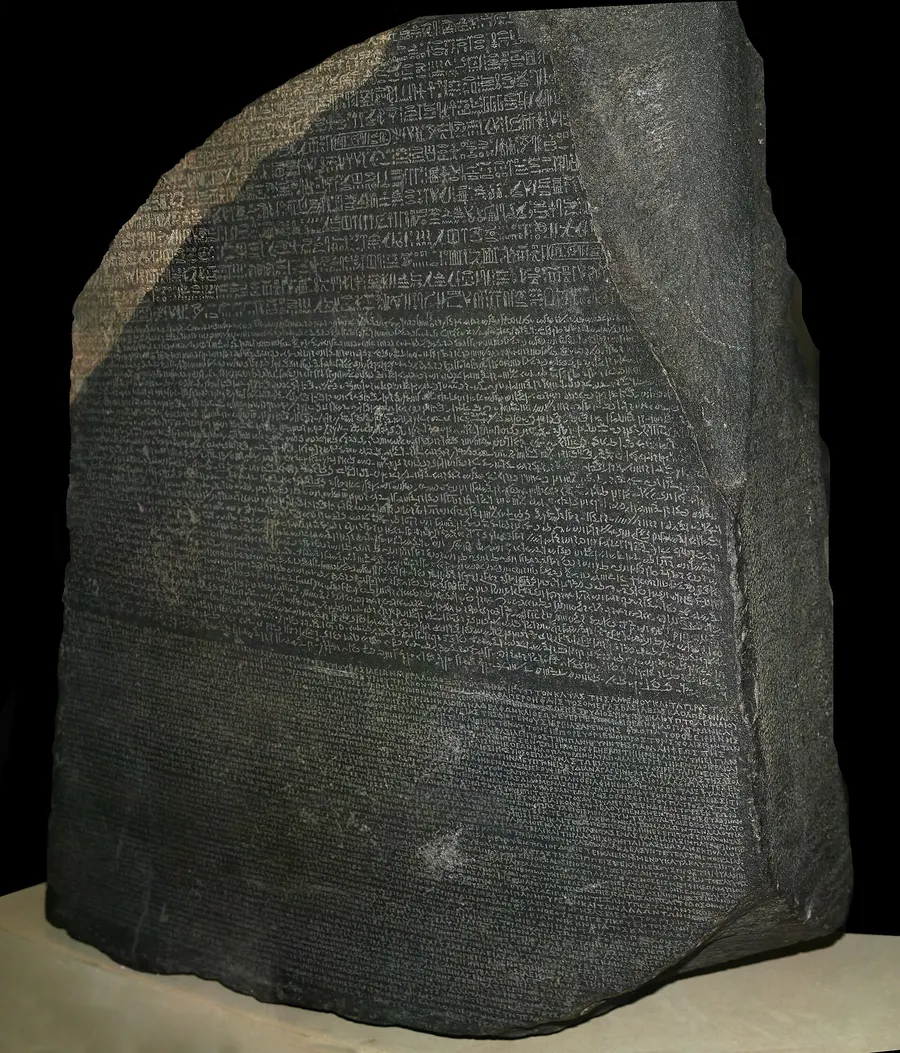
The Rosetta Stone on display in the British Museum, with its three scripts: hieroglyphs, demotic and Greek
Image creditHans Hillewaert · CC BY-SA 4.0Resized and cropped for display.

French soldiers unearth the Rosetta Stone

In 1798 Napoleon Bonaparte invaded Egypt, taking with him not only an army but also a large party of scholars to study the country. In the summer of 1799 French soldiers were repairing an old fort near the town of Rashid, which Europeans called Rosetta, in the Nile Delta. On 15 July 1799, while digging foundations, they came upon a broken slab of dark stone that had been built into an ancient wall. The officer in charge, Pierre-François Bouchard, saw that it was important, although it was probably an Egyptian labourer who first spotted it.

The stone carried a decree issued by priests at Memphis in 196 BC in honour of King Ptolemy V, written three times over: in hieroglyphs, in the everyday Egyptian script called demotic, and in ancient Greek. Because the Greek could be read, it offered a key to the lost hieroglyphs. When the French in Egypt surrendered in 1801, the stone passed to the British, and it has been in the British Museum since 1802. Working from it, Jean-François Champollion announced in 1822 that he had cracked the hieroglyphic script.

Read the full storyHistory & Timeline →Source: British Museum: The Rosetta Stone, everything you need to know ↗
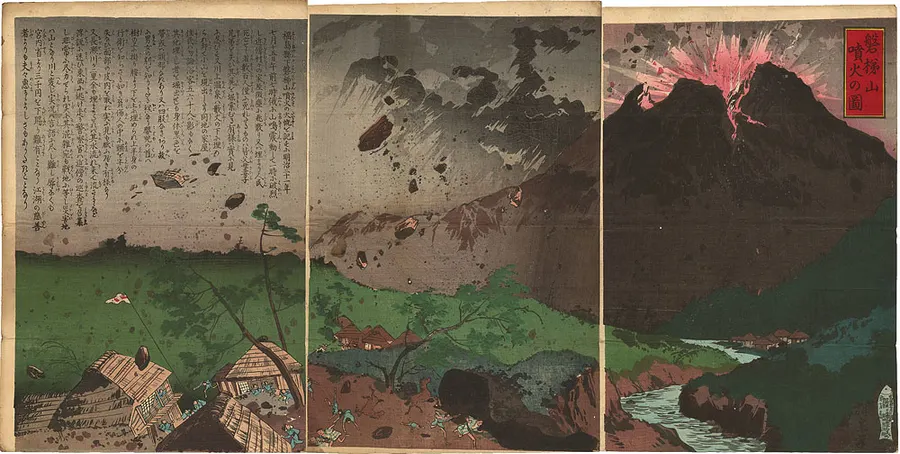
The eruption of Mount Bandai, in a Japanese woodblock print by Inoue Tankei published in 1888
Image creditInoue Tankei · Public domainResized and cropped for display.

Mount Bandai blows apart in northern Japan

Mount Bandai rises above the north shore of Lake Inawashiro in what is now Fukushima Prefecture. Farming villages lay on its lower slopes. On the morning of 15 July 1888 steam and groundwater trapped inside the volcano exploded. There was no fresh lava; instead the blast tore away the northern side of its peak, Ko-Bandai.

A huge avalanche of rock and earth swept down the northern slopes and ran on for around 11 kilometres, burying several villages, while blasts and mudflows raced down the other side. More than 450 people were killed. The debris dammed rivers and created new lakes, among them Hibara, Onogawa and Akimoto, which today form the scenic Urabandai area. Japanese scientists studied the disaster closely, and geologists still use ‘Bandai-type’ to describe eruptions in which a volcano’s side collapses.

Read the full storyHistory & Timeline →Source: Smithsonian Global Volcanism Program: Bandaisan ↗
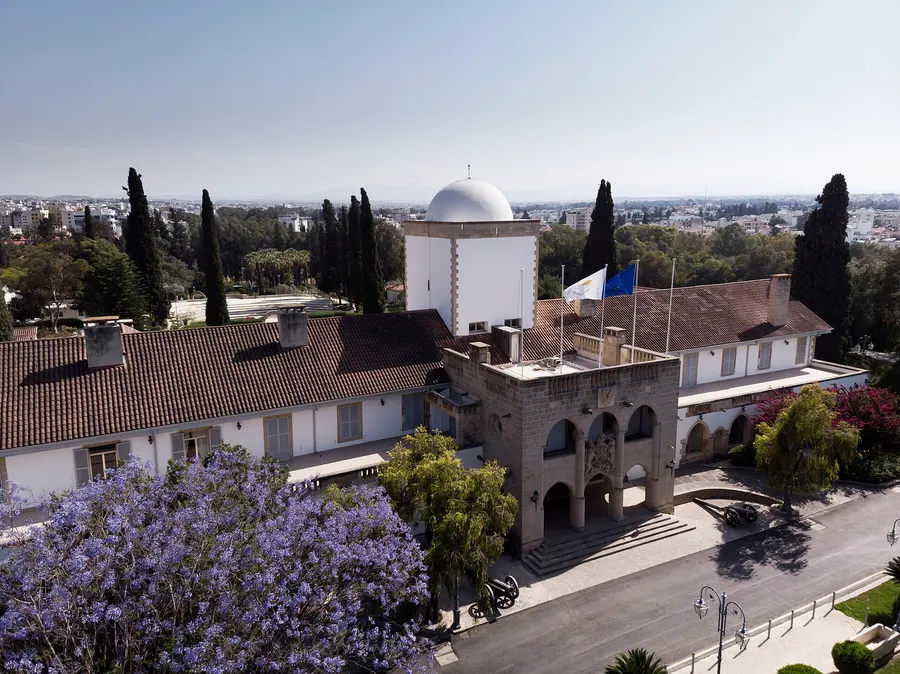
The Presidential Palace in Nicosia, attacked during the coup of July 1974 and later rebuilt
Image creditIakovos Hatzistavrou, European Commission · CC BY 4.0Resized and cropped for display.

A coup in Nicosia overthrows Archbishop Makarios

Cyprus became independent from Britain in 1960 with a constitution meant to share power between its Greek and Turkish Cypriot communities, but it soon broke down amid violence between them. Many Greek Cypriots still wanted enosis, union with Greece. The president, Archbishop Makarios III, had drifted away from that goal, and after a hard-line faction of Greece’s military junta took power in Athens in 1973, relations with him grew bitter. When Makarios moved to reduce the Greek officers’ hold on the island’s National Guard, Athens struck first.

On 15 July 1974 units of the National Guard, led by officers from mainland Greece, attacked the Presidential Palace in Nicosia and seized key points on the island. Makarios escaped and was flown out of the country by the British, and Nikos Sampson, a veteran of the anti-British EOKA campaign, was installed as president. Five days later Turkey invaded, saying it was acting to protect the Turkish Cypriots. Sampson soon stepped down and the Athens junta collapsed, but by mid-August Turkish forces held the north of the island, which remains divided today.

Read the full storyHistory & Timeline →Source: Britannica: Cyprus, the Republic of Cyprus ↗

♙
PEOPLE

Born Today

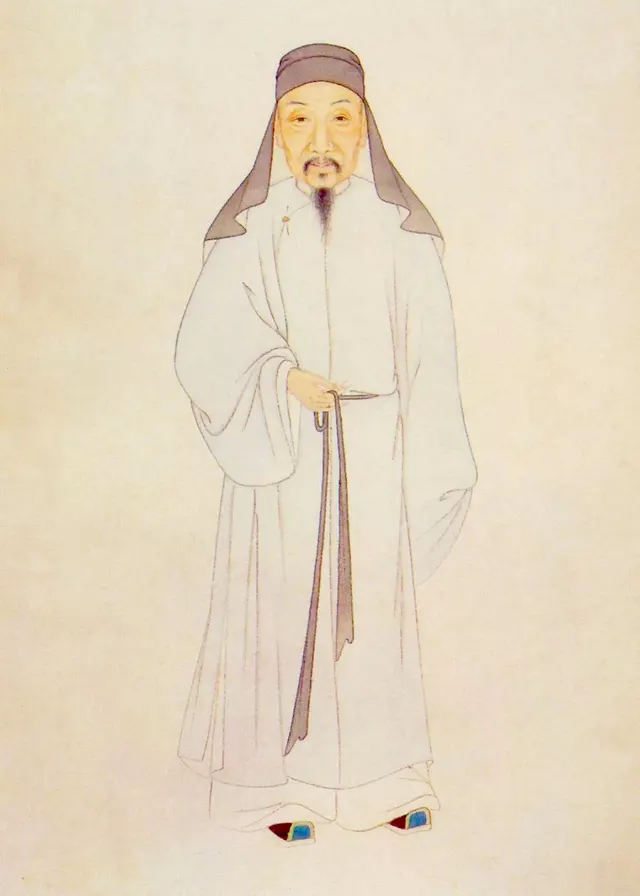
Gu Yanwu
Image creditYe Yanlan (compiler); Huang Xiaoquan (copyist) · Public domainResized and cropped for display.

Gu Yanwu

Chinese scholar who refused to serve the Qing after the fall of the Ming, travelled widely across the north and filled his Record of Daily Knowledge with careful research.

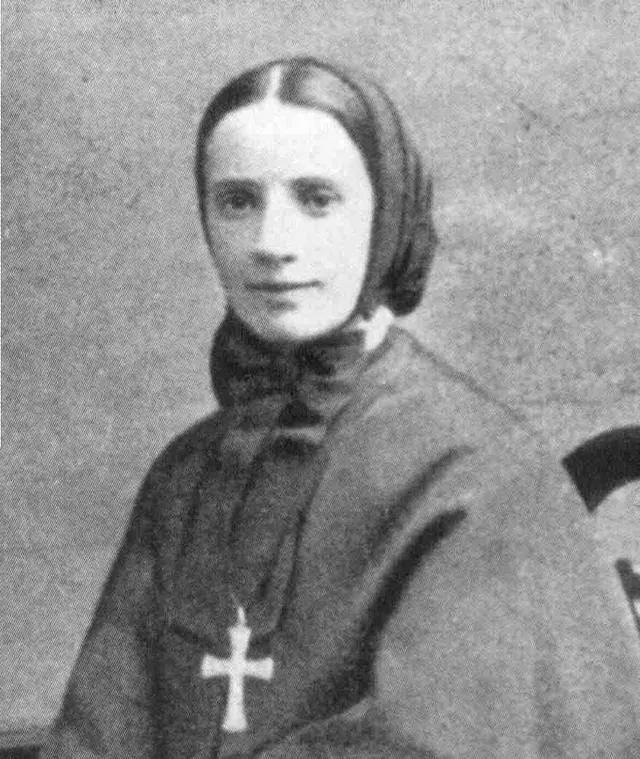
Frances Xavier Cabrini
Image creditUnknown author · Public domainResized and cropped for display.

Frances Xavier Cabrini

Italian-born nun who founded the Missionary Sisters of the Sacred Heart, worked among Italian immigrants in the United States and was the first US citizen made a saint.

Walter Benjamin
Image creditUnknown photographer (identity photo, 1928) · Public domainResized and cropped for display.

Walter Benjamin

German critic and philosopher, author of the essay ‘The Work of Art in the Age of Mechanical Reproduction’, who died in 1940 while fleeing the Nazis.

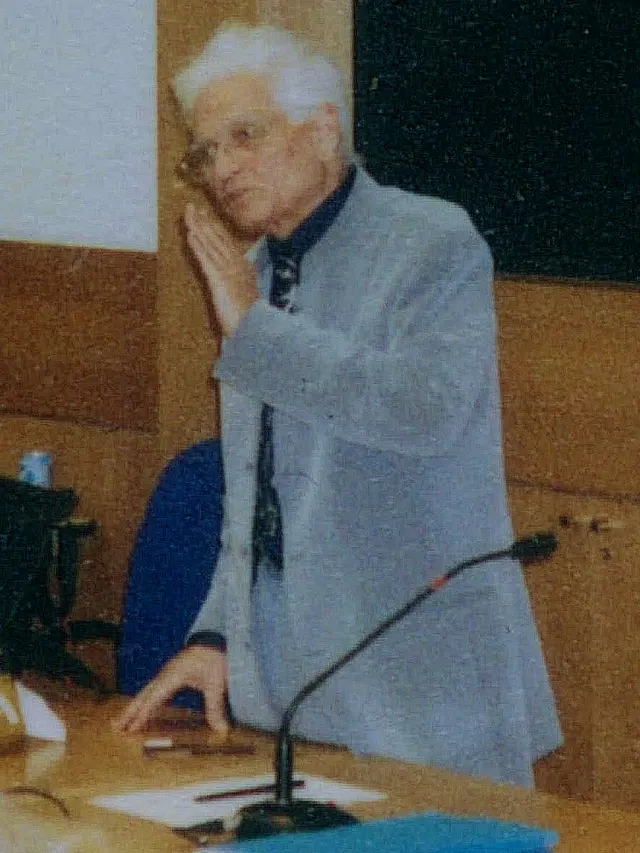
Jacques Derrida
Image creditAuto-épreuve · CC BY 4.0Resized and cropped for display.

Jacques Derrida

French philosopher born in Algeria, who developed ‘deconstruction’, one of the most influential and debated ideas in late 20th-century thought.

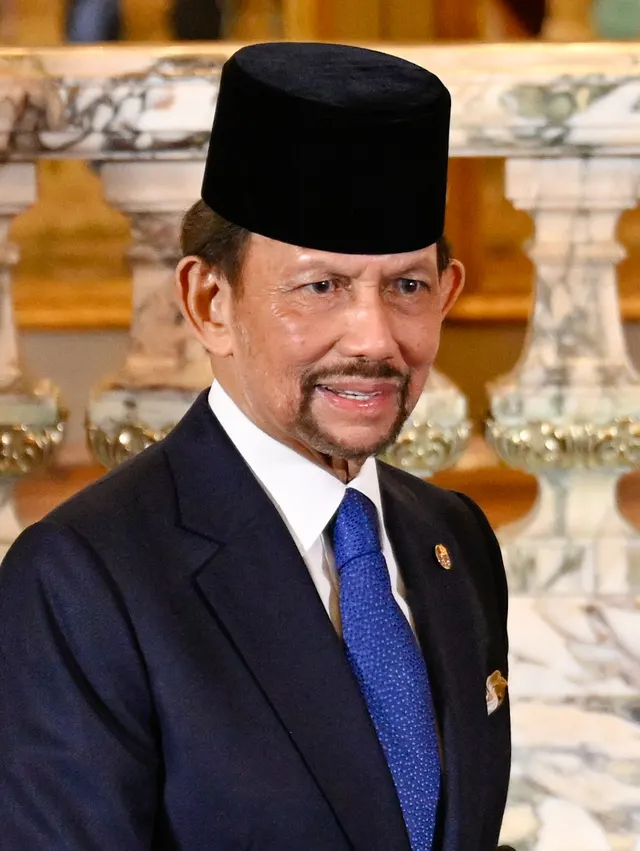
Hassanal Bolkiah
Image creditCancillería del Perú · CC BY-SA 2.0Resized and cropped for display.

Hassanal Bolkiah

Sultan of Brunei since 1967 and also its prime minister since independence in 1984, one of the world’s few remaining absolute monarchs.

Linda Ronstadt
Image creditRob Bogaerts for Anefo · CC0Resized and cropped for display.

Linda Ronstadt

American singer who moved easily between rock, country, pop and the Mexican songs of her family, and was one of the best-selling artists of the 1970s.

Mario Kempes
Image creditBryan Berlin · CC BY-SA 4.0Resized and cropped for display.

Mario Kempes

Argentine striker who was top scorer at the 1978 World Cup and scored twice in the final as Argentina won their first title.

◉
IDEAS THAT CHANGED THINGS

Firsts, Science & Discoveries

The Boeing 367-80, the 'Dash 80', in flight in its brown and yellow paint
The Boeing 367-80, the ‘Dash 80’, in flight in its brown and yellow paint
Image creditBoeing Dreamscape · Public domainResized and cropped for display.

Boeing’s jet prototype, the Dash 80, takes to the air

In the early 1950s the world’s airlines still flew propeller aircraft; Britain’s de Havilland Comet had pioneered jet travel but was grounded after fatal crashes in 1954. Boeing, which had built jet bombers for the US Air Force, gambled some 16 million dollars of its own money on a prototype jet transport, known inside the company as the 367-80, or Dash 80.

With four Pratt & Whitney turbojets under its swept wings, it first flew above Seattle on 15 July 1954. It was faster than the Comet and could fly more than 3,500 miles. The Air Force ordered a tanker version, the KC-135, and the airliner version, the Boeing 707, entered service in 1958 and helped launch the age of mass jet travel. The prototype itself was given to the Smithsonian in 1972 and is displayed at the Steven F. Udvar-Hazy Center in Virginia.

Read the full storyHistory & Timeline →Source: National Air and Space Museum: Boeing 367-80 jet transport ↗
☆
SPORTING HISTORY

Sporting Moments

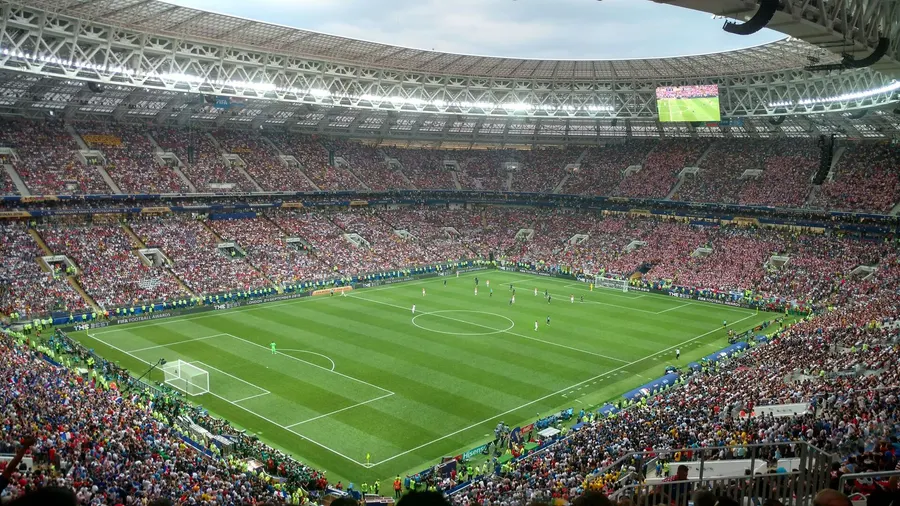
France and Croatia during the first half of the 2018 World Cup final at the Luzhniki Stadium in Moscow
Image creditMorogris · CC BY-SA 4.0Resized and cropped for display.

France beat Croatia to win their second World Cup

The 2018 World Cup in Russia ended at the Luzhniki Stadium in Moscow on 15 July, before 78,011 spectators. France, champions in 1998, faced Croatia, a country of about four million people playing in its first final after three extra-time matches in the knockout rounds.

Mario Mandžukić headed a French free kick into his own net, the first own goal in a World Cup final, and Ivan Perišić levelled. Perišić then handled in the area, and after a video review Antoine Griezmann scored the penalty. In the second half Paul Pogba and the 19-year-old Kylian Mbappé made it 4-1 before Mandžukić pulled one back. Didier Deschamps, France’s captain in 1998, became only the third man to win the World Cup as both player and coach.

Read the full storyHistory & Timeline →Source: FIFA: Formidable France secure second title ↗
♫
MUSIC • FILM • BOOKS • CULTURE

Culture Stories

The Nintendo Family Computer, or Famicom, with one of its hard-wired controllers
Image creditEvan-Amos · Public domainResized and cropped for display.

Nintendo launches the Famicom in Japan

Nintendo, a Kyoto company that had begun in 1889 by making playing cards, had found success with arcade games such as Donkey Kong and with its handheld Game & Watch toys. Its engineer Masayuki Uemura led the design of a cheap home console that took games on plug-in cartridges, and on 15 July 1983 the Family Computer, soon known as the Famicom, went on sale in Japan.

More than half a million were sold in two months, although a faulty part forced a recall before sales took off again. In 1985 a redesigned version reached the United States as the Nintendo Entertainment System, reviving a home video game market that had collapsed in 1983. Games such as Super Mario Bros. and The Legend of Zelda made Nintendo’s characters known around the world, and tens of millions of the consoles were sold.

Read the full storyHistory & Timeline →Source: The Strong National Museum of Play: First there was Famicom ↗
✦
LIVES REMEMBERED

Remembered Today

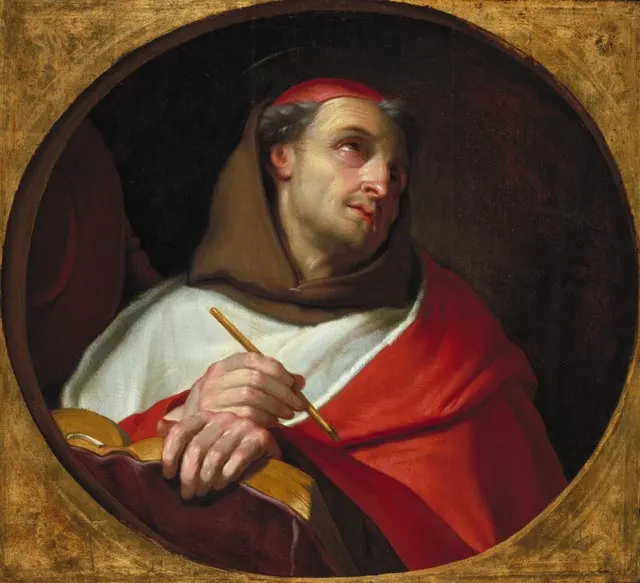
Bonaventure
Image creditClaude François · Public domainResized and cropped for display.

Bonaventure

Italian Franciscan theologian who led his order for 17 years and became a cardinal; he died during the Council of Lyon and is honoured as a Doctor of the Church.

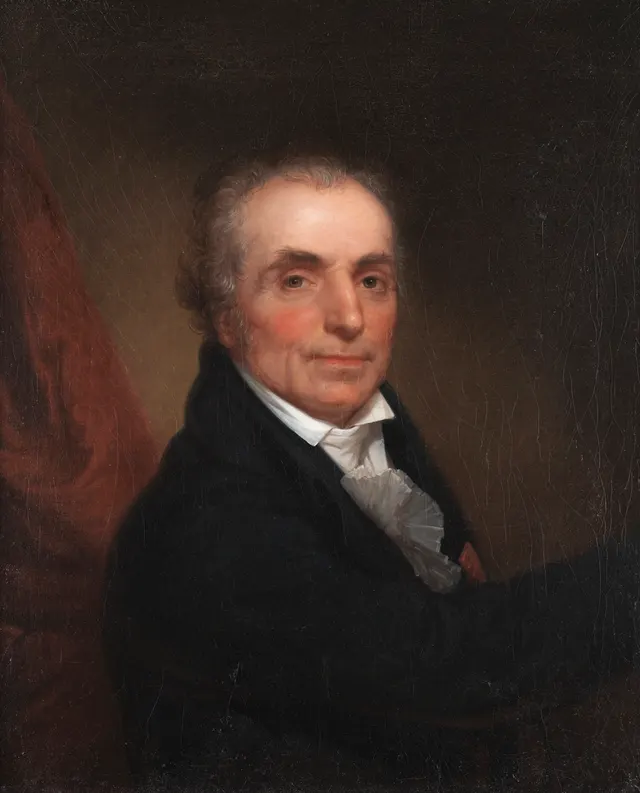
Jean-Antoine Houdon
Image creditRembrandt Peale · Public domainResized and cropped for display.

Jean-Antoine Houdon

French sculptor famous for lifelike portrait busts and statues of figures such as Voltaire, Benjamin Franklin and George Washington.

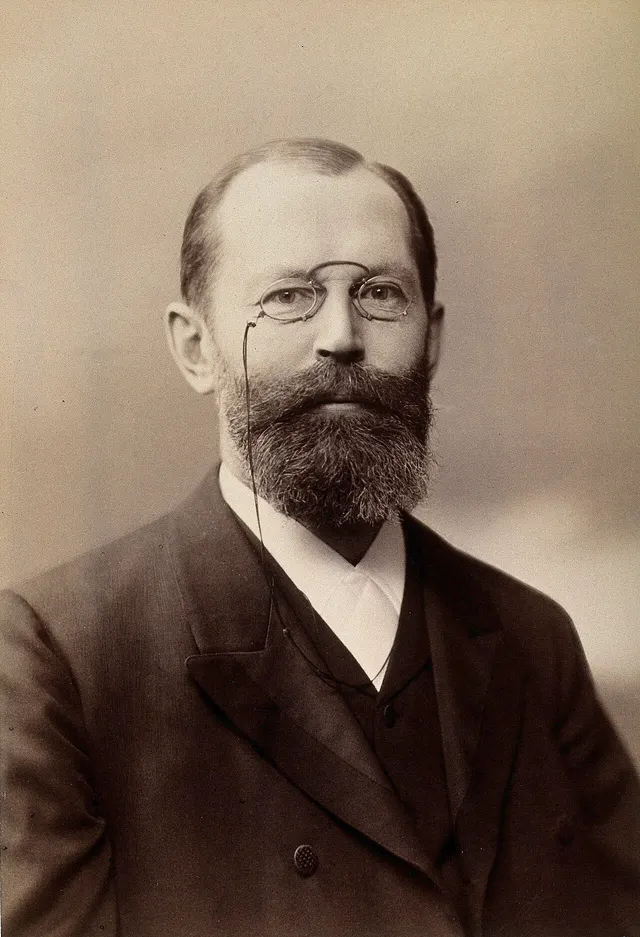
Emil Fischer
Image creditAtelier Victoria (Wellcome Collection) · CC BY 4.0Resized and cropped for display.

Emil Fischer

German chemist who worked out the structures of sugars and related compounds and won the 1902 Nobel Prize in Chemistry.

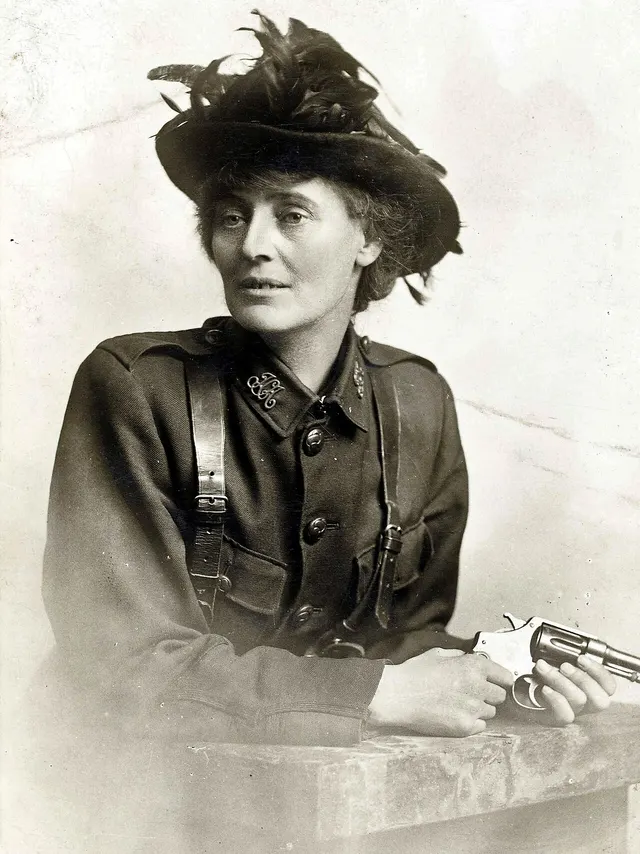
Constance Markievicz
Image creditKeogh Brothers Ltd. · Public domainResized and cropped for display.

Constance Markievicz

Irish revolutionary who fought in the Easter Rising and in 1918 became the first woman elected to the UK House of Commons, though she did not take her seat.

John J. Pershing
Image creditBain News Service, publisher · Public domainResized and cropped for display.

John J. Pershing

American general who commanded the American Expeditionary Forces in France during the First World War.

☉
AROUND THE WORLD

Observances & Anniversaries

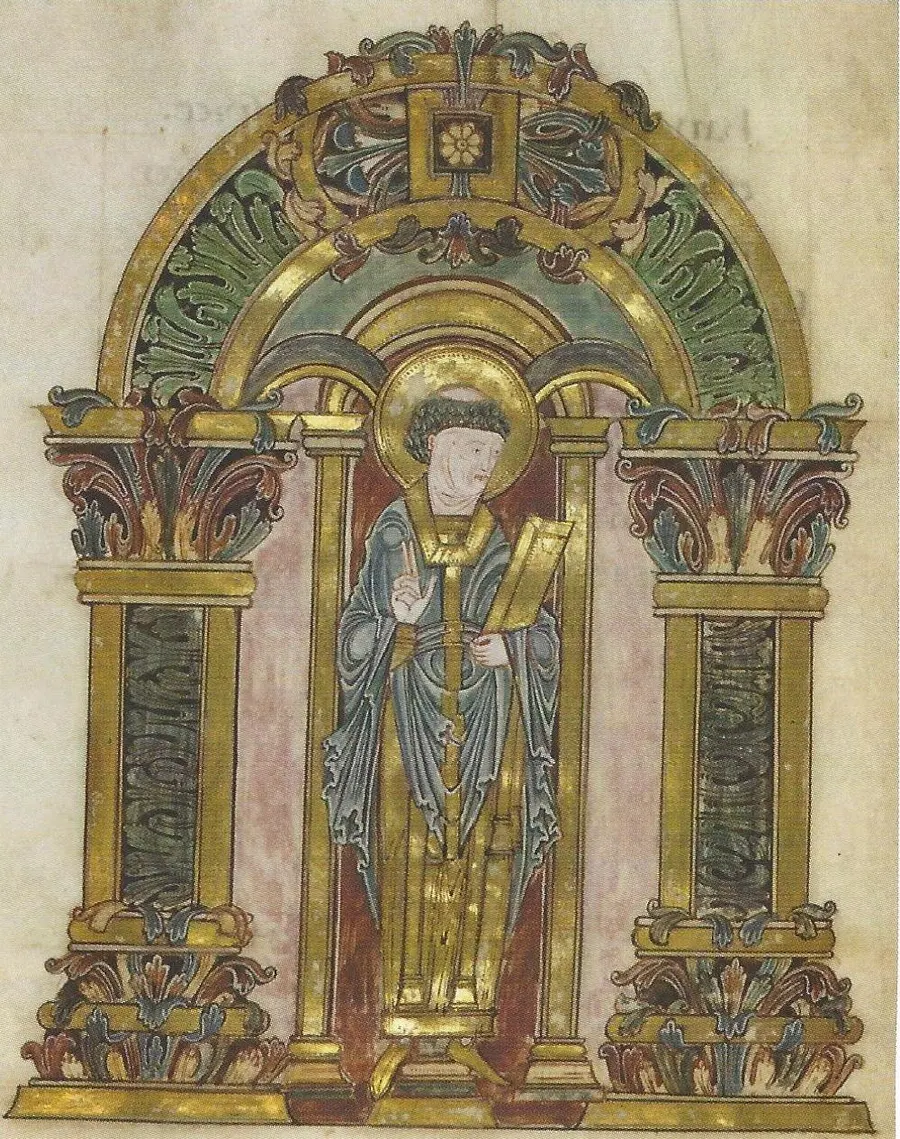
St Swithun, from the Benedictional of St Æthelwold, a manuscript made at Winchester in the 10th century
Image creditUnknown illuminator (Benedictional of St Æthelwold, British Library) · Public domainResized and cropped for display.

St Swithun’s Day

Swithun was bishop of Winchester in the 9th century. He asked to be buried outside, where rain would fall on his grave, and on 15 July 971 his remains were moved into the cathedral. Legend says the saint showed his displeasure with a storm of rain that lasted for weeks.

The date has given Britain its best-known piece of weather lore: if it rains on St Swithun’s Day, it will rain for 40 days, and if it is fair, 40 fine days will follow. Weather records show no such pattern, but the saying lives on.

Source: Britannica: St. Swithin’s Day ↗
HISTORY & TIMELINE

Finished the highlights?

Follow 15 July chronologically, from the Middle Ages to the modern day, with 13 verified events and the sources behind them.

This day through time →