
622
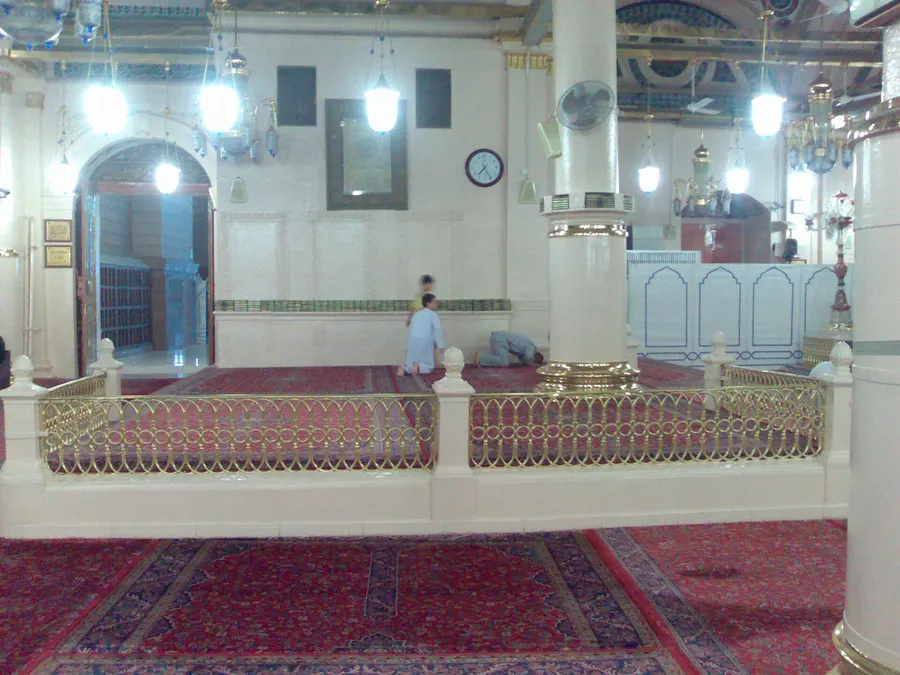 Inside the Prophet’s Mosque in Medina, the city to which Muhammad migrated in 622Image: بلال الدويك · CC BY-SA 3.0
culture · Middle East
The first day of the Islamic calendar
The Islamic calendar counts its years from the Hijrah, the Prophet Muhammad’s migration from Mecca to Medina in 622. The migration itself took place in September, but when the caliph Umar introduced the era in about 639 he fixed its start at the beginning of that lunar year, 1 Muharram. That day fell on Friday 16 July 622 in the Julian calendar. Because the Islamic year is lunar, about 11 days shorter than the solar year, its months move steadily through the seasons.
Source: Britannica: Hijrah ↗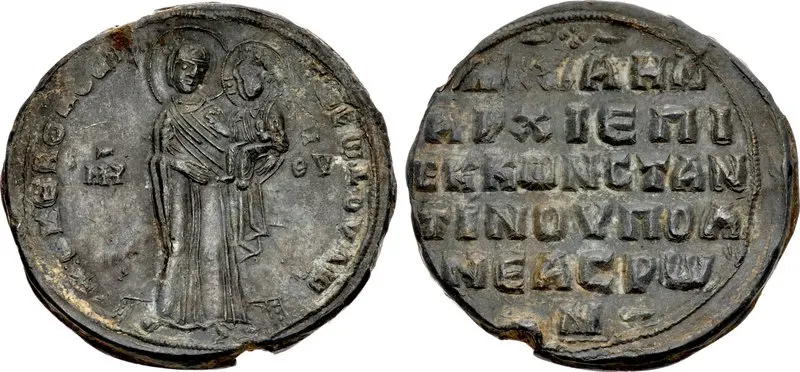 Both sides of a lead seal of Michael Cerularius, Patriarch of Constantinople, with the Virgin on one face and a Greek inscription naming him on the otherImage:
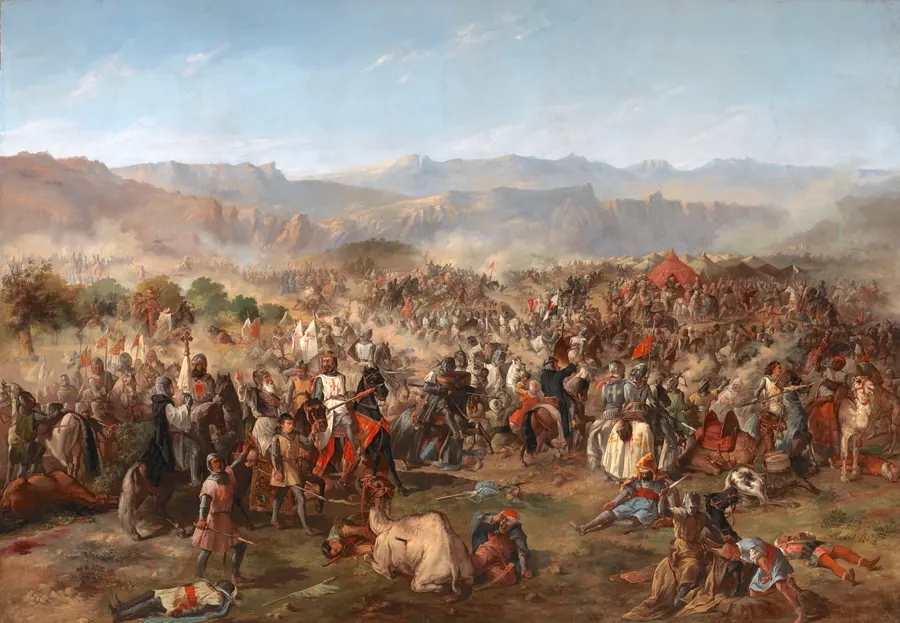 The Battle of Las Navas de Tolosa, painted by Francisco de Paula Van Halen in 1864Image:
 A hand-drawn map of the Penghu Islands from the early Qing dynastyImage:
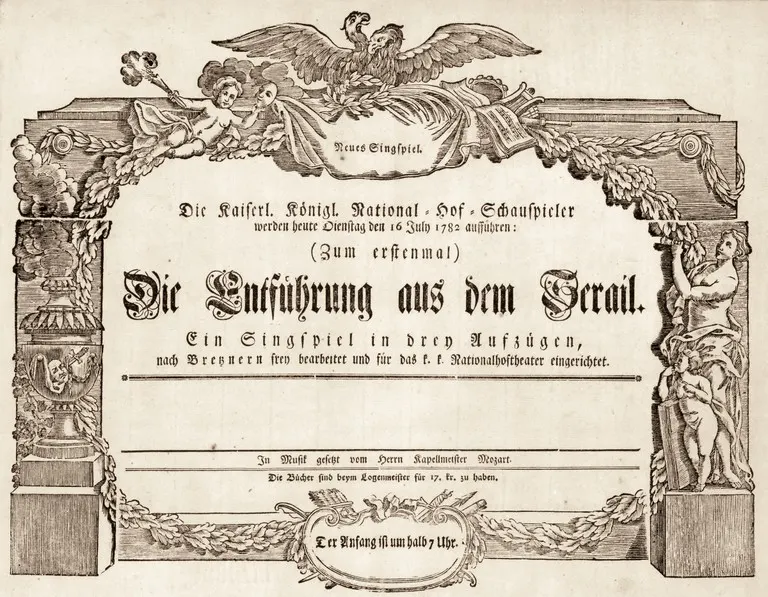 The playbill for the first performance of Die Entführung aus dem Serail by the imperial National-Singspiel company in Vienna, 1782Image:
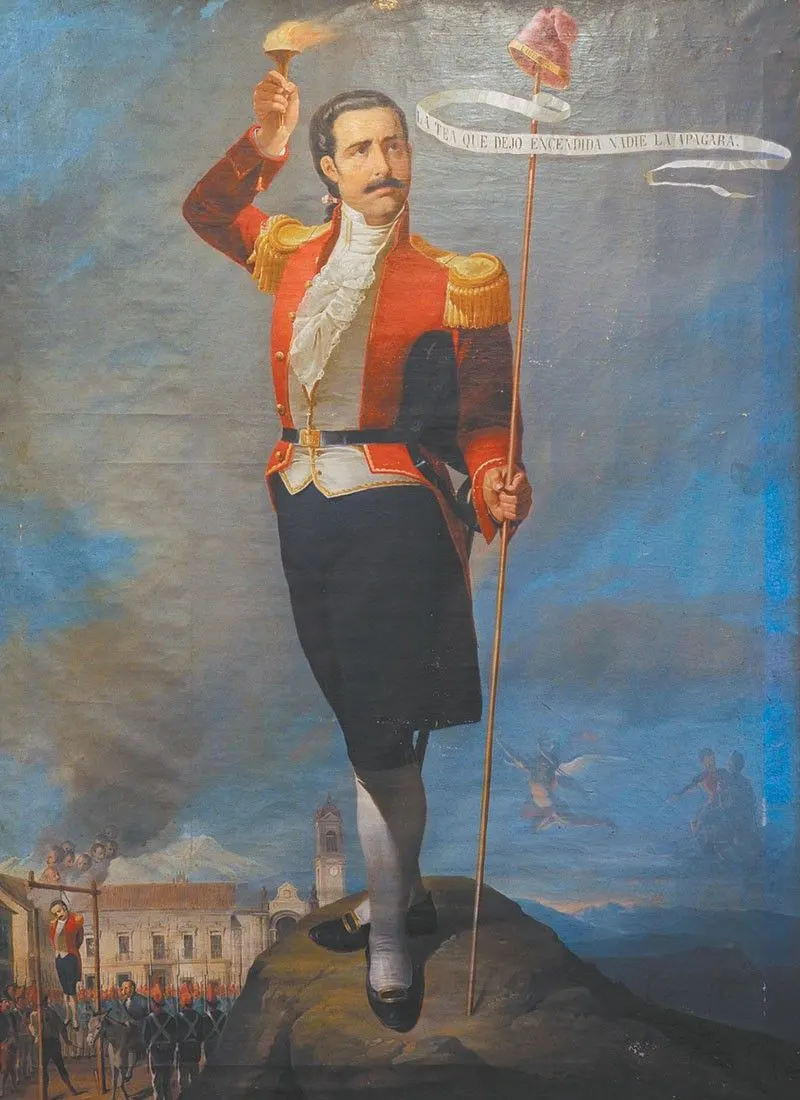 Pedro Domingo Murillo, leader of the La Paz rising, holding a torch above the city in a portrait by Joaquín PintoImage:
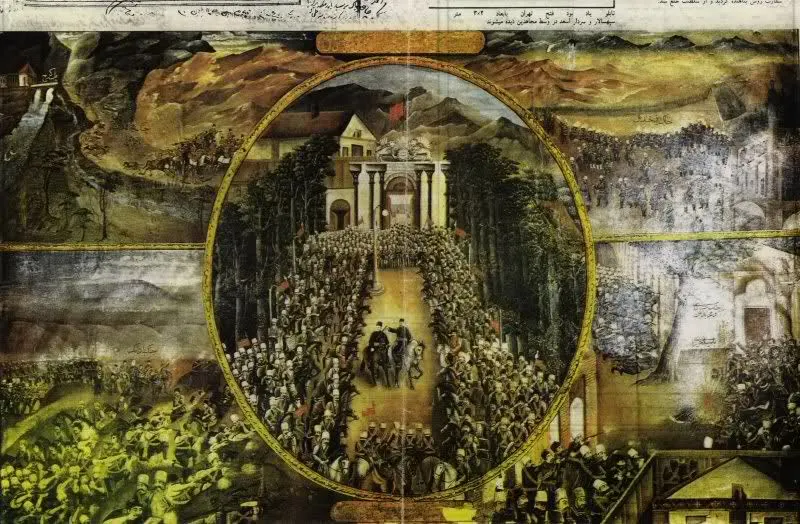 A commemorative picture of the constitutionalists’ capture of Tehran in 1909, with crowds gathered around a building at its centreImage:
 The memorial plaque on the site of the Vélodrome d’Hiver in Paris, recording the arrests of 16 and 17 July 1942Image:
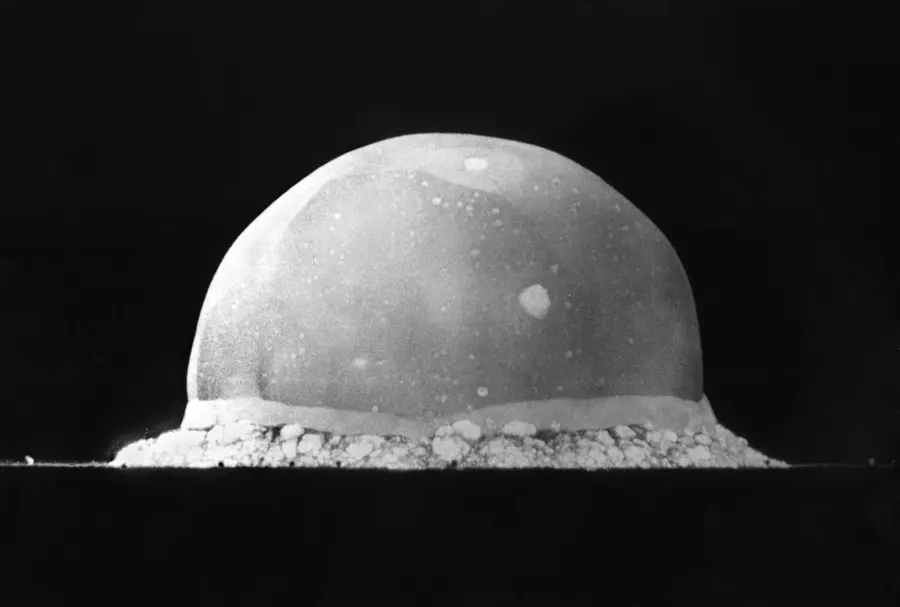 The Trinity fireball rising over the New Mexico desert, 16 milliseconds after the detonationImage:
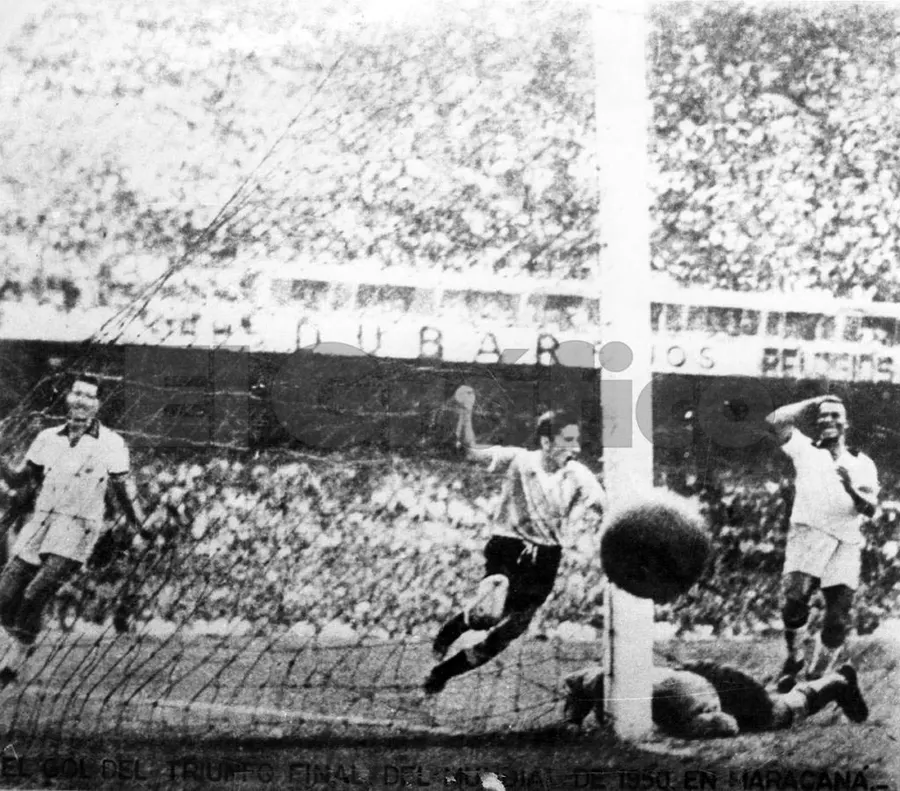 Alcides Ghiggia’s shot goes past the Brazilian goalkeeper Barbosa for Uruguay’s winning goal at the Maracanã, 16 July 1950Image:
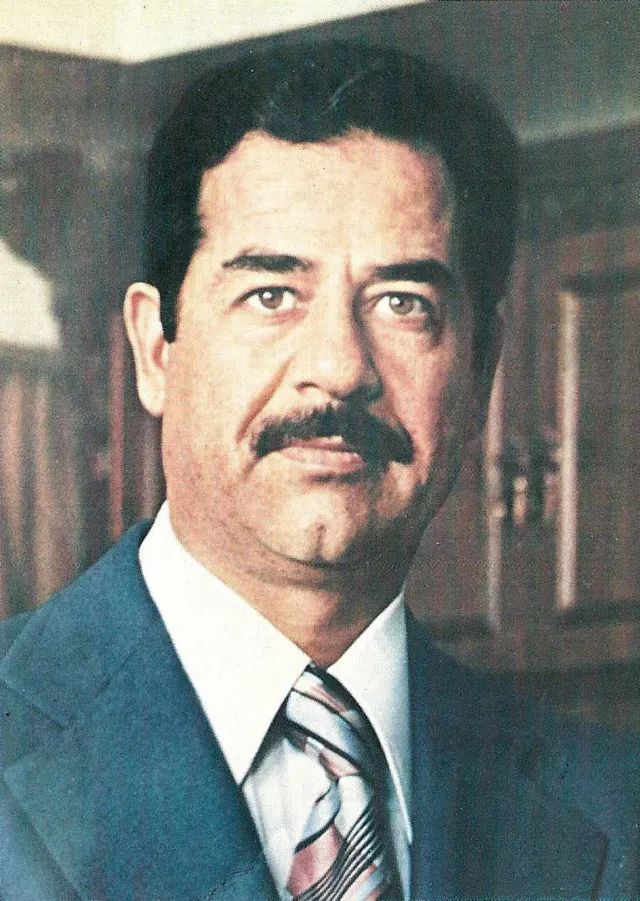 Saddam Hussein in an official portrait of 1979, the year he became presidentImage:
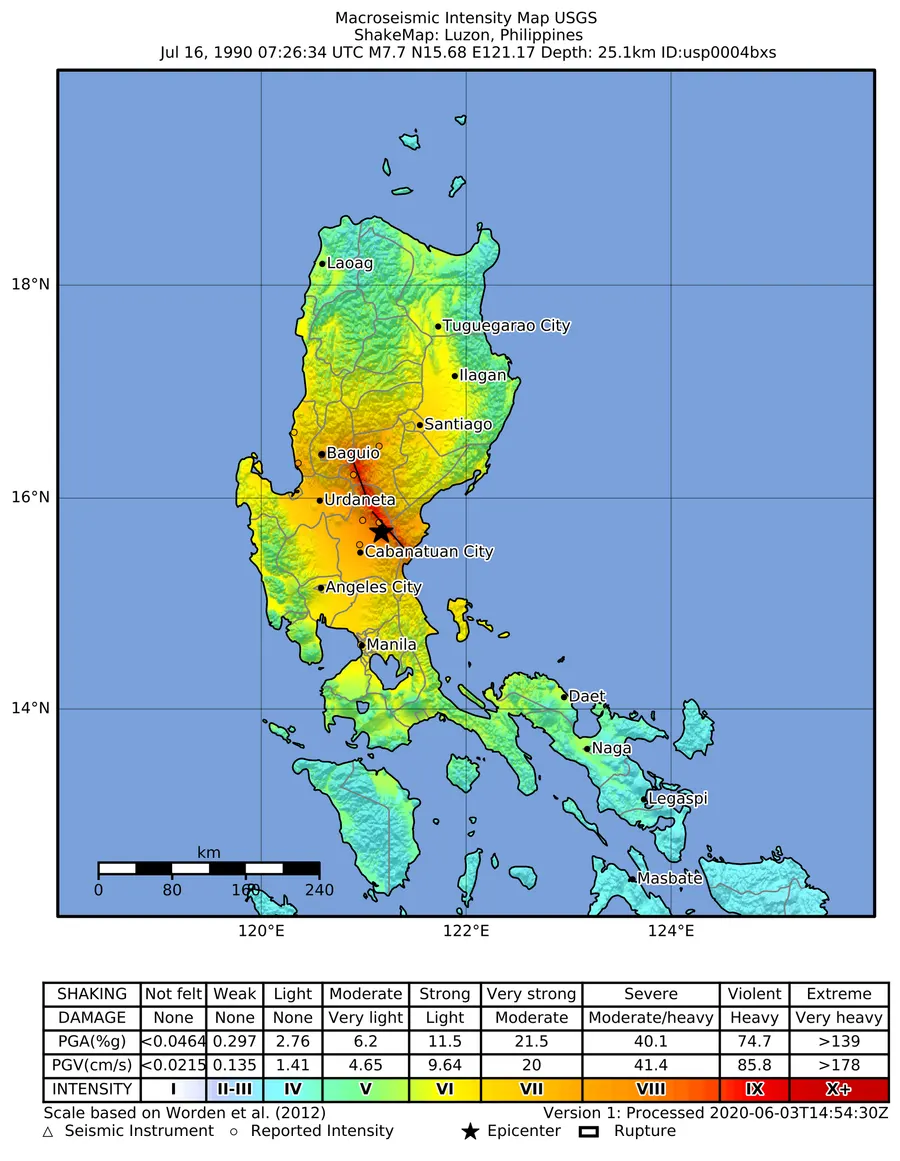 A US Geological Survey map of the intensity of shaking across Luzon in the earthquake of 16 July 1990Image:
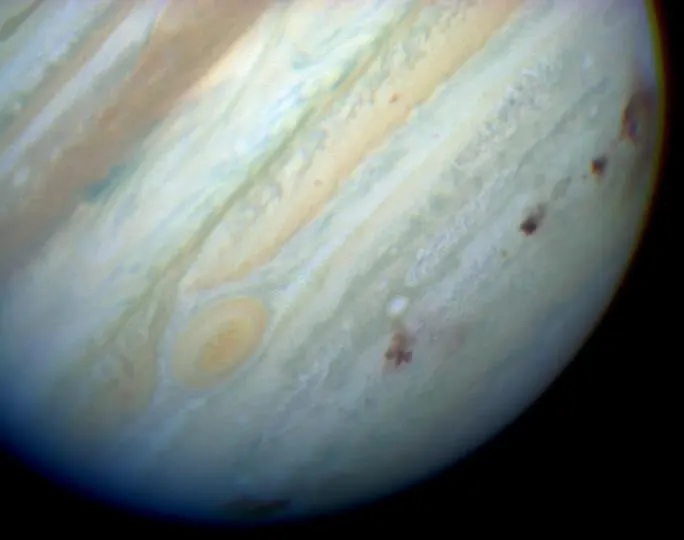 Dark impact scars from the comet fragments in Jupiter’s southern hemisphere, seen by the Hubble Space TelescopeImage: