1236Córdoba falls to Ferdinand III and its great mosque becomes a cathedral
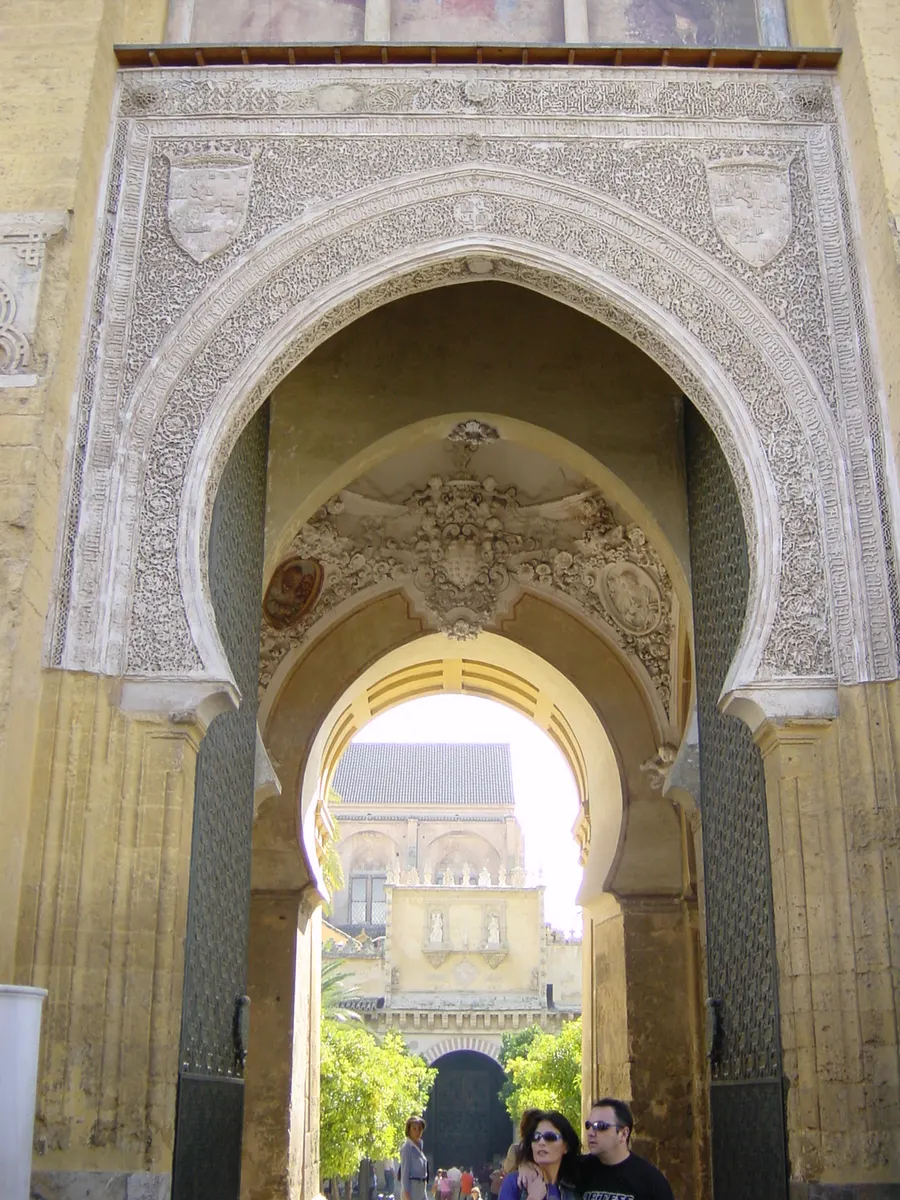
For three centuries Córdoba had been the greatest city of Muslim Spain, the capital of the Umayyad caliphate, and its Great Mosque, enlarged by one ruler after another, was one of the wonders of the Islamic world. By the 1230s the caliphate was long gone, and Christian kingdoms were pushing south. In 1236 Ferdinand III, king of Castile and León, laid siege to the city.
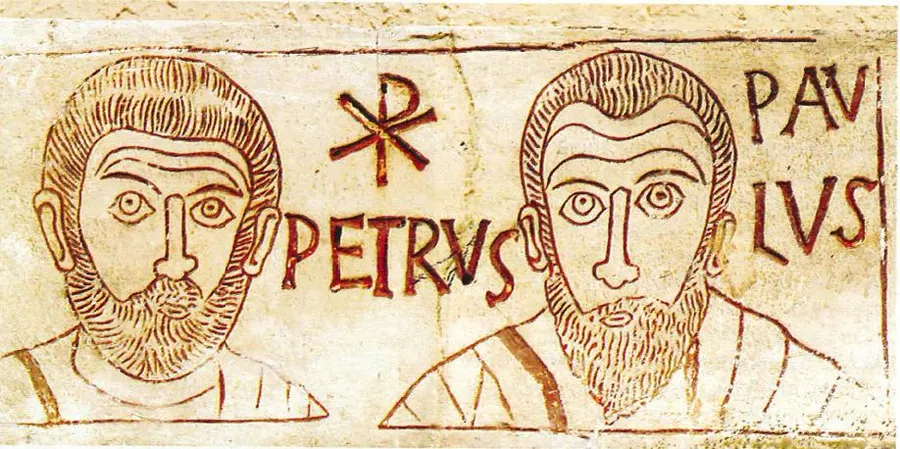
Córdoba surrendered, and on 29 June 1236, the feast of Saints Peter and Paul, the mosque was dedicated to Christian worship with a mass held in a chapel set up beneath the dome of the caliph al-Hakam II. The building was not pulled down. Its forest of striped arches survived, and in the 16th century a Renaissance cathedral was raised in its centre. It still serves as Córdoba’s cathedral today.
Read the full storyHistory & Timeline →Source: Mosque–Cathedral of Córdoba (official site): The history ↗
1880Tahiti’s last king hands his kingdom to France
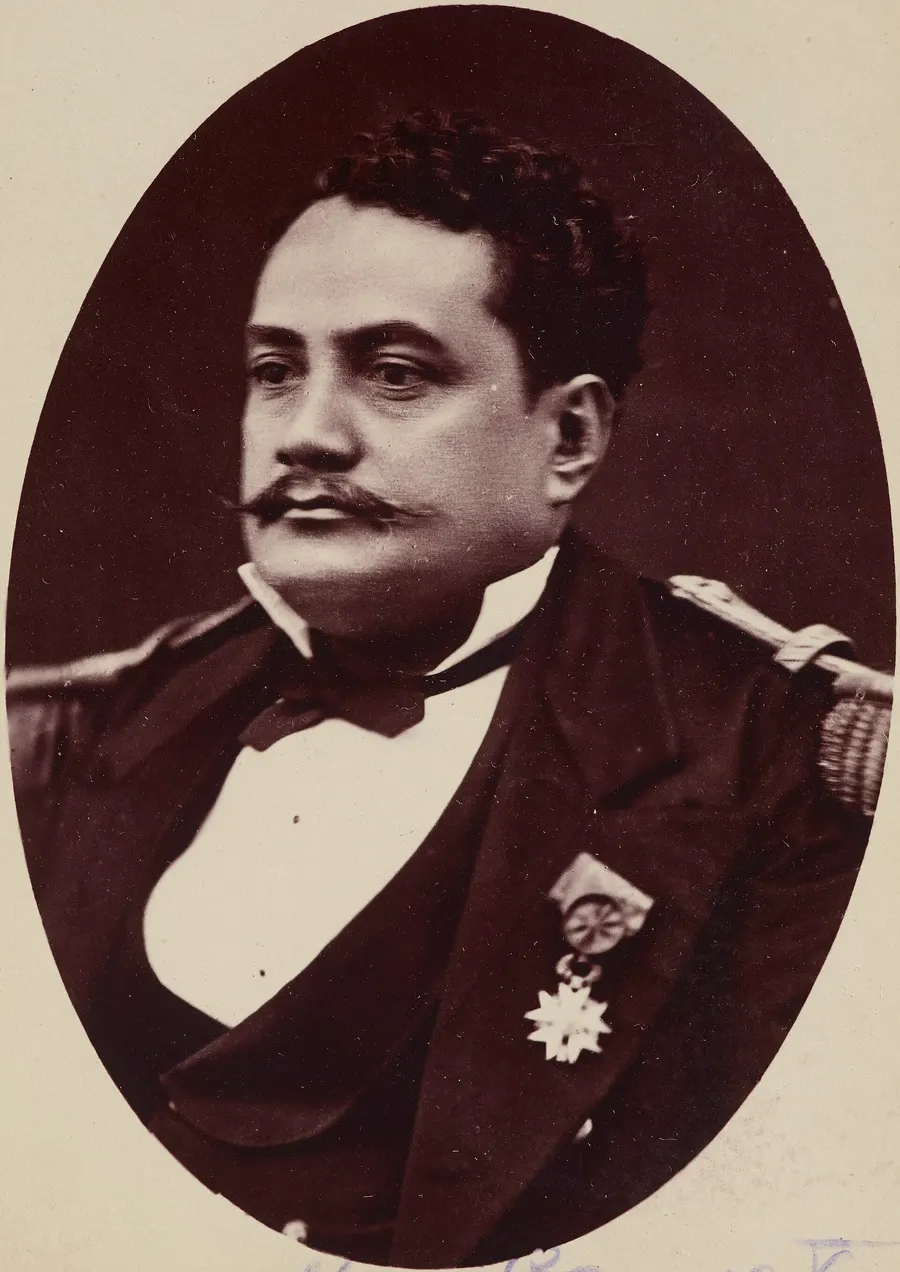
France had held Tahiti as a protectorate since 1842, leaving the Pōmare dynasty on the throne while French officials held real power. Pōmare V, who became king in 1877, agreed to give up what remained of his kingdom’s independence in return for a pension and the right to keep his royal title.
On 29 June 1880, in a ceremony in Papeete, the king’s spokesman read out his proclamation that Tahiti and its dependencies were now united with France. The French flag was raised to the sound of the Marseillaise and a cannon salute. Tahiti became a French colony, the centre of what were later called the French Establishments in Oceania and today French Polynesia.
Read the full storyHistory & Timeline →Source: Archives de la Polynésie française: 29 juin 1880, Tahiti devient français ↗
1956Eisenhower signs the law that builds America’s interstate highways
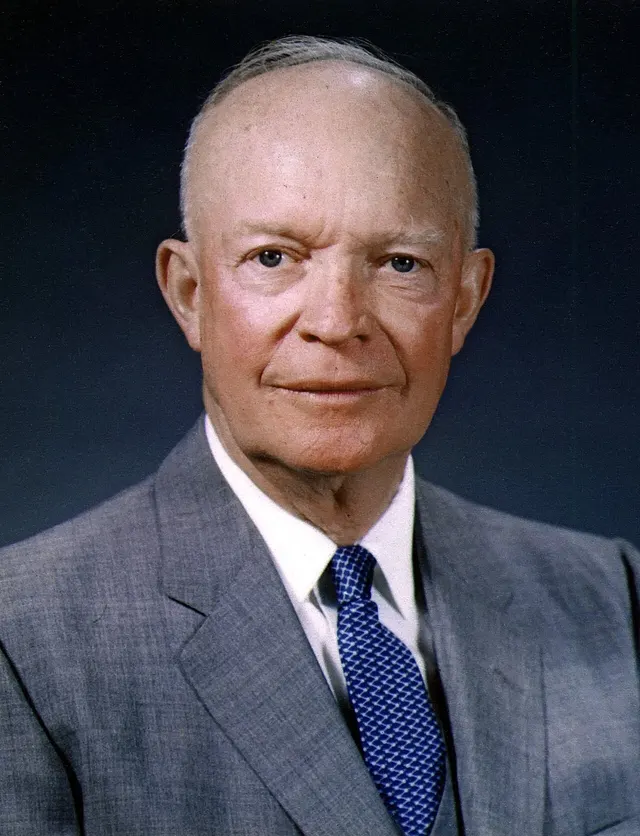
As a young army officer in 1919, Dwight Eisenhower crossed the United States with a military convoy that took two months to crawl over broken roads. During the Second World War he saw how quickly Germany’s autobahns could move traffic. As president he pushed for a national network of fast, safe highways, both for the economy and for defence.
On 29 June 1956 Eisenhower signed the Federal-Aid Highway Act while recovering from surgery at Walter Reed Army Hospital, so there was no signing ceremony. The law authorised a 41,000-mile system of interstate highways, with 25 billion dollars set aside over 13 years and most of the cost met by the federal government. It became the largest public works programme in the country’s history and reshaped where Americans lived, worked and shopped.
Read the full storyHistory & Timeline →Source: US Federal Highway Administration: June 29, 1956, a day in history ↗
1976The Seychelles become independent
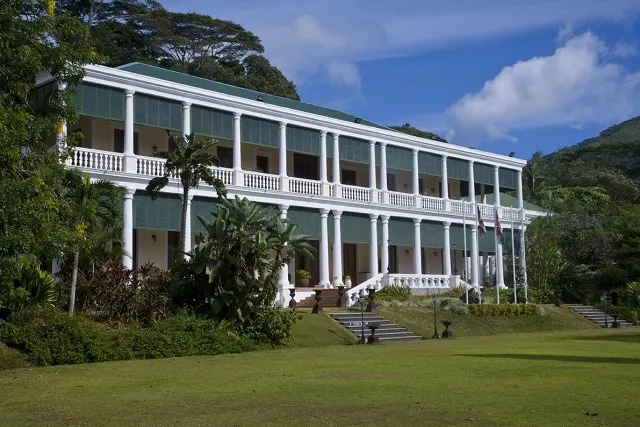
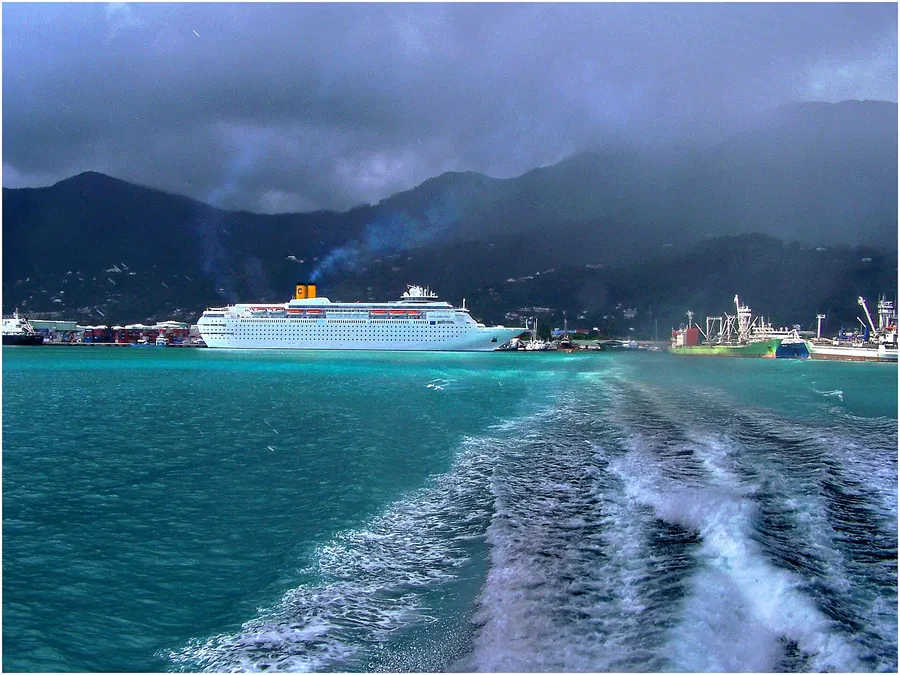
The Seychelles, a scattering of more than a hundred islands in the Indian Ocean, were settled by the French in the 18th century and taken by Britain during the Napoleonic Wars. For decades they were governed from Mauritius, becoming a separate British colony only in 1903. After the Second World War two parties grew up: James Mancham’s Democratic Party and France-Albert René’s more radical People’s United Party.
In 1975 the two leaders formed a coalition, and on 29 June 1976 the islands became an independent republic within the Commonwealth, with Mancham as president and René as prime minister. The partnership did not last: a year later, while Mancham was abroad, René took power in a coup. Independence Day, 29 June, is today the Seychelles’ National Day.
Read the full storyHistory & Timeline →Source: Britannica: History of Seychelles ↗
1987South Korea’s ruling party gives way to demands for democracy
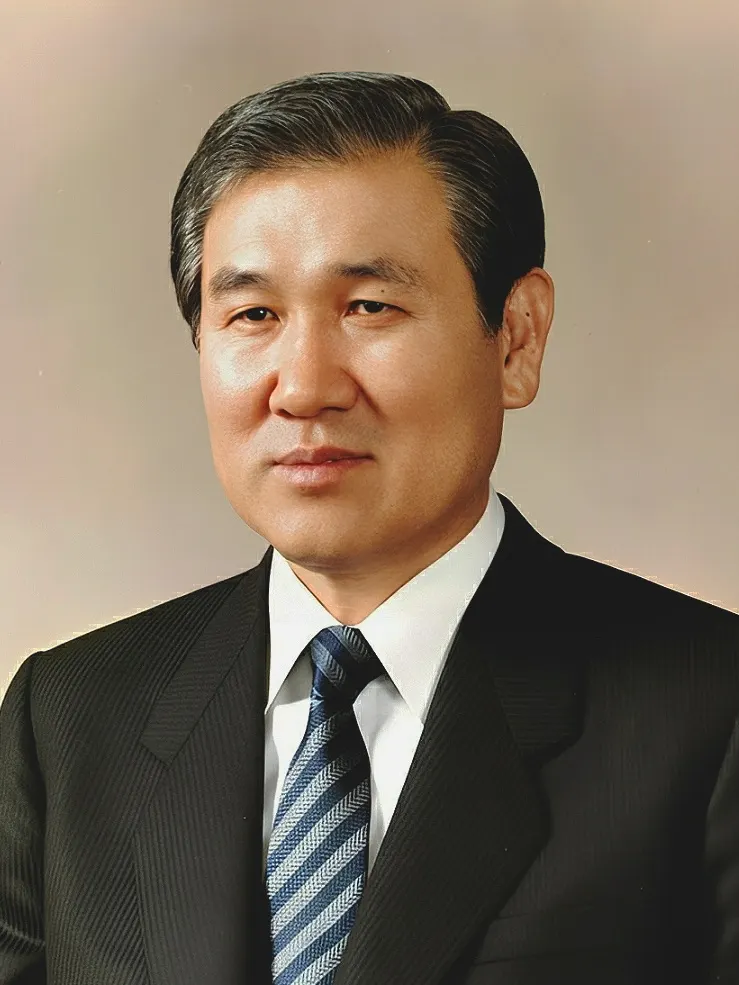
In 1987 South Korea was ruled by President Chun Doo-hwan, a general who had seized power in 1979–80, and the president was chosen indirectly by an electoral college his party controlled. When Chun named his fellow general Roh Tae-woo as his successor and refused to change the system, students, workers and office staff poured into the streets in weeks of protests across the country.
On 29 June 1987 Roh unexpectedly announced that he accepted the main demands: direct election of the president, freedom for political prisoners and more freedom of the press. A new constitution followed, and in December South Koreans chose their president by direct popular vote. With the opposition vote split between three candidates, Roh himself won with about 36 per cent, but the declaration is remembered as the moment Korea turned towards democracy.
Read the full storyHistory & Timeline →Source: Britannica: South Korea, history ↗