Explore 23 June

Explore 23 June: Robert Clive wins at Plassey, Humboldt climbs higher than anyone before him on Chimborazo, Estonian and Latvian troops beat the Landeswehr at Cēsis and a bomb destroys Air India Flight 182 over the Atlantic. Born today: Huda Sha’arawi, Martti Ahtisaari and Vint Cerf.

This day through time →13 verified events across 3 eras

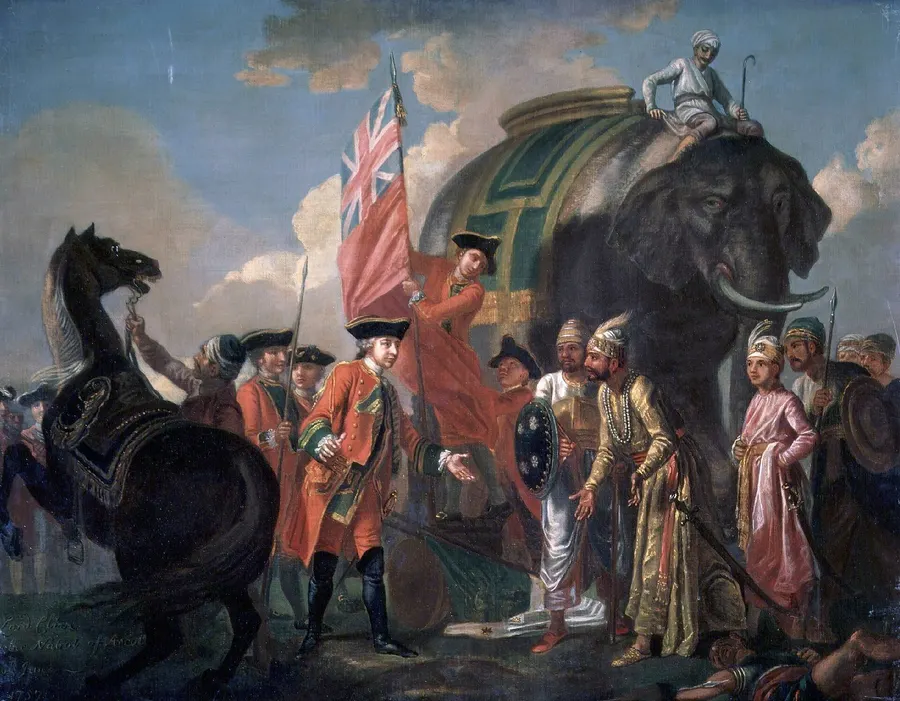
Robert Clive meeting Mir Jafar after the Battle of Plassey, a painting by Francis Hayman of about 1760
Image creditFrancis Hayman · Public domainResized and cropped for display.

Robert Clive wins the Battle of Plassey

In 1756 Siraj-ud-Daulah, the young Nawab of Bengal, seized the British East India Company’s trading post at Calcutta. Robert Clive was sent from Madras to win it back, and he did so early in 1757. But Clive wanted more than a trading post. He and a group of Bengal’s powerful bankers plotted with Mir Jafar, one of the nawab’s own generals, promising to make him nawab if Siraj was beaten.

On 23 June 1757 the two armies met in a mango grove at Plassey, north of Calcutta. Clive had about 3,000 men against a force of around 50,000, but Mir Jafar held his cavalry back from the fight. A heavy storm soaked the nawab’s gunpowder while the British kept theirs covered, and by the end of the day Siraj’s army had broken. Mir Jafar was made nawab and Siraj was soon killed. The victory turned a trading company into the real power in Bengal, and it is often seen as the start of British rule in India.

Read the full storyHistory & Timeline →Source: National Army Museum: Battle of Plassey ↗
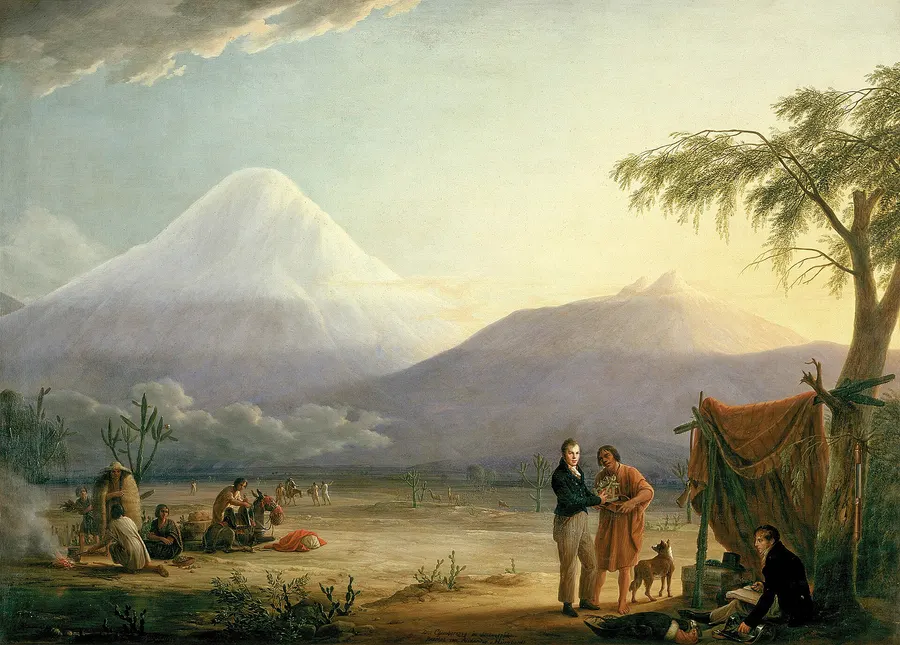
Alexander von Humboldt and Aimé Bonpland at the foot of Chimborazo, painted by Friedrich Georg Weitsch in 1810
Image creditFriedrich Georg Weitsch · Public domainResized and cropped for display.

Humboldt climbs higher than anyone before him on Chimborazo

The Prussian naturalist Alexander von Humboldt and the French botanist Aimé Bonpland spent five years travelling through Spain’s American empire, measuring, collecting and mapping as they went. In 1802 they reached the Andes of what is now Ecuador, where the snow-capped volcano Chimborazo was then believed to be the highest mountain in the world.

On 23 June 1802 they set out to climb it, with no ropes, crampons or oxygen. Suffering badly from altitude sickness, they were stopped by a deep ravine short of the summit, but they had reached nearly 5,900 metres, a height no one was known to have climbed before, and the record stood for about 30 years. Humboldt turned the ordeal into science: he was among the first to link mountain sickness to the thin air, and his famous drawing of Chimborazo, showing how plants change with height, helped found the study of how life is spread across the Earth.

Read the full storyHistory & Timeline →Source: Britannica: Alexander von Humboldt ↗
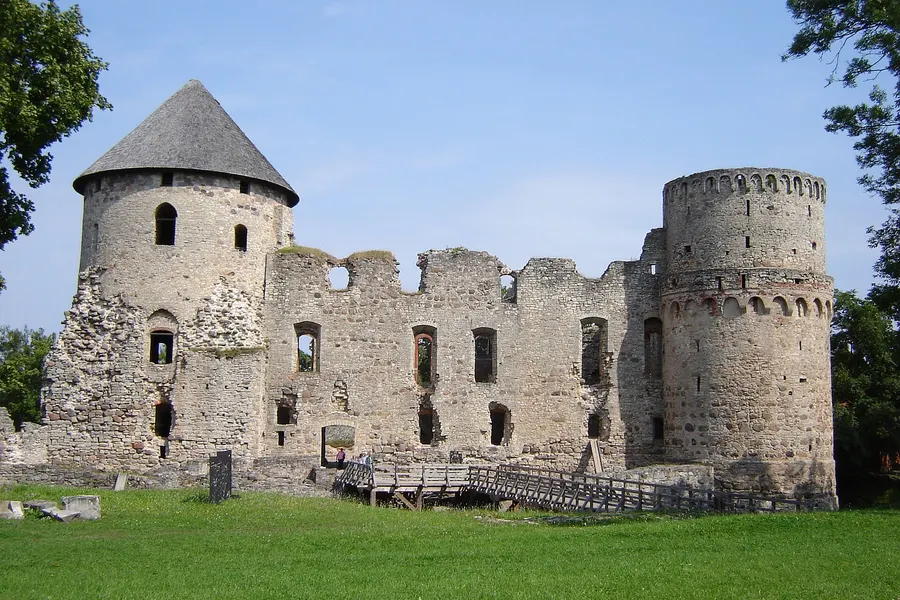
The ruins of the medieval castle of the Livonian Order at Cēsis in Latvia, where the battle of 1919 was fought
Image creditGreifen · CC BY-SA 3.0Resized and cropped for display.

Estonian and Latvian troops win the Battle of Cēsis

After the First World War, the new republics of Estonia and Latvia fought for their survival against the Red Army and against the Baltische Landeswehr, a force raised by the Baltic German nobility with help from German troops. In the spring of 1919 the Landeswehr took Riga and pushed north, hoping to put the region under German-led rule.

Around the small town of Cēsis in northern Latvia, known to Estonians as Võnnu, the Estonian 3rd Division, the Kuperjanov Battalion, armoured trains and the Latvian Northern Brigade stood against them. The Landeswehr’s main attack was held on 21 June, and on 23 June 1919 an Estonian counter-attack retook Cēsis and drove the Germans back towards Riga. The victory ended the hopes of a German-dominated Baltic state, after some 600 years of Baltic German power in the region. Estonia marks 23 June as Victory Day, and Latvia also honours the battle.

Read the full storyHistory & Timeline →Source: ERR News: June 23, Estonia’s Victory Day ↗
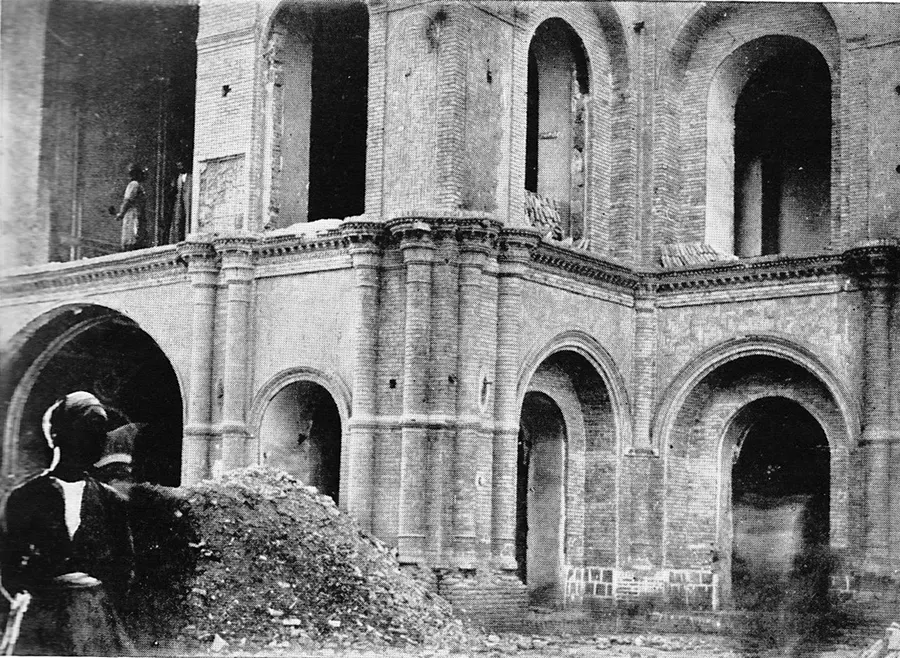
The damaged parliament building in Tehran after the bombardment by the Cossack Brigade in 1908
Image creditUnknown author · Public domainResized and cropped for display.

The shah’s Cossacks shell Iran’s parliament

In 1906 a revolution forced Iran’s Qajar ruler to grant a constitution and an elected parliament, the Majles. His son Mohammad Ali Shah, who came to the throne in 1907, was determined to undo it, and he had the backing of Russia and of the Persian Cossack Brigade, a force commanded by Russian officers.

On 22 June 1908 the shah made the brigade’s Russian commander, Colonel Vladimir Liakhov, military governor of Tehran. The next day, 23 June, the Cossacks surrounded the parliament building with artillery and, when fighting began, shelled it and a neighbouring mosque. Several hundred people were killed, the Majles was shut and leading constitutionalists were arrested or executed. The victory did not last: supporters of the constitution fought back from Tabriz and the provinces, took Tehran in 1909 and deposed the shah.

Read the full storyHistory & Timeline →Source: Encyclopaedia Iranica: Cossack Brigade ↗
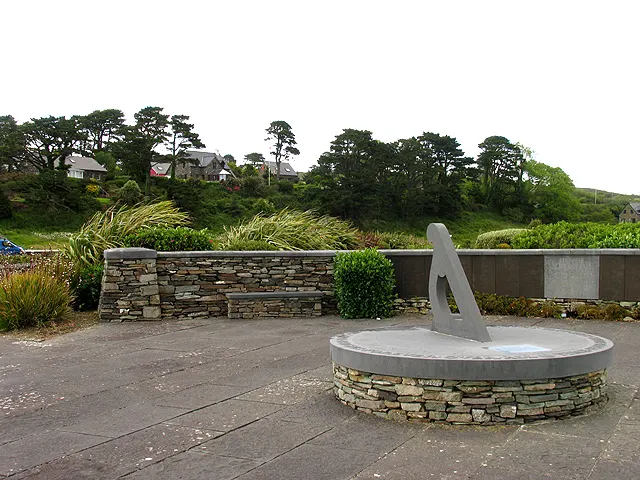
The memorial at Ahakista in County Cork, on the Irish coast closest to where Air India Flight 182 came down
Image creditPam Brophy · CC BY-SA 2.0Resized and cropped for display.

A bomb destroys Air India Flight 182

Air India Flight 182, a Boeing 747 named Kanishka, left Canada for London and Delhi on 22 June 1985. A bomb hidden in a suitcase had been checked in at Vancouver and transferred onto the flight. On 23 June 1985, as the plane approached Ireland, the bomb exploded and the aircraft fell into the Atlantic off the south-west Irish coast. All 329 people on board were killed, most of them Canadians of Indian origin.

Less than an hour earlier, a second bomb from the same plot exploded at Tokyo’s Narita airport, killing two baggage handlers. The attacks were blamed on Sikh extremists; only one man was ever convicted. A Canadian public inquiry later found a ‘cascading series of errors’ by police and security agencies. It remains the deadliest terrorist attack in Canada’s history, and Canada marks 23 June as its National Day of Remembrance for Victims of Terrorism.

Read the full storyHistory & Timeline →Source: Public Safety Canada: Remembering Air India Flight 182 ↗

♙
PEOPLE

Born Today

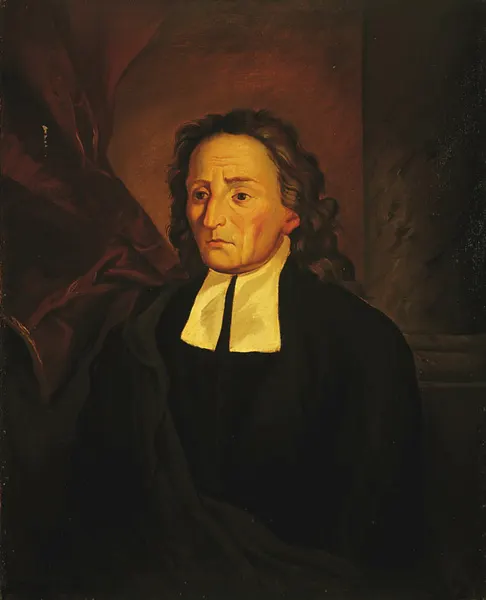
Giambattista Vico
Image creditFrancesco Solimena · Public domainResized and cropped for display.

Giambattista Vico

Neapolitan philosopher whose New Science argued that societies pass through recurring stages, a founding work of the philosophy of history.

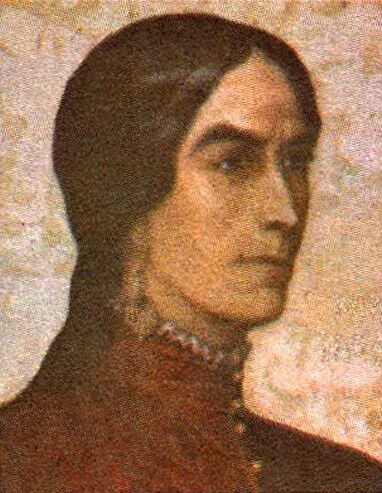
Micaela Bastidas
Image creditPost of Peru · Public domainResized and cropped for display.

Micaela Bastidas

Peruvian revolutionary who helped her husband Túpac Amaru II lead the great Andean rebellion against Spanish rule in 1780, and was executed for it.

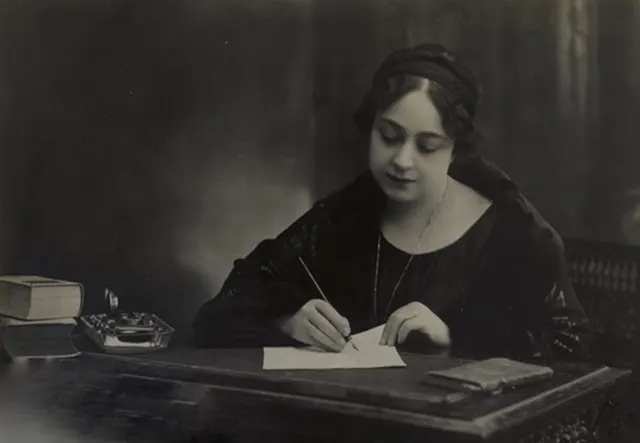
Huda Sha'arawi
Image creditUnknown author · Public domainResized and cropped for display.

Huda Sha’arawi

Egyptian nationalist and feminist who founded the Egyptian Feminist Union and famously removed her face veil in public in Cairo in 1923.

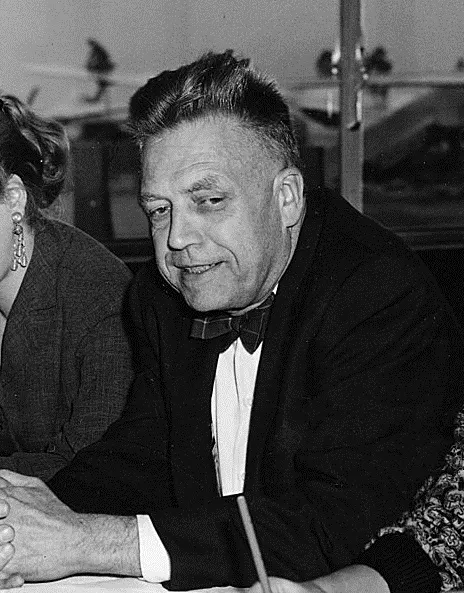
Alfred Kinsey
Image creditUnknown (Mondadori Publishers) · Public domainResized and cropped for display.

Alfred Kinsey

American biologist whose large surveys of human sexual behaviour, the Kinsey Reports, caused a sensation in the late 1940s and 1950s.

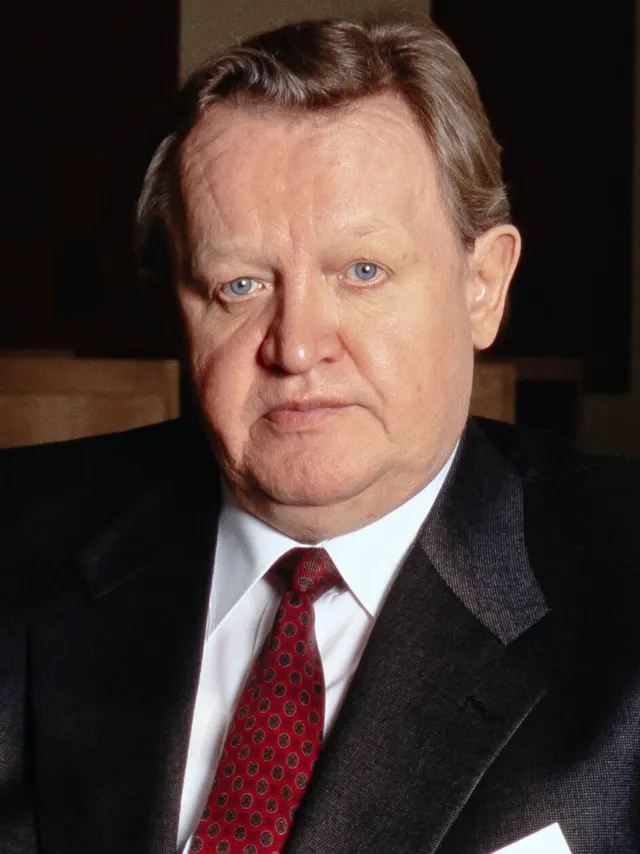
Martti Ahtisaari
Image creditMarkku Niskanen · CC BY 4.0Resized and cropped for display.

Martti Ahtisaari

President of Finland from 1994 to 2000 and peace mediator in Namibia, Aceh and Kosovo, awarded the Nobel Peace Prize in 2008.

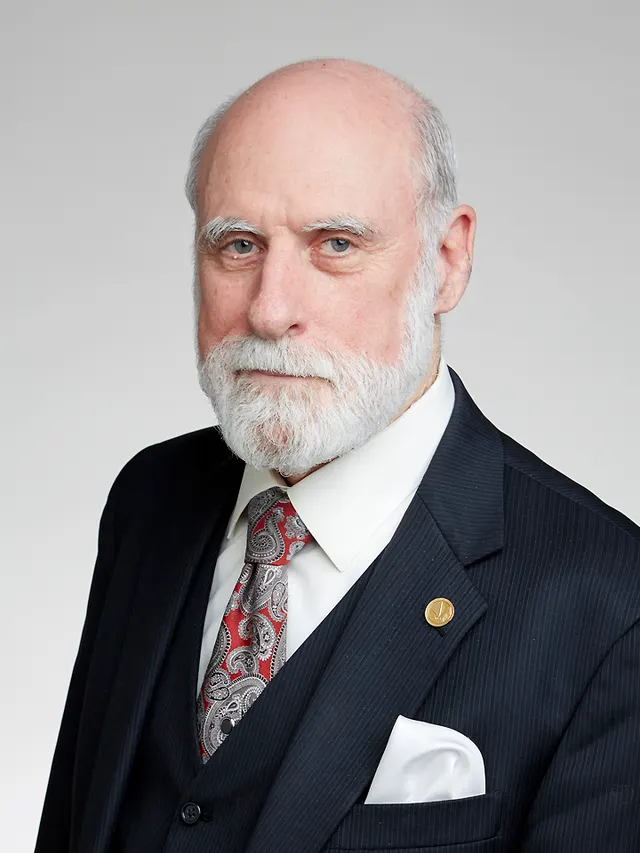
Vint Cerf
Image creditDuncan.Hull · CC BY-SA 4.0Resized and cropped for display.

Vint Cerf

American computer scientist who with Robert Kahn designed TCP/IP, the rules that let computer networks talk to each other and made the internet possible.

Zinedine Zidane
Image creditHadi Abyar · CC BY 4.0Resized and cropped for display.

Zinedine Zidane

French footballer who scored twice in the 1998 World Cup final to win France its first title, and later coached Real Madrid to three Champions League wins in a row.

◉
IDEAS THAT CHANGED THINGS

Firsts, Science & Discoveries

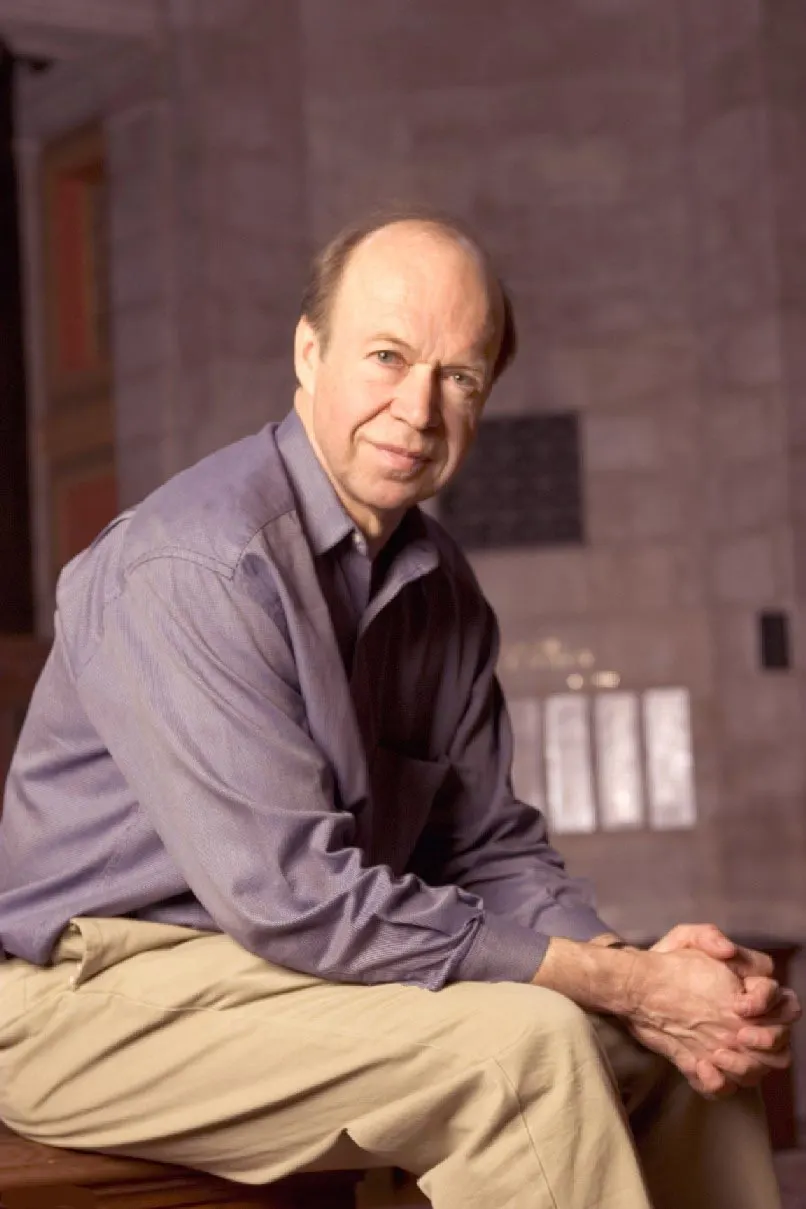
The NASA climate scientist James Hansen, photographed in 2005
Image creditNASA · Public domainResized and cropped for display.

James Hansen tells the US Senate that global warming has begun

Scientists had long known that carbon dioxide traps heat, and by the 1980s computer models warned that the gases released by burning coal, oil and gas would warm the planet. But most researchers were wary of saying that the warming could already be seen. James Hansen, who ran NASA’s Goddard Institute for Space Studies in New York, was ready to go further.

On 23 June 1988, during a sweltering summer of drought in the United States, Hansen was the lead witness at a hearing of the Senate’s energy committee. He told the senators that the Earth was warmer than at any time since reliable measurements began, and that he was 99 per cent sure the warming was caused by greenhouse gases rather than natural chance. His testimony made headlines around the world and turned ‘the greenhouse effect’ into an everyday phrase. The Intergovernmental Panel on Climate Change was set up later that year.

Read the full storyHistory & Timeline →Source: Columbia Climate School: James Hansen’s climate warning, 30 years later ↗
☆
SPORTING HISTORY

Sporting Moments

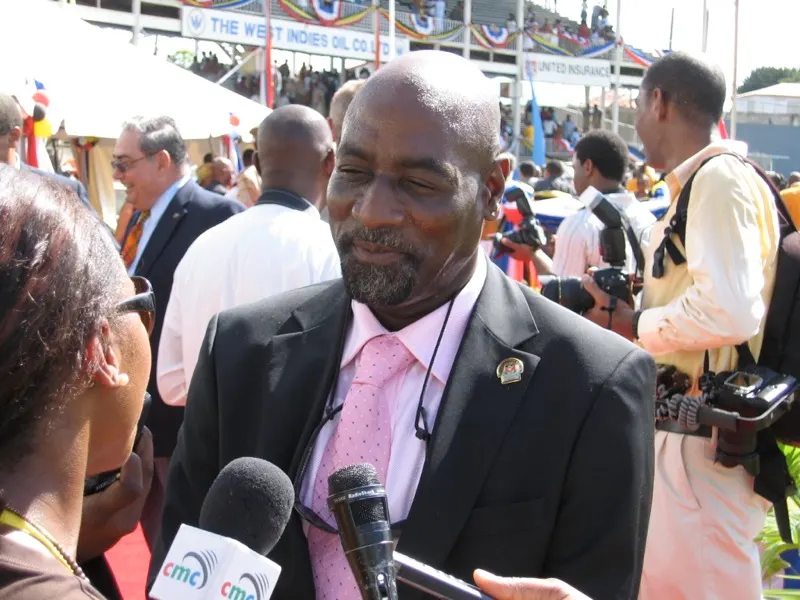
Sir Vivian Richards, whose unbeaten 138 won the 1979 World Cup final, photographed in later life
Image creditbalhead · CC BY-SA 2.0Resized and cropped for display.

The West Indies keep the Cricket World Cup at Lord’s

The West Indies had won the first Cricket World Cup in 1975, and four years later, captained again by Clive Lloyd, they returned to Lord’s in London for the final against the host nation, England. At first the English bowlers had the upper hand, and the West Indies slipped to 99 for four.

Then Viv Richards and Collis King took the game away. King hit 86 from only 66 balls, and Richards finished unbeaten on 138, carrying the total to 286 for nine. England’s openers began steadily, but once they were out the innings collapsed: from 183 for two they were all out for 194, with the tall fast bowler Joel Garner taking five wickets. The West Indies won by 92 runs on 23 June 1979 to become world champions for the second time running.

Read the full storyHistory & Timeline →Source: ICC: Men’s Cricket World Cup 1979 overview ↗
♫
MUSIC • FILM • BOOKS • CULTURE

Culture Stories

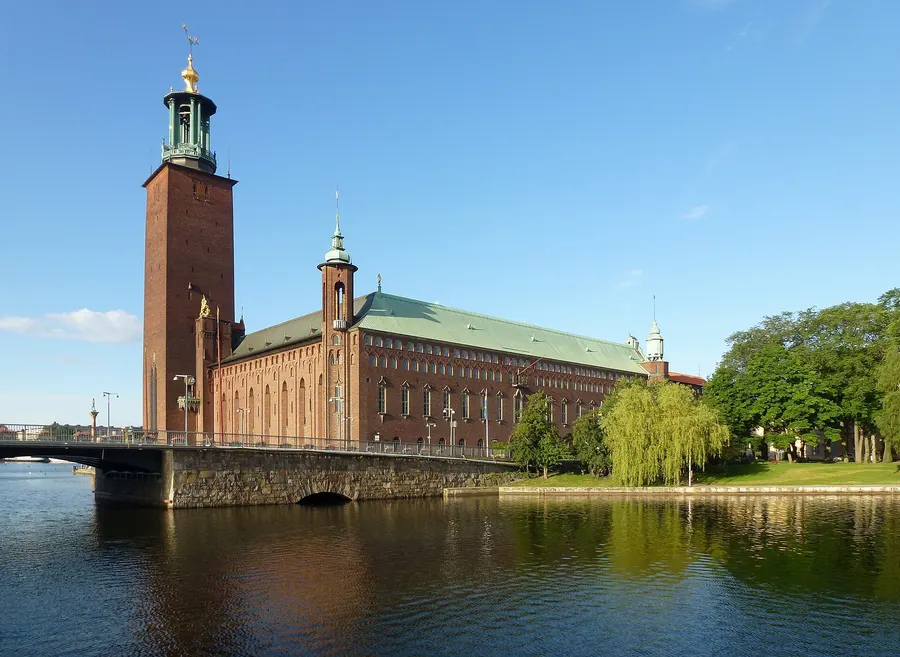
Stockholm City Hall, designed by Ragnar Östberg, seen in 2012
Image creditHolger.Ellgaard · CC BY-SA 3.0Resized and cropped for display.

Stockholm opens its new City Hall on Midsummer Eve

The architect Ragnar Östberg won a competition in 1902 to design a new courthouse for Stockholm, but the city decided to make the building its City Hall instead. Work began in 1911 on a site at the water’s edge on the island of Kungsholmen, and for twelve years Östberg refined his plans for a great red-brick palace with courtyards, arcades and a tall tower topped by three golden crowns, a landmark of the Scandinavian National Romantic style.

The hall was opened on Midsummer Eve, 23 June 1923, the 400th anniversary of Gustav Vasa’s entry into Stockholm. King Gustav V arrived by boat, more than 2,000 guests filled the Blue Hall for speeches, and the poet Verner von Heidenstam spoke in Vasa’s memory. A regatta, a children’s choir and a long procession of the city’s societies followed, and the celebrations ran on until two in the morning.

Read the full storyHistory & Timeline →Source: City of Stockholm: The inauguration of the City Hall ↗
✦
LIVES REMEMBERED

Remembered Today

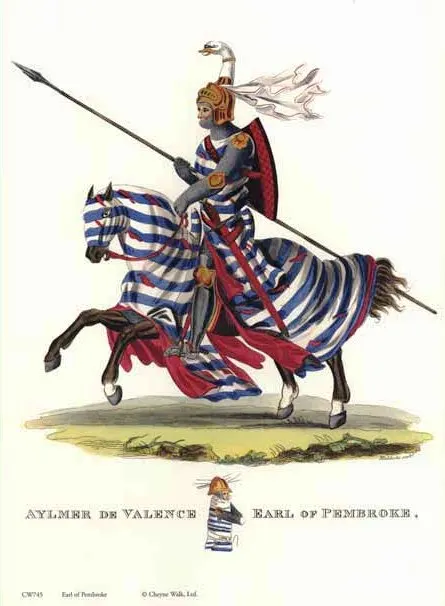
Aymer de Valence
Image creditUnknown artist · Public domainResized and cropped for display.

Aymer de Valence

Earl of Pembroke and one of the leading English barons under Edward II, a commander in the wars against Robert the Bruce’s Scotland.

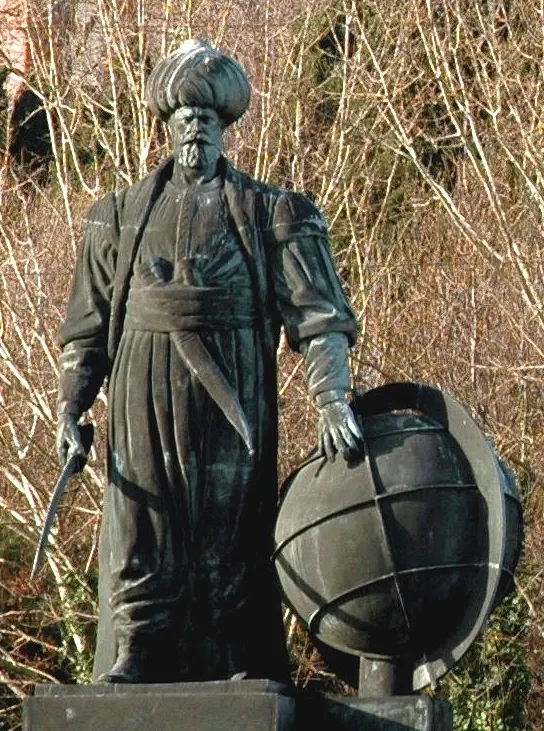
Dragut
Image creditJosep Renalias · CC BY-SA 3.0Resized and cropped for display.

Dragut

Ottoman admiral and corsair, known in Turkey as Turgut Reis, who was mortally wounded during the Great Siege of Malta.

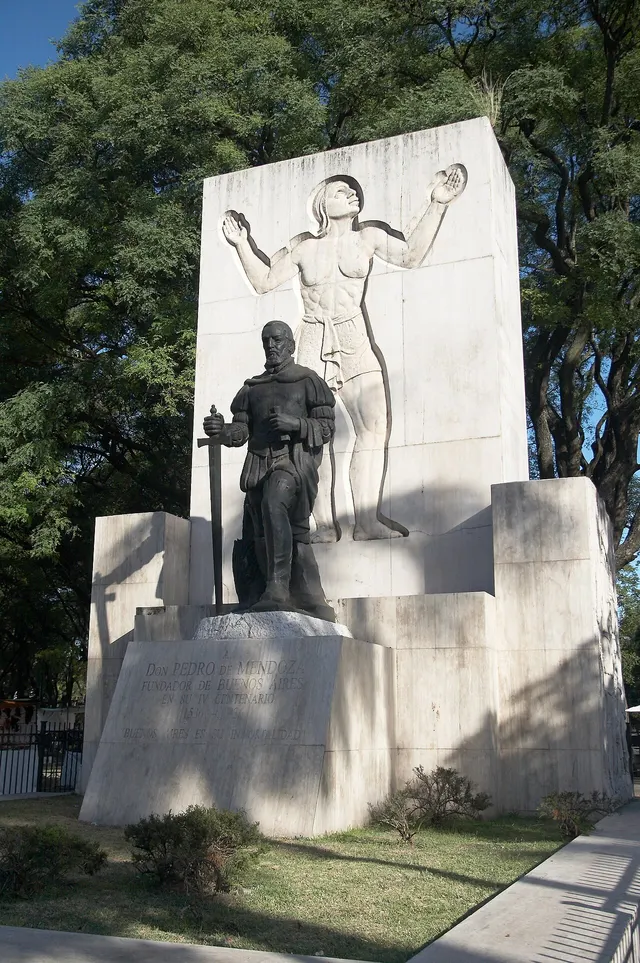
Pedro de Mendoza
Image creditBarcex · CC BY-SA 3.0Resized and cropped for display.

Pedro de Mendoza

Spanish conquistador who founded the first settlement of Buenos Aires in 1536; he died at sea on the voyage home to Spain.

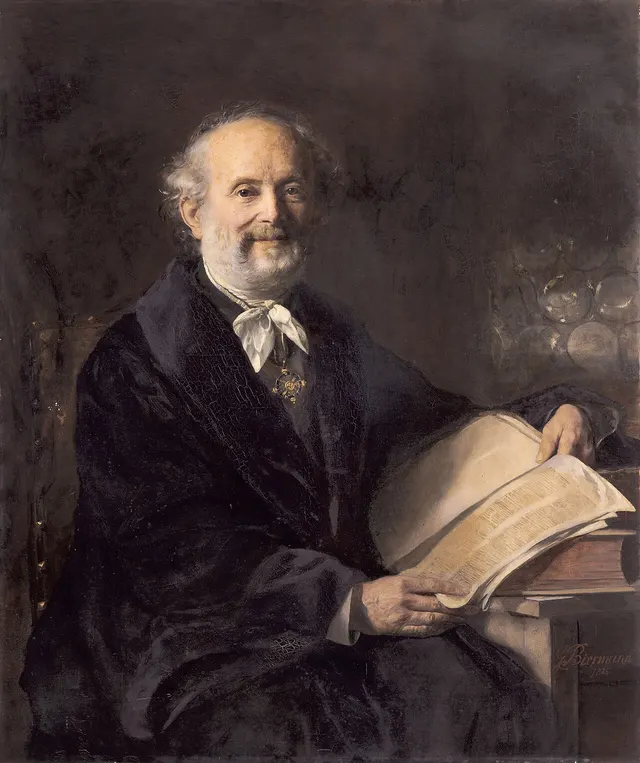
Wilhelm Eduard Weber
Image creditGottlieb Biermann · Public domainResized and cropped for display.

Wilhelm Eduard Weber

German physicist who worked with Carl Friedrich Gauss on magnetism and built an early electric telegraph; the SI unit of magnetic flux, the weber, is named after him.

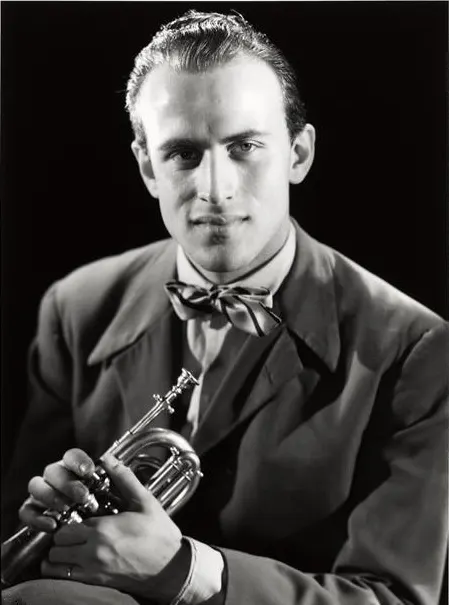
Boris Vian
Image creditStudio Harcourt · Public domainResized and cropped for display.

Boris Vian

French novelist, jazz trumpeter and songwriter of post-war Paris, author of L’Écume des jours and the anti-war song Le Déserteur.

☉
AROUND THE WORLD

Observances & Anniversaries

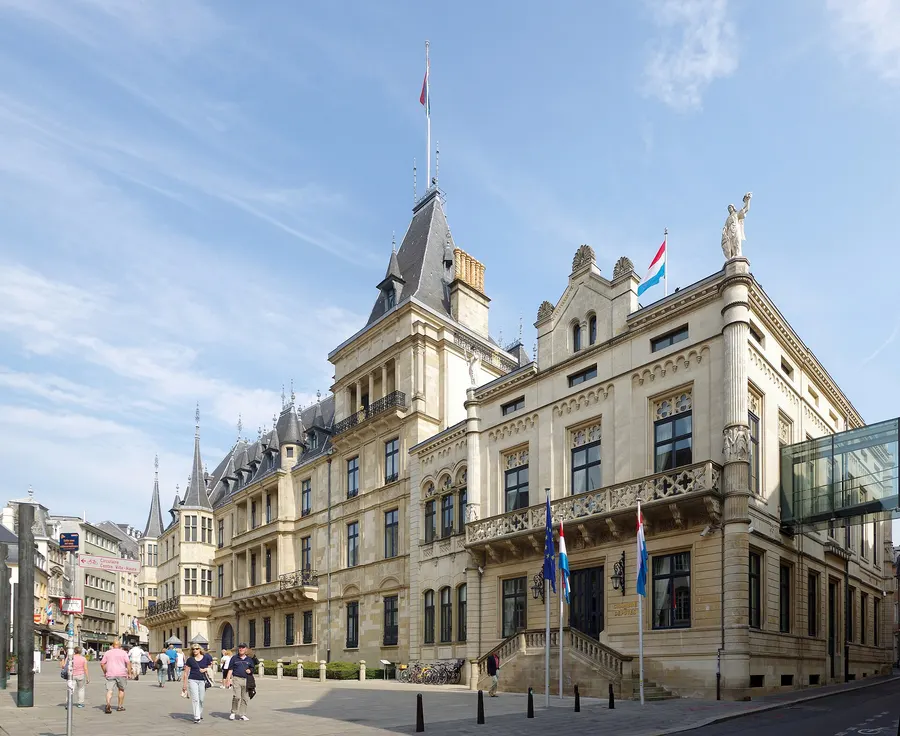
The Grand Ducal Palace in Luxembourg City, with the Chamber of Deputies in front, in 2016
Image creditBerthold Werner · CC BY-SA 4.0Resized and cropped for display.

Luxembourg National Day

Luxembourg celebrates its National Day on 23 June as the official birthday of its sovereign. The custom of marking the ruler’s birthday goes back to the 18th century, and the date used to change with each monarch; in 1961 a grand-ducal order fixed it at 23 June, a summer date, and it has stayed there since. The festivities begin the evening before with a torchlight procession and fireworks in the capital, and on the day itself there is an official ceremony, a military parade and a Te Deum in the Notre-Dame Cathedral.

Source: Cour grand-ducale: National Day and its traditions ↗
HISTORY & TIMELINE

Finished the highlights?

Follow 23 June chronologically, from the Middle Ages to the modern day, with 13 verified events and the sources behind them.

This day through time →