Explore 22 June

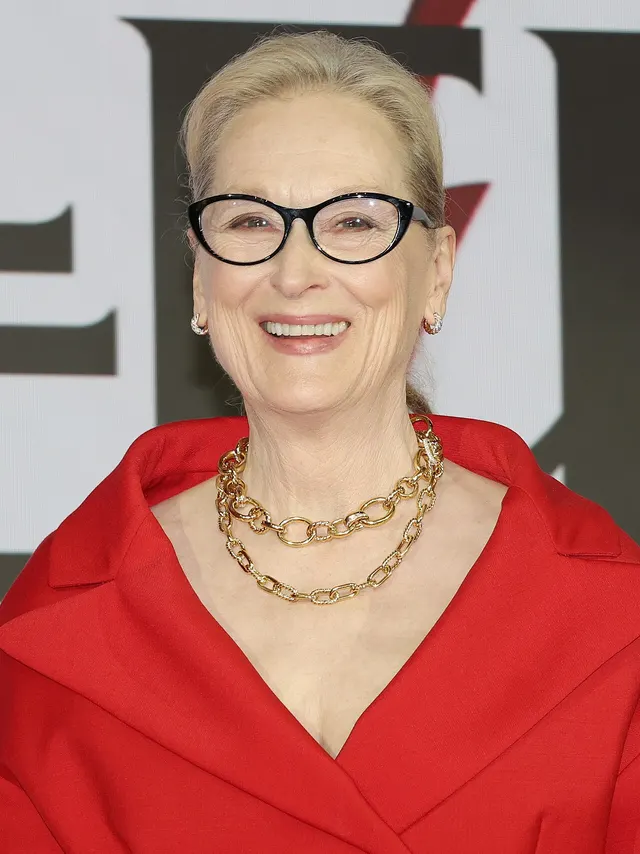
Explore 22 June: bishops at Ephesus depose the patriarch of Constantinople, Fatahillah drives the Portuguese from the port that became Jakarta, Germany invades the Soviet Union and the Windrush passengers step ashore at Tilbury. Born today: Meryl Streep, Erich Maria Remarque and Abbas Kiarostami.

This day through time →13 verified events across 5 eras

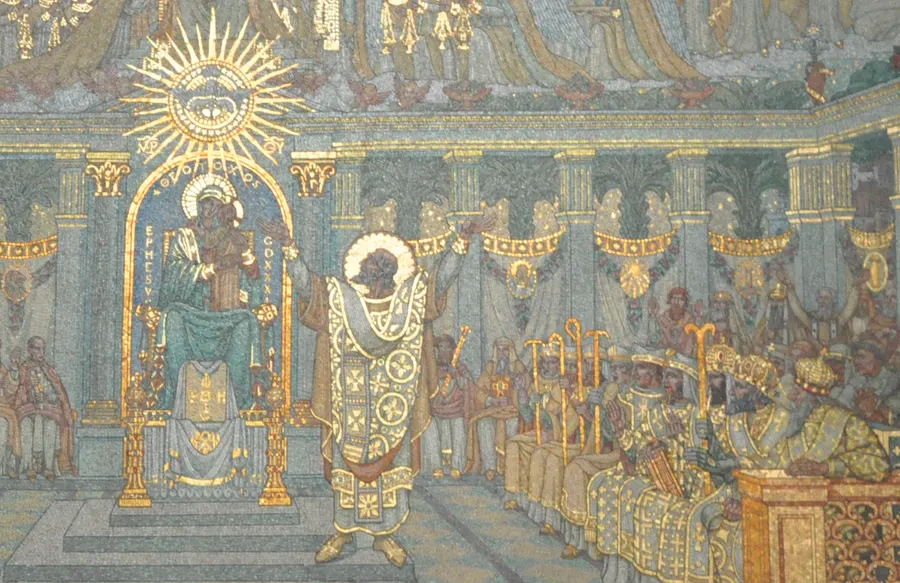
The Council of Ephesus shown in a mosaic in the basilica of Notre-Dame de Fourvière, Lyon
Image creditUser:Palamède · CC BY-SA 4.0Resized and cropped for display.

Bishops at Ephesus depose the patriarch of Constantinople

Nestorius, patriarch of Constantinople from 428, caused uproar by objecting to the popular title Theotokos, ‘God-bearer’, for the Virgin Mary. He preferred to call her the mother of Christ, arguing that the human and divine natures in Jesus should be kept distinct. His great rival, Cyril, patriarch of Alexandria, accused him of splitting Christ in two, and the emperor Theodosius II called a general council of the church to meet at Ephesus, on the Aegean coast of Asia Minor, in 431.

Cyril did not wait for everyone to arrive. On 22 June 431 he opened the council without the bishops travelling from Syria under John of Antioch, and in a single day’s sitting the assembly condemned Nestorius’s teaching and deposed him, with about 200 bishops signing the sentence. When John arrived five days later he held a rival meeting that deposed Cyril in turn. The emperor finally let the verdict against Nestorius stand, and he died in exile. The council’s affirmation of Mary as Theotokos became part of mainstream Christian doctrine, while churches further east that honoured Nestorius went their own way.

Read the full storyHistory & Timeline →Source: Catholic Encyclopedia (New Advent): Council of Ephesus ↗
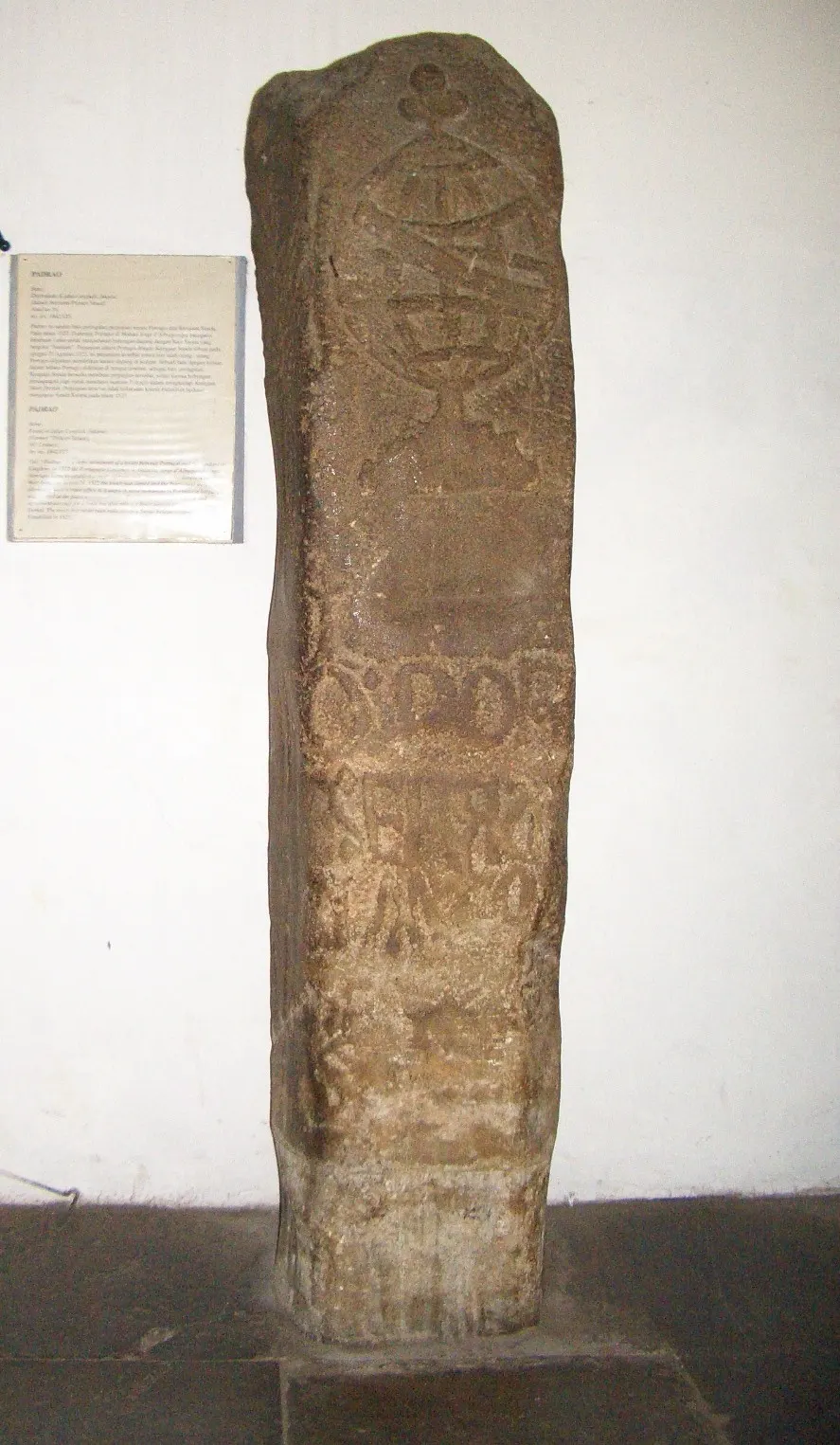
The stone padrão set up by the Portuguese at Sunda Kelapa, now in the National Museum of Indonesia, Jakarta
Image creditHadiyana (id.wikipedia) · CC BY-SA 3.0Resized and cropped for display.

Fatahillah drives the Portuguese from the port that became Jakarta

Sunda Kelapa, at the mouth of the Ciliwung river on the north coast of Java, was the chief port of the Hindu kingdom of Sunda, busy with the pepper trade. In the early 1520s the kingdom, worried by the rise of the Muslim sultanate of Demak, made an agreement with the Portuguese, who had taken Malacca in 1511, allowing them to build a fort at the harbour. A carved stone pillar, or padrão, marked the pact.

The Portuguese never secured their foothold. Forces from Demak and Cirebon under the commander Fatahillah seized Sunda Kelapa, and when Portuguese ships arrived they were driven off. The city’s own government records the attack on 22 June 1527, and Jakarta has kept that day as its anniversary. Fatahillah renamed the port Jayakarta, meaning roughly ‘great victory’. In 1619 the Dutch East India Company took the town and built Batavia on its ruins, but the old name survived, and as Jakarta it became the capital of independent Indonesia.

Read the full storyHistory & Timeline →Source: Jakarta Provincial Government: Sejarah Jakarta ↗
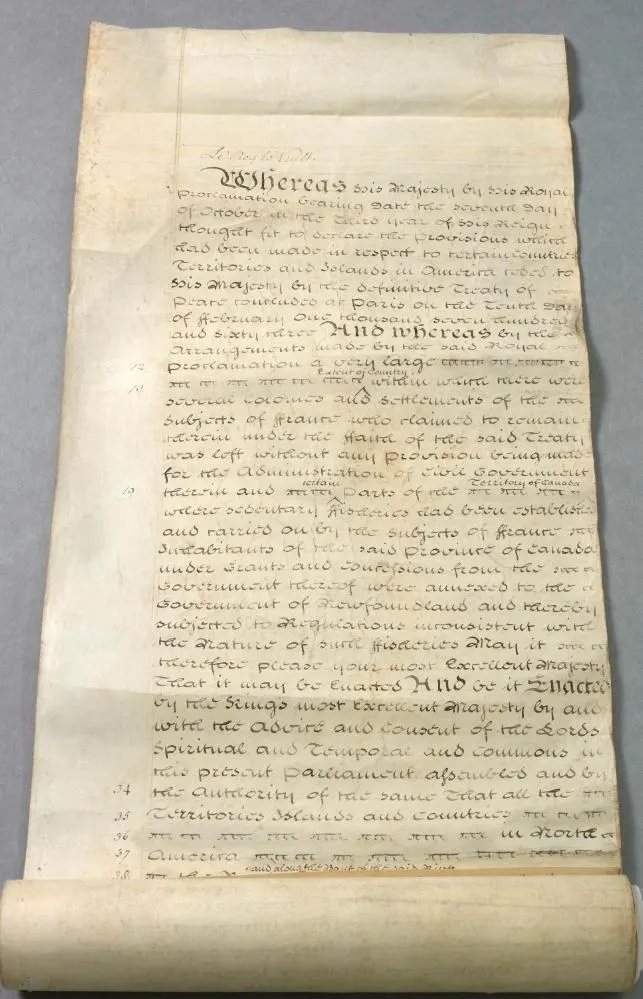
The original parchment of the Quebec Act, 1774, held in the Parliamentary Archives, London
Image creditParliamentary Archives, London · Public domainResized and cropped for display.

The Quebec Act gives French Canada its own law and faith

After Britain won New France in the Seven Years’ War, it tried at first to govern the St Lawrence colony like any other British province, with English law and oaths that barred Roman Catholics from office. That made little sense in a colony whose people were almost all French-speaking Catholics, and governors James Murray and Guy Carleton urged London to change course.

The Quebec Act, which received the royal assent on 22 June 1774, did so. It guaranteed Catholics the free practice of their religion, let the church collect its tithes, restored French civil law for property and family matters while keeping English criminal law, and replaced the anti-Catholic oath with one of loyalty to the king. It also stretched Quebec’s borders south-west into the Ohio valley. To the thirteen colonies further south, already angry over the punishment of Boston, the act looked like a threat, and it was counted among the grievances that led to the American Revolution. For French Canadians it became a foundation of their survival as a distinct people.

Read the full storyHistory & Timeline →Source: The Canadian Encyclopedia: Quebec Act, 1774 ↗
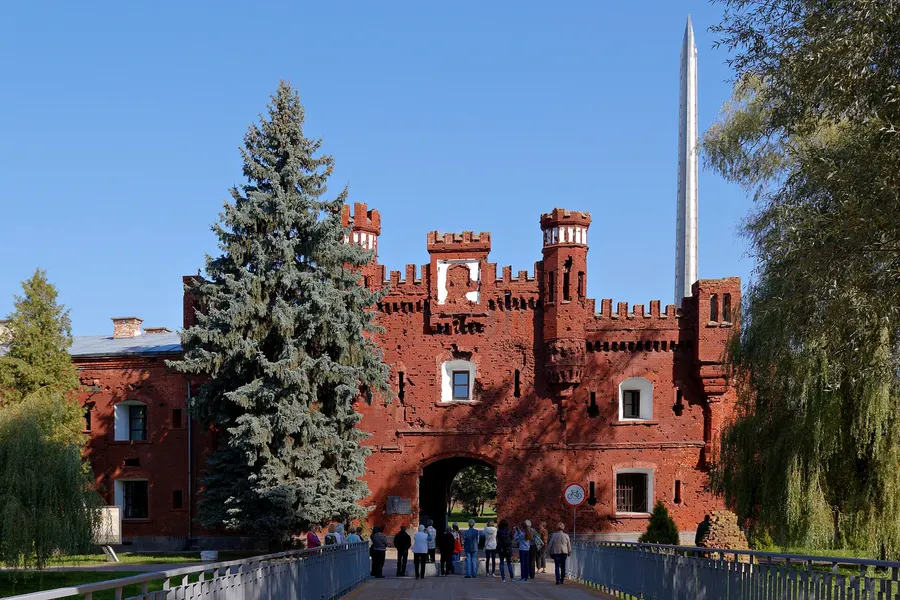
The Kholm Gate of the Brest Fortress in Belarus, whose garrison, on the Soviet border, was attacked in the first hours of the invasion
Image creditAlexxx1979 · CC BY-SA 4.0Resized and cropped for display.

Germany invades the Soviet Union

In August 1939 Hitler and Stalin had signed a non-aggression pact, and for almost two years the two dictatorships traded with each other while Germany conquered much of Europe. But Hitler had long seen the east as ‘living space’ for Germans, and he regarded the Soviet state as his real enemy. In December 1940 he ordered plans for an invasion under the code name Barbarossa.

At about 3.15 on the morning of Sunday 22 June 1941 more than three million German troops, with their Finnish, Romanian and other allies, attacked along a front stretching from the Baltic to the Black Sea. It was the largest invasion force in history. Stalin had ignored many warnings, and in the first weeks the Red Army lost vast numbers of men in great encirclements. Yet the Soviet Union did not collapse. The German advance was halted before Moscow in December, and the war in the east, the most destructive in human history, went on for nearly four more years until the Red Army reached Berlin.

Read the full storyHistory & Timeline →Source: Britannica: Operation Barbarossa ↗
HMT Empire Windrush, the troopship that brought passengers from the Caribbean to Tilbury in 1948
Image creditRoyal Navy official photographer · Public domainResized and cropped for display.

The Windrush passengers step ashore at Tilbury

The Empire Windrush was a troopship on its way back to Britain from Australia when it called at Kingston, Jamaica, in May 1948. Britain was short of workers after the war, and the British Nationality Act passing through Parliament that year confirmed the rights of people across the empire as British subjects. Tickets were advertised, and many of those who bought them had served in the Royal Air Force or other forces during the war.

The ship anchored in the Thames at Tilbury on 21 June 1948, and the next day, 22 June, its passengers came ashore. The passenger list held by the National Archives records 1,027 people, more than 800 of whom gave a last address in the Caribbean. Some stayed at first in a deep shelter under Clapham Common and found work nearby in Brixton. The ship’s name came to stand for the whole generation who came to Britain from the Caribbean between 1948 and the early 1970s, and since 2018 the United Kingdom has marked 22 June as Windrush Day.

Read the full storyHistory & Timeline →Source: The National Archives: Empire Windrush, Caribbean migration ↗

♙
PEOPLE

Born Today

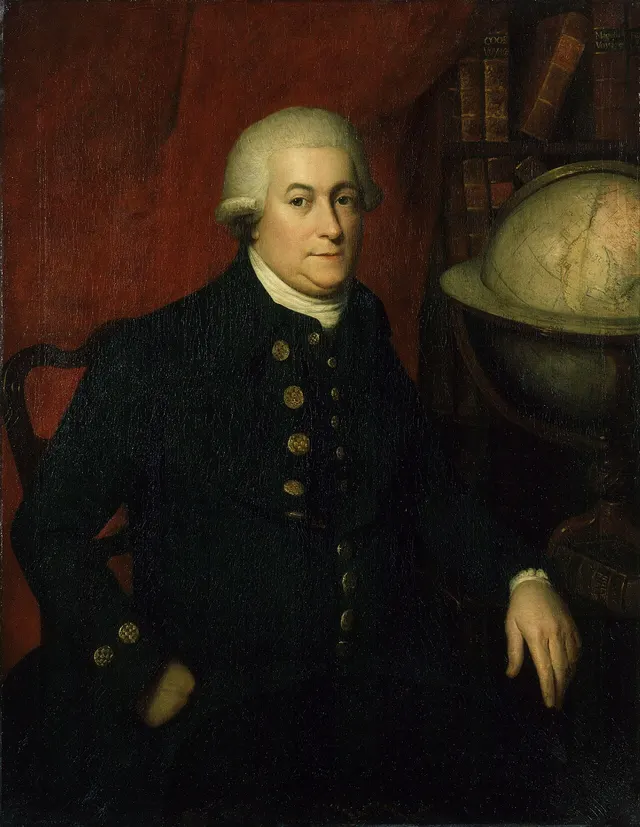
George Vancouver
Image creditUnknown artist · Public domainResized and cropped for display.

George Vancouver

British naval officer who charted the Pacific coast of North America in the 1790s; Vancouver Island and the city of Vancouver bear his name.

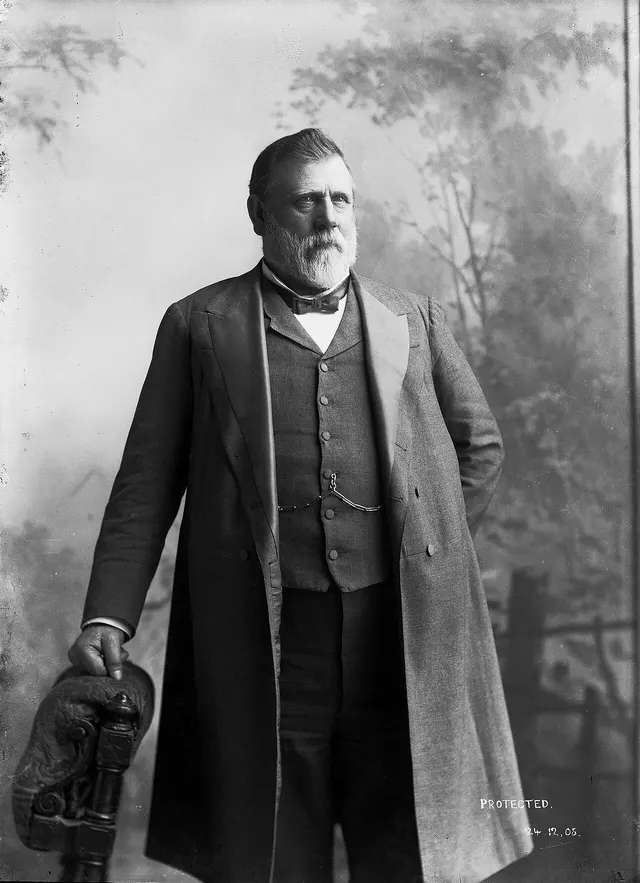
Richard Seddon
Image creditHerman John Schmidt · Public domainResized and cropped for display.

Richard Seddon

English-born premier of New Zealand from 1893 until his death in 1906, the longest-serving head of government in its history, whose government brought in old-age pensions.

Erich Maria Remarque
Image creditUnknown author · CC BY-SA 3.0 deResized and cropped for display.

Erich Maria Remarque

German novelist and First World War veteran whose All Quiet on the Western Front became one of the most widely read books about the war; the Nazis burned his work.

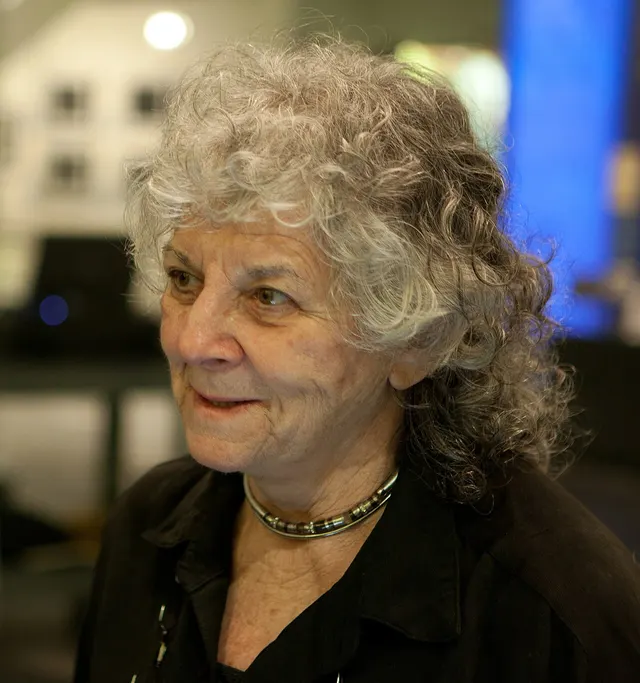
Ada Yonath
Image creditStaff photographer · CC BY-SA 3.0Resized and cropped for display.

Ada Yonath

Israeli crystallographer who mapped the structure of the ribosome, the cell’s protein factory, and shared the 2009 Nobel Prize in Chemistry.

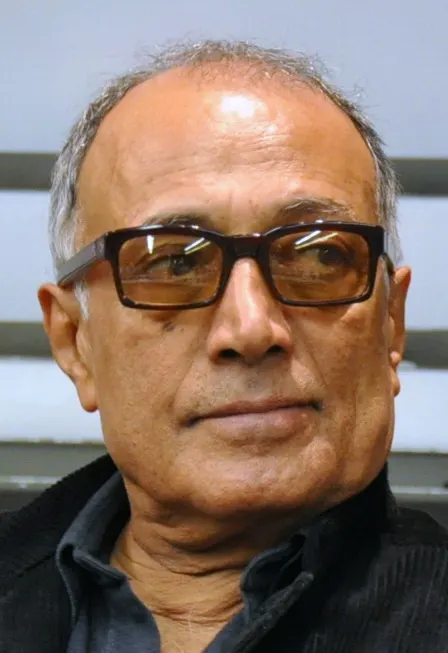
Abbas Kiarostami
Image creditمهرزاد بروجردی · CC BY 4.0Resized and cropped for display.

Abbas Kiarostami

Iranian film-maker whose quiet, searching films such as Close-Up and Taste of Cherry won him the Palme d’Or at Cannes in 1997.

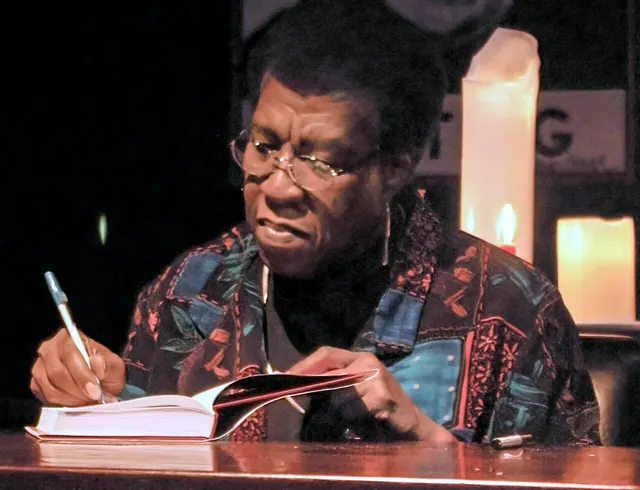
Octavia E. Butler
Image creditNikolas Coukouma · CC BY-SA 2.5Resized and cropped for display.

Octavia E. Butler

American writer whose science fiction, including Kindred and the Parable novels, explored race, power and survival; she won a MacArthur Fellowship in 1995.

Stephen Chow
Image creditKit Liew · CC BY 3.0Resized and cropped for display.

Stephen Chow

Hong Kong comic actor and director whose films, among them Shaolin Soccer and Kung Fu Hustle, became box-office hits across Asia and beyond.

◉
IDEAS THAT CHANGED THINGS

Firsts, Science & Discoveries

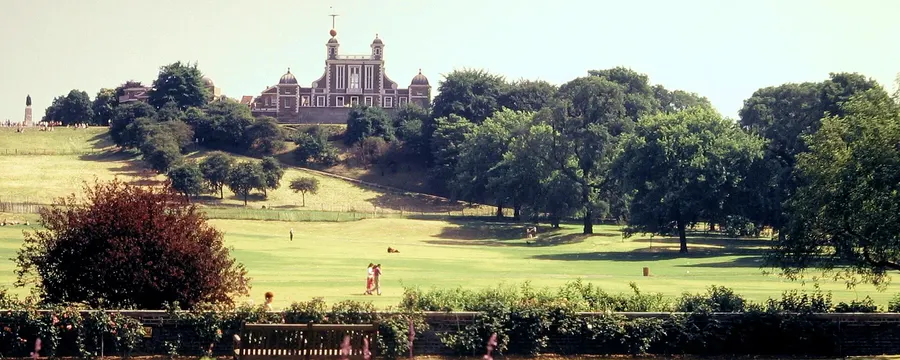
Flamsteed House, the original building of the Royal Observatory, on its hilltop above Greenwich Park
Image creditJaneArt · CC BY-SA 3.0Resized and cropped for display.

Charles II orders an observatory to be built at Greenwich

Finding longitude at sea was the great unsolved problem of seventeenth-century navigation. One proposed answer was to use the Moon’s movement against the stars as a clock in the sky, but that needed far better star charts and tables of the Moon than anyone possessed. In March 1675 Charles II appointed the young astronomer John Flamsteed as his ‘astronomical observator’ to produce them.

On 22 June 1675 the king issued a warrant for building ‘a small observatory within our park at Greenwich, upon the highest ground’. Sir Christopher Wren designed it, the foundation stone was laid that August, and Flamsteed moved in the following year, spending decades on the observations that became his great star catalogue. The Royal Observatory went on to give its name to Greenwich Mean Time, and in 1884 an international conference chose the meridian passing through its transit instrument as the prime meridian of the world.

Read the full storyHistory & Timeline →Source: Royal Museums Greenwich: The founding of the Royal Observatory ↗
☆
SPORTING HISTORY

Sporting Moments

Diego Maradona celebrates his second goal against England at the Estadio Azteca, as England defender Terry Butcher sits on the pitch
Image creditDani Yako · Public domainResized and cropped for display.

Maradona’s ‘Hand of God’ and the goal of the century

Argentina and England met in the quarter-finals of the 1986 World Cup at the Estadio Azteca in Mexico City on 22 June 1986, four years after the two countries had fought over the Falkland Islands. The first half was goalless. Six minutes after the break Diego Maradona rose with the England goalkeeper Peter Shilton for a looping ball and knocked it into the net with his hand. The Tunisian referee did not see the handball and the goal stood. Afterwards Maradona said it was scored ‘a little with the head of Maradona and a little with the hand of God’.

Four minutes later he scored a goal of an entirely different kind, picking up the ball in his own half and running past England player after player before rounding Shilton to score. Gary Lineker pulled one back, but Argentina won 2-1 and went on to win the tournament. The second goal was later voted the goal of the century in a poll run by FIFA, and the match remains the most famous of Maradona’s career.

Read the full storyHistory & Timeline →Source: FIFA: Diego Maradona, Hand of God, Argentina v England 1986 ↗
♫
MUSIC • FILM • BOOKS • CULTURE

Culture Stories

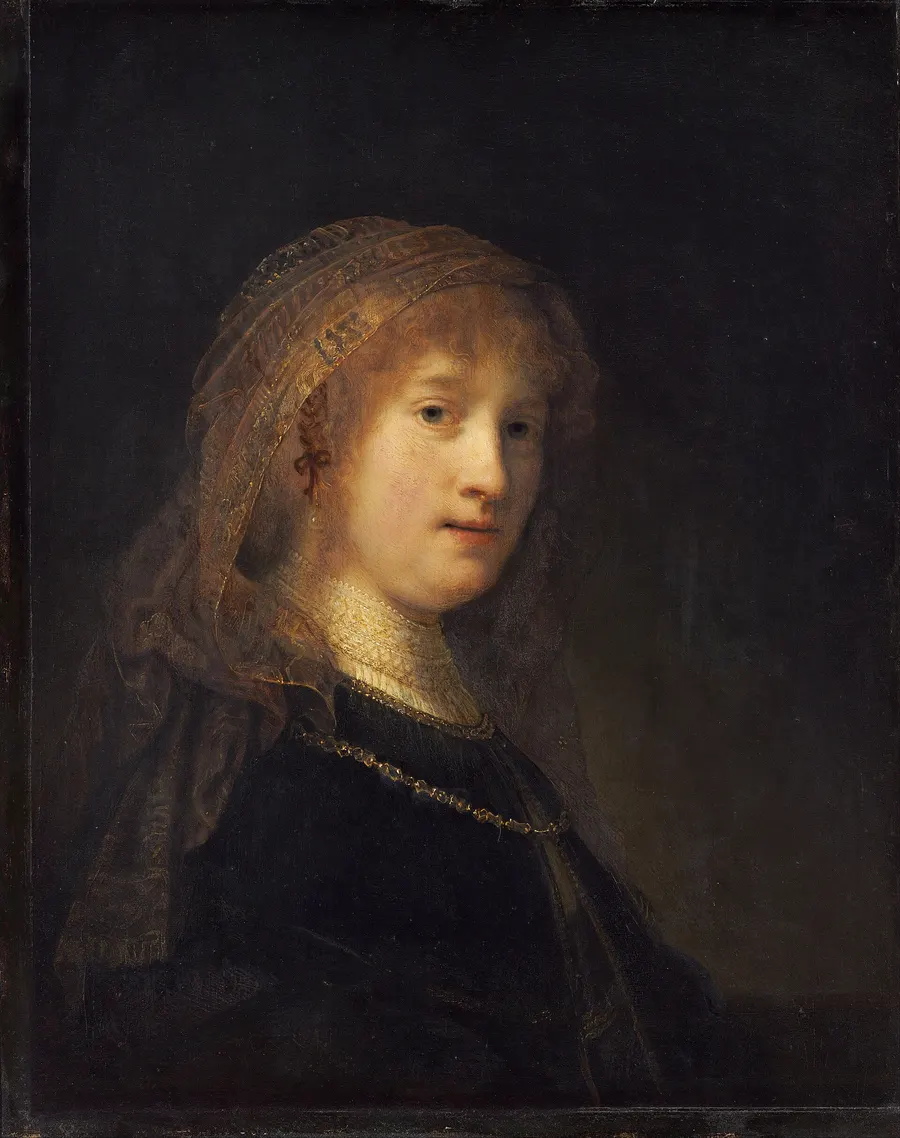
Saskia van Uylenburgh, painted by Rembrandt in a portrait probably begun soon after their marriage (National Gallery of Art, Washington)
Image creditRembrandt · Public domainResized and cropped for display.

Rembrandt marries Saskia van Uylenburgh

By the early 1630s Rembrandt van Rijn, a miller’s son from Leiden, had moved to Amsterdam and was becoming the city’s most sought-after portrait painter. He worked through the business of the art dealer Hendrick Uylenburgh, and through him met Saskia van Uylenburgh, Hendrick’s cousin and the orphaned daughter of a burgomaster of Leeuwarden in Friesland. The two were betrothed in June 1633.

They married on 22 June 1634 in the church at Sint Annaparochie in Friesland. The match brought Rembrandt a wife from a well-connected family, and Saskia became one of his most frequent models, appearing in drawings, etchings and paintings, sometimes dressed as a goddess or shepherdess. Their married life was also marked by grief: of their four children only their son Titus, born in 1641, survived infancy, and Saskia died the following year, aged about 29.

Read the full storyHistory & Timeline →Source: Rembrandt House Museum: Rembrandt’s life and work, important dates ↗
✦
LIVES REMEMBERED

Remembered Today

John Fisher
Image creditHans Holbein the Younger · Public domainResized and cropped for display.

John Fisher

Bishop of Rochester and scholar who refused to accept Henry VIII as head of the Church in England and was beheaded; he was declared a saint in 1935.

Muhammad Ahmad
Image creditUnknown artist · Public domainResized and cropped for display.

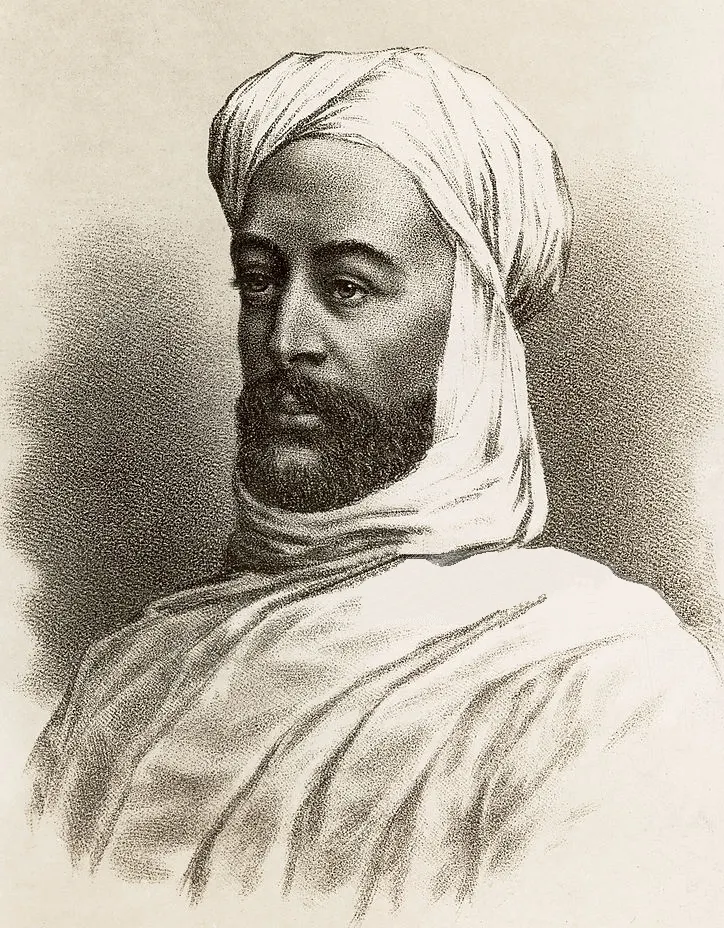
Muhammad Ahmad

Sudanese religious leader who proclaimed himself the Mahdi and led a revolt against Egyptian rule, taking Khartoum in January 1885; he died at Omdurman months later.

C. J. Dennis
Image creditUnknown · Public domainResized and cropped for display.

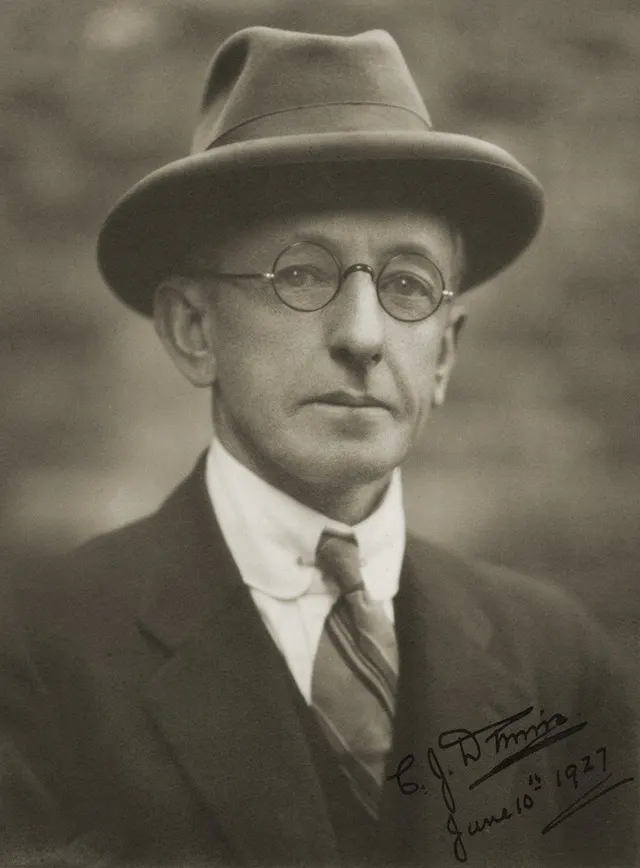
C. J. Dennis

Australian poet whose verse tale The Songs of a Sentimental Bloke, written in Melbourne street slang, was a huge success during the First World War.

Đặng Thùy Trâm
Image creditThái Nhi at Vietnamese Wikipedia · CC BY 3.0Resized and cropped for display.

Đặng Thùy Trâm

Vietnamese doctor who ran a field clinic for North Vietnamese forces and was killed in Quảng Ngãi province; her wartime diaries became a bestseller when published in 2005.

Darius Milhaud
Image creditAgence de presse Meurisse · Public domainResized and cropped for display.

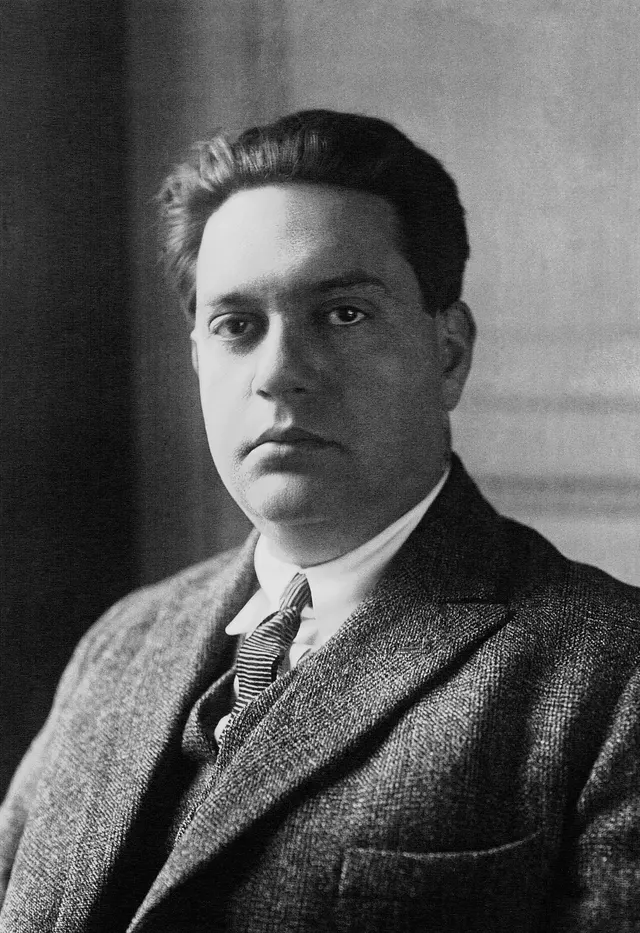
Darius Milhaud

French composer and member of the group known as Les Six, whose hundreds of works include the jazz-influenced ballet La Création du monde.

HISTORY & TIMELINE

Finished the highlights?

Follow 22 June chronologically, from the Middle Ages to the modern day, with 13 verified events and the sources behind them.

This day through time →