
-168
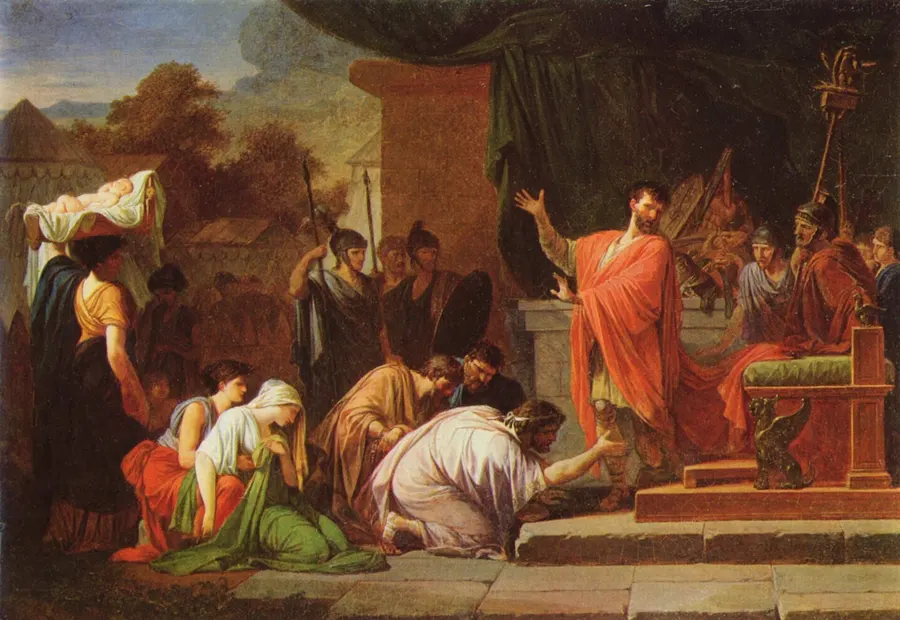 Aemilius Paullus and the captive Perseus, painted by Jean-François-Pierre Peyron in 1802Image: Jean-François Pierre Peyron · Public domain
world · Europe
Rome ends the Macedonian kingdom at Pydna
The Roman consul Lucius Aemilius Paullus drew King Perseus of Macedon down from a strong position on the Elpeus river to fight on the plain near Pydna. On 22 June 168 BC, the day after an eclipse of the Moon that the Macedonians took as an evil omen, the Roman legions broke the Macedonian phalanx. Perseus fled and was later captured and led through Rome in Paullus’s triumph, and the kingdom of Alexander the Great’s successors was abolished.
Source: Britannica: Battle of Pydna ↗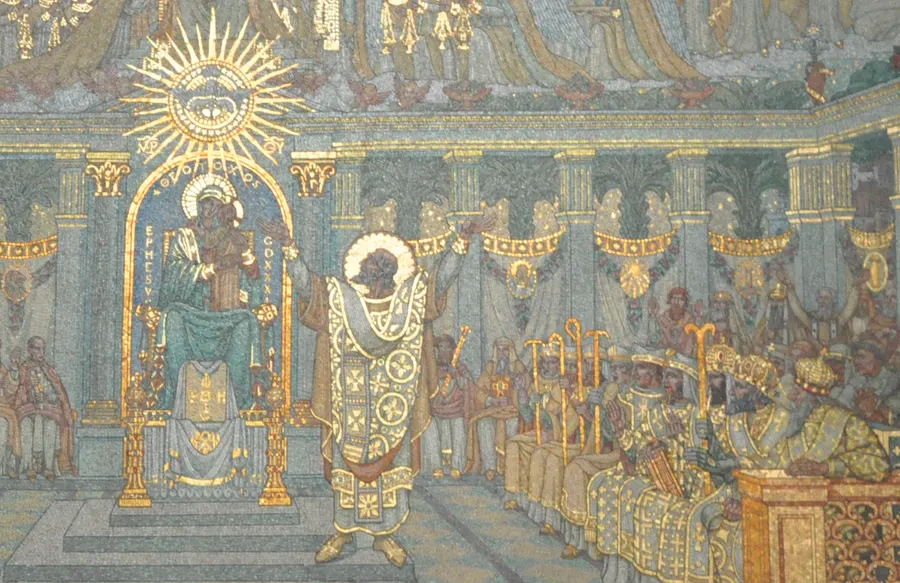 The Council of Ephesus shown in a mosaic in the basilica of Notre-Dame de Fourvière, LyonImage:
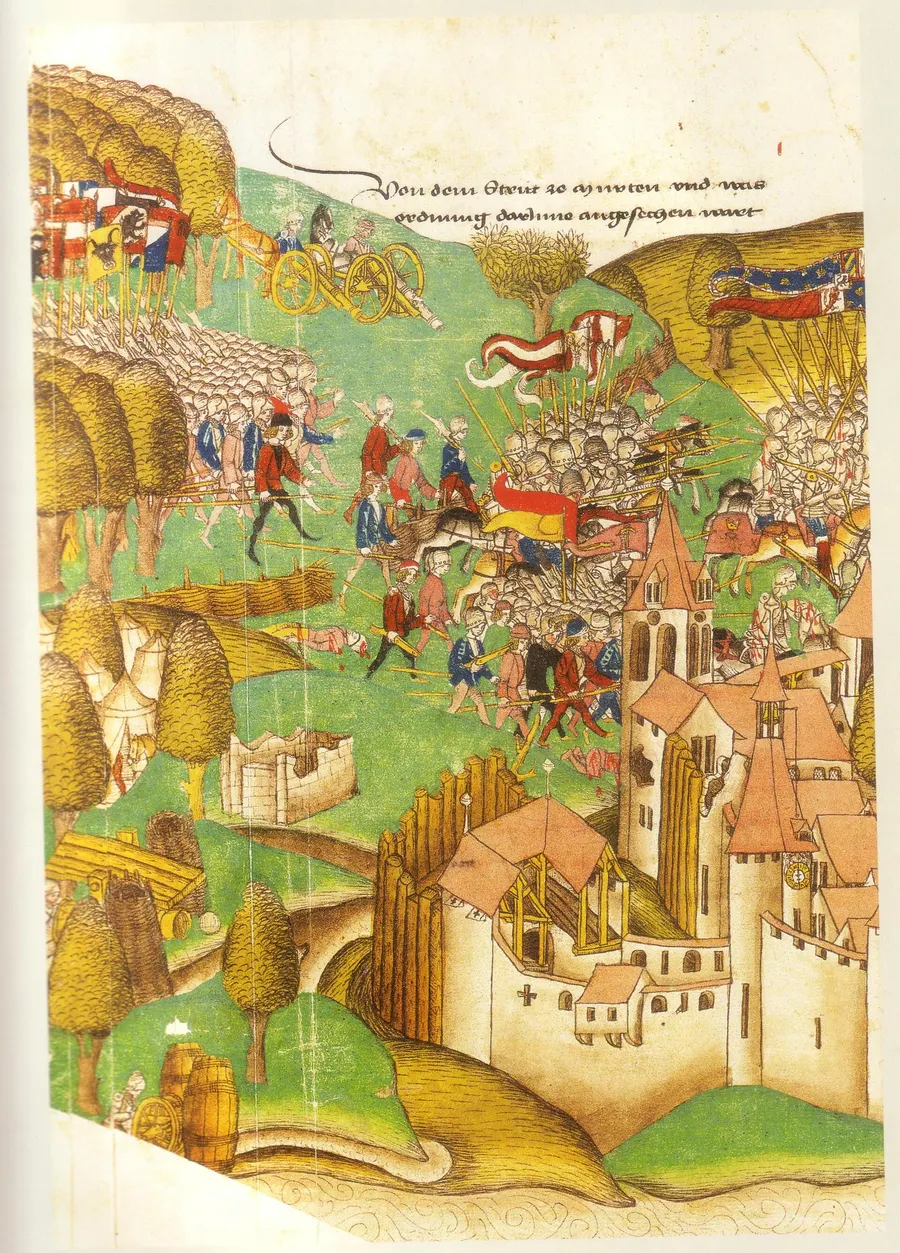 The Battle of Murten in the illustrated Swiss chronicle of Diebold Schilling the Elder, about 1480Image:
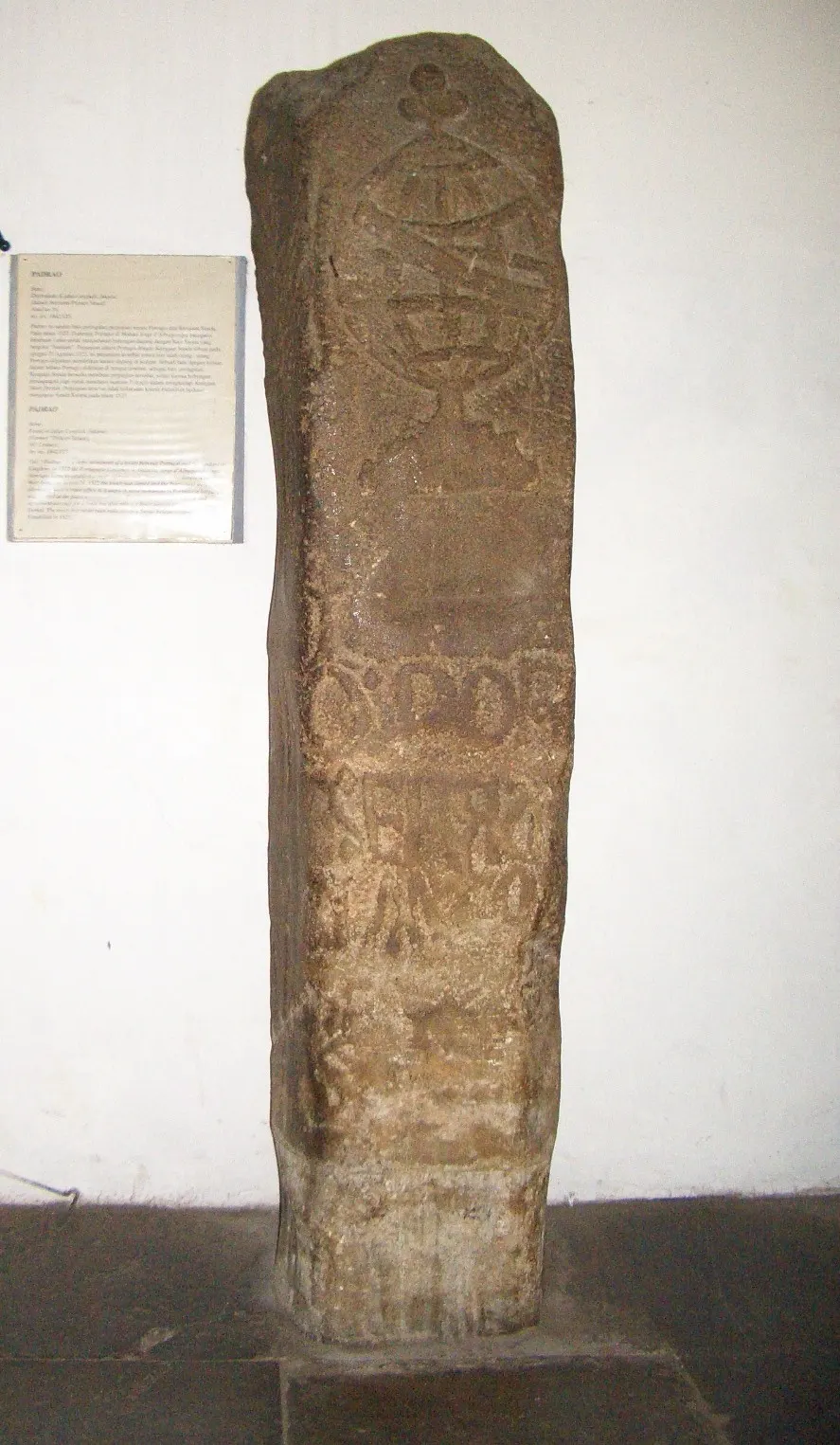 The stone padrão set up by the Portuguese at Sunda Kelapa, now in the National Museum of Indonesia, JakartaImage:
 Saskia van Uylenburgh, painted by Rembrandt in a portrait probably begun soon after their marriage (National Gallery of Art, Washington)Image:
 Flamsteed House, the original building of the Royal Observatory, on its hilltop above Greenwich ParkImage:
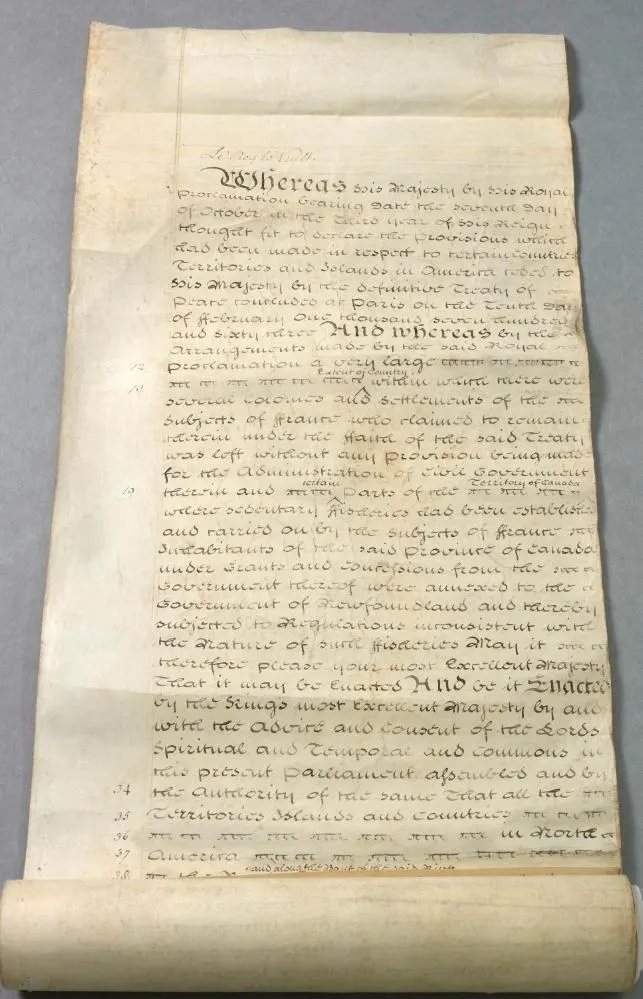 The original parchment of the Quebec Act, 1774, held in the Parliamentary Archives, LondonImage:
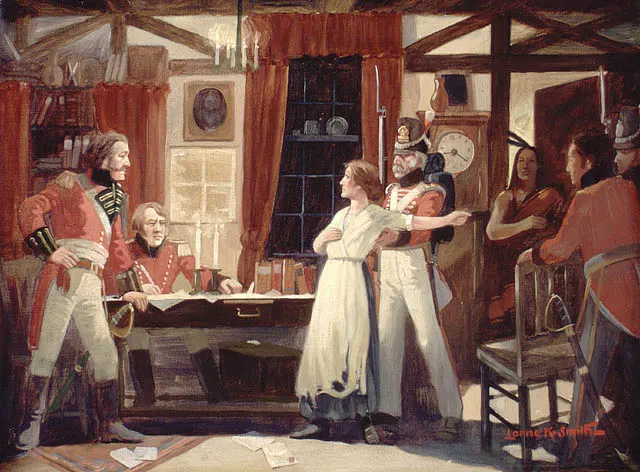 Laura Secord warning Lieutenant James FitzGibbon, painted by Lorne Kidd Smith around 1920Image:
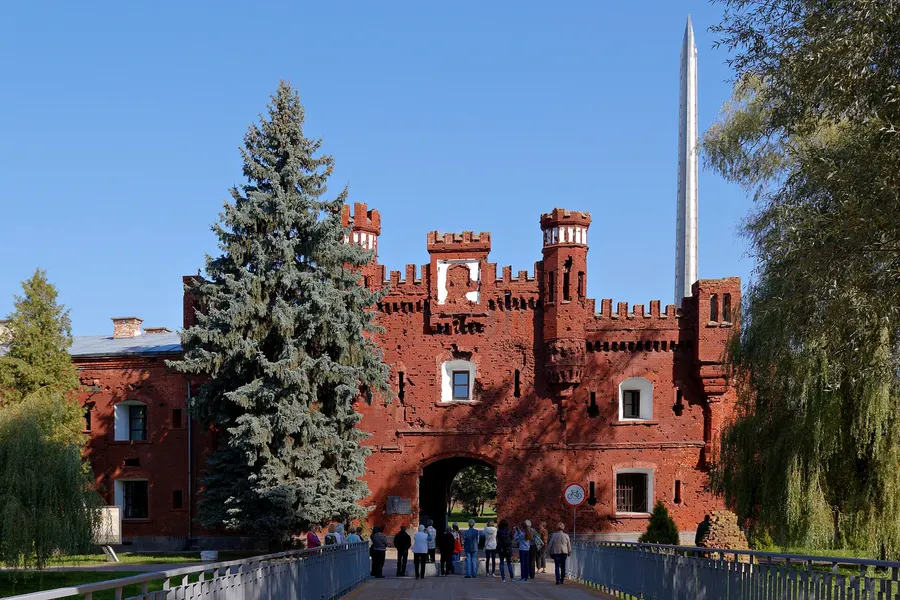 The Kholm Gate of the Brest Fortress in Belarus, whose garrison, on the Soviet border, was attacked in the first hours of the invasionImage:
 HMT Empire Windrush, the troopship that brought passengers from the Caribbean to Tilbury in 1948Image:
 Park Chung Hee, the South Korean president whose government concluded the 1965 treaty with JapanImage:
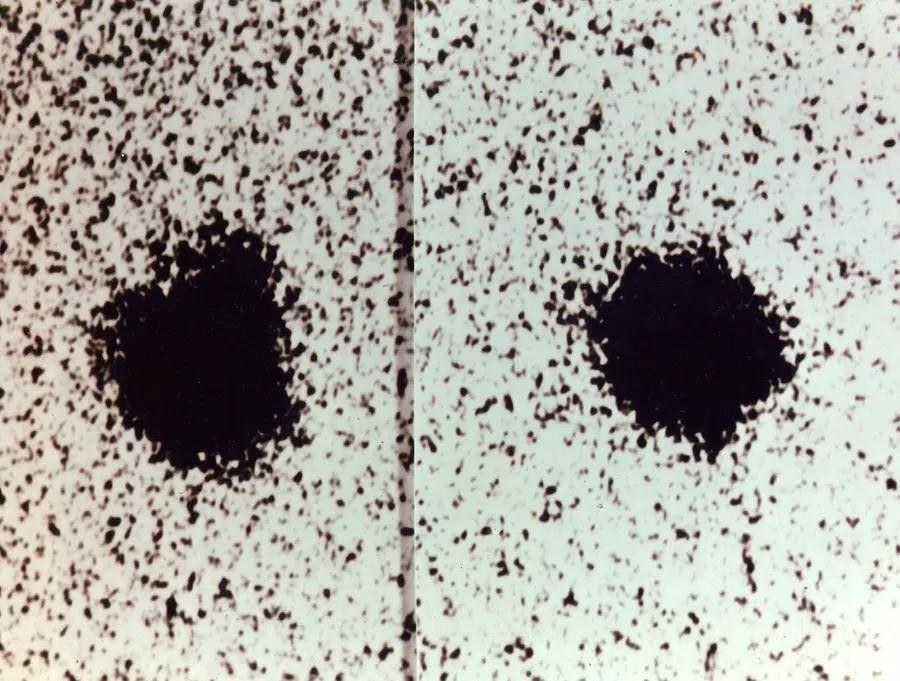 The US Naval Observatory photographs of 1978 in which Pluto appears with a bulge, revealing CharonImage:
 Diego Maradona celebrates his second goal against England at the Estadio Azteca, as England defender Terry Butcher sits on the pitchImage: