
HISTORY & TIMELINE
21 June

A journey through
21 June in history

The story of 21 June runs from the attack on Oda Nobunaga at the Honnō-ji temple in Kyoto in 1582 to Greenland’s step to self-rule in 2009. In between come the founding of Halifax, the ninth vote that made the US Constitution law, a royal family caught on the road at Varennes, an opera premiere in Munich, an American cruiser at Guam, a Chinese declaration of war on the foreign powers, a fleet scuttled in Orkney, Allied troops in Damascus, the first run of a stored-program computer, the first 10-second 100 metres, three murders in Mississippi and a third World Cup for Brazil.

III
A CHANGING WORLD

Early Modern Era

Exploration, political change, scientific development and expanding global connections.

1582
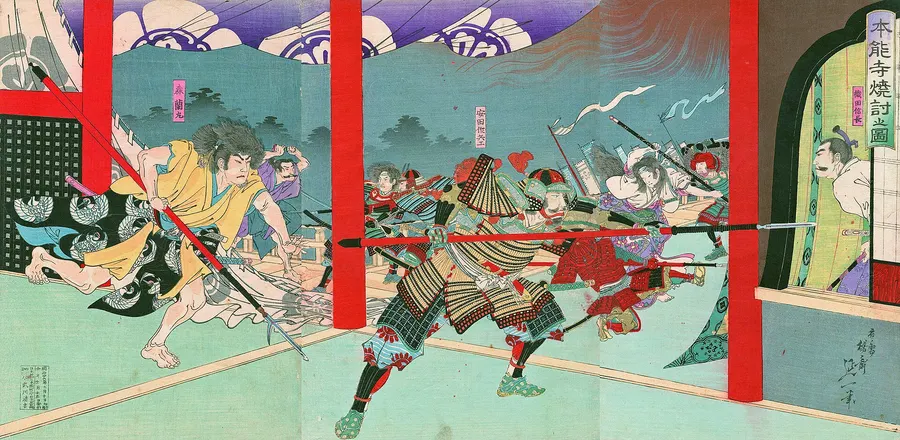
The attack on the Honnō-ji temple, a Meiji-era woodblock triptych by Yōsai NobukazuThe attack on the Honnō-ji temple, a Meiji-era woodblock triptych by Yōsai NobukazuImage: Nobukazu Yōsai · Public domain
world · Asia

Oda Nobunaga dies at the Honnō-ji temple in Kyoto

In the second half of the 16th century Japan was divided among rival warlords, and Oda Nobunaga was the most formidable of them. From his base in Owari he fought his way to Kyoto, drove out the last Ashikaga shogun in 1573 and brought much of central Japan under his control, using massed musketeers and ruthless force against his rivals and against armed Buddhist temples. In the summer of 1582 he stopped in Kyoto with only a small guard, lodging at the Honnō-ji temple on his way to support his general Toyotomi Hideyoshi in the west. Another of his generals, Akechi Mitsuhide, who had been ordered west with his army, turned it on the capital instead. Before dawn on 21 June 1582 his troops surrounded the temple. Hopelessly outnumbered, Nobunaga died as the building burned, by his own hand according to most accounts, and his eldest son and heir was killed in Kyoto the same day. Mitsuhide’s motives have been argued over ever since. He held power for less than two weeks before Hideyoshi defeated him, and it was Hideyoshi who went on to finish the work of unifying Japan.

Source: Britannica: Oda Nobunaga ↗
1749
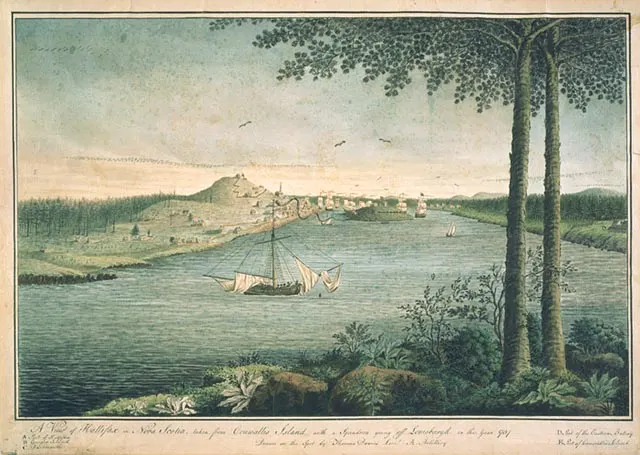
A View of Halifax in Nova Scotia in 1757, with a squadron leaving for Louisbourg, by Thomas DaviesA View of Halifax in Nova Scotia in 1757, with a squadron leaving for Louisbourg, by Thomas DaviesImage: Thomas Davies · Public domain
politics · Americas

Edward Cornwallis arrives to found Halifax

Britain wanted a fortified town in Nova Scotia to counter the great French fortress of Louisbourg. On 21 June 1749 the new governor, Edward Cornwallis, arrived off Chebucto, a deep, ice-free harbour long used by the Mi’kmaq, and some 2,500 settlers followed him from Britain. The town they built was named after Lord Halifax of the Board of Trade, who had promoted the plan. It was raised on Mi’kmaw land without their agreement, and years of conflict followed.

Source: Dictionary of Canadian Biography: Edward Cornwallis ↗
1788
The first page of the engrossed Constitution of the United States, signed at Philadelphia in September 1787The first page of the engrossed Constitution of the United States, signed at Philadelphia in September 1787Image: Constitutional Convention · Public domain
politics · Americas

New Hampshire’s vote brings the US Constitution into force

The Constitution drawn up at Philadelphia in the summer of 1787 was only a proposal until the states accepted it. Its seventh article laid down that it would take effect once conventions in nine of the thirteen states had ratified it. Over the following months the debate between its Federalist supporters and Anti-Federalist critics was fought out in pamphlets, newspapers and state conventions, and by the late spring of 1788 eight states had said yes. New Hampshire’s convention had first met early in 1788 and adjourned without a vote, as its supporters feared defeat. When it met again in June the Federalists had won over enough delegates, and on 21 June 1788 the convention voted to ratify, by 57 votes to 47. New Hampshire was the ninth state, so its vote made the Constitution binding on the states that had accepted it. Virginia and New York narrowly followed within weeks, and the Congress of the old Confederation then fixed March 1789 for the new government to begin in New York City.

Source: National Archives: The Real Constitution Day? ↗
1791
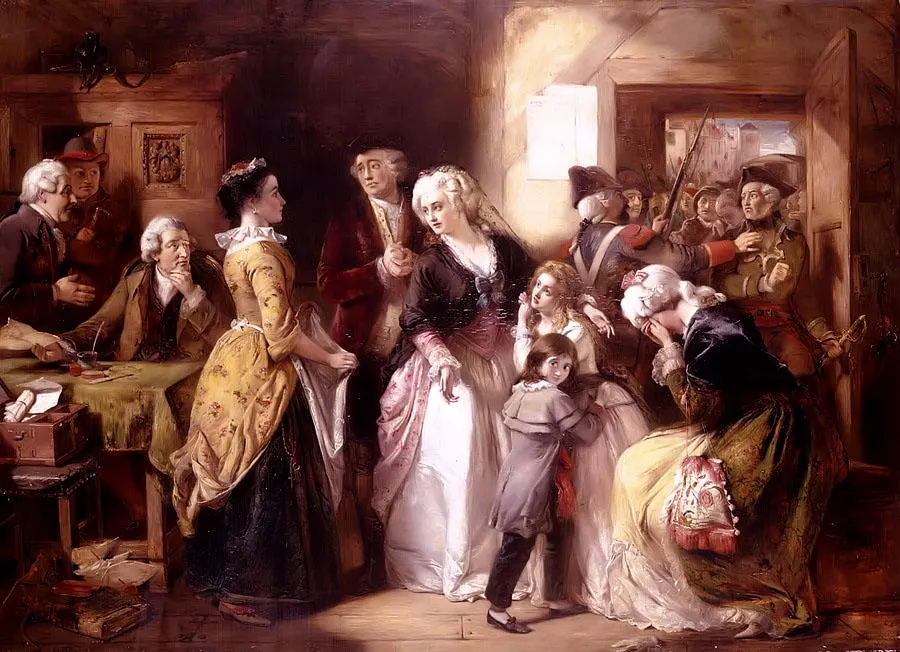
The arrest of Louis XVI and his family at Varennes, a 19th-century painting by Thomas Falcon MarshallThe arrest of Louis XVI and his family at Varennes, a 19th-century painting by Thomas Falcon MarshallImage: Thomas Falcon Marshall · Public domain
politics · Europe

Louis XVI’s flight from Paris ends at Varennes

Since October 1789 Louis XVI and his family had lived under watch in the Tuileries palace in Paris, as the Revolution stripped away the powers of the crown. With help from loyal friends the king planned an escape to the fortress of Montmédy near the eastern frontier, where royalist troops were waiting and from where he hoped to deal with the Revolution on his own terms. Around midnight on 20 to 21 June 1791 the family slipped out of the palace in disguise and set off east in a large, slow coach. The journey fell behind schedule, and at Sainte-Menehould the postmaster, Jean-Baptiste Drouet, recognised the king and rode ahead to raise the alarm. Late on 21 June the coach was stopped at the little town of Varennes and the family were held there, only a short distance from safety. They were brought back to Paris under guard. The flight destroyed much of the trust that remained in the king and gave strength to those who wanted a republic. Just over a year later the monarchy fell.

Source: Britannica: Jean-Baptiste Drouet ↗
IV
THE NINETEENTH CENTURY

The 1800s

Industry, empire, invention, reform and a century of enormous transformation.

1868
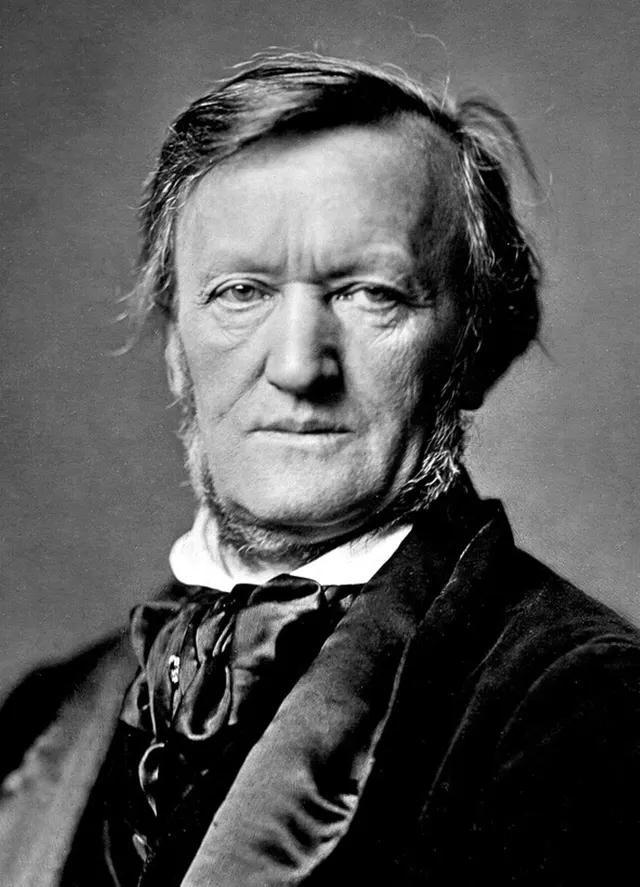
Richard Wagner, photographed by Franz HanfstaenglRichard Wagner, photographed by Franz HanfstaenglImage: Franz Hanfstaengl · Public domain
culture · Europe

Wagner’s ‘Die Meistersinger’ opens in Munich

Richard Wagner is best known for vast operas of myth and tragic love, but he wrote one great comedy. Die Meistersinger von Nürnberg is set in the city of Nuremberg in the 16th century, among the craftsmen of the mastersingers’ guild, who compose songs by strict rules. At its heart is the wise cobbler-poet Hans Sachs, who helps a young knight win both a song contest and the bride promised to its winner. Wagner had first sketched the idea in the 1840s and returned to it in the 1860s, when King Ludwig II of Bavaria became his patron. The opera had its premiere at the court theatre in Munich on 21 June 1868, conducted by Hans von Bülow. Long, warm-hearted and rich in melody, it became one of Wagner’s most performed works, though its closing hymn to German art later gave it an uncomfortable place in Nazi propaganda.

Source: Britannica: The Mastersingers of Nürnberg ↗
1898
USS Charleston at the entrance to the harbour of Agana, Guam, in June 1898USS Charleston at the entrance to the harbour of Agana, Guam, in June 1898Image: Rear Admiral Ammen Farenholt · Public domain
world · Oceania

The United States takes Guam from Spain without a fight

During the Spanish-American War the cruiser USS Charleston, escorting troopships to the Philippines, was ordered to seize Spanish Guam on the way. When it fired on an old fort on 20 June, the Spanish officers, who had not heard that war had broken out, came out to apologise for being unable to return the salute. On 21 June 1898 the governor surrendered, and the American flag was raised. Guam has remained a territory of the United States ever since.

Source: Naval History and Heritage Command: U.S. Capture of Guam ↗
1900
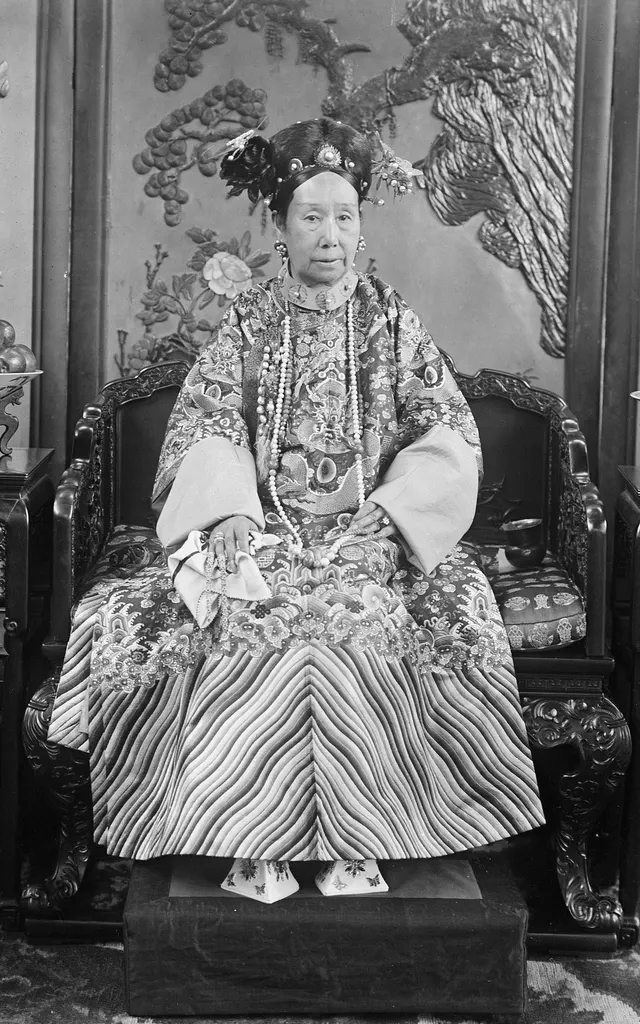
The Empress Dowager Cixi, who dominated the Qing court in 1900, photographed at the palace by the court photographer Yu XunlingThe Empress Dowager Cixi, who dominated the Qing court in 1900, photographed at the palace by the court photographer Yu XunlingImage: John Yu Shuinling · Public domain
world · Asia

China’s court declares war on the foreign powers

At the end of the 19th century northern China was suffering from drought and poverty, and anger was growing at foreign missionaries, foreign railways and the concessions the great powers had forced from the Qing dynasty. A secret society known to foreigners as the Boxers, for its martial-arts rituals, spread from Shandong province, attacking missionaries and Chinese Christians, and by June 1900 its followers had poured into Beijing and Tianjin. At first the court of the Empress Dowager Cixi hesitated between crushing the Boxers and using them. When foreign troops landed and pressed their demands, the hardliners won. On 21 June 1900 the court issued an edict declaring war on the foreign powers and threw its support behind the Boxers. Qing troops and Boxers besieged the foreign legations in Beijing, where diplomats, soldiers and Chinese Christians held out for weeks until an international army fought its way into the capital in August. The settlement that followed forced China to pay a crushing indemnity.

Source: Ohio State University, Origins: The Boxer Rebellion ↗
V
THE TWENTIETH CENTURY

The 1900s

War and peace, technological leaps, social change, politics, sport and popular culture.

1919
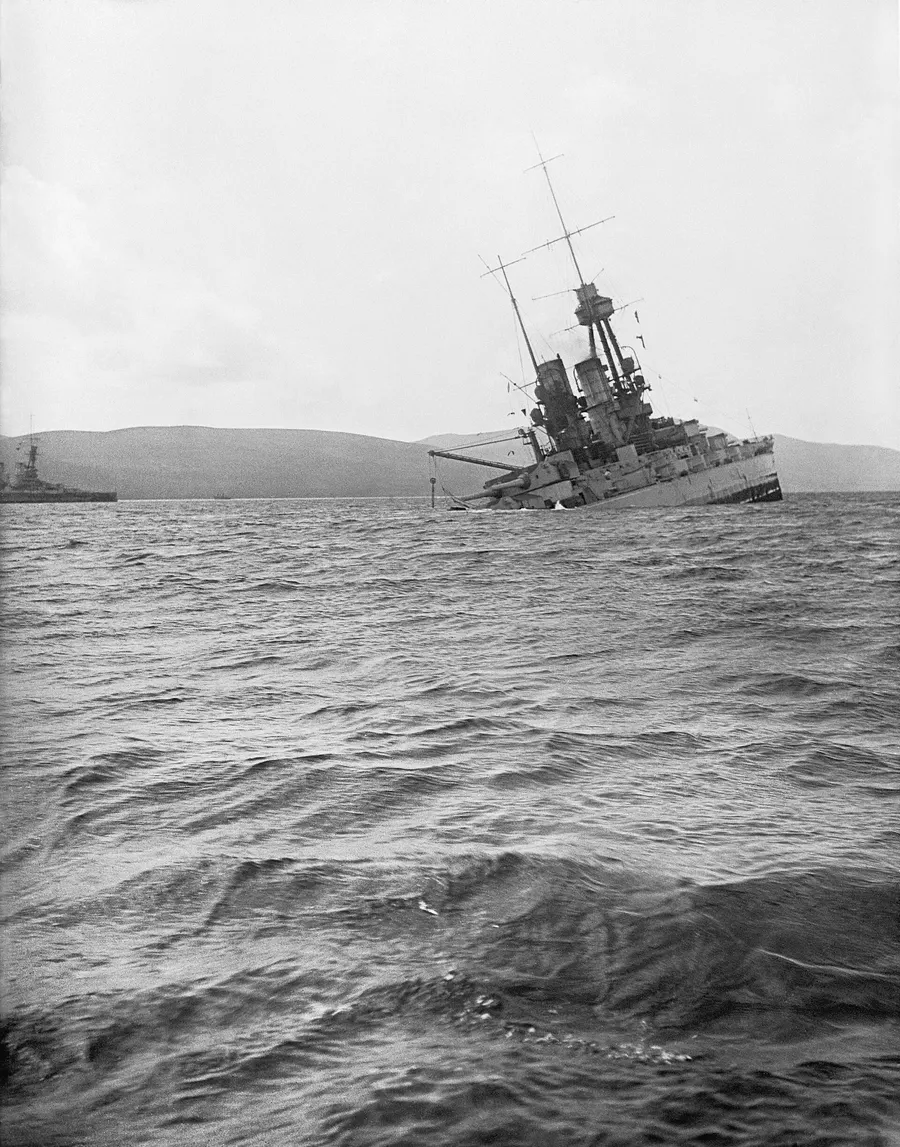
The German battleship SMS Bayern going down by the stern in Scapa Flow, photographed by a Royal Navy photographerThe German battleship SMS Bayern going down by the stern in Scapa Flow, photographed by a Royal Navy photographerImage: Royal Navy official photographer (C. W. Burrows) · Public domain
world · Europe

The interned German fleet sinks itself at Scapa Flow

Under the armistice of November 1918 the pride of Germany’s navy, 74 warships of the High Seas Fleet, sailed into British custody and was held in Scapa Flow, the great natural harbour in Orkney. Skeleton crews stayed aboard under Rear Admiral Ludwig von Reuter while the victorious Allies argued in Paris over the peace terms and the fate of the ships. Reuter believed that the talks had broken down and that his ships were about to be seized. On the morning of 21 June 1919, while most of the British squadron guarding them was away on exercise, he gave the signal to scuttle. His crews opened valves, portholes and torpedo tubes, and within about five hours 52 ships had gone to the bottom, one of the greatest losses of shipping in a single day. In the confusion British forces shot and killed nine German sailors, among the last German deaths of the war. Most of the wrecks were later raised for scrap.

Source: Imperial War Museums: The Scuttling of the German Fleet, 1919 ↗
1941
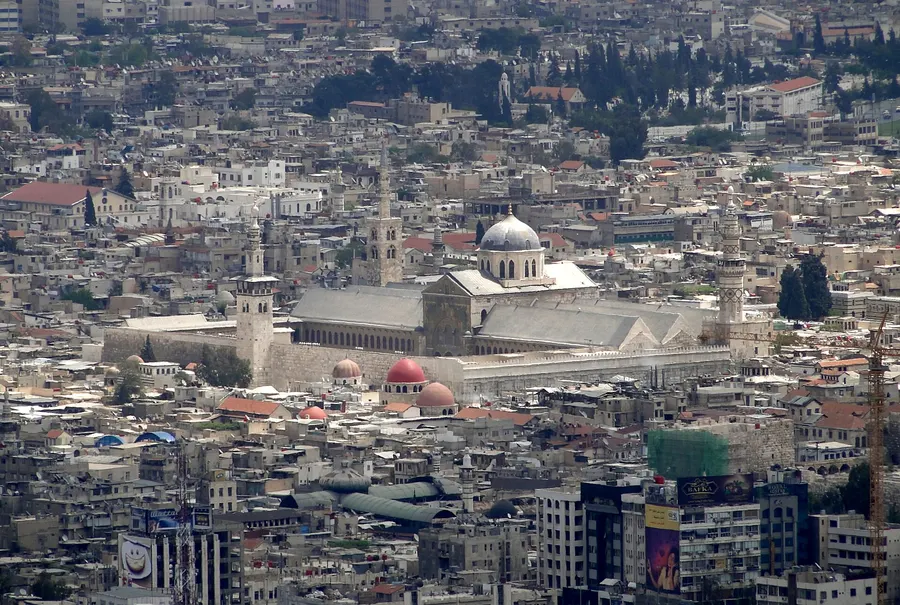
The Umayyad Mosque rising above the rooftops of the old city of DamascusThe Umayyad Mosque rising above the rooftops of the old city of DamascusImage: Bernard Gagnon · CC BY-SA 3.0
world · Middle East

Allied troops enter Damascus

In June 1941 Australian, British, Indian and Free French forces invaded Syria and Lebanon, then held by Vichy France, to stop Germany using them as a base in the Middle East. On 21 June the Syrian capital, Damascus, fell to the Allied force, with Australian troops among the first to drive into the city, ahead of the Free French parade. The hard fighting elsewhere went on until a ceasefire on 12 July.

Source: Australian War Memorial: 80th anniversary of the start of the Syrian Campaign ↗
1948
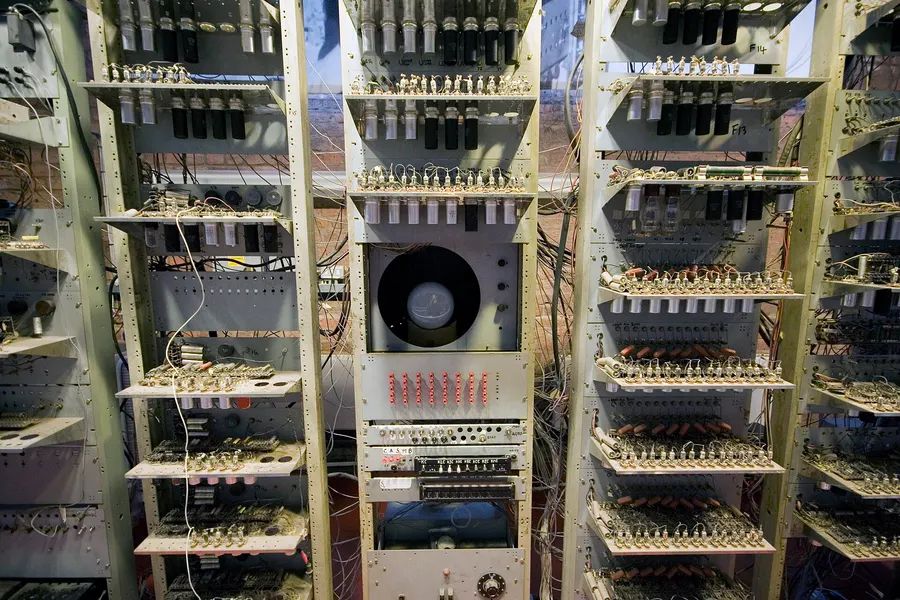
A close-up of the working replica of the Manchester Baby at the Science and Industry Museum in ManchesterA close-up of the working replica of the Manchester Baby at the Science and Industry Museum in ManchesterImage: Parrot of Doom · CC BY-SA 3.0
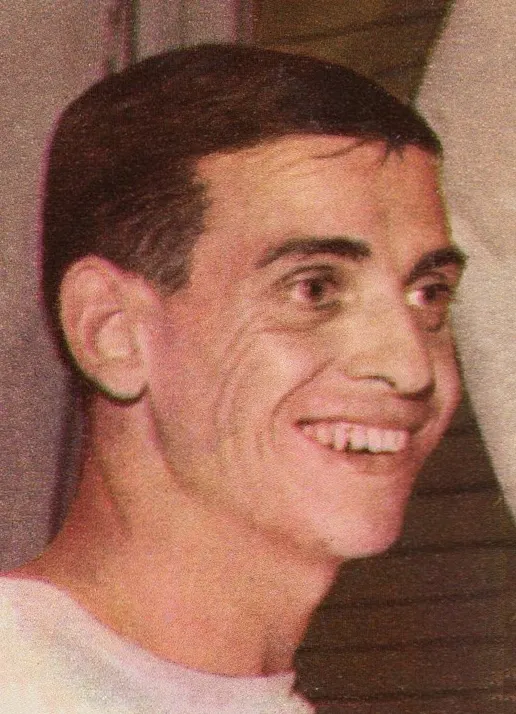
science · Europe

The Manchester ‘Baby’ runs the first stored program

The early electronic computers of the 1940s had to be set up for each new task by hand, with switches, plugs or punched tape. The alternative, a machine that kept its own instructions in fast electronic memory alongside its data, needed a reliable memory store. At the University of Manchester, Freddie Williams and Tom Kilburn were working on one that held bits as dots of charge on the face of a cathode-ray tube. To test it they built a small computer around it, the Small-Scale Experimental Machine, soon nicknamed the Baby, with help from Geoff Tootill. On 21 June 1948 it ran its first program, written by Kilburn, which searched for the highest factor of a number. It was the first time a computer had run a program held electronically in its own memory, the stored-program idea on which every modern computer depends. A later run on a much larger number took 52 minutes, and the machine led directly to the larger Manchester computers that followed.

Source: University of Manchester, Computer 50: The Manchester Baby ↗
1960
Armin Hary, from a Panini sticker of about 1967Armin Hary, from a Panini sticker of about 1967Image: Unknown photographer (Panini card) · Public domain
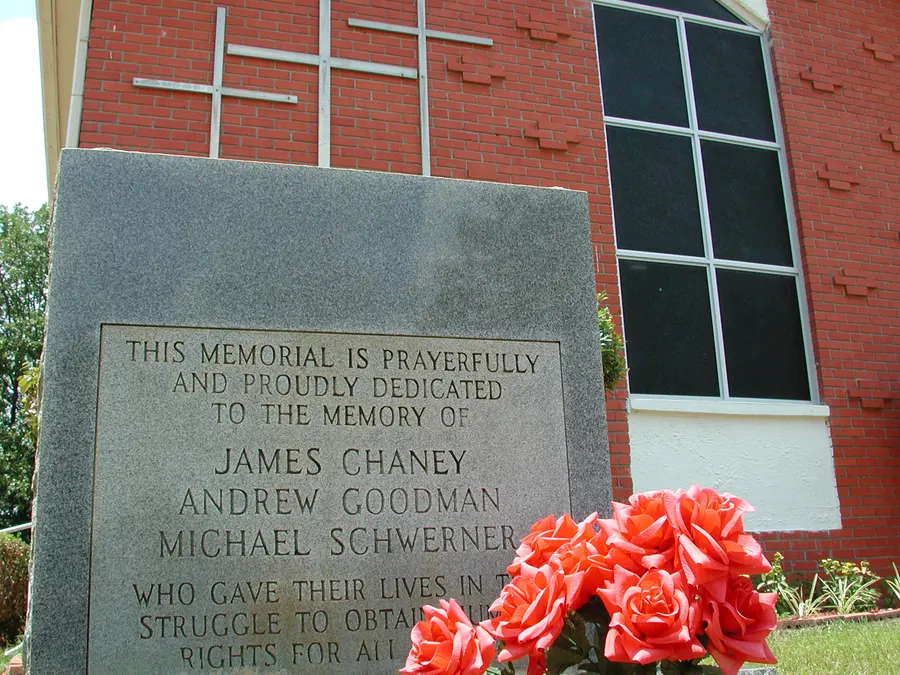
sport · Europe

Armin Hary runs the first official 10-second 100 metres

The West German sprinter Armin Hary was famous for his lightning start. At a meeting in Zurich on 21 June 1960 his first run was ruled a false start, but in the re-run, on the cinder track of the Letzigrund stadium, he was timed at 10.0 seconds, the first time the 100 metres had officially been run in ten seconds flat. A few weeks later he won the Olympic 100 metres in Rome.

Source: World Athletics: 60 years on, Hary recounts his historic 10.0 100m world record ↗
1964
The memorial to James Chaney, Andrew Goodman and Michael Schwerner outside the church at Longdale, MississippiThe memorial to James Chaney, Andrew Goodman and Michael Schwerner outside the church at Longdale, MississippiImage: Jon Doe · CC BY-SA 4.0
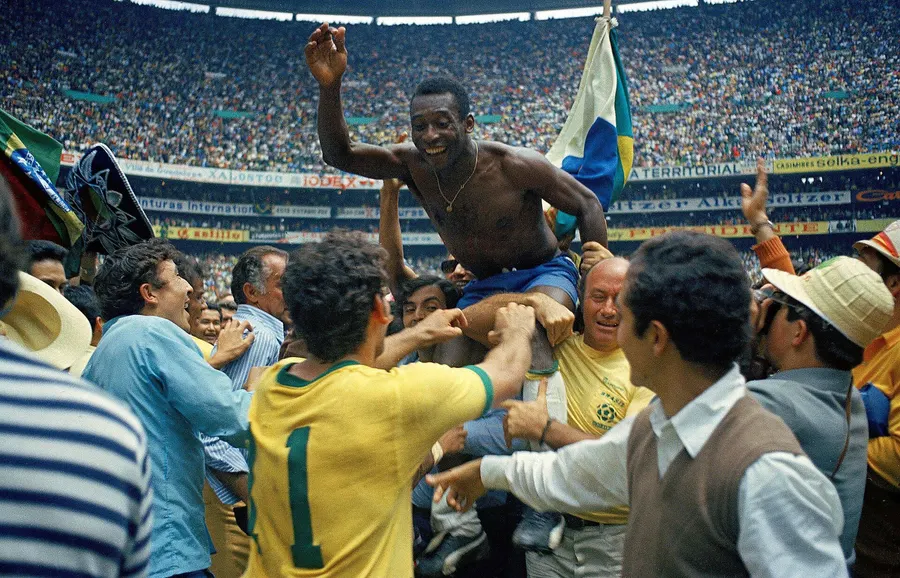
politics · Americas

Three civil rights workers are murdered in Mississippi

During the Freedom Summer voter registration campaign, James Chaney, Andrew Goodman and Michael Schwerner drove to Neshoba County, Mississippi, on 21 June 1964 to look into the burning of a Black church. A deputy sheriff arrested them and held them until late evening; after their release they were followed by Ku Klux Klan members and killed that night. Their bodies were found in an earth dam in August after a huge FBI search, and the case deepened national support for civil rights.

Source: FBI: Mississippi Burning ↗
1970
Pelé carried shoulder-high at the Estadio Azteca after Brazil's World Cup final win over Italy on 21 June 1970, an Associated Press photographPelé carried shoulder-high at the Estadio Azteca after Brazil’s World Cup final win over Italy on 21 June 1970, an Associated Press photographImage: Associated Press · Public domain
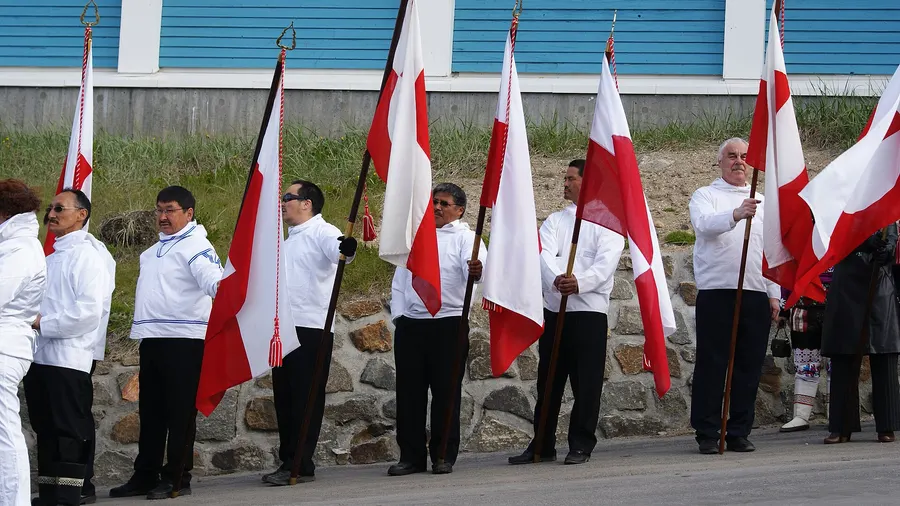
sport · Americas

Brazil win a third World Cup in Mexico City

The 1970 World Cup in Mexico was the first to be watched around the world in colour, and the Brazil team that arrived there has often been called the finest ever to play. Pelé, playing in his fourth World Cup, led an attack that included Jairzinho, Tostão, Gérson and Rivelino, and the team won every match on the way to the final. The final against Italy was played at the Estadio Azteca in Mexico City on Sunday 21 June 1970. Pelé headed the first goal, Italy equalised, and Brazil pulled away in the second half with goals from Gérson and Jairzinho. The last, from the captain Carlos Alberto, finished a flowing move across the field and is still shown as one of the great team goals. Brazil won 4-1 to become the first country to win the World Cup three times, and so kept the Jules Rimet Trophy for good.

Source: FIFA: Brazil v Italy, Mexico 1970 final ↗
VI
2000 TO TODAY

Modern Day

The events of recent decades that have already become part of the historical record.

2009
Flag bearers with the Greenlandic flag at National Day celebrations in Sisimiut, Greenland, on 21 June 2010, the first anniversary of self-ruleFlag bearers with the Greenlandic flag at National Day celebrations in Sisimiut, Greenland, on 21 June 2010, the first anniversary of self-ruleImage: Algkalv (talk) · CC BY-SA 3.0
politics · Americas

Greenland moves to self-rule

Greenland had governed its own home affairs within the Kingdom of Denmark since 1979. On 21 June 2009, Greenland’s National Day, the Act on Greenland Self-Government came into force, giving the island’s government control of many more areas, including its natural resources, and recognising Greenlandic as its official language. The act also sets out the path Greenland may take to independence if its people choose it.

Source: Danish Prime Minister’s Office: Greenland ↗
RESEARCH

Sources & Further Reading

Selected authoritative references supporting the events on this page.

Britannica: Oda Nobunaga↗University of Pittsburgh Japan Module: Honnōji Incident↗Dictionary of Canadian Biography: Edward Cornwallis↗Nova Scotia Archives: Halifax and Its People, 1749-1999↗National Archives: The Real Constitution Day?↗National Constitution Center: The day the Constitution was ratified↗Britannica: Jean-Baptiste Drouet↗Stanford University, French Revolution Digital Archive: Capture of Louis XVI at Varennes, June 21, 1791↗Britannica: The Mastersingers of Nürnberg↗Wikipedia: Die Meistersinger von Nürnberg↗Naval History and Heritage Command: U.S. Capture of Guam↗Guampedia: Spanish-American War↗Ohio State University, Origins: The Boxer Rebellion↗Britannica: Boxer Rebellion↗Imperial War Museums: The Scuttling of the German Fleet, 1919↗Wikipedia: Scuttling of the German fleet at Scapa Flow↗Australian War Memorial: 80th anniversary of the start of the Syrian Campaign↗Anzac Portal (Department of Veterans’ Affairs): Syria and Lebanon, June 1941↗University of Manchester, Computer 50: The Manchester Baby↗Science and Industry Museum: ‘Baby’ and the birth of modern computing↗World Athletics: 60 years on, Hary recounts his historic 10.0 100m world record↗Olympics.com: Armin Hary↗FBI: Mississippi Burning↗National Archives: Three Civil Rights Workers↗FIFA: Brazil v Italy, Mexico 1970 final↗Wikipedia: 1970 FIFA World Cup final↗Danish Prime Minister’s Office: Greenland↗Nordic Co-operation: Public holidays in Greenland↗
WHY THESE MOMENTS?

Significance before volume

This page is not the longest possible list of events. It is a chronological journey through 21 June, where each entry is chosen for historical significance, human interest and reliability.

Facts are checked against authoritative museums, archives, universities and reference works. Where sources disagree, the page says so.

EXPLORED THE DEEPER STORY?

Return to the highlights of 21 June

Discover the lighter side of the date with famous birthdays, culture, firsts and lives remembered.

Explore This Day →
← PREVIOUS DAY20 June
HISTORY & TIMELINE21 June
NEXT DAY →22 June