
451
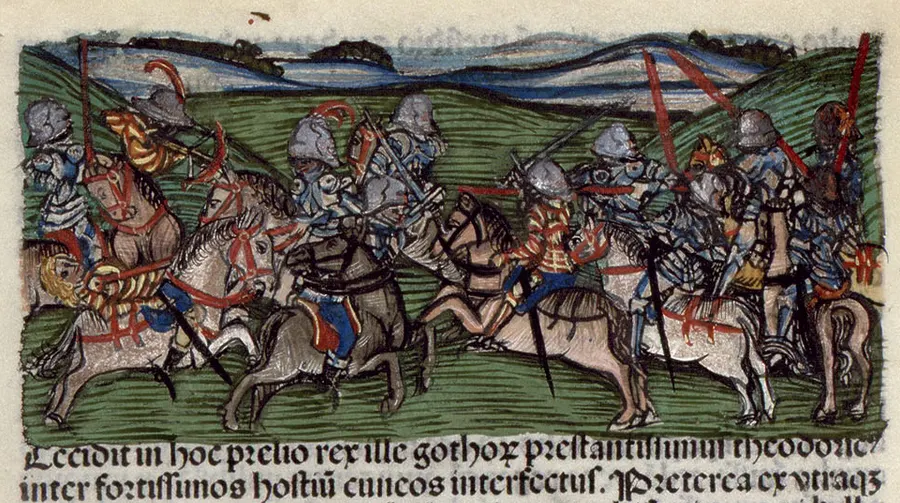 Attila’s battle on the Catalaunian Plains, an illustration from the 15th-century Chronica Hungarorum of Johannes de ThuroczImage: Johannes de Thurocz · Public domain
world · Europe
Rome and the Visigoths stop Attila on the Catalaunian Plains
In 451 Attila led a great army of Huns and subject peoples into Gaul and besieged Orléans. The Roman general Flavius Aetius, allied with the Visigothic king Theodoric I, forced him to withdraw, and the two sides met on the Catalaunian Plains in Champagne. The battle is usually dated to 20 June 451, though some historians have argued for a date as late as September. Theodoric was killed, but Attila retreated from Gaul, and turned on Italy the next year.
Source: Britannica: Battle of the Catalaunian Plains ↗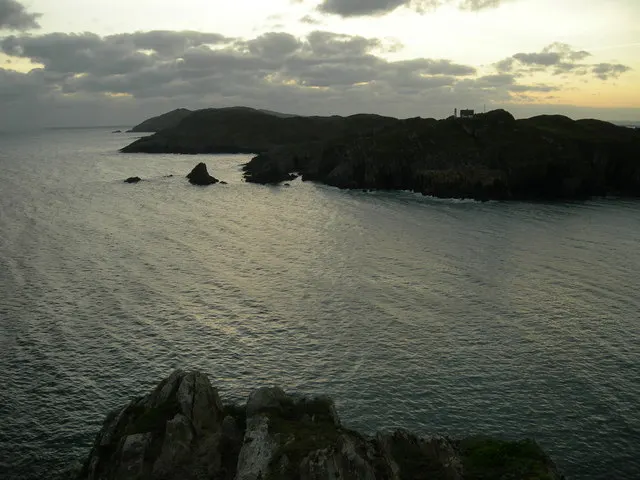 The entrance to Baltimore harbour in west CorkImage:
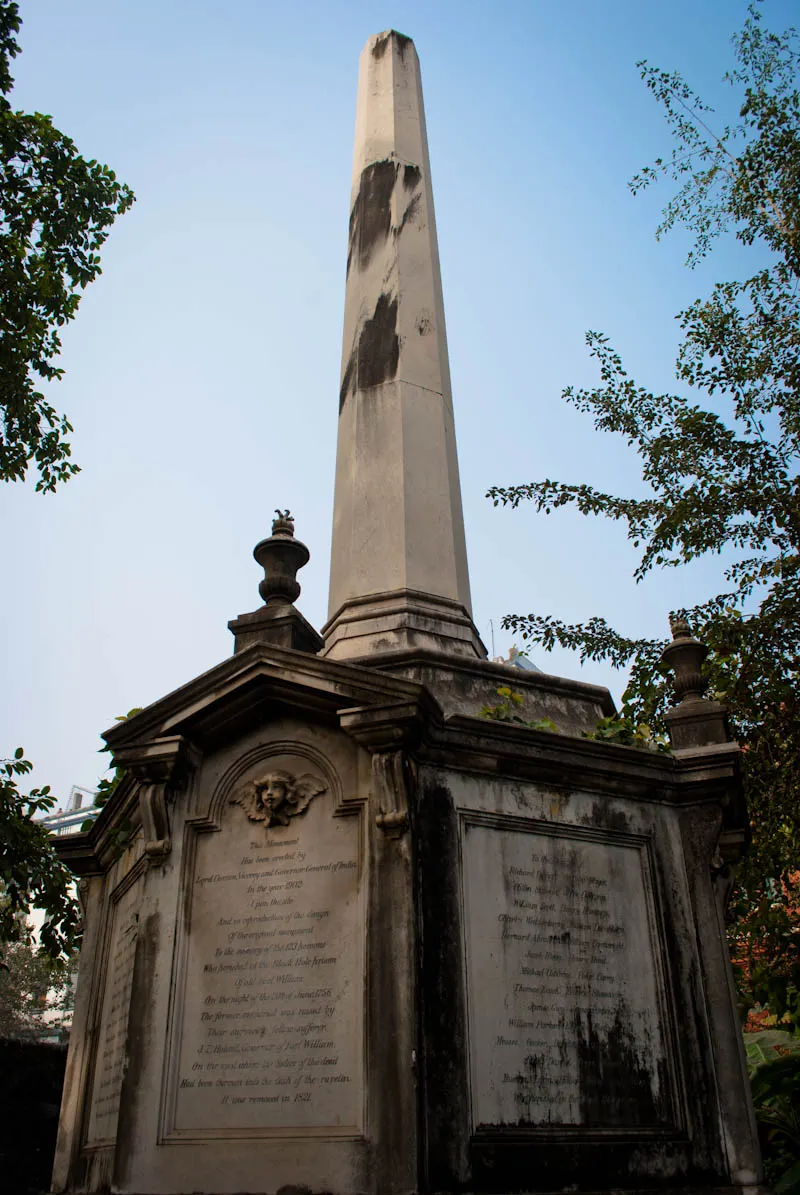 The obelisk in Kolkata that commemorates those who died in the Black Hole of CalcuttaImage:
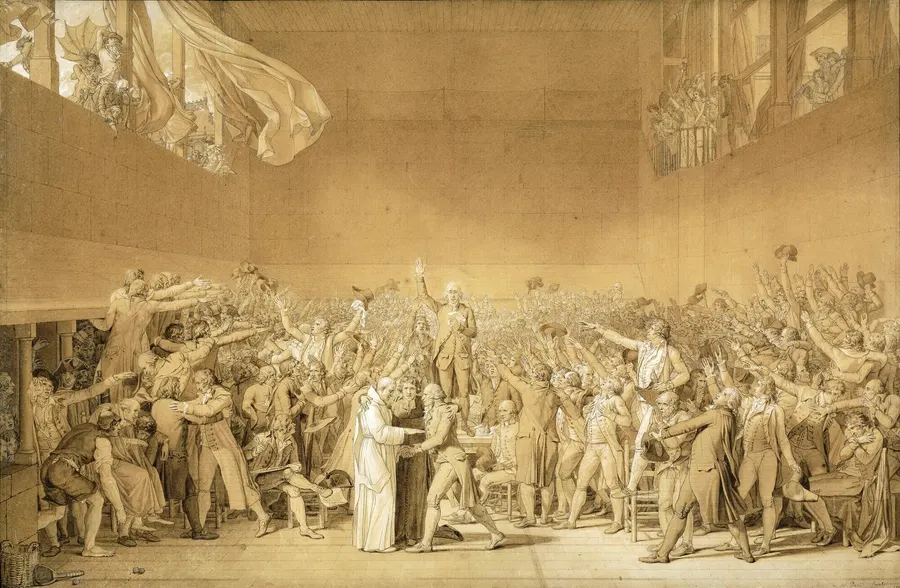 The Tennis Court Oath, Jacques-Louis David’s drawing of the scene, 1791Image:
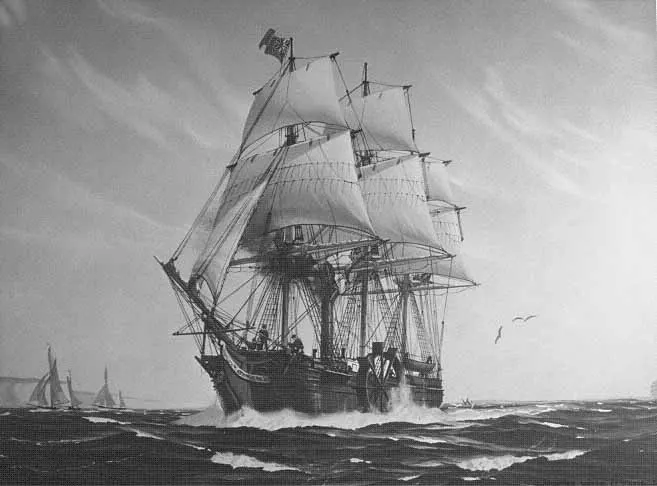 The Savannah under sail and steam in 1819, a painting by Hunter WoodImage:
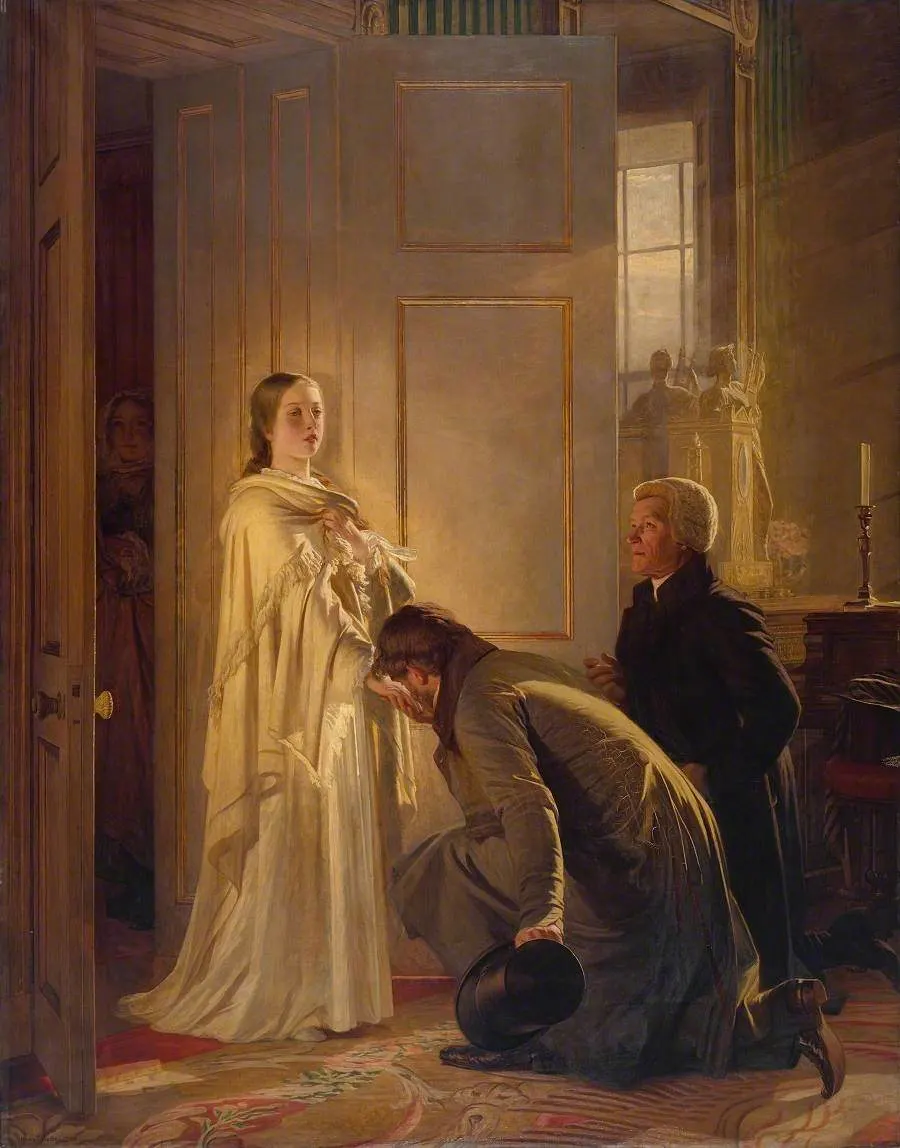 Victoria Regina, Henry Tanworth Wells’s painting of the young Victoria receiving the news that she was queenImage:
 Independence Hall in Wheeling, where the conventions that created West Virginia metImage:
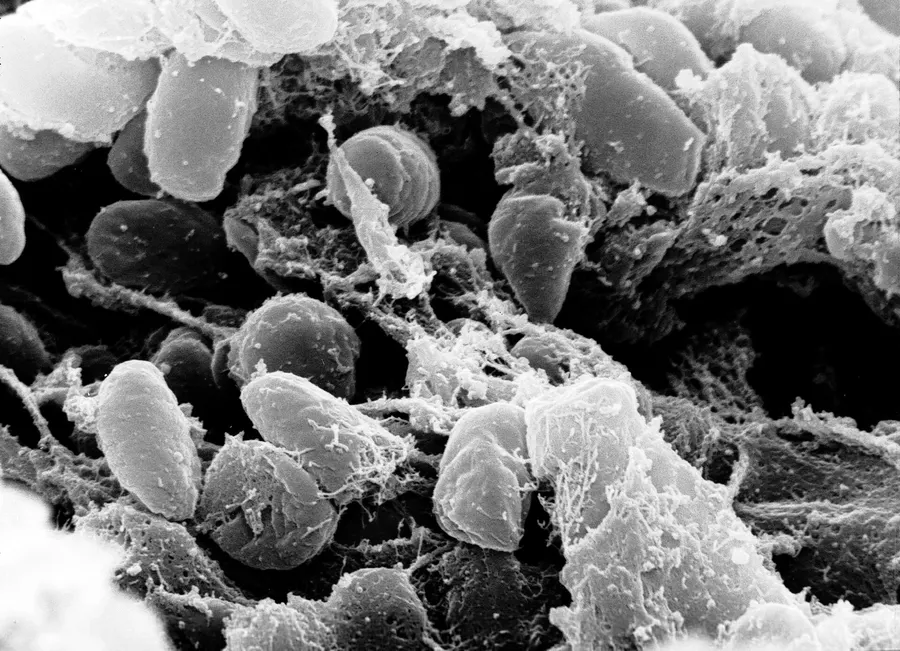 Yersinia pestis, the bacterium that causes plague, seen through a scanning electron microscopeImage:
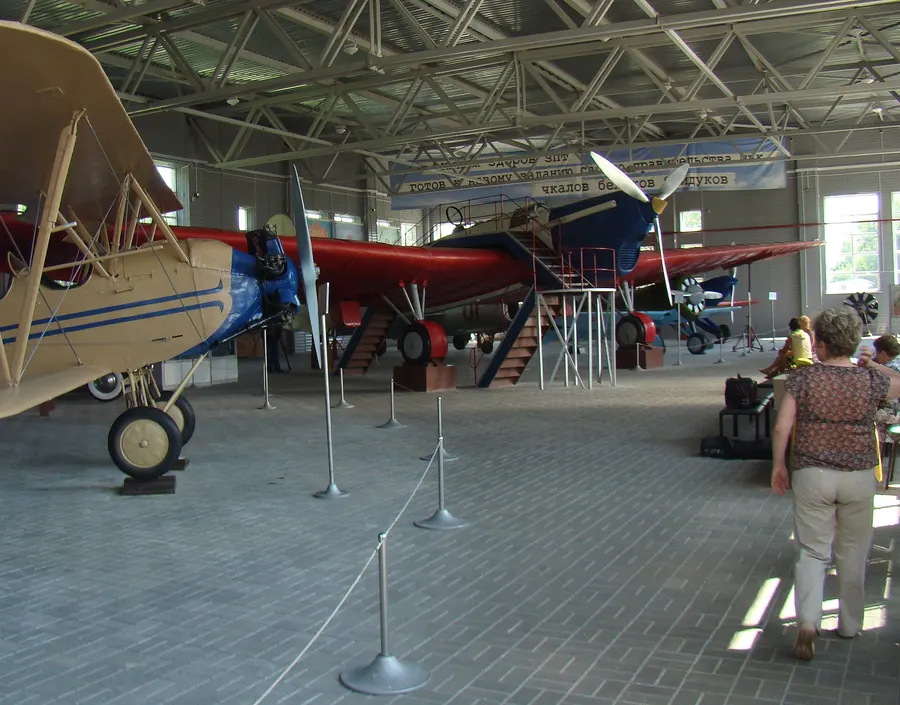 The long-winged ANT-25 (in red), the aircraft type Chkalov flew over the pole, on display in the Chkalov museum at Chkalovsk, RussiaImage:
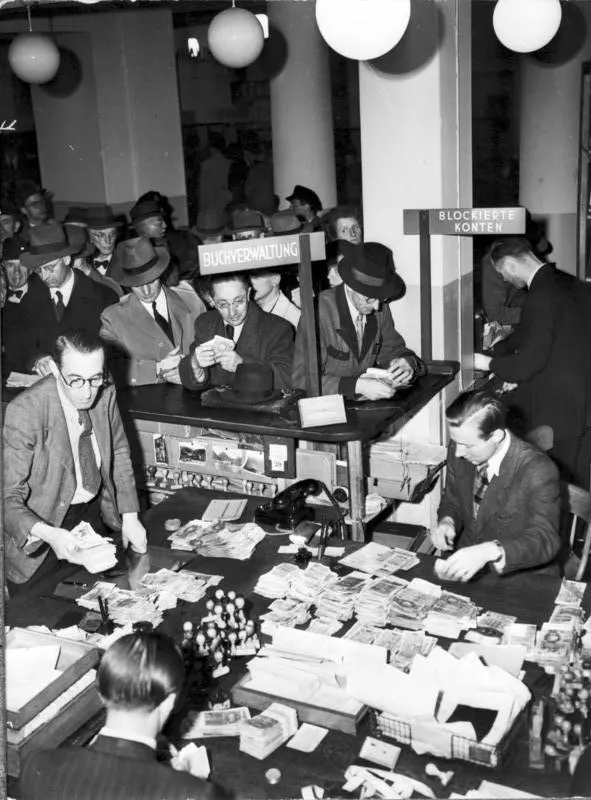 Bank clerks counting notes at an exchange counter during the currency reform of 1948 in western GermanyImage:
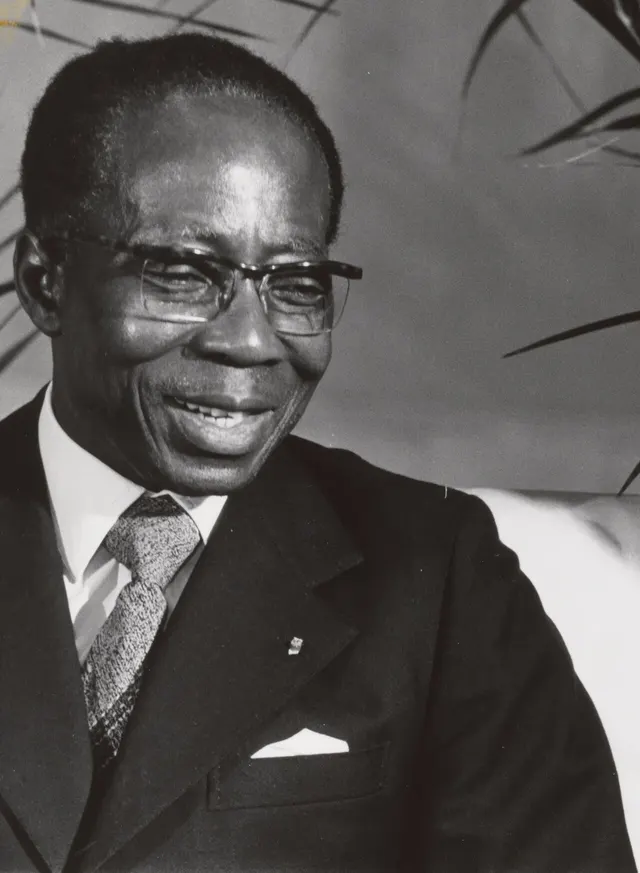 Léopold Sédar Senghor, president of the Mali Federation’s assembly and later Senegal’s first presidentImage:
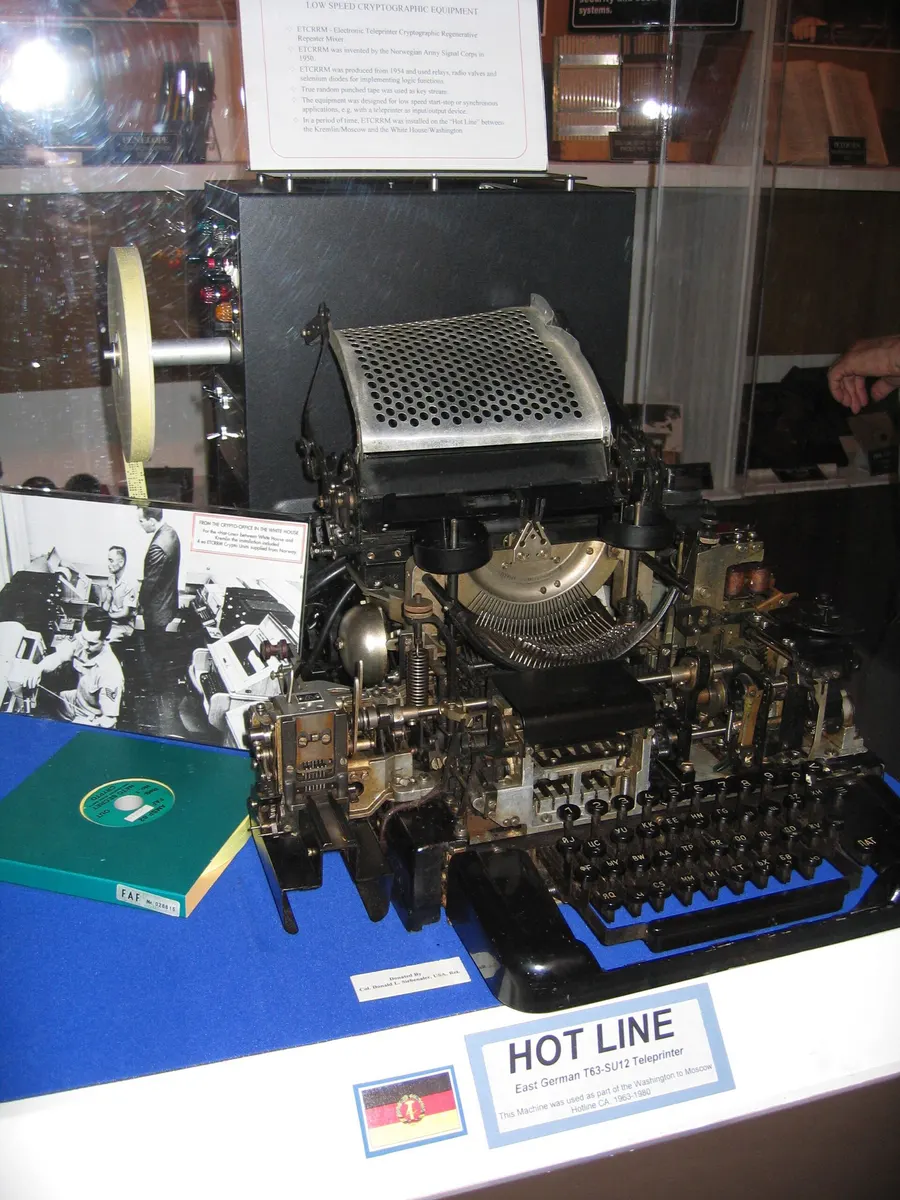 An East German T63 teleprinter of the kind used on the Moscow-Washington hotline from 1963, on display at the US National Cryptologic MuseumImage:
 The original poster for Jaws, with artwork by Roger KastelImage:
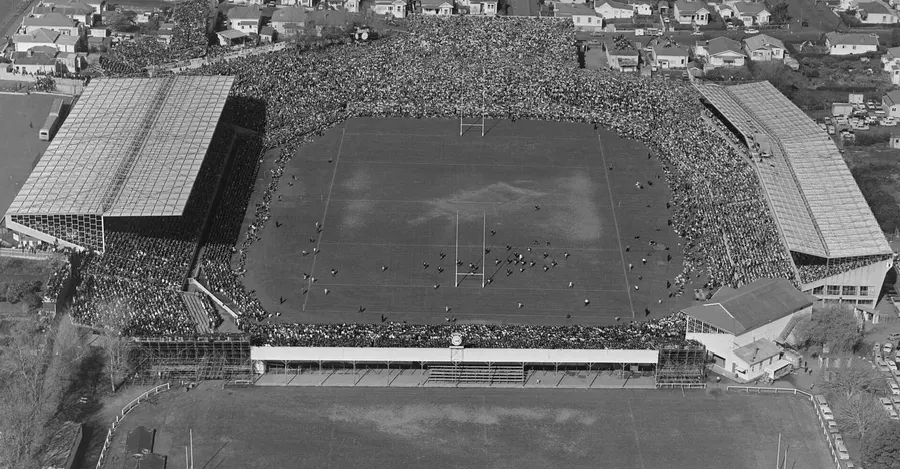 Eden Park in Auckland, the ground where the first Rugby World Cup final was played, seen from the air in 1965Image: