
HISTORY & TIMELINE
19 June

A journey through
19 June in history

The story of 19 June runs from the surrender of Nicaea to the Byzantines during the First Crusade in 1097 to the first appearance of a lazy orange cat in American newspapers in 1978. In between come a battle in a Norwegian field that made Sverre master of Trondheim, a military order read out in Galveston, an emperor’s death on a hill outside Querétaro, a law that shut Black South Africans out of most of their country’s land, Italy’s second World Cup in a row, a Polish opera set in medieval Sicily, the end of a British protectorate in the Gulf, a treaty pushed through amid Tokyo’s greatest protests, a coup in Algiers and a spacecraft slipping into orbit around Mars.

JUMP THROUGH TIME
II
THE MIDDLE AGES

Medieval History

Kingdoms, conflict, faith, power and the changing medieval world.

1097
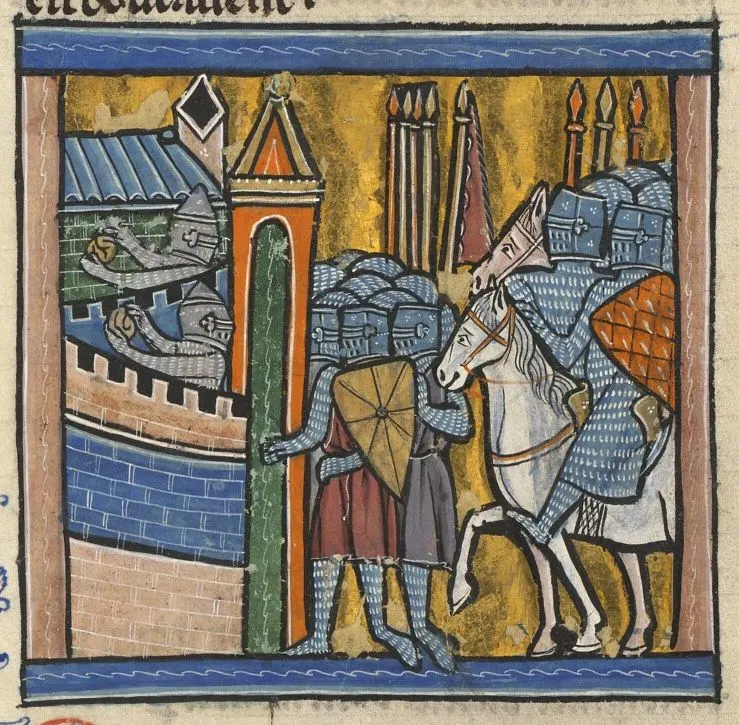
The siege of Nicaea in 1097, from a 13th-century manuscriptThe siege of Nicaea in 1097, from a 13th-century manuscriptImage: Anonymous · Public domain
world · Middle East

Nicaea surrenders to the Byzantines during the First Crusade

The armies of the First Crusade crossed into Asia Minor in the spring of 1097 and, with a Byzantine contingent, laid siege to Nicaea (modern İznik), the capital of the Seljuk sultan Kilij Arslan. When the defenders saw that Byzantine boats had been brought onto the lake beside the city, they chose to surrender, and on 19 June 1097 Nicaea opened its gates to the emperor Alexius I’s men rather than to the crusaders, who were kept from plundering it.

Source: Britannica: Crusades, from Constantinople to Antioch ↗
1179
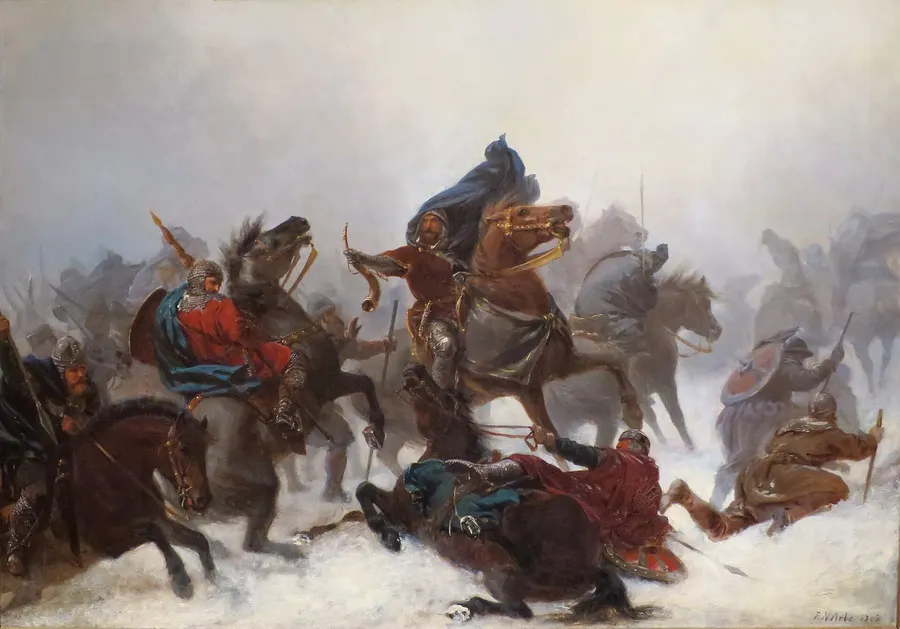
The Flight of King Sverre, a scene from Sverre's wars painted by Peter Nicolai Arbo in 1862The Flight of King Sverre, a scene from Sverre’s wars painted by Peter Nicolai Arbo in 1862Image: Peter Nicolai Arbo · Public domain
world · Europe

Sverre defeats Erling Skakke at Kalvskinnet

Norway’s long civil wars pitted the young king Magnus Erlingsson and his powerful father, Earl Erling Skakke, against Sverre Sigurdsson, a claimant from the Faroe Islands who led a band of rebels known as the Birkebeiner. On the morning of 19 June 1179 Sverre’s smaller army attacked Erling’s forces on the fields of Kalvskinnet outside Nidaros (Trondheim). Erling was killed with many of his leading men, and Sverre went on to make himself sole king of Norway.

Source: Store norske leksikon: slaget på Kalvskinnet ↗
IV
THE NINETEENTH CENTURY

The 1800s

Industry, empire, invention, reform and a century of enormous transformation.

1865
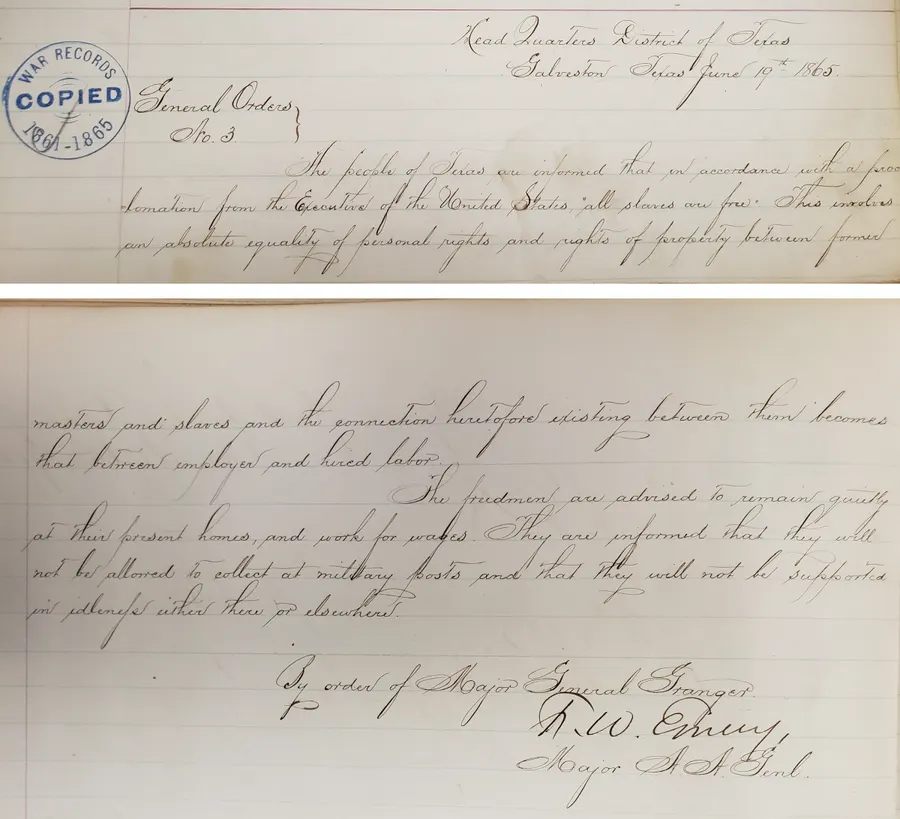
General Order No. 3, issued at Galveston on 19 June 1865, as copied into the Army's order book now held by the US National ArchivesGeneral Order No. 3, issued at Galveston on 19 June 1865, as copied into the Army’s order book now held by the US National ArchivesImage: US Army · Public domain
politics · Americas

The enslaved people of Texas are told they are free

Abraham Lincoln’s Emancipation Proclamation had declared enslaved people in the rebel states free from 1 January 1863, but freedom depended on Union armies reaching them. Texas, far to the west and barely touched by the fighting, was the last corner of the Confederacy to be occupied. Many slaveholders had moved there with the people they held in bondage to escape the advancing armies, and when the war ended in the spring of 1865 more than 250,000 people in Texas were still enslaved. Union troops under Major General Gordon Granger landed at Galveston on 18 June 1865. The next day, 19 June, Granger issued General Order No. 3, which informed the people of Texas that, in accordance with the President’s proclamation, all slaves were free, with absolute equality of personal and property rights between former masters and slaves. Freed people in Texas began marking the day the following year, and ‘Juneteenth’ became the oldest known celebration of the end of slavery in the United States. In 2021 it became a federal holiday.

Source: National Archives: National Archives safeguards original ‘Juneteenth’ General Order ↗
1867
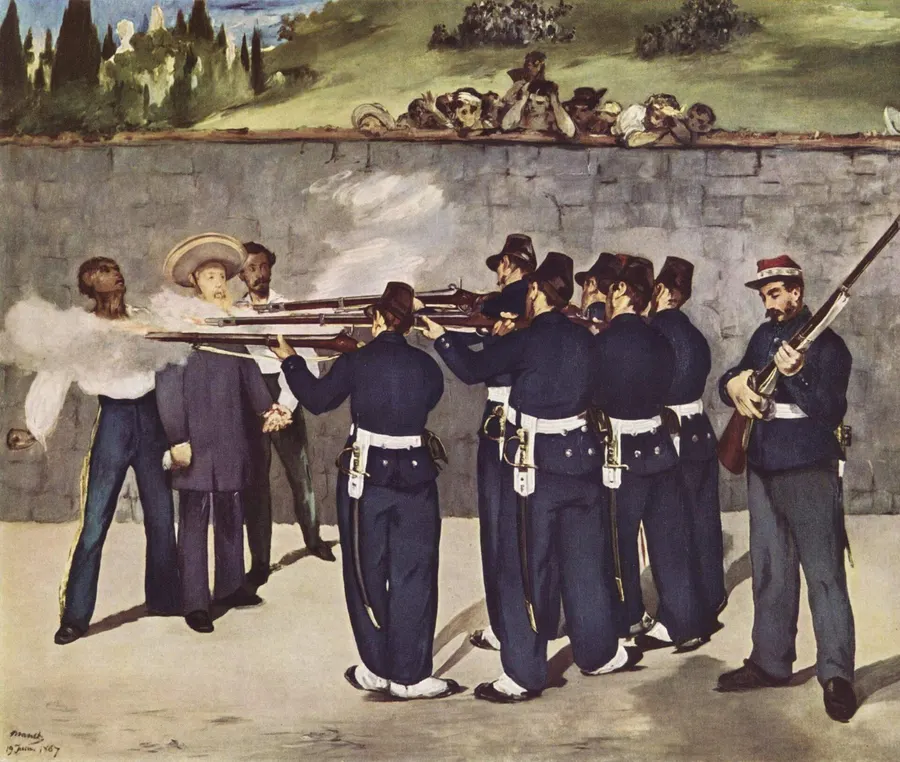
The Execution of Emperor Maximilian, the last of Édouard Manet's versions of the scene, painted in 1868-69 from reports of the eventThe Execution of Emperor Maximilian, the last of Édouard Manet’s versions of the scene, painted in 1868-69 from reports of the eventImage: Édouard Manet · Public domain
politics · Americas

Emperor Maximilian faces a firing squad at Querétaro

Ferdinand Maximilian, a younger brother of the Austrian emperor Franz Joseph, had been installed as emperor of Mexico in 1864 with the backing of Napoleon III’s French army and Mexican conservatives. Most Mexicans still looked to the republican government of Benito Juárez, and once the American Civil War was over the United States pressed France to leave. The French troops sailed home early in 1867, and Maximilian, refusing to abdicate, made his stand at Querétaro. After a siege of some two months the city fell to the republican army in May 1867, and Maximilian was captured and tried by court martial. Pleas for mercy came from across Europe, but Juárez would not intervene. On 19 June 1867 Maximilian was shot on the Cerro de las Campanas, a hill outside Querétaro, together with his generals Miguel Miramón and Tomás Mejía. His death ended Mexico’s Second Empire and France’s adventure in the Americas. In Paris, Édouard Manet began a series of paintings of the execution within weeks of hearing the news.

Source: Secretaría de la Defensa Nacional (gob.mx): 19 de junio de 1867, fusilamiento de Maximiliano de Habsburgo y los generales Miramón y Mejía ↗
V
THE TWENTIETH CENTURY

The 1900s

War and peace, technological leaps, social change, politics, sport and popular culture.

1913
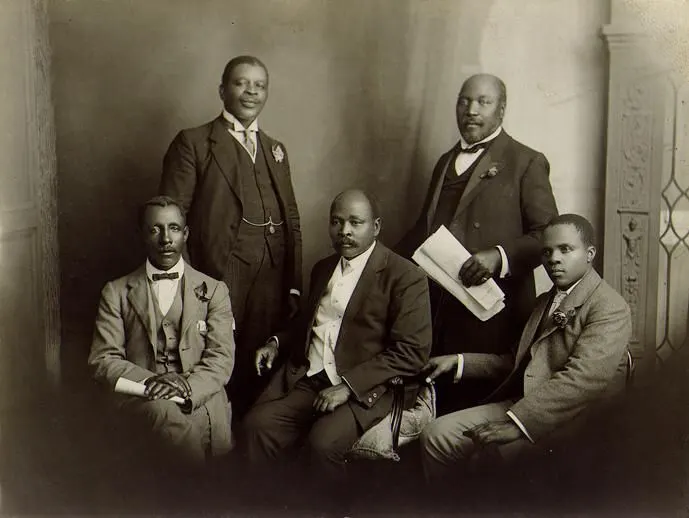
The South African Native National Congress delegation that sailed to London in 1914 to protest against the Land Act; Sol Plaatje is seated on the rightThe South African Native National Congress delegation that sailed to London in 1914 to protest against the Land Act; Sol Plaatje is seated on the rightImage: Unknown photographer · Public domain
politics · Africa

South Africa’s Natives Land Act becomes law

Three years after the Union of South Africa was formed, its all-white parliament passed the Natives Land Act, which became law on 19 June 1913. It set aside about 7 per cent of the country’s land as ‘native reserves’ and barred Black Africans from buying or renting land anywhere else. It also struck at the sharecroppers who farmed white-owned land in return for part of the harvest, and thousands of families were turned off the farms where they had lived. The journalist Sol Plaatje, secretary of the newly founded South African Native National Congress, cycled around the country recording the act’s effects, and in 1914 he and other Congress leaders travelled to London to appeal to the British government, without success. His book Native Life in South Africa (1916) opened by saying that the Black South African had woken to find himself a pariah in the land of his birth. The reserves were later enlarged to about 13 per cent, and the act laid the ground for decades of dispossession under apartheid. It was finally repealed in 1991.

Source: South African History Online: The Natives Land Act of 1913 ↗
1926
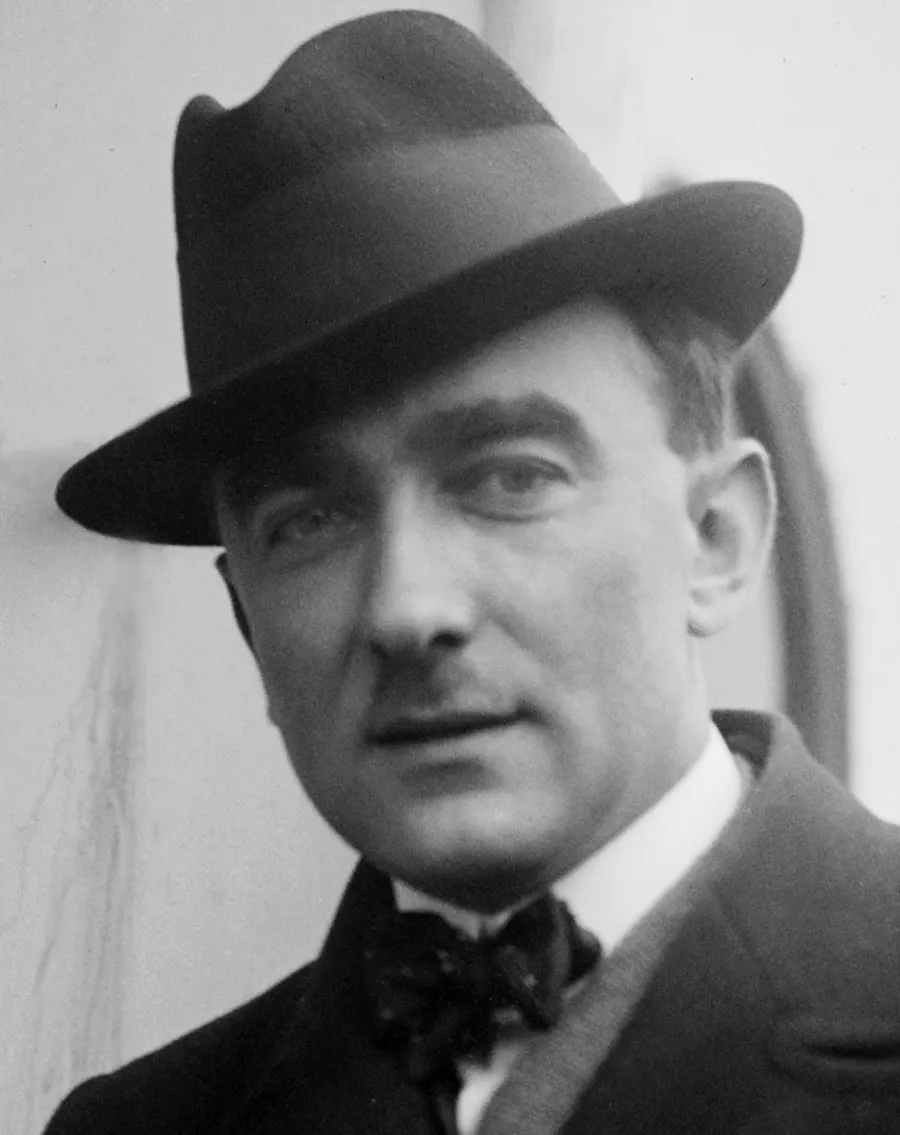
The composer Karol Szymanowski, in a photograph from the George Grantham Bain CollectionThe composer Karol Szymanowski, in a photograph from the George Grantham Bain CollectionImage: George Grantham Bain Collection (Library of Congress) · Public domain
culture · Europe

Szymanowski’s opera King Roger opens in Warsaw

Karol Szymanowski, the leading Polish composer of his generation, had been captivated by the art and light of Sicily on his travels before the First World War. With his cousin, the writer Jarosław Iwaszkiewicz, he began an opera set in the 12th-century court of the Norman king Roger II, in which a mysterious young shepherd preaching a religion of joy and beauty unsettles the king and draws away his queen and his people. Szymanowski worked on King Roger from 1918 to 1924, and it was first performed at the Teatr Wielki in Warsaw on 19 June 1926, conducted by Emil Młynarski. Its mix of Byzantine chant, Arab-tinged melody and lush orchestral colour puzzled many at first, and it was seldom staged for decades. In recent years it has been taken up by major opera houses in Europe and America and is now seen as Szymanowski’s masterpiece.

Source: Culture.pl: King Roger Op. 46, Karol Szymanowski ↗
1938
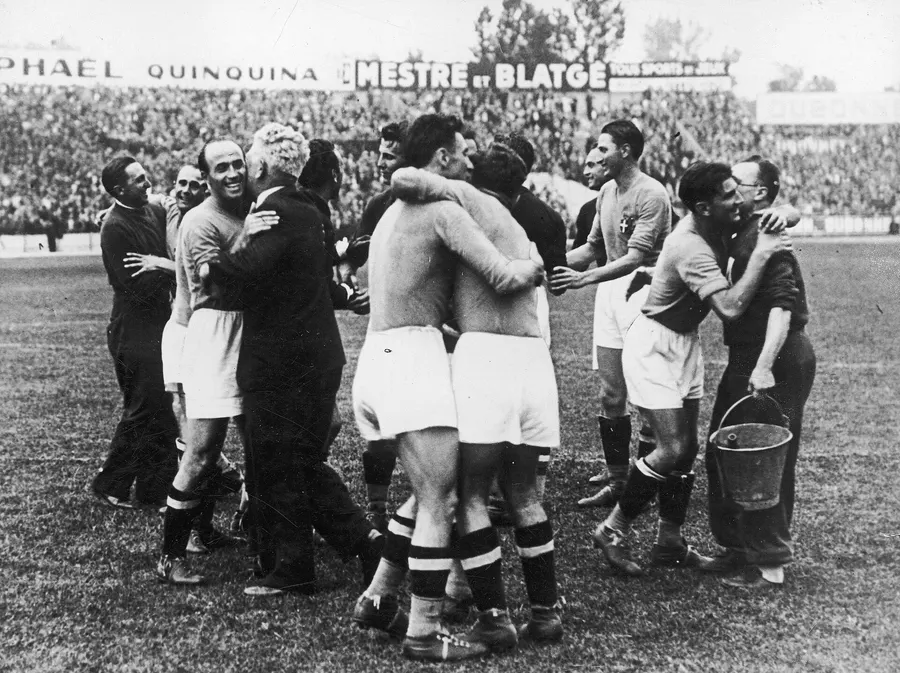
Italy's players celebrate their win over Hungary in the World Cup final at the Stade Olympique de Colombes, Paris, 19 June 1938Italy’s players celebrate their win over Hungary in the World Cup final at the Stade Olympique de Colombes, Paris, 19 June 1938Image: Unknown author · Public domain
sport · Europe

Italy win the World Cup for the second time running

The third World Cup was held in France in 1938, with war clouds already gathering over Europe. Italy, the holders, were coached once again by Vittorio Pozzo, and with Giuseppe Meazza as captain and Silvio Piola leading the attack they reached the final against Hungary at the Stade Olympique Yves-du-Manoir in Colombes, on the edge of Paris, on 19 June 1938. Gino Colaussi put Italy ahead after six minutes, Pál Titkos equalised almost at once, and further goals from Piola and Colaussi gave the Italians a 3-1 lead at half-time. György Sárosi pulled one back for Hungary, but Piola scored again eight minutes from the end to seal a 4-2 win. Italy became the first country to retain the World Cup, and Pozzo is still the only coach to have won it twice. War meant the tournament would not be played again until 1950.

Source: UEFA: 1938, Italy retain crown ↗
1960
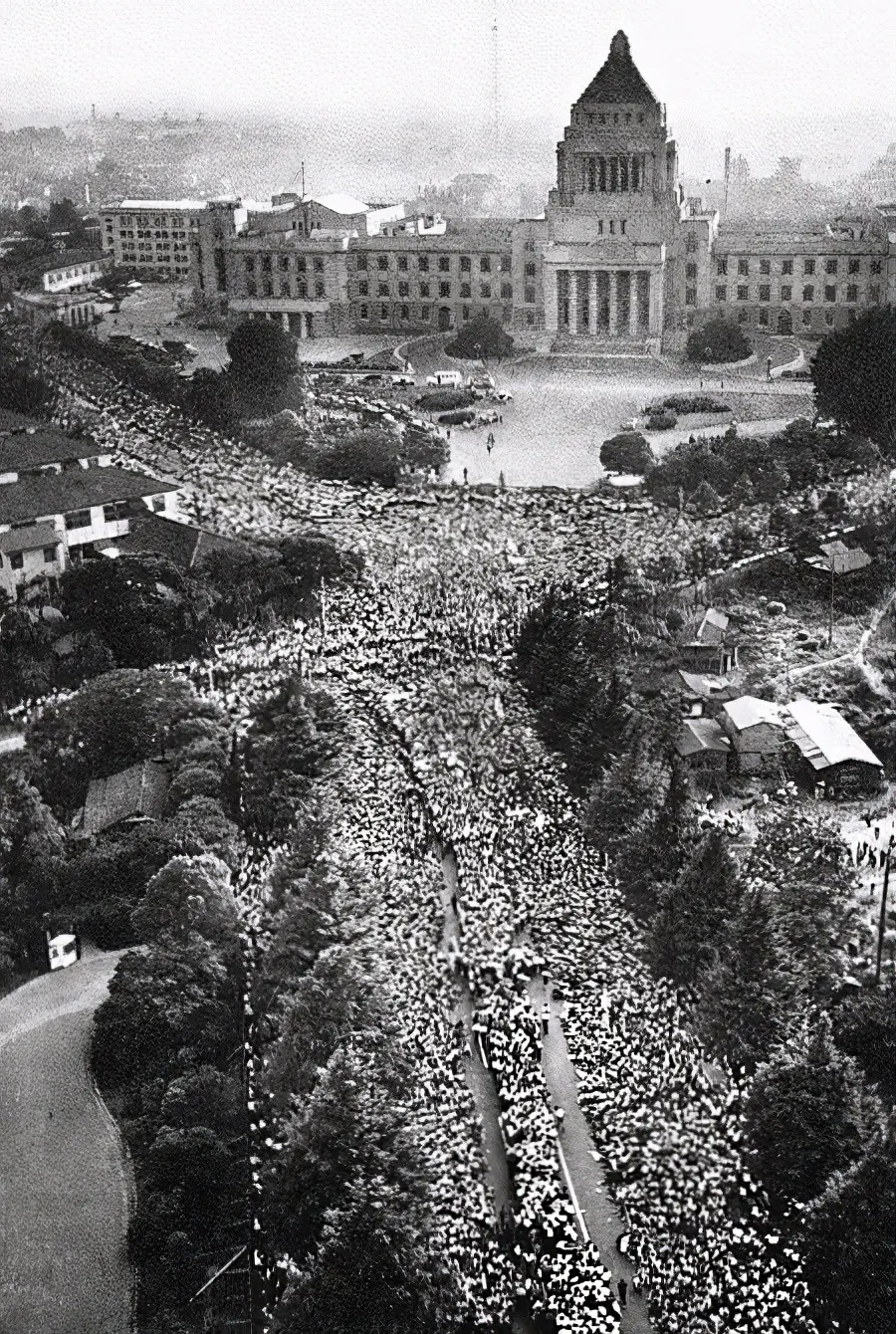
Crowds of demonstrators against the US-Japan Security Treaty filling the streets before the National Diet building in Tokyo, 18 June 1960Crowds of demonstrators against the US-Japan Security Treaty filling the streets before the National Diet building in Tokyo, 18 June 1960Image: Unknown author · Public domain
politics · Asia

Japan’s new security treaty with the United States is approved amid mass protests

Prime Minister Kishi Nobusuke forced a revised security treaty with the United States through Japan’s lower house in May 1960, and under the rules of the Diet it would be approved automatically after thirty days. The protests that followed were the largest in Japan’s modern history: as the deadline of midnight on 19 June approached, hundreds of thousands of people surrounded the Diet building. The treaty was approved regardless, but President Eisenhower’s planned visit had already been called off, and Kishi soon announced his resignation.

Source: Asia-Pacific Journal: Japan Focus, Nick Kapur, Japan’s streets of rage ↗
1961
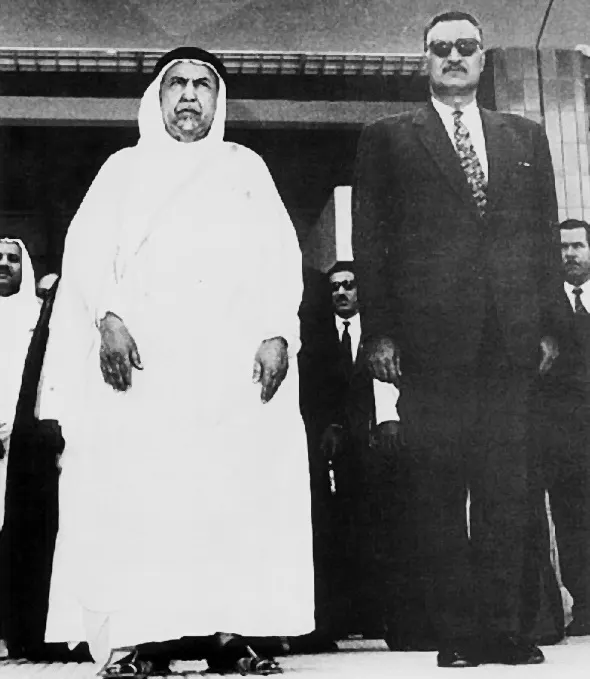
Sheikh Abdullah III Al-Salim Al-Sabah (left), Kuwait's ruler at independence, with President Gamal Abdel Nasser during a visit to Cairo in 1962Sheikh Abdullah III Al-Salim Al-Sabah (left), Kuwait’s ruler at independence, with President Gamal Abdel Nasser during a visit to Cairo in 1962Image: Egyptian Photographer working for the Egyptian Government · Public domain
politics · Middle East

Kuwait becomes an independent state

In 1899 Sheikh Mubarak Al-Sabah, ruler of Kuwait, signed an agreement with Britain that handed it control of his foreign affairs in return for protection, chiefly against the Ottoman Empire. The discovery of oil in 1938 and the growth of exports after the Second World War turned the small trading port into one of the richest states in the world, and by the late 1950s Kuwait was ready to run its own affairs. On 19 June 1961 Sheikh Abdullah Al-Salim Al-Sabah and the British Political Resident in the Gulf, Sir George Middleton, exchanged notes ending the 1899 agreement and recognising Kuwait as a fully independent state, bound to Britain only by a treaty of friendship. Within days Iraq claimed Kuwait as part of its territory, and British troops, soon replaced by an Arab League force, were sent to protect it. Kuwait joined the Arab League that summer, adopted a constitution in 1962 and became a member of the United Nations in 1963.

Source: UK Treaties Online: Exchange of notes regarding relations between the United Kingdom and Kuwait, 19 June 1961 ↗
1965
Ahmed Ben Bella on a visit to the United States in October 1962Ahmed Ben Bella on a visit to the United States in October 1962Image: aziz3d · Public domain

politics · Africa

Houari Boumedienne overthrows Ahmed Ben Bella in Algeria

Ahmed Ben Bella had led Algeria since independence in 1962, but his growing grip on power alarmed the army and its chief, Colonel Houari Boumedienne, the defence minister. In the early hours of 19 June 1965 troops arrested Ben Bella in Algiers in an apparently bloodless coup. Boumedienne ruled through a revolutionary council and later as president until his death in 1978, while Ben Bella was held for some fourteen years.

Source: Britannica: Ahmed Ben Bella ↗
1976
Valles Marineris, the great canyon system of Mars, in a mosaic of 102 images taken by the Viking 1 orbiterValles Marineris, the great canyon system of Mars, in a mosaic of 102 images taken by the Viking 1 orbiterImage: NASA / USGS (see PIA04304 catalog page) · Public domain
science · Global

Viking 1 goes into orbit around Mars

NASA’s Viking project sent two identical spacecraft to Mars, each made up of an orbiter and a lander, to photograph the planet and to search its soil for signs of life. Viking 1 was launched from Cape Canaveral in August 1975 and spent ten months crossing space before it fired its engine and entered orbit around Mars on 19 June 1976. The orbiter’s cameras were first used to check the planned landing site, which turned out to be much rougher than expected, and the landing was put back while a safer spot was found. The lander finally touched down on the plain of Chryse Planitia on 20 July 1976, the first American spacecraft to land safely on Mars. The orbiter went on working until 1980, returning tens of thousands of images that mapped the planet’s volcanoes, canyons and dry river channels.

Source: NASA Science: Viking 1 ↗
1978
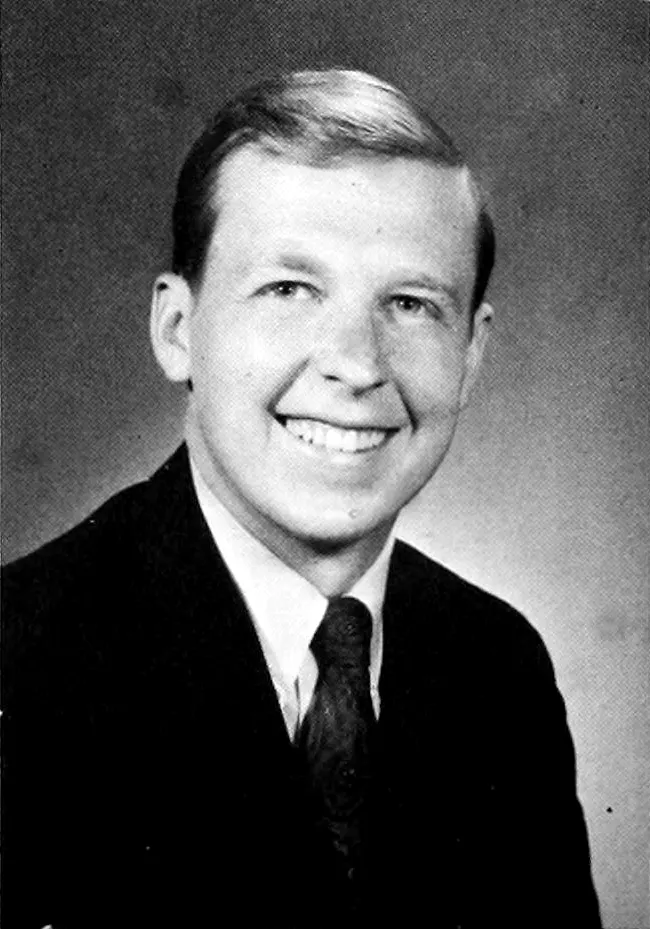
Jim Davis, the creator of Garfield, in his Ball State University yearbook, 1967Jim Davis, the creator of Garfield, in his Ball State University yearbook, 1967Image: Ball State University · Public domain
culture · Americas

Garfield the cat first appears in newspapers across America

The Indiana cartoonist Jim Davis had drawn a strip called Jon for a local paper, but it was the lazy, lasagne-loving cat in it who caught on. Renamed Garfield and taken up by a syndicate, the strip first appeared in 41 newspapers across the United States on 19 June 1978. At its height it ran in more than 2,000 papers, with a readership put at around 260 million.

Source: Britannica: Jim Davis, American cartoonist ↗
RESEARCH

Sources & Further Reading

Selected authoritative references supporting the events on this page.

WHY THESE MOMENTS?

Significance before volume

This page is not the longest possible list of events. It is a chronological journey through 19 June, where each entry is chosen for historical significance, human interest and reliability.

Facts are checked against authoritative museums, archives, universities and reference works. Where sources disagree, the page says so.

EXPLORED THE DEEPER STORY?

Return to the highlights of 19 June

Discover the lighter side of the date with famous birthdays, culture, firsts and lives remembered.

Explore This Day →
← PREVIOUS DAY18 June
HISTORY & TIMELINE19 June
NEXT DAY →20 June