
1429
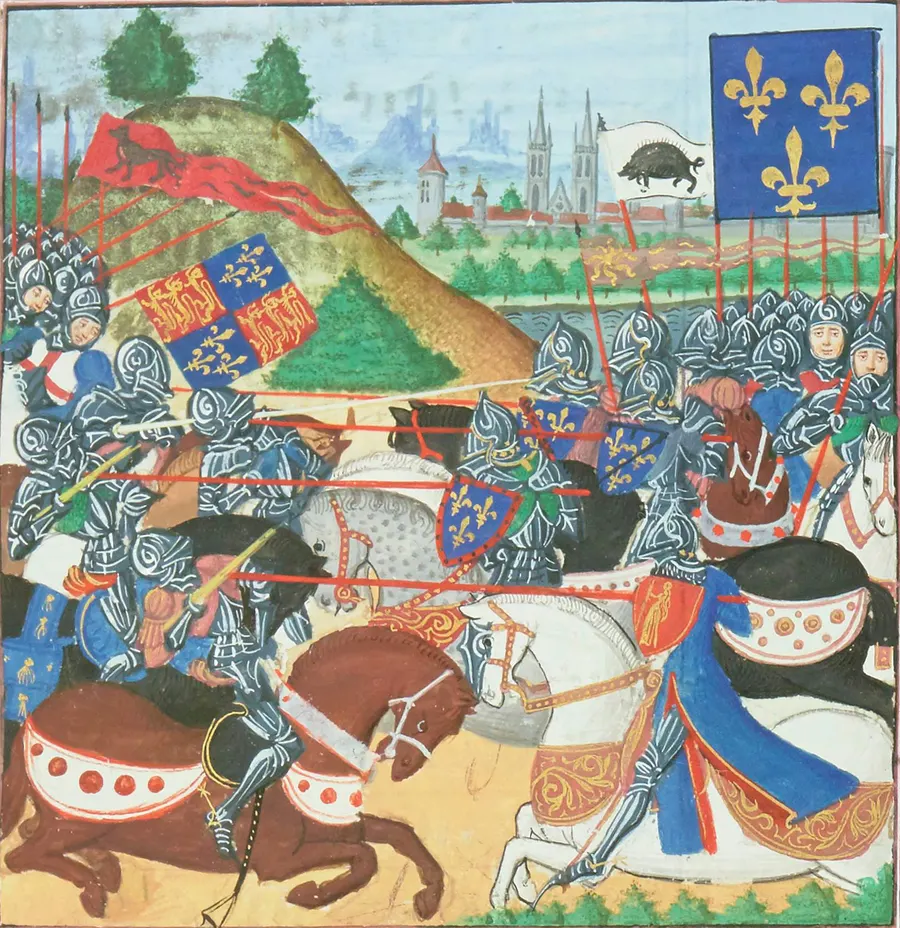 The Battle of Patay in a French manuscript painting of about 1470-1479Image: Attributed to Philippe de Mazerolles · Public domain
world · Europe
Joan of Arc’s army routs the English at Patay
After relieving the siege of Orléans in May 1429, the French army inspired by Joan of Arc cleared the English from the towns of the Loire. On 18 June 1429 French horsemen caught the retreating English near Patay before their archers could set up their defences, and the English army was routed, its commander John Talbot taken prisoner. The victory broke England’s reputation for invincibility and opened the road to Reims, where the dauphin was crowned Charles VII a month later.
Source: Britannica: Battle of Patay ↗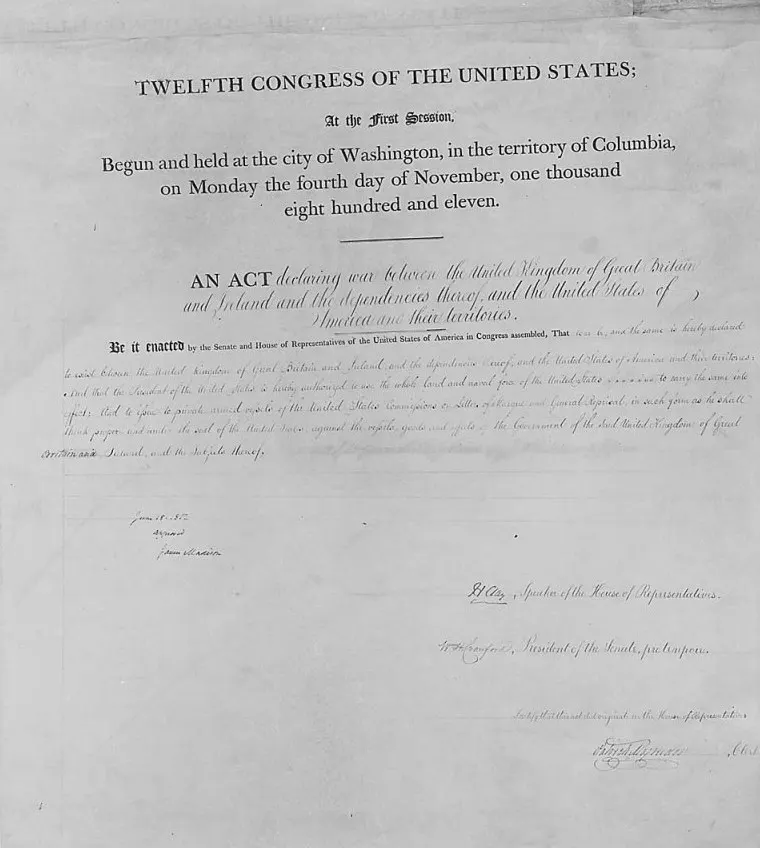 The act of Congress declaring war on the United Kingdom, signed by President James Madison in June 1812Image:
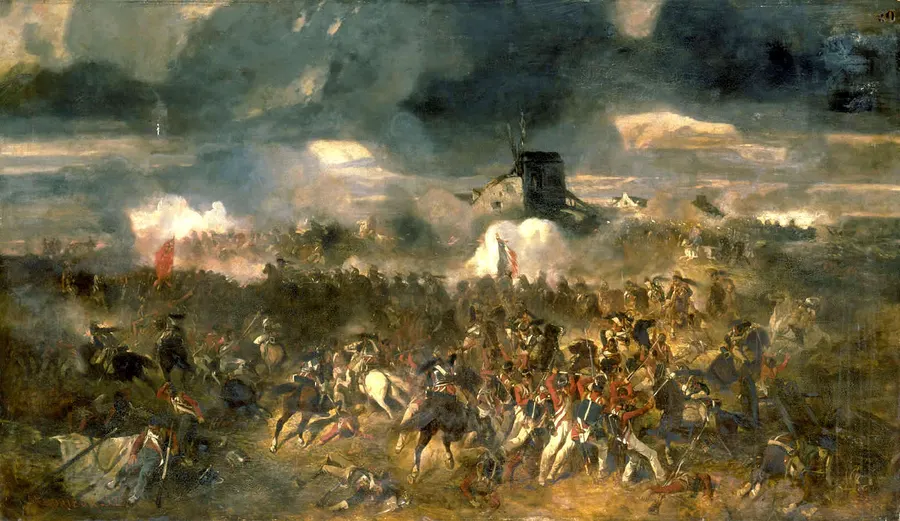 The Battle of Waterloo, 18 June 1815, painted by Clément-Auguste Andrieux in 1852Image:
 Set design for the finale of Act 3 of Der Freischütz, as staged at the Berlin premiere in 1821Image:
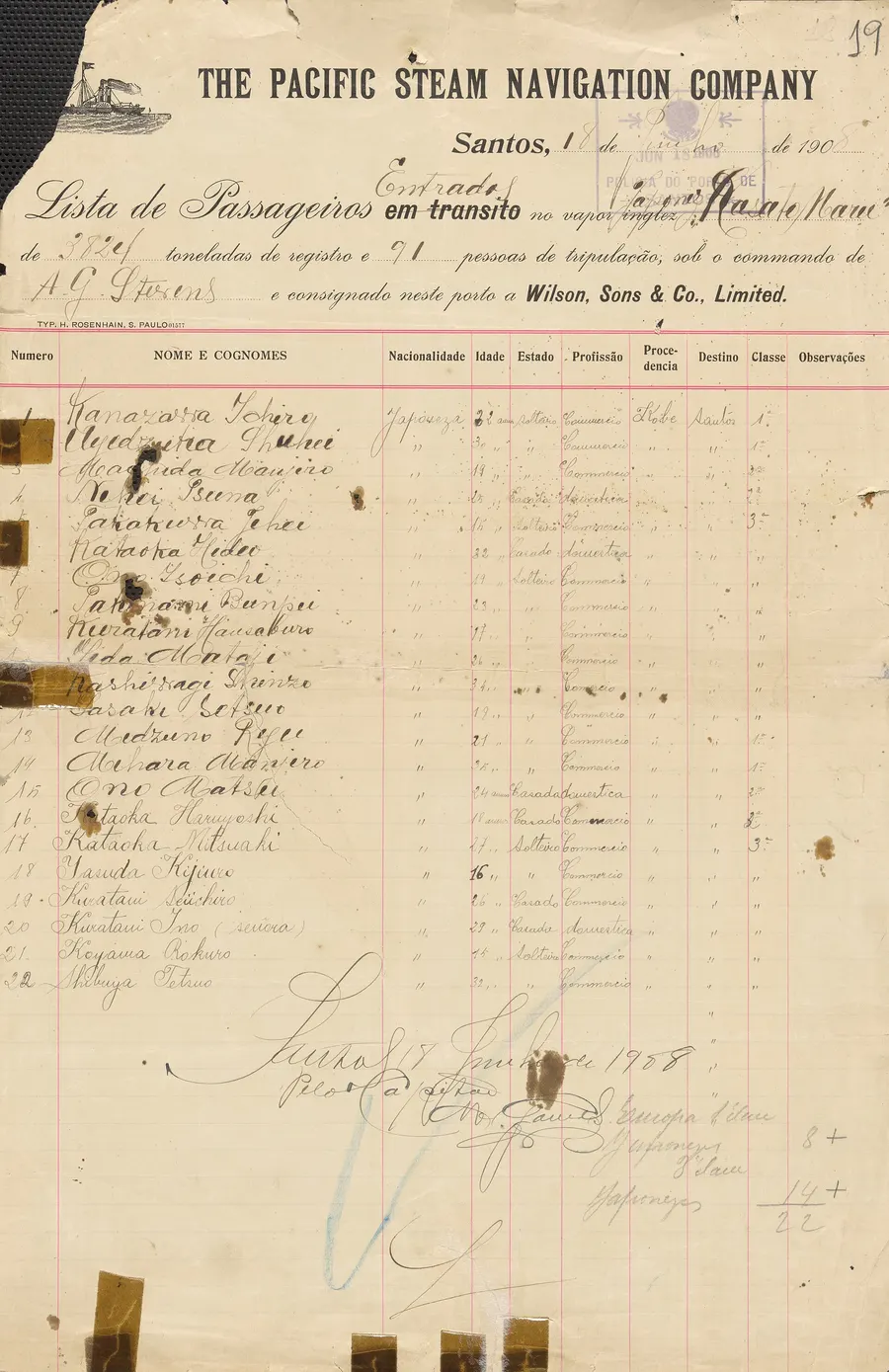 A handwritten page of the passenger list of the Kasato Maru, drawn up at Santos for the Pacific Steam Navigation Company, listing Japanese passengers by nameImage:
 The Oblation statue by Guillermo Tolentino at the University of the Philippines, Diliman, seen against the setting sunImage:
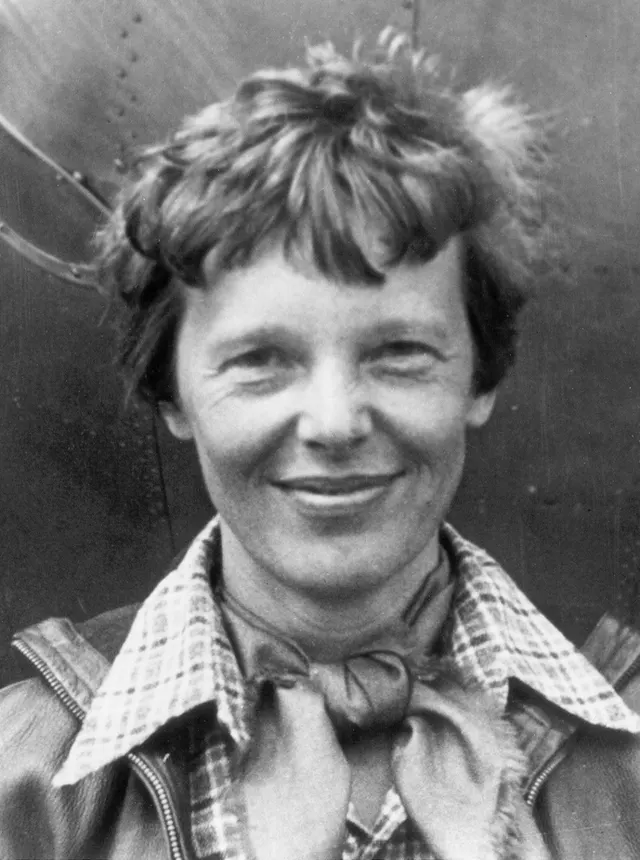 Amelia Earhart, photographed in front of an aircraftImage:
 General Charles de Gaulle at a BBC microphone in London, photographed in October 1941Image:
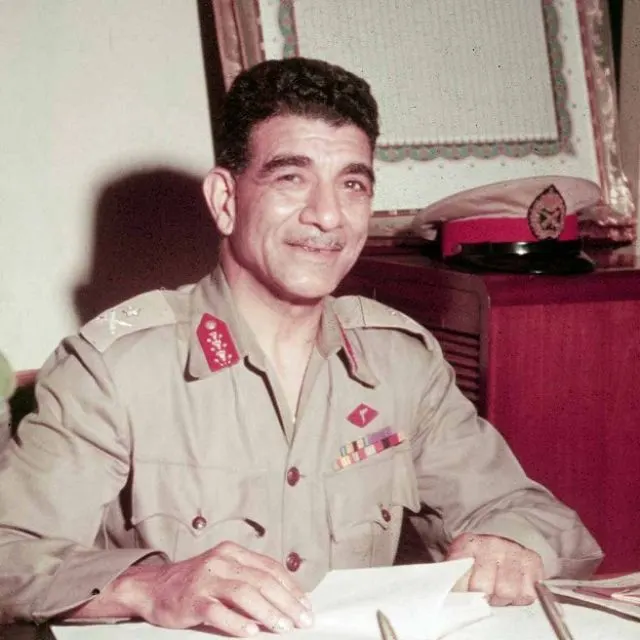 Muhammad Naguib, Egypt’s first president, in 1953Image:
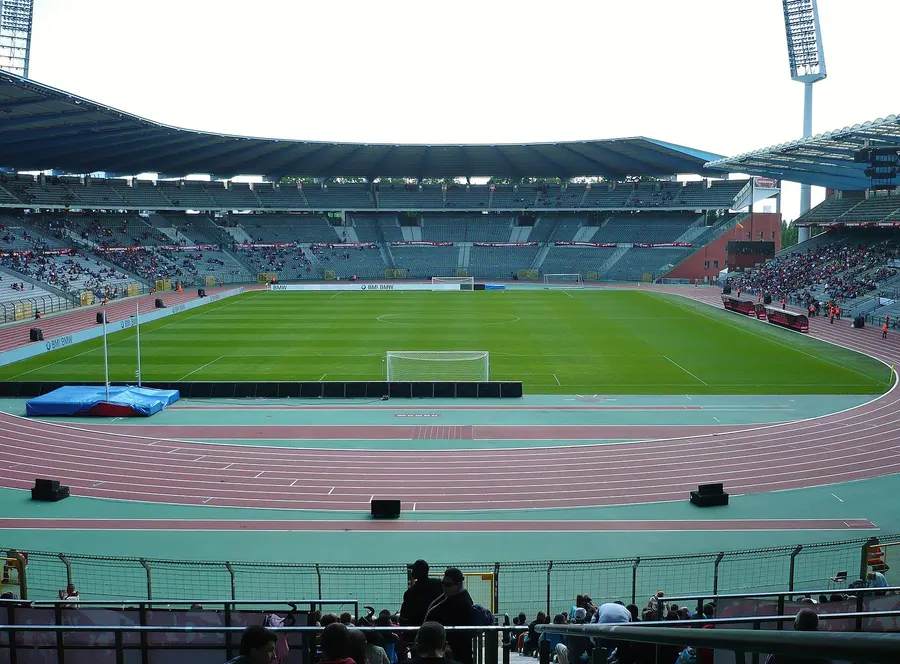 The stadium in Brussels, then called the Heysel, where the 1972 European Championship final was played (photographed in 2013)Image:
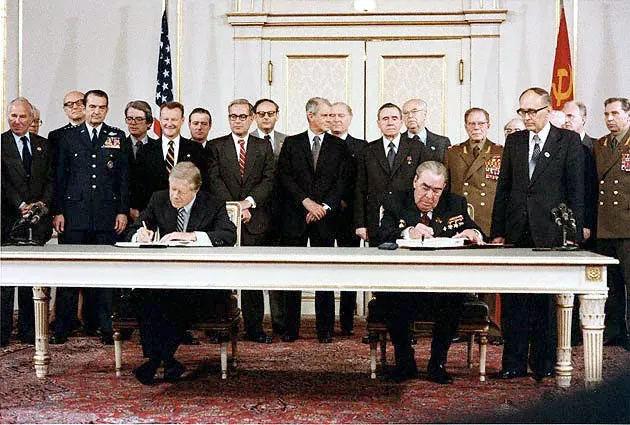 Jimmy Carter and Leonid Brezhnev sign the SALT II treaty in Vienna, 18 June 1979Image:
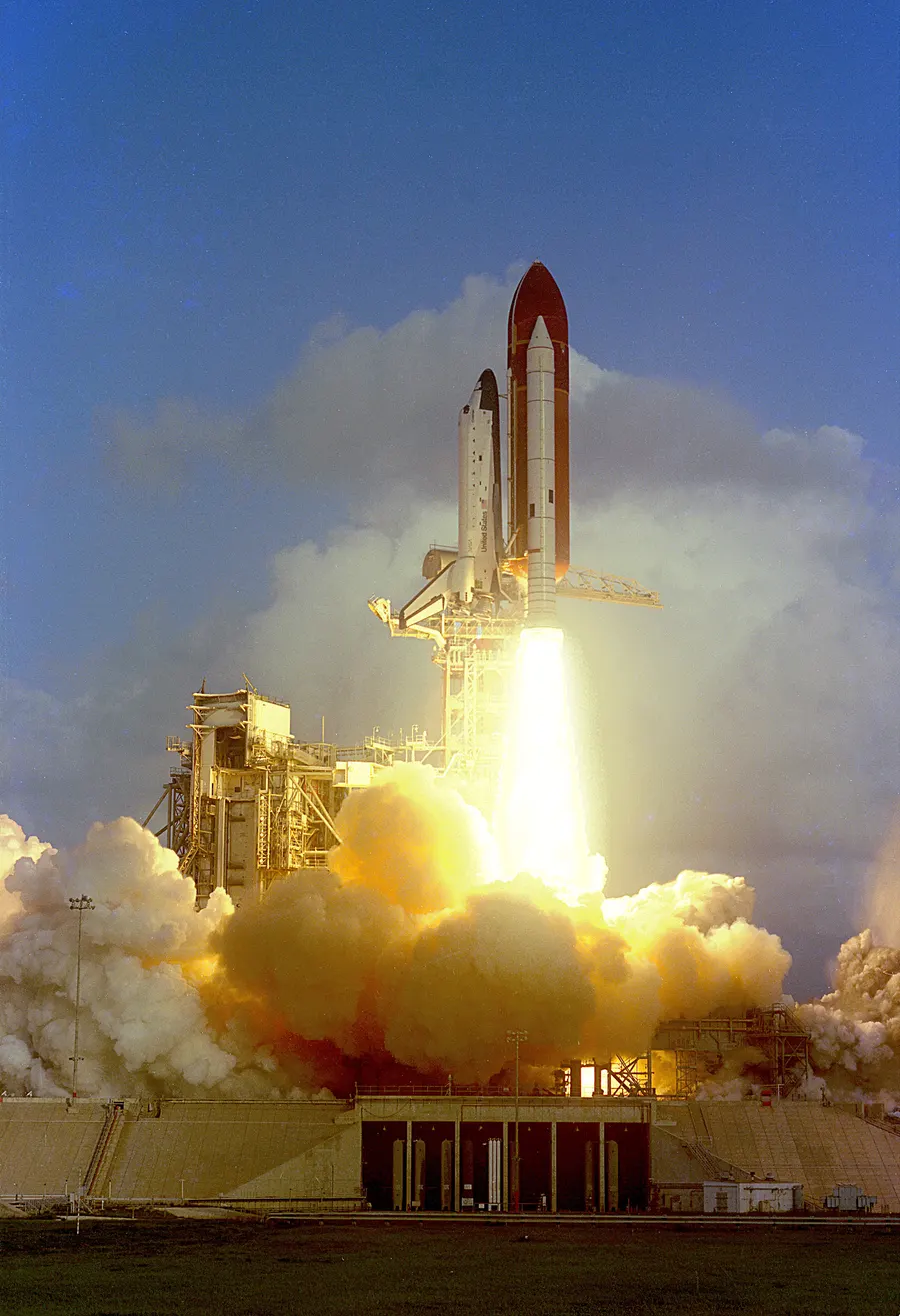 The space shuttle Challenger lifts off from the Kennedy Space Center on the STS-7 mission, 18 June 1983Image: