Explore 18 June

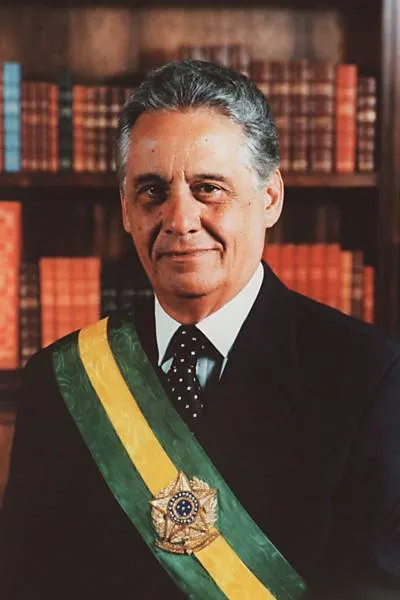
Explore 18 June: Napoleon meets his final defeat at Waterloo, Charles de Gaulle calls on France to fight on from London, Egypt abolishes its monarchy and the first Japanese emigrants reach Brazil. Born today: Paul McCartney, Thabo Mbeki and Fernando Henrique Cardoso.

This day through time →12 verified events across 3 eras

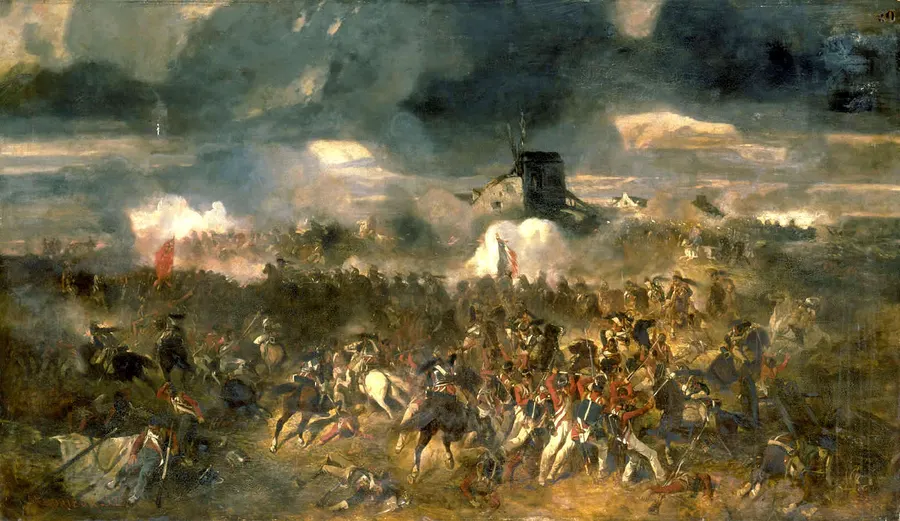
The Battle of Waterloo, 18 June 1815, painted by Clément-Auguste Andrieux in 1852
Image creditClément-Auguste Andrieux · Public domainResized and cropped for display.

Napoleon is defeated at Waterloo

Napoleon had escaped from exile on Elba in February 1815 and retaken power in France. Europe’s powers declared him an outlaw and gathered their armies, and he struck first, marching into what is now Belgium to beat the British-led allied army under the Duke of Wellington and the Prussians under Gebhard von Blücher before they could join forces. On 16 June he defeated the Prussians at Ligny while Marshal Ney held Wellington at Quatre-Bras, but neither enemy was destroyed.

On 18 June 1815, near the village of Waterloo south of Brussels, Napoleon attacked Wellington’s army along a ridge at Mont-Saint-Jean. He delayed his assault until midday to let the ground dry after heavy rain, and the time allowed Blücher’s Prussians to march to Wellington’s aid. Repeated French attacks, including massed cavalry charges and a final advance by the Imperial Guard, failed to break the allied line, and as the Prussians pressed on the French flank the French army collapsed. Napoleon abdicated four days later and was exiled to Saint Helena, where he died in 1821.

Read the full storyHistory & Timeline →Source: Britannica: Battle of Waterloo ↗
General Charles de Gaulle at a BBC microphone in London, photographed in October 1941
Image creditUnknown author (BBC) · Public domainResized and cropped for display.

De Gaulle calls on France to fight on

In June 1940 German armies broke through in northern France and advanced on Paris. Charles de Gaulle, a tank commander recently made a junior minister, opposed any surrender. When Marshal Philippe Pétain became head of government and announced on 17 June that France must seek an armistice, de Gaulle flew to London the same morning, determined to continue the war from abroad.

With Winston Churchill’s permission, he spoke on the BBC’s French service on the evening of 18 June 1940. France had lost a battle, he said, but not the war, and he invited French officers, soldiers and engineers who were in Britain, or could reach it, to get in touch with him. Few in France heard the broadcast, and no recording of it was made, but it became the founding act of the Free French movement. De Gaulle went on to lead the Free French through the war and returned to Paris at its liberation in 1944.

Read the full storyHistory & Timeline →Source: Fondation Charles de Gaulle: The appeal of 18 June ↗
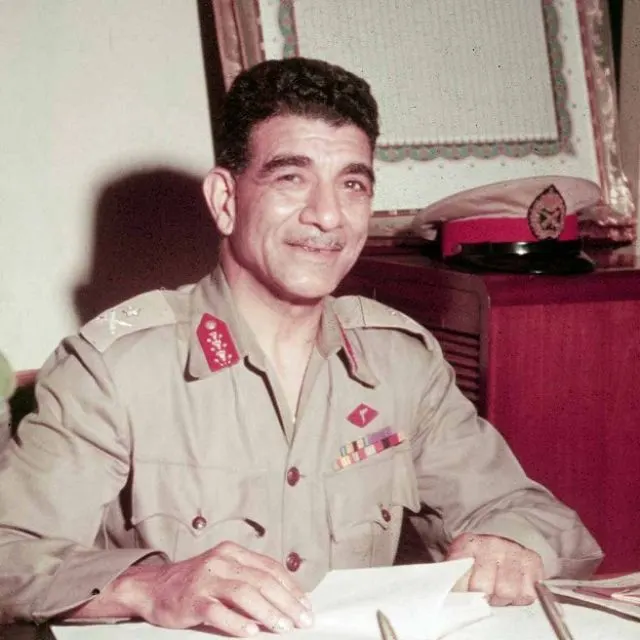
Muhammad Naguib, Egypt's first president, in 1953
Muhammad Naguib, Egypt’s first president, in 1953
Image creditUnknown author · Public domainResized and cropped for display.

Egypt abolishes its monarchy and becomes a republic

On 23 July 1952 a group of army officers calling themselves the Free Officers seized power in Cairo. They forced King Farouk to abdicate in favour of his infant son and sent him into exile. The popular General Muhammad Naguib became the public face of the new regime, while real influence lay increasingly with the younger officers of the Revolutionary Command Council, led by Gamal Abdel Nasser.

On 18 June 1953 the council formally abolished the monarchy, ending the rule of the dynasty founded by Muhammad Ali in the early 19th century, and declared Egypt a republic with Naguib as its first president. His time in office was short. A power struggle with Nasser followed, and in November 1954 Naguib was removed and placed under house arrest, leaving Nasser as Egypt’s leader.

Read the full storyHistory & Timeline →Source: Britannica: Egypt, the revolution and the republic ↗
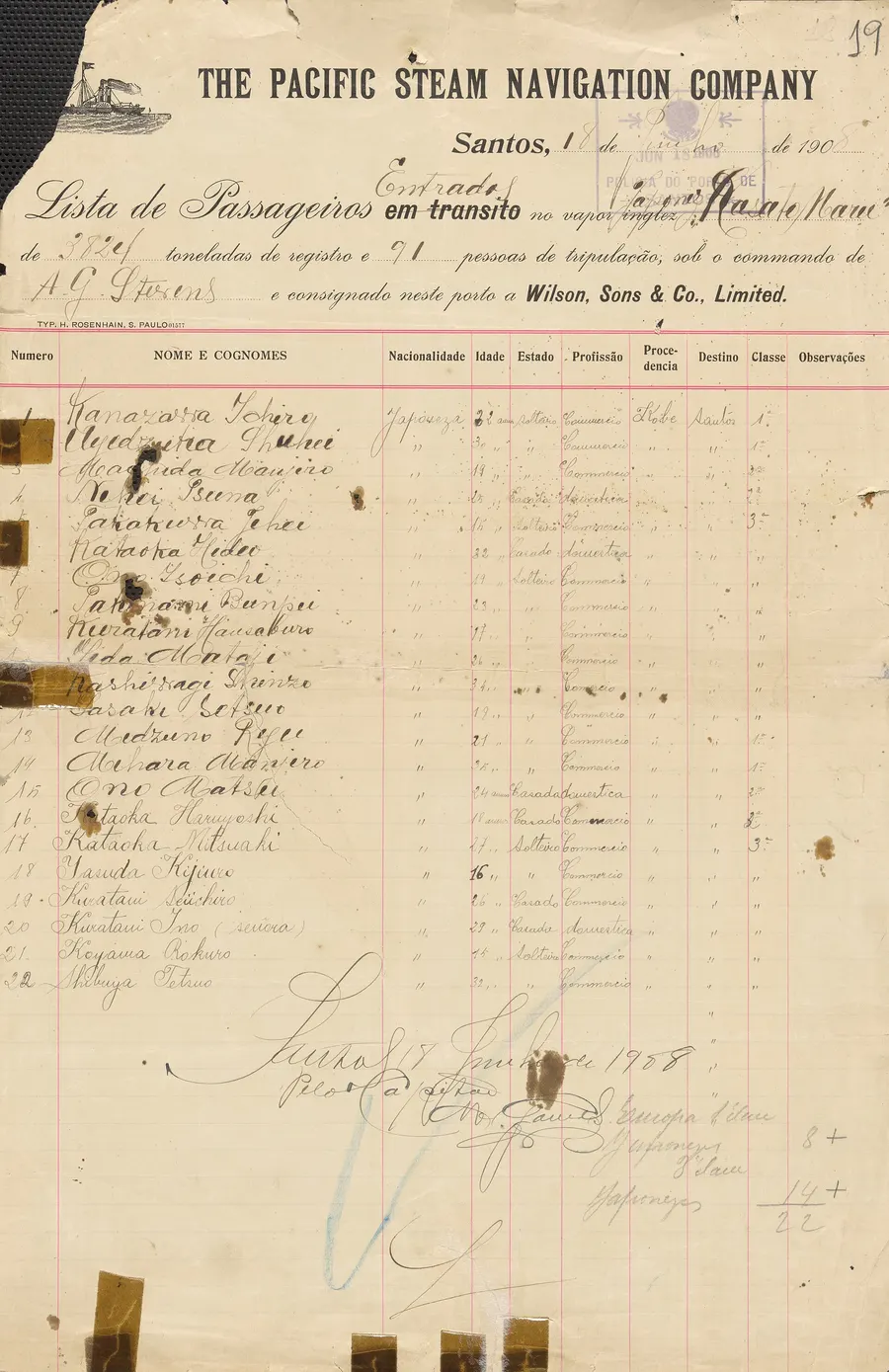
A handwritten page of the passenger list of the Kasato Maru, drawn up at Santos for the Pacific Steam Navigation Company, listing Japanese passengers by name
Image creditPacific Steam Navigation Company · Public domainResized and cropped for display.

The first Japanese emigrants arrive in Brazil

In the early 1900s Brazil’s coffee plantations in São Paulo state were short of labour, while in Japan a growing population and hard times in the countryside pushed many families to look abroad. After the two governments reached agreement, a company was engaged to recruit contract workers in Japan to work on the coffee farms.

The ship Kasato Maru sailed from Kobe and, after a voyage of about 50 days, docked at the port of Santos on 18 June 1908 with 781 contracted emigrants on board. Conditions on the plantations proved hard and many of the first arrivals soon moved on, but more ships followed. Brazil now has the largest population of Japanese descent outside Japan, and 18 June is marked in Brazil as the Day of Japanese Immigration.

Read the full storyHistory & Timeline →Source: National Diet Library of Japan: The ship Kasato-maru ↗
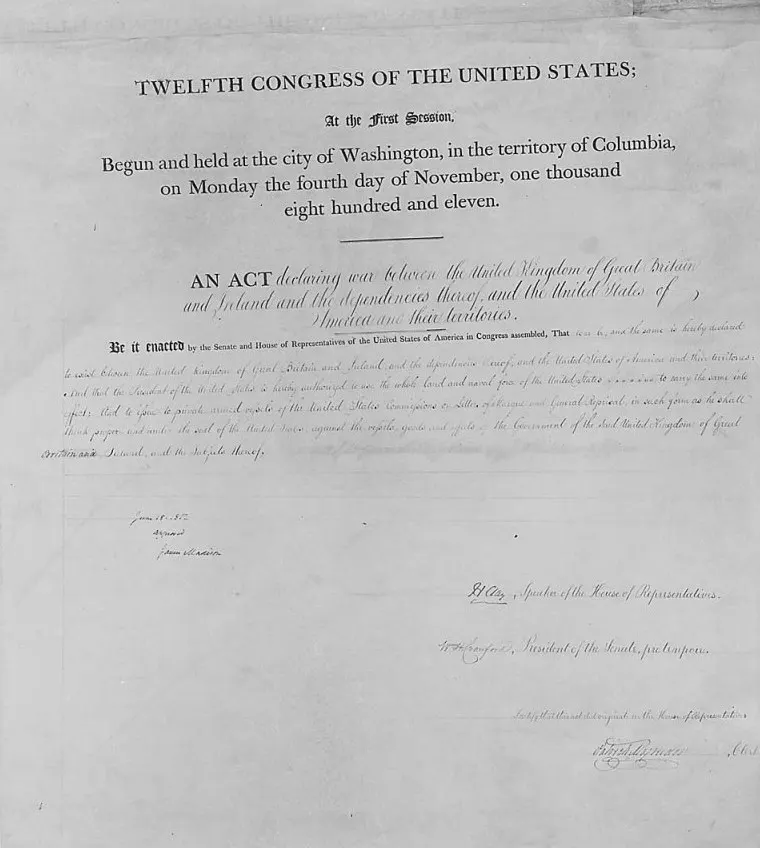
The act of Congress declaring war on the United Kingdom, signed by President James Madison in June 1812
Image creditUS · Public domainResized and cropped for display.

The United States declares war on Britain

While Britain fought Napoleon, it tried to cut off France’s trade and stopped American merchant ships at sea, often seizing sailors and forcing them to serve in the Royal Navy. Americans also blamed Britain for encouraging Native American resistance on the north-western frontier. On 1 June 1812 President James Madison sent Congress a message listing these grievances and asking it to consider war.

The House of Representatives voted for war, and on 17 June the Senate followed by 19 votes to 13. Madison signed the act on 18 June 1812, the first declaration of war under the Constitution. The War of 1812 brought American invasions of Canada, the burning of Washington in 1814 and a US victory at New Orleans, and ended in a peace treaty that left the borders unchanged.

Read the full storyHistory & Timeline →Source: US National Archives: 1812, Congress’s first declaration of war ↗

♙
PEOPLE

Born Today

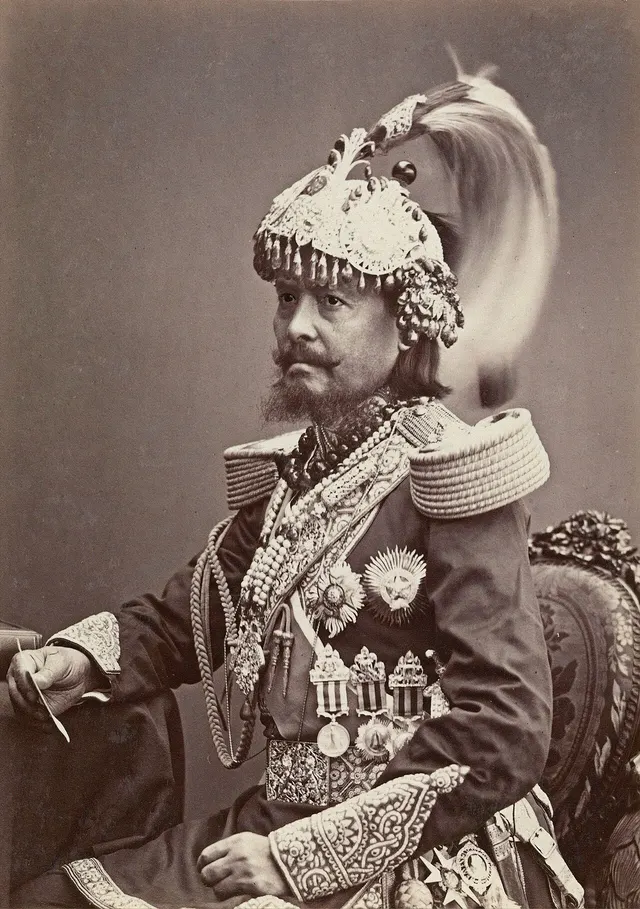
Jung Bahadur Rana
Image creditDr John William Tyler · Public domainResized and cropped for display.

Jung Bahadur Rana

Nepalese soldier and statesman who seized power in 1846 and founded the rule of the Rana family as hereditary prime ministers of Nepal, which lasted until 1951.

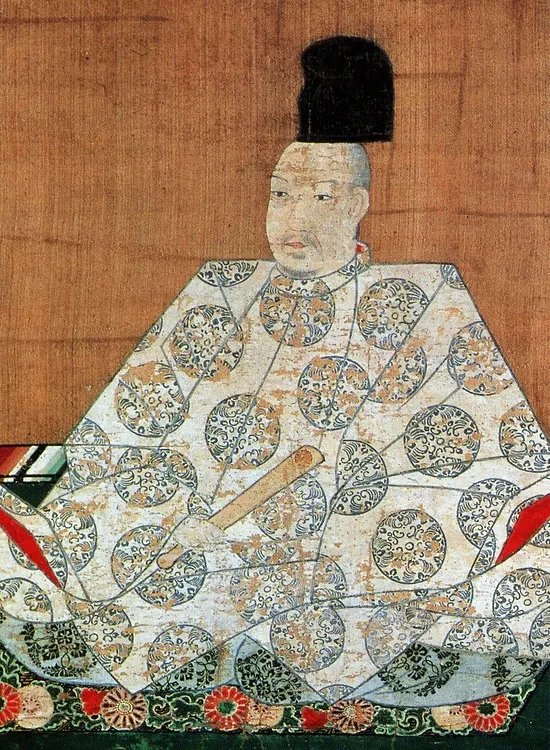
Emperor Ōgimachi
Image creditUnknown (不明) · Public domainResized and cropped for display.

Emperor Ōgimachi

Emperor of Japan from 1557 to 1586, whose reign saw Oda Nobunaga and Toyotomi Hideyoshi begin to reunite the country after a century of civil war.

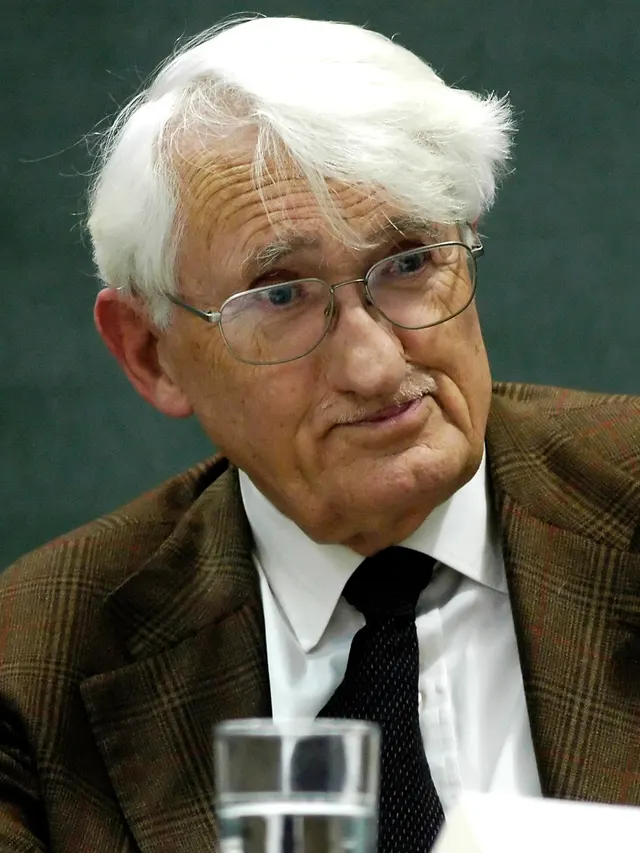
Jürgen Habermas
Image creditWolfram Huke · CC BY-SA 3.0Resized and cropped for display.

Jürgen Habermas

German philosopher and sociologist whose work on the public sphere and on reasoned debate made him one of the most influential thinkers of the postwar era.

Fernando Henrique Cardoso
Image creditAgência Brasil · CC BY 3.0 brResized and cropped for display.

Fernando Henrique Cardoso

Brazilian sociologist and politician who, as finance minister, launched the Real Plan that tamed inflation, and was president of Brazil from 1995 to 2003.

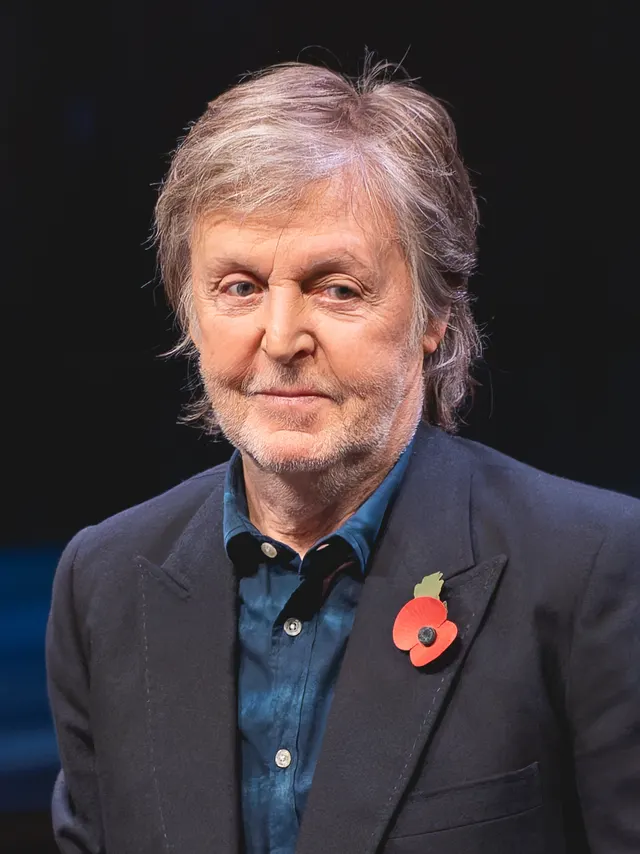
Paul McCartney
Image creditRaph_PH · CC BY 2.0Resized and cropped for display.

Paul McCartney

English singer, songwriter and bass player who wrote many of the Beatles’ songs with John Lennon and went on to a long solo career and the band Wings.

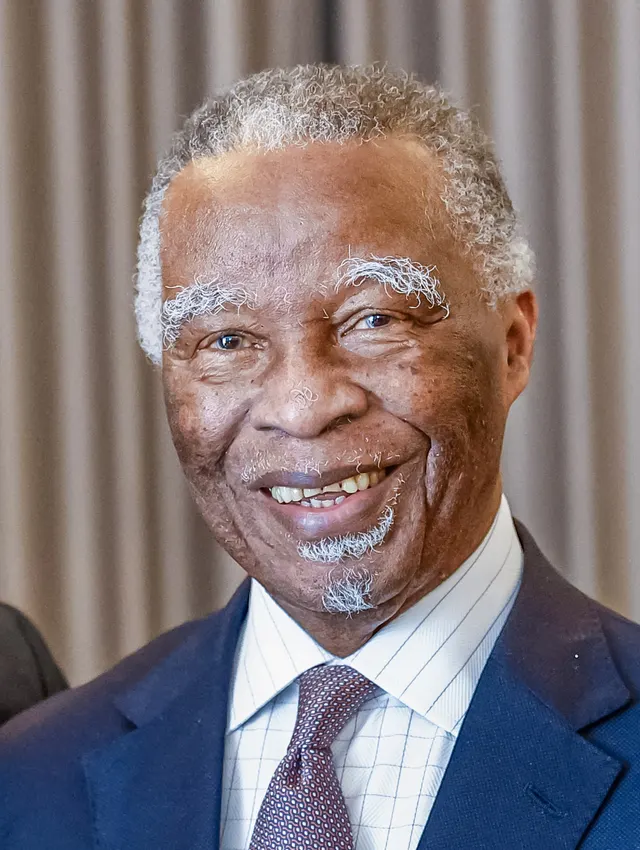
Thabo Mbeki
Image creditLula Oficial · CC BY-SA 4.0Resized and cropped for display.

Thabo Mbeki

South African politician who spent almost three decades in exile with the ANC and succeeded Nelson Mandela as president, serving from 1999 to 2008.

Raffaella Carrà
Image creditGrand Hôtel · Public domainResized and cropped for display.

Raffaella Carrà

Italian singer, dancer and television presenter whose songs and variety shows made her a star in Italy, Spain and Latin America.

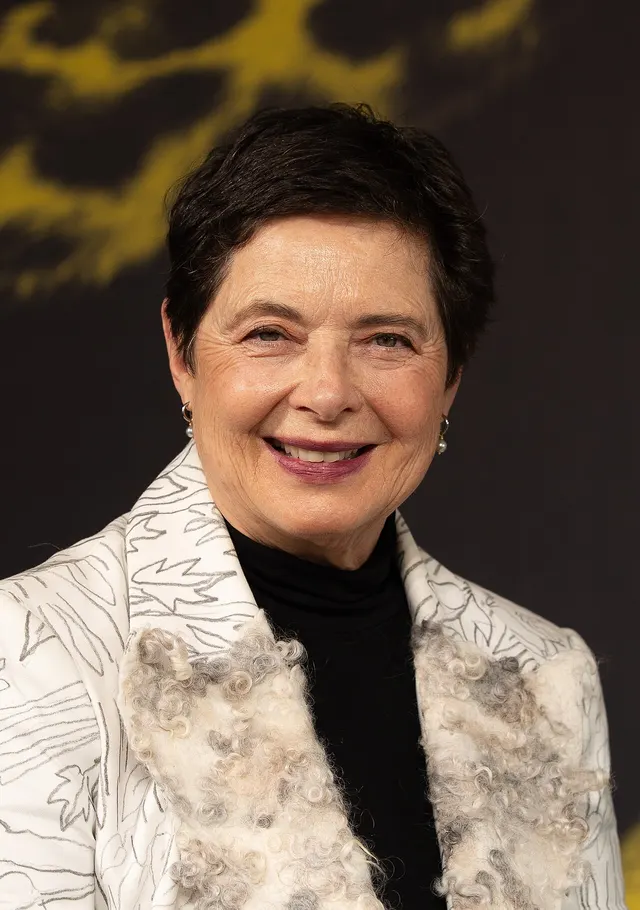
Isabella Rossellini
Image creditKalai Ramu · CC BY-SA 4.0Resized and cropped for display.

Isabella Rossellini

Italian-born actress and model, daughter of Ingrid Bergman and Roberto Rossellini, known for Blue Velvet and for her playful short films about animal behaviour.

◉
IDEAS THAT CHANGED THINGS

Firsts, Science & Discoveries

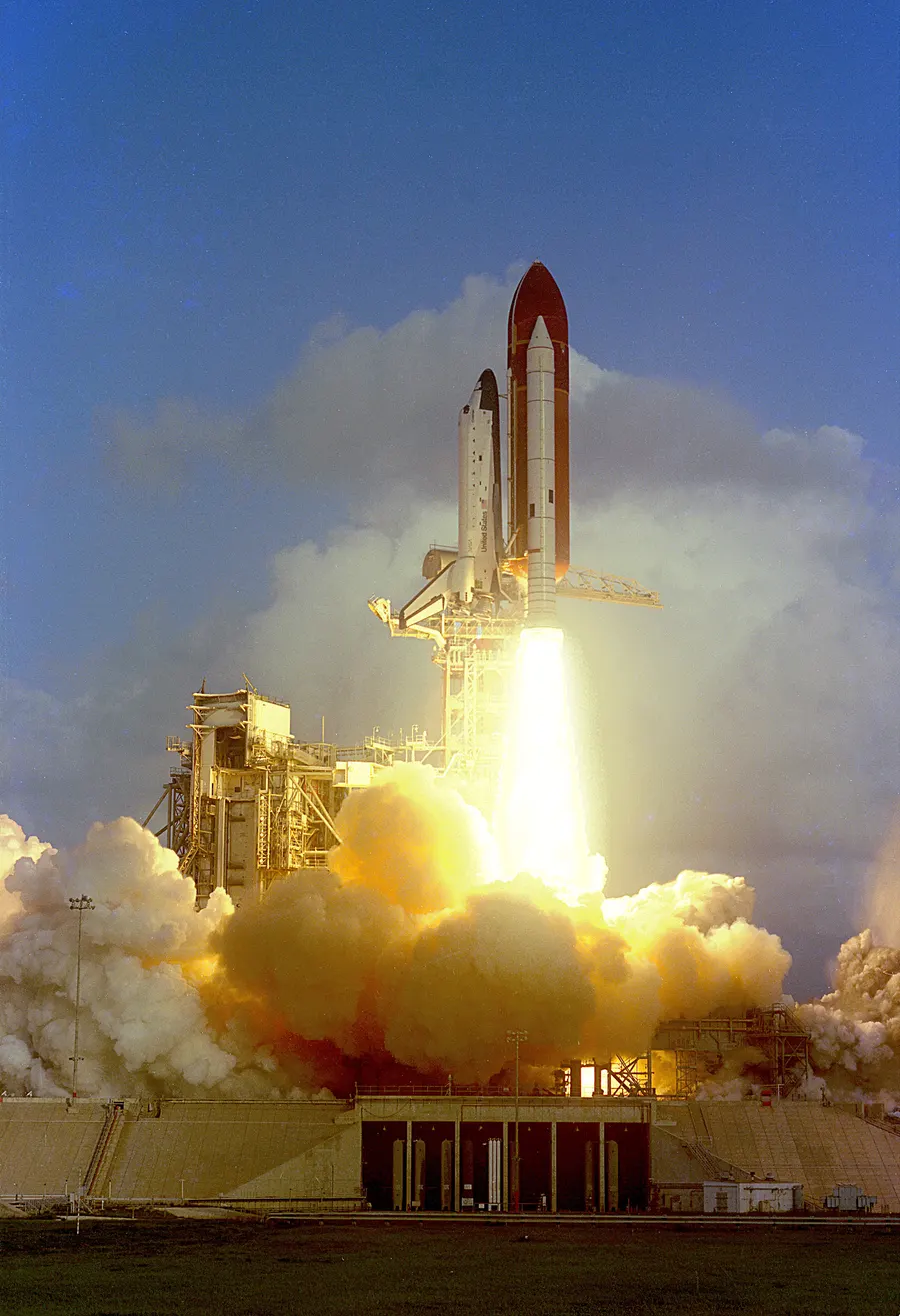
The space shuttle Challenger lifts off from the Kennedy Space Center on the STS-7 mission, 18 June 1983
Image creditNASA image · Public domainResized and cropped for display.

Sally Ride becomes the first American woman in space

In 1978 NASA chose its first astronaut group to include women, and among the six selected was Sally Ride, a physicist from California. She helped develop the shuttle’s robotic arm and served as a capsule communicator on earlier flights before being assigned to the seventh shuttle mission.

On 18 June 1983 the shuttle Challenger lifted off from Florida with Ride and four crewmates, the first five-person crew to fly into space. During the six-day mission she used the robotic arm to release a German research satellite and later to capture it again, the first time the shuttle recovered a satellite in orbit. The flight came twenty years after the Soviet cosmonaut Valentina Tereshkova had become the first woman in space.

Read the full storyHistory & Timeline →Source: NASA: 40 years ago, STS-7 and the flight of Sally Ride ↗
☆
SPORTING HISTORY

Sporting Moments

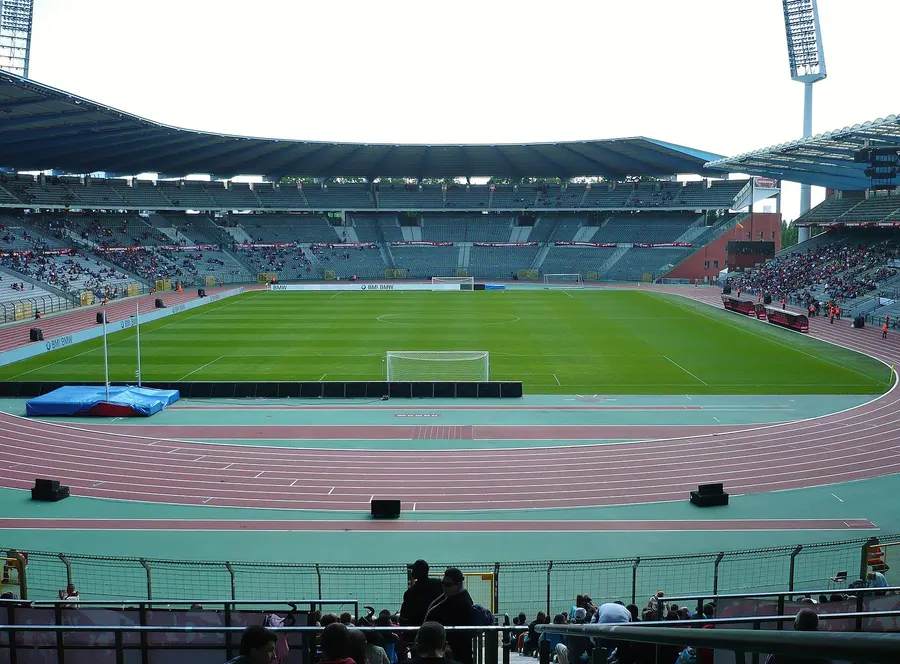
The stadium in Brussels, then called the Heysel, where the 1972 European Championship final was played (photographed in 2013)
Image creditJoni-Fuego · CC BY-SA 3.0Resized and cropped for display.

West Germany win their first European Championship

West Germany arrived at the 1972 European Championship finals in Belgium with a gifted side built around the defender Franz Beckenbauer, the playmaker Günter Netzer and the prolific striker Gerd Müller. On the way they had knocked out England at Wembley, and they beat the hosts Belgium in the semi-final.

In the final at the Heysel Stadium in Brussels on 18 June 1972 they met the Soviet Union, the first winners of the tournament in 1960. Müller scored twice and Herbert Wimmer once as West Germany won 3-0, with a fluid, attacking style that is often remembered as one of the best displays by any German team. It was the country’s first European title, and two years later most of the same players won the World Cup.

Read the full storyHistory & Timeline →Source: UEFA: West Germany 3-0 USSR, EURO 1972 final ↗
♫
MUSIC • FILM • BOOKS • CULTURE

Culture Stories

Set design for the finale of Act 3 of Der Freischütz, as staged at the Berlin premiere in 1821
Image creditCarl Wilhelm Gropius (1793–1870), designer · Public domainResized and cropped for display.

Weber’s Der Freischütz opens in Berlin

Carl Maria von Weber based his opera Der Freischütz, ‘The Marksman’, on a German folk tale. A young forester, Max, must win a shooting contest to marry Agathe, and in despair he is tempted into casting magic bullets with the help of the devilish huntsman Samiel, in a midnight scene set in the haunted Wolf’s Glen.

The opera had its first performance at the new Schauspielhaus in Berlin on 18 June 1821, with Weber conducting. It was an immediate triumph: the overture and a song had to be repeated, and the work was soon staged across Europe. With its forests, hunting horns, folk-like tunes and supernatural terror, Der Freischütz became the model for German Romantic opera and a strong influence on Richard Wagner.

Read the full storyHistory & Timeline →Source: Britannica: Der Freischütz ↗
✦
LIVES REMEMBERED

Remembered Today

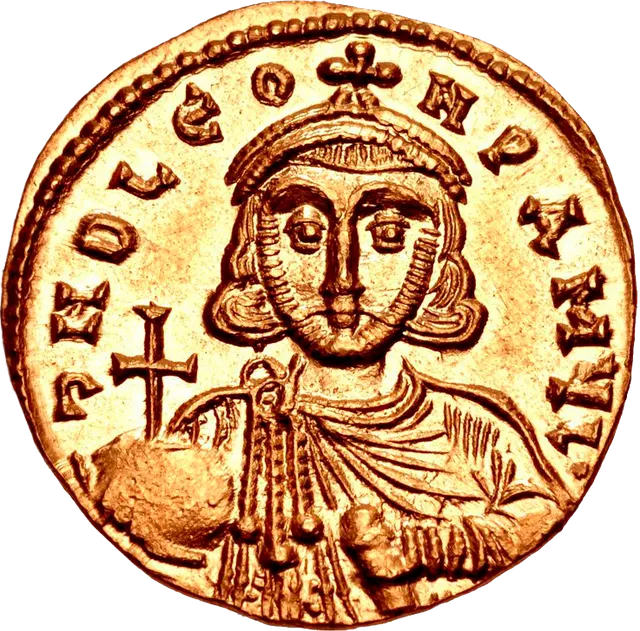
Leo III the Isaurian
Image creditCNG · CC BY-SA 2.5Resized and cropped for display.

Leo III the Isaurian

Byzantine emperor from 717 who beat off the great Arab siege of Constantinople in 717-718 and began the long official campaign against religious images.

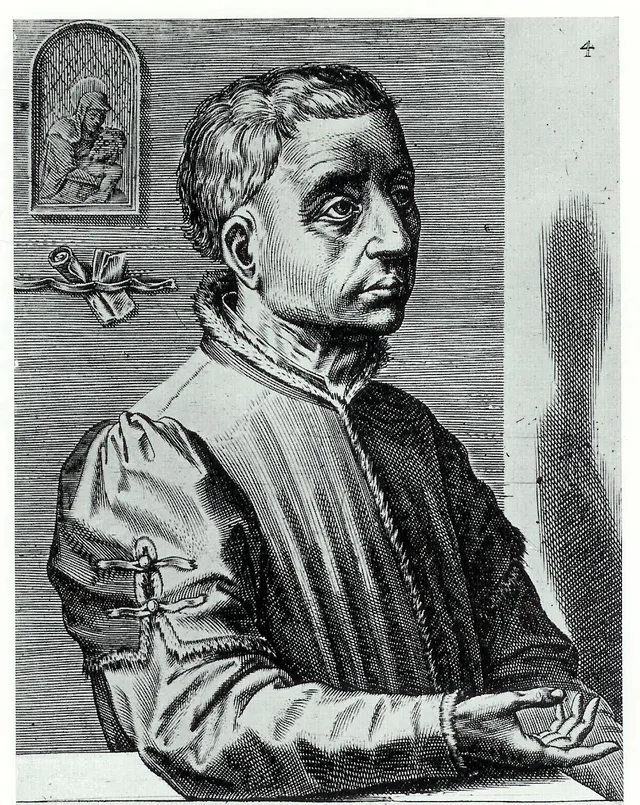
Rogier van der Weyden
Image creditUnknown · Public domainResized and cropped for display.

Rogier van der Weyden

Flemish painter, official painter to the city of Brussels, whose deeply emotional altarpieces such as The Descent from the Cross influenced artists across Europe.

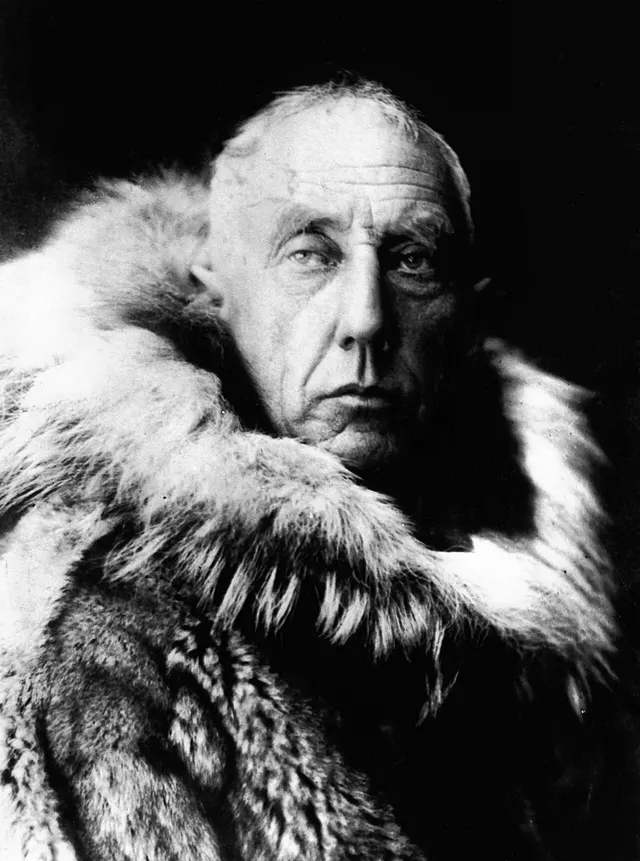
Roald Amundsen
Image creditAnonymousUnknown author · Public domainResized and cropped for display.

Roald Amundsen

Norwegian explorer, the first to reach the South Pole, who disappeared over the Barents Sea while flying to help search for the crashed airship Italia.

Stephanie Kwolek
Image creditStaff photographer · CC BY-SA 3.0Resized and cropped for display.

Stephanie Kwolek

American chemist at DuPont whose discovery of a new kind of polymer solution led to Kevlar, the strong, light fibre used in protective vests.

☉
AROUND THE WORLD

Observances & Anniversaries

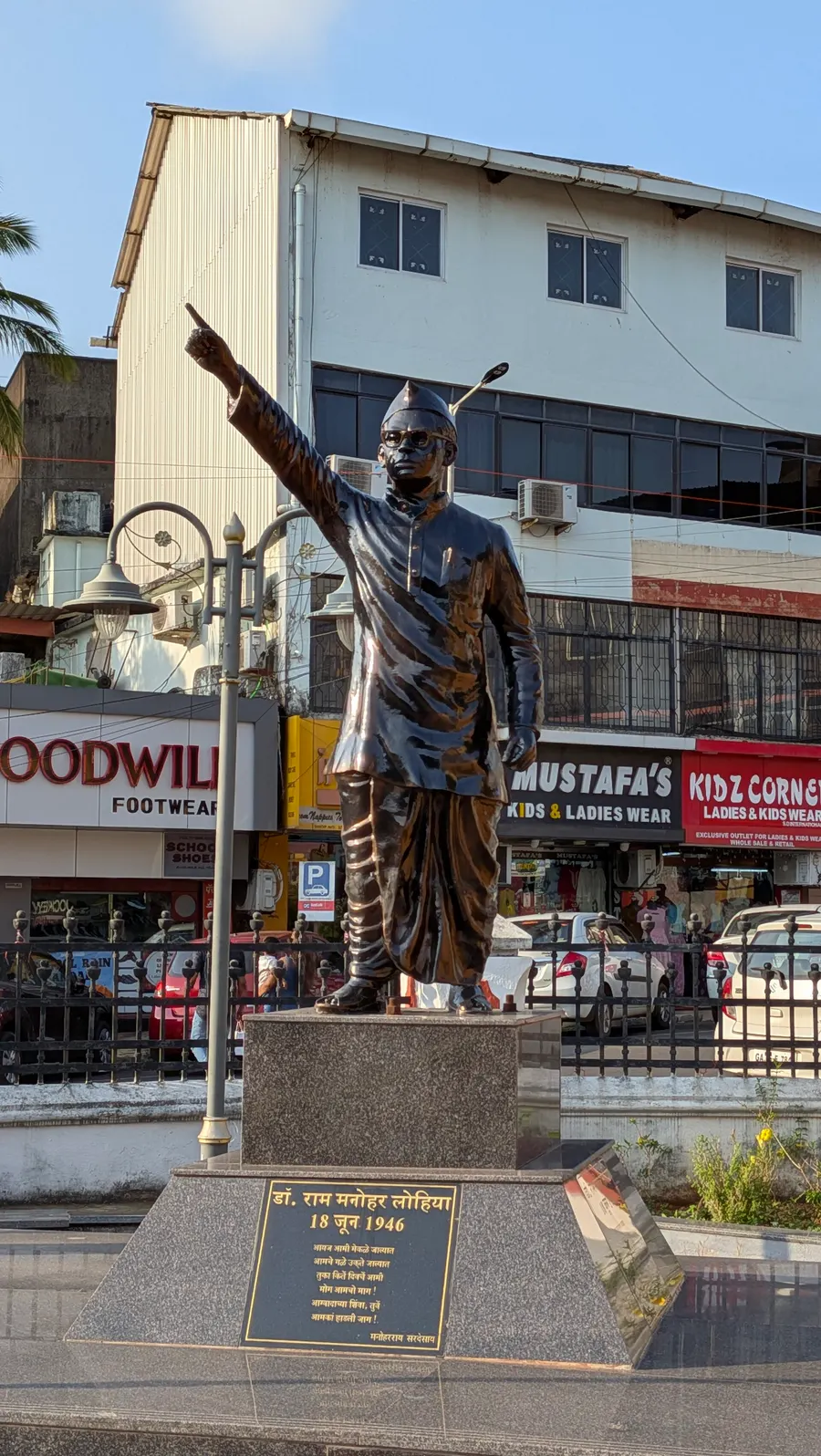
The statue of Ram Manohar Lohia at Lohia Maidan in Margao, Goa, where he defied the Portuguese ban in 1946
Image creditSerChevalerie · CC BY-SA 3.0Resized and cropped for display.

Goa Revolution Day

The Indian state of Goa marks 18 June as Goa Revolution Day. On 18 June 1946 the socialist leader Ram Manohar Lohia defied a Portuguese ban on public meetings and addressed a crowd in Margao, calling for civil liberties. He was arrested, but his stand launched a mass campaign of civil disobedience and a new phase of the struggle against Portuguese rule, which ended with Goa’s liberation in December 1961. The day is marked each year with ceremonies honouring Goa’s freedom fighters.

Source: Government of Goa, Department of Information and Publicity: Milestones of Goa ↗
HISTORY & TIMELINE

Finished the highlights?

Follow 18 June chronologically, from the Middle Ages to the modern day, with 12 verified events and the sources behind them.

This day through time →