Explore 12 June

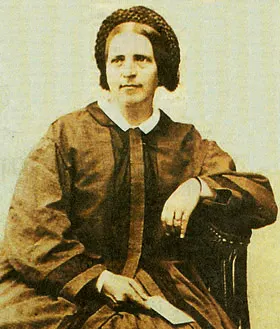
Explore 12 June: Emilio Aguinaldo proclaims the Philippines independent, a Swedish king founds Helsinki, Bolivia and Paraguay stop the Chaco War and Nigerians vote in the election that became their Democracy Day. Born today: Johanna Spyri, Egon Schiele and Mamo Wolde.

This day through time →14 verified events across 5 eras

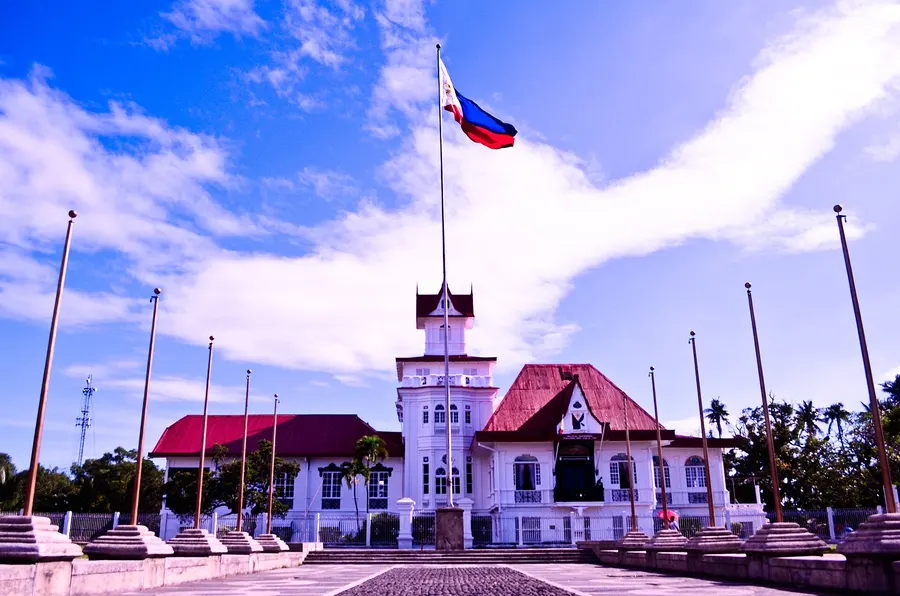
The Aguinaldo house in Kawit, Cavite, from whose window the independence of the Philippines was proclaimed, now a national shrine
Image creditJenielle Herrera · CC BY-SA 3.0Resized and cropped for display.

Aguinaldo proclaims the independence of the Philippines

Spain had ruled the Philippines for more than 300 years when revolution broke out in 1896. Its young general Emilio Aguinaldo was driven into exile in Hong Kong, but when war broke out between Spain and the United States in 1898 and an American fleet destroyed the Spanish squadron in Manila Bay on 1 May, he returned home and rallied the revolutionary army once more.

On 12 June 1898, at his family home in Cavite el Viejo, now Kawit, a declaration of independence was read out and the new national flag was displayed from a window, while the national march was played for the first time. Aguinaldo became head of a revolutionary government. But the United States took the islands from Spain later that year, and full independence came only in 1946. In 1962 the Philippines moved its Independence Day to 12 June, and it is still celebrated then.

Read the full storyHistory & Timeline →Source: Britannica: Independence Day (Philippines) ↗
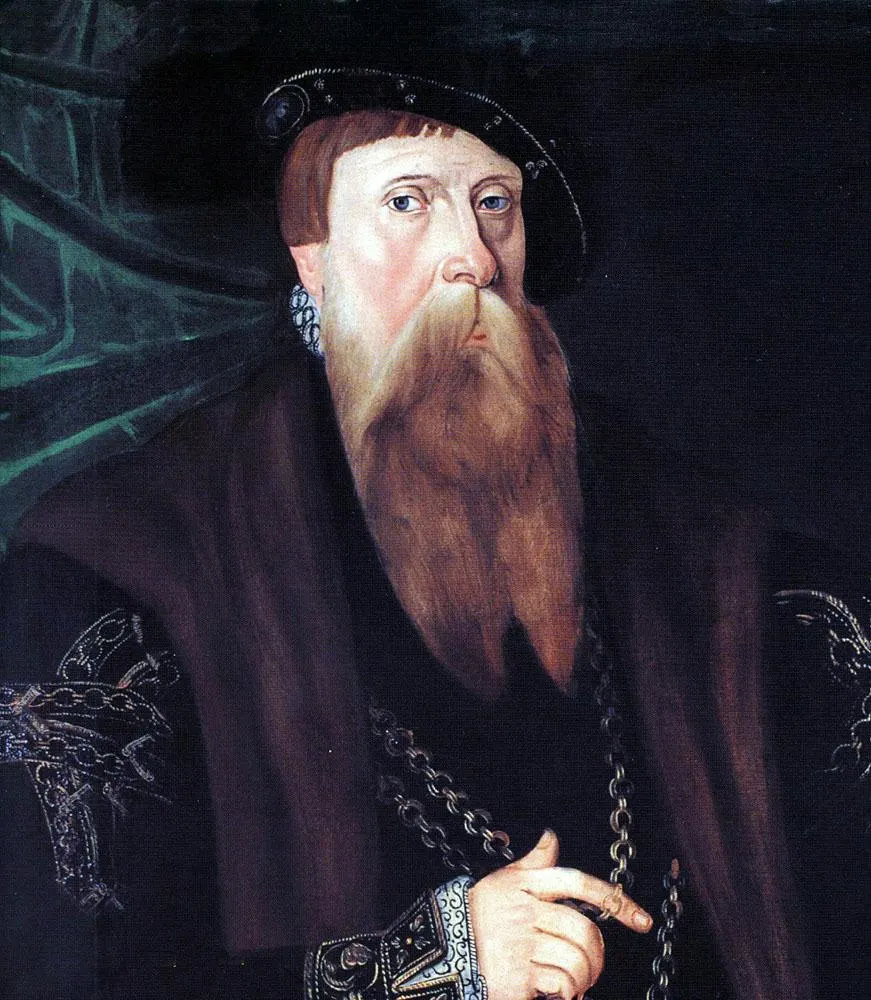
Gustav I Vasa, King of Sweden, in a portrait by an unidentified painter from around 1550, the year he founded Helsinki
Image creditUnidentified painter · Public domainResized and cropped for display.

A Swedish king founds Helsinki

In the middle of the 16th century Finland was part of the kingdom of Sweden, and King Gustav I Vasa wanted a share of the rich trade with Russia that passed through the Gulf of Finland. Most of it went through Tallinn, a Hanseatic town on the southern shore. Gustav’s answer was to build a Swedish rival directly opposite.

On 12 June 1550 the king authorised the founding of Helsinki at the mouth of the Vantaa river, and ordered townspeople from several other Finnish towns to move there. The new town grew slowly and for two centuries stayed small; in 1640 it was moved a few kilometres south to the headland where the centre now stands. Its fortunes changed after Russia took Finland in 1809 and made Helsinki the capital in 1812. The city has celebrated 12 June as Helsinki Day since 1959.

Read the full storyHistory & Timeline →Source: City of Helsinki: 1550, founding Helsinki ↗
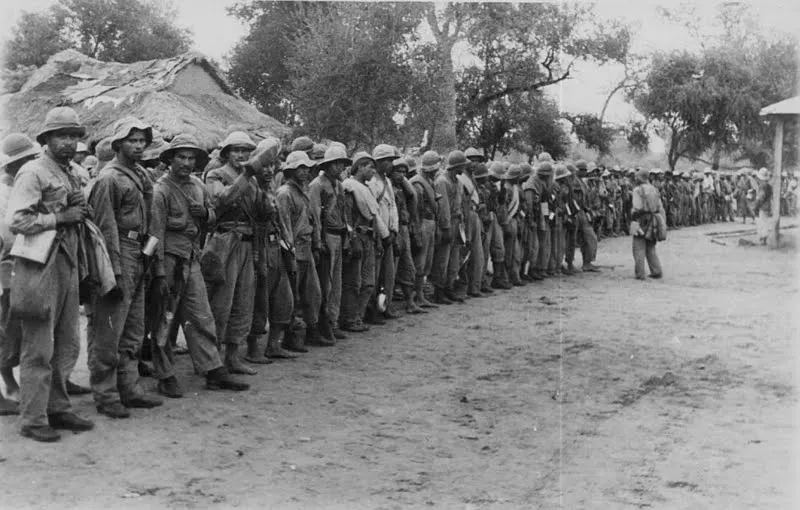
Paraguayan soldiers lined up at Alihuatá in the Gran Chaco during the war
Image creditDoctor Carlos De Sanctis · Public domainResized and cropped for display.

A truce ends the Chaco War between Bolivia and Paraguay

The Chaco Boreal is a vast, hot and thinly peopled plain north of the Pilcomayo river. Bolivia and Paraguay had both claimed it for decades, and hopes that it held oil sharpened the quarrel. Bolivia, which had lost its coast to Chile, also wanted an outlet to the Atlantic along the Paraguay river. Border clashes turned into full-scale war in 1932.

Bolivia had the larger army, but Paraguay’s troops knew the terrain and pushed deep into the disputed land. Thirst and disease killed as many men as the fighting, and around 100,000 died in all. With both countries exhausted and the Bolivians counter-attacking, neighbouring states and the United States brokered a truce, agreed on 12 June 1935. A peace treaty signed in Buenos Aires in 1938 gave Paraguay most of the Chaco and Bolivia a corridor to the Paraguay river.

Read the full storyHistory & Timeline →Source: Britannica: Chaco War ↗
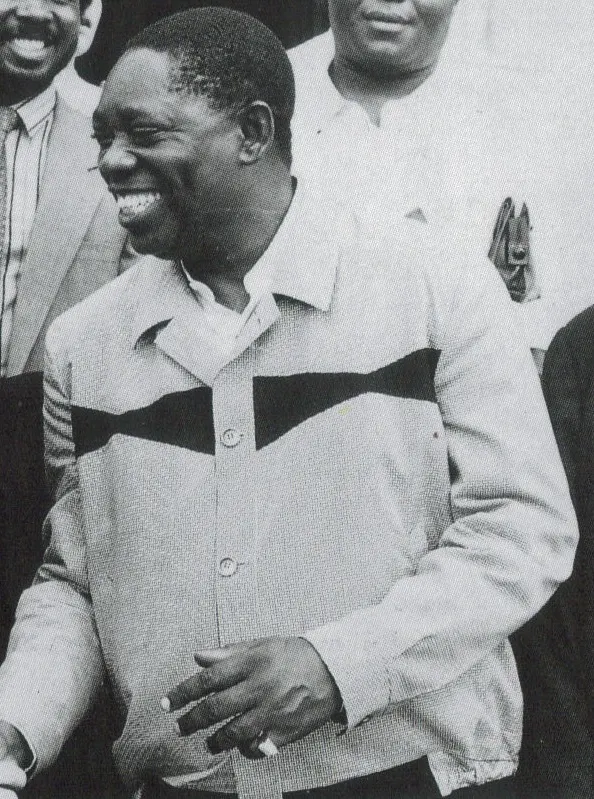
Moshood Abiola, the businessman who won Nigeria's presidential election of 12 June 1993
Moshood Abiola, the businessman who won Nigeria’s presidential election of 12 June 1993
Image creditUnknown photographer · CC BY-SA 3.0Resized and cropped for display.

Nigerians vote in the election that was taken away

Nigeria had been under military rule since 1983. General Ibrahim Babangida, in power from 1985, promised a return to civilian government and set up two political parties to contest a presidential election. The Social Democratic Party chose the wealthy businessman and publisher Moshood Abiola; the National Republican Convention chose Bashir Tofa.

The vote on 12 June 1993 was widely seen as the freest and fairest in the country’s history, and early results showed Abiola clearly ahead. But before the official result was announced, Babangida annulled the election. The outcry forced him from power that August, and in November General Sani Abacha seized control. Abiola was later arrested after declaring himself president and died in detention in 1998. In 2018 the government named 12 June Nigeria’s Democracy Day and honoured Abiola with the country’s highest award.

Read the full storyHistory & Timeline →Source: Britannica: Nigeria, military regimes 1983-99 ↗
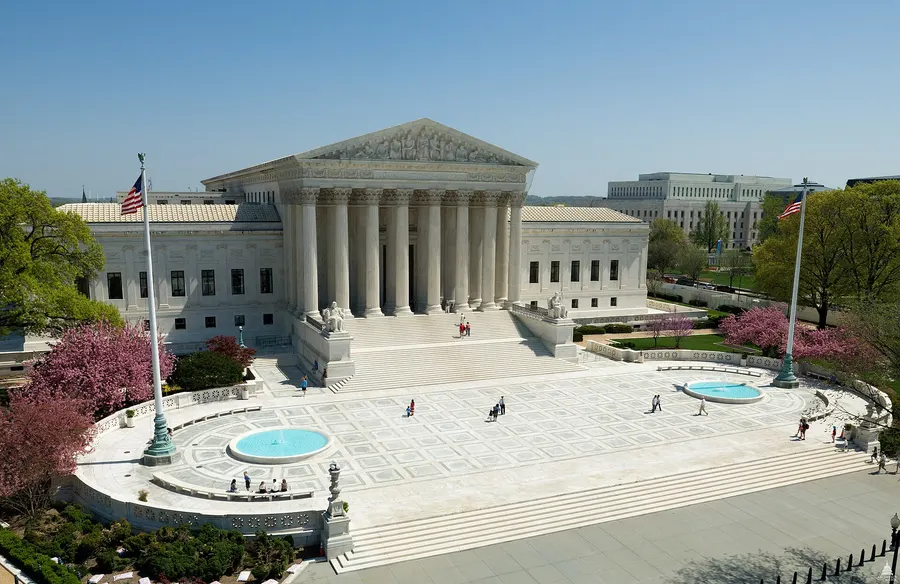
The United States Supreme Court Building in Washington, DC
Image creditUSCapitol · Public domainResized and cropped for display.

The Supreme Court strikes down bans on mixed marriage

In 1958 Mildred Jeter, a Black woman, and Richard Loving, a white man, travelled from their home in Virginia to Washington, DC, to marry, because Virginia law forbade marriage between white and Black people. Weeks after they returned, police arrested them. They were convicted and sentenced to a year in jail, suspended on condition that they leave Virginia and not come back together for 25 years.

With the help of civil rights lawyers the Lovings challenged the law, and the case reached the United States Supreme Court. On 12 June 1967 the court ruled unanimously in their favour, finding that the ban broke the Fourteenth Amendment’s promises of equal protection and due process. The judgment struck down similar laws in 15 other states. The Lovings went home to Virginia, and 12 June is still marked by many Americans as Loving Day.

Read the full storyHistory & Timeline →Source: Oyez: Loving v. Virginia ↗

♙
PEOPLE

Born Today

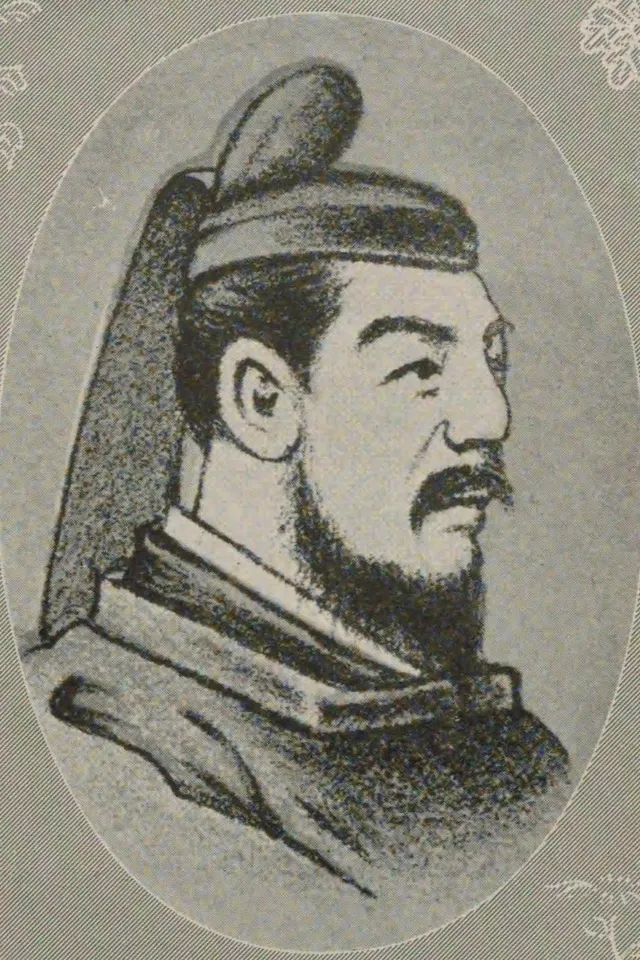
Emperor Reizei
Image credit明治天皇聖徳奉讃会 · Public domainResized and cropped for display.

Emperor Reizei

Emperor of Japan for two years from 967, whose short, troubled reign helped the Fujiwara regents tighten their hold on the court.

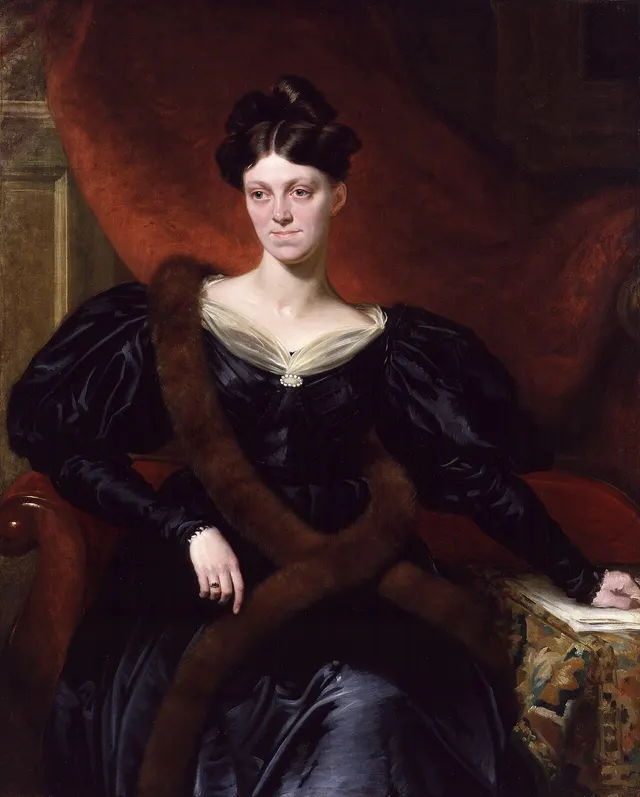
Harriet Martineau
Image creditRichard Evans · Public domainResized and cropped for display.

Harriet Martineau

English writer from Norwich who explained economics through stories, wrote on society and slavery and is often called the first woman sociologist.

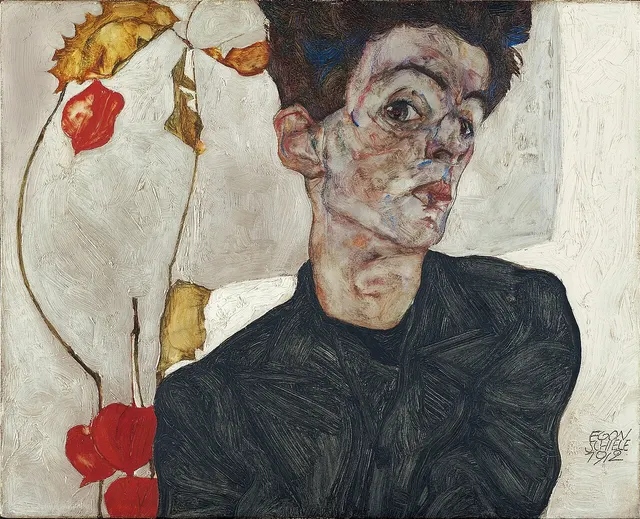
Egon Schiele
Image creditEgon Schiele · Public domainResized and cropped for display.

Egon Schiele

Austrian painter, a protégé of Gustav Klimt, whose raw, twisting figures and self-portraits shaped Expressionism; he died of influenza at 28.

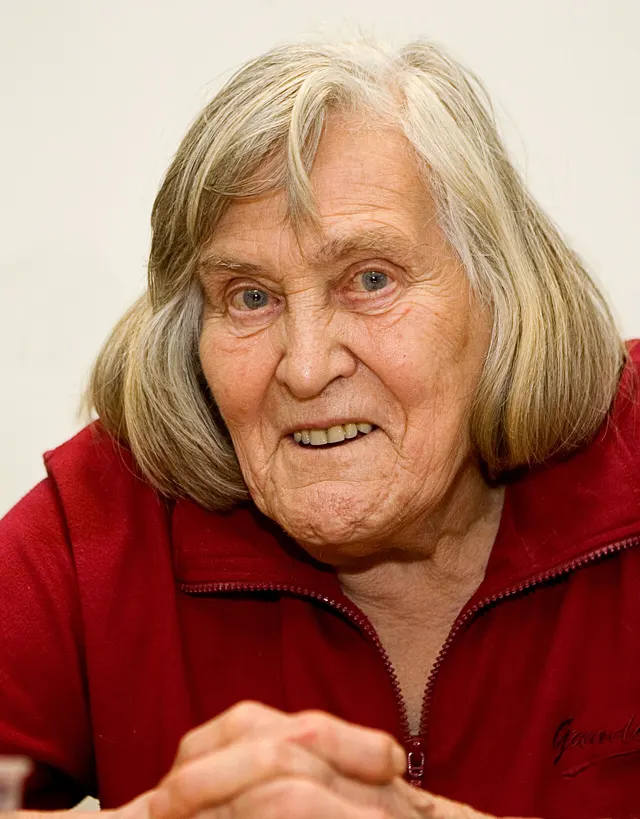
Margherita Hack
Image creditGianmaria Zanotti · CC BY 2.0Resized and cropped for display.

Margherita Hack

Italian astrophysicist who studied stars and became the first woman to direct the Trieste Astronomical Observatory, and a popular voice for science.

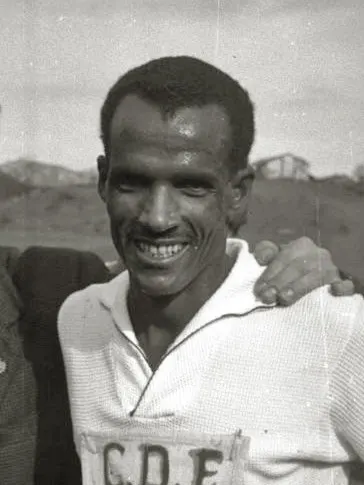
Mamo Wolde
Image creditPaco Marí · CC BY-SA 3.0Resized and cropped for display.

Mamo Wolde

Ethiopian runner who won the Olympic marathon in Mexico City in 1968, plus a silver medal in the 10,000 metres.

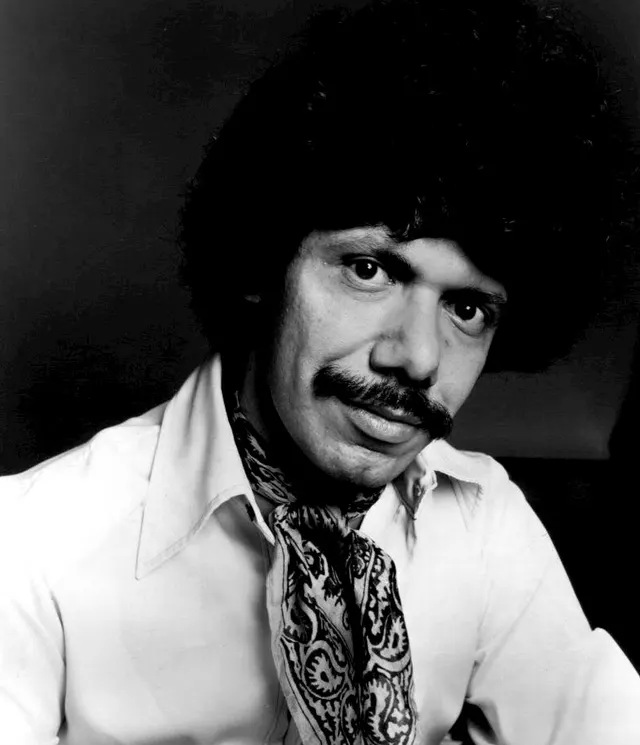
Chick Corea
Image creditPolydor Records · Public domainResized and cropped for display.

Chick Corea

American jazz pianist and composer who played with Miles Davis, led the fusion band Return to Forever and won more than 20 Grammy Awards.

Bryan Habana
Image creditBarcex · CC BY-SA 4.0Resized and cropped for display.

Bryan Habana

South African rugby wing who helped win the 2007 World Cup and scored a record-equalling eight tries at that tournament.

Philippe Coutinho
Image creditGranada · CC BY-SA 4.0Resized and cropped for display.

Philippe Coutinho

Brazilian attacking midfielder who starred for Liverpool before a record move to Barcelona, and won the Copa América with Brazil in 2019.

◉
IDEAS THAT CHANGED THINGS

Firsts, Science & Discoveries

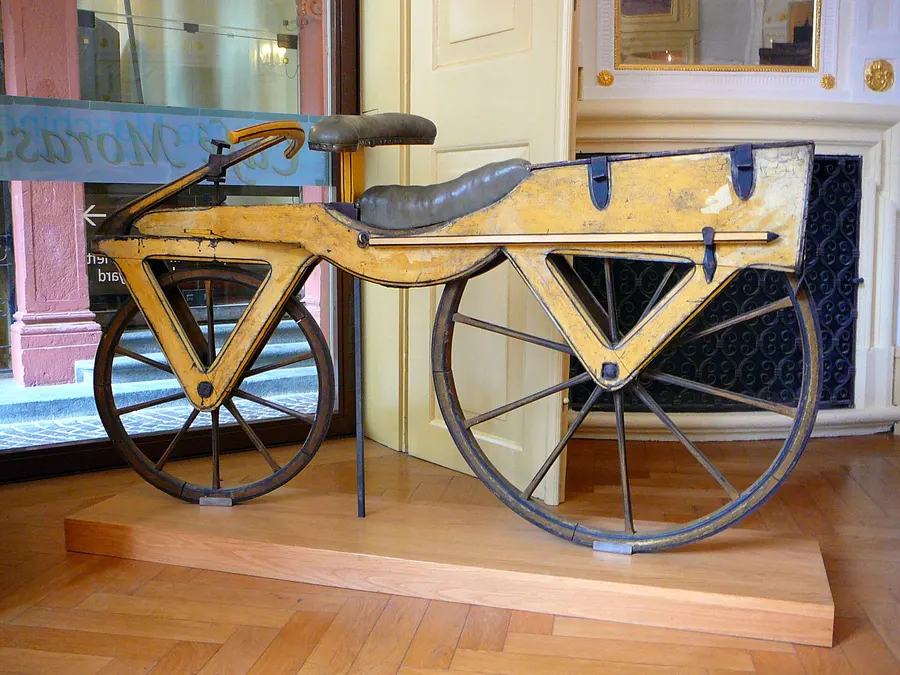
A wooden draisine, or running machine, from around 1820, the forerunner of the bicycle
Image creditGun Powder Ma · CC BY-SA 3.0Resized and cropped for display.

Karl Drais takes the first ride on his running machine

Karl Drais was a forestry official and inventor in the German state of Baden. At a time when bad harvests had made horses scarce and costly to feed, he set out to build a vehicle a person could move under their own power. His answer was a wooden frame on two wheels, one behind the other, with a seat and a steerable front wheel. The rider sat astride it and pushed along with their feet.

On 12 June 1817 Drais rode his Laufmaschine, or running machine, out of Mannheim along the best road in Baden towards Schwetzingen, turned at a coaching inn about seven kilometres away and came back, the whole journey taking little more than an hour. The draisine, or dandy horse, became a brief craze in Europe. It had no pedals, which were added decades later, but it was the first two-wheeled, rider-powered machine, and the ancestor of every bicycle.

Read the full storyHistory & Timeline →Source: City of Mannheim: Karl Drais und seine Laufmaschine ↗
☆
SPORTING HISTORY

Sporting Moments

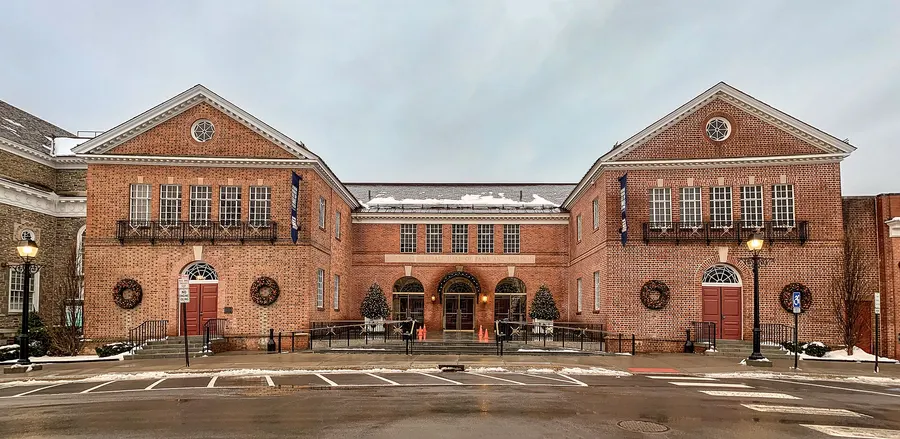
The National Baseball Hall of Fame and Museum on Main Street, Cooperstown, New York
Image creditKenneth C. Zirkel · CC BY-SA 4.0Resized and cropped for display.

The Baseball Hall of Fame opens in Cooperstown

In the 1930s the small village of Cooperstown in upstate New York, long said to be the birthplace of baseball, planned to mark the game’s supposed centenary with a museum. Voting for a Hall of Fame began in 1936, and the first class chosen included Ty Cobb, Babe Ruth, Honus Wagner, Christy Mathewson and Walter Johnson.

On 12 June 1939 the National Baseball Hall of Fame and Museum opened its doors. The 25 players and pioneers elected so far were honoured with bronze plaques, and all 11 who were still living came to Cooperstown for the first induction ceremony, watched by a crowd of about 12,000. The day brought a parade, speeches, a special postage stamp and an exhibition game at Doubleday Field. The induction weekend has been held in Cooperstown ever since.

Read the full storyHistory & Timeline →Source: National Baseball Hall of Fame: Heroes and legends at the inaugural Hall of Fame weekend ↗
♫
MUSIC • FILM • BOOKS • CULTURE

Culture Stories

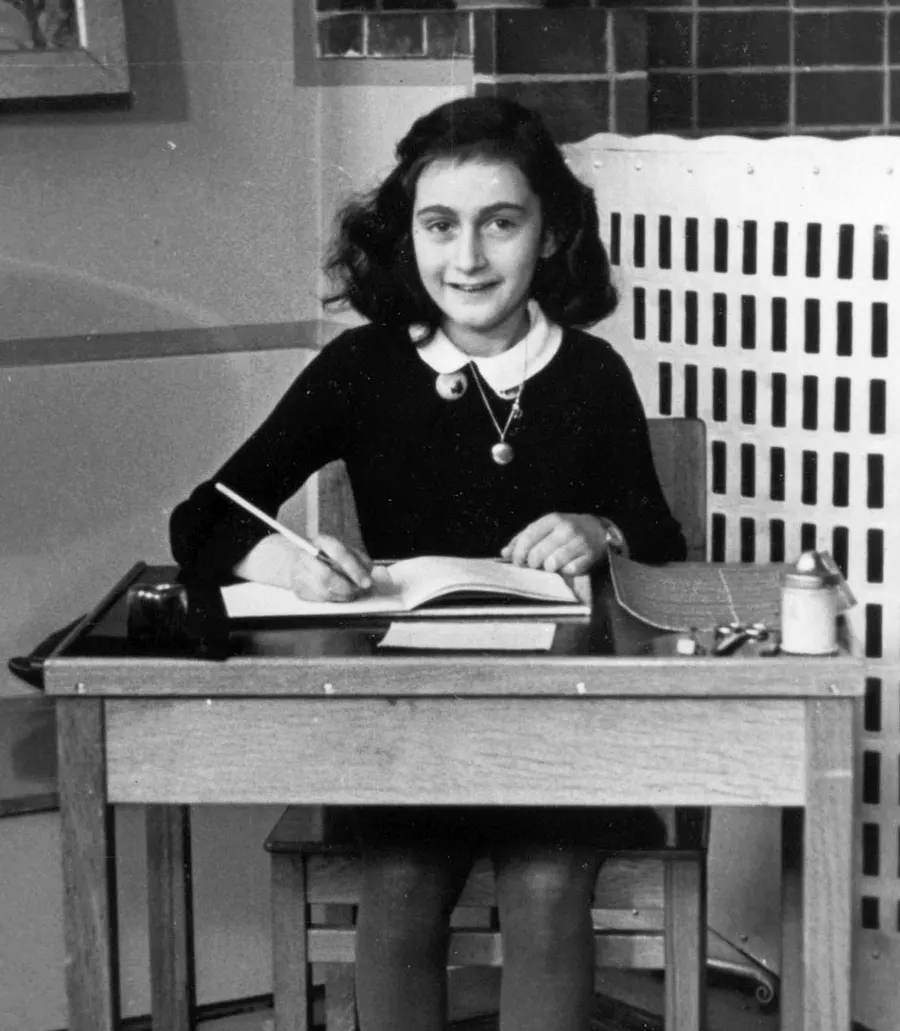
Anne Frank writing at a desk in 1940, two years before she was given her diary
Image creditUnknown photographer; Collectie Anne Frank Stichting Amsterdam · Public domainResized and cropped for display.

Anne Frank is given a diary for her 13th birthday

Anne Frank was born in Frankfurt in 1929. After the Nazis came to power her Jewish family moved to Amsterdam, but in 1940 Germany occupied the Netherlands and anti-Jewish laws closed in around them. On her 13th birthday, Friday 12 June 1942, one of her presents was a red-checked autograph book she had chosen herself in a bookshop, and she began writing in it as a diary within days.

Less than a month later the family went into hiding in a secret annex behind her father’s business on the Prinsengracht. There Anne kept writing, and began rewriting her diary in the hope of publishing it after the war. The hiding place was betrayed in August 1944, and Anne died in the Bergen-Belsen camp in early 1945. Her father, the only one of the family to survive, published her writings in 1947. The diary has since been read by millions around the world.

Read the full storyHistory & Timeline →Source: Anne Frank House: Anne receives a diary ↗
✦
LIVES REMEMBERED

Remembered Today

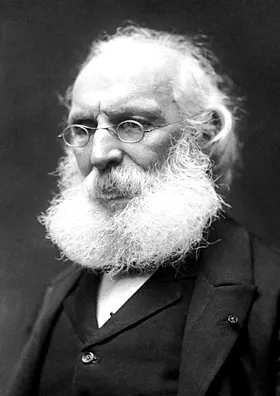
Frédéric Passy
Image creditUnknown · Public domainResized and cropped for display.

Frédéric Passy

French economist and campaigner for peace between nations, who shared the first Nobel Peace Prize in 1901 with Henri Dunant.

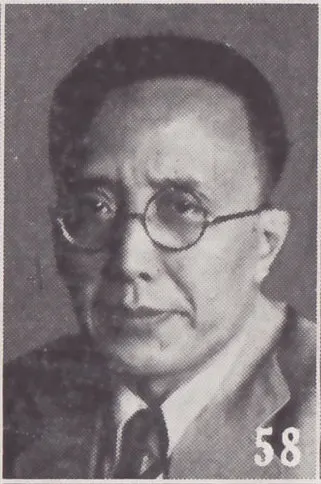
Guo Moruo
Image creditUnknown photographer · Public domainResized and cropped for display.

Guo Moruo

Chinese poet, playwright and historian who studied ancient inscriptions and became the first president of the Chinese Academy of Sciences.

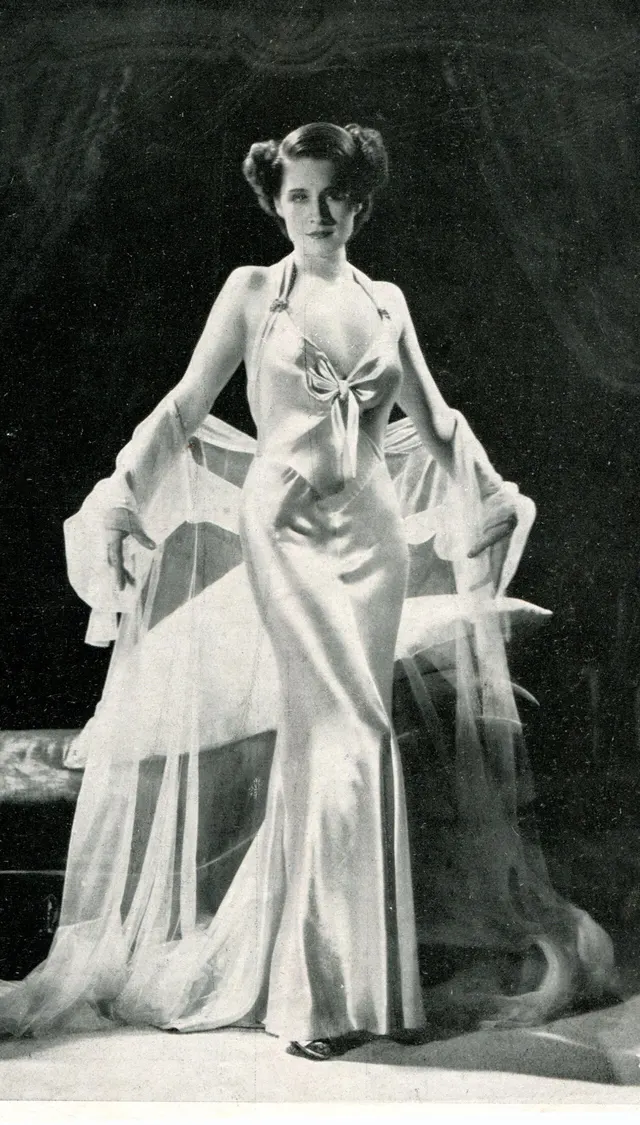
Norma Shearer
Image creditUnknown author · Public domainResized and cropped for display.

Norma Shearer

Canadian-born star of MGM’s golden age who won the Academy Award for best actress for The Divorcee in 1930.

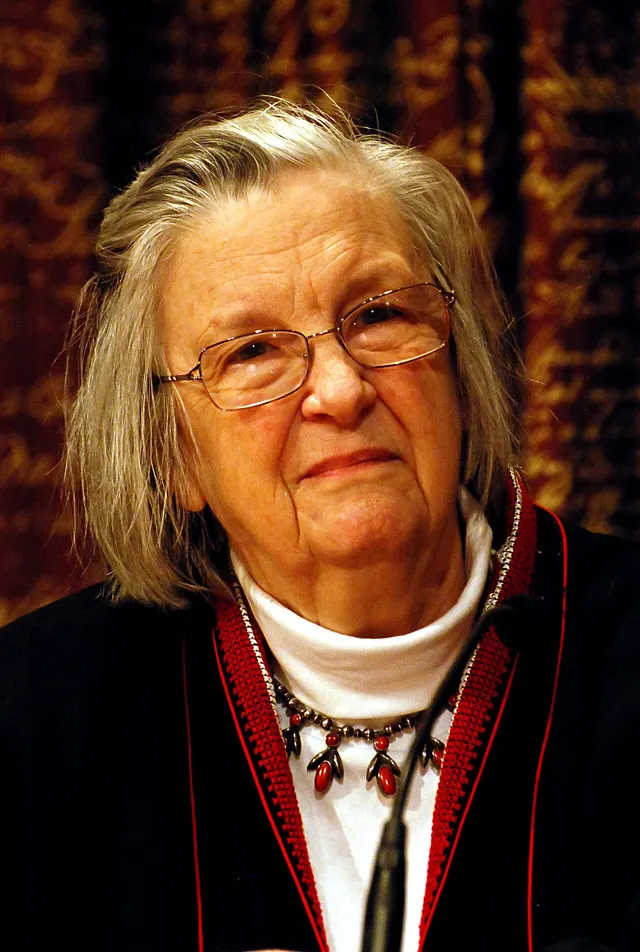
Elinor Ostrom
Image creditHolger Motzkau · CC BY-SA 3.0Resized and cropped for display.

Elinor Ostrom

American political economist who showed how communities can manage shared resources, and the first woman to win the Nobel prize in economics.

HISTORY & TIMELINE

Finished the highlights?

Follow 12 June chronologically, from the Middle Ages to the modern day, with 14 verified events and the sources behind them.

This day through time →