1967Israel’s air strikes open the Six-Day War
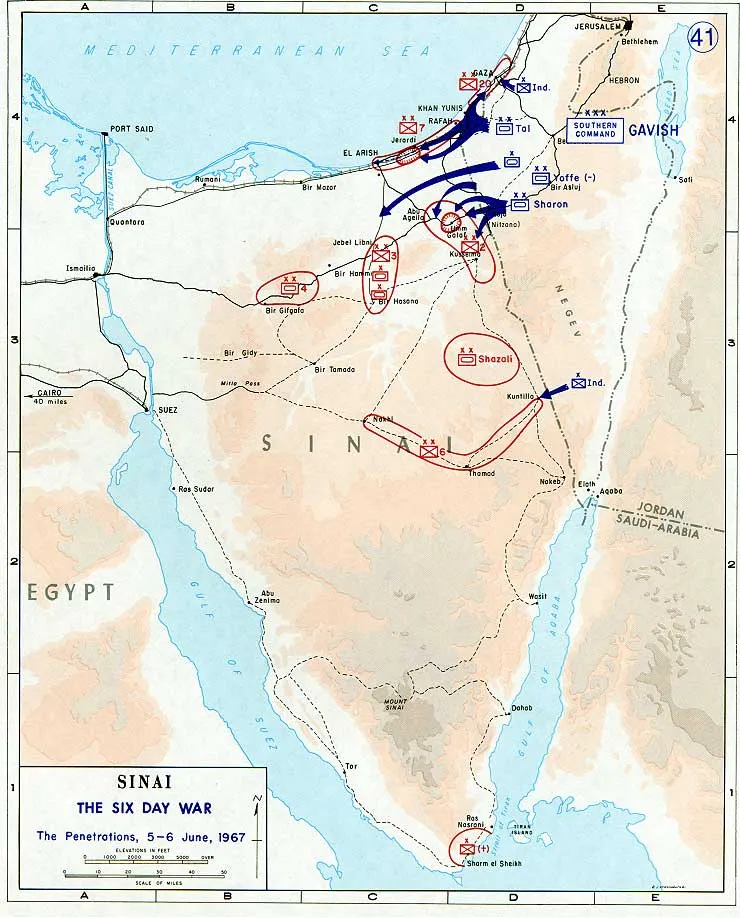
In May 1967 tension between Israel and its Arab neighbours rose sharply. Egypt’s president, Gamal Abdel Nasser, moved troops into the Sinai Peninsula, asked the United Nations peacekeepers there to leave and closed the Straits of Tiran to Israeli shipping. Jordan and Syria lined up beside Egypt, and Israel, fearing an attack on several fronts at once, decided to strike first.
Early on the morning of 5 June Israeli jets swept in low over the Mediterranean and destroyed most of Egypt’s air force on the ground, then turned on the air forces of Jordan and Syria. With control of the skies, Israel’s army pushed across Sinai to the Suez Canal. By the ceasefire on 10 June it held Sinai, the Gaza Strip, the West Bank including East Jerusalem, and the Golan Heights, and the map of the region had changed for decades to come.
Read the full storyHistory & Timeline →Source: Britannica: Six-Day War ↗
1849Denmark’s king signs away absolute rule
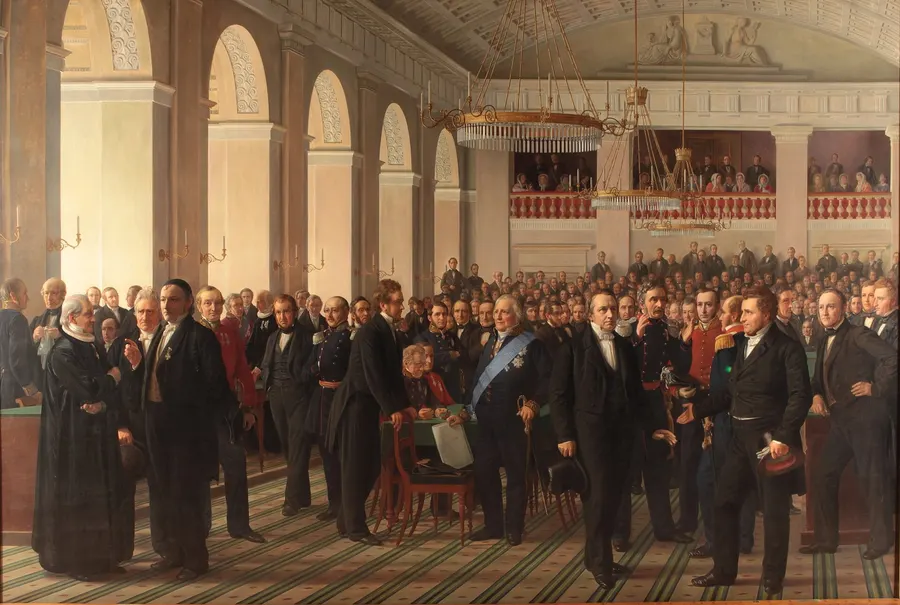
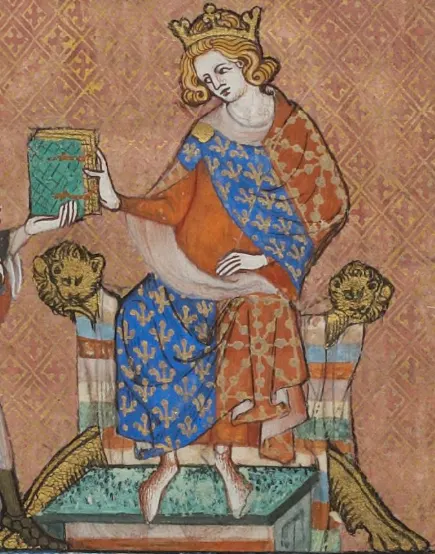
For almost two centuries Denmark’s kings had ruled with absolute power. When Christian VIII died in January 1848, with revolutions breaking out across Europe, Copenhagen’s national liberals pressed his son, Frederik VII, for a free constitution. The new king gave way, appointed a government that included liberal leaders and called an assembly to draw one up.
On 5 June 1849 Frederik VII signed Denmark’s first constitution, the Grundlov. It ended absolute monarchy, guaranteed freedoms such as those of the press and of religion, and set up a parliament of two chambers, the Folketing and the Landsting, to share power with the king and his ministers. The constitution has been revised since, notably in 1915, when women won the vote, and Danes still mark 5 June as Constitution Day.
Read the full storyHistory & Timeline →Source: National Museum of Denmark: The nation state 1848-1915 ↗
1916The Arab Revolt against the Ottomans begins
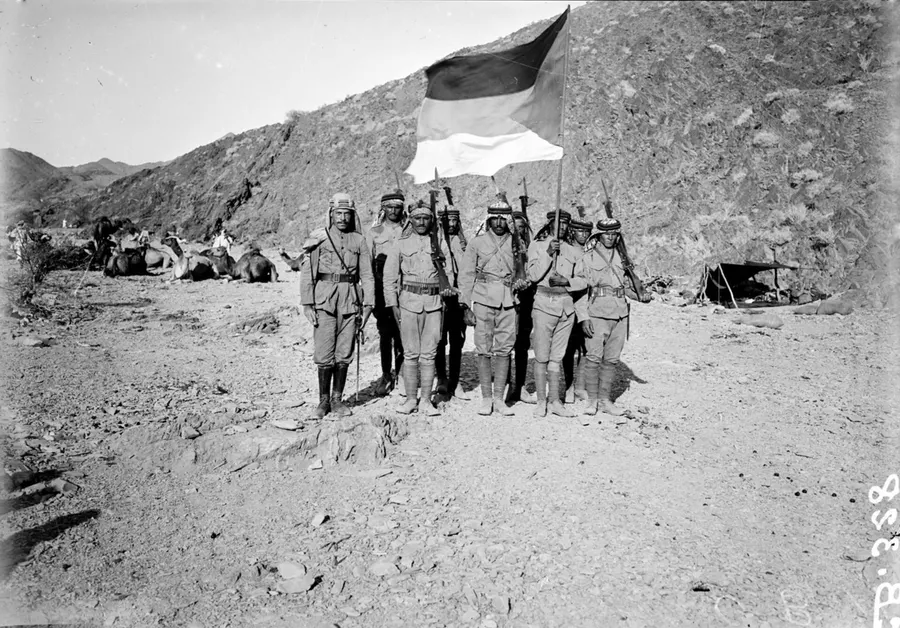
When the First World War broke out, the holy cities of Mecca and Medina lay within the Ottoman Empire, which had joined Germany’s side. Hussein ibn Ali, the Sharif of Mecca, had his own ambitions for Arab independence, and in a long exchange of letters with Sir Henry McMahon, Britain’s high commissioner in Egypt, he sought British backing for an Arab state in return for rising against the Ottomans.
On 5 June 1916 Hussein’s sons Ali and Faisal opened the revolt by attacking the Ottoman garrison at Medina, which beat them back and held out until after the war. Many histories date the start to 10 June, when Hussein’s men attacked the garrison in Mecca, which soon fell. With British money, arms and advisers, among them T. E. Lawrence, the revolt spread north through Arabia towards Damascus.
Read the full storyHistory & Timeline →Source: Britannica: Arab Revolt ↗
1959Singapore swears in its first elected government
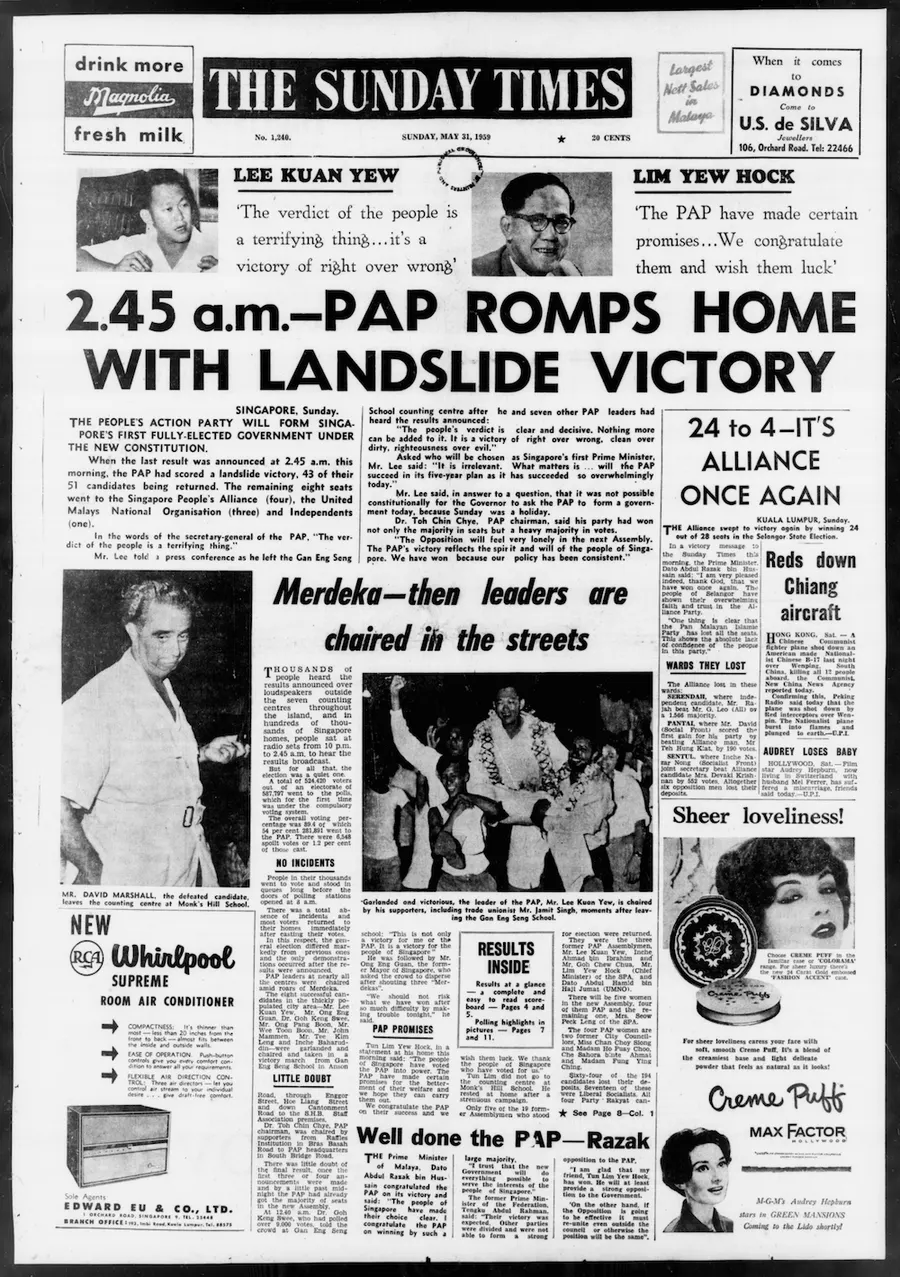
Under a new constitution agreed with Britain, Singapore was to govern its own internal affairs, leaving defence and foreign policy to London. The first general election for a fully elected Legislative Assembly was held on 30 May 1959, and the People’s Action Party, led by a 35-year-old lawyer, Lee Kuan Yew, won a landslide.
On 5 June 1959 Lee and his nine-member cabinet were sworn in at a closed ceremony in City Hall by Sir William Goode, the last British governor, who now became head of state. The date marks the start of self-government in Singapore. Lee went on to lead the island through its short union with Malaysia and into full independence in 1965, and remained prime minister until 1990.
Read the full storyHistory & Timeline →Source: National Library Board Singapore: The first Cabinet is sworn in ↗
1981A short medical report gives the first warning of AIDS
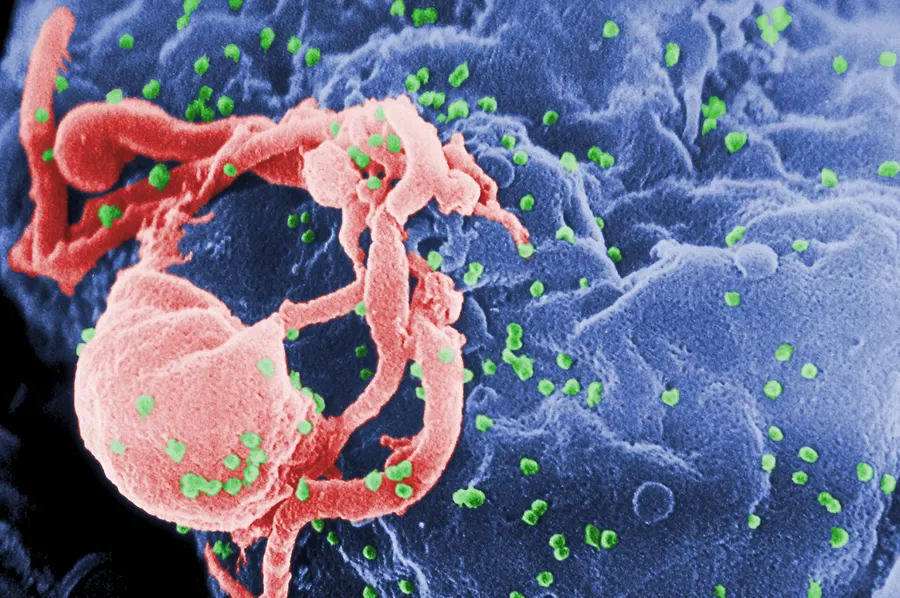
Between October 1980 and May 1981, doctors at three Los Angeles hospitals treated five young gay men who were suffering from a rare lung infection, Pneumocystis pneumonia, along with other unusual infections. The illness was normally seen only in people whose immune systems had been badly weakened, and none of the five had any known reason to be so vulnerable.
On 5 June 1981 the US Centers for Disease Control published their cases in its weekly bulletin, the Morbidity and Mortality Weekly Report. It was the first published account of the disease later named AIDS, caused by the human immunodeficiency virus, HIV. Within weeks more cases were being reported from New York and California, and the report came to mark the beginning of a pandemic that has since claimed tens of millions of lives.
Read the full storyHistory & Timeline →Source: US Centers for Disease Control and Prevention: First report of AIDS ↗