68Nero dies, and the dynasty of Augustus dies with him
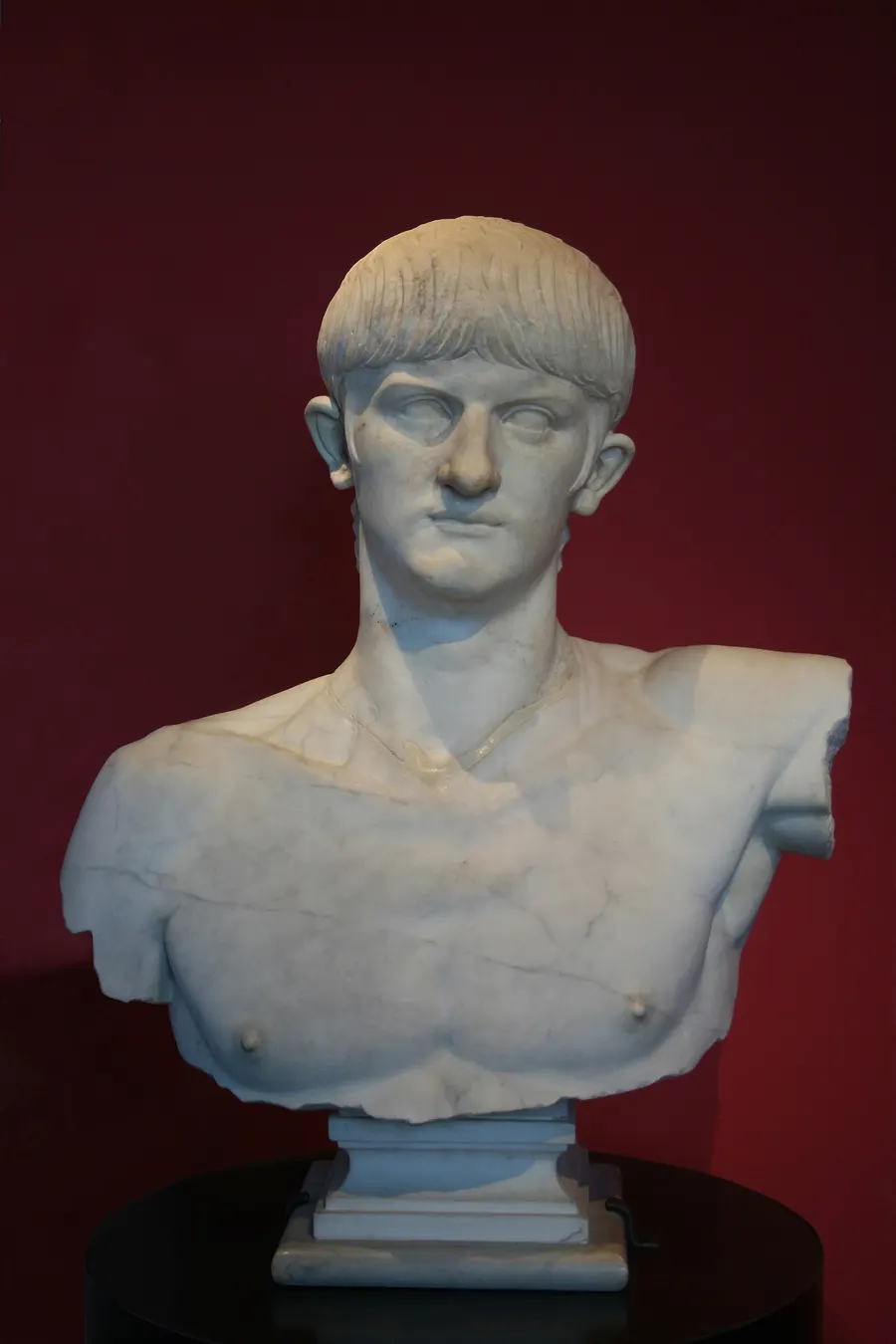
Nero became Roman emperor in 54 at the age of sixteen. His early reign was steered by his tutor Seneca and the prefect Burrus, but in later years he grew ever more suspicious and extravagant, had his own mother killed, and spent heavily on building and on his passion for performing as a singer and charioteer. By 68 revolt had broken out in Gaul under Vindex, and the governor of Spain, Galba, was declared emperor by his troops.
In Rome the praetorian prefect Nymphidius Sabinus persuaded the imperial guard to abandon Nero in return for a large reward, and the Senate turned against him. Nero fled the city to a villa outside Rome, and there, on 9 June 68, he took his own life, aged 30. He was the last emperor of the Julio-Claudian family that had ruled since Augustus, and his death opened a year of civil war in which four men held the throne in turn.
Read the full storyHistory & Timeline →Source: Britannica: Nero ↗
1815The Congress of Vienna signs its Final Act
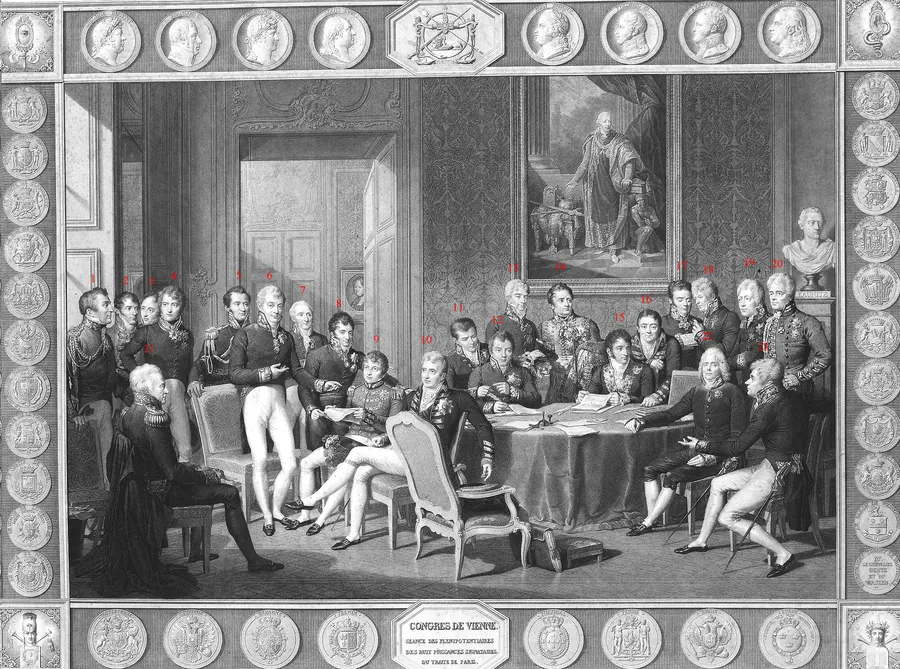
After Napoleon’s first abdication in 1814, the powers that had defeated him gathered in Vienna to redraw the map of Europe. The Congress opened in September 1814, hosted by the Austrian foreign minister Metternich, and for months diplomats bargained over Poland, Saxony, Italy and the German lands between balls and banquets. Napoleon’s escape from Elba in March 1815 only hurried their work along.
On 9 June 1815, nine days before Waterloo, the Final Act was signed. It gathered the many separate agreements into one settlement, signed by Austria, France, Great Britain, Portugal, Prussia, Russia and Sweden; Spain refused, in protest at the arrangements in Italy. It created a loose German Confederation, joined Belgium to the Netherlands and aimed at a balance of power in which no single state could dominate. The borders it drew held, with few changes, for some forty years.
Read the full storyHistory & Timeline →Source: Britannica: Congress of Vienna ↗
1885China gives up its claim over Vietnam to France
For centuries the rulers of Vietnam had acknowledged China’s emperor as their overlord. In the 1880s France set out to make northern Vietnam, known to Europeans as Tonkin, its own protectorate, and China sent troops to resist. The undeclared Sino-French War that followed was fought on land along the Vietnamese border and at sea off the Chinese coast, where a French squadron destroyed much of China’s Fujian fleet in 1884.
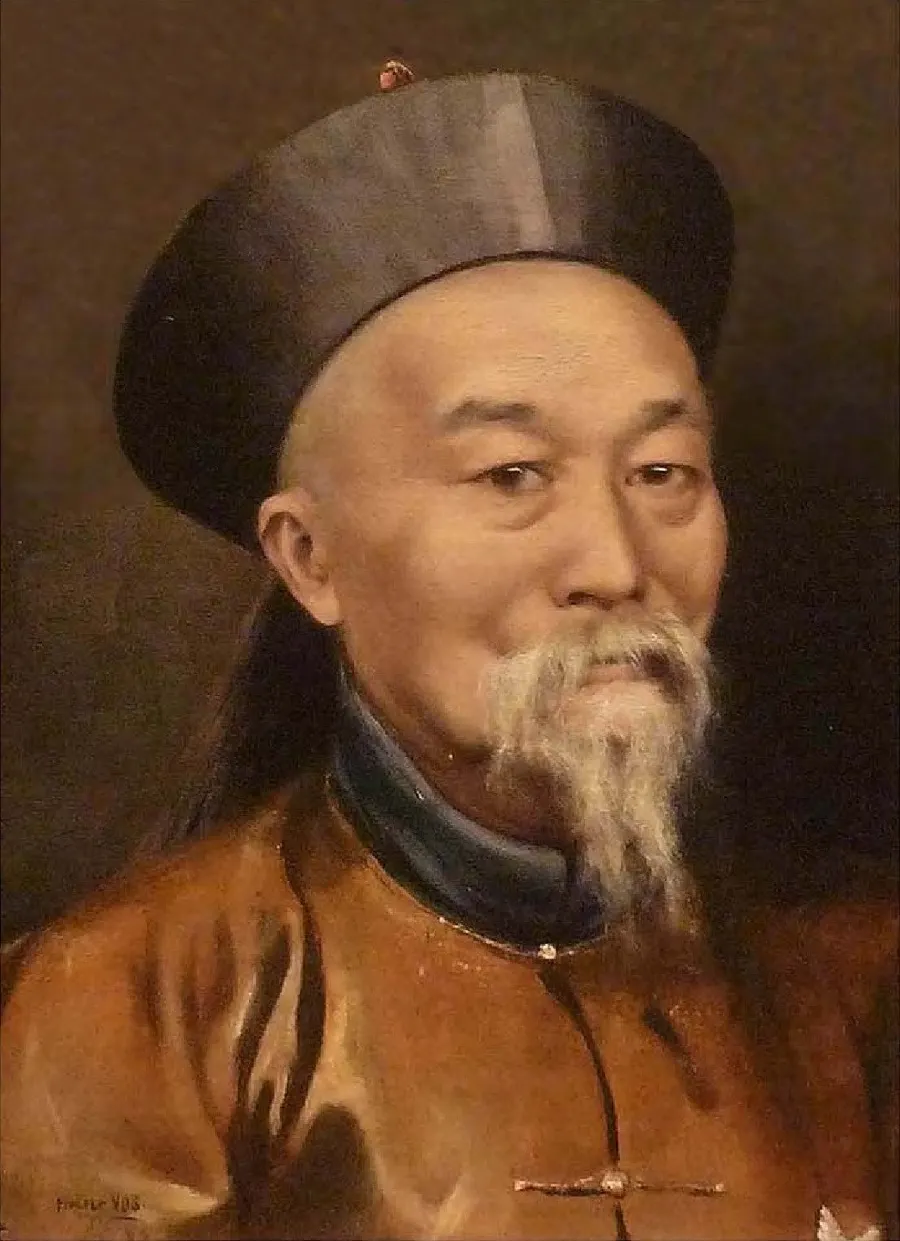
The fighting was far from one-sided: a Chinese victory at Lang Son in March 1885 brought down the French government. But China’s leaders, with the statesman Li Hongzhang as their negotiator, chose to settle. The Treaty of Tianjin, signed on 9 June 1885, ended the war and recognised French control of Vietnam. It was another step in the loss of China’s old sphere of influence, and Vietnam became part of French Indochina.
Read the full storyHistory & Timeline →Source: Britannica: Sino-French War ↗
1898Britain leases Hong Kong’s New Territories for 99 years
By the late 1890s the European powers were scrambling for footholds in a weakened Qing China, seizing ports and demanding concessions. Britain already held Hong Kong Island and the tip of the Kowloon peninsula, and its military men argued that the colony could not be defended without the hills and islands around it. In Peking, British diplomats pressed the Qing government for more land.
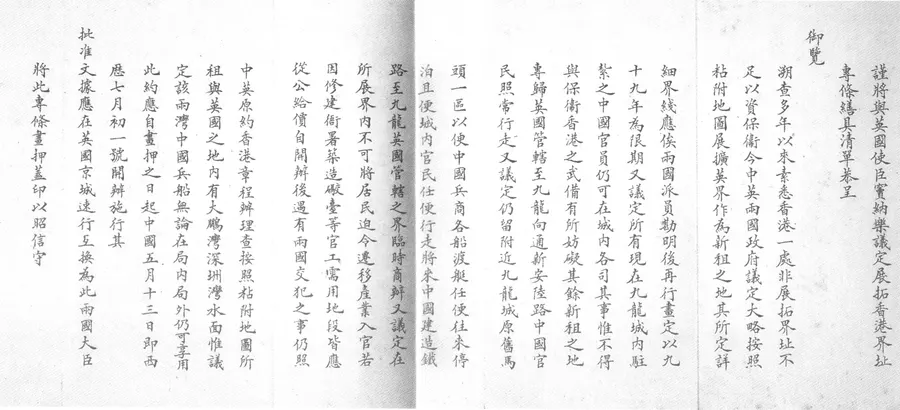
On 9 June 1898 the two governments signed the Convention for the Extension of Hong Kong Territory. It leased to Britain the land north of Boundary Street in Kowloon up to the Shenzhen River, together with more than 200 islands, for 99 years, ending on 30 June 1997. The area became known as the New Territories. Because the lease had a fixed end, it set the clock that led to talks in the 1980s and to the return of all of Hong Kong to China in 1997.
Read the full storyHistory & Timeline →Source: Hong Kong Yearbook 2002 (HKSAR Government): Lease of the New Territories ↗
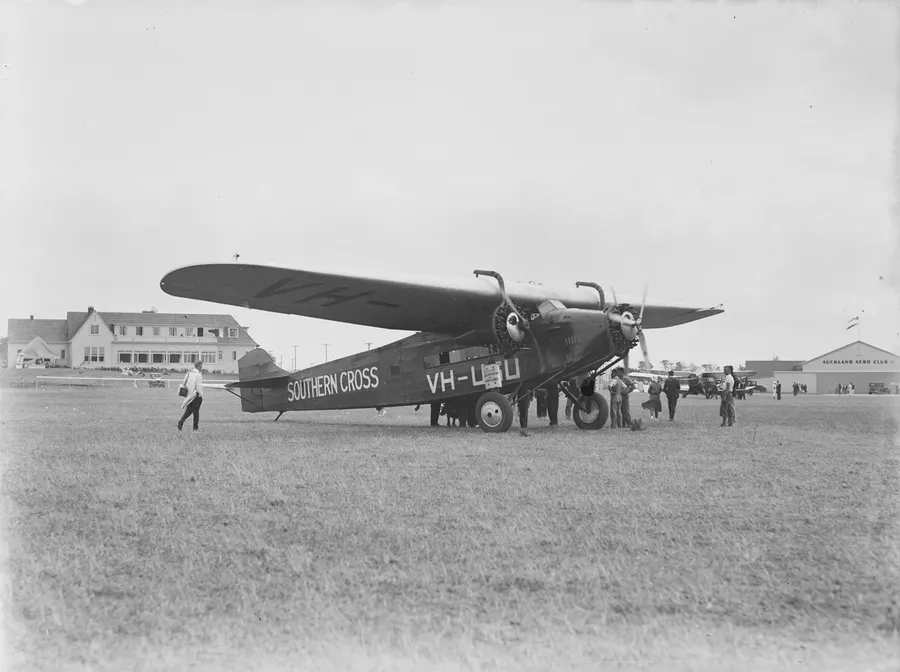
1928The Southern Cross lands in Brisbane after crossing the Pacific
In 1928 the Australian airmen Charles Kingsford Smith and Charles Ulm set out to do what no one had yet done: fly across the Pacific Ocean. With two Americans, navigator Harry Lyon and radio operator James Warner, they took off from Oakland, California, on 31 May in a three-engined Fokker monoplane they had named the Southern Cross.
They flew in three stages, stopping in Hawaii and at Suva in Fiji, often through storms and with only the stars and dead reckoning to find tiny islands in the ocean. On 9 June 1928 they landed at Eagle Farm aerodrome in Brisbane, where a vast crowd was waiting. The 11,585-kilometre journey had taken 83 hours and 38 minutes in the air. The flight made Kingsford Smith a national hero and showed that long ocean crossings by air were possible.
Read the full storyHistory & Timeline →Source: National Museum of Australia: Charles Kingsford Smith crosses the Pacific ↗