
HISTORY & TIMELINE
9 June

A journey through
9 June in history

The story of 9 June runs from the death of the emperor Nero outside Rome in AD 68 to Israeli troops storming the Golan Heights in 1967. In between come a city’s procession for a great altarpiece, a burning schooner in Rhode Island, the largest cavalry battle in North America, a peace that handed Vietnam to France, a 99-year lease on Hong Kong’s New Territories and a bad-tempered cartoon duck.

I
EARLIEST RECORDS

Ancient & Early History

The earliest worthwhile records and events connected with this date.

68
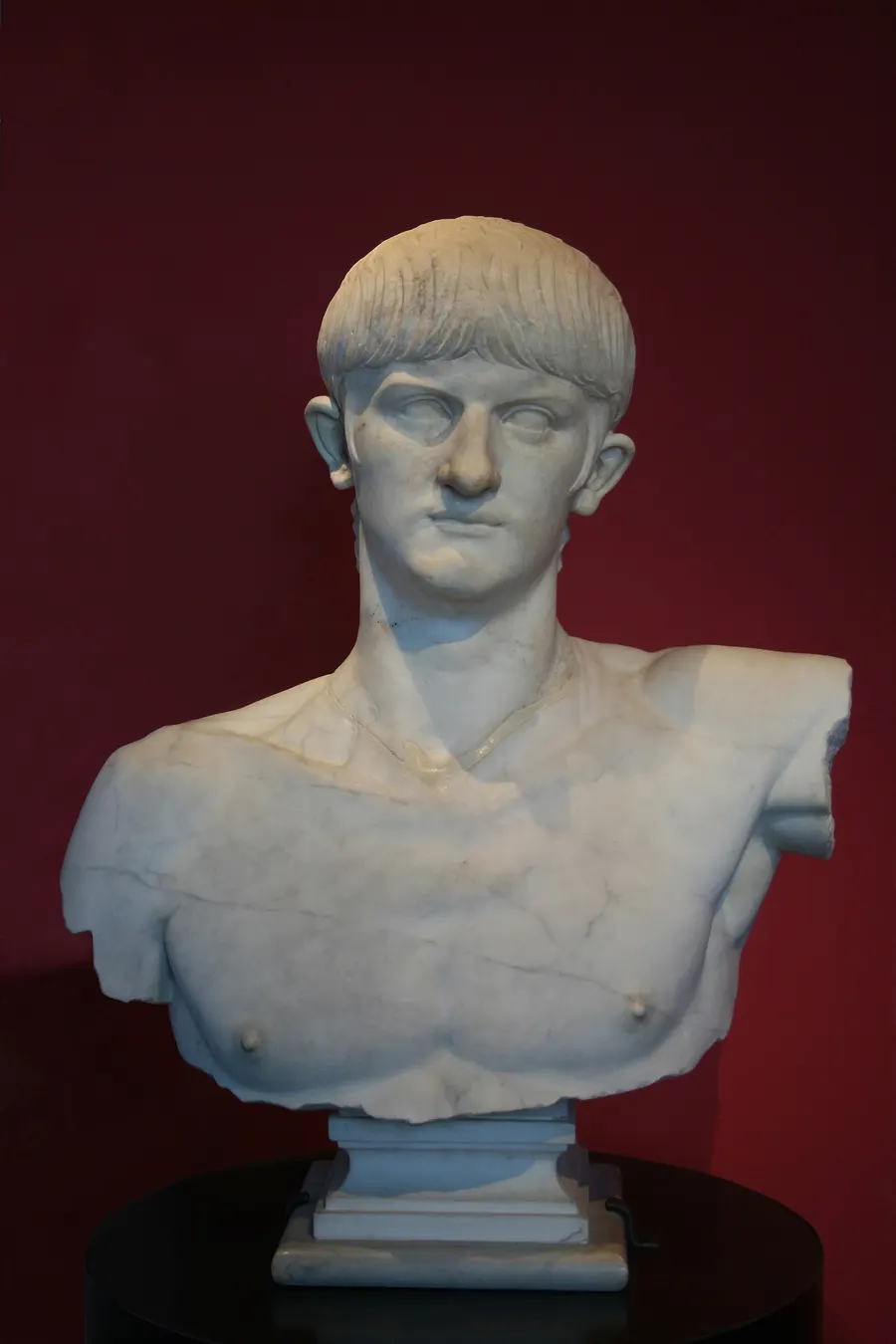
A marble bust of Nero, shown in an exhibition at the Colosseum in RomeA marble bust of Nero, shown in an exhibition at the Colosseum in RomeImage: Unknown artist · CC BY-SA 3.0
politics · Europe

Nero dies, and the dynasty of Augustus dies with him

Nero became Roman emperor in 54 at the age of sixteen. His early reign was steered by his tutor Seneca and the prefect Burrus, but in later years he grew ever more suspicious and extravagant, had his own mother killed, and spent heavily on building and on his passion for performing as a singer and charioteer. By 68 revolt had broken out in Gaul under Vindex, and the governor of Spain, Galba, was declared emperor by his troops. In Rome the praetorian prefect Nymphidius Sabinus persuaded the imperial guard to abandon Nero in return for a large reward, and the Senate turned against him. Nero fled the city to a villa outside Rome, and there, on 9 June 68, he took his own life, aged 30. He was the last emperor of the Julio-Claudian family that had ruled since Augustus, and his death opened a year of civil war in which four men held the throne in turn.

Source: Britannica: Nero ↗
II
THE MIDDLE AGES

Medieval History

Kingdoms, conflict, faith, power and the changing medieval world.

1311
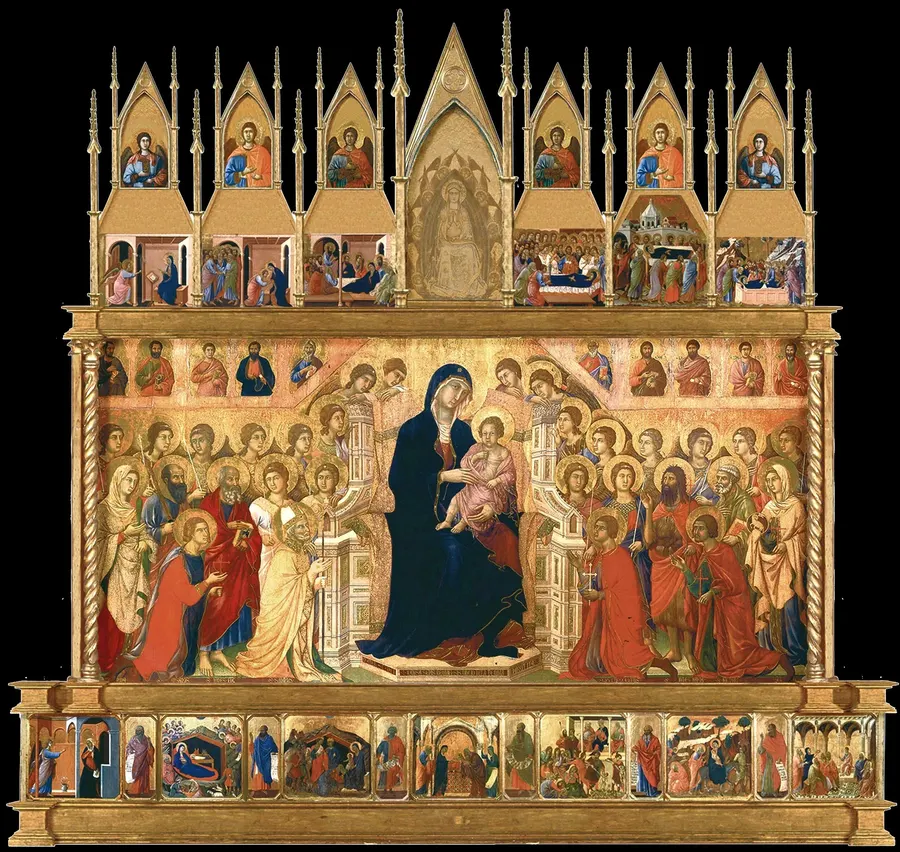
The front of Duccio's Maestà, with the Virgin and Child enthroned among saints and angels, now in the cathedral museum in SienaThe front of Duccio’s Maestà, with the Virgin and Child enthroned among saints and angels, now in the cathedral museum in SienaImage: Duccio di Buoninsegna · Public domain
culture · Europe

Siena carries Duccio’s Maestà to its cathedral

In 1308 the city of Siena commissioned its leading painter, Duccio di Buoninsegna, to make a new high altarpiece for the cathedral. The result was enormous and painted on both sides. The front showed the Virgin Mary enthroned in majesty (maestà) with the Christ Child, surrounded by saints and angels; the back told the story of Christ’s Passion in dozens of small, lively scenes set in gold. When it was finished, on 9 June 1311, the people of Siena, led by their bishop, clergy and city officials, carried it in a solemn procession from Duccio’s workshop through the city to the cathedral, with drums, trumpets and candles, and alms were given to the poor. Centuries later the altarpiece was taken down and cut apart. Most of it is now in the cathedral museum in Siena, while a few panels are in London and other collections.

Source: Britannica: Maestà (altarpiece by Duccio) ↗
III
A CHANGING WORLD

Early Modern Era

Exploration, political change, scientific development and expanding global connections.

1772
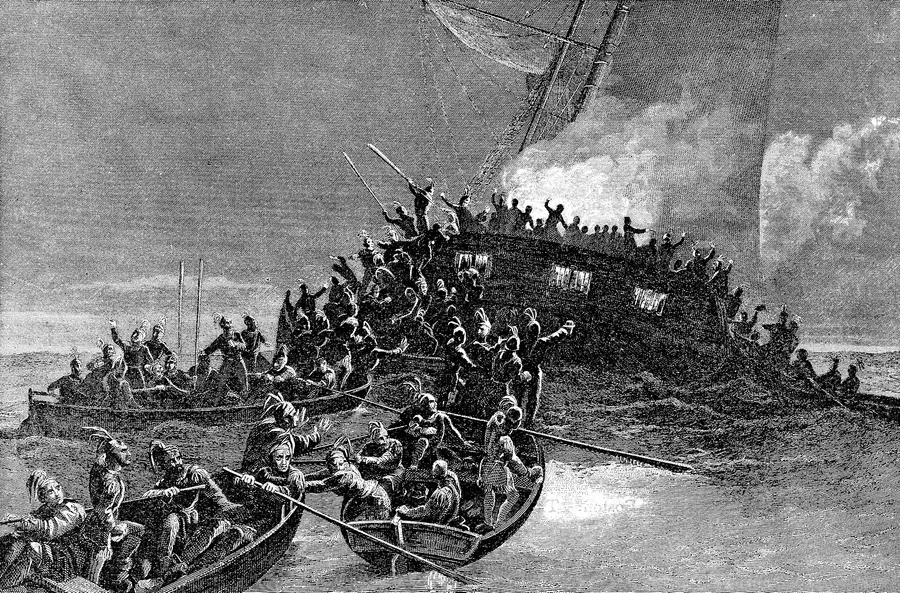
The destruction of the schooner Gaspee in Narragansett Bay, a 19th-century engravingThe destruction of the schooner Gaspee in Narragansett Bay, a 19th-century engravingImage: Welcome Arnold Greene · Public domain
politics · Americas

Rhode Islanders board and burn the customs schooner Gaspee

The British schooner Gaspee was hated in Rhode Island for its zeal in stopping smugglers. On 9 June 1772, chasing a trading vessel, it ran aground in Narragansett Bay below Providence. That night the merchant John Brown led eight boatloads of armed men out to it; they overpowered the crew, wounded its commander and set the ship on fire in the early hours of 10 June. Despite a royal inquiry, no one was ever punished.

Source: Britannica: Burning of the Gaspee ↗
IV
THE NINETEENTH CENTURY

The 1800s

Industry, empire, invention, reform and a century of enormous transformation.

1815
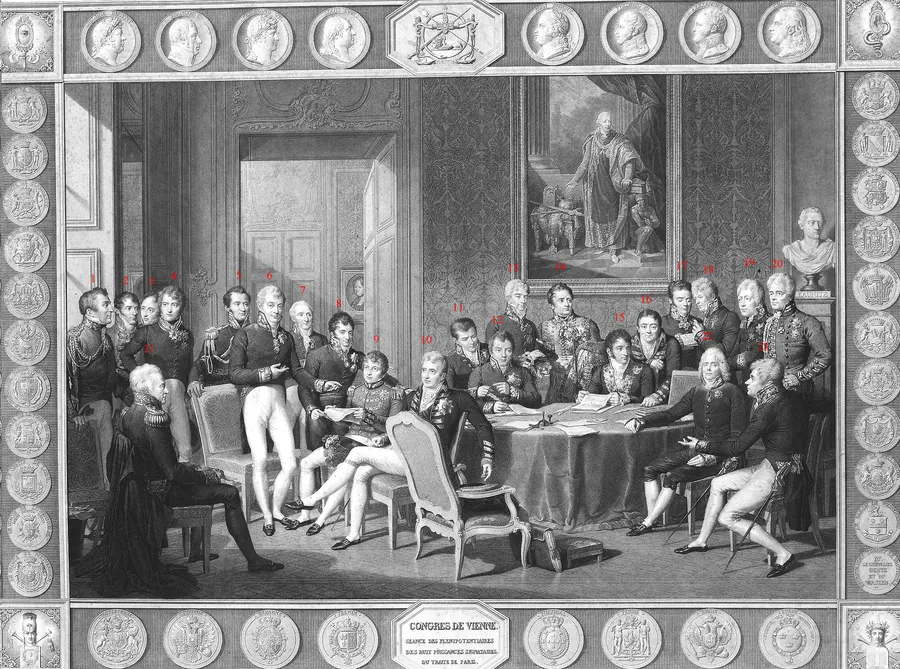
The delegates of the Congress of Vienna in conference, an engraving after the drawing by Jean-Baptiste IsabeyThe delegates of the Congress of Vienna in conference, an engraving after the drawing by Jean-Baptiste IsabeyImage: After Jean-Baptiste Isabey · CC BY-SA 3.0
politics · Europe

The Congress of Vienna signs its Final Act

After Napoleon’s first abdication in 1814, the powers that had defeated him gathered in Vienna to redraw the map of Europe. The Congress opened in September 1814, hosted by the Austrian foreign minister Metternich, and for months diplomats bargained over Poland, Saxony, Italy and the German lands between balls and banquets. Napoleon’s escape from Elba in March 1815 only hurried their work along. On 9 June 1815, nine days before Waterloo, the Final Act was signed. It gathered the many separate agreements into one settlement, signed by Austria, France, Great Britain, Portugal, Prussia, Russia and Sweden; Spain refused, in protest at the arrangements in Italy. It created a loose German Confederation, joined Belgium to the Netherlands and aimed at a balance of power in which no single state could dominate. The borders it drew held, with few changes, for some forty years.

Source: Britannica: Congress of Vienna ↗
1863
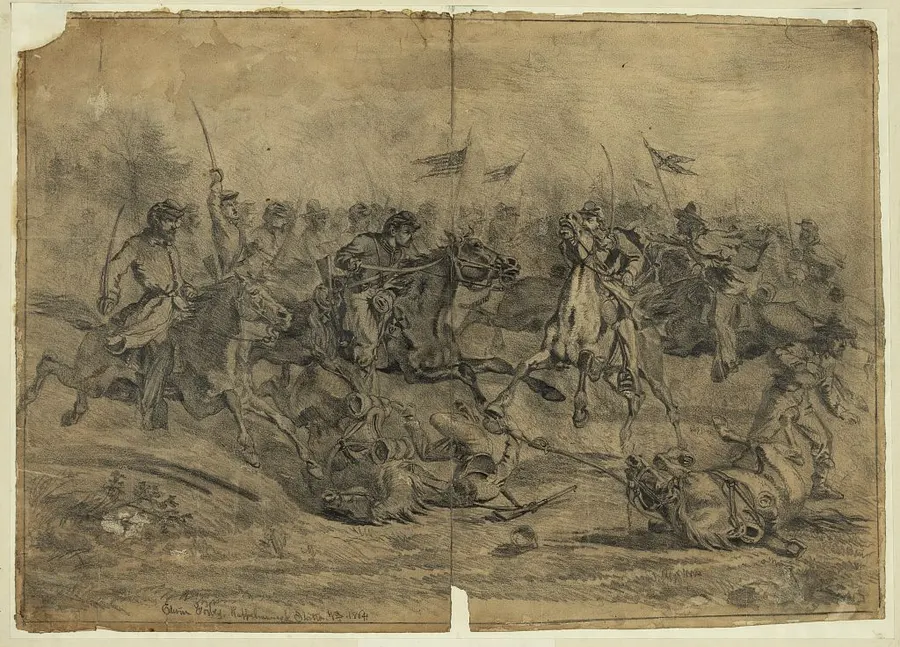
Cavalry charge near Brandy Station, a sketch by the war artist Edwin ForbesCavalry charge near Brandy Station, a sketch by the war artist Edwin ForbesImage: Edwin Forbes · Public domain
world · Americas

The largest cavalry battle in North America is fought at Brandy Station

Early on 9 June 1863 Union cavalry under Alfred Pleasonton crossed the Rappahannock River in Virginia to strike J.E.B. Stuart’s Confederate horsemen, gathered near Brandy Station for Lee’s march north. Around 20,000 troops fought all day, much of it in mounted charges around Fleetwood Hill. After some fourteen hours Pleasonton withdrew, but the Union cavalry had shown it could match Stuart’s men. Weeks later came Gettysburg.

Source: American Battlefield Trust: Brandy Station ↗
1885
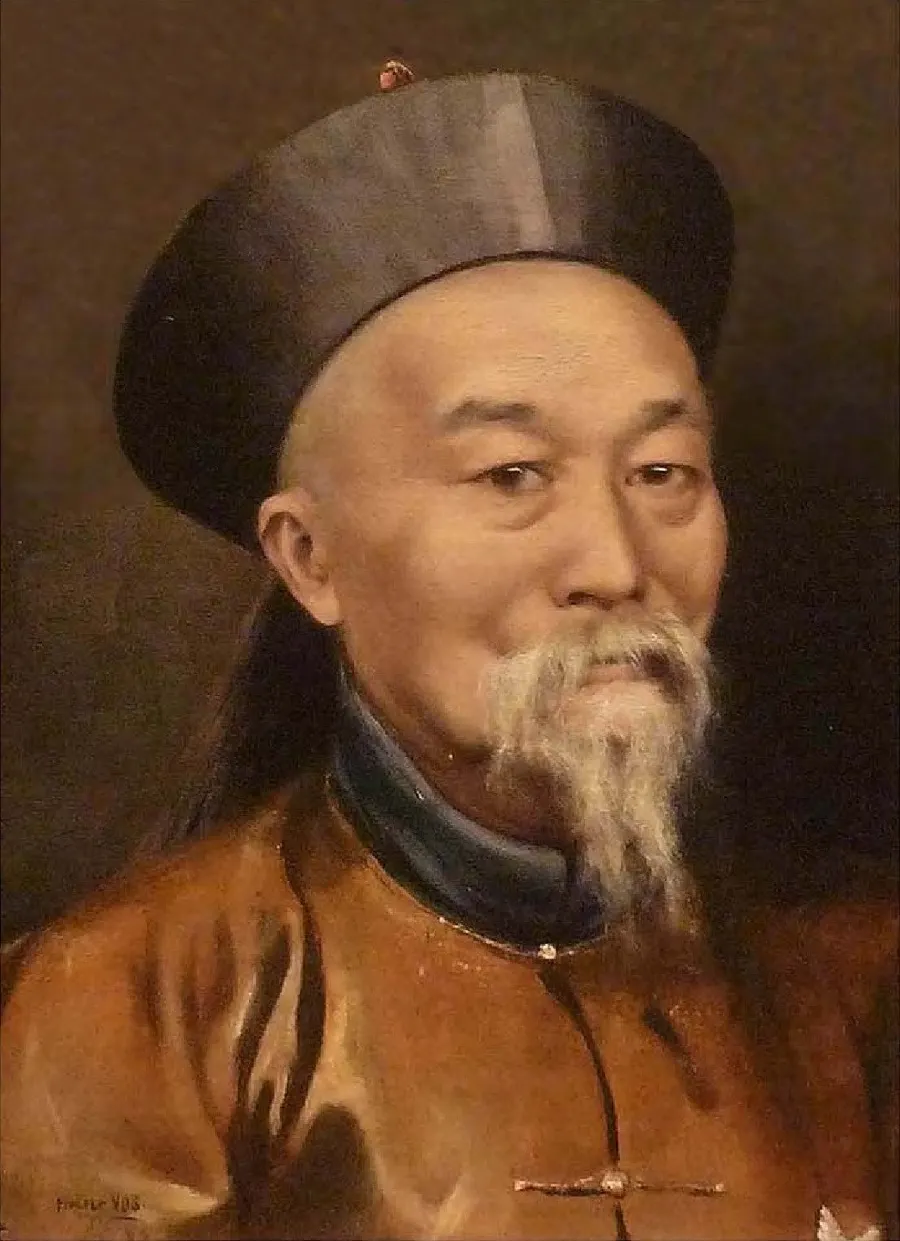
Li Hongzhang, the Chinese statesman who negotiated the peace with France, painted by Hubert VosLi Hongzhang, the Chinese statesman who negotiated the peace with France, painted by Hubert VosImage: Hubert Vos · Public domain
politics · Asia

China gives up its claim over Vietnam to France

For centuries the rulers of Vietnam had acknowledged China’s emperor as their overlord. In the 1880s France set out to make northern Vietnam, known to Europeans as Tonkin, its own protectorate, and China sent troops to resist. The undeclared Sino-French War that followed was fought on land along the Vietnamese border and at sea off the Chinese coast, where a French squadron destroyed much of China’s Fujian fleet in 1884. The fighting was far from one-sided: a Chinese victory at Lang Son in March 1885 brought down the French government. But China’s leaders, with the statesman Li Hongzhang as their negotiator, chose to settle. The Treaty of Tianjin, signed on 9 June 1885, ended the war and recognised French control of Vietnam. It was another step in the loss of China’s old sphere of influence, and Vietnam became part of French Indochina.

Source: Britannica: Sino-French War ↗
1898
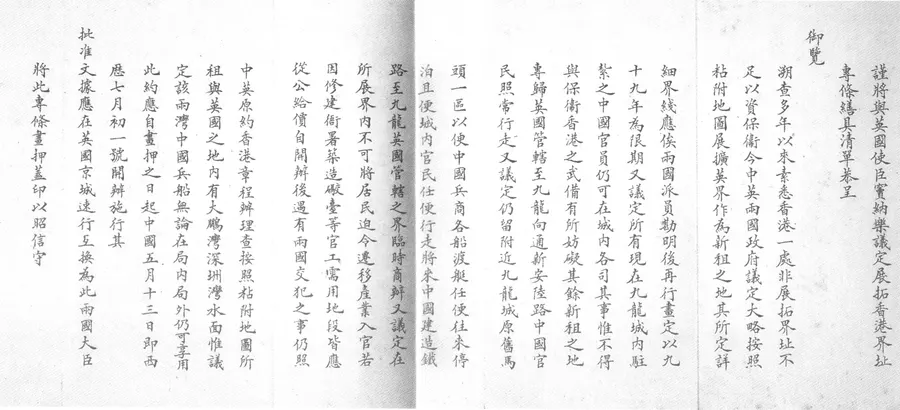
The Chinese text of the 1898 Convention for the Extension of Hong Kong TerritoryThe Chinese text of the 1898 Convention for the Extension of Hong Kong TerritoryImage: Qing government of China · Public domain
politics · Asia

Britain leases Hong Kong’s New Territories for 99 years

By the late 1890s the European powers were scrambling for footholds in a weakened Qing China, seizing ports and demanding concessions. Britain already held Hong Kong Island and the tip of the Kowloon peninsula, and its military men argued that the colony could not be defended without the hills and islands around it. In Peking, British diplomats pressed the Qing government for more land. On 9 June 1898 the two governments signed the Convention for the Extension of Hong Kong Territory. It leased to Britain the land north of Boundary Street in Kowloon up to the Shenzhen River, together with more than 200 islands, for 99 years, ending on 30 June 1997. The area became known as the New Territories. Because the lease had a fixed end, it set the clock that led to talks in the 1980s and to the return of all of Hong Kong to China in 1997.

Source: Hong Kong Yearbook 2002 (HKSAR Government): Lease of the New Territories ↗
V
THE TWENTIETH CENTURY

The 1900s

War and peace, technological leaps, social change, politics, sport and popular culture.

1928
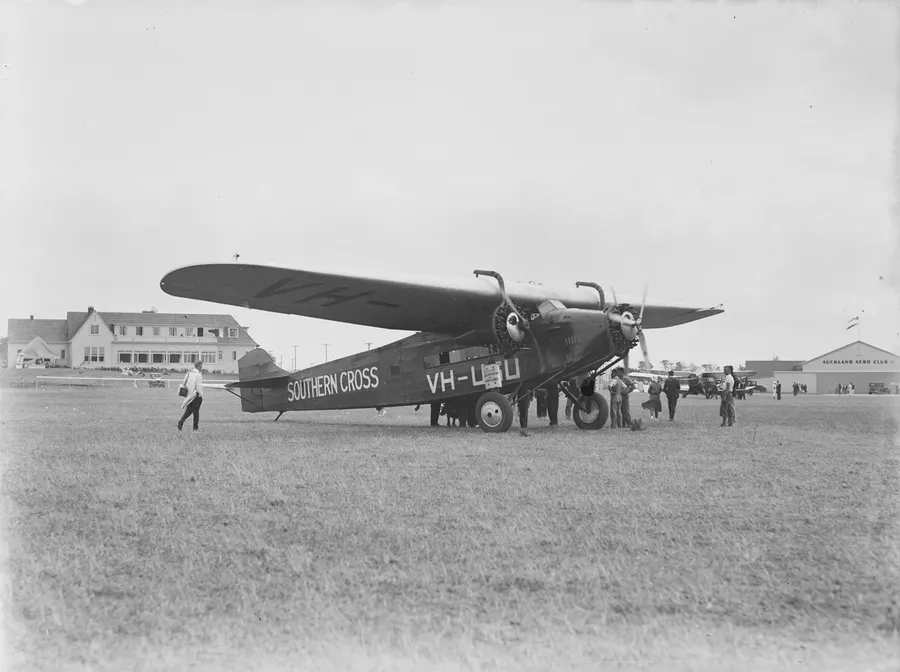
The Southern Cross (VH-USU), the Fokker trimotor in which Kingsford Smith's crew flew the Pacific, with onlookers at an airfieldThe Southern Cross (VH-USU), the Fokker trimotor in which Kingsford Smith’s crew flew the Pacific, with onlookers at an airfieldImage: Collins, Tudor Washington, 1898-1970, photographer · CC BY 4.0
world · Oceania

The Southern Cross lands in Brisbane after crossing the Pacific

In 1928 the Australian airmen Charles Kingsford Smith and Charles Ulm set out to do what no one had yet done: fly across the Pacific Ocean. With two Americans, navigator Harry Lyon and radio operator James Warner, they took off from Oakland, California, on 31 May in a three-engined Fokker monoplane they had named the Southern Cross. They flew in three stages, stopping in Hawaii and at Suva in Fiji, often through storms and with only the stars and dead reckoning to find tiny islands in the ocean. On 9 June 1928 they landed at Eagle Farm aerodrome in Brisbane, where a vast crowd was waiting. The 11,585-kilometre journey had taken 83 hours and 38 minutes in the air. The flight made Kingsford Smith a national hero and showed that long ocean crossings by air were possible.

Source: National Museum of Australia: Charles Kingsford Smith crosses the Pacific ↗
1934
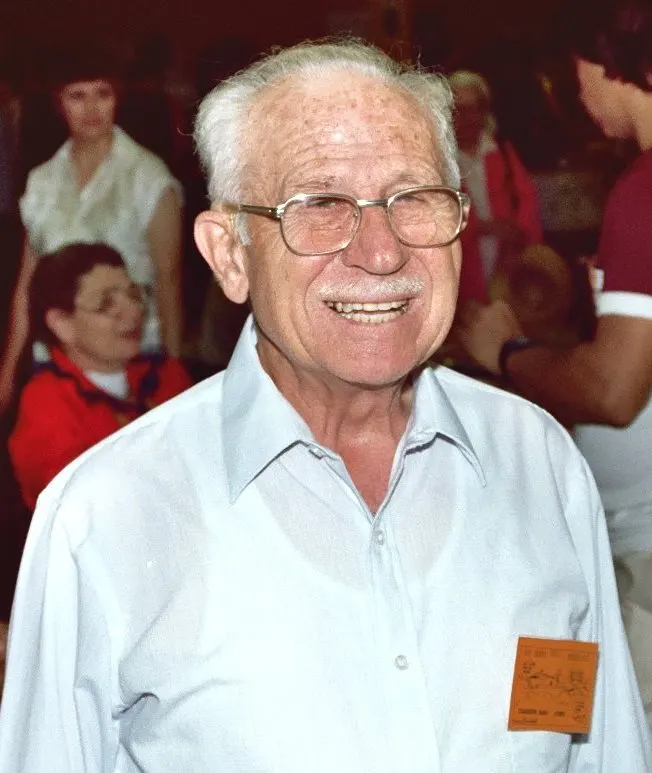
Clarence 'Ducky' Nash, the voice of Donald Duck, at San Diego Comic-Con in 1982Clarence ‘Ducky’ Nash, the voice of Donald Duck, at San Diego Comic-Con in 1982Image: Alan Light · CC BY 2.0
culture · Americas

Donald Duck makes his screen debut

Disney’s Silly Symphony cartoon The Wise Little Hen was released on 9 June 1934. In it a mother hen asks for help planting and harvesting her corn, and two idlers, Peter Pig and a sailor-suited duck called Donald, fake bellyaches to get out of the work, then miss out on the feast. Donald’s squawking voice came from Clarence ‘Ducky’ Nash, who went on voicing him for half a century, and the duck soon became one of Disney’s biggest stars.

Source: D23 (The Walt Disney Company): The Wise Little Hen ↗
1957
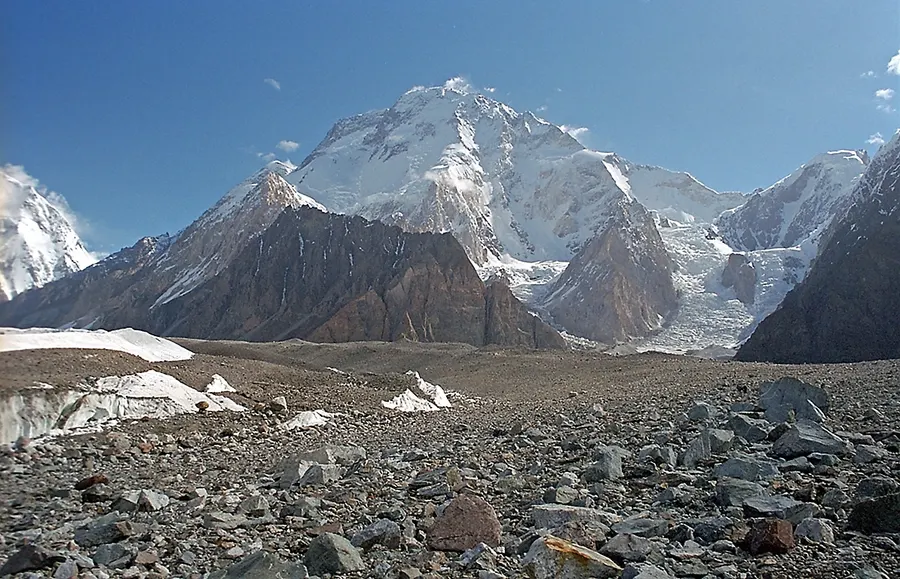
Broad Peak in the Karakoram, seen from ConcordiaBroad Peak in the Karakoram, seen from ConcordiaImage: Kogo · CC BY-SA 3.0
sport · Asia

Four Austrians make the first ascent of Broad Peak

Broad Peak rises to just over 8,000 metres in the Karakoram, close to K2 on the border of Pakistan and China, and is the twelfth-highest mountain in the world. In 1957 a small Austrian team of four climbers, led by Marcus Schmuck, with Fritz Wintersteller, Kurt Diemberger and Hermann Buhl, set out to climb it in a new way. They used no high-altitude porters and no bottled oxygen, carrying their own loads and moving light and fast. On 9 June 1957 all four reached the summit. It was an early landmark for the lightweight style that later transformed Himalayan climbing. Buhl, who had made the first ascent of Nanga Parbat in 1953, died a few weeks later when a snow cornice gave way beneath him on nearby Chogolisa.

Source: Himalayan Journal (The Himalayan Club): Broad Peak and Chogolisa, 1957 ↗
1959
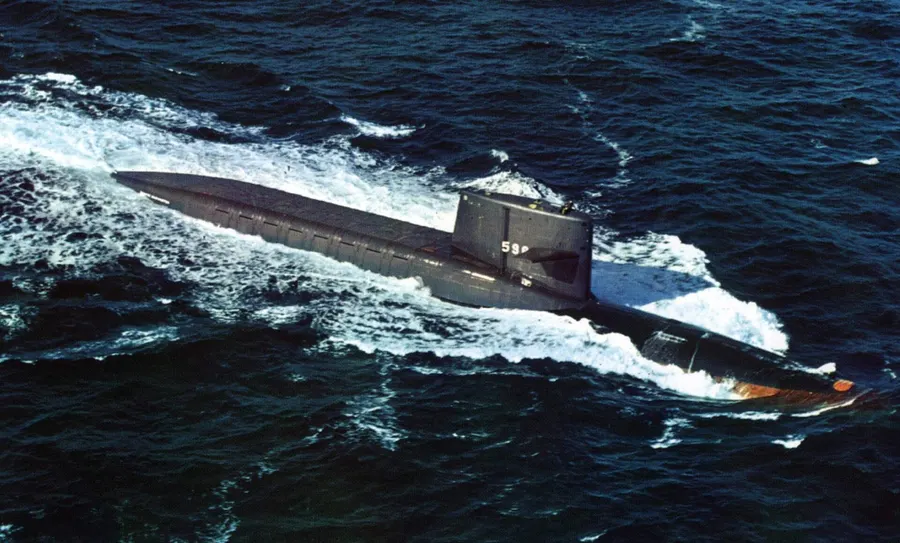
The ballistic missile submarine USS George Washington under way at sea, around the 1970sThe ballistic missile submarine USS George Washington under way at sea, around the 1970sImage: U.S. Navy · Public domain
world · Americas

The first ballistic missile submarine is launched

In the 1950s the United States Navy set out to put nuclear missiles on submarines that could hide beneath the sea for weeks at a time, out of reach of any surprise attack. The plan needed two new things at once: the Polaris missile, able to fly more than 1,000 miles, and a nuclear-powered submarine big enough to carry a battery of them and fire them from under water. The first such boat, USS George Washington, was launched on 9 June 1959 at the Electric Boat shipyard in Groton, Connecticut. She was commissioned at the end of that year, and on 20 July 1960 she made history by firing the first Polaris missile from a submerged submarine. Missile submarines like her became a central part of the nuclear deterrent. She was decommissioned in 1985, and her conning tower is kept at the Submarine Force Museum in Groton.

Source: Naval History and Heritage Command: George Washington III (SSBN-598) ↗
1967
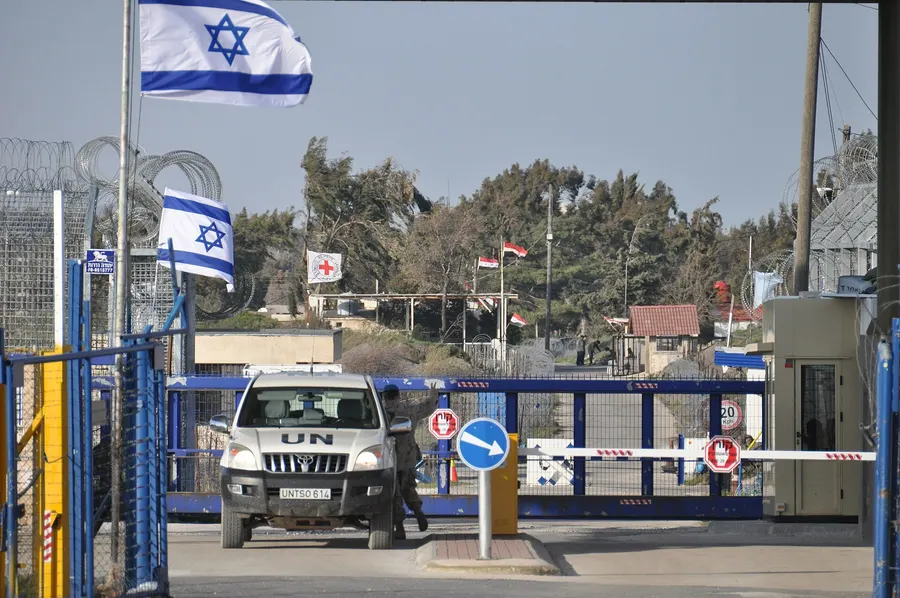
A UN-controlled crossing point on the Golan Heights, between Israeli-held and Syrian territoryA UN-controlled crossing point on the Golan Heights, between Israeli-held and Syrian territoryImage: Escla · CC BY-SA 3.0
world · Middle East

Israel storms the Golan Heights

By the end of 8 June 1967, fighting in the Six-Day War had stopped on the Egyptian and Jordanian fronts, but Syrian guns on the Golan Heights were still shelling villages in northern Israel. On 9 June Israel launched an assault on the fortified plateau and took it after a day of heavy fighting. Syria accepted a ceasefire on 10 June. Israel has held the Golan ever since, and its status remains disputed.

Source: Britannica: Six-Day War ↗
WHY THESE MOMENTS?

Significance before volume

This page is not the longest possible list of events. It is a chronological journey through 9 June, where each entry is chosen for historical significance, human interest and reliability.

Facts are checked against authoritative museums, archives, universities and reference works. Where sources disagree, the page says so.

EXPLORED THE DEEPER STORY?

Return to the highlights of 9 June

Discover the lighter side of the date with famous birthdays, culture, firsts and lives remembered.

Explore This Day →
← PREVIOUS DAY8 June
HISTORY & TIMELINE9 June
NEXT DAY →10 June