
HISTORY & TIMELINE
8 June

A journey through
8 June in history

The story of 8 June runs from a teenage pretender’s army routing the emperor Macrinus outside Antioch in 218 to a rare transit of Venus across the face of the Sun in 2004. In between come Richard the Lionheart landing at the siege of Acre, Robespierre’s Festival of the Supreme Being, the descendants of the Bounty mutineers stepping ashore on Norfolk Island, a law to protect America’s landmarks, the first flight of the X-15, the publication of Nineteen Eighty-Four and Cameroon’s shock win over the world champions.

I
EARLIEST RECORDS

Ancient & Early History

The earliest worthwhile records and events connected with this date.

218
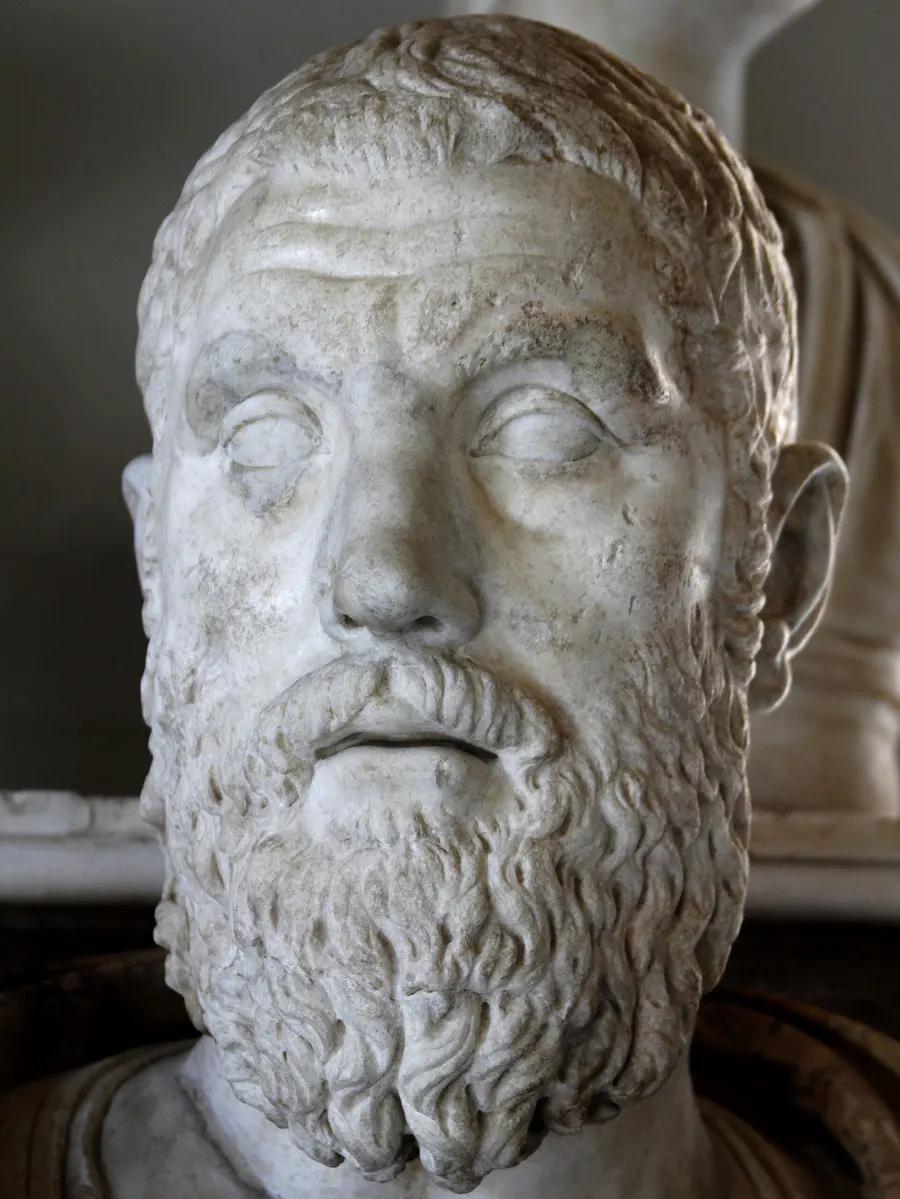
Marble bust of the emperor Macrinus in the Capitoline Museums, RomeMarble bust of the emperor Macrinus in the Capitoline Museums, RomeImage: José Luiz · CC BY-SA 4.0
world · Middle East

A teenage pretender’s army defeats the emperor Macrinus

Macrinus, commander of the Praetorian Guard, took the Roman throne in 217 after the murder of the emperor Caracalla. Caracalla’s aunt Julia Maesa hit back by presenting her 14-year-old grandson, a priest of the sun god Elagabal at Emesa in Syria, as Caracalla’s son, and won over the legions with money and promises. The two armies met at a village outside Antioch on 8 June 218. Macrinus was beaten, fled and was later caught and put to death, and the boy reigned as Elagabalus.

Source: De Imperatoribus Romanis (Loyola University Chicago): Macrinus ↗
II
THE MIDDLE AGES

Medieval History

Kingdoms, conflict, faith, power and the changing medieval world.

632
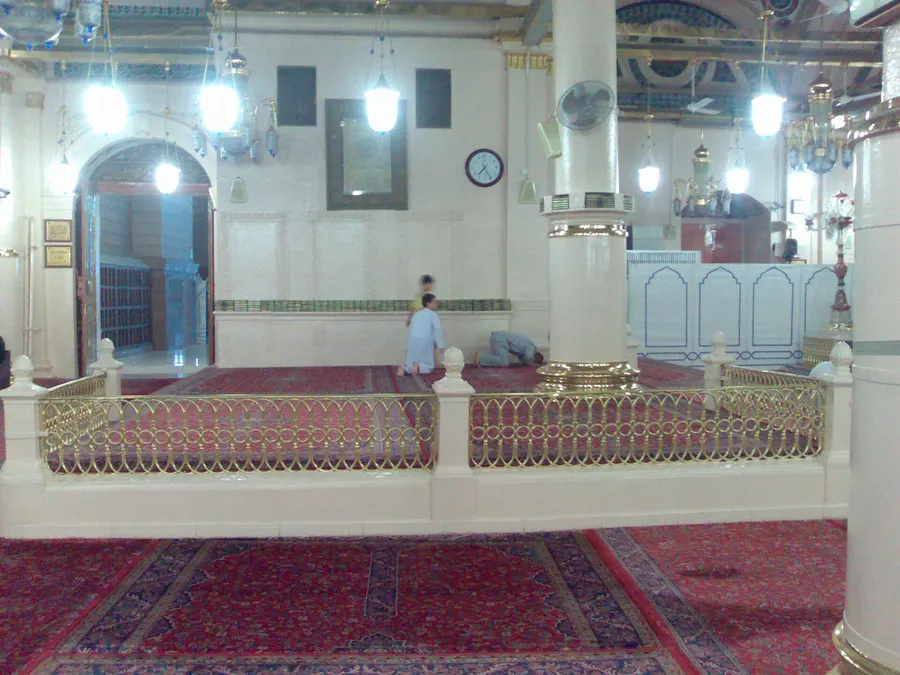
Inside al-Masjid an-Nabawi, the Prophet's Mosque in Medina, which grew up around Muhammad's house and tombInside al-Masjid an-Nabawi, the Prophet’s Mosque in Medina, which grew up around Muhammad’s house and tombImage: بلال الدويك · CC BY-SA 3.0
culture · Middle East

The Prophet Muhammad dies in Medina

Muhammad was born in Mecca around 570 and, according to Islamic tradition, began to receive the revelations later gathered in the Qur’an when he was about 40. Opposition in Mecca drove him and his followers to Medina in 622, the migration known as the Hijrah, from which the Islamic calendar is counted. Over the following decade he built a community there that came to dominate much of Arabia, and in 630 he returned to Mecca in triumph. Early in 632 he led what became known as the Farewell Pilgrimage to Mecca. Back in Medina he fell ill, and he died there on 8 June 632, by the usual reckoning, in the house of his wife Aisha. He was buried where he died, a spot now enclosed within the Prophet’s Mosque. His companion Abu Bakr was chosen to lead the community as the first caliph, and within a century Islam had spread from Spain to Central Asia.

Source: Britannica: Muhammad ↗
793
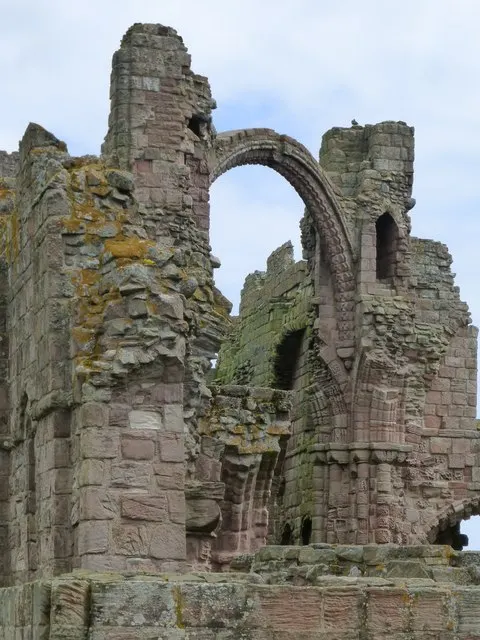
The ruined priory church on Lindisfarne, rebuilt by the monks of Durham long after the Viking raidThe ruined priory church on Lindisfarne, rebuilt by the monks of Durham long after the Viking raidImage: kim traynor · CC BY-SA 2.0
world · Europe

Viking raiders fall on the monks of Lindisfarne

Lindisfarne, a tidal island off the coast of Northumberland, had been one of the great holy places of Anglo-Saxon England since the monk Aidan came from Iona in 635 to found a monastery there. It was the home of St Cuthbert, whose shrine drew pilgrims, and it was there, around 700, that the magnificent illuminated book now known as the Lindisfarne Gospels was made. Its wealth lay unguarded on the edge of the North Sea. In 793 seaborne raiders from Scandinavia landed, killed some of the monks, carried others off and stripped the church of its treasures. The Anglo-Saxon Chronicle records that heathen men destroyed God’s church on Lindisfarne ‘with plunder and slaughter’; one copy gives a January date, but 8 June is generally accepted as the true day. The scholar Alcuin, writing from Charlemagne’s court, was appalled. The raid is often taken as the start of the Viking Age in Britain.

Source: English Heritage: The Viking raid on Lindisfarne ↗
1191
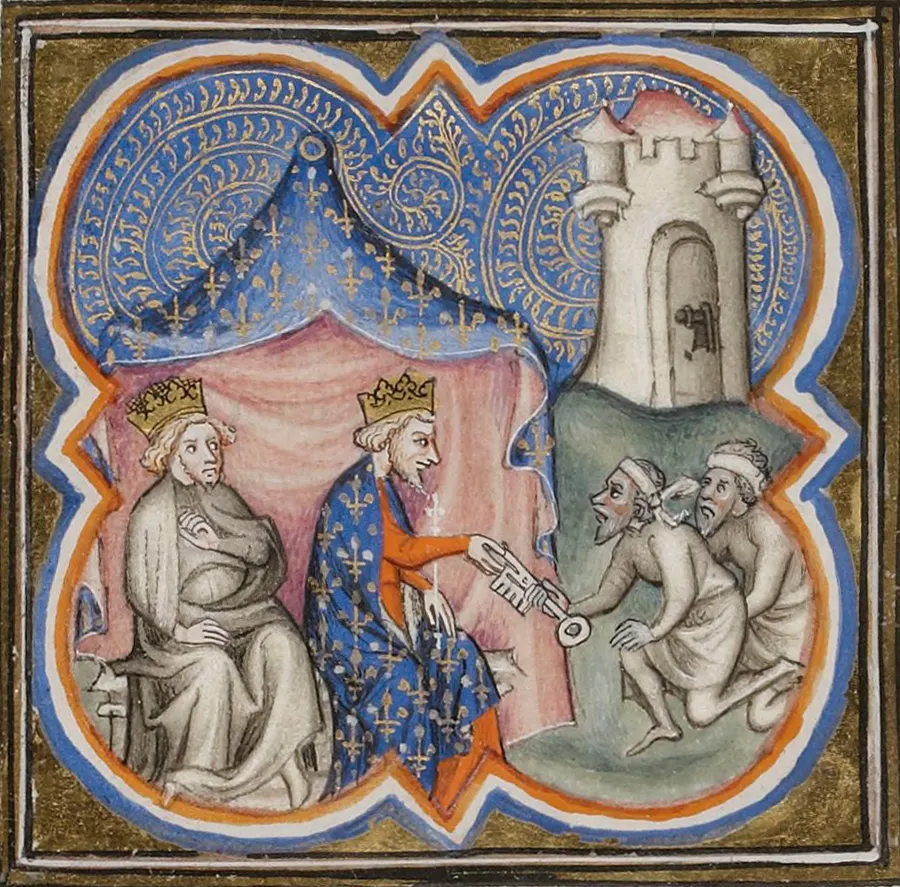
Philip II of France and Richard I receiving the surrender of Acre, in a 14th-century French manuscriptPhilip II of France and Richard I receiving the surrender of Acre, in a 14th-century French manuscriptImage: Unknown author · Public domain
world · Middle East

Richard the Lionheart arrives at the siege of Acre

Crusader forces had been besieging the port of Acre, held by Saladin’s troops, since 1189, while Saladin’s army in turn hemmed them in. King Philip II of France arrived in April 1191, and Richard I of England, having seized Cyprus on the way, landed on 8 June with fresh troops and siege engines. The bombardment intensified, and on 12 July the garrison surrendered, giving the Third Crusade its first great success.

Source: Britannica: The Third Crusade ↗
III
A CHANGING WORLD

Early Modern Era

Exploration, political change, scientific development and expanding global connections.

1783
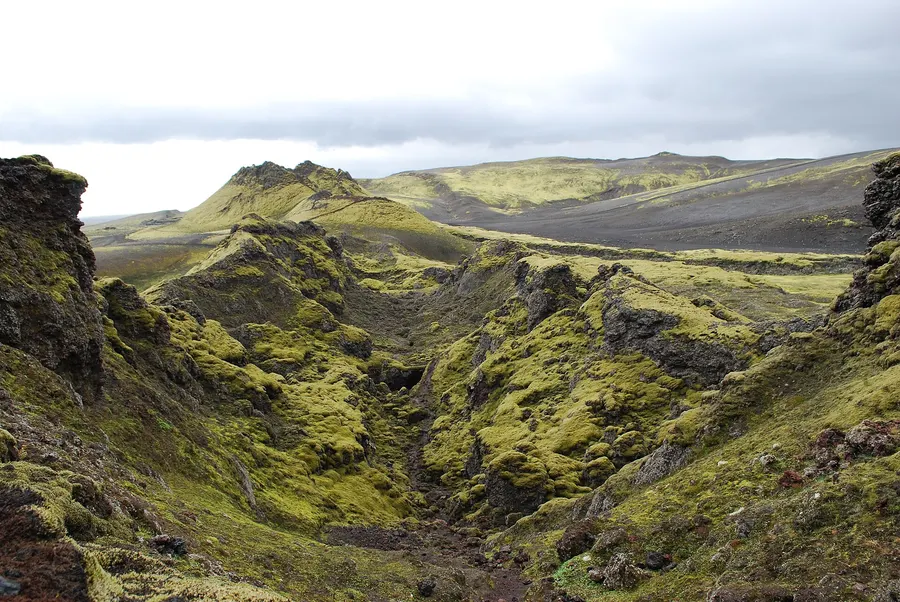
Moss-covered craters along the Laki fissure in southern IcelandMoss-covered craters along the Laki fissure in southern IcelandImage: Chmee2/Valtameri · CC BY-SA 3.0
world · Europe

The Laki fissure tears open in Iceland

On 8 June 1783 the ground split open near the mountain of Laki in southern Iceland, and a line of craters began to pour out lava and gas. The eruption went on for eight months, until February 1784, and produced the largest lava flow of historical times, burying farms and river valleys in the district around Kirkjubæjarklaustur. The gases did even more harm than the lava. Fluorine settled on the grass, and around half of Iceland’s livestock died after eating it. In the famine that followed, roughly a fifth of the island’s people perished. A sulphurous haze drifted across Europe that summer, and Laki has been linked to deaths in Britain and to crop failures and hardship much further afield.

Source: U.S. Geological Survey: Volcano Watch, Laki and Eldgjá ↗
1794
The Festival of the Supreme Being at the Champ de Mars, with its artificial mountain and column, painted by Pierre-Antoine DemachyThe Festival of the Supreme Being at the Champ de Mars, with its artificial mountain and column, painted by Pierre-Antoine DemachyImage: Pierre-Antoine Demachy · Public domain
culture · Europe

Robespierre leads the Festival of the Supreme Being

Robespierre wanted a civic religion for the French Republic, one that honoured a Supreme Being and the immortality of the soul while rejecting both the Catholic Church and outright atheism. On 8 June 1794, 20 Prairial Year II, Paris staged a vast festival designed by the painter Jacques-Louis David. Robespierre, just elected president of the National Convention, led the ceremonies in the Tuileries gardens before a procession to the Champ de Mars, where an artificial mountain had been built. Seven weeks later he was overthrown and guillotined.

Source: Musée Carnavalet: The artificial mountain erected for the Feast of the Supreme Being, 8 June 1794 ↗
IV
THE NINETEENTH CENTURY

The 1800s

Industry, empire, invention, reform and a century of enormous transformation.

1856
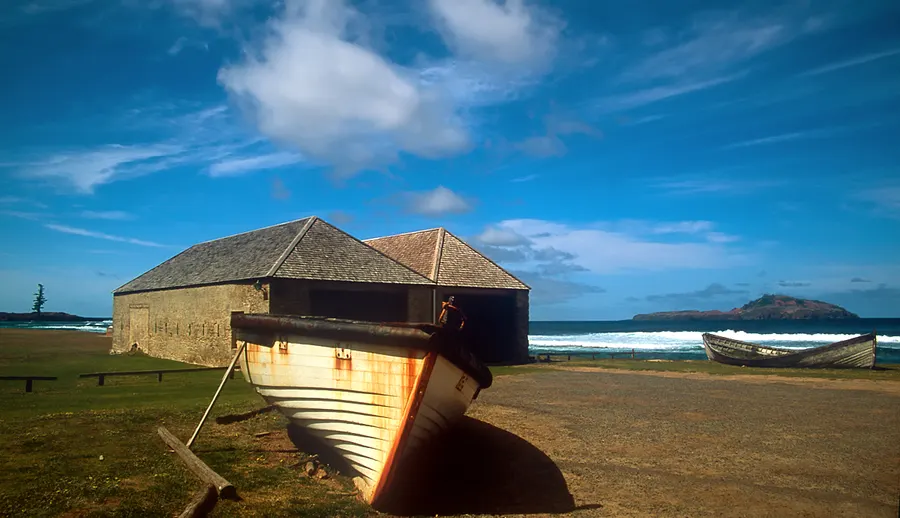
Old stone buildings and a boat on the shore at Kingston, Norfolk Island, where the Pitcairners landedOld stone buildings and a boat on the shore at Kingston, Norfolk Island, where the Pitcairners landedImage: Steve Daggar · CC BY 3.0
world · Oceania

The Bounty’s descendants land on Norfolk Island

By the 1850s the descendants of the Bounty mutineers and their Tahitian companions had outgrown tiny Pitcairn Island, and the British government offered them Norfolk Island, whose convict settlement was closing. The whole community sailed on the Morayshire, and after a stormy five-week voyage 194 people, including a baby born at sea, landed at Kingston on 8 June 1856. Some later went back to Pitcairn, but many Norfolk Islanders today descend from those who stayed.

Source: Kingston and Arthur’s Vale Historic Area (Norfolk Island): Third (Pitcairn) settlement, 1856 to the present ↗
V
THE TWENTIETH CENTURY

The 1900s

War and peace, technological leaps, social change, politics, sport and popular culture.

1906
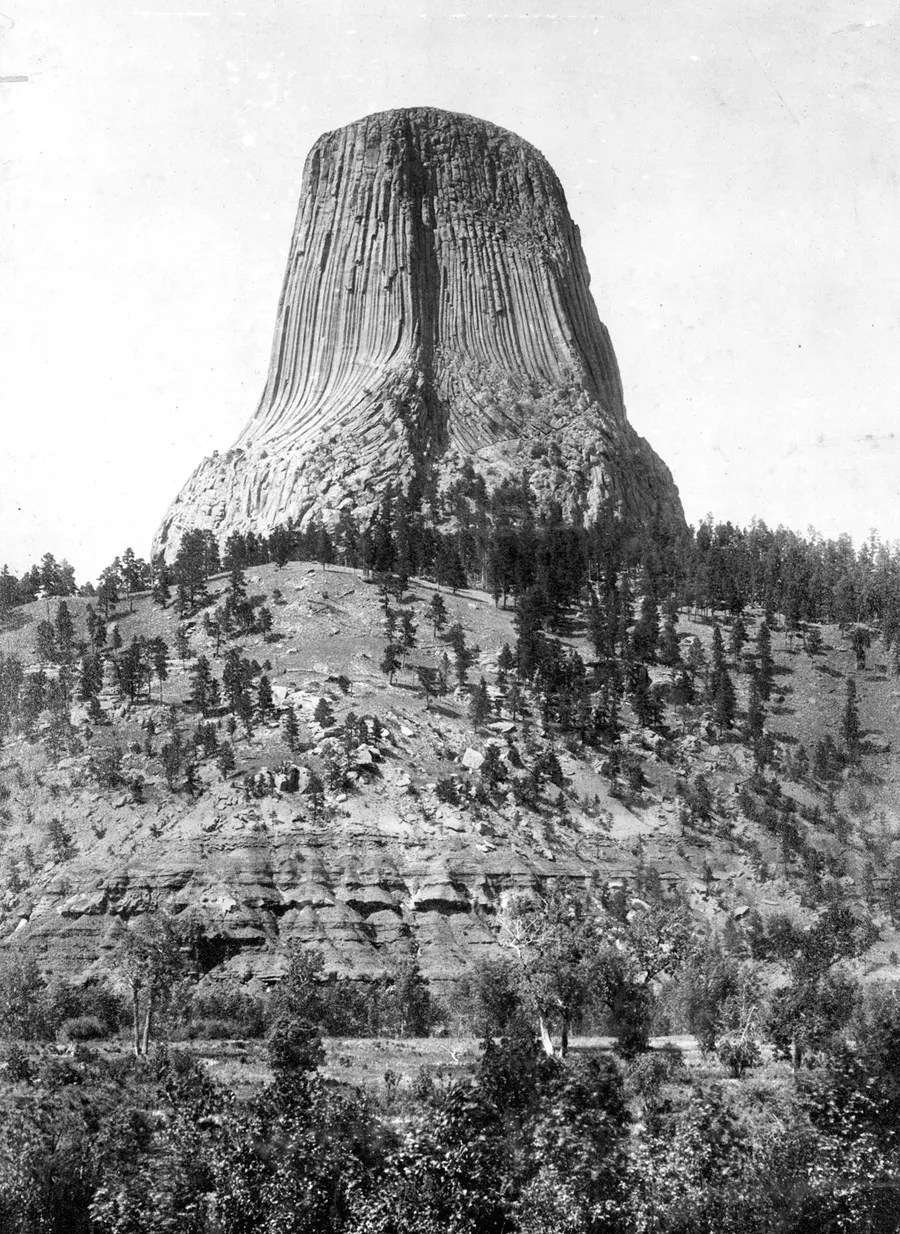
Devils Tower in Wyoming, the first national monument, photographed by the geologist Nelson Horatio Darton around 1900Devils Tower in Wyoming, the first national monument, photographed by the geologist Nelson Horatio Darton around 1900Image: Nathaniel H. Darton · Public domain
world · Americas

The United States passes a law to protect its landmarks

Looting of ancient Native American sites in the south-west pushed Congress to act, and on 8 June 1906 President Theodore Roosevelt signed the Antiquities Act. It made it a crime to damage or remove antiquities on federal land and let the president declare national monuments to protect places of historic or scientific interest. Roosevelt named the first, Devils Tower in Wyoming, that September. Presidents have since used the law to protect places from the Grand Canyon to vast stretches of ocean.

Source: U.S. National Park Service: The Antiquities Act of 1906 ↗
1924
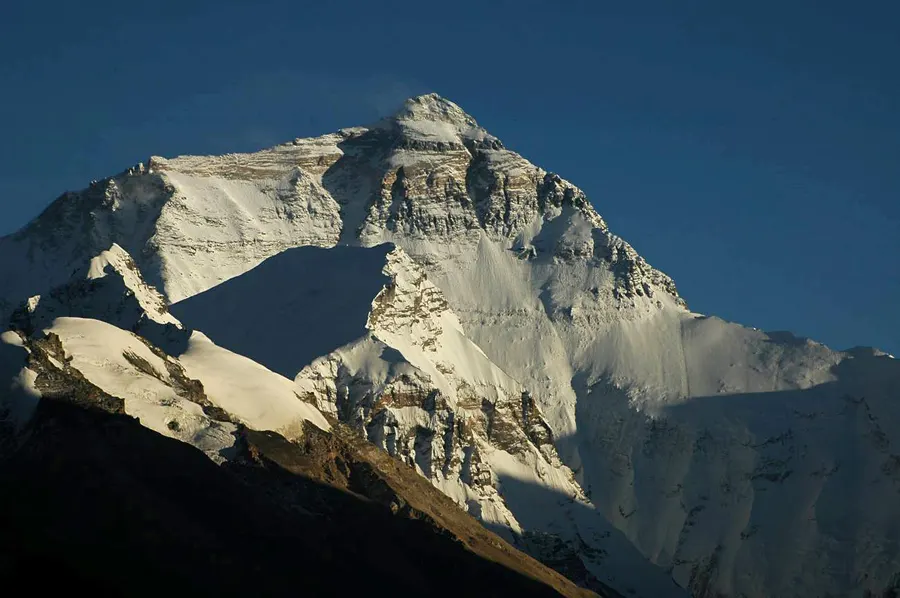
The north face of Mount Everest, seen from Tibet, the side on which Mallory and Irvine made their attemptThe north face of Mount Everest, seen from Tibet, the side on which Mallory and Irvine made their attemptImage: Carsten.nebel · CC BY-SA 3.0
world · Asia

Mallory and Irvine vanish high on Everest

In 1924 a British expedition made its second full attempt to climb Mount Everest from the Tibetan side. George Mallory, a schoolmaster who had been on both earlier expeditions, chose as his partner for the final push Andrew ‘Sandy’ Irvine, a 22-year-old Oxford student with a gift for fixing the expedition’s oxygen sets. On the morning of 8 June they set out from the highest camp on the north-east ridge. Their teammate Noel Odell, climbing in support below, glimpsed two small figures moving up the ridge in the early afternoon before cloud closed over them. They were never seen alive again. Mallory’s body was found on the north face in 1999, but Irvine has never been found, and no one knows whether they reached the summit before they died. The first confirmed ascent came in 1953.

Source: Merton College, Oxford: Mallory and Irvine disappear ↗
1949
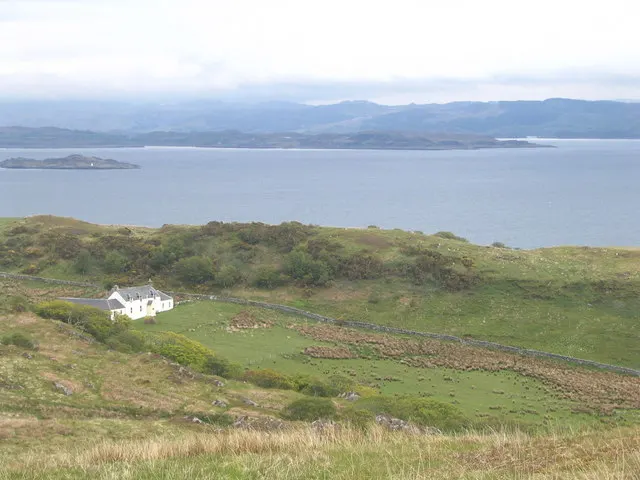
Barnhill, the remote farmhouse on the Scottish island of Jura where Orwell wrote most of Nineteen Eighty-FourBarnhill, the remote farmhouse on the Scottish island of Jura where Orwell wrote most of Nineteen Eighty-FourImage: Ken Craig · CC BY-SA 2.0
culture · Europe

Orwell’s Nineteen Eighty-Four is published

George Orwell wrote his last novel in the late 1940s, much of it at Barnhill, a lonely farmhouse on the island of Jura in the Scottish Hebrides, while he was growing steadily more ill with tuberculosis. Drawing on his experience of the Spanish Civil War, wartime propaganda and the dictatorships of Hitler and Stalin, he imagined a Britain ruled by a single party that watches its citizens constantly and rewrites the past at will. Secker & Warburg published Nineteen Eighty-Four in London on 8 June 1949, and it appeared in New York five days later. It was an immediate success on both sides of the Atlantic. Orwell died the following January, aged 46, but the book’s inventions, from Big Brother and the Thought Police to Newspeak, doublethink and Room 101, have become part of everyday language.

Source: Penguin Books: Nineteen Eighty-Four, introduction (sample) ↗
1959
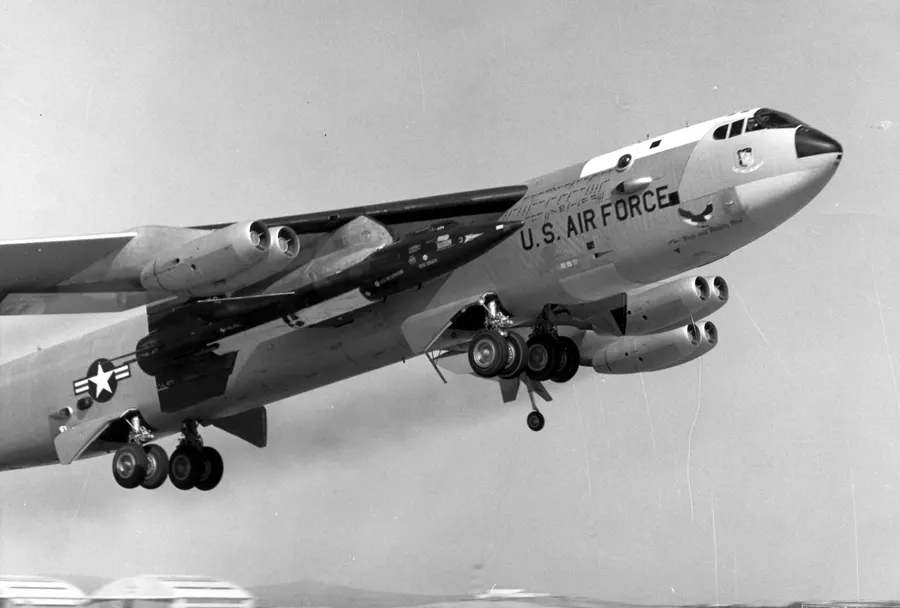
A Boeing NB-52 mother ship taking off with an X-15 rocket plane carried under its right wingA Boeing NB-52 mother ship taking off with an X-15 rocket plane carried under its right wingImage: USAF · Public domain
world · Americas

The rocket plane X-15 makes its first flight

The X-15 was built to explore flight at the edge of space. On 8 June 1959 the test pilot Scott Crossfield made its first flight, an unpowered glide after being dropped from under the wing of a B-52 bomber high over the California desert. Powered flights followed, and over the next nine years twelve pilots flew it, reaching 354,200 feet in 1963 and a speed of Mach 6.7 in 1967. Its lessons fed into the Space Shuttle.

Source: NASA: X-15 ↗
1987
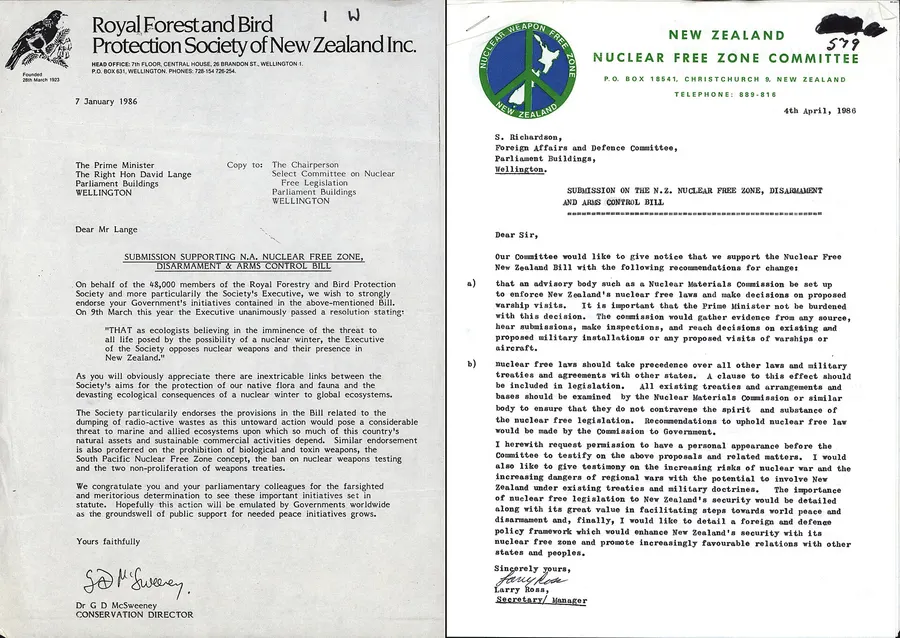
Letters to Parliament supporting the nuclear-free bill, from the Royal Forest and Bird Protection Society and the New Zealand Nuclear Free Zone Committee (Archives New Zealand)Letters to Parliament supporting the nuclear-free bill, from the Royal Forest and Bird Protection Society and the New Zealand Nuclear Free Zone Committee (Archives New Zealand)Image: Archives New Zealand from New Zealand · CC BY-SA 2.0
politics · Oceania

New Zealand writes its nuclear-free stance into law

In the early 1980s opposition to nuclear weapons and nuclear testing in the Pacific ran deep in New Zealand. The Labour government of David Lange, elected in 1984, refused to let nuclear-armed or nuclear-powered warships visit its ports, and in 1985 turned away an American destroyer when the United States would not say whether it carried nuclear weapons. The row strained New Zealand’s alliance with the United States. The New Zealand Nuclear Free Zone, Disarmament, and Arms Control Act became law on 8 June 1987. It banned nuclear weapons and nuclear-powered ships from New Zealand’s land, air and waters, and also covered biological weapons. The United States had already suspended its defence commitments to New Zealand under the ANZUS treaty, but the policy won lasting support at home and became part of the country’s sense of itself.

Source: NZ History: New Zealand goes nuclear-free ↗
1990
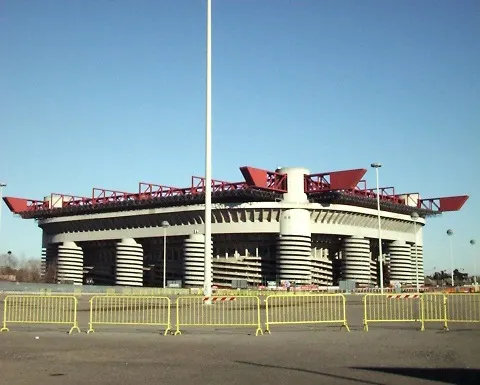
The San Siro stadium in Milan, where Cameroon beat Argentina in the opening match of the 1990 World CupThe San Siro stadium in Milan, where Cameroon beat Argentina in the opening match of the 1990 World CupImage: Samoano · Public domain
sport · Africa

Nine-man Cameroon stun the world champions

The 1990 World Cup in Italy opened on 8 June at the San Siro stadium in Milan, where Argentina, the holders, led by Diego Maradona, faced Cameroon, playing in only their second World Cup. Almost everyone expected an easy win for the champions, but Cameroon’s physical, fearless play knocked them out of their stride. Just after the hour, Cameroon had André Kana-Biyik sent off. Minutes later his brother François Omam-Biyik rose to head the ball past the Argentine goalkeeper, and although Benjamin Massing was also sent off near the end, the nine men held on to win 1-0. Cameroon, with the 38-year-old Roger Milla scoring goals off the bench, went on to become the first African team to reach a World Cup quarter-final.

Source: FIFA: Cameroon’s nine-man San Siro stunner ↗
VI
2000 TO TODAY

Modern Day

The events of recent decades that have already become part of the historical record.

2004
Venus, the small black disc near the lower left, crossing the face of the Sun on 8 June 2004Venus, the small black disc near the lower left, crossing the face of the Sun on 8 June 2004Image: GJDonatiello · CC BY-SA 4.0
science · Global

Venus crosses the Sun for the first time since 1882

Transits of Venus, when the planet passes directly between the Earth and the Sun, are among the rarest predictable events in astronomy. They come in pairs eight years apart, separated by gaps of more than a century. In the 1700s astronomers travelled the world to time them, hoping to measure the distance from the Earth to the Sun; Captain Cook’s first voyage to Tahiti was partly to observe the transit of 1769. No one alive had seen one when Venus began to cross the Sun on 8 June 2004, the first transit since December 1882. The whole six-hour passage was visible from Europe, Africa and much of Asia, and millions watched through safe filters, telescopes and live broadcasts online. Its partner transit followed in June 2012; the next pair will not come until 2117 and 2125.

Source: NASA Goddard: 2004 Transit of Venus ↗
RESEARCH

Sources & Further Reading

Selected authoritative references supporting the events on this page.

De Imperatoribus Romanis (Loyola University Chicago): Macrinus↗Britannica: Macrinus↗Britannica: Muhammad↗The Metropolitan Museum of Art: The Prophet Muhammad and the origins of Islam↗English Heritage: The Viking raid on Lindisfarne↗Britannica: Lindisfarne raid↗Britannica: The Third Crusade↗Britannica: Richard I↗U.S. Geological Survey: Volcano Watch, Laki and Eldgjá↗University of Dundee: First study of Scotland’s ‘volcanic weather’ published↗Musée Carnavalet: The artificial mountain erected for the Feast of the Supreme Being, 8 June 1794↗Britannica: Maximilien Robespierre, the Committee of Public Safety and the Reign of Terror↗Kingston and Arthur’s Vale Historic Area (Norfolk Island): Third (Pitcairn) settlement, 1856 to the present↗Australian Government, Department of Infrastructure: Norfolk Island history and heritage↗U.S. National Park Service: The Antiquities Act of 1906↗Wikipedia: Antiquities Act↗Merton College, Oxford: Mallory and Irvine disappear↗Britannica: George Mallory↗Penguin Books: Nineteen Eighty-Four, introduction (sample)↗Britannica: Nineteen Eighty-four↗NASA: X-15↗Wikipedia: North American X-15↗NZ History: New Zealand goes nuclear-free↗New Zealand Legislation: Nuclear Free Zone, Disarmament, and Arms Control Act 1987↗FIFA: Cameroon’s nine-man San Siro stunner↗FIFA: 100 great World Cup moments, holders humbled in San Siro shock↗NASA Goddard: 2004 Transit of Venus↗European Space Agency: Once in a lifetime, the Venus transit 2004↗
WHY THESE MOMENTS?

Significance before volume

This page is not the longest possible list of events. It is a chronological journey through 8 June, where each entry is chosen for historical significance, human interest and reliability.

Facts are checked against authoritative museums, archives, universities and reference works. Where sources disagree, the page says so.

EXPLORED THE DEEPER STORY?

Return to the highlights of 8 June

Discover the lighter side of the date with famous birthdays, culture, firsts and lives remembered.

Explore This Day →
← PREVIOUS DAY7 June
HISTORY & TIMELINE8 June
NEXT DAY →9 June