
421
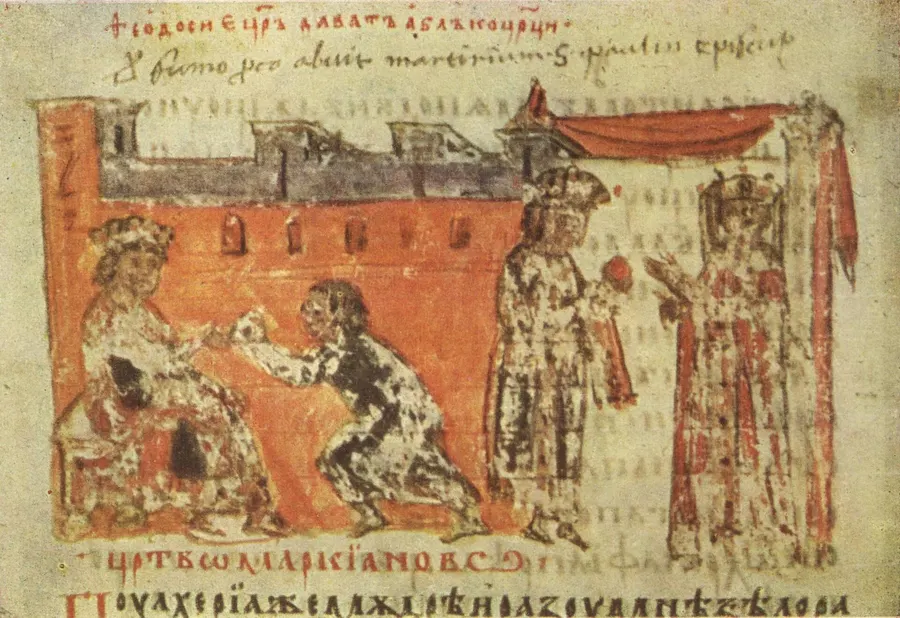 Theodosius II and Eudocia in a 14th-century miniature from the Chronicle of Constantine ManassesImage: Original: Constantine Manasses · Public domain
politics · Europe
An Athenian scholar’s daughter marries the emperor
Athenaïs, daughter of the Athenian teacher of rhetoric Leontius, came to Constantinople to contest her father’s will. The emperor’s powerful elder sister, Pulcheria, was struck by her learning and chose her as a bride for the young Theodosius II. She was baptised a Christian with the name Eudocia, and on 7 June 421 she married the emperor. A gifted writer, she composed poetry on Christian themes and ended her days in Jerusalem.
Source: Britannica: Eudocia ↗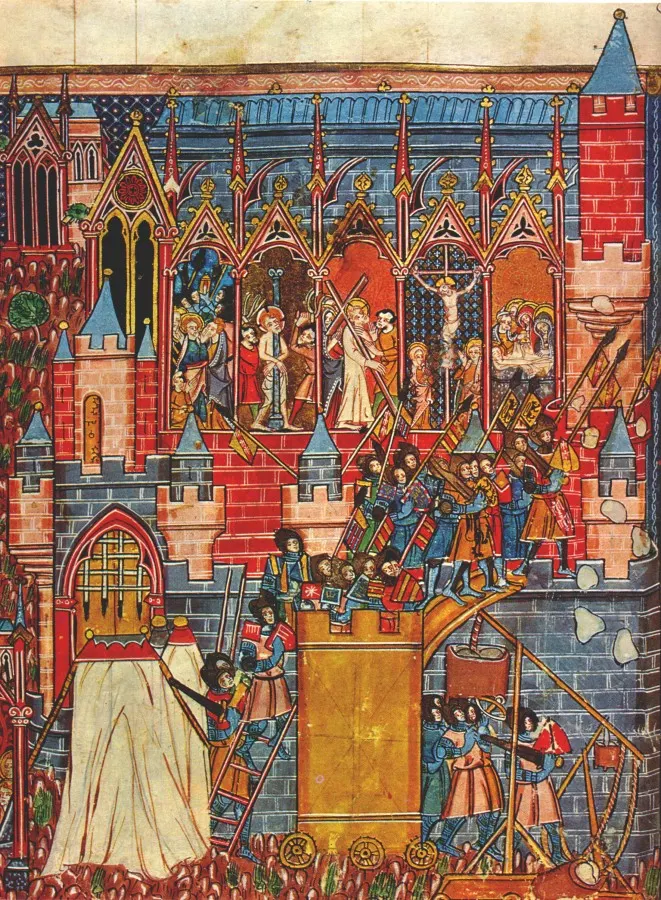 The siege of Jerusalem during the First Crusade, in a 14th-century manuscript illuminationImage:
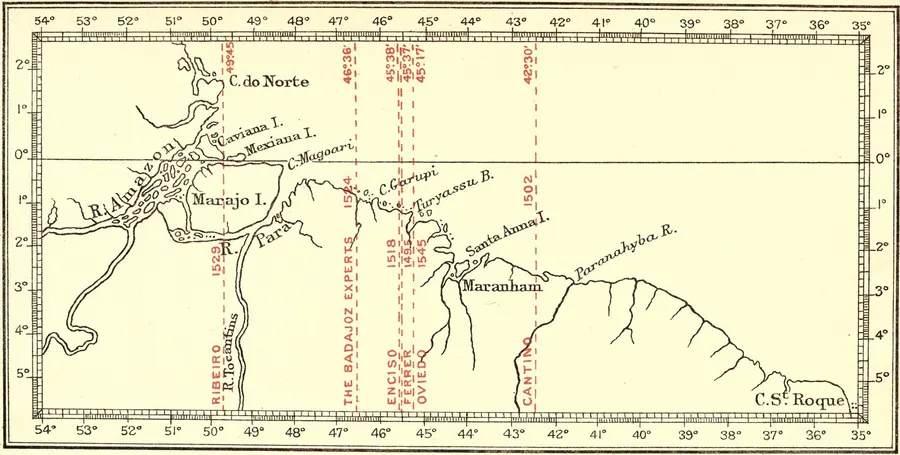 Henry Harrisse’s 1897 chart of the South American coast, showing where different mapmakers placed the Tordesillas lineImage:
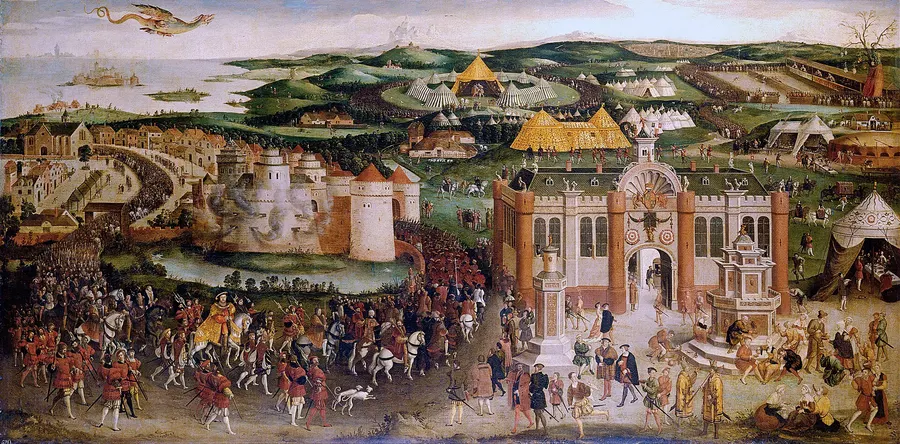 The Field of the Cloth of Gold, painted by an unknown British artist in the 16th century, in the Royal CollectionImage:
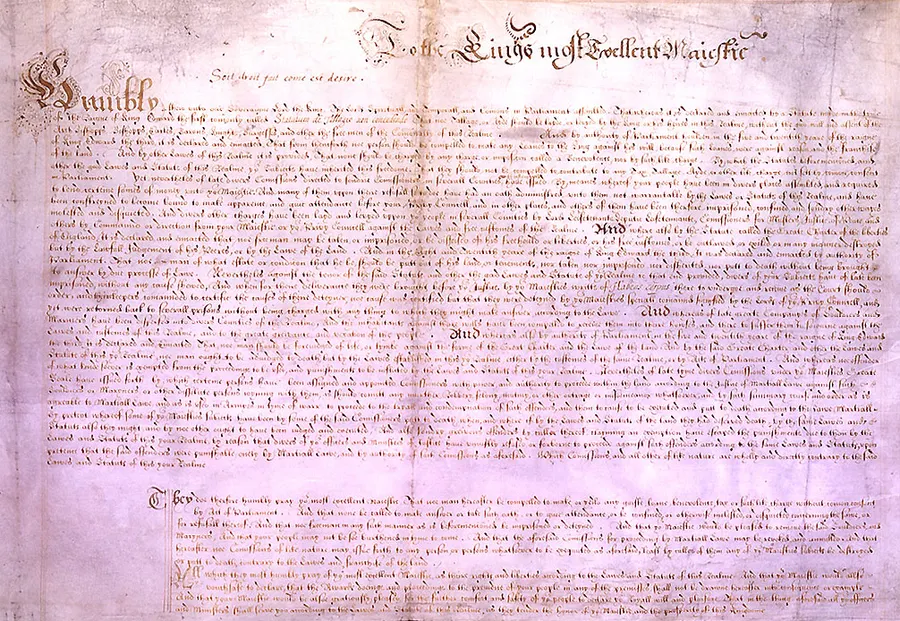 The Petition of Right of 1628, held in the Parliamentary ArchivesImage:
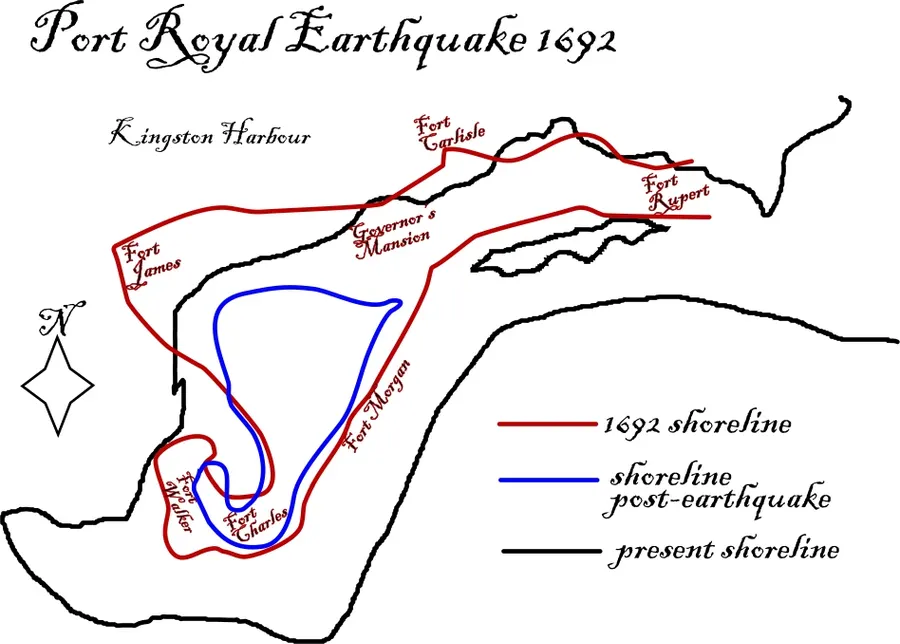 A map of Port Royal comparing the shoreline before and after the earthquake of 1692 with the present-day coastImage:
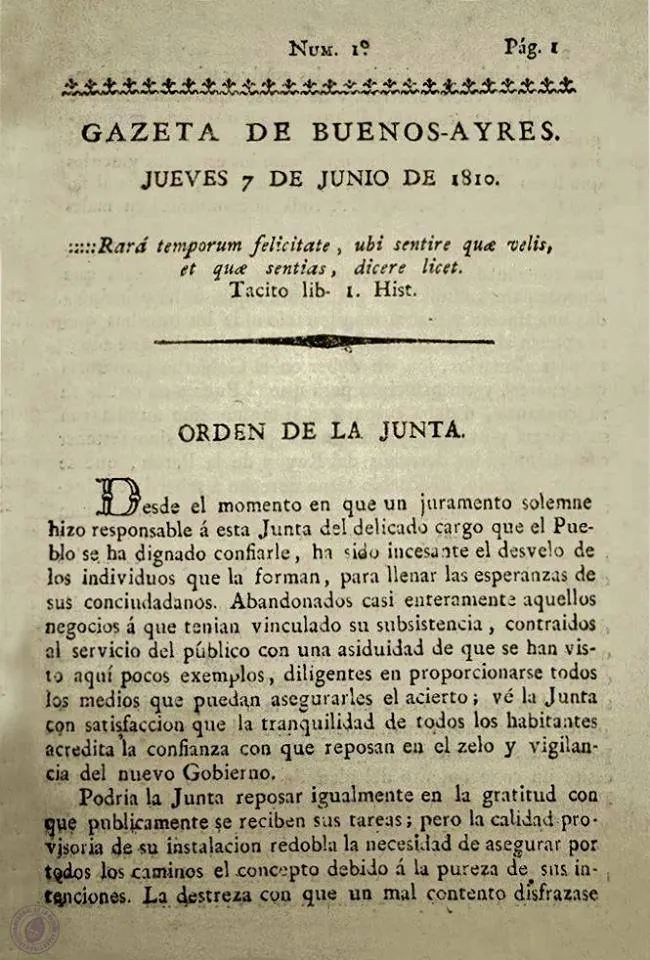 The first page of the first issue of the Gazeta de Buenos-Ayres, dated Thursday 7 June 1810Image:
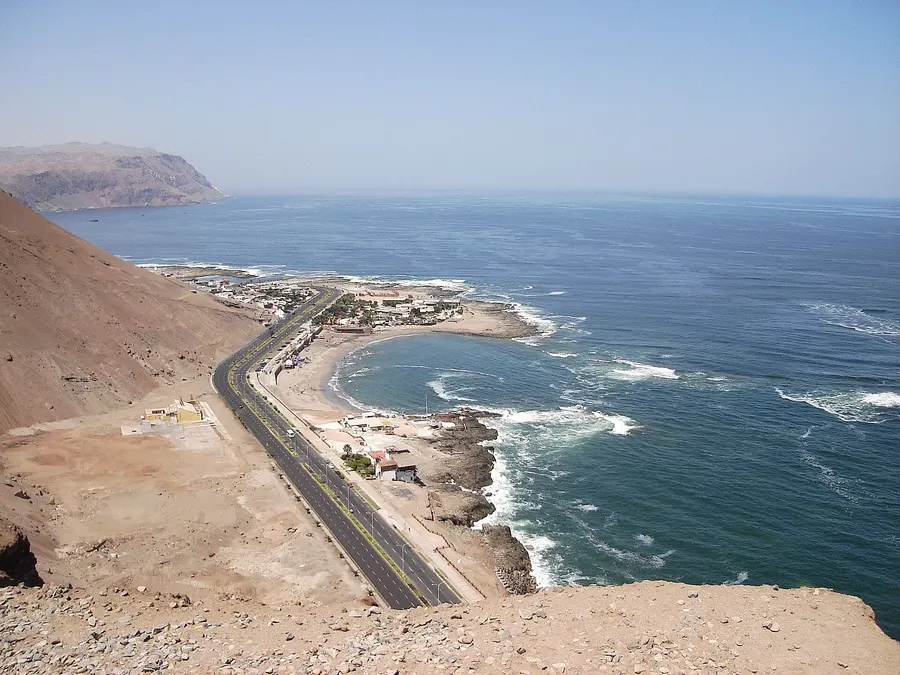 The Morro de Arica, the headland above the port of Arica in northern ChileImage:
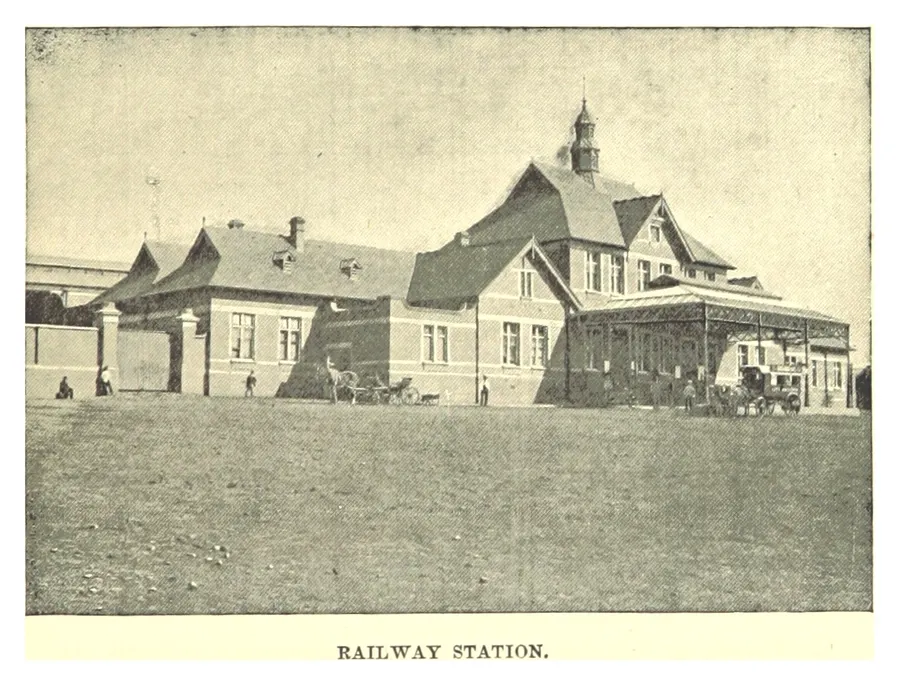 Pietermaritzburg railway station in Natal, pictured in 1898Image:
 Denali seen from an aircraft in 2003Image:
 The Spanbroekmolen mine crater, now the Pool of Peace, left by the largest of the Messines minesImage:
 Prime Minister Menachem Begin at a press conference about the raid, 11 June 1981Image:
 Roger Federer celebrating on the clay of Roland-Garros during the 2009 French OpenImage:
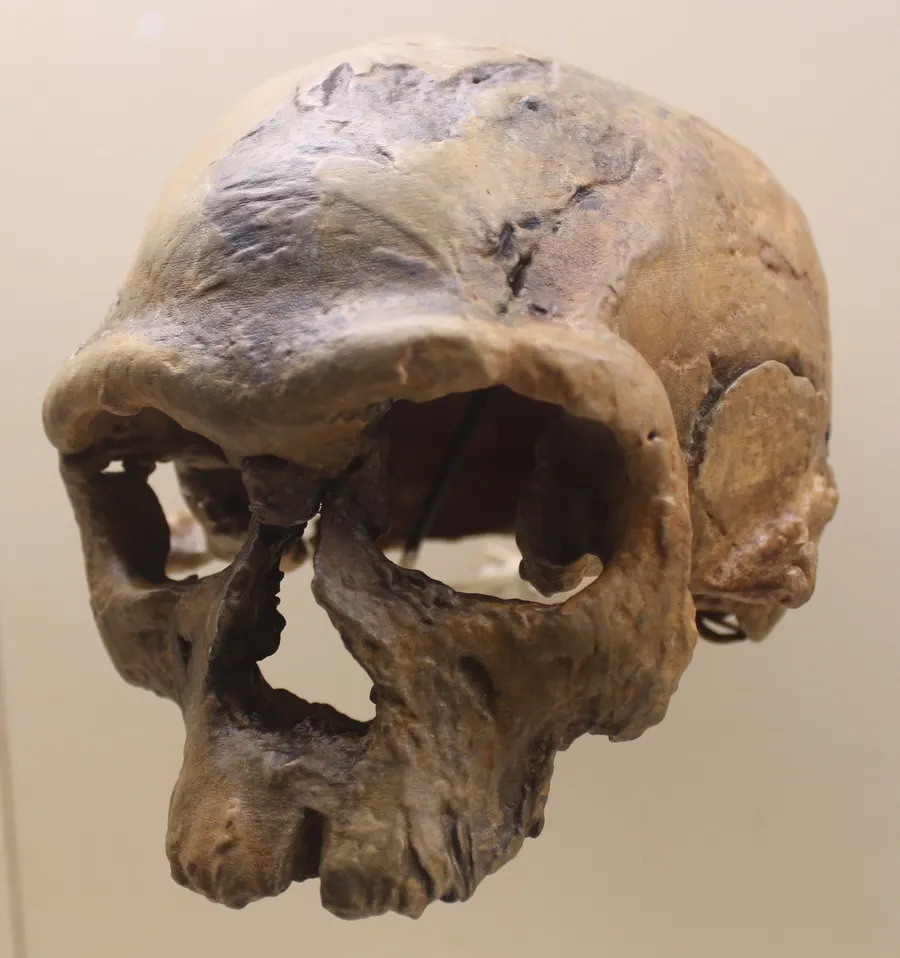 A cast of the skull Jebel Irhoud 1, found at the Moroccan site in 1961, at the Smithsonian’s National Museum of Natural HistoryImage: