Explore 7 June

Explore 7 June: Spain and Portugal split the world at Tordesillas, an earthquake drags the port of Port Royal into the sea, a young lawyer named Gandhi is thrown off a train in Pietermaritzburg and nineteen mines shake Messines Ridge. Born today: Paul Gauguin, Virginia Apgar and Cafu.

This day through time →14 verified events across 6 eras

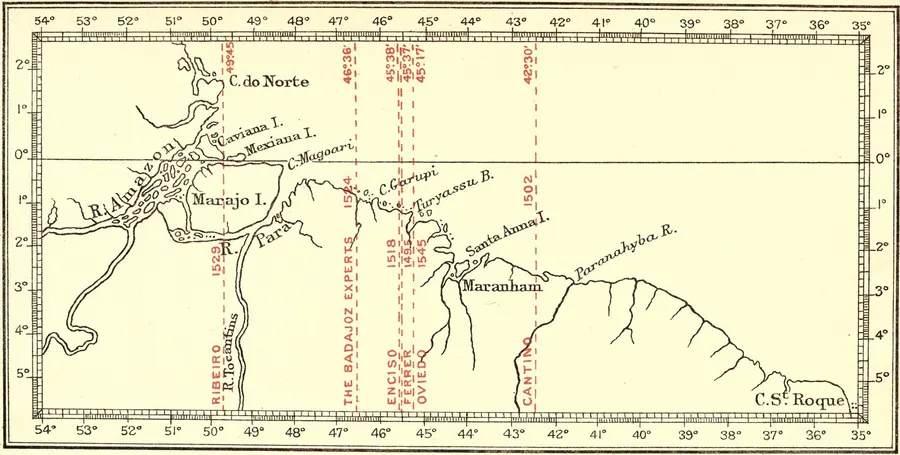
Henry Harrisse's 1897 chart of the South American coast, showing where different mapmakers placed the Tordesillas line
Henry Harrisse’s 1897 chart of the South American coast, showing where different mapmakers placed the Tordesillas line
Image creditHenry Harrisse (c.1830–1910) · Public domainResized and cropped for display.

Spain and Portugal divide the world at Tordesillas

When Christopher Columbus came home in 1493 with news of lands across the Atlantic, Spain moved quickly to secure them. Pope Alexander VI issued a series of bulls drawing a line down the ocean and granting Spain the lands to the west of it. King John II of Portugal was unhappy: the line left his sailors too little room on their routes down the coast of Africa, and he opened direct talks with Ferdinand and Isabella.

Their envoys reached agreement in the Castilian town of Tordesillas, and the treaty was signed on 7 June 1494. It moved the line to 370 leagues west of the Cape Verde Islands, running from pole to pole: new lands to the east would belong to Portugal, those to the west to Spain. Nobody could yet measure longitude accurately, so its exact position was argued over for centuries. But the shift gave Portugal its claim to Brazil, reached by Pedro Álvares Cabral in 1500, which is why Brazilians speak Portuguese today. The treaty is now on UNESCO’s Memory of the World register.

Read the full storyHistory & Timeline →Source: UNESCO Memory of the World: Treaty of Tordesillas ↗
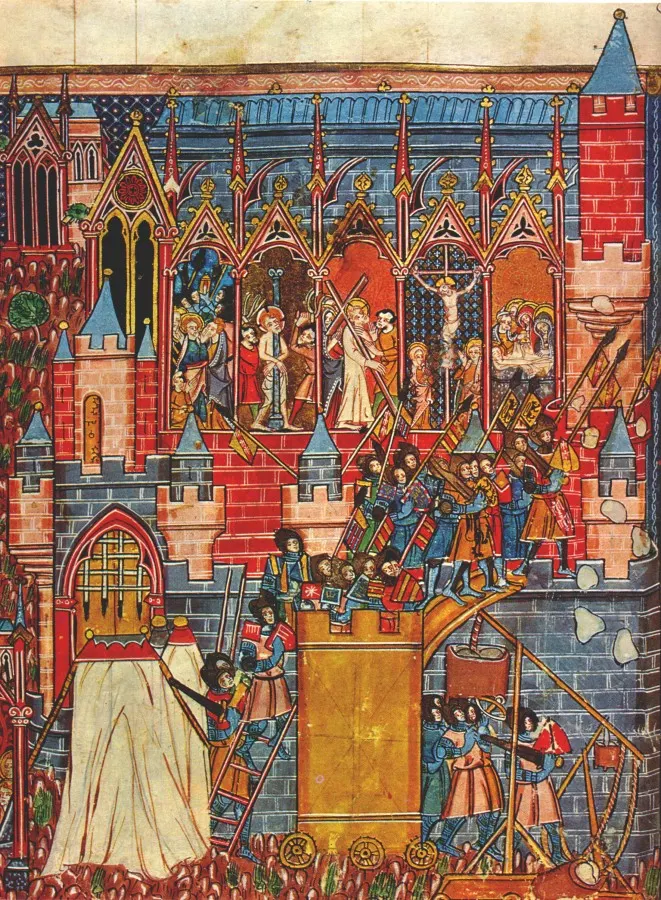
The siege of Jerusalem during the First Crusade, in a 14th-century manuscript illumination
Image creditUnknown author · Public domainResized and cropped for display.

The First Crusade reaches the walls of Jerusalem

In 1095 Pope Urban II called on the knights of western Europe to march east and win Jerusalem for Christendom. After three years of hunger, disease and hard fighting across Anatolia and Syria, including a long siege of Antioch, the surviving crusaders turned south towards the Holy City. Jerusalem was then held by the Fatimid rulers of Egypt, whose governor was well supplied and expected help to arrive from Cairo.

On 7 June 1099 the crusader army, by then shrunk to perhaps 1,200 to 1,500 knights and some 12,000 foot soldiers, camped before the walls. They had few siege engines until Genoese and English ships reached the port of Jaffa ten days later with rope and timber, which the crusaders used to build siege towers, ladders and a battering ram. On 15 July they broke into the city, and a massacre of its Muslim and Jewish inhabitants followed. The kingdom they founded lasted less than a century.

Read the full storyHistory & Timeline →Source: Britannica: The Crusades, the siege of Jerusalem ↗
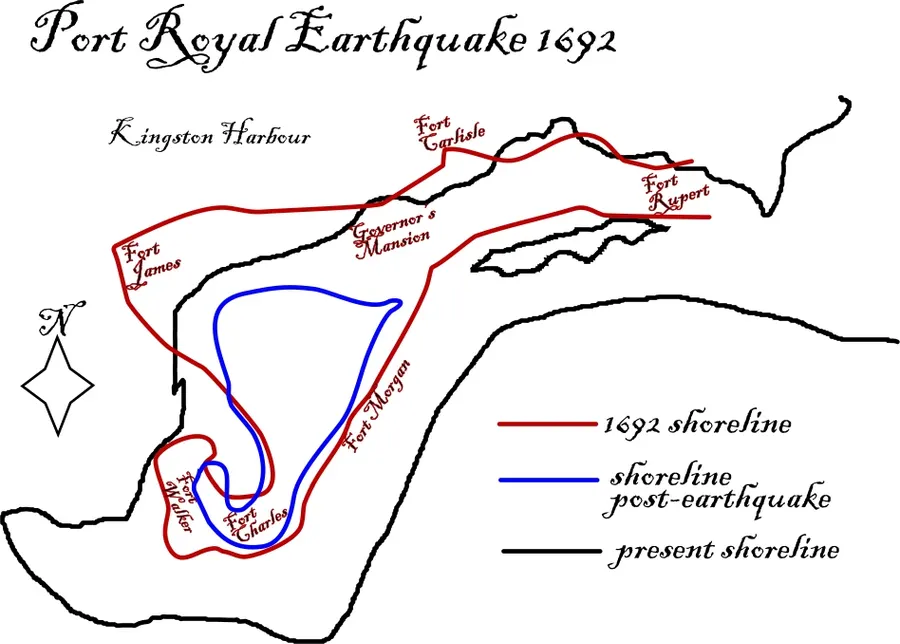
A map of Port Royal comparing the shoreline before and after the earthquake of 1692 with the present-day coast
Image creditUnknown author · Public domainResized and cropped for display.

An earthquake drags Port Royal into the sea

After England seized Jamaica from Spain in 1655, the town of Port Royal grew up at the tip of the long sandy spit that guards Kingston Harbour. Merchants, sailors and privateers made it the busiest and richest English port in the Americas, and a notorious haven for buccaneers. By 1690 between 8,000 and 10,000 people lived there, crowded into brick and timber buildings on ground that was little more than loose sand.

A few minutes before noon on 7 June 1692 a violent earthquake struck. The sandy ground turned to liquid, and about 32 acres of the town slid beneath the waters of the harbour, while a wave swept across the bay. Around 2,000 people died that day, and many more in the sickness that followed. Survivors moved across the harbour to found the new town of Kingston, now Jamaica’s capital. The sunken streets of old Port Royal are one of the most important underwater archaeological sites in the Americas.

Read the full storyHistory & Timeline →Source: Texas A&M University, Nautical Archaeology Program: History of Port Royal ↗
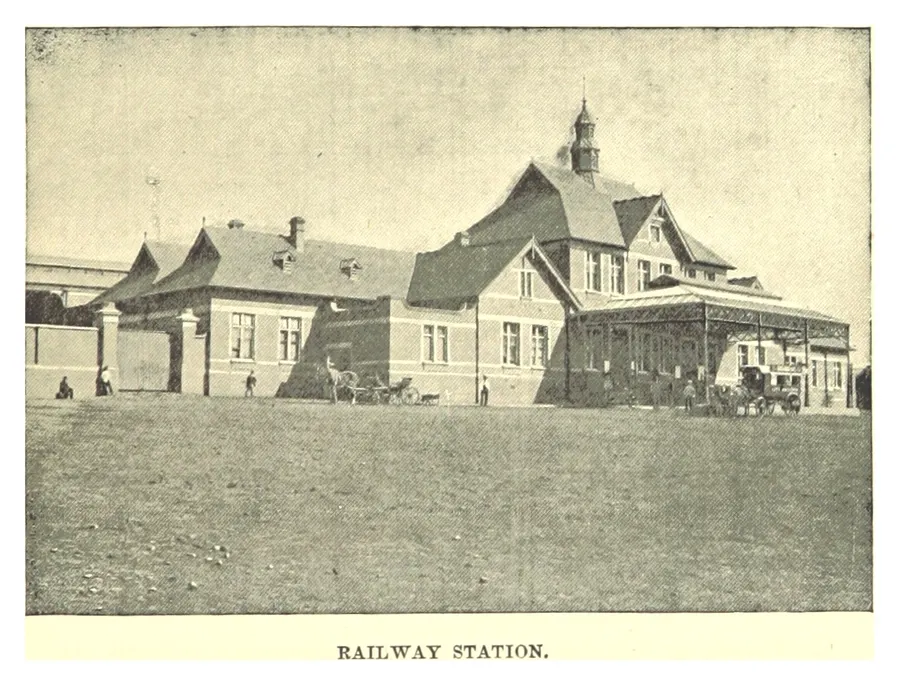
Pietermaritzburg railway station in Natal, pictured in 1898
Image creditUnknown author · Public domainResized and cropped for display.

Gandhi is thrown off a train at Pietermaritzburg

In 1893 Mohandas Karamchand Gandhi, a shy young lawyer trained in London, sailed to the British colony of Natal to help an Indian trading firm with a legal case. Soon after landing in Durban he set off by train for Pretoria, with a first-class ticket. Colonial South Africa was bound by rules that kept Indians and Africans out of spaces reserved for white people, and the journey was about to show him what that meant.

When the train stopped at Pietermaritzburg on the night of 7 June 1893, a white passenger objected to sharing the compartment. Gandhi refused to move to another carriage, so he was forced off the train and spent a cold night in the station waiting room. He later saw that night as a turning point. He stayed in South Africa for more than twenty years, organising Indians against discriminatory laws and developing satyagraha, his method of non-violent resistance, which he later took home to India.

Read the full storyHistory & Timeline →Source: South African History Online: M.K. Gandhi is forcibly removed from a whites-only train carriage ↗
The Spanbroekmolen mine crater, now the Pool of Peace, left by the largest of the Messines mines
Image crediten:User:MisterBee1966 · Public domainResized and cropped for display.

Nineteen mines erupt beneath Messines Ridge

Since 1914 German troops had held the low ridge between the Belgian villages of Wytschaete and Messines, south of Ypres, from which they could look down on the British lines. For more than a year British, Canadian and Australian tunnelling companies dug deep shafts and galleries beneath it in secret, fighting an underground war against German miners, and packed the chambers at the end with around a million pounds of explosives.

At 3.10 in the morning on 7 June 1917, nineteen mines were fired almost at once. The blast was said to have been heard in London, and it killed thousands of German soldiers in an instant. Behind a creeping barrage from more than 2,000 guns, nine divisions from Britain, Ireland, Australia and New Zealand advanced and took the ridge within hours. The battle ran on until 14 June, a rare clear success on the Western Front. The largest crater, at Spanbroekmolen, is now a quiet pond called the Pool of Peace.

Read the full storyHistory & Timeline →Source: Imperial War Museums: What you need to know about the Battle of Messines ↗

♙
PEOPLE

Born Today

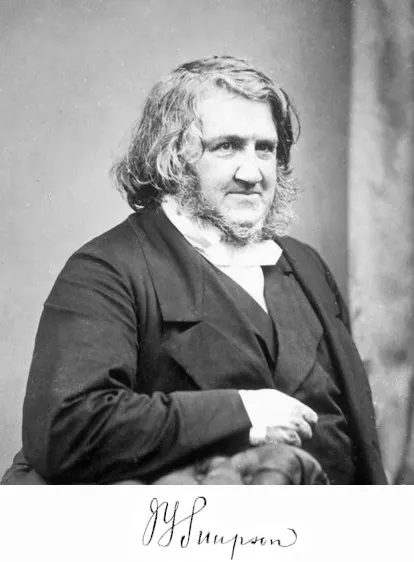
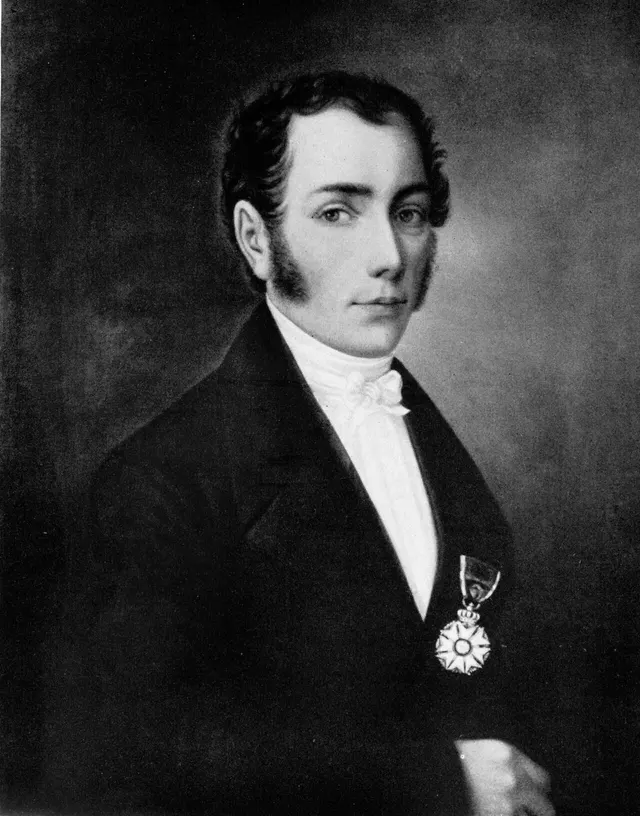
James Young Simpson
Image creditUnidentified photographer · Public domainResized and cropped for display.

James Young Simpson

Scottish obstetrician in Edinburgh who discovered the anaesthetic power of chloroform in 1847 and championed pain relief in childbirth.

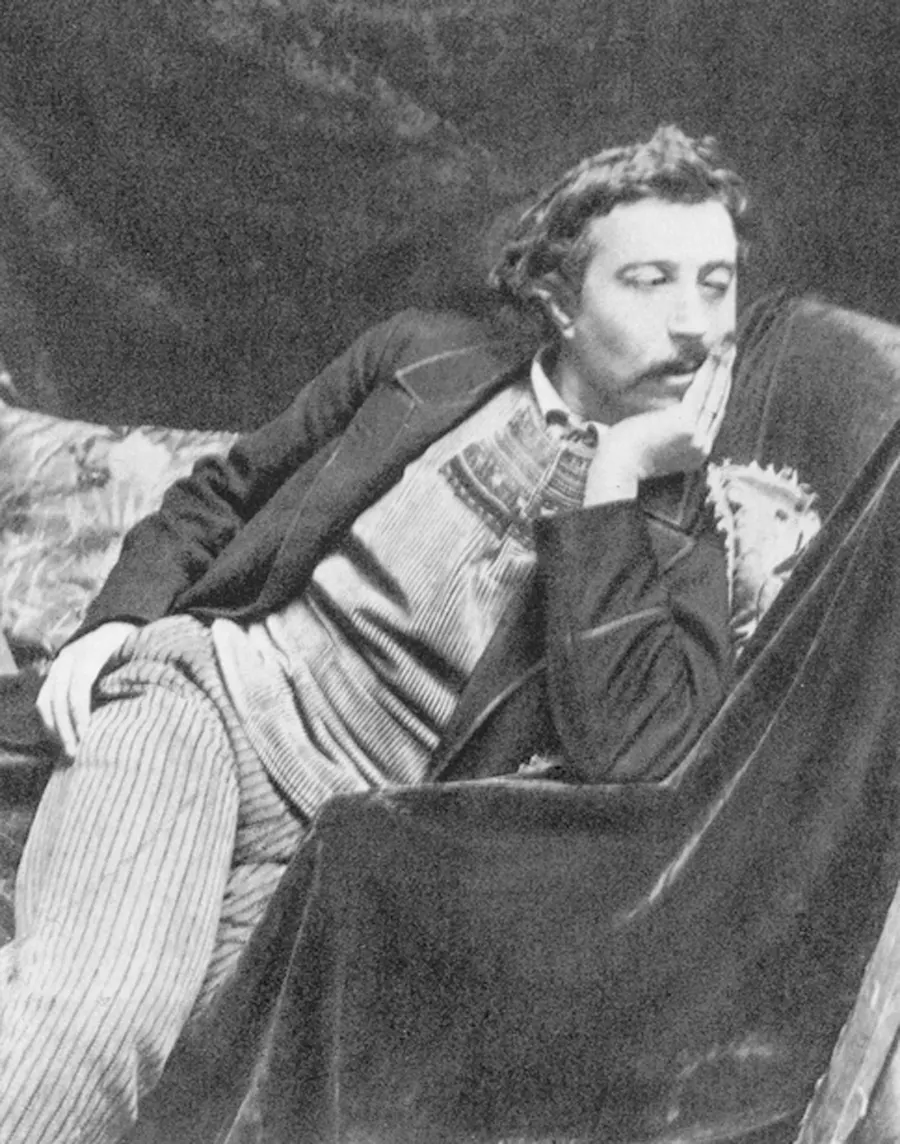
Paul Gauguin
Image creditLouis-Maurice Boutet de Monvel · Public domainResized and cropped for display.

Paul Gauguin

French stockbroker turned painter whose boldly coloured pictures of Brittany and Tahiti helped open the way to modern art.

Knud Rasmussen
Image creditUnknown author · Public domainResized and cropped for display.

Knud Rasmussen

Greenland-born explorer and ethnographer who crossed Arctic North America by dog sled in the 1920s, recording the stories and lives of the Inuit.

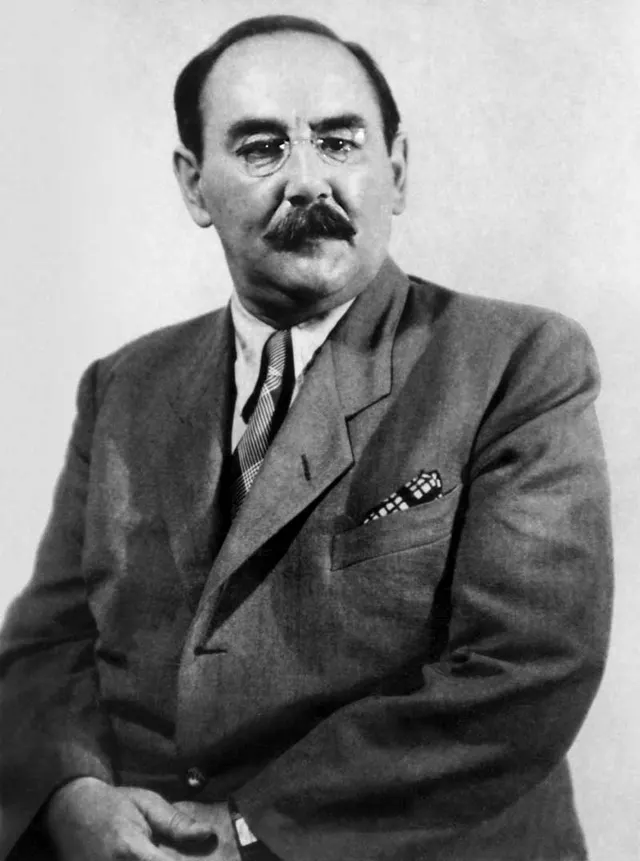
Imre Nagy
Image creditUnknown author (Imre Nagy Memorial House) · Public domainResized and cropped for display.

Imre Nagy

Hungarian prime minister who sided with the 1956 revolution and announced Hungary’s exit from the Warsaw Pact; he was executed in 1958 after Soviet forces crushed the uprising.

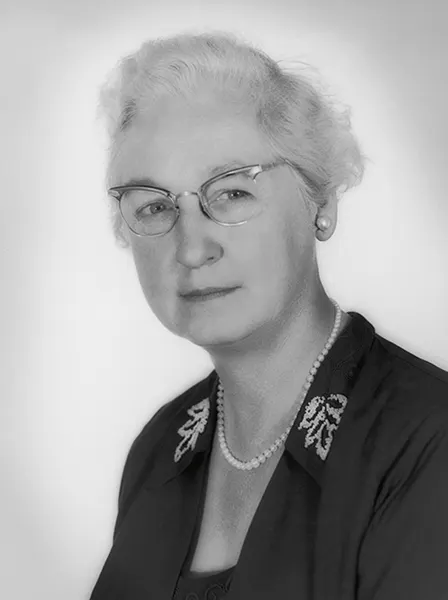
Virginia Apgar
Image creditMarch of Dimes · Public domainResized and cropped for display.

Virginia Apgar

American anaesthetist who devised the Apgar score, the quick check of a newborn baby’s health now used in hospitals around the world.

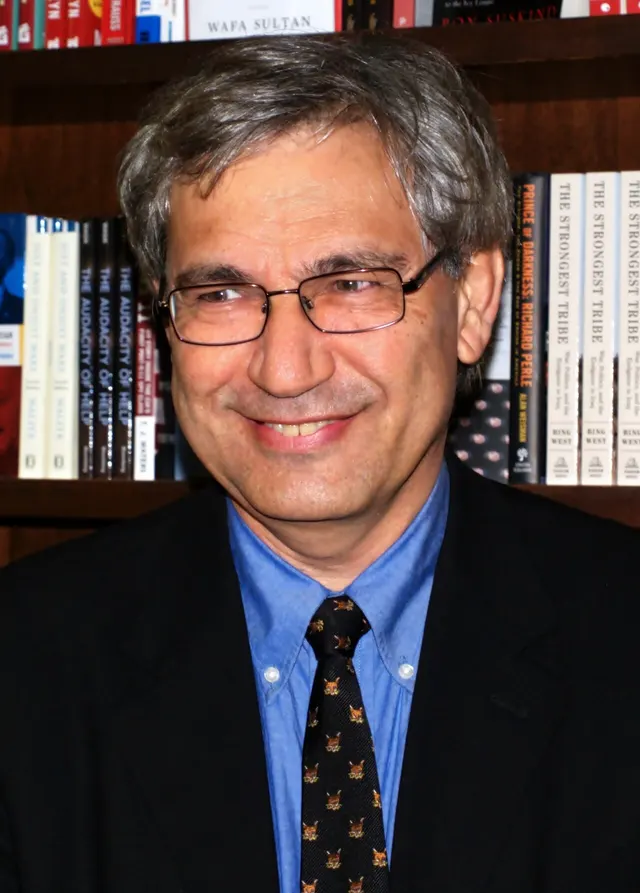
Orhan Pamuk
Image creditDavid Shankbone · CC BY 3.0Resized and cropped for display.

Orhan Pamuk

Turkish novelist of Istanbul, author of My Name Is Red and Snow, who was awarded the Nobel Prize in Literature in 2006.

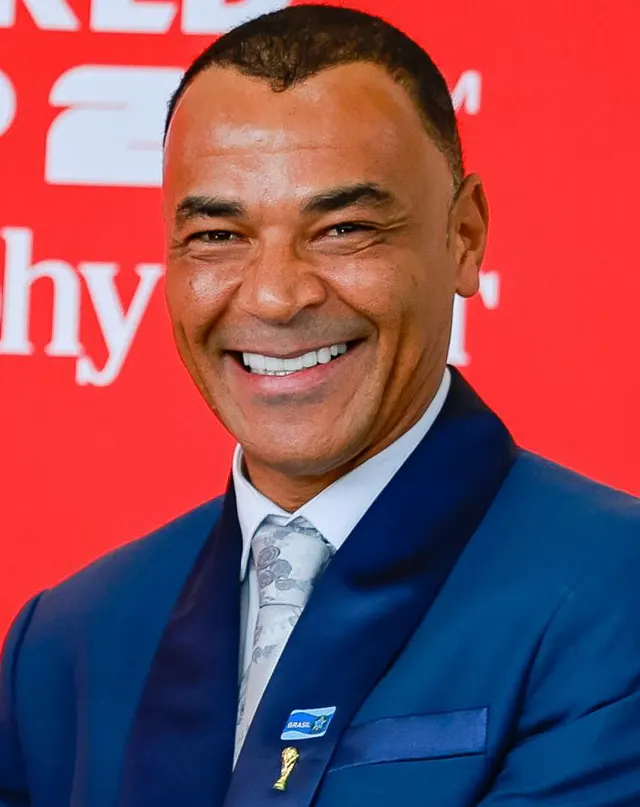
Cafu
Image creditLula Oficial · CC BY-SA 4.0Resized and cropped for display.

Cafu

Brazilian right-back, the only man to play in three World Cup finals in a row, who lifted the trophy as Brazil’s captain in 2002.

Mahesh Bhupathi
Image creditRobbie Mendelson (derivative by Arteyu) · CC BY-SA 3.0Resized and cropped for display.

Mahesh Bhupathi

Indian tennis player who became the first Indian to win a Grand Slam title, the 1997 French Open mixed doubles, and went on to win many more doubles crowns.

◉
IDEAS THAT CHANGED THINGS

Firsts, Science & Discoveries

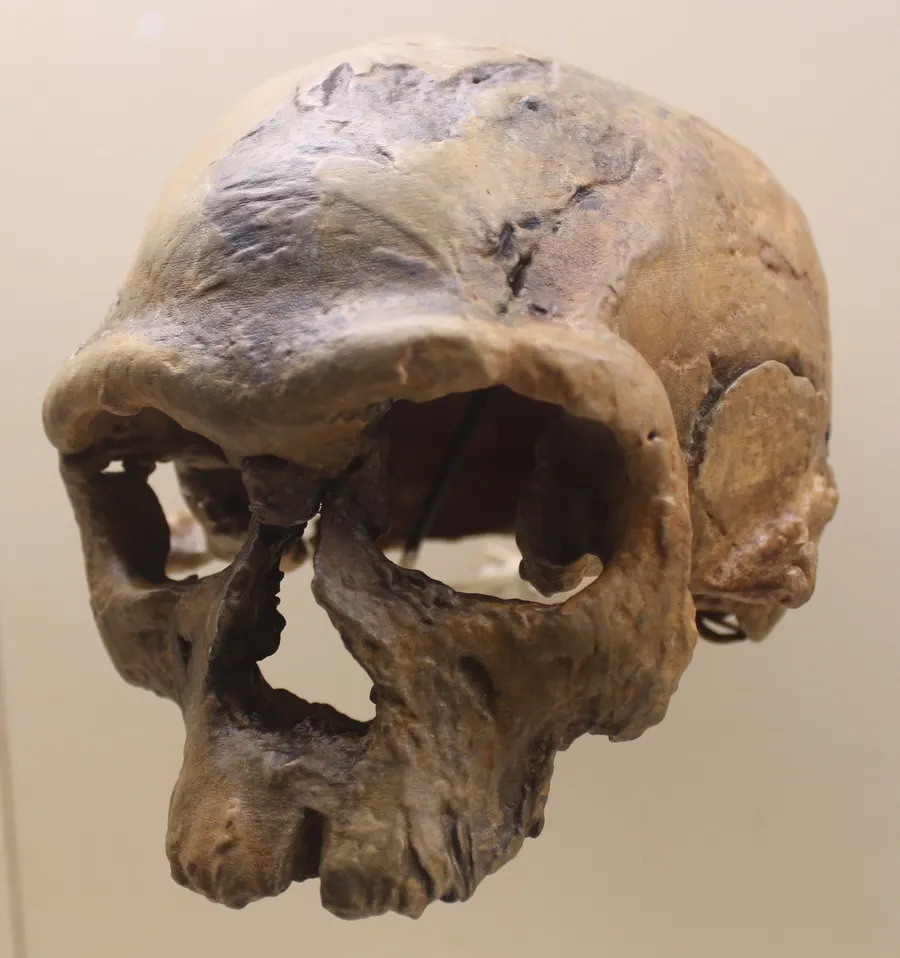
A cast of the skull Jebel Irhoud 1, found at the Moroccan site in 1961, at the Smithsonian's National Museum of Natural History
A cast of the skull Jebel Irhoud 1, found at the Moroccan site in 1961, at the Smithsonian’s National Museum of Natural History
Image creditJonathan Chen · CC BY-SA 4.0Resized and cropped for display.

Fossils from Morocco push back the dawn of our species

In the 1960s miners digging at Jebel Irhoud, a hill west of Marrakesh in Morocco, came across a human skull and other bones. For decades they were thought to be around 40,000 years old and were often compared with Neanderthals. From 2004 a team led by Jean-Jacques Hublin of the Max Planck Institute for Evolutionary Anthropology and Abdelouahed Ben-Ncer of Morocco’s national archaeology institute went back to the site, finding more fossils and stone tools.

On 7 June 2017 they announced their results. Flint tools that had been heated in ancient fires were dated to about 300,000 years ago, making the Jebel Irhoud people the oldest known members of our species, Homo sapiens, by about 100,000 years. Their faces looked strikingly modern, though their braincases were longer and more old-fashioned. The finds suggest that our species did not arise in one corner of East Africa, but emerged across much of the African continent.

Read the full storyHistory & Timeline →Source: Max Planck Institute for Evolutionary Anthropology: The first of our kind ↗
☆
SPORTING HISTORY

Sporting Moments

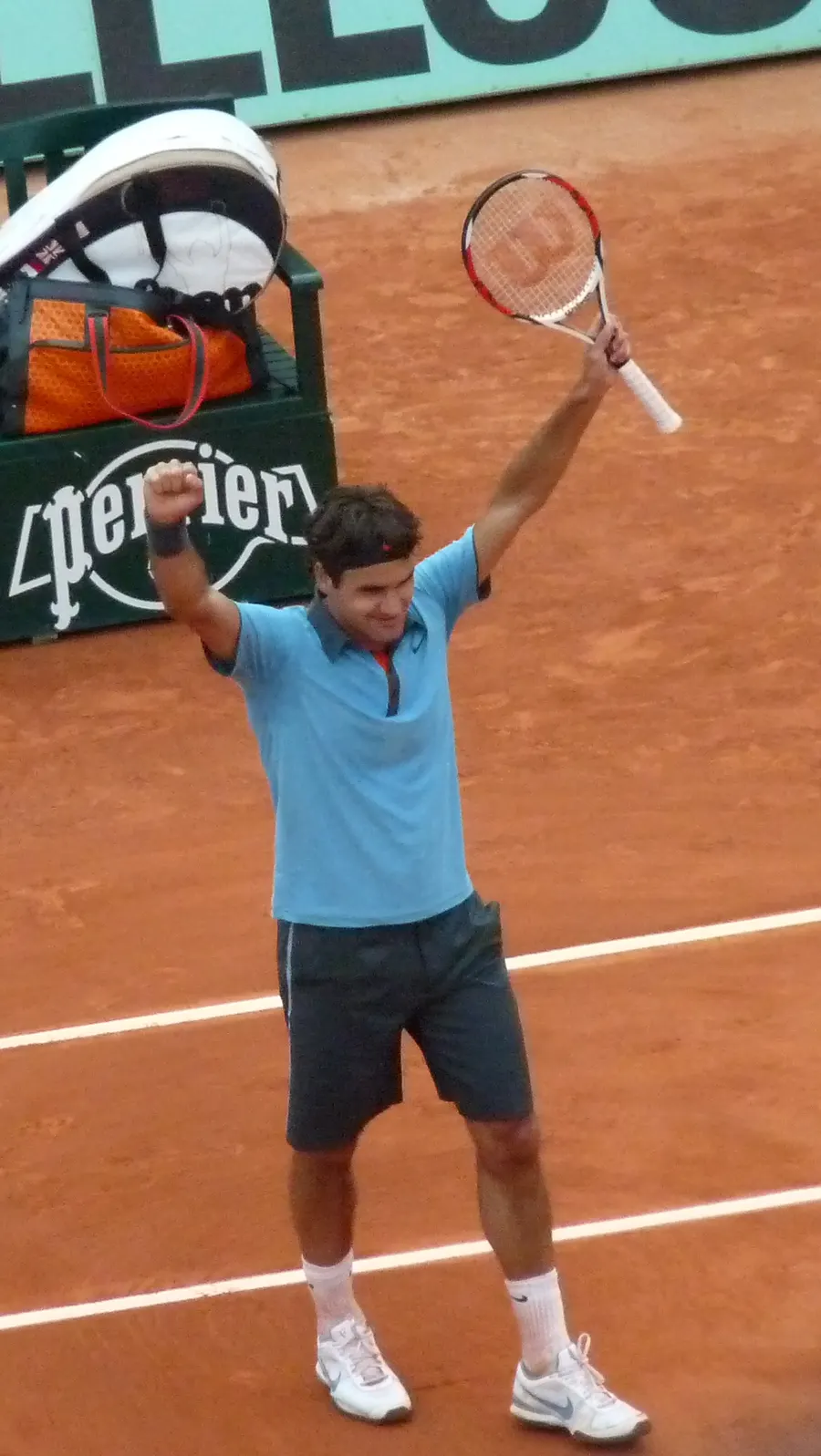
Roger Federer celebrating on the clay of Roland-Garros during the 2009 French Open
Image creditYann Caradec · CC BY-SA 2.0Resized and cropped for display.

Federer finally wins the French Open

By 2009 Roger Federer had won 13 Grand Slam singles titles, but the clay of Roland-Garros in Paris had always beaten him. He had lost the three previous finals there to Rafael Nadal, the four-time champion. Then, in the fourth round, the unseeded Swede Robin Söderling did what nobody had managed before: he beat Nadal at the French Open, opening the way for Federer.

The two met in the final on 7 June 2009, and Federer won 6-1, 7-6, 6-4. The victory gave him the one major title he lacked, making him only the sixth man to win all four Grand Slam tournaments, and his 14th major singles title equalled the record of Pete Sampras. A month later he broke that record at Wimbledon.

Read the full storyHistory & Timeline →Source: Roland-Garros: 2009, Roger Federer and Svetlana Kuznetsova ↗
♫
MUSIC • FILM • BOOKS • CULTURE

Culture Stories

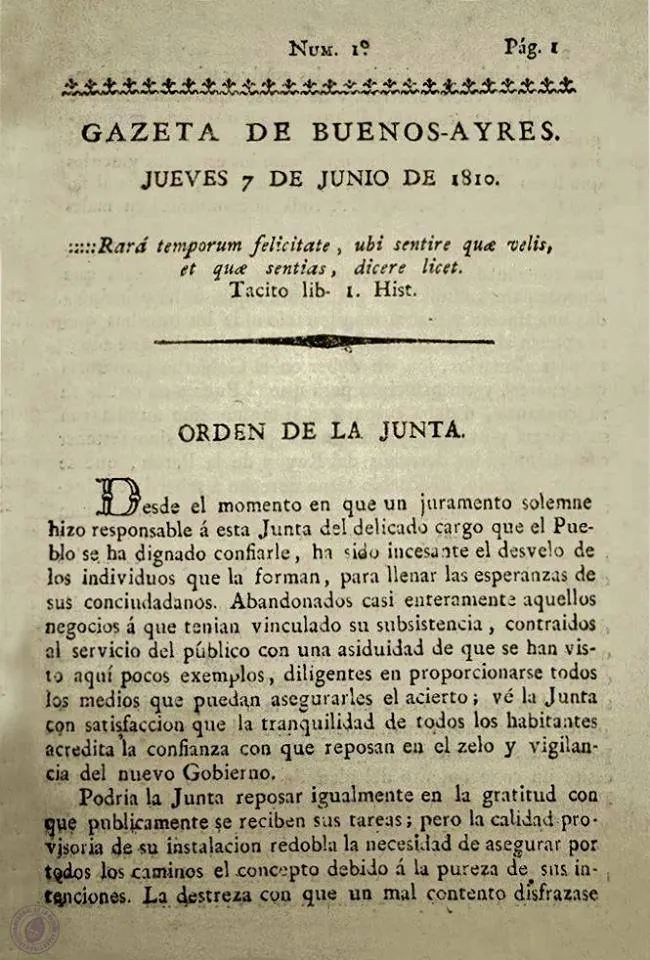
The first page of the first issue of the Gazeta de Buenos-Ayres, dated Thursday 7 June 1810
Image creditGazeta de Buenos-Ayres (1810) · Public domainResized and cropped for display.

The Gazeta de Buenos Ayres goes on sale

In May 1810 the people of Buenos Aires removed the Spanish viceroy and set up their own governing council, the Primera Junta. Within days the Junta ordered a new weekly newspaper, so that the public could follow what their government was doing. Its secretary, the young lawyer Mariano Moreno, took charge, helped by fellow revolutionaries such as Manuel Belgrano and Juan José Castelli.

The first issue of the Gazeta de Buenos Ayres appeared on 7 June 1810, its masthead carrying a line from the Roman historian Tacitus in praise of times when people may think what they like and say what they think. It printed the Junta’s decrees, news of the revolution and Moreno’s own essays on free government, and it became the voice of the movement towards independence. Since 1938 Argentina has marked 7 June as Journalists’ Day in its honour.

Read the full storyHistory & Timeline →Source: Biblioteca Nacional Mariano Moreno: 7 de junio de 1810, comienza a publicarse La Gazeta de Buenos Ayres ↗
✦
LIVES REMEMBERED

Remembered Today

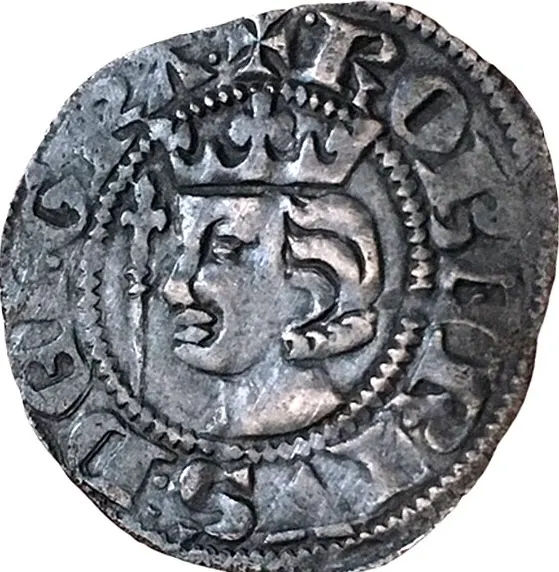
Robert the Bruce
Image creditNational Museums Liverpool · CC BY-SA 4.0Resized and cropped for display.

Robert the Bruce

King of Scotland who defeated the English at Bannockburn in 1314 and won recognition of his kingdom’s independence shortly before his death.

Joseph von Fraunhofer
Image creditUnknown author · Public domainResized and cropped for display.

Joseph von Fraunhofer

Bavarian optician who made the finest telescope lenses of his day and mapped the dark lines in the Sun’s spectrum that bear his name.

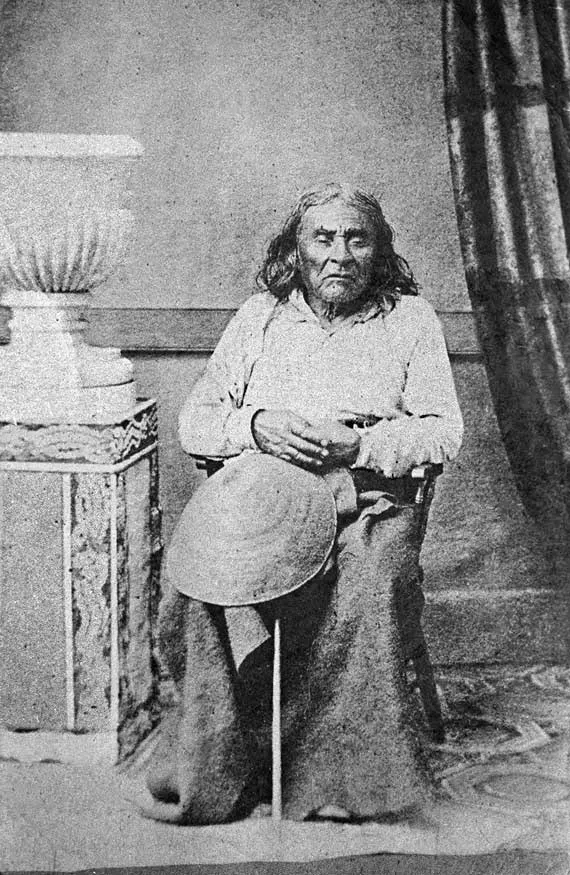
Chief Seattle
Image creditE.M. Sammis · Public domainResized and cropped for display.

Chief Seattle

Leader of the Suquamish and Duwamish peoples of Puget Sound who sought peace with American settlers; the city of Seattle is named after him.

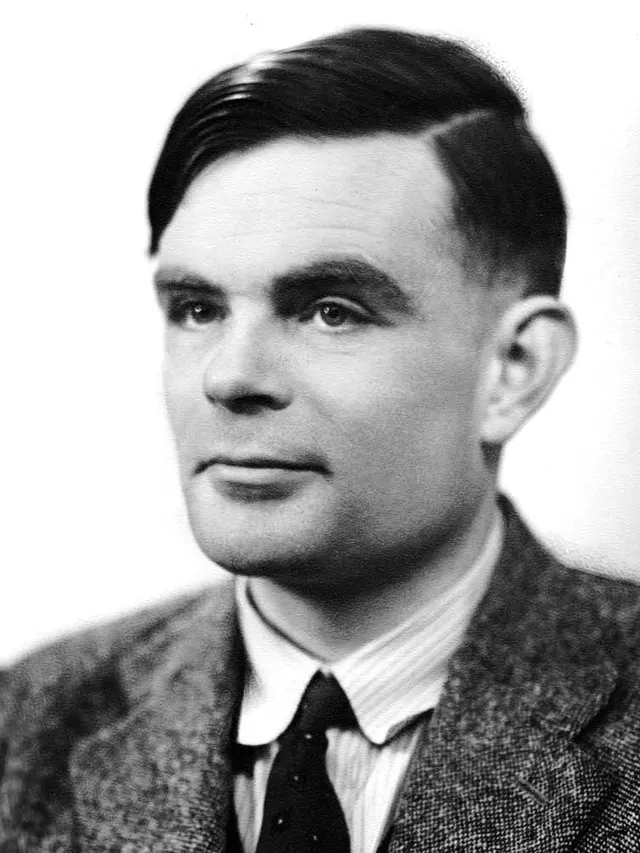
Alan Turing
Image creditElliott & Fry · Public domainResized and cropped for display.

Alan Turing

English mathematician who laid the foundations of computer science and led wartime codebreaking at Bletchley Park; he was prosecuted for homosexuality in 1952 and pardoned after his death.

☉
AROUND THE WORLD

Observances & Anniversaries

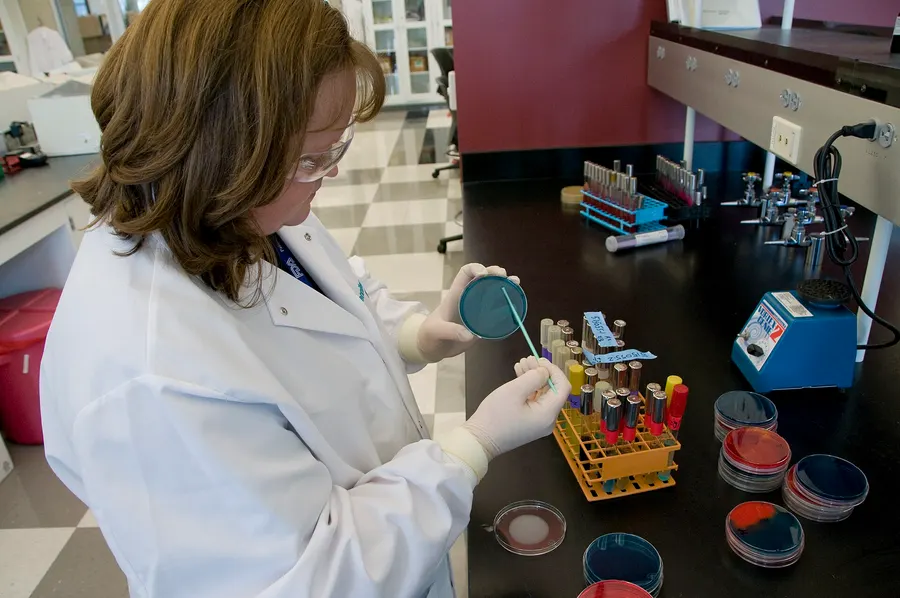
A scientist testing food samples in a US Food and Drug Administration laboratory
Image creditThe U.S. Food and Drug Administration · Public domainResized and cropped for display.

World Food Safety Day

Each year on 7 June the United Nations marks World Food Safety Day, to draw attention to the harm caused by contaminated food and to encourage action to prevent, detect and manage foodborne risks, from farm to plate. The World Health Organization and the Food and Agriculture Organization of the United Nations lead the day together, working with governments, producers and consumers.

Source: United Nations: World Food Safety Day ↗
HISTORY & TIMELINE

Finished the highlights?

Follow 7 June chronologically, from the Middle Ages to the modern day, with 14 verified events and the sources behind them.

This day through time →