1190Frederick Barbarossa drowns on the road to Jerusalem
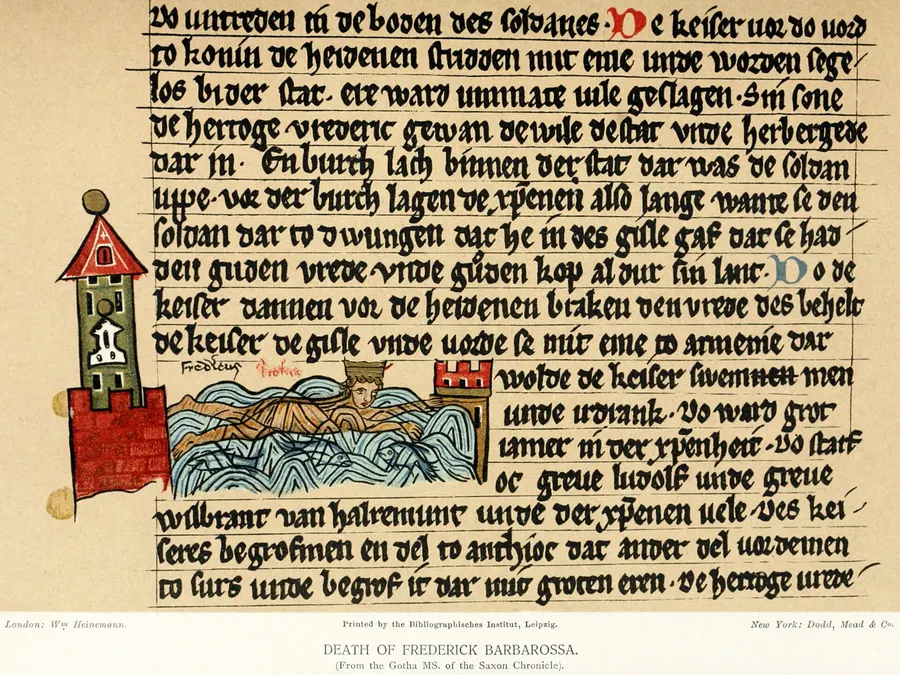
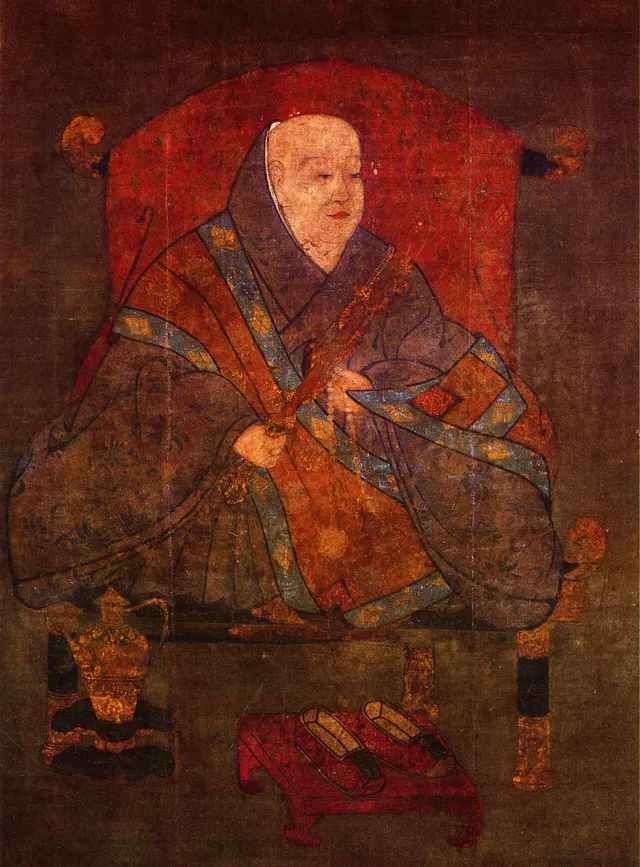
Frederick I, called Barbarossa for his red beard, had ruled the Holy Roman Empire for more than three decades when Saladin captured Jerusalem in 1187. Though well into his sixties, he took the cross and in 1189 led a large German army overland towards the Holy Land, marching through the Balkans and into Anatolia on what became the Third Crusade.
On 10 June 1190, having ridden ahead with his bodyguard, the emperor tried to cross the river Saleph, today’s Göksu, near Silifke in southern Turkey, and drowned. His death shattered the morale of his army. Many of his men turned for home, and only a remnant reached the crusaders at Acre, leaving Richard the Lionheart and Philip II of France to carry on the war without him.
Read the full storyHistory & Timeline →Source: Britannica: Frederick I ↗
1871American marines and sailors land on Korea’s Ganghwa Island
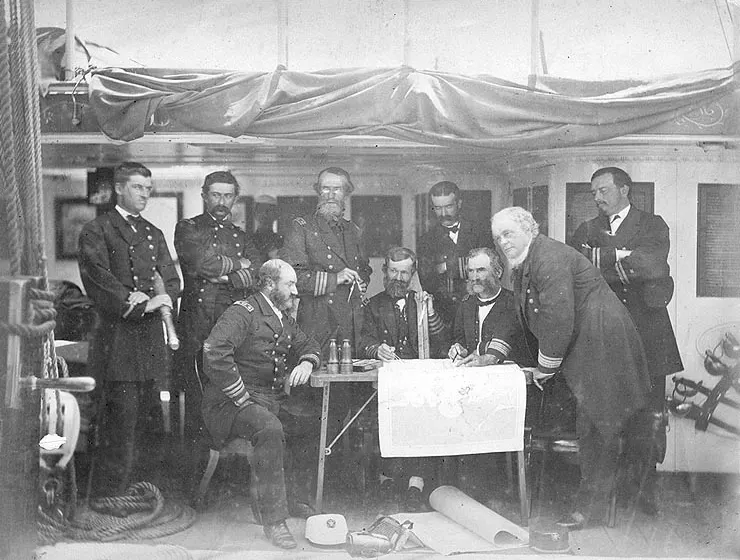
In 1871 the kingdom of Joseon kept Korea firmly closed to Western trade. An American squadron under Rear Admiral John Rodgers sailed there carrying the diplomat Frederick Low, to learn the fate of the merchant ship General Sherman, destroyed in 1866, and to press for a treaty. When the squadron’s launches surveyed the channel past Ganghwa Island on 1 June, the Korean forts along the shore opened fire.
Rodgers ordered the forts taken. On 10 June 1871 a force of 651 marines and sailors waded ashore through thick mud on Ganghwa, and over the next day and a half they stormed the forts one after another, killing hundreds of Korean defenders for the loss of a handful of their own men. The victory changed nothing: Korea’s rulers still refused to talk, and the squadron sailed away. Koreans remember the clash as the Sinmiyangyo, the Western disturbance of 1871.
Read the full storyHistory & Timeline →Source: Naval History and Heritage Command: Marine amphibious landing in Korea, 1871 ↗
1886Mount Tarawera erupts and the Pink and White Terraces vanish
On the shores of Lake Rotomahana, near Rotorua in New Zealand’s North Island, hot springs had built two great staircases of silica, the Pink and White Terraces. Tinted and brimming with warm pools, they drew visitors from around the world, who were guided there from the village of Te Wairoa.
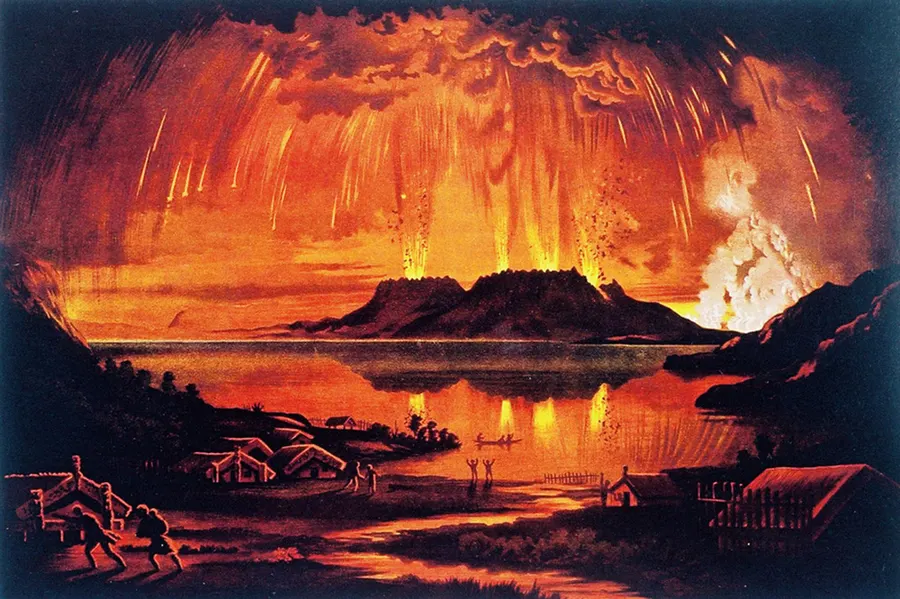
Soon after midnight on 10 June 1886 a series of violent earthquakes woke the district. At about 2 a.m. Mount Tarawera split open, throwing up fountains of glowing lava and a column of ash some 10 kilometres high. Ash and mud buried Te Wairoa and other settlements; at Te Wairoa more than 60 people survived by sheltering in the sturdy house of the guide Sophia Hinerangi. More than a hundred people died, perhaps as many as 150, nearly all of them Māori. When the ash settled, the terraces were gone.
Read the full storyHistory & Timeline →Source: NZHistory (Ministry for Culture and Heritage): Tarawera eruption, 1886 ↗
1924Fascist thugs seize and murder Giacomo Matteotti
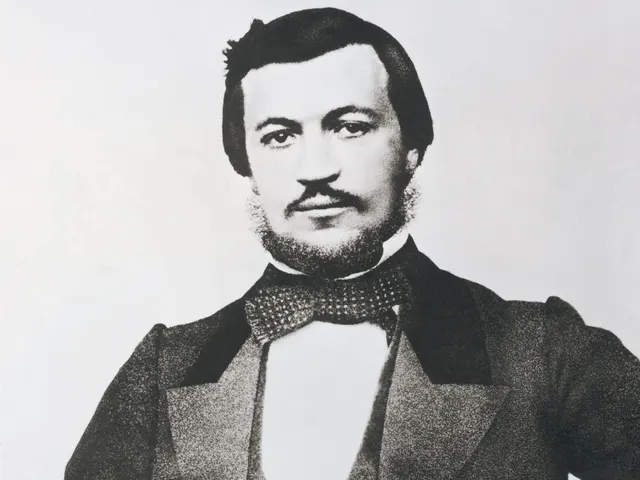
Giacomo Matteotti led Italy’s Unitary Socialist Party and was one of the bravest critics of Benito Mussolini’s government. On 30 May 1924 he stood up in the Chamber of Deputies and denounced the violence and intimidation with which the Fascists had won that spring’s elections, while hostile deputies shouted him down.
On 10 June 1924 a Fascist squad led by Amerigo Dumini, who worked in Mussolini’s press office, bundled Matteotti into a car in Rome, stabbed him to death and buried his body outside the city, where it was found weeks later. The murder caused an outcry, and about 150 opposition deputies walked out of parliament in the Aventine Secession. But the protest faded, and on 3 January 1925 Mussolini told the Chamber he took responsibility for what had happened and dared his critics to act. None could, and his dictatorship began in earnest.
Read the full storyHistory & Timeline →Source: Britannica: Matteotti Crisis ↗
1935Alcoholics Anonymous counts its first day
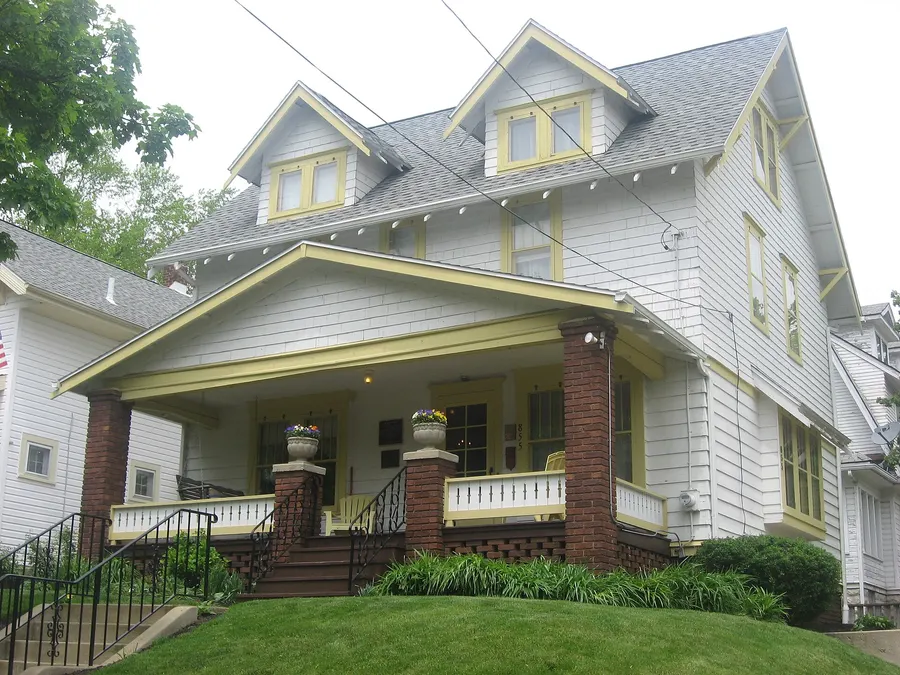
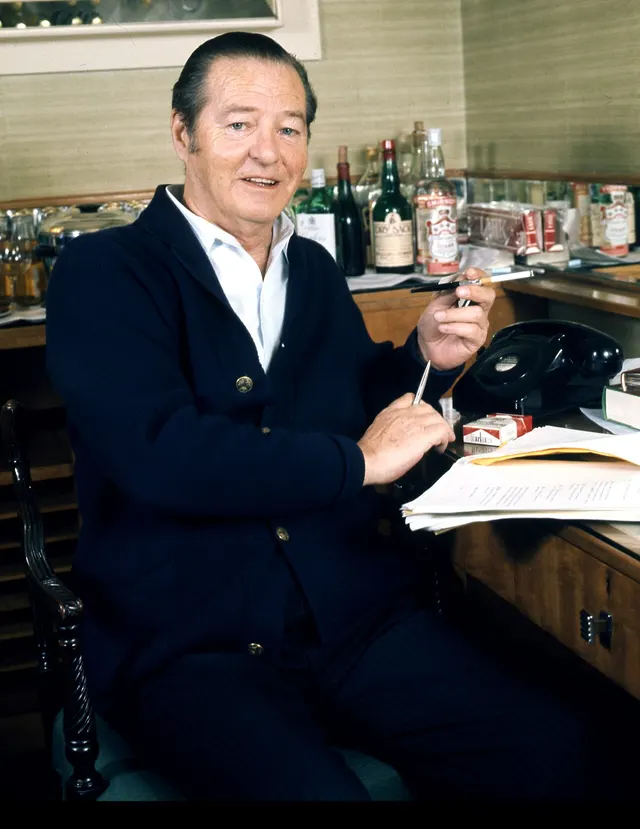
In May 1935 Bill W., a New York stockbroker who had been sober for six months, was in Akron, Ohio, on a failing business trip and badly wanted a drink. Looking for another alcoholic to talk to, he was put in touch with Dr Bob S., a local surgeon whose drinking was wrecking his career. They met on 12 May, Mother’s Day, and talked for hours.
Dr Bob stayed sober for a few weeks, then slipped while at a medical convention. On 10 June 1935, before operating on a patient, he took one last beer to steady his hands, and he never drank again. Alcoholics Anonymous keeps that day as its founding date. The two men began helping other alcoholics one at a time, working out the idea of staying sober just for today, and the fellowship they started has since spread around the world.
Read the full storyHistory & Timeline →Source: Alcoholics Anonymous: A.A. Timeline ↗