Explore 3 June

Explore 3 June: China pours British opium into the sea at Humen, Britain’s last viceroy announces the plan to divide India, Australia’s High Court sweeps away the idea of an empty continent and Ed White floats free above the Earth. Born today: Manuel Belgrano, Flinders Petrie and Rafael Nadal.

This day through time →14 verified events across 3 eras

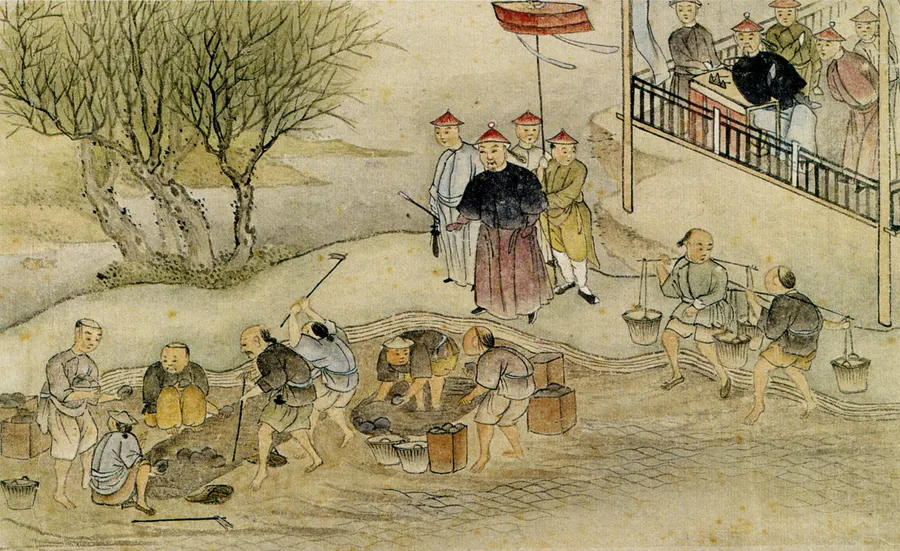
Chinese workers destroying confiscated opium in 1839, in a painting by a Chinese artist
Image creditChinese artist · Public domainResized and cropped for display.

China pours the British opium stocks into the sea at Humen

By the 1830s British merchants were shipping vast quantities of Indian opium into China, against the emperor’s ban, and paying for Chinese tea with the proceeds. Addiction spread and silver drained out of the country. In 1838 the Daoguang Emperor sent the respected official Lin Zexu to Canton (Guangzhou) as imperial commissioner, with full powers to end the trade. Arriving in March 1839, Lin blockaded the foreign merchants in their warehouses until they handed over their stocks, more than 20,000 chests of the drug.

On 3 June 1839 Lin’s men began destroying the opium in public on the shore at Humen, at the mouth of the Pearl River. Rather than burn it, they broke it up in trenches filled with water, salt and lime, and let the foul-smelling mixture out to sea on the ebb tide. The work took about three weeks and disposed of well over a thousand tonnes. Lin became a national hero in China, but Britain answered with warships, and the First Opium War followed.

Read the full storyHistory & Timeline →Source: The Opium War Museum (Google Arts & Culture): The Burning of Opium at Humen ↗
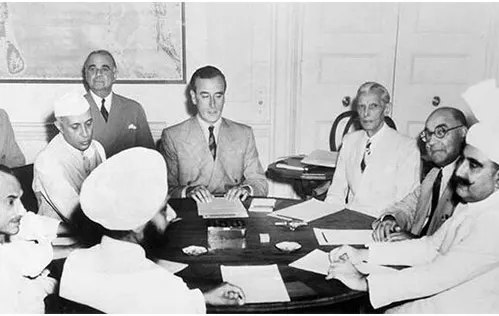
Lord Mountbatten at the conference table with Nehru, Jinnah and other Indian leaders during the partition talks of 1947
Image creditUnknown author · Public domainResized and cropped for display.

Britain’s last viceroy announces the plan to divide India

Early in 1947 the British government said it would hand over power in India by June 1948, and sent Lord Louis Mountbatten to Delhi as the last viceroy to arrange it. The Indian National Congress wanted a single united India, while Muhammad Ali Jinnah’s Muslim League demanded a separate homeland for Muslims, Pakistan. As violence between communities grew, Mountbatten became convinced that only partition could bring a settlement.

On 3 June 1947 he announced the plan on All India Radio: British India would become two independent dominions, India and Pakistan, and Punjab and Bengal would be divided between them. The Congress leader Jawaharlal Nehru, Jinnah and the Sikh leader Baldev Singh followed him on air to accept it, and the handover was brought forward to August 1947. Independence came within ten weeks, but the partition that followed uprooted millions of people and cost hundreds of thousands of lives.

Read the full storyHistory & Timeline →Source: Britannica: All India Radio ↗
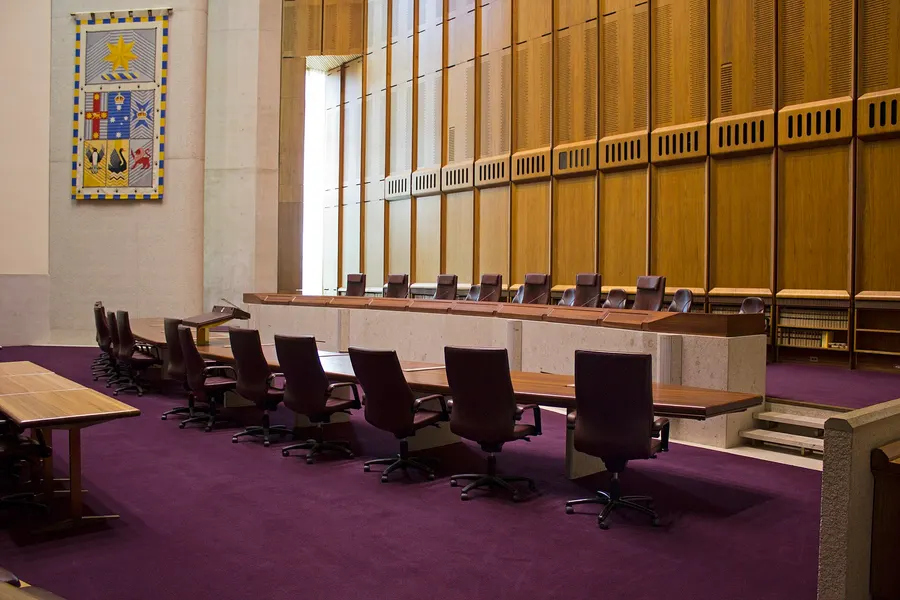
Courtroom 1 of the High Court of Australia in Canberra
Image creditBidgee · CC BY-SA 3.0 auResized and cropped for display.

Australia’s High Court recognises native title in the Mabo case

In 1982 five Meriam people from Mer (Murray Island) in the Torres Strait, led by Eddie Koiki Mabo, went to court to establish that their people had always owned their island. The case struck at an old legal idea: that when Britain claimed Australia the land was terra nullius, belonging to no one, so that the Crown owned it all outright. The case dragged on for ten years, and Eddie Mabo died of cancer in January 1992, months before it was settled.

On 3 June 1992 the High Court of Australia ruled by six judges to one that the Meriam people held traditional title to their lands. The court went further, finding that native title could survive for Indigenous peoples across Australia, and that the doctrine of terra nullius had no place in the country’s law. Parliament passed the Native Title Act the following year, and 3 June is now marked as Mabo Day.

Read the full storyHistory & Timeline →Source: National Archives of Australia: Eddie Koiki Mabo and the Mabo case ↗
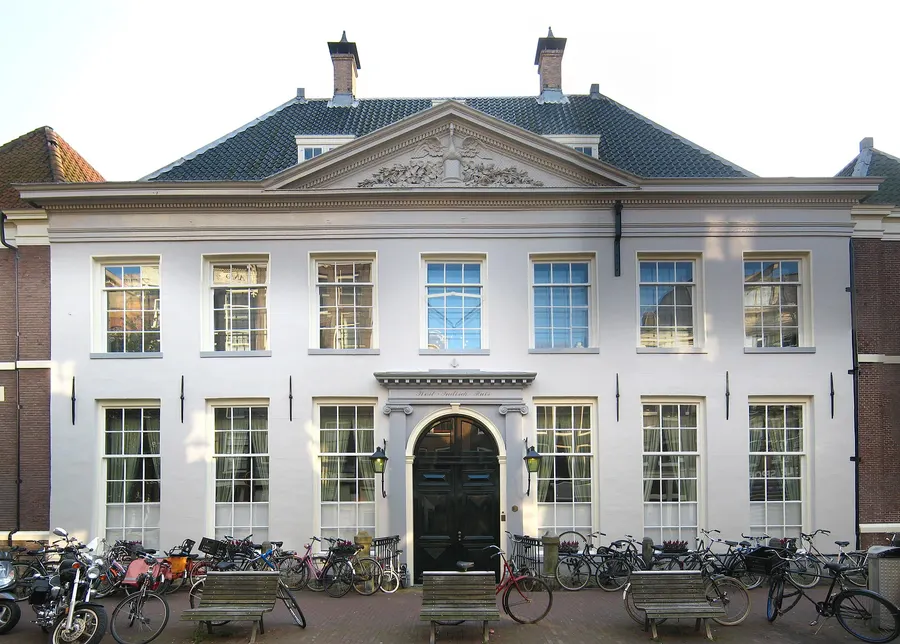
The West-Indisch Huis (West India House) on the Herenmarkt in Amsterdam, once used by the company
Image creditS Sepp · CC BY-SA 3.0Resized and cropped for display.

The Dutch West India Company receives its charter

Twenty years after the Dutch East India Company was set up to trade with Asia, merchants in the young Dutch Republic wanted a similar company for the Atlantic. On 3 June 1621 the States General, the republic’s governing body, granted a charter to the Dutch West India Company, giving it a 24-year monopoly on Dutch trade with the Americas and West Africa. The charter ran to 45 articles and placed the company under a board of directors, the Lords Nineteen.

It was far more than a trading licence. The company could make treaties, build forts, raise soldiers, found colonies and fight Spain, then at war with the Dutch. It went on to found New Netherland, with its capital New Amsterdam on Manhattan, to seize part of Brazil for a time, to capture Elmina on the Gold Coast, and to become one of the main carriers in the Atlantic slave trade.

Read the full storyHistory & Timeline →Source: Library of Congress: Charter given by the States General on the date of June the third, 1621 ↗
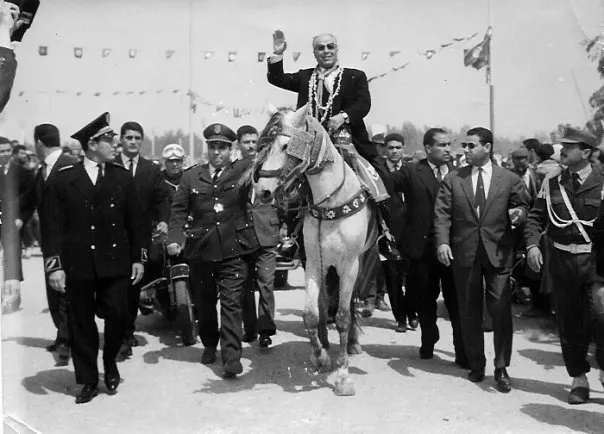
Habib Bourguiba on horseback during his triumphant return to Tunis on 1 June 1955
Image creditHabib Osman · Public domainResized and cropped for display.

France and Tunisia sign the agreements on self-rule

Tunisia had been a French protectorate since 1881. From the 1930s the Neo-Destour party of Habib Bourguiba led the campaign for independence, and by the early 1950s strikes, arrests and armed resistance had made French rule increasingly hard to sustain. In July 1954 the French prime minister, Pierre Mendes France, flew to Tunisia and promised the country internal autonomy, and negotiations began.

Bourguiba came home from exile on 1 June 1955 and rode through cheering crowds in Tunis. Two days later, on 3 June, the French and Tunisian governments signed the agreements that gave Tunisia self-rule, while France kept control of defence and foreign affairs and its Resident-General gave way to a High Commissioner. The limits did not last long: Tunisia became fully independent in March 1956.

Read the full storyHistory & Timeline →Source: CVCE (University of Luxembourg): Independence for Morocco and Tunisia ↗

♙
PEOPLE

Born Today

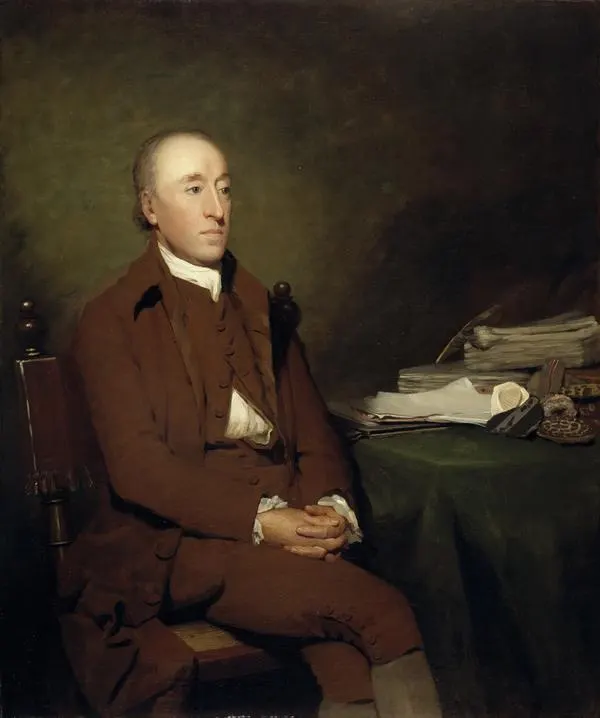
James Hutton
Image creditHenry Raeburn · Public domainResized and cropped for display.

James Hutton

Scottish geologist often called the founder of modern geology, who argued that the Earth was shaped by slow processes still at work today, over an immense span of time. (Born 3 June Old Style, the calendar then used in Scotland.)

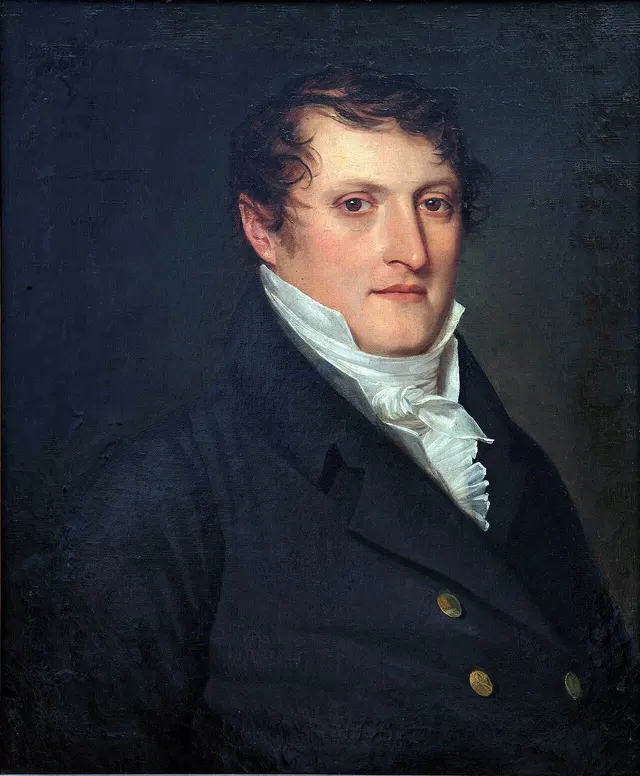
Manuel Belgrano
Image creditAttributed to Casimir Carbonnier · Public domainResized and cropped for display.

Manuel Belgrano

Argentine lawyer, economist and general in the wars of independence, who created the blue and white flag of Argentina.

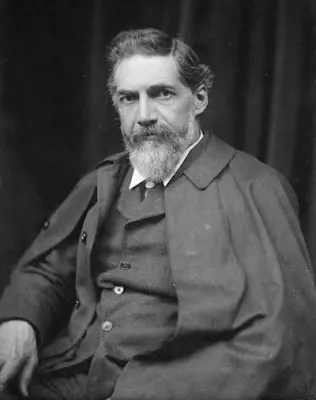
Flinders Petrie
Image creditUnknown author · Public domainResized and cropped for display.

Flinders Petrie

English Egyptologist who brought careful scientific method to archaeology, excavating dozens of sites in Egypt and Palestine and dating finds by their pottery.

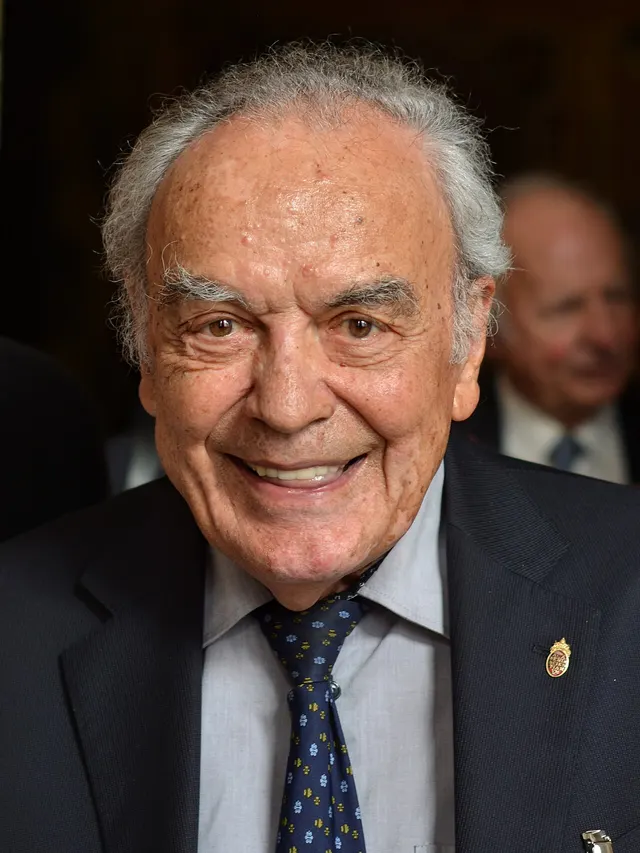
Werner Arber
Image creditGabriella Clare Marino · CC BY-SA 4.0Resized and cropped for display.

Werner Arber

Swiss microbiologist who shared the 1978 Nobel Prize in Physiology or Medicine for the discovery of restriction enzymes, the molecular scissors of genetic engineering.

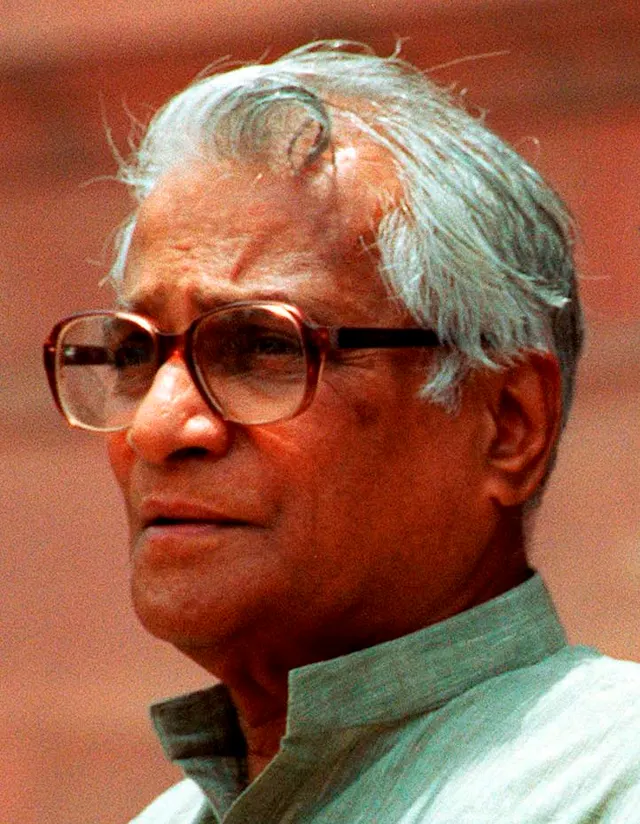
George Fernandes
Image creditHelene C. Stikkel · Public domainResized and cropped for display.

George Fernandes

Indian trade union leader and politician who led the great railway strike of 1974 and later served as India’s defence minister.

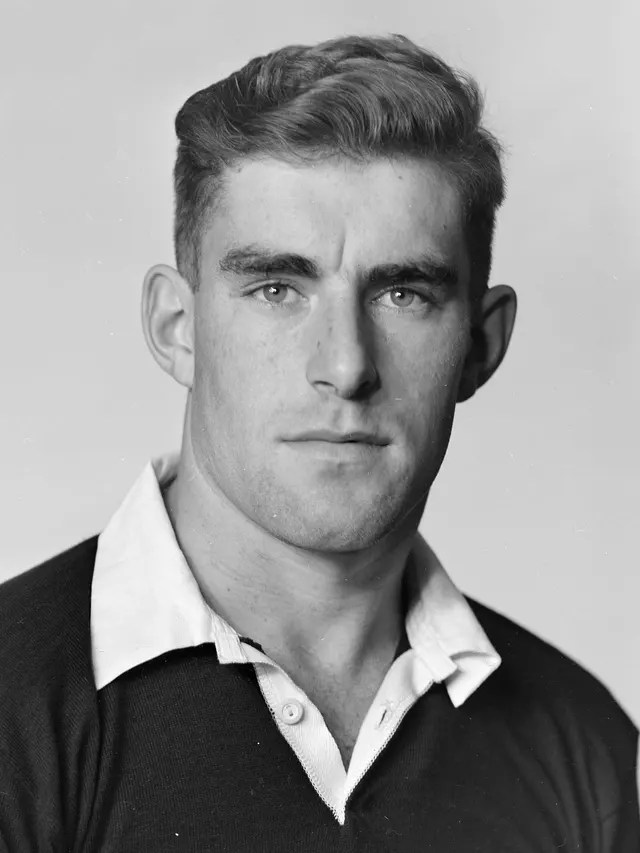
Colin Meads
Image creditCrown Studios · Public domainResized and cropped for display.

Colin Meads

New Zealand rugby union forward, nicknamed ‘Pinetree’, who played 55 test matches for the All Blacks and was named the country’s player of the century.

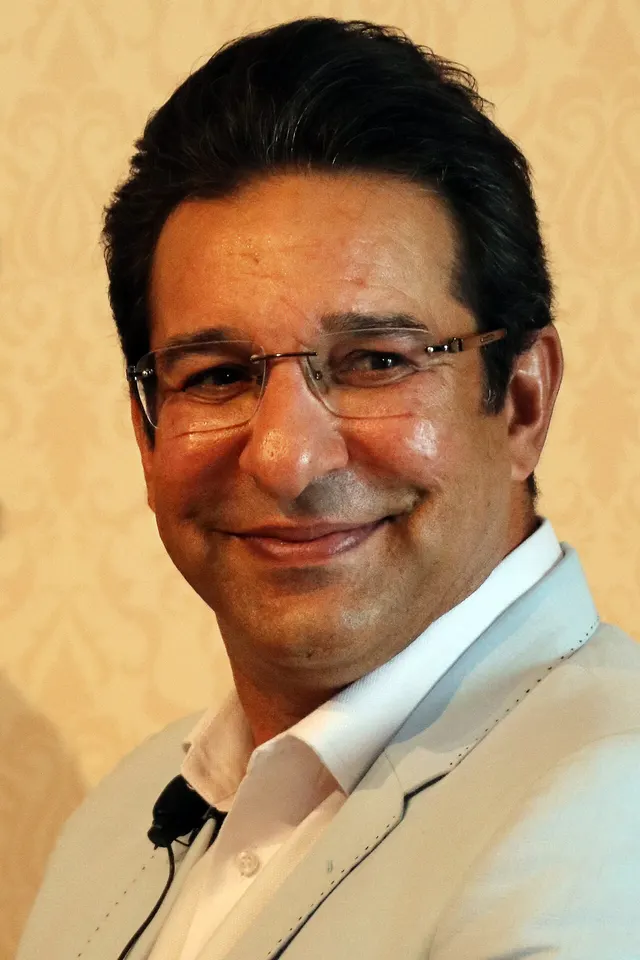
Wasim Akram
Image creditFuzheado · CC BY-SA 4.0Resized and cropped for display.

Wasim Akram

Pakistani left-arm fast bowler, one of the greatest in cricket’s history, who helped Pakistan win the 1992 World Cup.

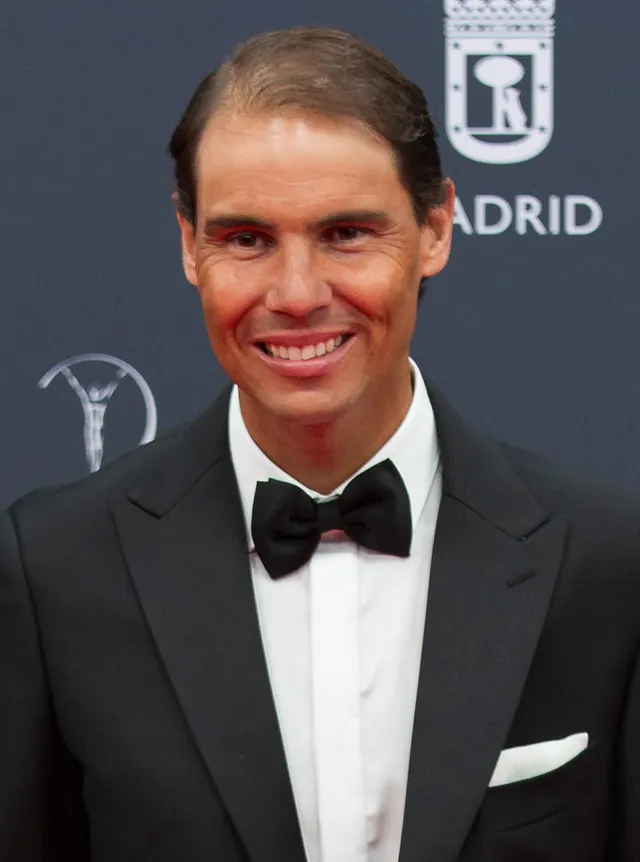
Rafael Nadal
Image creditBarcex · CC BY-SA 4.0Resized and cropped for display.

Rafael Nadal

Spanish tennis player who won 22 Grand Slam singles titles, including a record 14 at the French Open.

◉
IDEAS THAT CHANGED THINGS

Firsts, Science & Discoveries

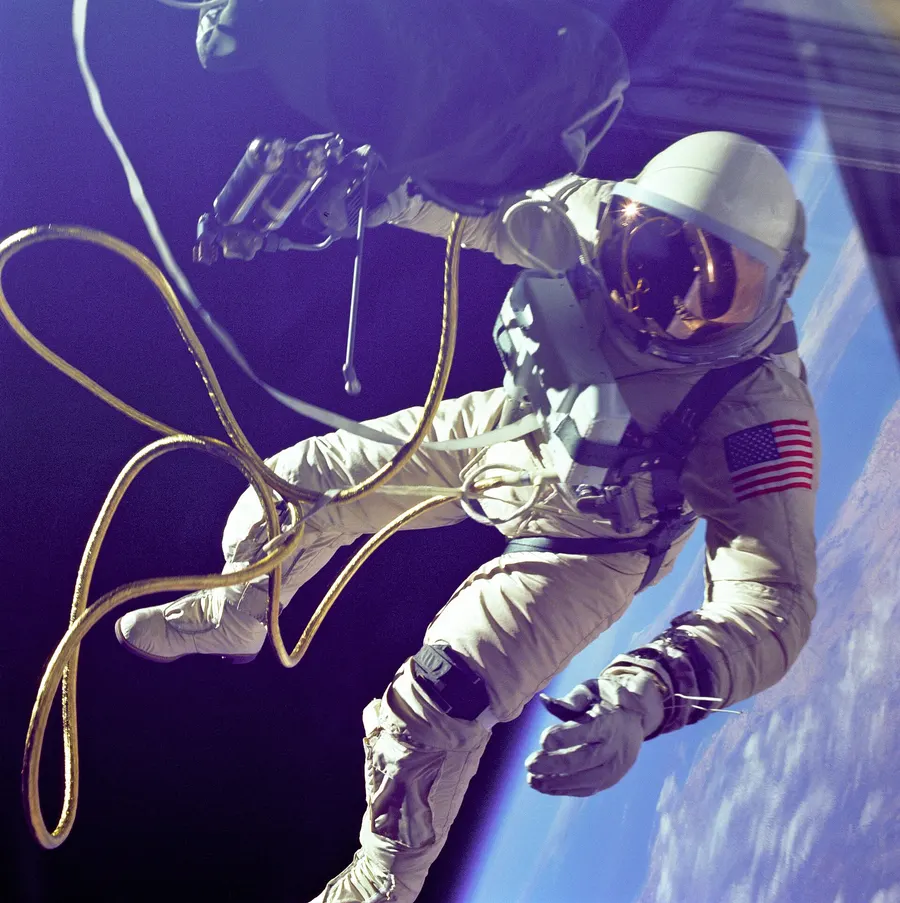
Ed White floating outside Gemini 4 on 3 June 1965, photographed by James McDivitt
Image creditNASA / James McDivitt · Public domainResized and cropped for display.

Ed White becomes the first American to walk in space

In March 1965 the Soviet cosmonaut Alexei Leonov had become the first person to leave a spacecraft in orbit. NASA answered within weeks. At 10:16 in the morning on 3 June 1965, Gemini 4 lifted off from Cape Kennedy with James McDivitt and Ed White on board, on a four-day flight meant to show that astronauts could live and work in space for the length of a trip to the Moon.

On their third orbit White opened his hatch and pushed himself out over the Pacific, tied to the capsule by a gold-wrapped tether. For the first few minutes he steered with a hand-held gas gun until its fuel ran out, then moved by pulling on the line and twisting his body. He stayed outside for about 23 minutes, until he was ordered back in over the Gulf of Mexico. The crew splashed down safely on 7 June after 62 orbits.

Read the full storyHistory & Timeline →Source: NASA: Gemini IV ↗
☆
SPORTING HISTORY

Sporting Moments

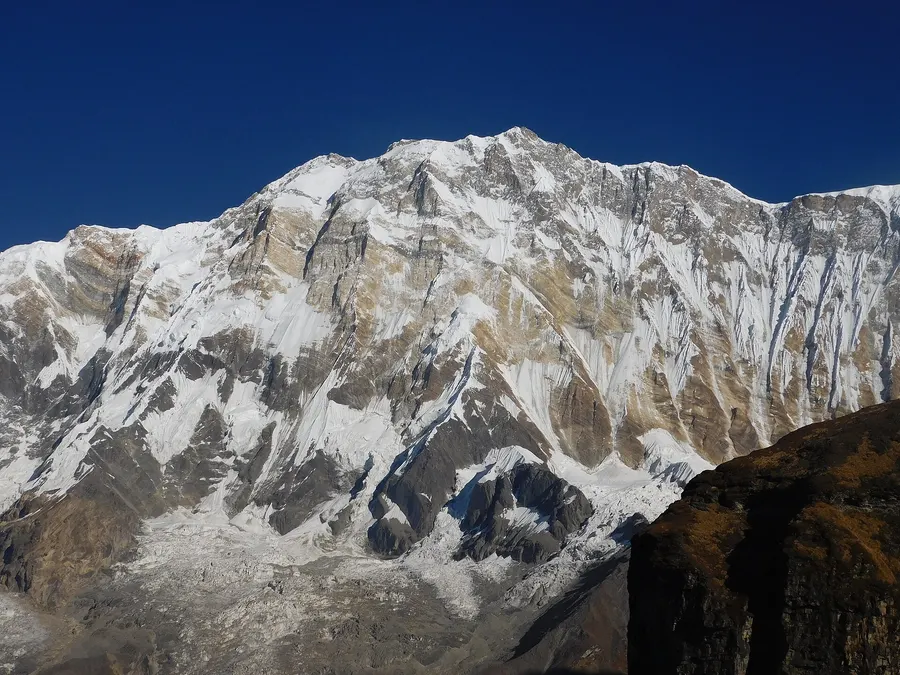
The south face of Annapurna I in Nepal
Image creditPrajwalMohan · CC BY-SA 4.0Resized and cropped for display.

French climbers make the first ascent of an 8,000-metre peak

In 1950 Nepal opened its mountains to foreign climbers after more than a century, and a French expedition led by Maurice Herzog set out to climb either Dhaulagiri or its neighbour Annapurna. The team spent April searching for a route on Dhaulagiri without success, and by the time they switched to Annapurna in mid-May they had only a few weeks before the monsoon snows arrived.

On 3 June 1950 Herzog and Louis Lachenal reached the 8,091-metre summit of Annapurna, climbing without bottled oxygen. It was the first time anyone had stood on top of one of the world’s fourteen peaks over 8,000 metres. The descent became a desperate ordeal through storm and avalanche, and both men lost toes, Herzog his fingers too, to frostbite. Herzog’s book about the climb became one of the best-selling mountaineering books ever written.

Read the full storyHistory & Timeline →Source: American Alpine Club: Maurice Herzog, 1919-2012 ↗
♫
MUSIC • FILM • BOOKS • CULTURE

Culture Stories

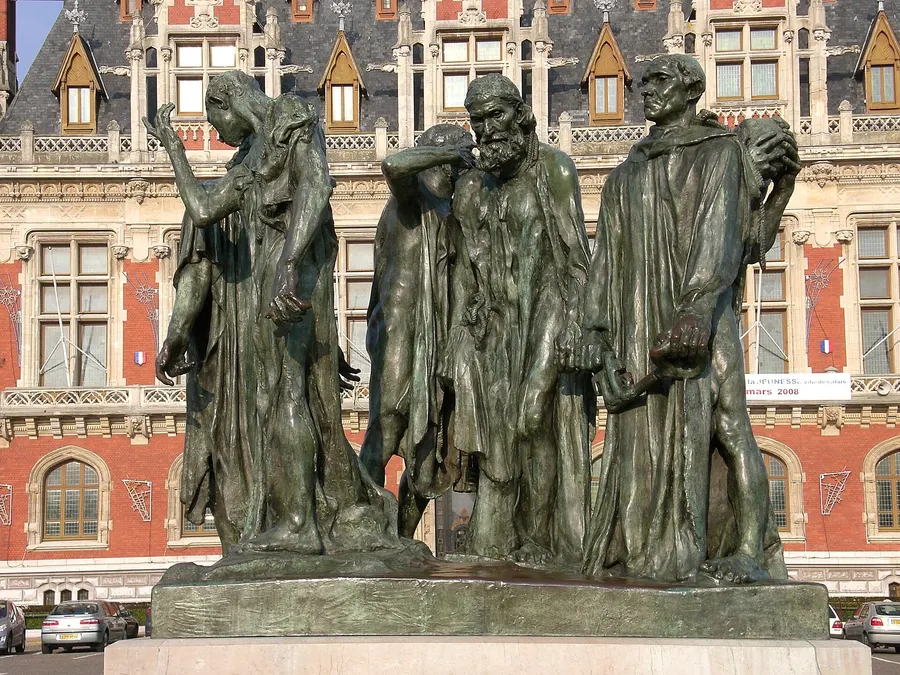
Rodin's Burghers of Calais in front of the town hall in Calais
Rodin’s Burghers of Calais in front of the town hall in Calais
Image creditRomainberth · CC BY-SA 3.0Resized and cropped for display.

Rodin’s Burghers of Calais are unveiled

In 1347, after a siege of nearly a year, the starving town of Calais surrendered to Edward III of England. According to the chronicler Jean Froissart, six leading citizens offered their lives to save the rest, walking out bareheaded with ropes round their necks and the keys of the town in their hands. The king spared them at the plea of his queen, Philippa. In the 1880s the town council asked Auguste Rodin for a monument to their leader, Eustache de Saint-Pierre.

Rodin chose instead to show all six men together, not as noble heroes on a tall plinth but as frightened, exhausted people facing death, each wrestling with it in his own way. The council was uneasy with the design, and a lack of money held the project up for years. The bronze group was finally unveiled in Calais on 3 June 1895, and it is now counted among Rodin’s greatest works.

Read the full storyHistory & Timeline →Source: Musee Rodin: Monument to the Burghers of Calais ↗
✦
LIVES REMEMBERED

Remembered Today

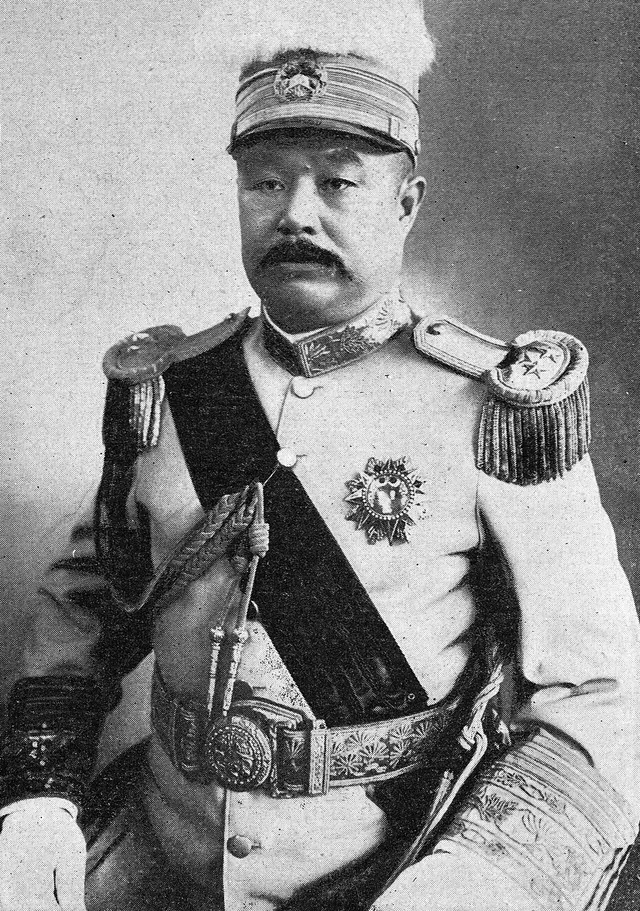
Li Yuanhong
Image creditGeorge Bronson Rea · Public domainResized and cropped for display.

Li Yuanhong

Chinese general who was thrust into leadership of the 1911 Wuchang Uprising against the Qing dynasty and twice served as president of the Republic of China.

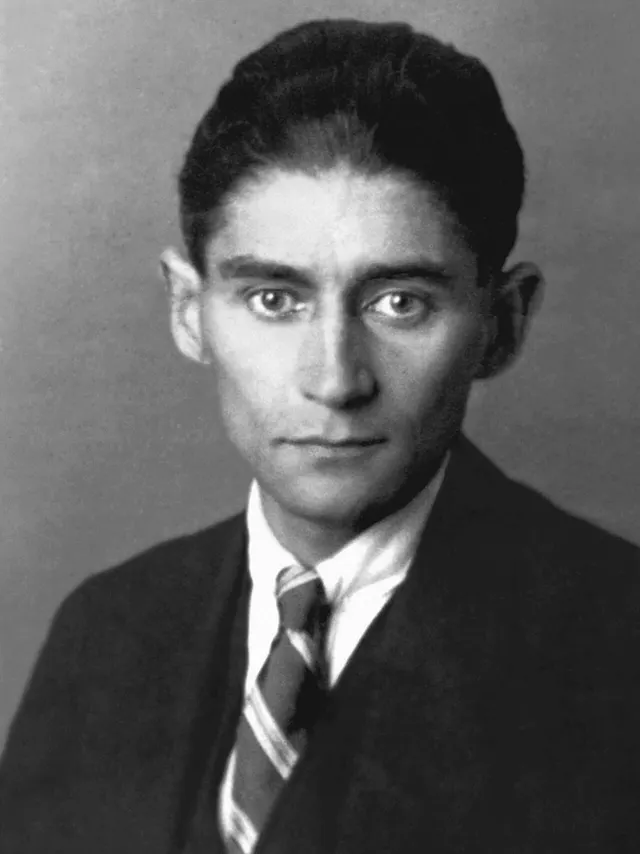
Franz Kafka
Image creditUnknown photographer · Public domainResized and cropped for display.

Franz Kafka

Prague-born writer whose unsettling stories and novels, among them The Metamorphosis and The Trial, were mostly published after his death from tuberculosis.

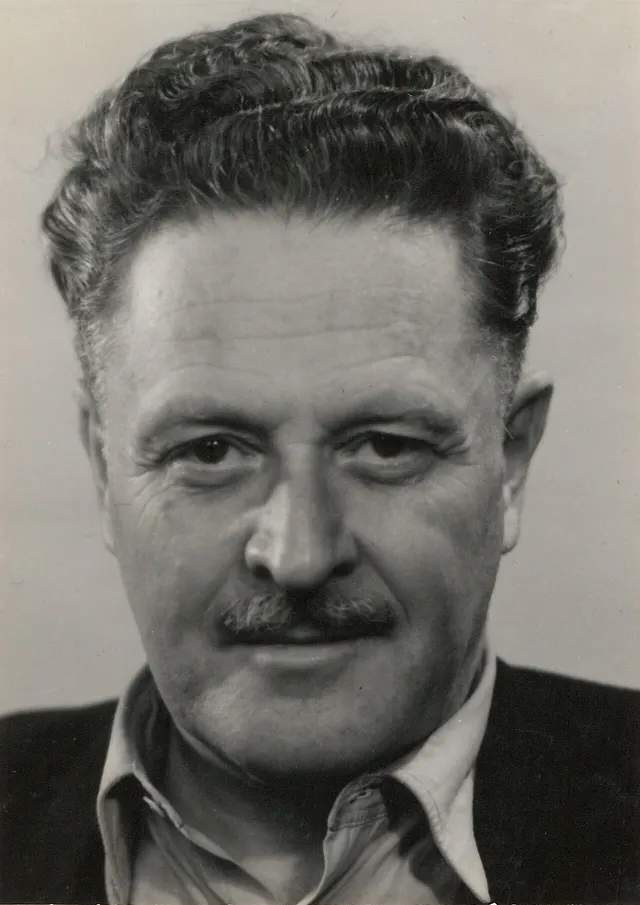
Nazim Hikmet
Image creditHans-Joachim Koch · CC BY-SA 4.0Resized and cropped for display.

Nazim Hikmet

Turkish poet and playwright, a pioneer of free verse in Turkish, who spent years in prison for his politics and died in exile in Moscow.

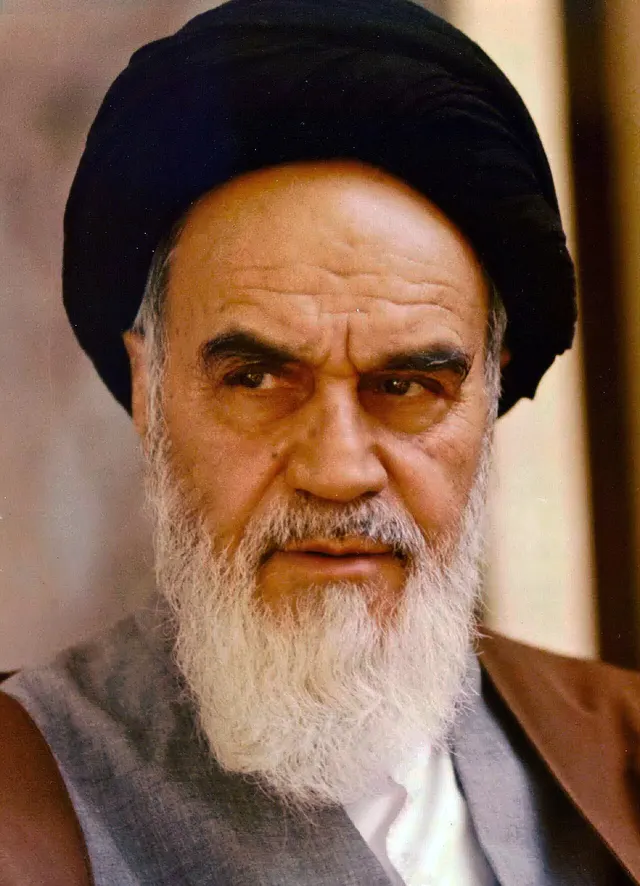
Ruhollah Khomeini
Image creditAli Kaveh[1][2][3] · Public domainResized and cropped for display.

Ruhollah Khomeini

Iranian cleric who led the 1979 revolution that overthrew the shah and ruled the new Islamic Republic as its Supreme Leader for ten years.

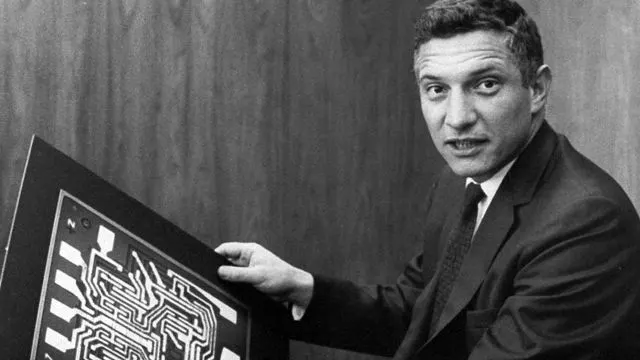
Robert Noyce
Image creditIntel Free Press · CC BY-SA 2.0Resized and cropped for display.

Robert Noyce

American physicist who co-invented the integrated circuit and co-founded Fairchild Semiconductor and Intel, earning the nickname ‘mayor of Silicon Valley’.

☉
AROUND THE WORLD

Observances & Anniversaries

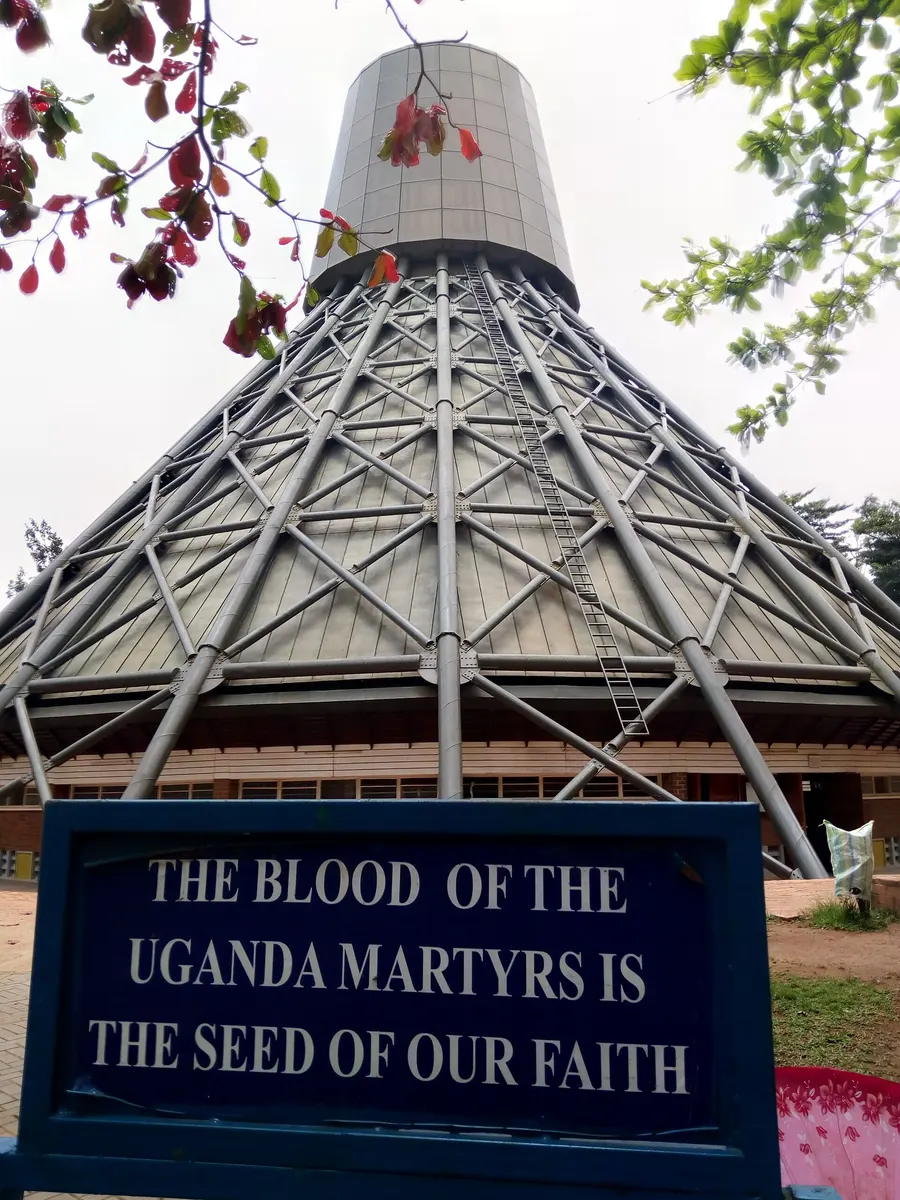
The shrine at Namugongo, with a sign reading 'The blood of the Uganda martyrs is the seed of our faith'
The shrine at Namugongo, with a sign reading ‘The blood of the Uganda martyrs is the seed of our faith’
Image creditJadnapac · CC BY-SA 4.0Resized and cropped for display.

Uganda Martyrs’ Day

Uganda keeps 3 June as a public holiday in memory of the young Christian converts, Catholic and Anglican, who were put to death on the orders of Kabaka Mwanga II of Buganda in the 1880s. The largest group, including Charles Lwanga, were burned at Namugongo on 3 June 1886. Each year huge crowds of pilgrims, many of them on foot from across East Africa, gather at the shrines at Namugongo.

Source: Government Citizen Interaction Centre, Uganda: Uganda Martyrs Day ↗
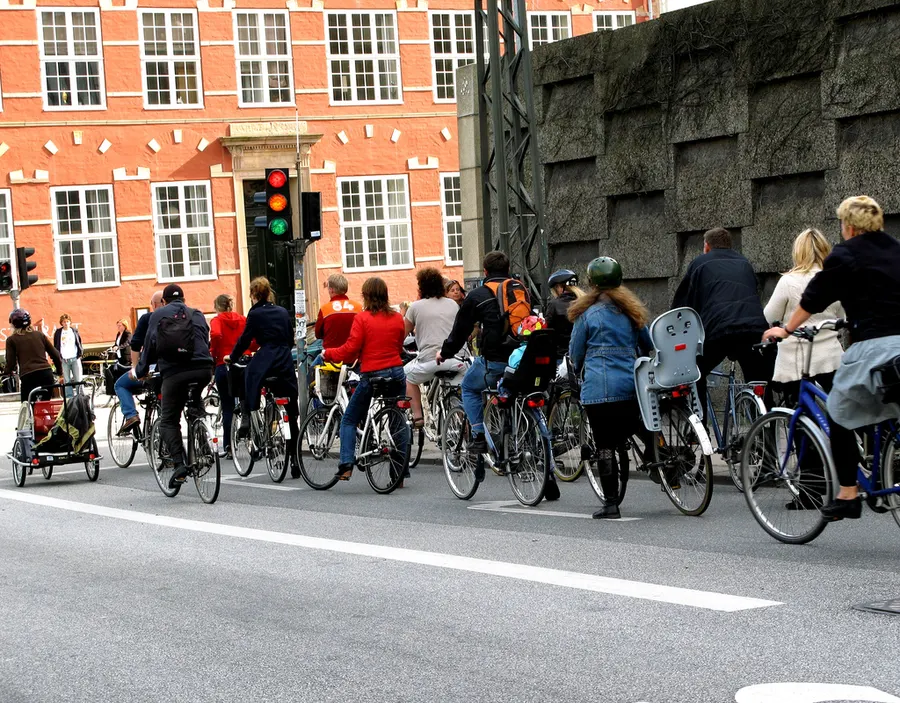
Cyclists waiting at a traffic light in Copenhagen
Image creditMikael Colville-Andersen · Public domainResized and cropped for display.

World Bicycle Day

In 2018 the United Nations General Assembly named 3 June World Bicycle Day, recognising the bicycle, in use for two centuries, as a simple, affordable and clean means of transport. The day encourages countries to make cycling safer and more central to transport planning, for the sake of health, clean air and fairer access to work, schools and services.

Source: United Nations: World Bicycle Day ↗
HISTORY & TIMELINE

Finished the highlights?

Follow 3 June chronologically, from the Middle Ages to the modern day, with 14 verified events and the sources behind them.

This day through time →