1703Peter the Great lays the first stones of St Petersburg
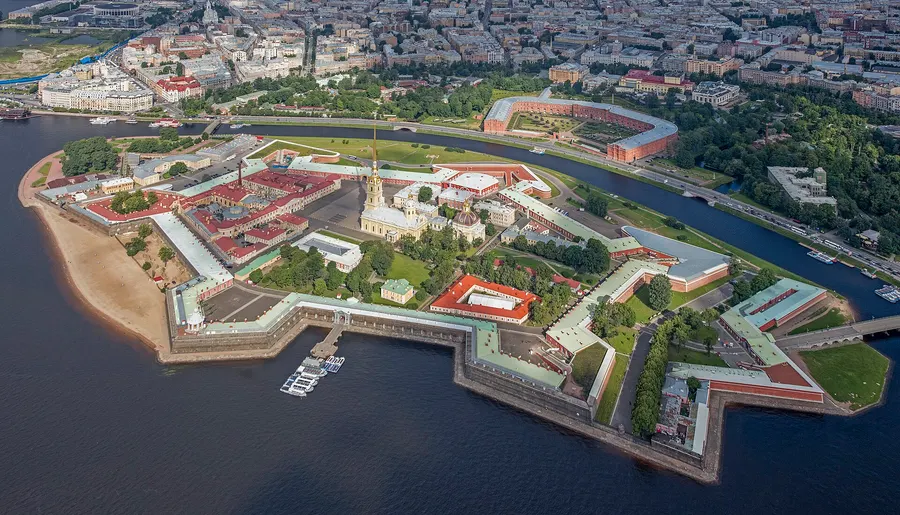
In the spring of 1703, early in the Great Northern War, Russian troops seized the Swedish positions at the mouth of the river Neva, giving Peter I a foothold on the Gulf of Finland. To hold it he needed a stronghold, and on 27 May (16 May in the Old Style calendar Russia then used) work began on an earth and timber fortress on little Hare Island in the Neva delta.
The fortress took its name from the saints Peter and Paul, and the settlement that grew around it became St Petersburg. Peter drove the building on at great human cost, drafting labourers from across the country, and within a decade he had made the marshy port his capital. Rebuilt in stone, the fortress still stands at the heart of the city, whose birthday is celebrated every 27 May.
Read the full storyHistory & Timeline →Source: State Museum of the History of St Petersburg: Peter and Paul Fortress, history ↗
1905Japan destroys Russia’s fleet in the Tsushima Strait
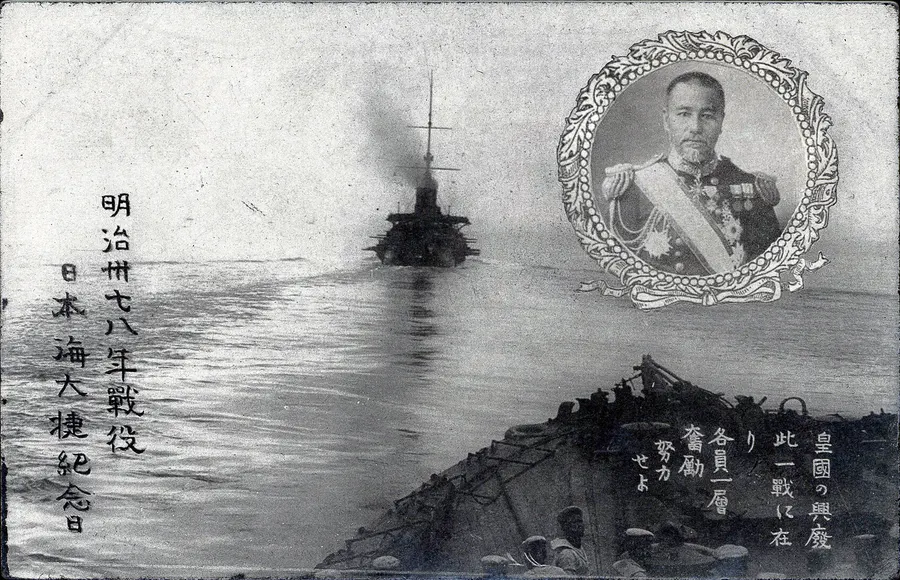
After Russia’s Pacific squadron was trapped at Port Arthur, the tsar sent his Baltic Fleet on an epic voyage of some 18,000 miles around Africa and across the Indian Ocean. Under Admiral Zinovy Rozhestvensky it headed for Vladivostok, and on the morning of 27 May 1905 Japanese scouts spotted it entering the Tsushima Strait between Korea and Japan.
Admiral Tōgō Heihachirō was waiting. Turning his battle line across the path of the Russian columns, he brought his guns to bear with devastating effect, and over two days almost the whole Russian fleet was sunk, captured or scattered. The defeat pushed Russia towards peace talks, and the world took note that an Asian power had beaten a European one at sea.
Read the full storyHistory & Timeline →Source: Britannica: Tōgō Heihachirō ↗
1967Australians vote to change the constitution for First Nations people
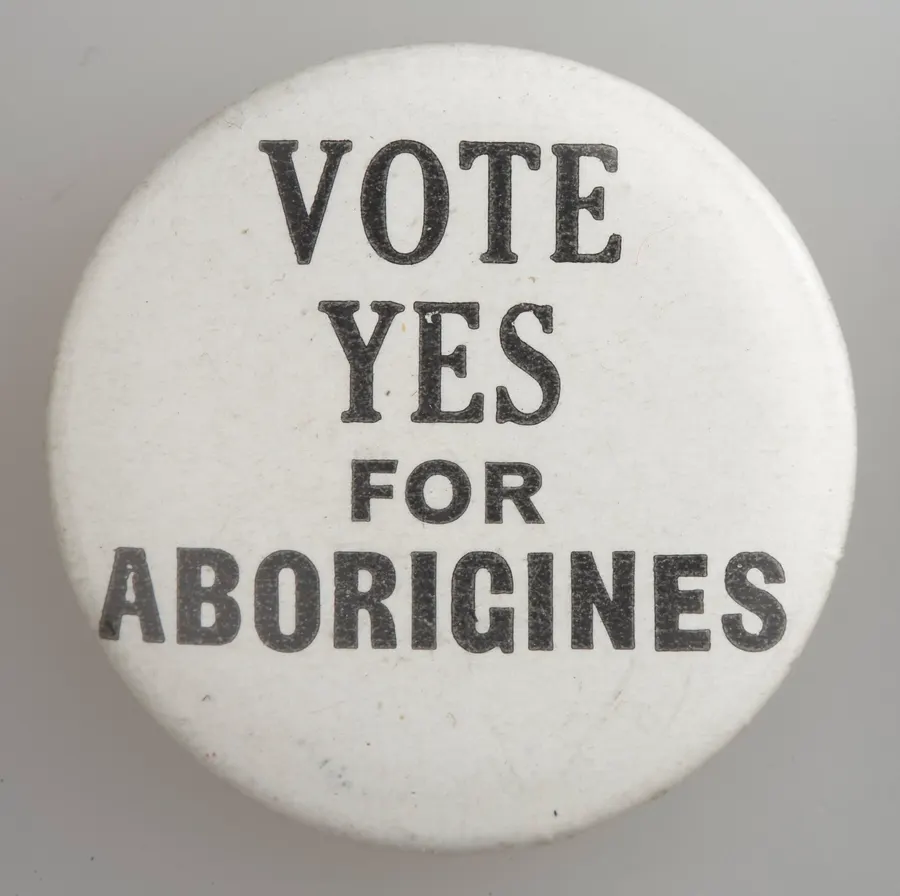
Australia’s constitution of 1901 said that Aboriginal people were not to be counted when working out the population, and it barred the federal parliament from making special laws for them, leaving that to the states. For a decade First Nations activists and their supporters campaigned, gathering petitions across the country, to have those words removed.
On 27 May 1967 voters were asked whether to make the change, and almost 91 per cent said yes, the largest majority ever recorded in an Australian referendum. Both major parties had backed it, so no official ‘No’ case was put. The amendment became law that August, and the vote is remembered as a landmark in the long struggle for Indigenous rights.
Read the full storyHistory & Timeline →Source: National Museum of Australia: Indigenous referendum ↗
1960Turkey’s army overthrows the elected government
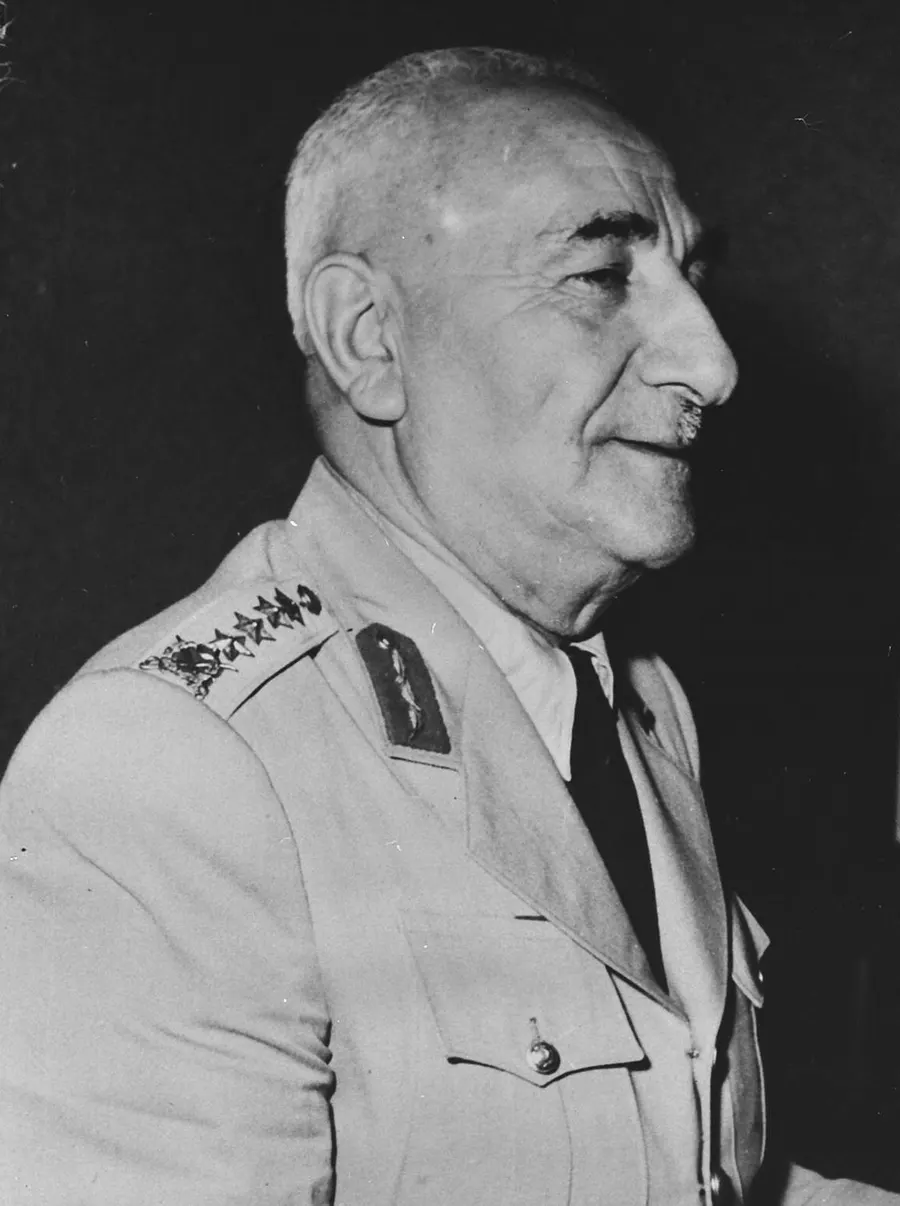
Adnan Menderes’s Democrat Party had swept to power in Turkey’s first freely contested election in 1950, but by the late 1950s it was curbing the press and the opposition, and student protests were met with martial law. Many army officers, who saw themselves as guardians of Atatürk’s republic, decided to act.
In the early hours of 27 May 1960 officers and cadets from the war colleges in Istanbul and Ankara seized power in an almost bloodless coup. President Celâl Bayar, Prime Minister Menderes and their ministers were arrested, and a National Unity Committee under General Cemal Gürsel took charge. After trials on the island of Yassıada, Menderes and two ministers were hanged in 1961, and a new constitution was adopted.
Read the full storyHistory & Timeline →Source: Britannica: Turkey, the military coup of 1960 ↗
2016A serving American president visits Hiroshima
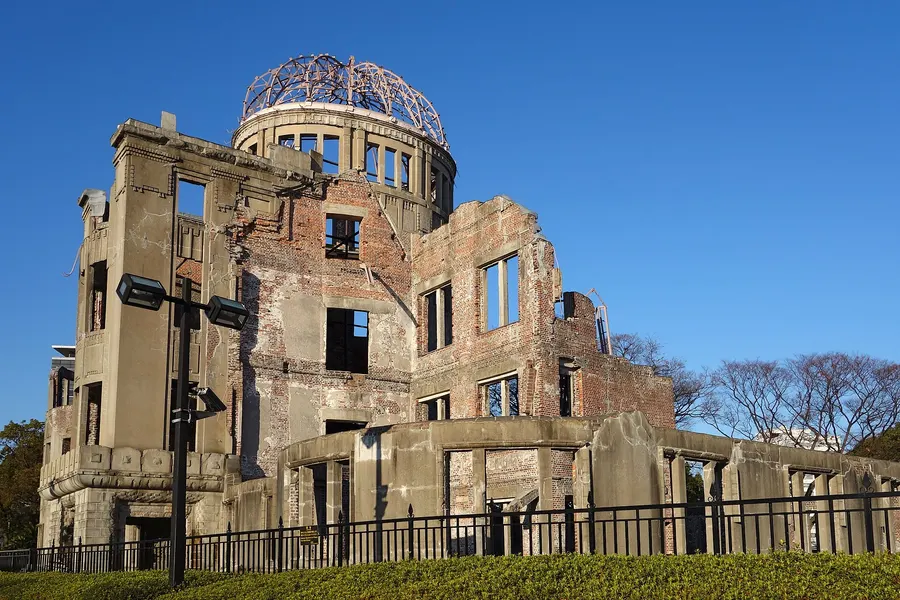
For seventy years no sitting president of the United States had gone to Hiroshima, the city destroyed by an American atomic bomb in August 1945. On 27 May 2016, at the end of a G7 summit in Japan, Barack Obama arrived at the Peace Memorial Park with Prime Minister Shinzō Abe, toured the museum and laid a wreath at the memorial cenotaph.
In a short speech Obama spoke of the morning when ‘death fell from the sky’ and called for a world without nuclear weapons, though he offered no apology. He then met survivors of the bombing, known in Japan as hibakusha, before leaving the city. The visit was seen on both sides of the Pacific as a powerful gesture of remembrance between former enemies.
Read the full storyHistory & Timeline →Source: Ministry of Foreign Affairs of Japan: The President of the United States visits Hiroshima ↗