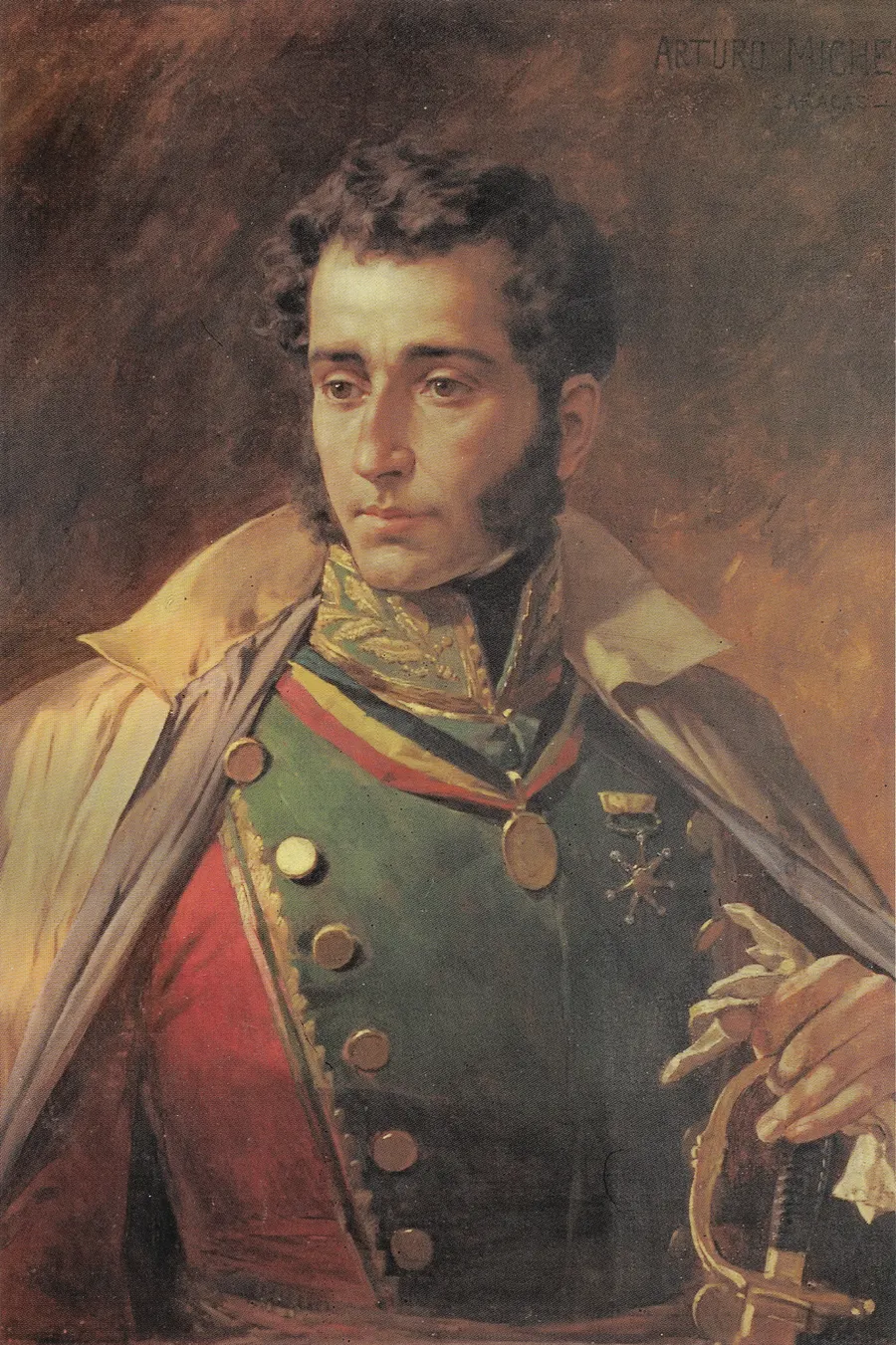
1822Sucre wins Ecuador’s independence on the slopes of a volcano
In 1822 the royalist forces holding Quito were among the last obstacles to Simón Bolívar’s plan to free northern South America from Spain. Bolívar’s trusted young general Antonio José de Sucre marched north from the coast with an army of patriot troops from across the region, and on 24 May he met the Spanish on the lower slopes of Pichincha, the volcano that towers over the city.
Fighting high above the city, the patriots won a decisive victory. The next day they occupied Quito, and Spanish rule over what is now Ecuador came to an end. Bolívar was hailed as liberator, and the territory joined his new Republic of Gran Colombia, though it would go its own way as an independent state in 1830.
Read the full storyHistory & Timeline →Source: Britannica: Battle of Pichincha ↗
1883The Brooklyn Bridge opens across the East River
After fourteen years of work, and the deaths of several workers along the way, the great bridge between Manhattan and Brooklyn opened on 24 May 1883. New York treated the day as a holiday, with schools and businesses closed, and President Chester A. Arthur and New York’s governor Grover Cleveland joined the celebrations as fireworks lit up the river that night.
Designed by John A. Roebling and completed under his son Washington and daughter-in-law Emily, it was the longest suspension bridge in the world, with a main span of more than 1,595 feet held up by steel wire cables. Around 150,000 people walked across on the first day, and its Gothic stone towers soon became one of the best-loved sights of the city.
Read the full storyHistory & Timeline →Source: Library of Congress: Brooklyn Bridge, Fanfare and Fatalities ↗
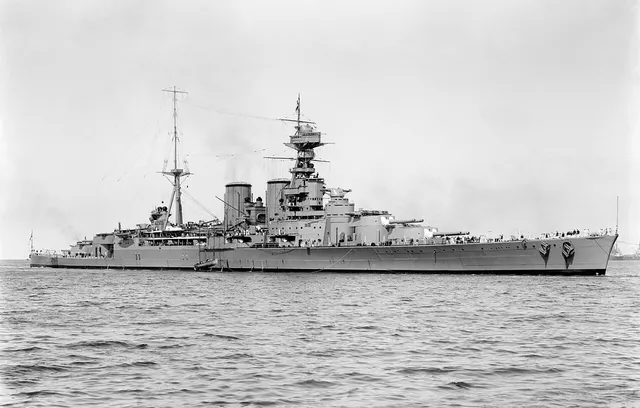
1941HMS Hood is lost in the Denmark Strait
In May 1941 the new German battleship Bismarck and the heavy cruiser Prinz Eugen slipped out into the North Atlantic to attack the convoys that kept Britain supplied. At dawn on 24 May, in the icy waters between Greenland and Iceland, they were intercepted by the battlecruiser HMS Hood, the pride of the Royal Navy, and the brand-new battleship HMS Prince of Wales.
The action lasted only minutes. A shell from Bismarck appears to have reached one of Hood’s ammunition magazines, and the great ship blew up and sank. More than 1,400 men were lost and only three survived. Prince of Wales was damaged and pulled away, but not before hitting Bismarck, which began leaking fuel. The Royal Navy hunted her down and sank her three days later.
Read the full storyHistory & Timeline →Source: Imperial War Museums: How the Royal Navy tracked and sank the Bismarck ↗
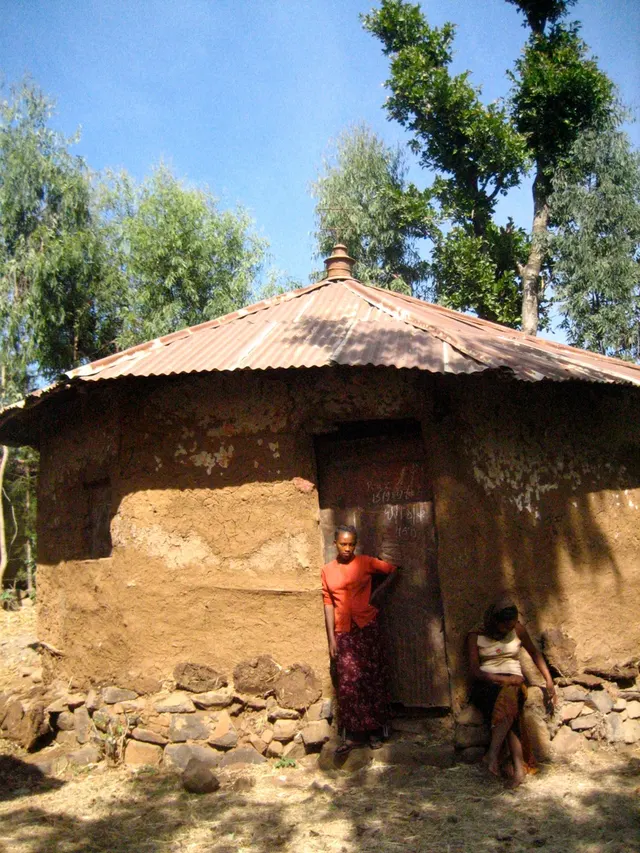
1991Operation Solomon flies thousands of Ethiopian Jews to Israel
By May 1991 rebel armies were closing in on Addis Ababa, and Ethiopia’s ruler Mengistu Haile Mariam had fled the country. Thousands of Ethiopian Jews, known as Beta Israel, were waiting in the capital to emigrate, and Israel feared they would be trapped by the fighting. After secret negotiations, a huge airlift began on Friday 24 May.
Over about a day and a half, El Al airliners with their seats removed and Israeli air force transport planes carried around 14,000 people to Israel, with the last arrivals landing on 25 May. One jumbo jet is said to have carried more than a thousand passengers on a single flight. The operation brought most of Ethiopia’s remaining Jewish community to Israel in one weekend.
Read the full storyHistory & Timeline →Source: Government of Israel, Ministry of Aliyah and Integration: The Aliyah story ↗
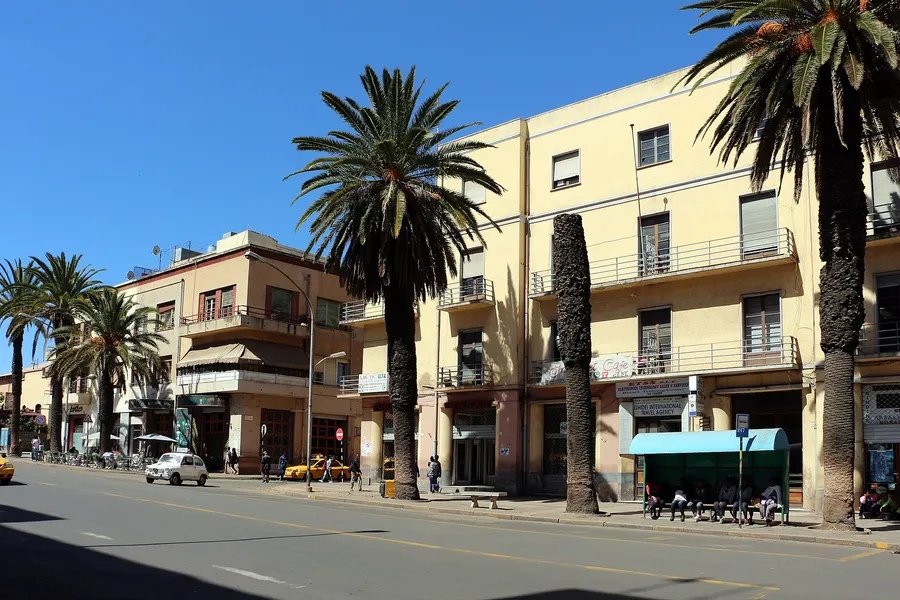
1993Eritrea celebrates its independence from Ethiopia
Eritrea, on the Red Sea coast of the Horn of Africa, had been an Italian colony, then under British administration, before being joined to Ethiopia in 1952 and annexed ten years later. A liberation war followed that lasted three decades, and in 1991 the Eritrean People’s Liberation Front took control of the territory as Ethiopia’s military government collapsed.
In April 1993 Eritreans voted almost unanimously for independence in a referendum monitored by the United Nations. On 24 May, the anniversary of the day the liberation fighters had entered Asmara in 1991, independence was formally celebrated, with the liberation leader Isaias Afwerki as head of state. Eritrea joined the United Nations days later, and 24 May remains its national day.
Read the full storyHistory & Timeline →Source: US Department of State: Background Note, Eritrea ↗