HISTORY & TIMELINE
24 May

A journey through
24 May in history

The story of 24 May runs from a boy pretender crowned in a Dublin cathedral in 1487 to Iranian troops retaking the port of Khorramshahr in 1982. In between come the opening of the world’s first university museum, John Wesley’s change of heart in London, a lone woman pilot landing in Darwin and an American astronaut splashing down far off course.

JUMP THROUGH TIME
II
THE MIDDLE AGES

Medieval History

Kingdoms, conflict, faith, power and the changing medieval world.

1487
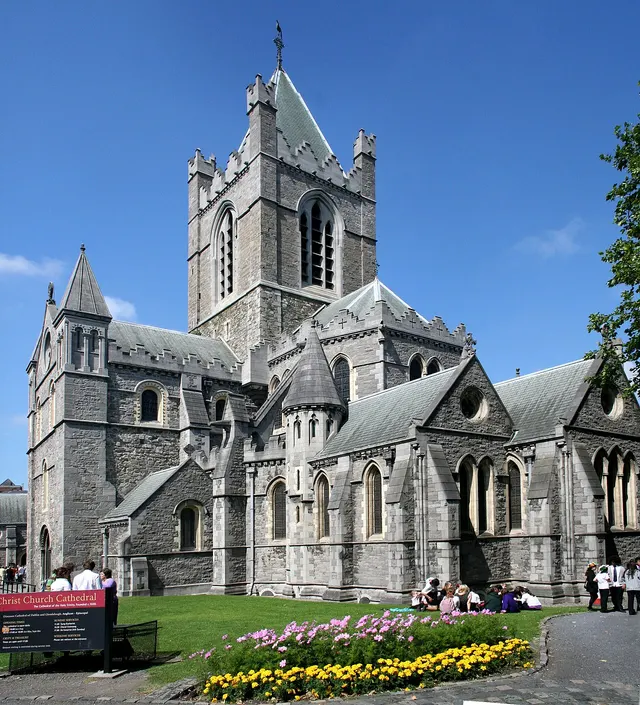
Christ Church Cathedral in Dublin, where Lambert Simnel was crownedChrist Church Cathedral in Dublin, where Lambert Simnel was crownedImage: Ingo Mehling · CC BY-SA 4.0
politics · Europe

A boy pretender is crowned king in Dublin

Two years after Henry VII took the English throne, Yorkist rebels put forward a boy called Lambert Simnel, claiming he was Edward, Earl of Warwick, nephew of Edward IV. With the backing of powerful Anglo-Irish lords and German mercenaries, he was crowned ‘Edward VI’ in Christ Church Cathedral, Dublin, on 24 May 1487. The rising was crushed at the Battle of Stoke that June, and Henry spared the boy, putting him to work in the royal kitchens.

Source: Dictionary of Irish Biography: Simnel, Lambert ↗
III
A CHANGING WORLD

Early Modern Era

Exploration, political change, scientific development and expanding global connections.

1683
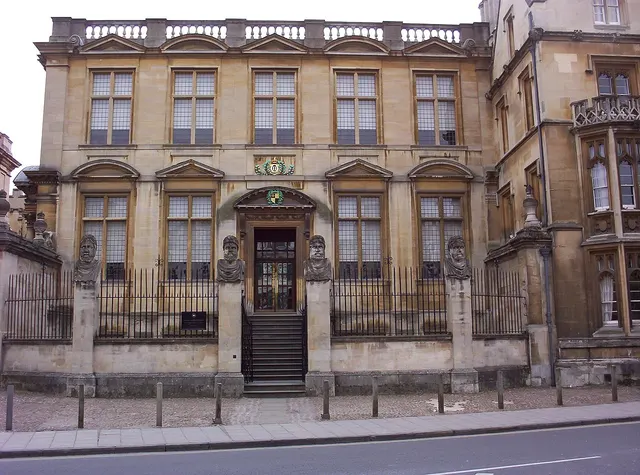
The original Ashmolean building on Broad Street, Oxford, now the History of Science MuseumThe original Ashmolean building on Broad Street, Oxford, now the History of Science MuseumImage: Wiki alf at English Wikipedia · Public domain
culture · Europe

The Ashmolean opens in Oxford

On 24 May 1683 the Ashmolean Museum opened on Broad Street in Oxford, built to house the collection of curiosities that Elias Ashmole had given to the university, including the famous ‘rarities’ gathered by the Tradescant family. It was Britain’s first public museum and the first university museum in the world, with rooms for teaching, a chemistry laboratory and, unusually for the time, admission for paying members of the public.

Source: Ashmolean Museum: History of the Ashmolean ↗
1738
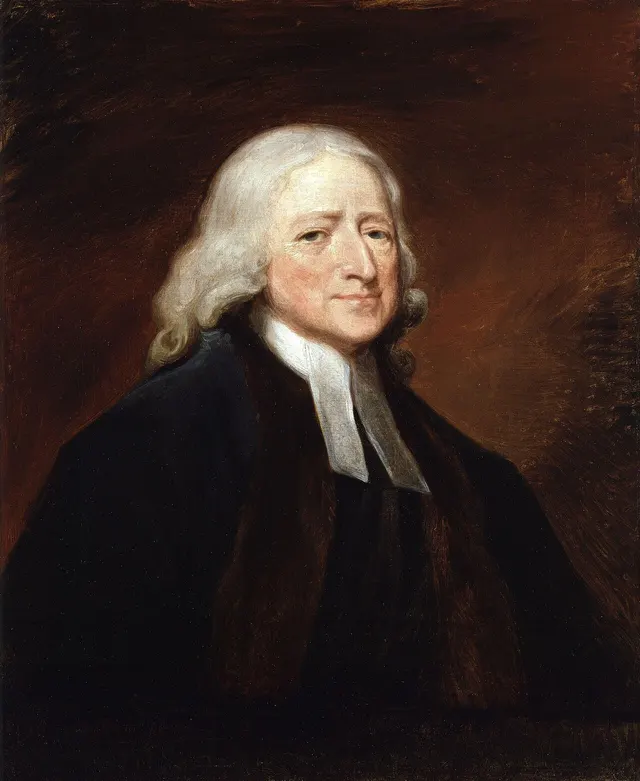
A portrait of John WesleyA portrait of John WesleyImage: After George Romney · Public domain
culture · Europe

John Wesley feels his heart ‘strangely warmed’

On the evening of 24 May 1738 the Anglican clergyman John Wesley went, reluctantly by his own account, to a religious meeting in Aldersgate Street in London. As someone read from Martin Luther’s preface to the Epistle to the Romans, Wesley felt a new assurance of faith. The experience fired the preaching that grew into the Methodist movement, and Methodists still remember the day as Aldersgate Day.

Source: Britannica: Aldersgate Street Experience ↗
IV
THE NINETEENTH CENTURY

The 1800s

Industry, empire, invention, reform and a century of enormous transformation.

1822
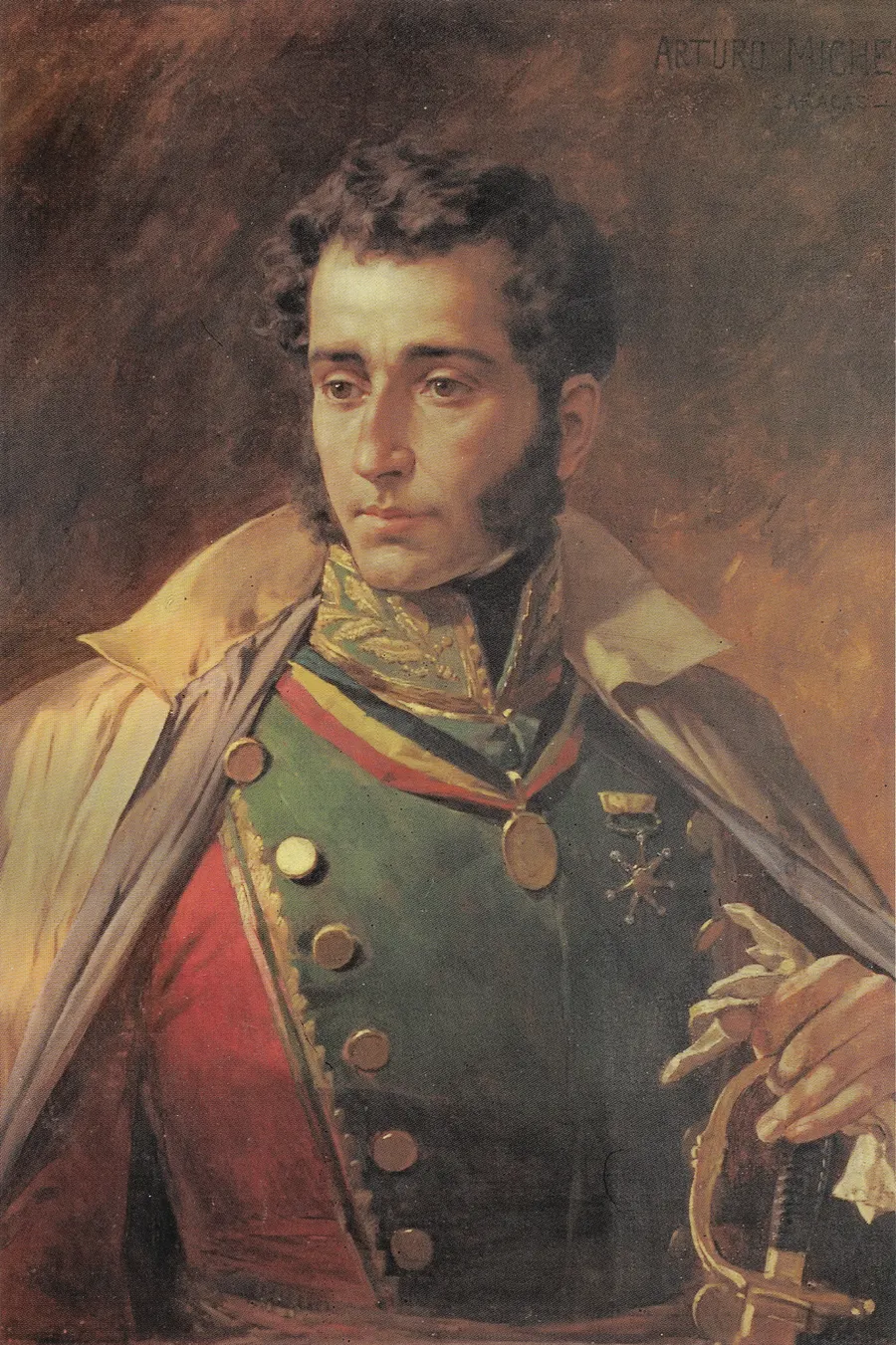
Antonio José de Sucre, who led the patriot army at Pichincha, painted by Arturo Michelena in 1895Antonio José de Sucre, who led the patriot army at Pichincha, painted by Arturo Michelena in 1895Image: Arturo Michelena · Public domain
world · Americas

Sucre wins Ecuador’s independence on the slopes of a volcano

In 1822 the royalist forces holding Quito were among the last obstacles to Simón Bolívar’s plan to free northern South America from Spain. Bolívar’s trusted young general Antonio José de Sucre marched north from the coast with an army of patriot troops from across the region, and on 24 May he met the Spanish on the lower slopes of Pichincha, the volcano that towers over the city. Fighting high above the city, the patriots won a decisive victory. The next day they occupied Quito, and Spanish rule over what is now Ecuador came to an end. Bolívar was hailed as liberator, and the territory joined his new Republic of Gran Colombia, though it would go its own way as an independent state in 1830.

Source: Britannica: Battle of Pichincha ↗
1844
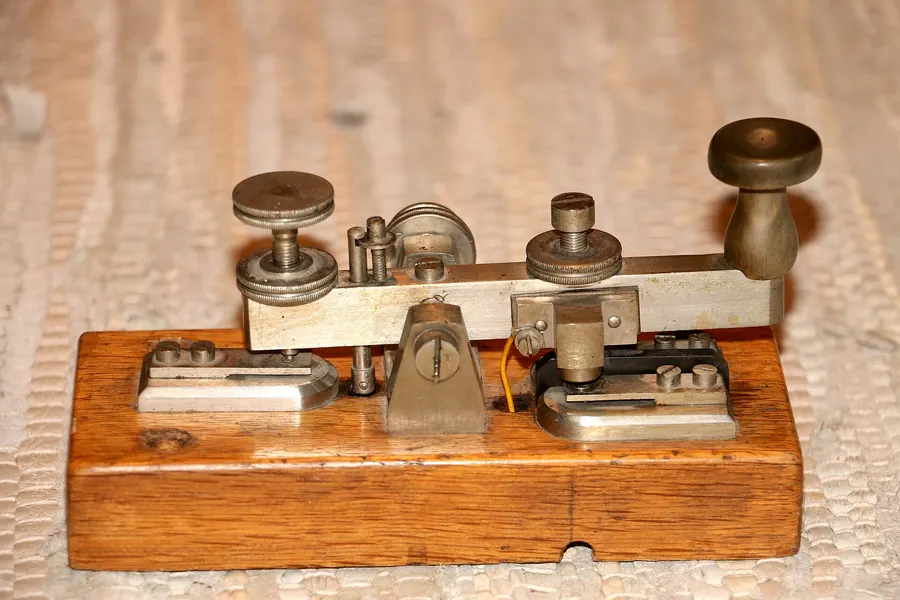
A Morse telegraph key, the kind of instrument used to tap out messages in Morse codeA Morse telegraph key, the kind of instrument used to tap out messages in Morse codeImage: Hp.Baumeler · CC BY-SA 4.0
world · Americas

Morse sends ‘What hath God wrought’ down the wire

In 1843 the United States Congress gave Samuel Morse $30,000 to build an experimental telegraph line between Washington and Baltimore, about 40 miles apart. Working with his partner Alfred Vail, Morse strung the wire along the route of the Baltimore and Ohio Railroad and had it ready by May 1844. On 24 May Morse sat in the Supreme Court chamber of the Capitol and tapped out a line from the Bible, chosen by Annie Ellsworth, the young daughter of the Patent Commissioner: ‘What hath God wrought’. Vail received it at the railway station in Baltimore and sent it straight back. Within a few years telegraph wires were spreading across the country, carrying news in minutes rather than days.

Source: Library of Congress: First telegraphic message, 24 May 1844 ↗
1883
The Brooklyn Bridge and the Lower Manhattan skyline todayThe Brooklyn Bridge and the Lower Manhattan skyline todayImage: Christian David · CC BY-SA 4.0
world · Americas

The Brooklyn Bridge opens across the East River

After fourteen years of work, and the deaths of several workers along the way, the great bridge between Manhattan and Brooklyn opened on 24 May 1883. New York treated the day as a holiday, with schools and businesses closed, and President Chester A. Arthur and New York’s governor Grover Cleveland joined the celebrations as fireworks lit up the river that night. Designed by John A. Roebling and completed under his son Washington and daughter-in-law Emily, it was the longest suspension bridge in the world, with a main span of more than 1,595 feet held up by steel wire cables. Around 150,000 people walked across on the first day, and its Gothic stone towers soon became one of the best-loved sights of the city.

Source: Library of Congress: Brooklyn Bridge, Fanfare and Fatalities ↗
V
THE TWENTIETH CENTURY

The 1900s

War and peace, technological leaps, social change, politics, sport and popular culture.

1930
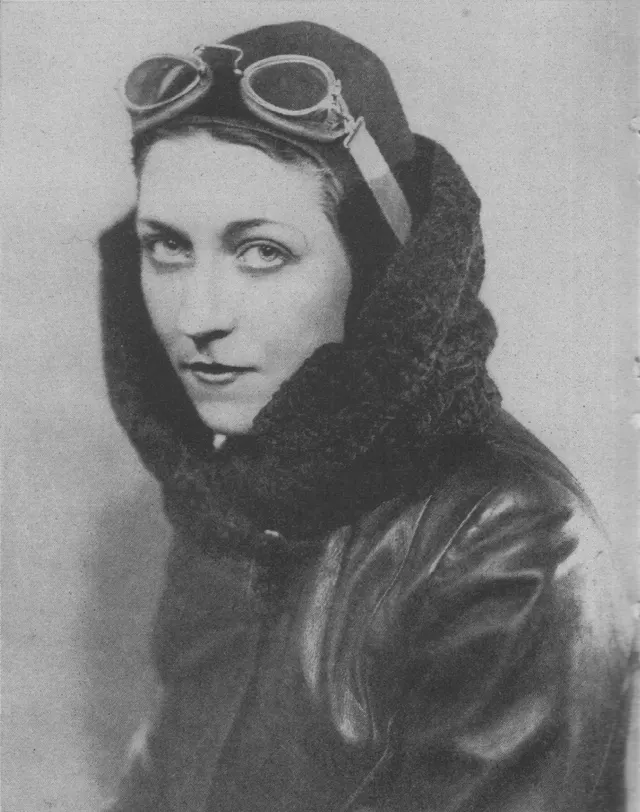
Amy Johnson, the aviatorAmy Johnson, the aviatorImage: Andy Dingley (scanner) · Public domain
world · Oceania

Amy Johnson lands in Darwin after flying solo from England

Amy Johnson, a 26-year-old from Hull with little long-distance experience, took off from Croydon on 5 May 1930 in a second-hand de Havilland Gipsy Moth she called Jason. After nineteen days and many stops across Europe, the Middle East and Asia, she landed at Darwin on 24 May, the first woman to fly alone from Britain to Australia. She became a celebrity overnight and was made a CBE.

Source: Britannica: Amy Johnson ↗
1935
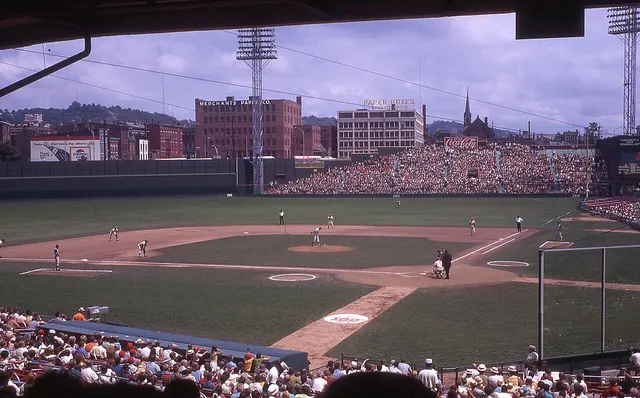
Crosley Field in Cincinnati, scene of the first major-league night game, pictured in 1969Crosley Field in Cincinnati, scene of the first major-league night game, pictured in 1969Image: Blake Bolinger from Central NJ, United States · CC BY 2.0
sport · Americas

Major league baseball plays its first game under lights

In the depths of the Great Depression, crowds at the Cincinnati Reds were thin, and the club’s general manager Larry MacPhail persuaded the National League to let him try something new: baseball at night, when working people could attend. The Reds spent about $50,000 fitting Crosley Field with hundreds of floodlights. On the evening of 24 May 1935, President Franklin D. Roosevelt pressed a button at the White House and the ballpark lit up. More than 20,000 fans then watched the Reds beat the Philadelphia Phillies 2-1. Night games were slow to spread at first, but they eventually became the normal way for millions of people to watch the game.

Source: National Baseball Hall of Fame: Night games gave access to baseball to millions ↗
1941
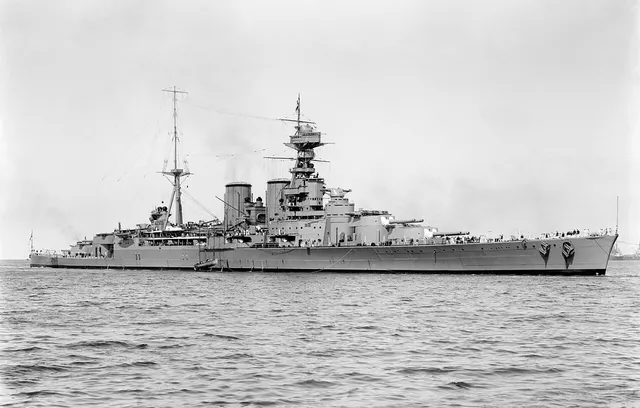
The battlecruiser HMS Hood at seaThe battlecruiser HMS Hood at seaImage: Allan C. Green (restoration by Adam Cuerden) · Public domain
world · Europe

HMS Hood is lost in the Denmark Strait

In May 1941 the new German battleship Bismarck and the heavy cruiser Prinz Eugen slipped out into the North Atlantic to attack the convoys that kept Britain supplied. At dawn on 24 May, in the icy waters between Greenland and Iceland, they were intercepted by the battlecruiser HMS Hood, the pride of the Royal Navy, and the brand-new battleship HMS Prince of Wales. The action lasted only minutes. A shell from Bismarck appears to have reached one of Hood’s ammunition magazines, and the great ship blew up and sank. More than 1,400 men were lost and only three survived. Prince of Wales was damaged and pulled away, but not before hitting Bismarck, which began leaking fuel. The Royal Navy hunted her down and sank her three days later.

Source: Imperial War Museums: How the Royal Navy tracked and sank the Bismarck ↗
1956
Lys Assia, winner of the first Eurovision Song ContestLys Assia, winner of the first Eurovision Song ContestImage: J.D. Noske / Anefo · CC BY-SA 3.0 nl
culture · Europe

The first Eurovision Song Contest is held in Lugano

The European Broadcasting Union wanted a programme that would show off its new network linking television services across the continent. The result was a song contest, staged on 24 May 1956 at the Teatro Kursaal in Lugano, in the Italian-speaking south of Switzerland. Seven countries took part, each with two songs, performed with a live orchestra before an audience in evening dress. The winner was the Swiss singer Lys Assia with ‘Refrain’. The voting was held in secret and the full scores were never published. Very little of the broadcast survives, as recording was expensive at the time, but the contest grew into one of the biggest annual television events in the world.

Source: Eurovision Song Contest (EBU): Lugano 1956 ↗
1962
The Aurora 7 capsule being prepared for Scott Carpenter's flightThe Aurora 7 capsule being prepared for Scott Carpenter’s flightImage: NASA · Public domain
science · Americas

Scott Carpenter orbits the Earth in Aurora 7

On 24 May 1962 the astronaut Scott Carpenter made America’s second crewed orbital flight, circling the Earth three times in the Mercury capsule Aurora 7 and carrying out experiments and photography along the way. A late and misaligned firing of the retrorockets meant he came down about 250 miles beyond the planned splashdown point, and he waited in a life raft for more than an hour before being picked up.

Source: NASA: 60 Years Ago, Scott Carpenter orbits the Earth aboard Aurora 7 ↗
1982
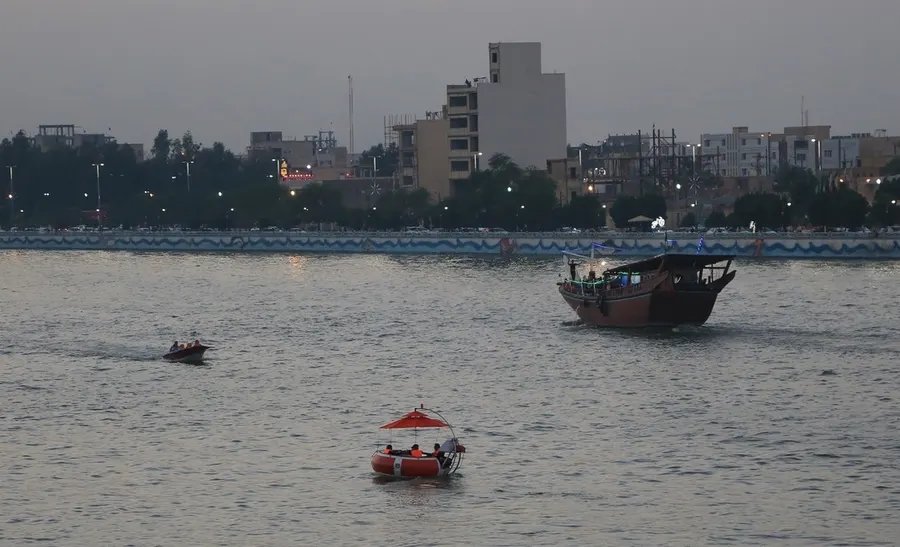
The waterfront at Khorramshahr in 2018The waterfront at Khorramshahr in 2018Image: Mohammad Amin Ansari · CC BY 4.0
world · Middle East

Iranian forces retake Khorramshahr

Iraqi troops had captured the Iranian port of Khorramshahr, near the head of the Gulf, early in the war that began in 1980. In the spring of 1982 an Iranian counter-offensive drove them back, and on 24 May Iranian forces entered the city again. It was a turning point in the Iran-Iraq War: within weeks Iraq said it was withdrawing from Iranian soil, though the fighting went on for six more years.

Source: Encyclopaedia Iranica: Iran-Iraq War ↗
1991
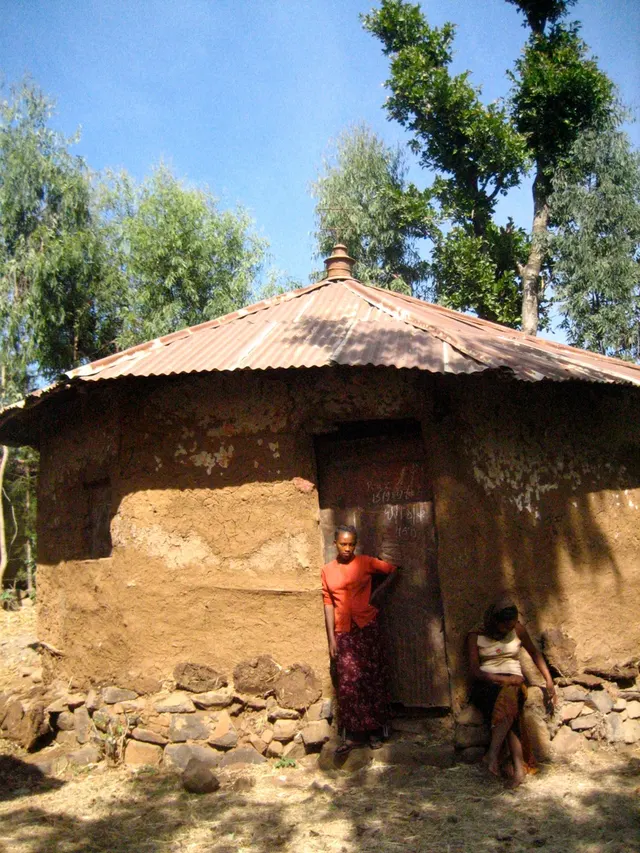
A synagogue in a Beta Israel village in Ethiopia, the community airlifted in Operation SolomonA synagogue in a Beta Israel village in Ethiopia, the community airlifted in Operation SolomonImage: Sam Effron from Brooklyn! · CC BY-SA 2.0
world · Middle East

Operation Solomon flies thousands of Ethiopian Jews to Israel

By May 1991 rebel armies were closing in on Addis Ababa, and Ethiopia’s ruler Mengistu Haile Mariam had fled the country. Thousands of Ethiopian Jews, known as Beta Israel, were waiting in the capital to emigrate, and Israel feared they would be trapped by the fighting. After secret negotiations, a huge airlift began on Friday 24 May. Over about a day and a half, El Al airliners with their seats removed and Israeli air force transport planes carried around 14,000 people to Israel, with the last arrivals landing on 25 May. One jumbo jet is said to have carried more than a thousand passengers on a single flight. The operation brought most of Ethiopia’s remaining Jewish community to Israel in one weekend.

Source: Government of Israel, Ministry of Aliyah and Integration: The Aliyah story ↗
1993
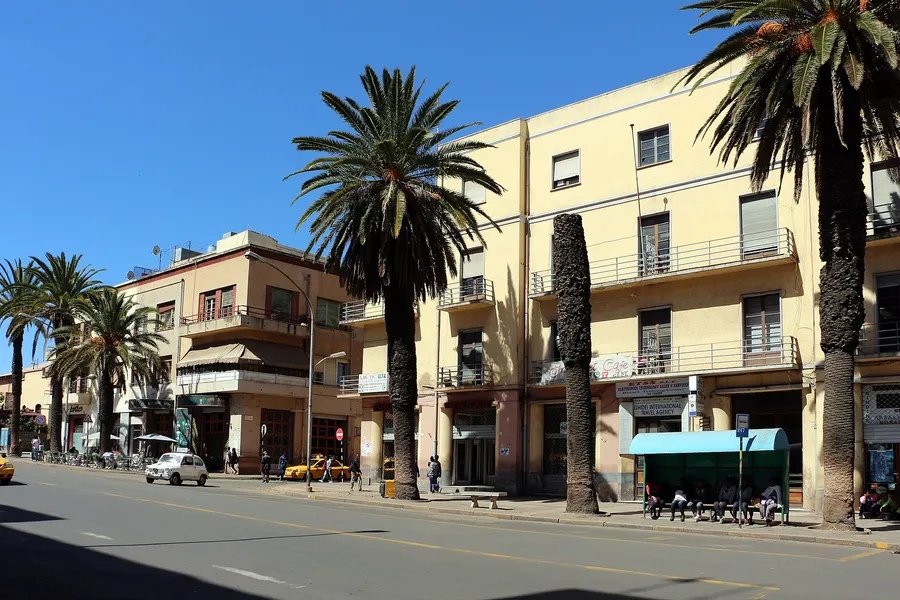
Harnet Avenue, the main street of Asmara, Eritrea's capitalHarnet Avenue, the main street of Asmara, Eritrea’s capitalImage: Sailko · CC BY 3.0
politics · Africa

Eritrea celebrates its independence from Ethiopia

Eritrea, on the Red Sea coast of the Horn of Africa, had been an Italian colony, then under British administration, before being joined to Ethiopia in 1952 and annexed ten years later. A liberation war followed that lasted three decades, and in 1991 the Eritrean People’s Liberation Front took control of the territory as Ethiopia’s military government collapsed. In April 1993 Eritreans voted almost unanimously for independence in a referendum monitored by the United Nations. On 24 May, the anniversary of the day the liberation fighters had entered Asmara in 1991, independence was formally celebrated, with the liberation leader Isaias Afwerki as head of state. Eritrea joined the United Nations days later, and 24 May remains its national day.

Source: US Department of State: Background Note, Eritrea ↗
RESEARCH

Sources & Further Reading

Selected authoritative references supporting the events on this page.

WHY THESE MOMENTS?

Significance before volume

This page is not the longest possible list of events. It is a chronological journey through 24 May, where each entry is chosen for historical significance, human interest and reliability.

Facts are checked against authoritative museums, archives, universities and reference works. Where sources disagree, the page says so.

EXPLORED THE DEEPER STORY?

Return to the highlights of 24 May

Discover the lighter side of the date with famous birthdays, culture, firsts and lives remembered.

Explore This Day →
← PREVIOUS DAY23 May
HISTORY & TIMELINE24 May
NEXT DAY →25 May