Explore 25 May

Explore 25 May: African leaders found the Organisation of African Unity in Addis Ababa, Jordan’s first king is proclaimed in Amman, Buenos Aires sets up its own government and President Kennedy sets America’s sights on the Moon. Born today: Ian McKellen, Jamaica Kincaid and Igor Sikorsky.

This day through time →14 verified events across 5 eras

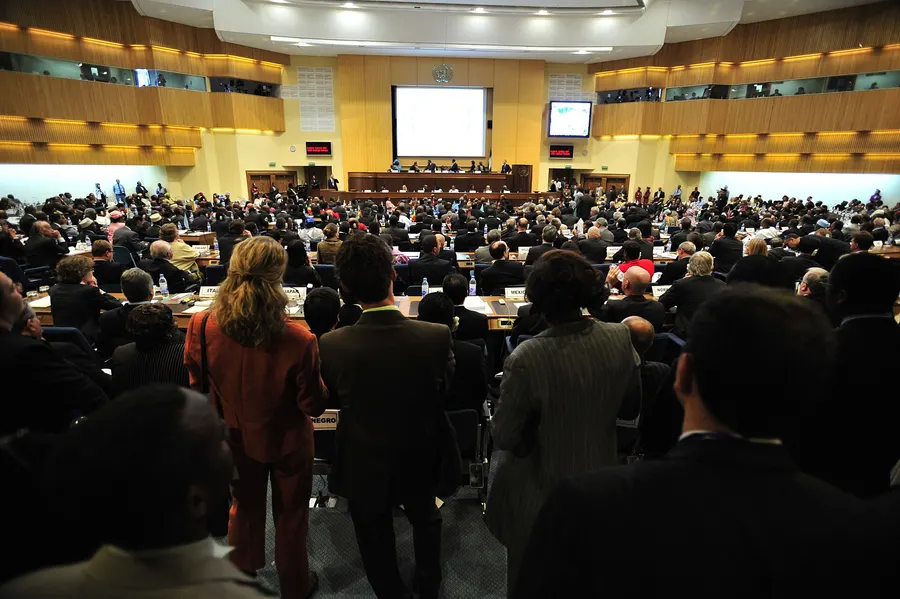
African leaders and diplomats in the plenary hall in Addis Ababa during an African Union summit in 2009
Image creditJesse B. Awalt, U.S. Navy · Public domainResized and cropped for display.

Africa’s independent nations unite in Addis Ababa

By the early 1960s dozens of African countries had won their independence in only a few years, but they disagreed about what should come next. Some leaders wanted a single united African government straight away; others preferred looser co-operation between sovereign states. In May 1963 the heads of 32 independent African states met in the Ethiopian capital, Addis Ababa, to find common ground.

On 25 May they signed the charter of the Organisation of African Unity. Its aims were to promote solidarity between African states, defend their independence and borders, and rid the continent of the remaining colonial rule and apartheid. The OAU was replaced by the African Union in 2002, and 25 May is still marked across the continent and beyond as Africa Day.

Read the full storyHistory & Timeline →Source: African Union: OAU Charter, Addis Ababa, 25 May 1963 ↗
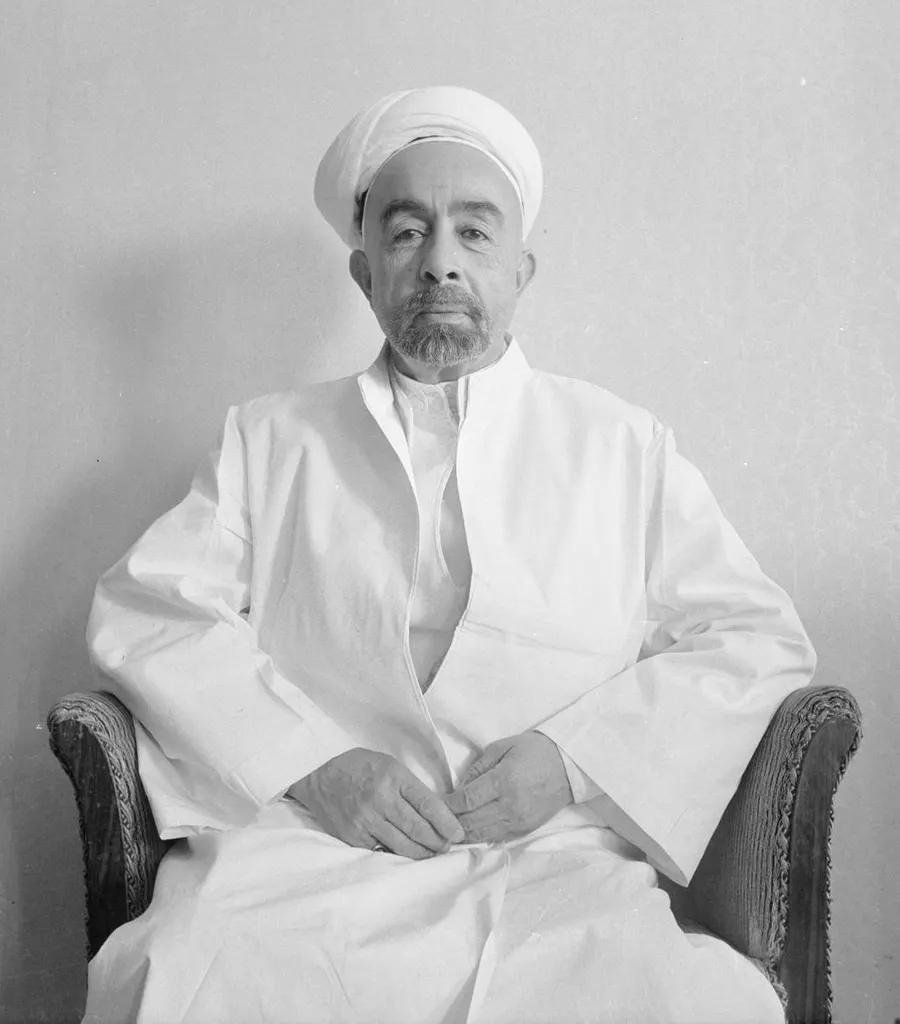
Abdullah I, proclaimed the first king of an independent Jordan in 1946
Image creditCecil Beaton · Public domainResized and cropped for display.

Jordan becomes an independent kingdom

After the First World War the lands east of the River Jordan came under British control, and in 1921 Abdullah, a son of the Hashemite leader of the Arab Revolt, was installed as emir of Transjordan. For a quarter of a century he governed under British supervision, building up a state with its own army, the Arab Legion, and its capital at Amman.

In March 1946 a treaty signed in London recognised the country’s independence, and on 25 May Abdullah was proclaimed king of the Hashemite Kingdom of Transjordan in Amman. A new constitution followed, and in 1949 the country took the shorter name Jordan. Abdullah ruled until 1951, and his great-grandson Abdullah II is king today. Jordanians celebrate 25 May each year as their Independence Day.

Read the full storyHistory & Timeline →Source: Britannica: Abdullah I ↗
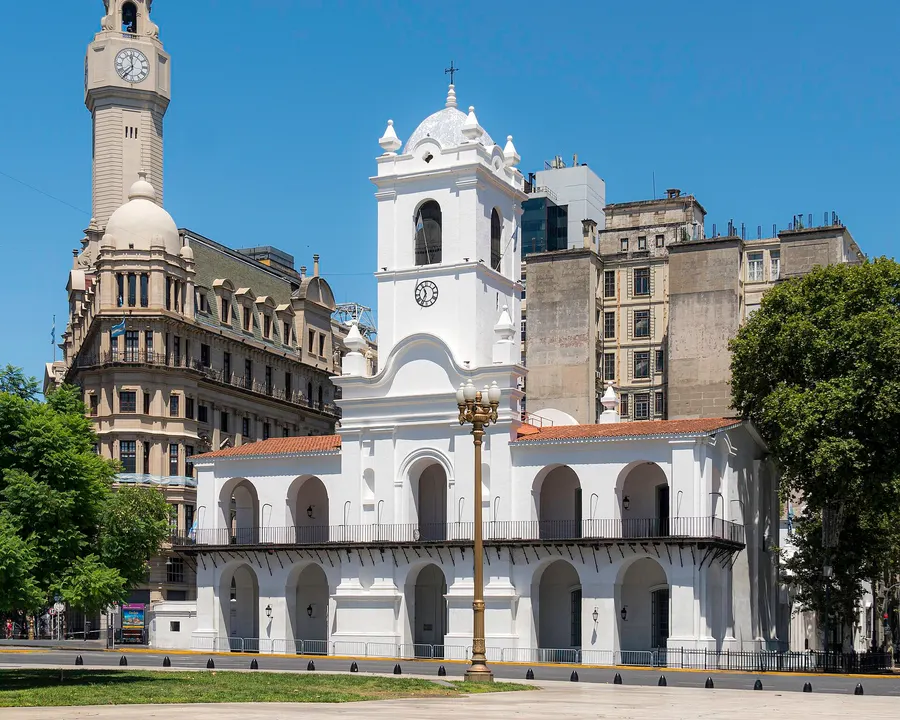
The Cabildo, Buenos Aires's colonial town hall on the Plaza de Mayo
The Cabildo, Buenos Aires’s colonial town hall on the Plaza de Mayo
Image creditFernando · CC BY-SA 4.0Resized and cropped for display.

Buenos Aires forms its own government

In 1810 news reached the Río de la Plata that Napoleon’s armies had overrun almost all of Spain, leaving the Spanish crown with little power over its colonies. In Buenos Aires, leading citizens questioned why the viceroy, Baltasar Hidalgo de Cisneros, should still govern in the name of a king held captive in France, and the town council held an open meeting to debate the question.

On the morning of 25 May a crowd filled the square in front of the Cabildo, demanding that Cisneros step down. He gave way, and a local governing junta took power, led by Cornelio Saavedra with Mariano Moreno and Juan José Paso as secretaries. It still ruled in the name of the Spanish king, but it marked the start of self-government, and Argentina celebrates 25 May as a national day.

Read the full storyHistory & Timeline →Source: Britannica: May Revolution ↗
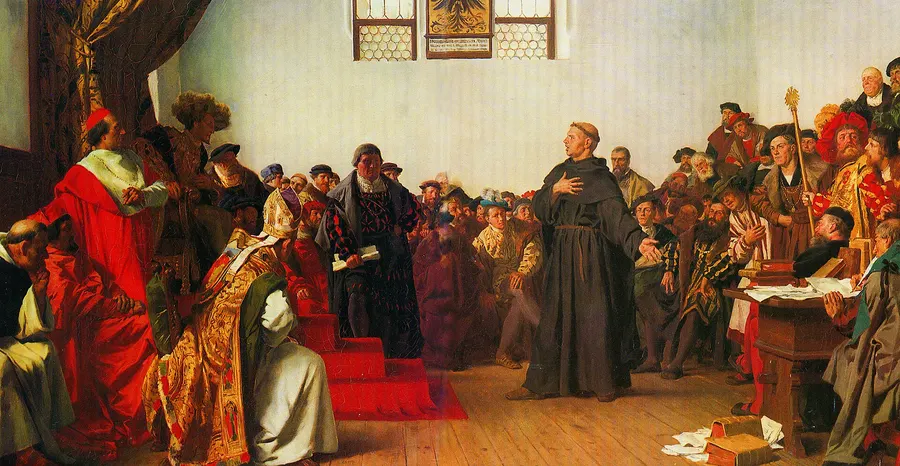
Martin Luther before the emperor and princes at Worms, a 19th-century painting by Anton von Werner
Image creditAnton von Werner · Public domainResized and cropped for display.

The emperor declares Martin Luther an outlaw

In April 1521 Martin Luther stood before the young Holy Roman Emperor Charles V and the princes of the empire at the Diet of Worms and refused to take back his writings attacking the practices of the Church. Luther left the city under a promise of safe conduct, and many of the princes went home too, while the emperor’s advisers drew up a formal response.

On 25 May, with the support of the rulers who remained, Charles signed the Edict of Worms. It listed Luther’s errors, declared him and his followers outlaws, and ordered his books to be burned. Luther was already hidden in the Wartburg castle by his protector, Frederick the Wise of Saxony, and the edict was never properly enforced, but it hung over him for the rest of his life.

Read the full storyHistory & Timeline →Source: Britannica: Diet of Worms ↗
♙
PEOPLE

Born Today

Igor Sikorsky
Image creditSDASM Archives · Public domainResized and cropped for display.

Igor Sikorsky

Aviation pioneer born in Kyiv who built some of the first large aeroplanes in Russia, then moved to America and developed the first practical helicopters.

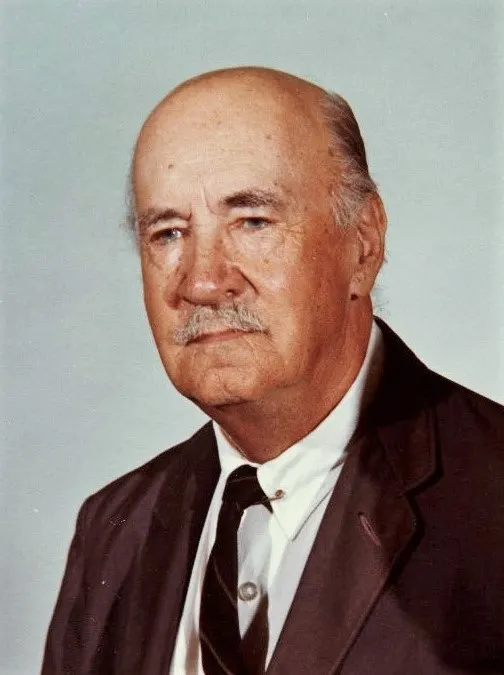
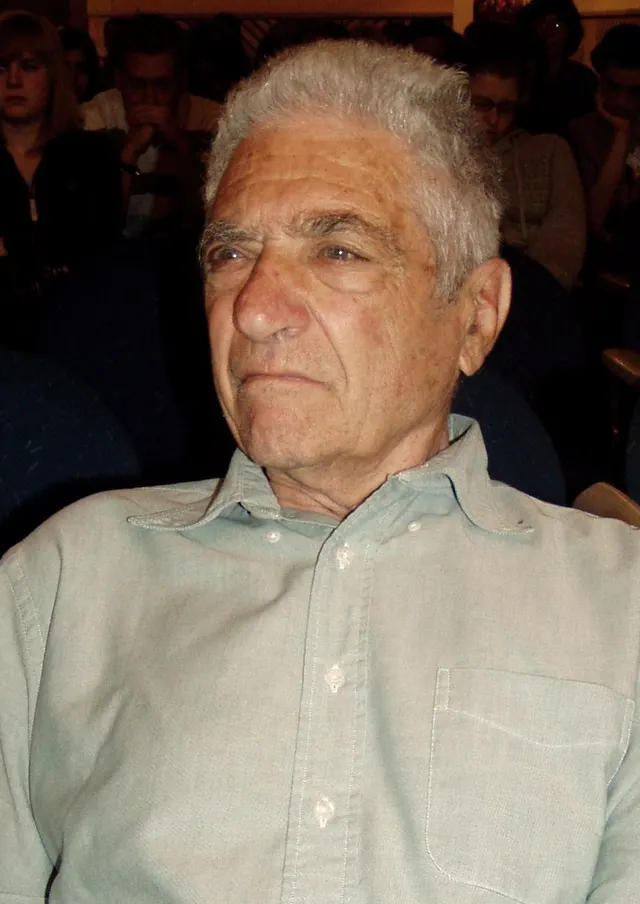
Jack Steinberger
Image creditSigismund von Dobschütz · CC BY-SA 3.0Resized and cropped for display.

Jack Steinberger

German-born physicist who fled Nazi Germany as a boy and shared the 1988 Nobel Prize in Physics for discoveries about the elusive particles called neutrinos.

Beverly Sills
Image creditCarl Van Vechten · Public domainResized and cropped for display.

Beverly Sills

Brooklyn-born soprano who became one of America’s best-loved opera singers and later ran New York City Opera, championing opera for wider audiences.

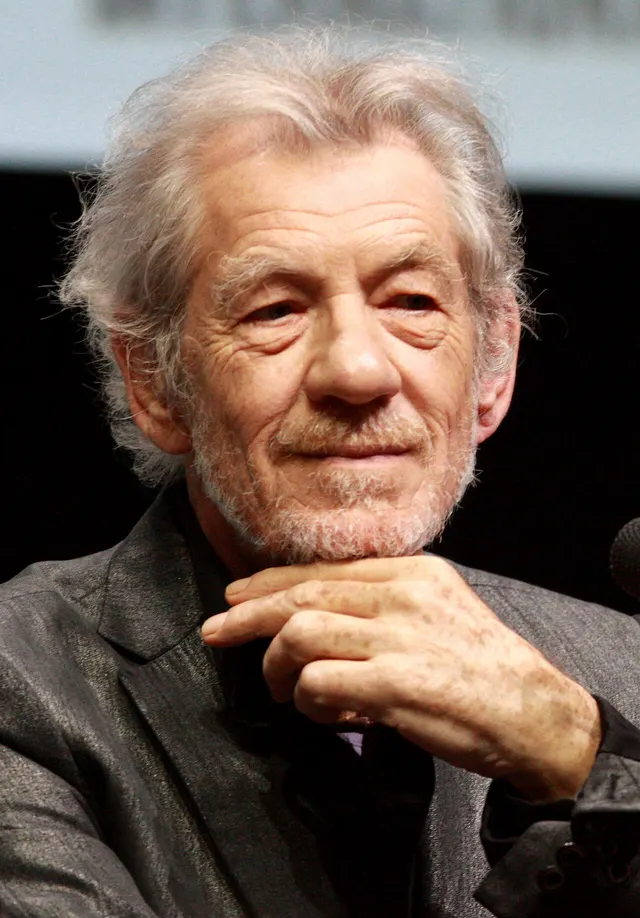
Ian McKellen
Image creditGage Skidmore · CC BY-SA 2.0Resized and cropped for display.

Ian McKellen

English actor celebrated for Shakespeare on stage and for playing Gandalf in The Lord of the Rings and Magneto in the X-Men films.

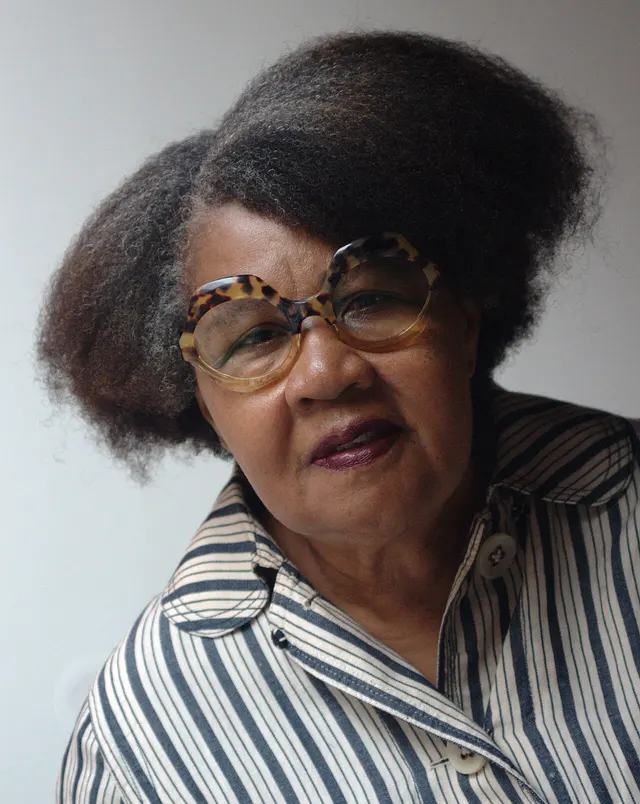
Jamaica Kincaid
Image creditSofie Sigrinn · CC BY-SA 4.0Resized and cropped for display.

Jamaica Kincaid

Writer born in St John’s, Antigua, whose novels and essays, including Annie John and A Small Place, explore childhood, mothers and the legacy of colonialism.

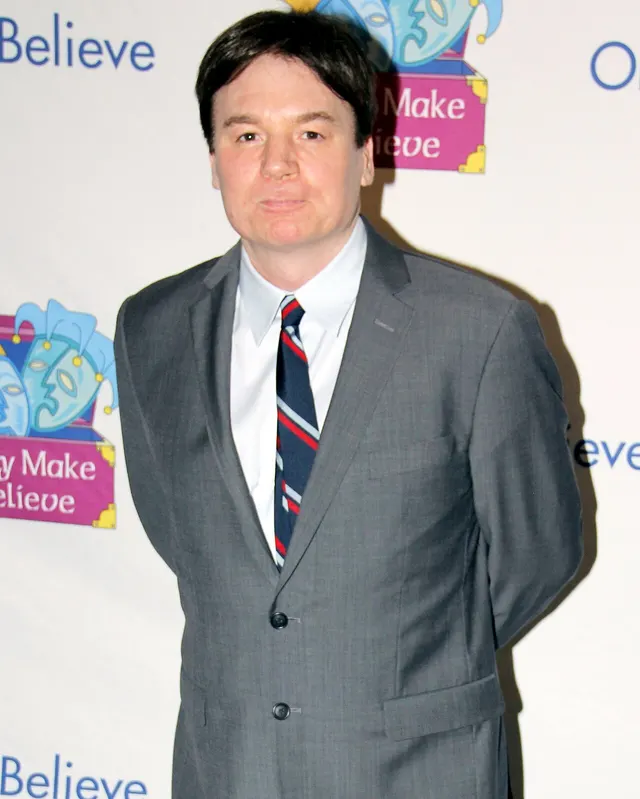
Mike Myers
Image creditJoella Marano · CC BY-SA 2.0Resized and cropped for display.

Mike Myers

Canadian comedian and actor from Scarborough, Ontario, who became famous on Saturday Night Live and created the Austin Powers and Wayne’s World films.

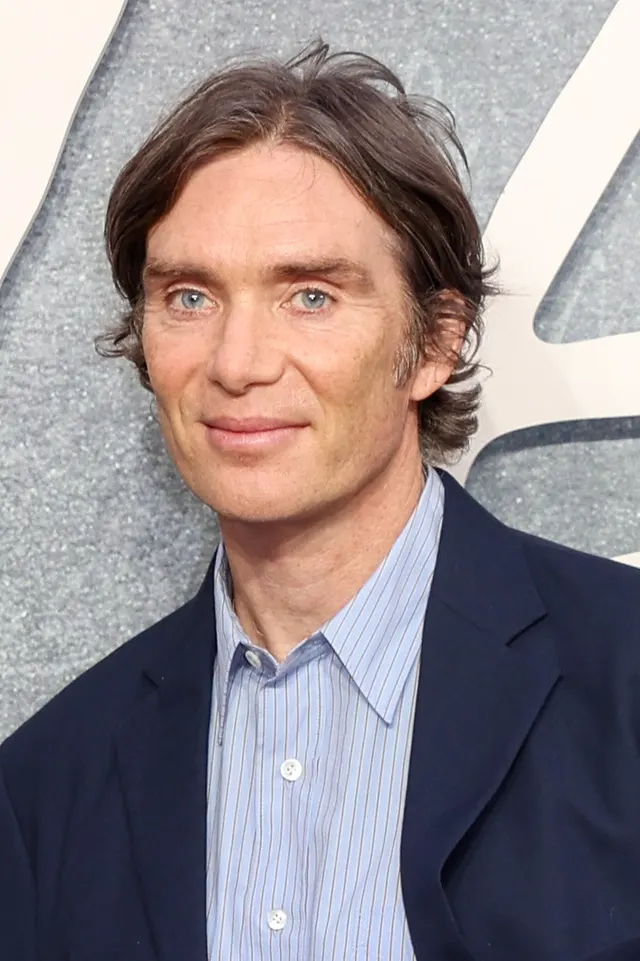
Cillian Murphy
Image creditNetflix · CC BY-SA 4.0Resized and cropped for display.

Cillian Murphy

Irish actor from Cork, known for Peaky Blinders and for his Academy Award-winning performance as the physicist J. Robert Oppenheimer.

◉
IDEAS THAT CHANGED THINGS

Firsts, Science & Discoveries

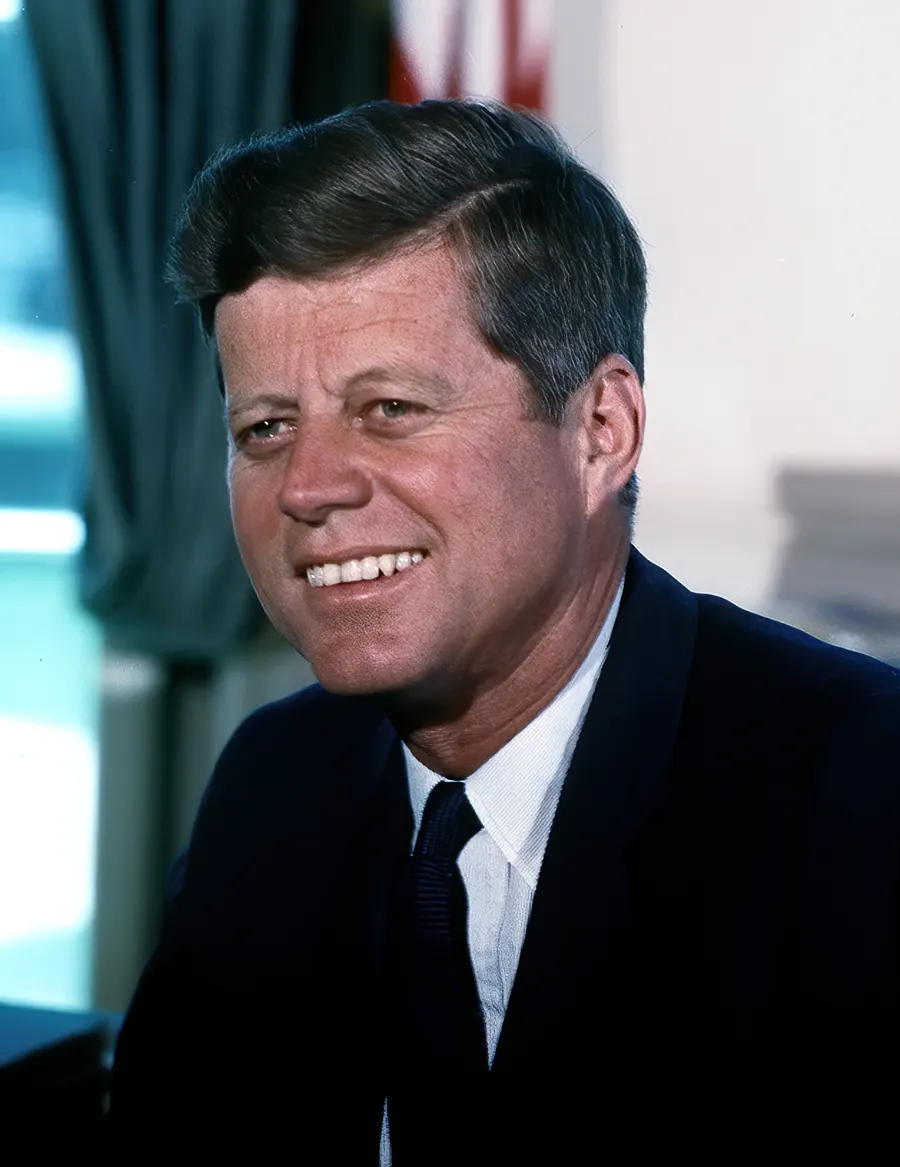
President John F. Kennedy, who set the goal of landing a man on the Moon
Image creditCecil W. Stoughton · Public domainResized and cropped for display.

Kennedy challenges America to reach the Moon

In the spring of 1961 the United States seemed to be losing the space race. On 12 April the Soviet cosmonaut Yuri Gagarin became the first person to orbit the Earth, and it was 5 May before Alan Shepard made a short hop into space for America. The new president, John F. Kennedy, asked his advisers what goal the country could reach first.

On 25 May he went before a joint session of Congress with a long list of urgent national needs, and near the end made his boldest request: that the nation commit itself to landing a man on the Moon and returning him safely to Earth before the decade was out. He asked for billions of extra dollars for space. Congress agreed, and Apollo 11 met the challenge in July 1969.

Read the full storyHistory & Timeline →Source: NASA: The Decision to Go to the Moon ↗
☆
SPORTING HISTORY

Sporting Moments

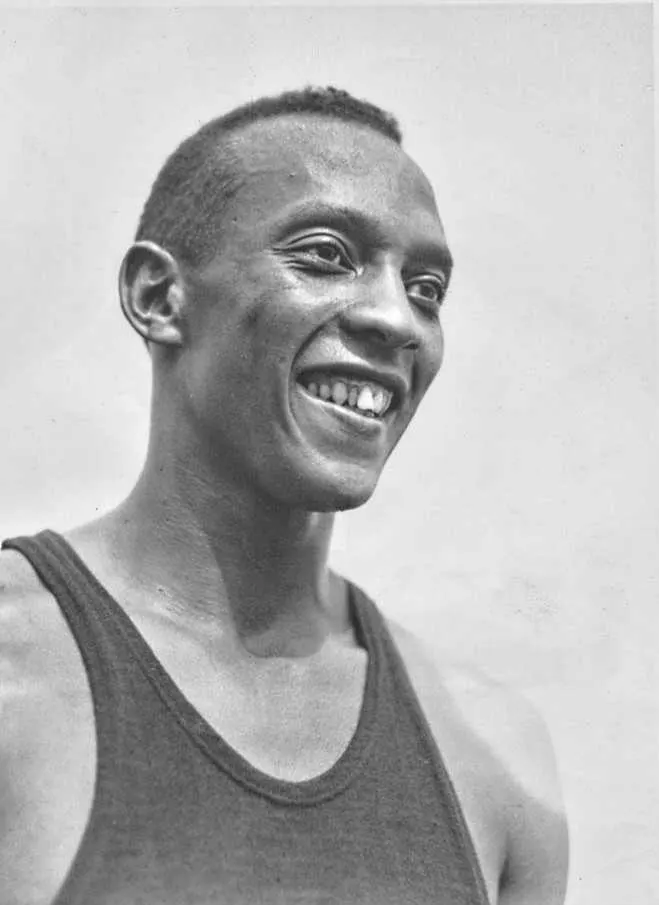
The American athlete Jesse Owens
Image creditAcme News Photos · Public domainResized and cropped for display.

Jesse Owens sets a string of world records in 45 minutes

In 1935 Jesse Owens was a 21-year-old student at Ohio State University, already known as one of the fastest men in America. On 25 May he lined up for the Big Ten championships at Ferry Field in Ann Arbor, Michigan, wearing his university vest, for what would become one of the most famous afternoons in the history of athletics.

In about three-quarters of an hour he equalled the world record for 100 yards, jumped 8.13 metres to become the first man to clear eight metres in the long jump, and set world records at 220 yards and the 220-yard low hurdles, which also counted for the 200-metre distances. A year later he won four gold medals at the Berlin Olympics.

Read the full storyHistory & Timeline →Source: World Athletics: The 90th anniversary of Jesse Owens’ day of days ↗
♫
MUSIC • FILM • BOOKS • CULTURE

Culture Stories

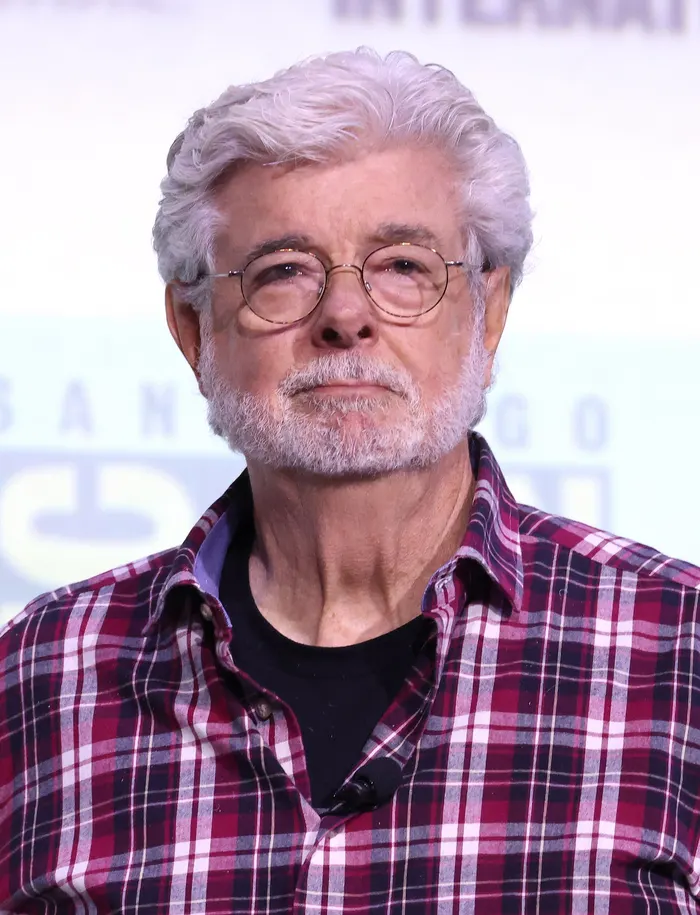
George Lucas, who wrote and directed Star Wars, in a later photograph
Image creditGage Skidmore · CC BY-SA 3.0Resized and cropped for display.

Star Wars opens in American cinemas

George Lucas spent years trying to get his space fantasy made. 20th Century Fox agreed to back it, and Lucas founded his own effects company, Industrial Light & Magic, to create the spaceships and battles he had in mind. Even the people who made it were unsure whether audiences would care about farm boys, princesses and talking robots, set in a galaxy far, far away.

On 25 May 1977 Star Wars opened on only 32 screens in the United States, including Mann’s Chinese Theatre in Hollywood. Word spread fast, and the film broke box-office records and won six Academy Awards. Later retitled Episode IV: A New Hope, it launched one of the most successful film series ever made and changed how blockbusters were produced and sold.

Read the full storyHistory & Timeline →Source: Britannica: Star Wars: Episode IV, A New Hope ↗
✦
LIVES REMEMBERED

Remembered Today

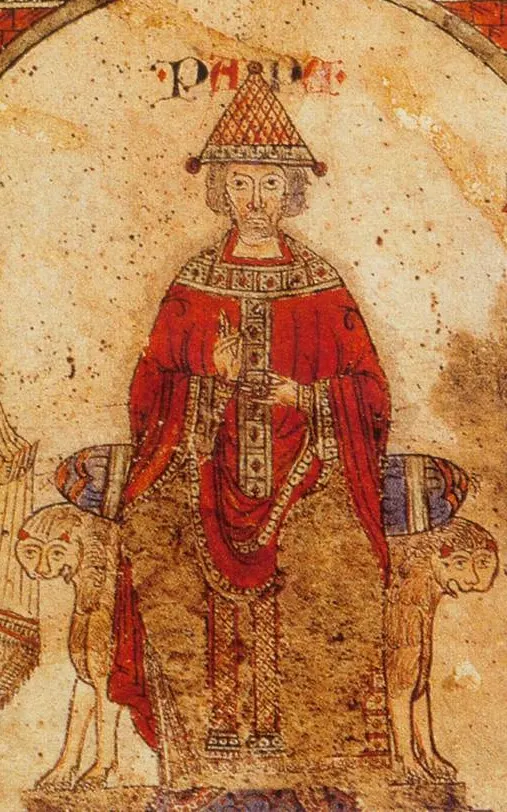
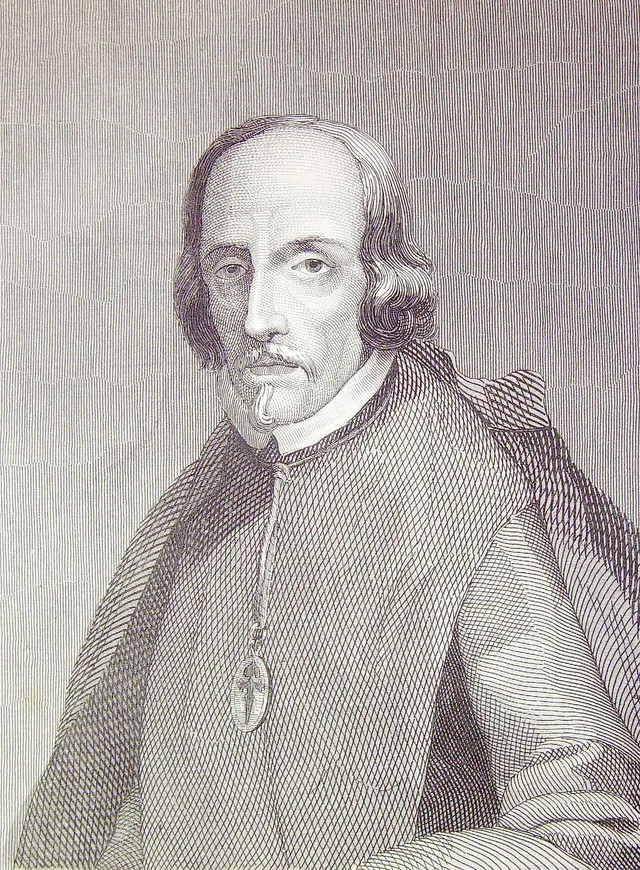
Pope Gregory VII
Image creditUnknown author · Public domainResized and cropped for display.

Pope Gregory VII

Reforming pope who clashed with Emperor Henry IV over who could appoint bishops, and died in exile at Salerno under Norman protection.

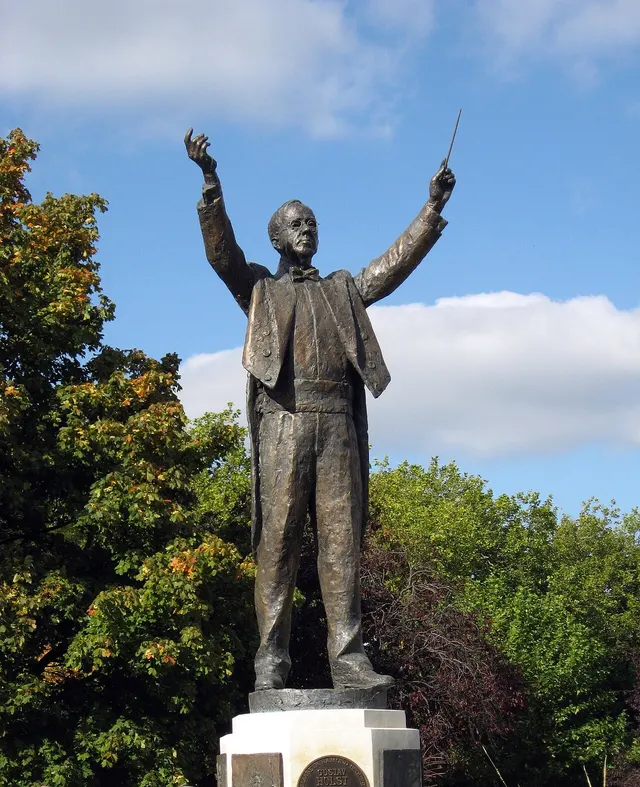
Gustav Holst
Image creditJongleur100 · Public domainResized and cropped for display.

Gustav Holst

English composer and teacher from Cheltenham, best known for his orchestral suite The Planets, completed in the closing years of the First World War.

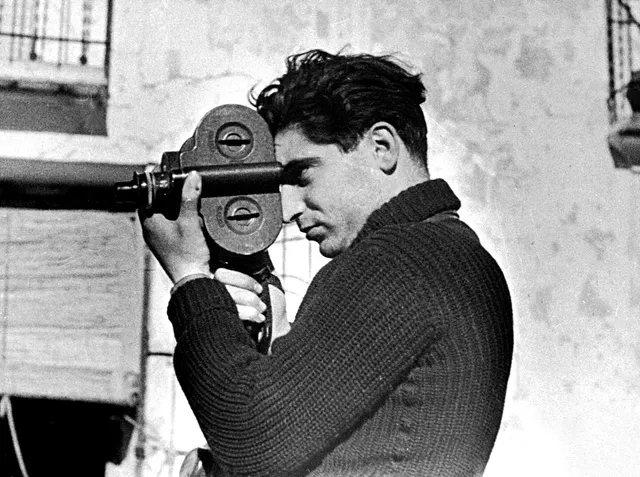
Robert Capa
Image creditGerda Taro · Public domainResized and cropped for display.

Robert Capa

Hungarian-born war photographer whose pictures of the Spanish Civil War and the D-Day landings became famous; he was killed while working in Indochina.

HISTORY & TIMELINE

Finished the highlights?

Follow 25 May chronologically, from the Middle Ages to the modern day, with 14 verified events and the sources behind them.

This day through time →