Explore 21 May

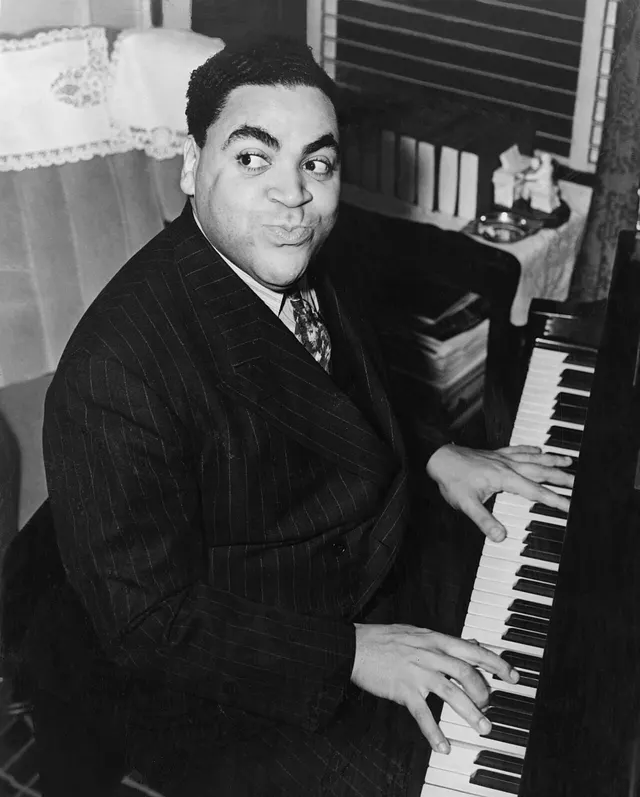
Explore 21 May: a teenage Otto III is crowned emperor in Rome, Jan Sobieski is chosen king of Poland, Charles Lindbergh lands in Paris after crossing the Atlantic alone and Indonesia’s Suharto steps down after 32 years. Born today: Albrecht Dürer, Henri Rousseau and Fats Waller.

This day through time →13 verified events across 5 eras

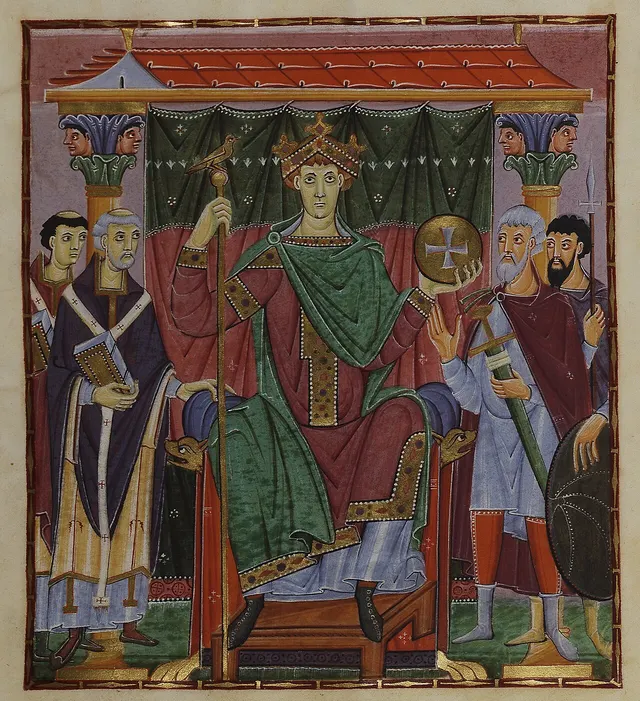
Otto III enthroned, from an illuminated gospel book made for him around 1000
Image creditUnknown author · Public domainResized and cropped for display.

A teenage king becomes emperor in Rome

On 21 May 996 the sixteen-year-old German king Otto III was crowned emperor in Rome. The man who placed the crown on his head was Pope Gregory V, Otto’s own cousin and former chaplain, whom the young king had just helped to the papal throne. It was an unusually close partnership between the two great powers of medieval Europe.

Otto had been king since the age of three, with his mother Theophanu and grandmother Adelaide governing for him. As emperor he dreamed of reviving the glory of ancient Rome, setting up court in the city and styling himself a servant of the apostles. His reign was short: he died in 1002, aged just 21, without an heir.

Read the full storyHistory & Timeline →Source: Britannica: Gregory V ↗
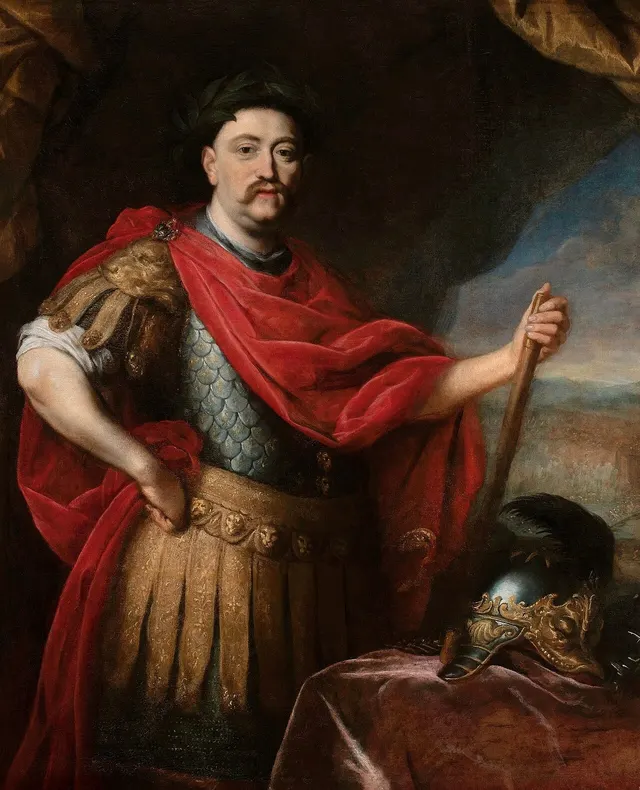
Portrait of King Jan III Sobieski
Image creditAttributed to Daniel Schultz / Possibly Andreas Stech · Public domainResized and cropped for display.

Poland’s nobles elect Jan Sobieski king

In the Polish-Lithuanian Commonwealth kings were not born but chosen, by thousands of nobles gathered in a field near Warsaw. On the afternoon of 21 May 1674 the Bishop of Kraków proclaimed their choice: Jan Sobieski, the commander who had routed an Ottoman army at Chocim (Khotyn) the year before, would be King of Poland and Grand Duke of Lithuania.

The war with the Ottomans delayed his coronation at Wawel in Kraków until early 1676. Sobieski’s greatest moment came in 1683, when he led the relief army that broke the Ottoman siege of Vienna. His summer palace at Wilanów, on the edge of Warsaw, is now a museum devoted to him.

Read the full storyHistory & Timeline →Source: Museum of King Jan III’s Palace at Wilanów ↗
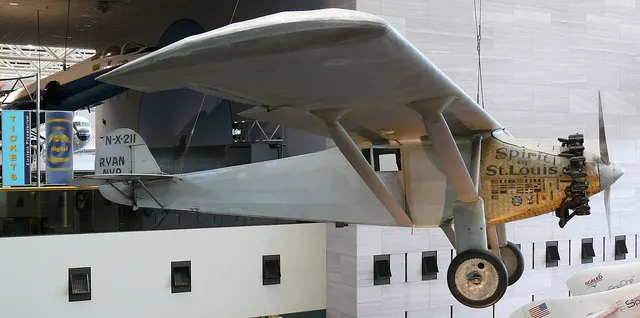
The Spirit of St. Louis, the aircraft Lindbergh flew to Paris, on display at the National Air and Space Museum
Image creditAd Meskens, zie ook:vliegtuigen · CC BY-SA 3.0Resized and cropped for display.

Lindbergh lands in Paris after crossing the Atlantic alone

At 10.21pm Paris time on 21 May 1927 a small silver monoplane touched down at Le Bourget airfield. Its pilot, 25-year-old American airmail flyer Charles Lindbergh, had left New York 33 and a half hours earlier and flown about 3,600 miles without a stop and without a companion, the first person to do so across the Atlantic.

A crowd estimated at more than 100,000 surged across the field to greet him, and souvenir hunters tore strips of fabric from the aircraft before French airmen rescued it. The flight won Lindbergh the $25,000 Orteig Prize and instant world fame. His plane, the Spirit of St. Louis, now hangs in the National Air and Space Museum in Washington.

Read the full storyHistory & Timeline →Source: Smithsonian National Air and Space Museum: Spirit of St. Louis ↗
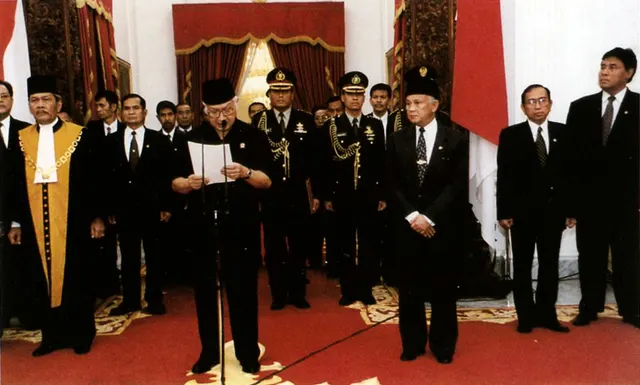
Suharto reads his resignation statement at the Merdeka Palace, Jakarta, 21 May 1998
Image creditUnknown photographer (Office of the Vice President of Indonesia) · Public domainResized and cropped for display.

Suharto steps down in Indonesia

On the morning of 21 May 1998 Suharto, president of Indonesia for 32 years, announced his resignation, and his vice-president B. J. Habibie was sworn in to replace him. The Asian financial crisis of 1997 had wrecked the value of the rupiah and exposed deep weaknesses in an economy long run for the benefit of a well-connected few.

Student protests grew through the spring, and after soldiers shot dead demonstrators at Trisakti University in Jakarta on 12 May, the capital was swept by riots. With the army no longer behind him, Suharto had little choice. His fall opened the way to free elections and the era Indonesians call Reformasi.

Read the full storyHistory & Timeline →Source: Britannica: Suharto ↗
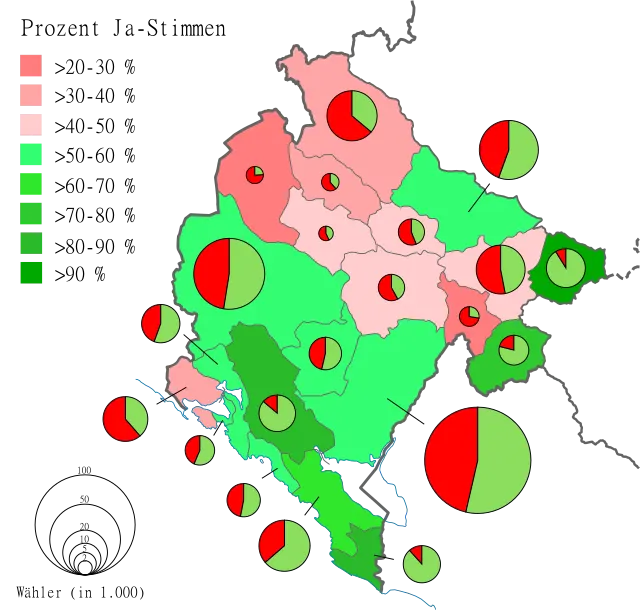
A map of the yes vote by municipality in Montenegro's 2006 independence referendum
A map of the yes vote by municipality in Montenegro’s 2006 independence referendum
Image creditFurfur · CC BY-SA 4.0Resized and cropped for display.

Montenegro votes for independence

On 21 May 2006 voters in Montenegro were asked whether their republic should leave the State Union of Serbia and Montenegro, the last remnant of the old Yugoslavia. The European Union had set a high bar: independence needed at least 55 per cent of the vote. The result was 55.5 per cent in favour, on a turnout of about 86 per cent.

International observers from the OSCE judged the vote to be broadly in line with democratic standards. Montenegro’s parliament declared independence on 3 June, Serbia accepted the outcome within days, and on 28 June the country joined the United Nations as its 192nd member state.

Read the full storyHistory & Timeline →Source: OSCE/ODIHR: Montenegro Referendum, 21 May 2006 ↗

♙
PEOPLE

Born Today

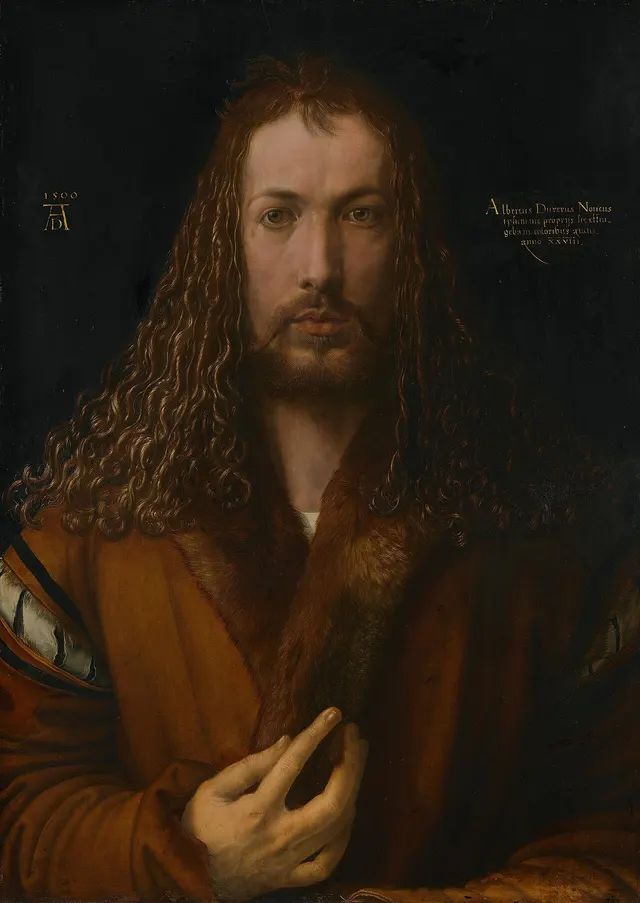
Albrecht Dürer
Image creditAlbrecht Dürer · Public domainResized and cropped for display.

Albrecht Dürer

Nuremberg painter and printmaker whose woodcuts and engravings, from the Rhinoceros to Melencolia I, carried the German Renaissance across Europe.

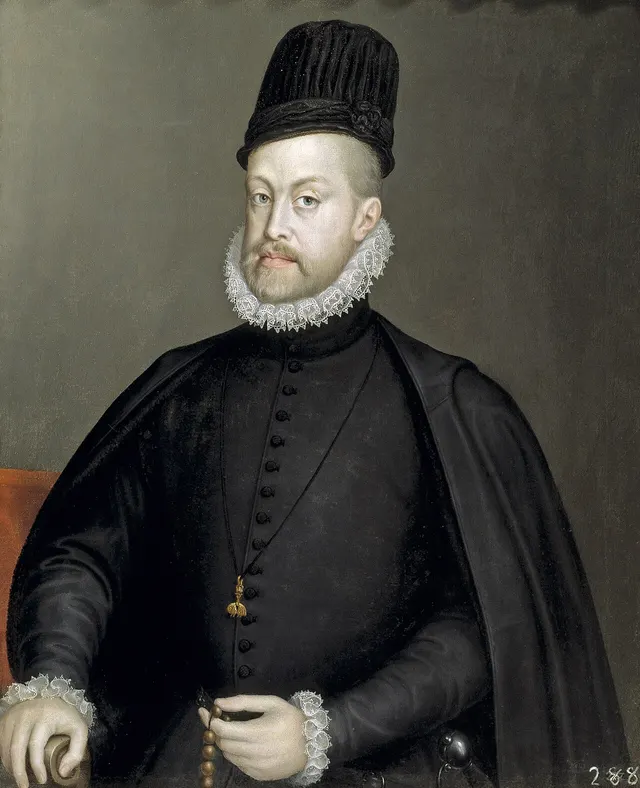
Philip II of Spain
Image creditSofonisba Anguissola · Public domainResized and cropped for display.

Philip II of Spain

Ruler of a global empire from the Escorial, he sent the Armada against England and gave his name to the Philippines.

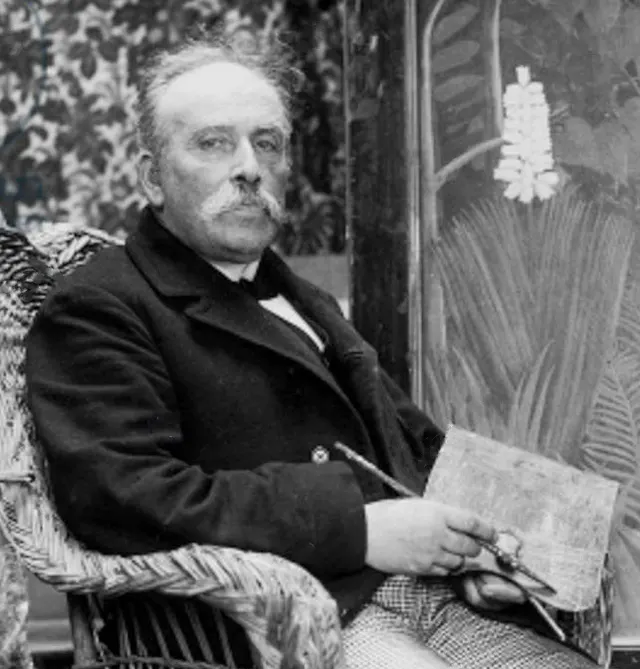
Henri Rousseau
Image creditDornac · Public domainResized and cropped for display.

Henri Rousseau

Self-taught Parisian customs clerk whose dreamlike jungle paintings, full of tigers and lush leaves, were championed by Picasso and the avant-garde.

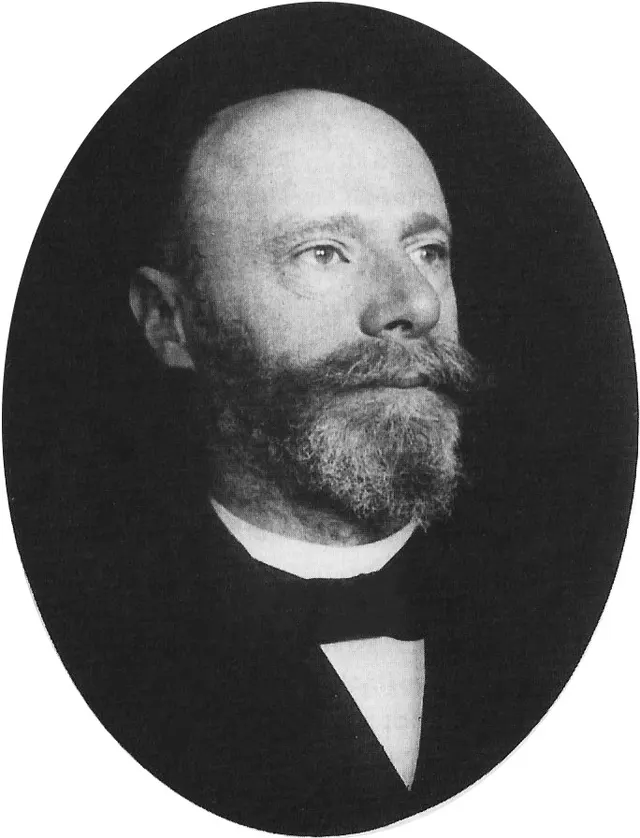
Willem Einthoven
Image creditUnknown author · Public domainResized and cropped for display.

Willem Einthoven

Dutch physiologist born in Java who built the first practical electrocardiograph, winning the 1924 Nobel Prize for recording the heart’s electrical rhythm.

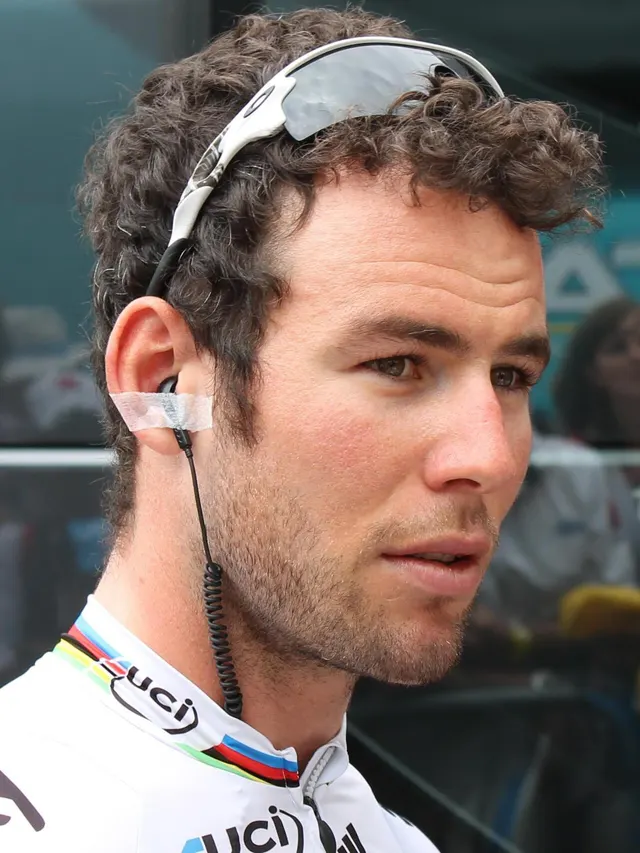
Mark Cavendish
Image creditAntoine Blondin · CC BY-SA 3.0Resized and cropped for display.

Mark Cavendish

Manx sprinter who won a record 35 stages of the Tour de France and the 2011 road world championship.

◉
IDEAS THAT CHANGED THINGS

Firsts, Science & Discoveries

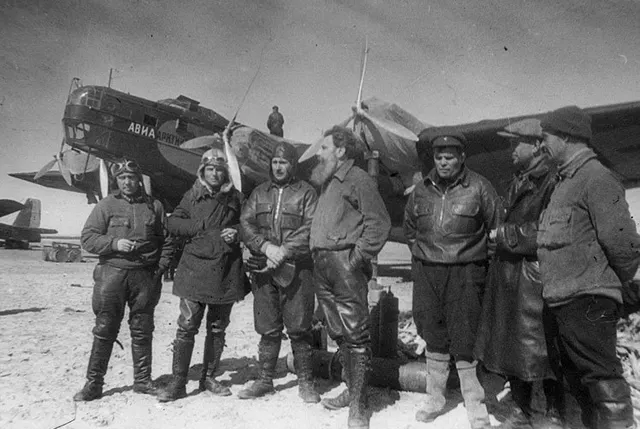
Members of the 1937 Soviet North Pole expedition beside one of their aircraft
Image creditК. Сабельников (Союзфото) · Public domainResized and cropped for display.

Scientists set up camp on the drifting Arctic ice

On 21 May 1937 a four-engined Soviet aircraft flown by Mikhail Vodopyanov landed on a thick ice floe about 20 kilometres from the North Pole. On board were the four men of North Pole-1, the world’s first research station built on the drifting sea ice: leader Ivan Papanin, oceanographer Pyotr Shirshov, astronomer and meteorologist Yevgeny Fyodorov and radio operator Ernst Krenkel.

For 274 days they lived in a tent on the floe, measuring the depth of the ocean, the currents, the weather and the Earth’s magnetism, and radioing their results home. The ice carried them more than 2,000 kilometres south towards Greenland, where icebreakers took them off in February 1938. Russia now marks 21 May as Polar Explorer’s Day.

Read the full storyHistory & Timeline →Source: Russian Geographical Society: Polar Explorer’s Day ↗
☆
SPORTING HISTORY

Sporting Moments

Robert Guérin, the French journalist who became FIFA's first president
Robert Guérin, the French journalist who became FIFA’s first president
Image creditUnknown author · Public domainResized and cropped for display.

FIFA is founded in a Paris back room

On 21 May 1904 delegates from France, Belgium, Denmark, the Netherlands, Spain, Sweden and Switzerland met in a back room at 229 rue Saint-Honoré in Paris and founded the Fédération Internationale de Football Association. Their aim was simple: a single body to agree the rules of international matches. The French journalist Robert Guérin became its first president.

England’s Football Association, which had given the game its rules in the first place, stayed out at first but joined the following year. FIFA staged its first World Cup in Uruguay in 1930 and now has more than 200 member associations, more than the United Nations has member states.

Read the full storyHistory & Timeline →Source: FIFA: 120th anniversary of foundation in Paris ↗
♫
MUSIC • FILM • BOOKS • CULTURE

Culture Stories

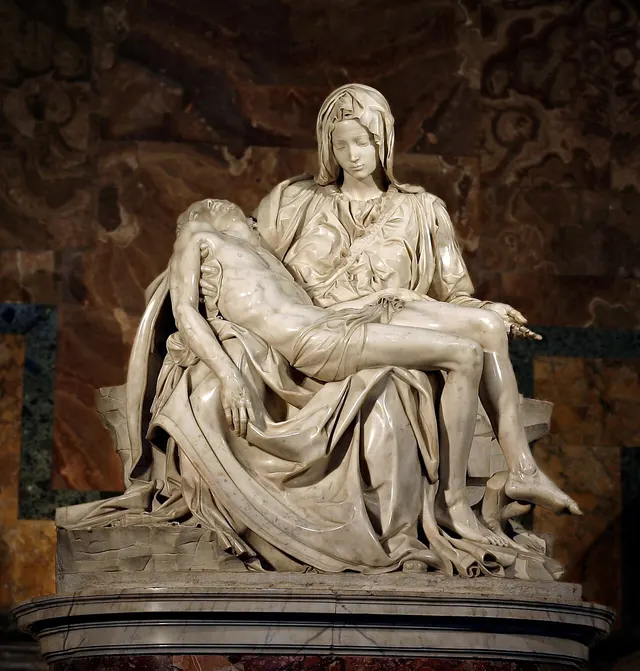
Michelangelo's Pietà in St Peter's Basilica, Vatican City
Michelangelo’s Pietà in St Peter’s Basilica, Vatican City
Image creditoriginal file by Stanislav Traykov · CC BY 2.5Resized and cropped for display.

Michelangelo’s Pietà is attacked with a hammer

Michelangelo carved the Pietà, Mary cradling the dead Christ across her lap, from a single block of Carrara marble when he was in his early twenties. It is the only work he ever signed. On 21 May 1972 a man named Laszlo Toth vaulted a rail in St Peter’s Basilica and struck the sculpture a dozen times with a geologist’s hammer, shouting that he was Jesus Christ.

The blows broke off Mary’s left arm and damaged her face, nose and eyelid. Vatican restorers spent months reassembling the fragments, using marble dust and glue so skilfully that the repairs are almost invisible. When the Pietà went back on show it stood behind bulletproof glass, where it remains today.

Read the full storyHistory & Timeline →Source: Britannica: Art Abuse, 11 Vandalized Works of Art ↗
✦
LIVES REMEMBERED

Remembered Today

Tommaso Campanella
Image creditFrancesco Cozza · Public domainResized and cropped for display.

Tommaso Campanella

Italian friar and philosopher who wrote his utopia The City of the Sun during 27 years in Naples prisons and defended Galileo.

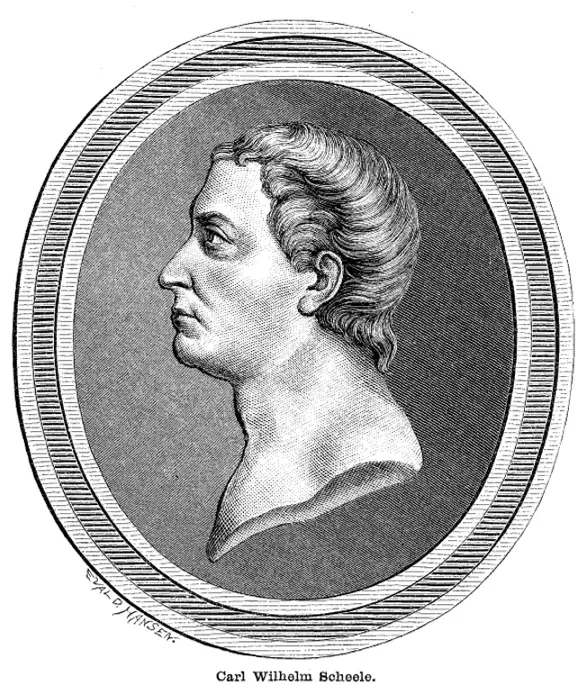
Carl Wilhelm Scheele
Image creditFamilj-Journalen (1874) · Public domainResized and cropped for display.

Carl Wilhelm Scheele

Swedish pharmacist-chemist who discovered oxygen independently of Priestley, and identified chlorine and several organic acids.

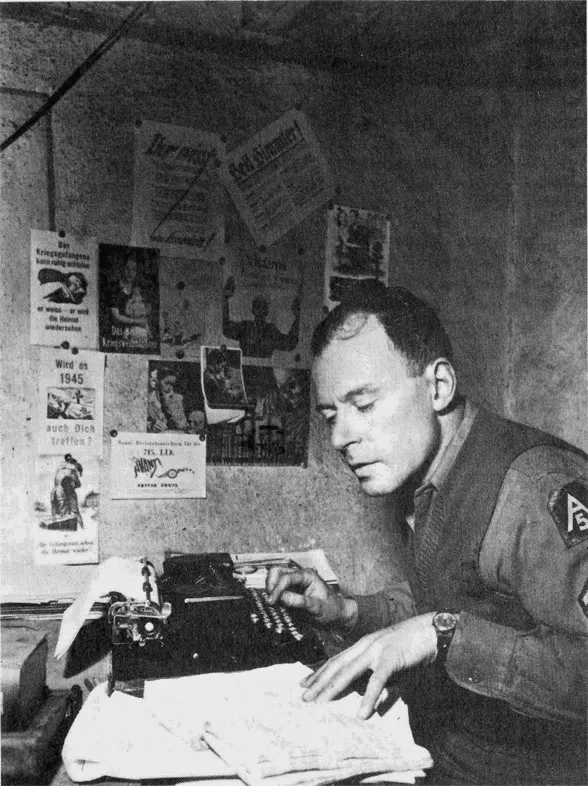
Klaus Mann
Image creditUnited States 5th Army · Public domainResized and cropped for display.

Klaus Mann

German novelist and anti-Nazi exile, son of Thomas Mann, best known for Mephisto, his portrait of an actor who sells out to power.

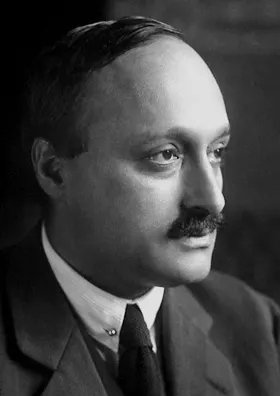
James Franck
Image creditNobel foundation · Public domainResized and cropped for display.

James Franck

German-American physicist whose electron experiments with Gustav Hertz won a Nobel Prize, and who later warned against using the atomic bomb on Japan.

☉
AROUND THE WORLD

Observances & Anniversaries

A tea picker at work in Sri Lanka's Central Province
A tea picker at work in Sri Lanka’s Central Province
Image creditJi-Elle · CC BY-SA 3.0Resized and cropped for display.

International Tea Day

The United Nations General Assembly named 21 May International Tea Day and asked the Food and Agriculture Organization (FAO) to lead it. The day celebrates one of the world’s most popular drinks and the long cultural history behind it.

It also draws attention to the millions of small farming families, many in developing countries, who grow and process tea for a living, and to the need to produce and trade it sustainably.

Source: United Nations: International Tea Day ↗
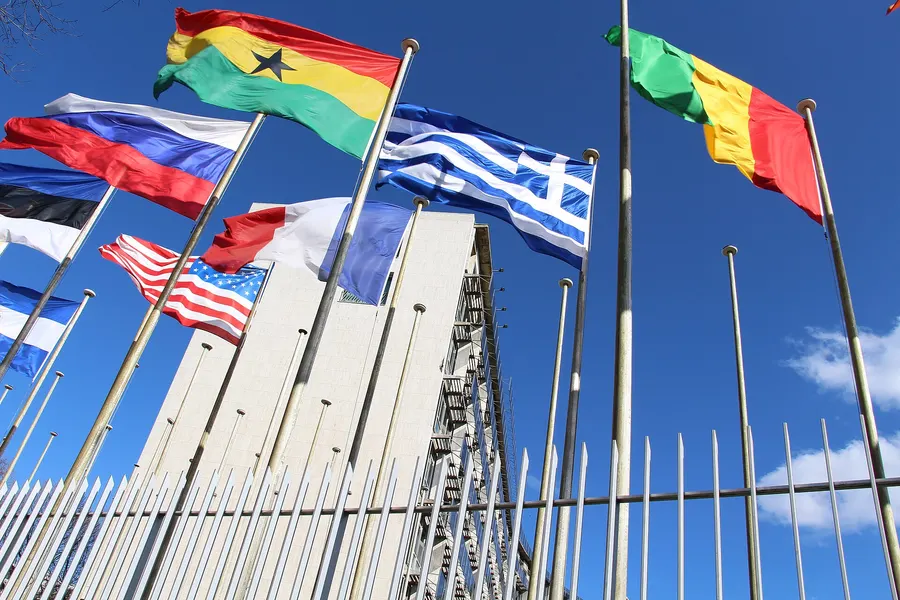
Flags of member states outside UNESCO's headquarters in Paris
Flags of member states outside UNESCO’s headquarters in Paris
Image creditFred Romero from Paris, France · CC BY 2.0Resized and cropped for display.

World Day for Cultural Diversity for Dialogue and Development

The UN General Assembly declared this day in 2002, after UNESCO adopted its Universal Declaration on Cultural Diversity. Each 21 May celebrates the richness of the world’s cultures.

Its message is that dialogue between cultures is essential for peace and for sustainable development, and that the creative sector is a powerful engine of jobs and growth.

Source: United Nations: World Day for Cultural Diversity for Dialogue and Development ↗
HISTORY & TIMELINE

Finished the highlights?

Follow 21 May chronologically, from the Middle Ages to the modern day, with 13 verified events and the sources behind them.

This day through time →