1607English settlers land at Jamestown
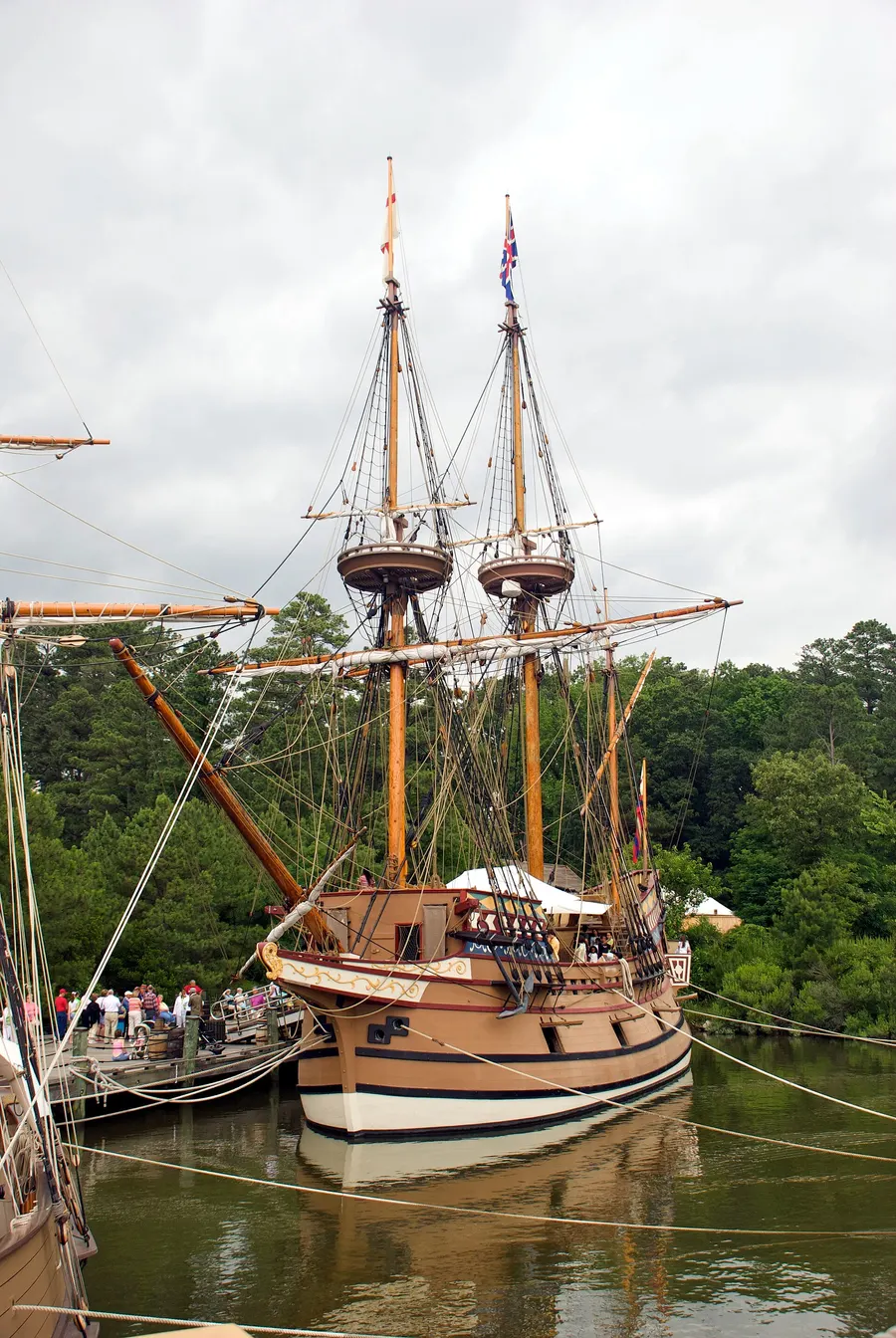
On 14 May 1607 about a hundred men and boys sent by the Virginia Company of London came ashore on a marshy island in the James River, some 60 miles up from Chesapeake Bay. They had crossed the Atlantic in three small ships, the Susan Constant, the Godspeed and the Discovery, and chose the spot because it could be defended and deep water ran close to the bank.
Within weeks they had raised a triangular wooden fort, finished by mid-June. The land already belonged to the Powhatan people, and the early years brought hunger, disease and conflict that killed most of the first settlers. Yet the colony survived to become the first permanent English settlement in the Americas and, for most of the 17th century, the capital of Virginia.
Read the full storyHistory & Timeline →Source: National Park Service: A Short History of Jamestown ↗
1811Paraguay breaks away from Spanish rule
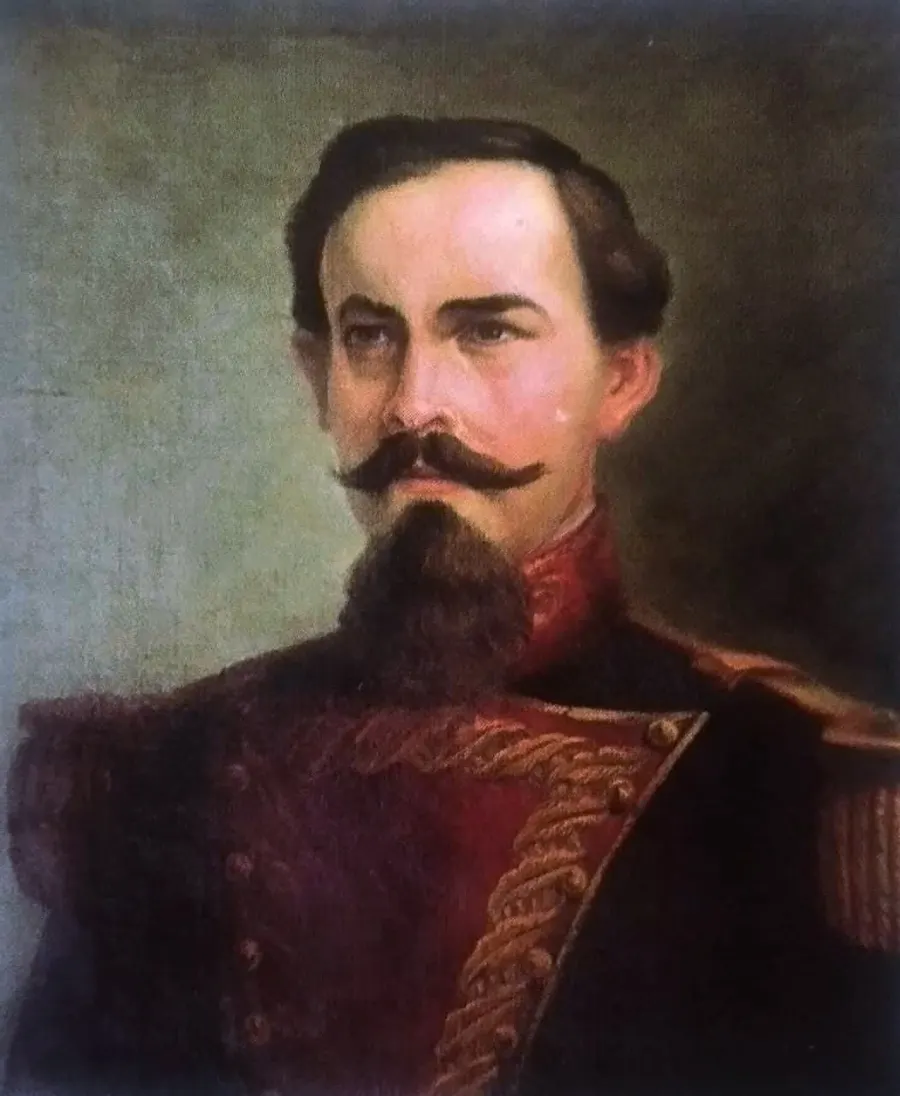
In the spring of 1811 Paraguay’s militia had just beaten off an army sent from Buenos Aires, which wanted the province under its control. When the Spanish governor turned to Portugal for help, local officers decided they had had enough. On the night of 14 May, led by captains Pedro Juan Caballero and Fulgencio Yegros, they took over the barracks in Asunción and forced the governor to give up his power.
A ruling junta was set up under Yegros, though the lawyer José Gaspar Rodríguez de Francia soon became its strongest voice and later ruled the country alone for decades. Paraguay formally declared itself a republic in 1813. Today the country marks its independence over two days, on 14 and 15 May, with flags, parades and family gatherings.
Read the full storyHistory & Timeline →Source: Britannica: History of Paraguay ↗
1879The first indentured Indians reach Fiji
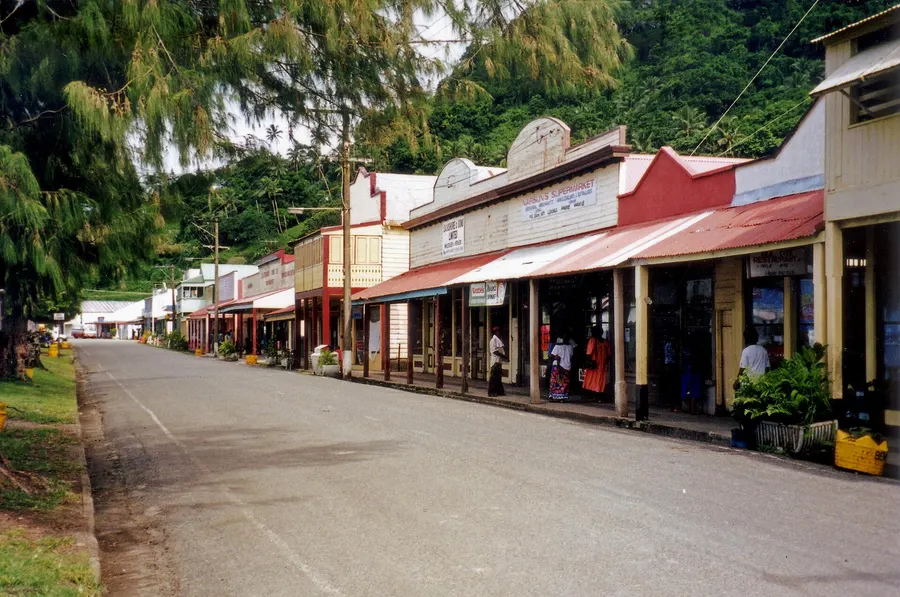
On the evening of 14 May 1879 the sailing ship Leonidas anchored off Levuka, then the capital of Fiji, after a hard voyage of more than two months from Calcutta. On board were nearly 500 men, women and children recruited in India to work on Fiji’s sugar plantations under contracts of indenture. Cholera and smallpox had broken out at sea, and a number of passengers died before landfall.
The labourers became known as Girmitiyas, from the English word agreement. The Leonidas was the first of dozens of ships, and over the following decades more than 60,000 people made the same journey. Their descendants now form a large part of Fiji’s population, and 14 May is remembered each year in Fiji as Girmit Day.
Read the full storyHistory & Timeline →Source: Fiji Government: Fiji and India reflect on Girmit Day ↗
1948The State of Israel is proclaimed
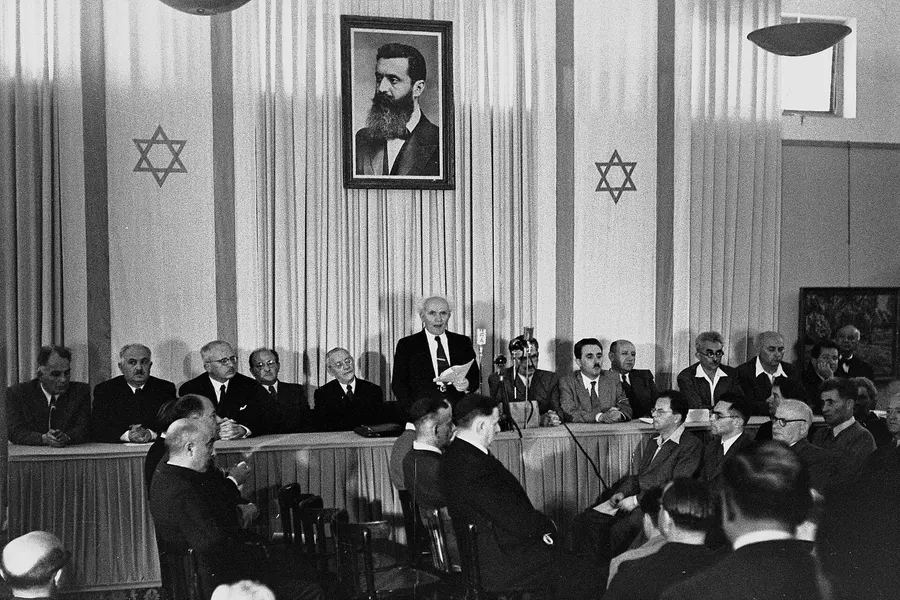
At four o’clock on the afternoon of Friday 14 May 1948, David Ben-Gurion stood in the hall of the Tel Aviv Museum on Rothschild Boulevard and read out the declaration establishing the State of Israel. It came eight hours before the British Mandate for Palestine was due to end. Only a small audience was present, but the ceremony was carried live on radio.
The United States recognised the new state that same night, and the Soviet Union followed within days. The next day armies from neighbouring Arab states entered the territory, widening the war that had already begun. Israelis mark the date as their independence, while Palestinians remember the flight and expulsion of hundreds of thousands of people in this period as the Nakba.
Read the full storyHistory & Timeline →Source: Israel Ministry of Foreign Affairs: The Declaration of the Establishment of the State of Israel ↗
1955Eight states sign the Warsaw Pact
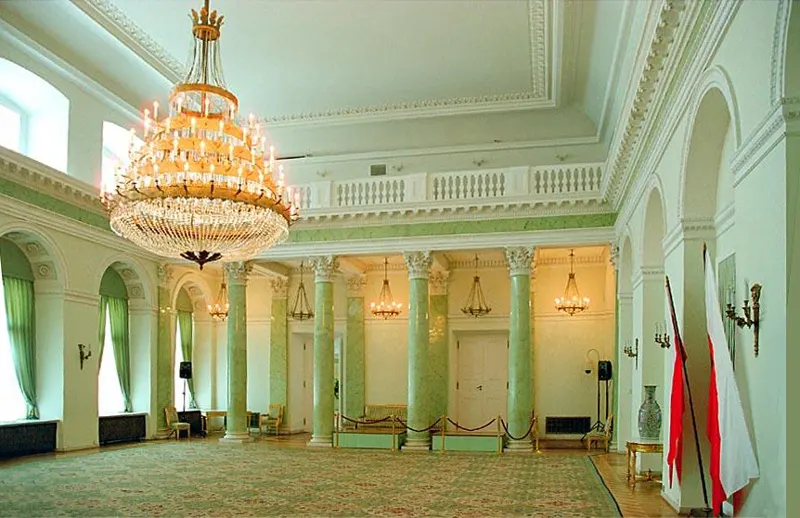
On 14 May 1955 the Soviet Union and seven Eastern European states, Albania, Bulgaria, Czechoslovakia, East Germany, Hungary, Poland and Romania, signed a Treaty of Friendship, Cooperation and Mutual Assistance in Warsaw. It came days after West Germany had joined NATO, and Moscow presented the new alliance as the East’s answer to the Western defence pact.
The treaty created a joint military command under Soviet leadership and allowed Soviet troops to be based across the member states. Its forces were later used against members themselves, most famously in Czechoslovakia in 1968. The alliance faded after the revolutions of 1989 and was formally dissolved in 1991, and several of its former members have since joined NATO.
Read the full storyHistory & Timeline →Source: Britannica: Warsaw Treaty Organization ↗