Explore 12 May

Explore 12 May: the Soviet Union lifts the Berlin Blockade, the airship Norge crosses the North Pole, a royal decree creates the oldest university in the Americas and a devastating earthquake strikes Sichuan. Born today: Florence Nightingale, Katharine Hepburn and Dorothy Hodgkin.

This day through time →14 verified events across 5 eras

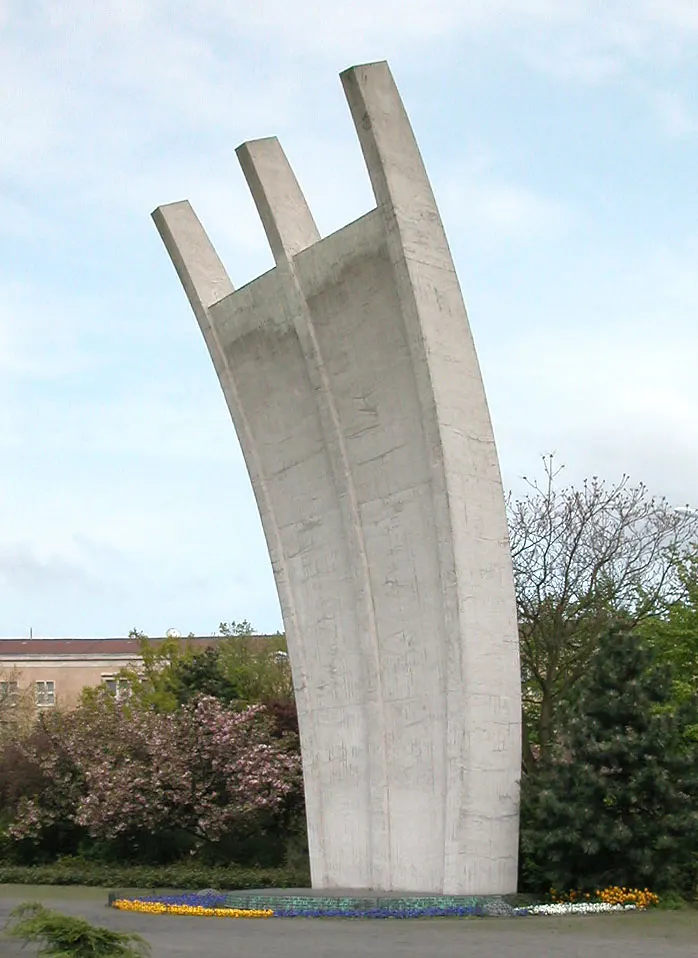
The Berlin Airlift Memorial outside Tempelhof airport, Berlin
Image creditIngrid Strauch · CC BY-SA 2.0Resized and cropped for display.

The Soviet Union lifts the Berlin Blockade

At one minute past midnight on 12 May 1949, Soviet forces reopened the roads, railways and canals linking West Berlin to the western zones of Germany. They had been closed since June 1948, when Moscow answered a new western currency by trying to starve the Allies out of the divided city. Lorries and trains rolled in to cheering crowds within hours.

The Americans and British had kept more than two million West Berliners supplied from the air for almost eleven months, flying in coal, flour and milk around the clock. The success of the airlift, and the reputation it won for the western powers, helped persuade Stalin to give way. The crisis also hastened the creation of NATO and of two separate German states later that year.

Read the full storyHistory & Timeline →Source: Britannica: Berlin blockade ↗
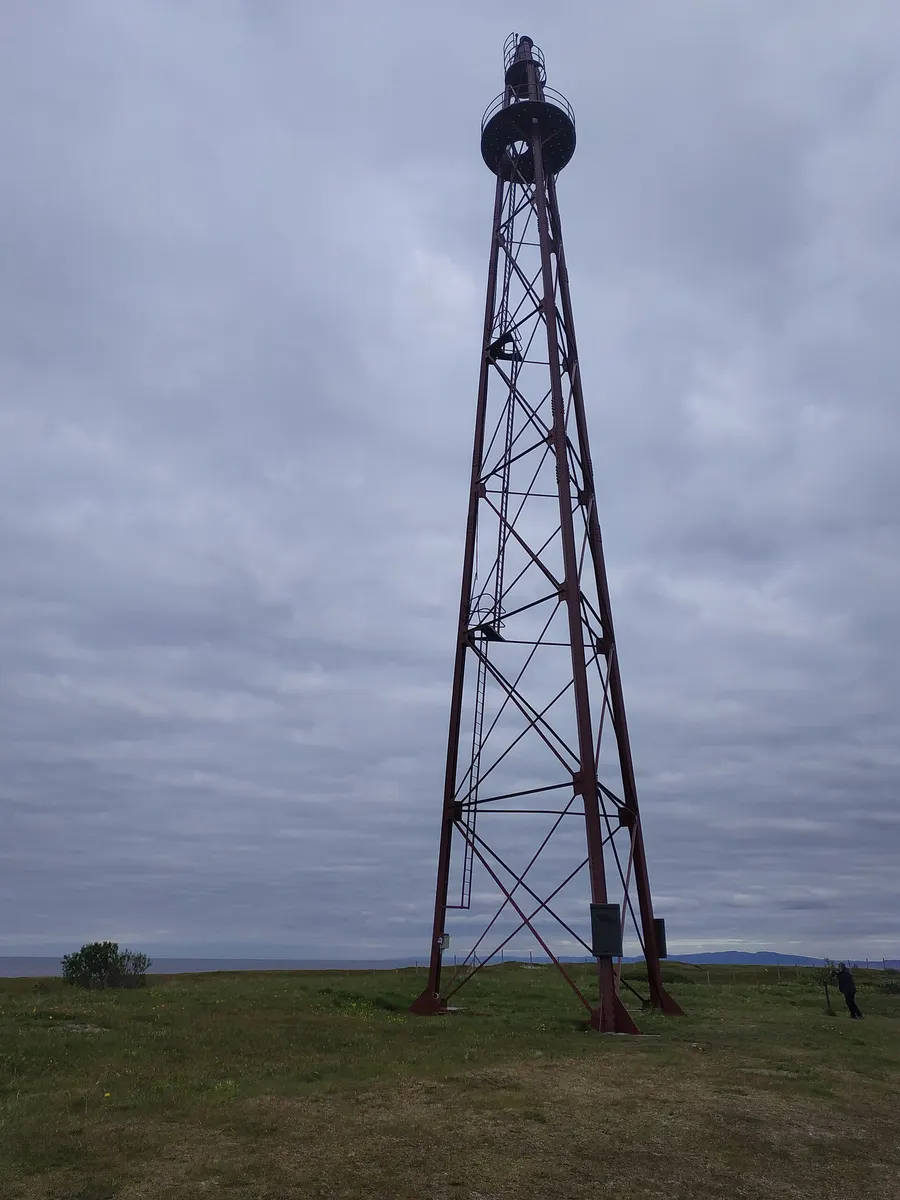
The mooring mast on Vadsøya in northern Norway, where the Norge stopped on its way north in 1926.
Image creditAnniolek · CC BY 4.0Resized and cropped for display.

The airship Norge flies over the North Pole

On 12 May 1926 the Italian-built airship Norge passed over the North Pole, carrying sixteen men led by the Norwegian explorer Roald Amundsen, the Italian designer and pilot Umberto Nobile and the American backer Lincoln Ellsworth. The crew dropped the flags of their three nations onto the ice below before pressing on towards Alaska.

The airship had left Ny-Ålesund on Svalbard the day before and came down at Teller, Alaska, two days later, making the first crossing of the Arctic Ocean. Because an earlier claim by the American Richard Byrd has since been doubted, the Norge crew are now widely recognised as the first people certainly to have reached the Pole.

Read the full storyHistory & Timeline →Source: Fram Museum: The Norge flight 1926 ↗
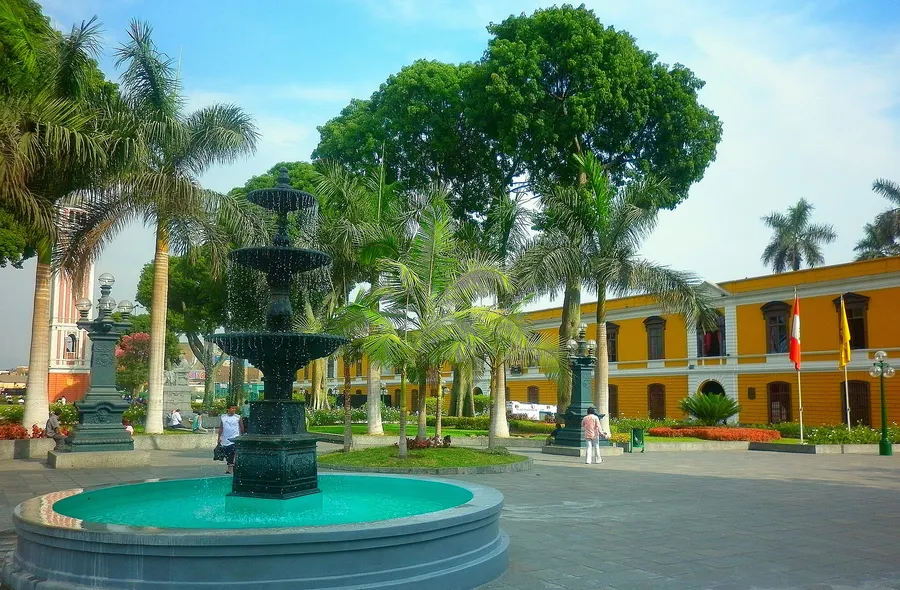
The Casona de San Marcos and the University Park in central Lima, Peru
Image creditKanon6996 · CC BY 3.0Resized and cropped for display.

A royal decree founds the oldest university in the Americas

On 12 May 1551, at Valladolid in Spain, the Emperor Charles V and his mother Queen Joanna signed a royal decree creating a university in Lima, the capital of the Viceroyalty of Peru. First known as the Royal University of Lima, it began teaching in the city’s Dominican priory, serving the sons of colonial officials and the clergy.

Pope Pius V confirmed the foundation with a bull in 1571. Today the National University of San Marcos is regarded as the oldest officially established university in the Americas and the only one from the sixteenth century that has operated without a break. Peruvians still call it the Decana de América, the dean of the continent’s universities.

Read the full storyHistory & Timeline →Source: Britannica: Main National University of San Marcos of Lima ↗
A damaged bank building in Beichuan, Sichuan, after the 2008 earthquake
Image credit人神之间 · CC BY-SA 3.0Resized and cropped for display.

A great earthquake strikes Sichuan

At 2.28 in the afternoon of 12 May 2008 a magnitude 7.9 earthquake struck the mountainous heart of Sichuan province in south-west China. Its epicentre lay about 80 kilometres west-north-west of the provincial capital, Chengdu, where stress built up by the Indian plate pushing north was released along the Longmenshan Fault.

Towns such as Beichuan were largely destroyed and landslides blocked valleys and rivers. The final Chinese government count put almost 90,000 people dead or missing, among them many children in collapsed schools, and nearly 375,000 injured. It was one of the deadliest earthquakes in China for decades and led to a vast rebuilding effort.

Read the full storyHistory & Timeline →Source: Britannica: Sichuan earthquake of 2008 ↗
♙
PEOPLE

Born Today

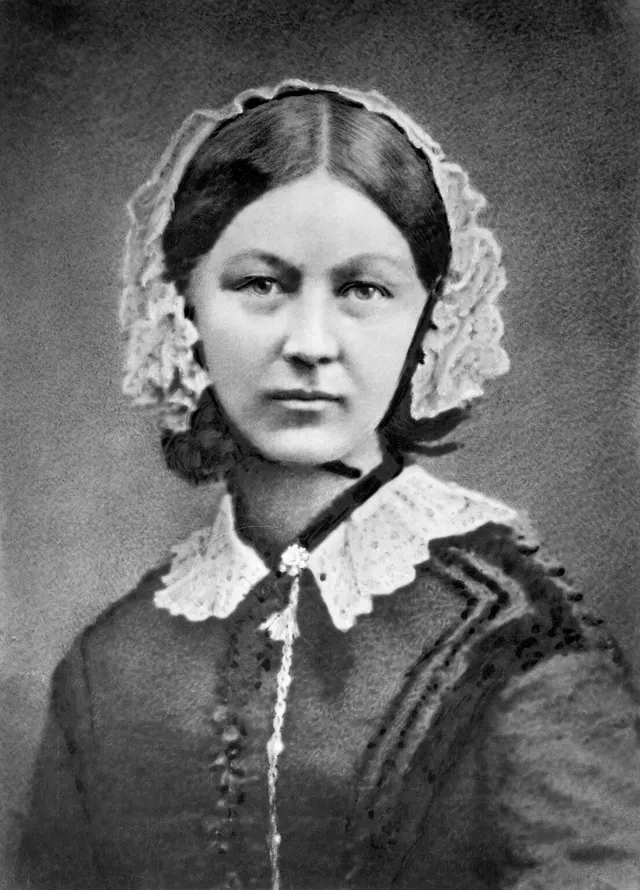
Florence Nightingale
Image creditHenry Hering (1814-1893) · Public domainResized and cropped for display.

Florence Nightingale

The founder of modern nursing, she reformed military hospitals during the Crimean War and used statistics to press for better public health.

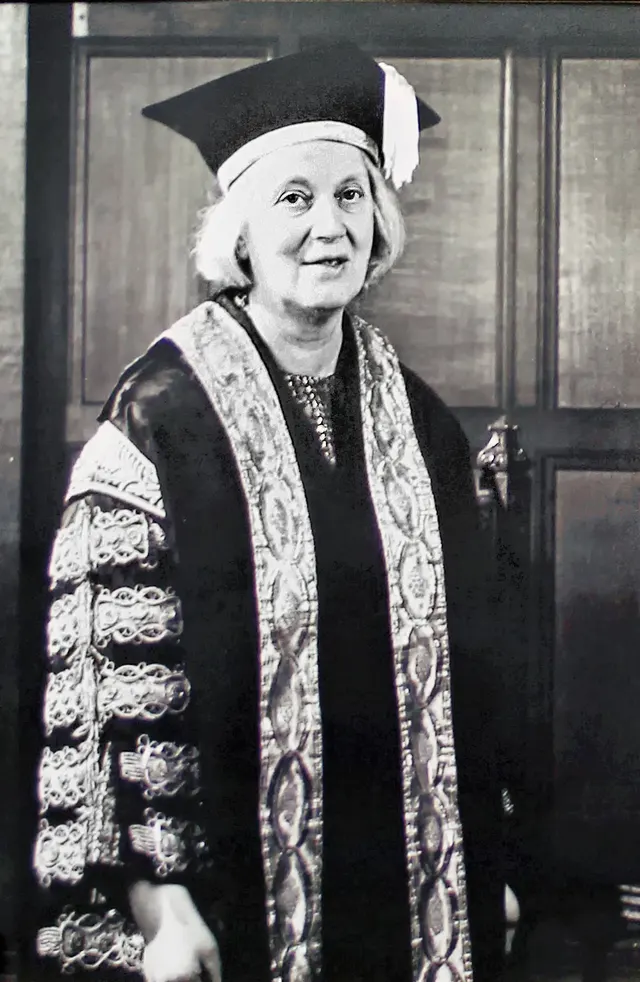
Dorothy Hodgkin
Image creditUniversity of Bristol · CC BY-SA 2.0Resized and cropped for display.

Dorothy Hodgkin

A British chemist who used X-ray crystallography to reveal the structures of penicillin, vitamin B12 and insulin, winning the 1964 Nobel Prize in Chemistry.

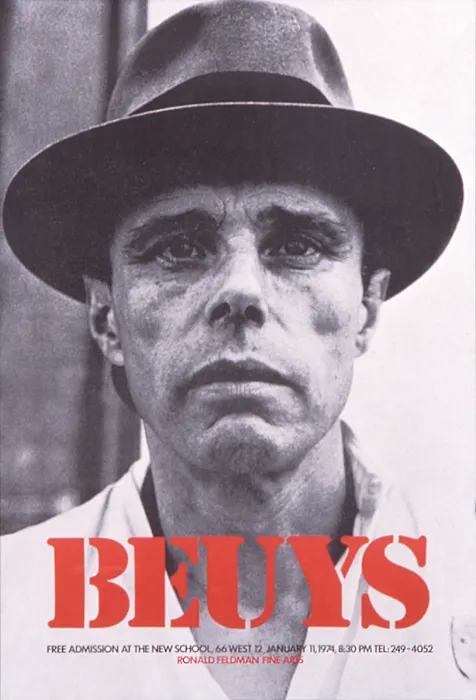
Joseph Beuys
Image creditRonald Feldman Fine Arts · CC BY-SA 3.0Resized and cropped for display.

Joseph Beuys

A German artist and teacher whose performances, sculptures and ideas of ‘social sculpture’ made him one of the most influential figures in post-war art.

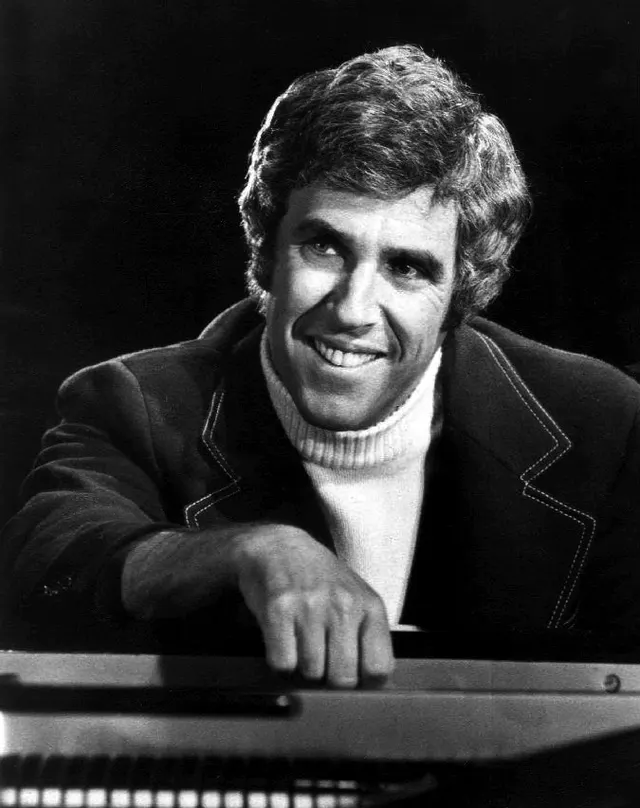
Burt Bacharach
Image creditABC Television · Public domainResized and cropped for display.

Burt Bacharach

An American composer who, often with lyricist Hal David, wrote hundreds of songs that defined sophisticated 1960s pop.

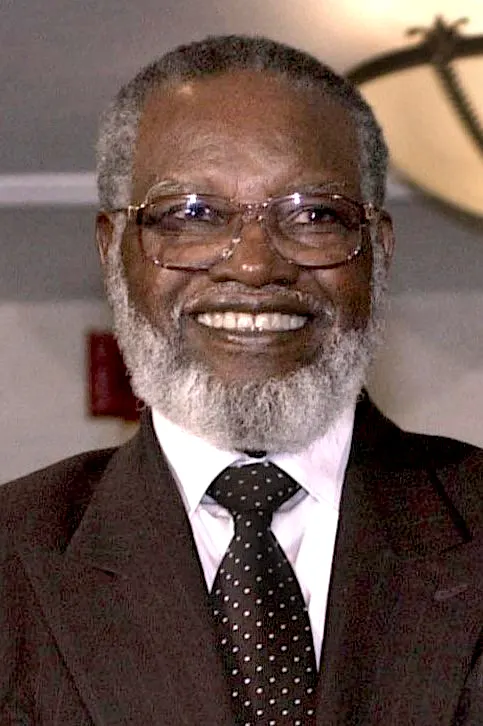
Sam Nujoma
Image creditAna Nascimento/ABr · CC BY 3.0 brResized and cropped for display.

Sam Nujoma

A founder of SWAPO who led Namibia’s struggle for independence and served as the country’s first president from 1990 to 2005.

Daniel Libeskind
Image creditBundeswehr-Fotos Wir.Dienen.Deutschland. · CC BY 2.0Resized and cropped for display.

Daniel Libeskind

A Polish-born architect known for the Jewish Museum in Berlin and the master plan for rebuilding the World Trade Center site in New York.

Marcelo
Image creditFotografías Archimadrid.es · CC BY 2.0Resized and cropped for display.

Marcelo

A Brazilian left-back famed for his attacking play, who won the Champions League five times with Real Madrid.

◉
IDEAS THAT CHANGED THINGS

Firsts, Science & Discoveries

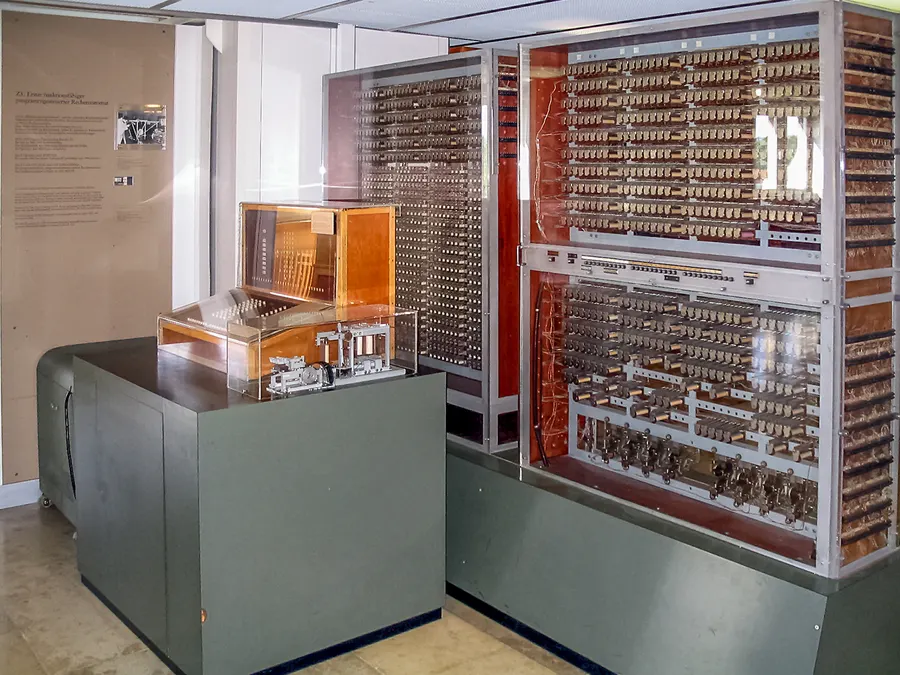
The reconstruction of Konrad Zuse's Z3 computer at the Deutsches Museum, Munich
The reconstruction of Konrad Zuse’s Z3 computer at the Deutsches Museum, Munich
Image creditVenusianer (derivative work by Georgfotoart) · CC BY-SA 3.0Resized and cropped for display.

Konrad Zuse demonstrates the Z3 computer

On 12 May 1941 the German engineer Konrad Zuse showed his Z3 to an audience of scientists in Berlin, including professors from the German aviation research laboratory. Built from telephone relays and reading its instructions from punched film, the Z3 worked in binary and could carry out a sequence of calculations automatically.

It is widely regarded as the world’s first working programmable, fully automatic digital computer. The aircraft researchers used it to analyse wing flutter, but the original machine was destroyed by Allied bombing in 1943. Zuse’s company later built a working replica, which now stands in the Deutsches Museum in Munich.

Read the full storyHistory & Timeline →Source: Zuse Institute Berlin: Z3 ↗
☆
SPORTING HISTORY

Sporting Moments

Hampden Park, Glasgow, under floodlights at the 2007 UEFA Cup final.
Image creditAlan O'Dowd · CC BY-SA 2.0Resized and cropped for display.

Bayern Munich complete a European Cup hat-trick

On a rainy 12 May 1976 at Hampden Park in Glasgow, Bayern Munich beat Saint-Étienne of France 1 to 0 in the European Cup final. The French side had the better of the first half, but in the 57th minute Franz Roth drove a free kick past the goalkeeper after Franz Beckenbauer rolled it into his path.

The win gave Bayern their third European Cup in a row, after victories in 1974 and 1975, and made them only the third club to achieve the feat, following Real Madrid and Ajax. As a reward for the hat-trick the club was allowed to keep the original trophy, which is now on display in Munich.

Read the full storyHistory & Timeline →Source: UEFA: Bayern München 1 to 0 St-Étienne, 1975/76 final ↗
♫
MUSIC • FILM • BOOKS • CULTURE

Culture Stories

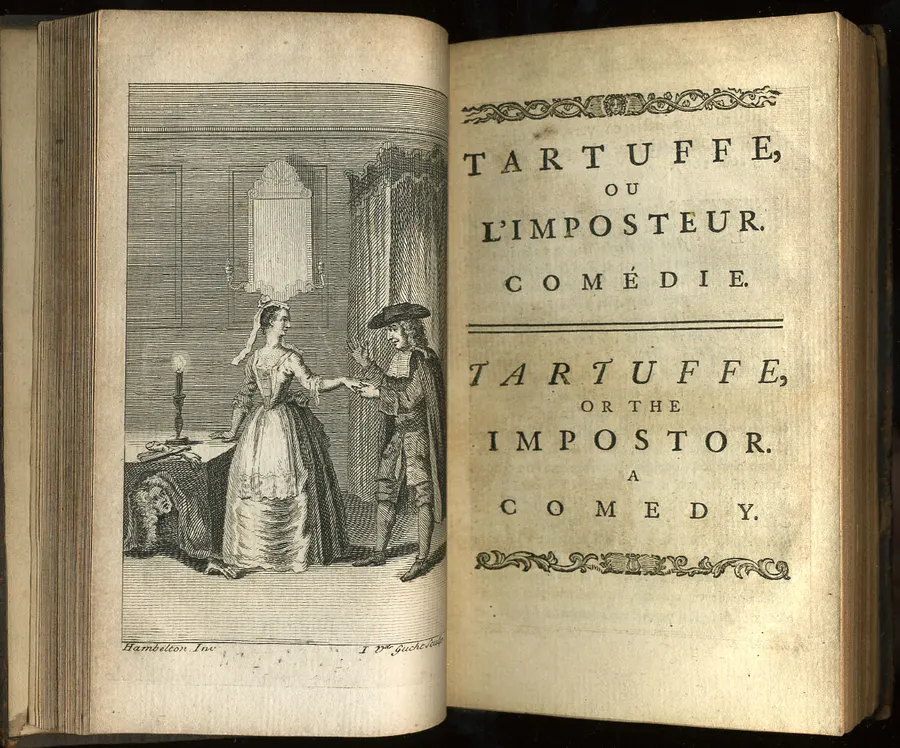
Frontispiece of a 1739 English edition of Molière's Tartuffe
Frontispiece of a 1739 English edition of Molière’s Tartuffe
Image creditEngraving in the 1739 English edition published by John Watts · Public domainResized and cropped for display.

Molière’s Tartuffe is first performed at Versailles

On the evening of 12 May 1664 Molière’s company performed a new comedy, Tartuffe, before Louis XIV at Versailles. It was part of the Pleasures of the Enchanted Island, a week of lavish entertainments the young king held in honour of his mother and his queen. This first version, in three acts and in verse, mocked a religious hypocrite who worms his way into a wealthy household.

The king enjoyed it, but churchmen and devout courtiers were outraged and the play was banned almost at once. Molière spent years revising and defending it, and a five-act version was finally allowed on the public stage in 1669. It became one of his greatest successes and remains a mainstay of French theatre.

Read the full storyHistory & Timeline →Source: Château de Versailles: The Pleasures of the Enchanted Island, 7 to 13 May 1664 ↗
✦
LIVES REMEMBERED

Remembered Today

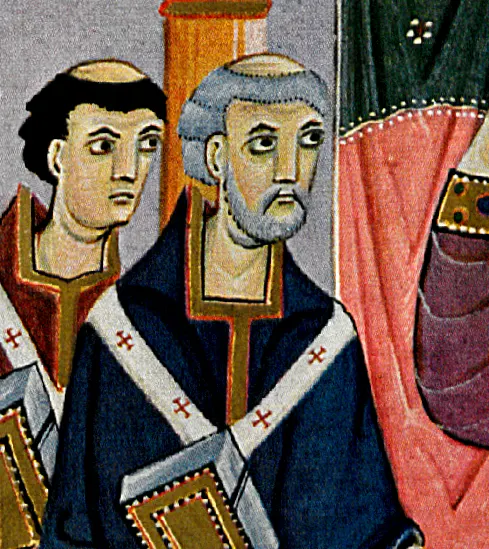
Pope Sylvester II
Image creditMeister der Reichenauer Schule · Public domainResized and cropped for display.

Pope Sylvester II

Born Gerbert of Aurillac, the first French pope was a leading scholar who helped bring the abacus and Arabic-influenced mathematics to Latin Europe.

Perry Como
Image creditNBC Television · Public domainResized and cropped for display.

Perry Como

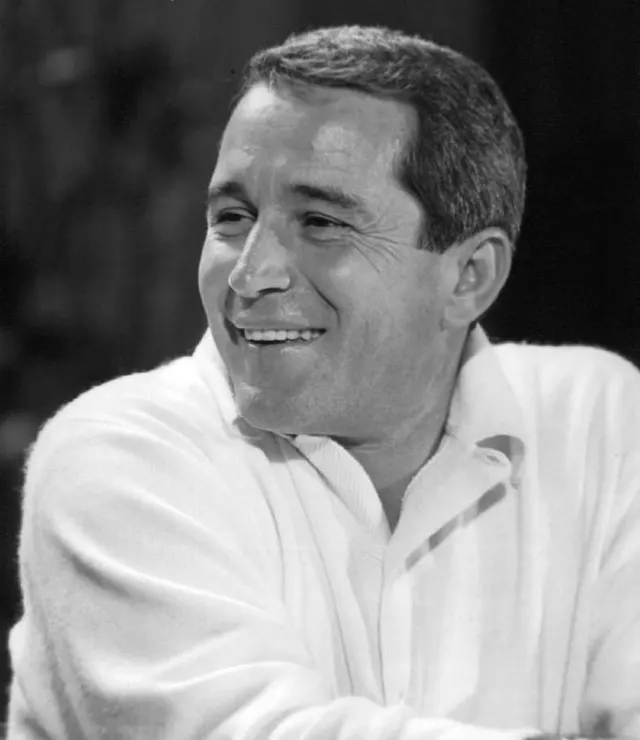
An American singer and television host whose relaxed style carried a recording career of more than half a century.

Robert Rauschenberg
Image creditFvlcrvm · CC BY-SA 3.0Resized and cropped for display.

Robert Rauschenberg

An American artist whose ‘Combines’, mixing painting with everyday objects, paved the way for Pop art.

Irena Sendler
Image creditUnknown author · Public domainResized and cropped for display.

Irena Sendler

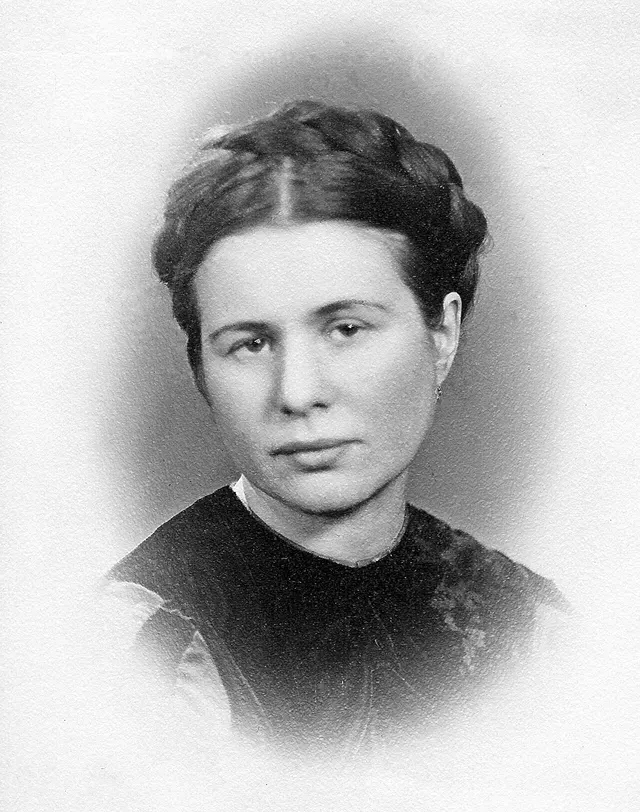
A Polish social worker who, with the underground Żegota network, helped smuggle Jewish children out of the Warsaw Ghetto during the Second World War.

☉
AROUND THE WORLD

Observances & Anniversaries

Nursing students in uniform
Image creditVlastimil · CC BY-SA 2.0Resized and cropped for display.

International Nurses Day

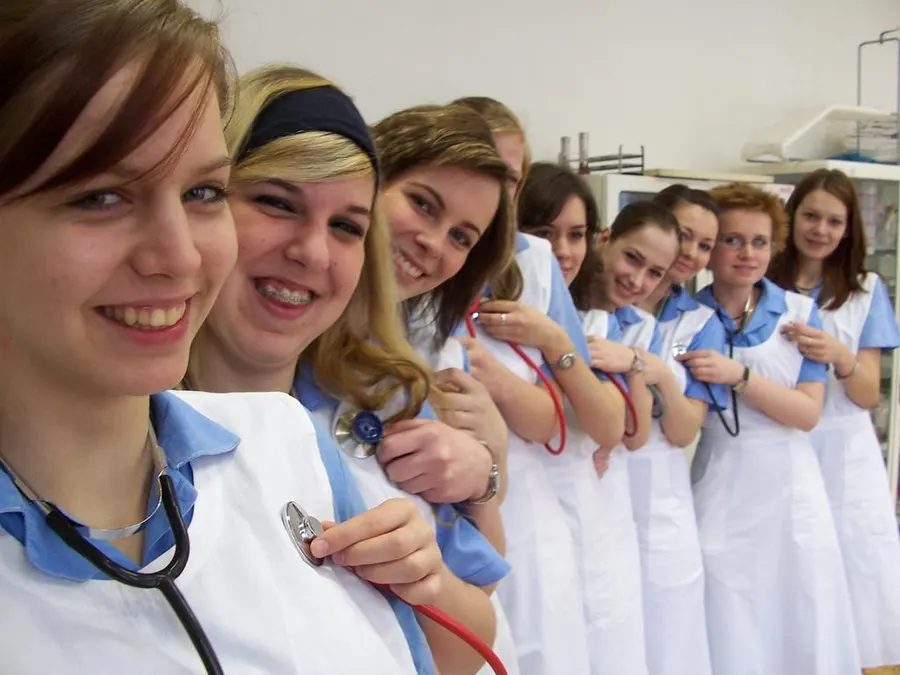
Nurses around the world are celebrated on 12 May, the anniversary of Florence Nightingale’s birth. The International Council of Nurses leads the day, choosing a theme each year and publishing resources that highlight the work, skills and sacrifices of the profession, from hospital wards to conflict zones.

Source: International Council of Nurses: International Nurses Day ↗
HISTORY & TIMELINE

Finished the highlights?

Follow 12 May chronologically, from the Middle Ages to the modern day, with 14 verified events and the sources behind them.

This day through time →