Explore 6 May

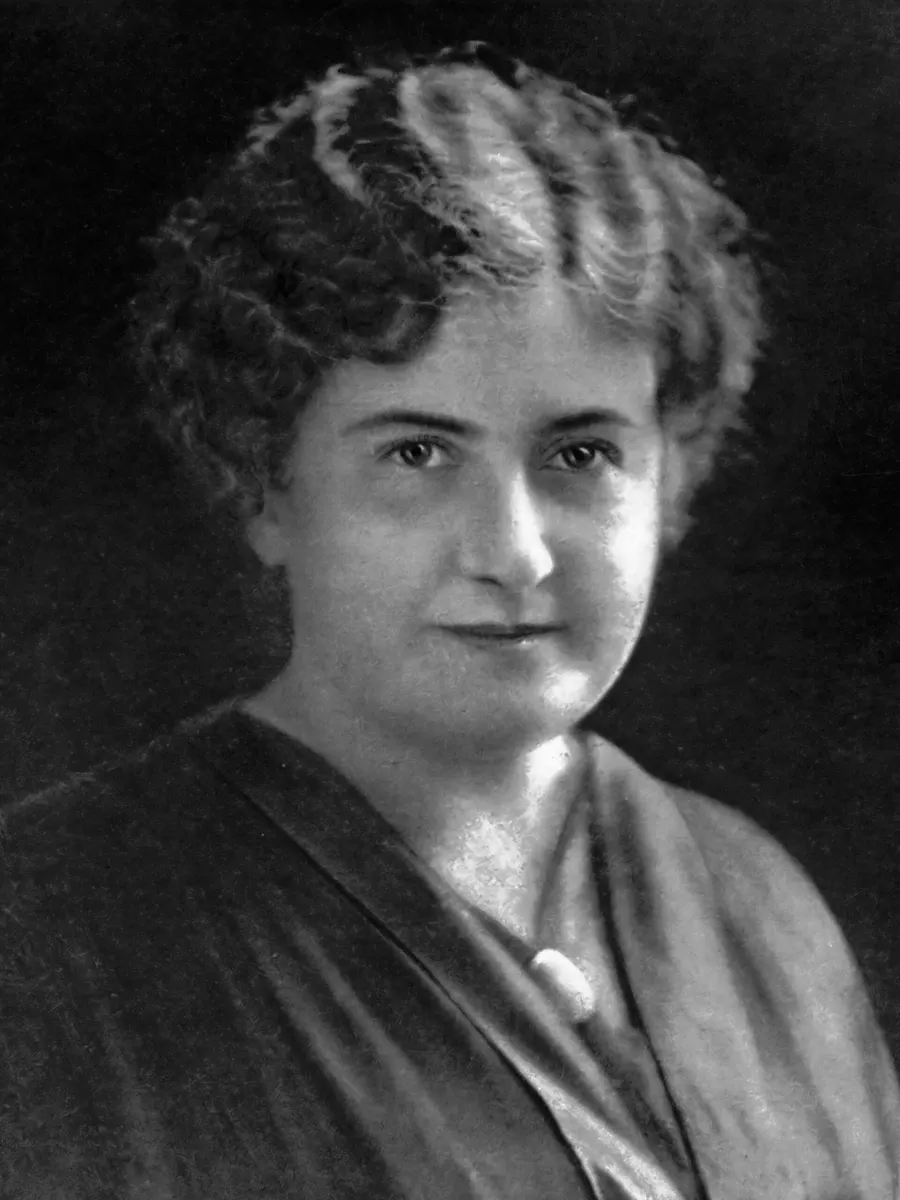
Explore 6 May: mutinous imperial troops sack Rome, Manco Inca lays siege to Cuzco, a pope enters a mosque for the first time, and the Channel Tunnel joins Britain to France. Meet Maximilien Robespierre, Motilal Nehru and Willie Mays, born on this date, and remember Maria Montessori.

This day through time →14 verified events across 4 eras

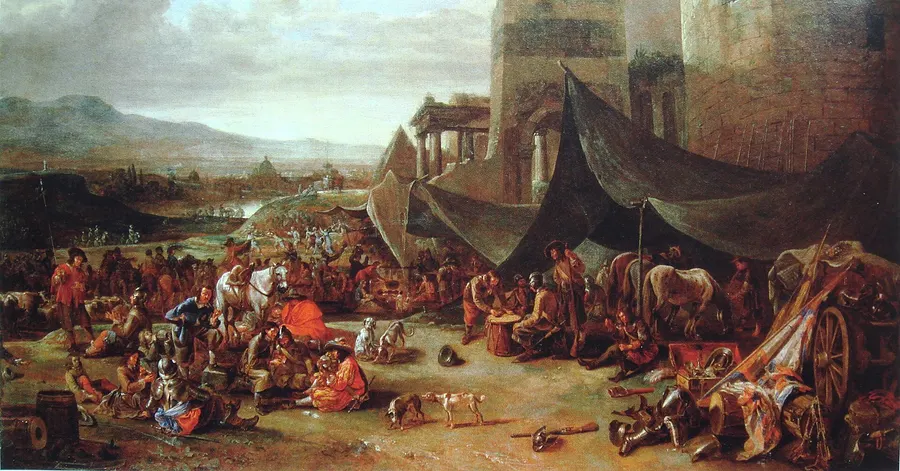
The sack of Rome in 1527, painted by Johannes Lingelbach in the 17th century.
Image creditJohannes Lingelbach · Public domainResized and cropped for display.

Imperial troops sack Rome

On 6 May 1527 an army serving the Holy Roman Emperor Charles V stormed the walls of Rome. The soldiers, German Landsknechts and Spanish infantry who had gone unpaid for months, had marched on the city on their own account, and their commander, Charles, Duke of Bourbon, was killed in the first assault.

Without a leader they could obey, the troops plundered churches, palaces and homes for weeks, while Pope Clement VII took refuge in the Castel Sant’Angelo. Most of the Pope’s Swiss Guard died covering his escape, and new guardsmen are still sworn in on 6 May each year in their memory.

Read the full storyHistory & Timeline →Source: Encyclopaedia Britannica: Sack of Rome (1527) ↗
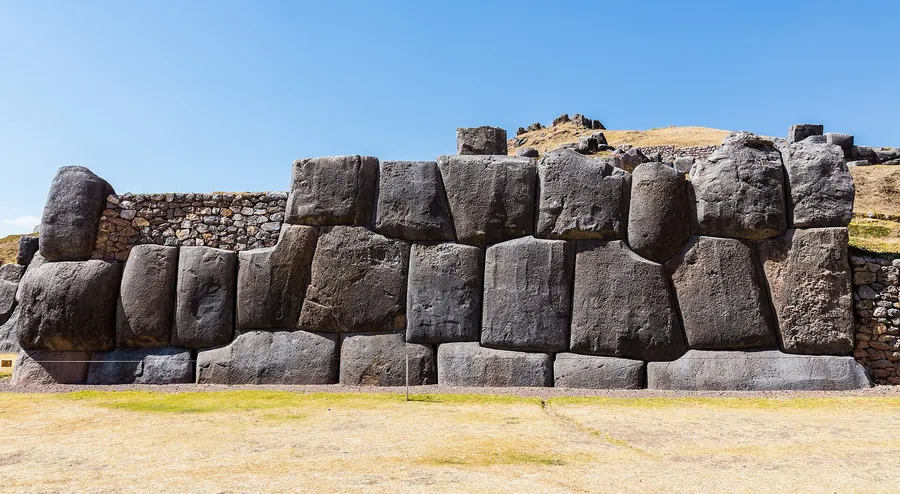
The great stone walls of Sacsayhuamán, the fortress above Cuzco that Manco Inca's army seized.
The great stone walls of Sacsayhuamán, the fortress above Cuzco that Manco Inca’s army seized.
Image creditDiego Delso · CC BY-SA 4.0Resized and cropped for display.

Manco Inca lays siege to Cuzco

On 6 May 1536 a vast Inca army under Manco Inca Yupanqui attacked Cuzco, the old imperial capital, which Spanish conquistadors under Hernando Pizarro had taken over. Manco had been ruling as a puppet of the Spanish, and had slipped out of the city weeks earlier to raise the rebellion.

The attackers set the thatched roofs alight with hot slingstones and seized the great fortress of Sacsayhuamán above the city, which the Spanish won back at heavy cost. The siege dragged on for months until Manco withdrew, eventually founding a small independent Inca state at Vilcabamba.

Read the full storyHistory & Timeline →Source: World History Encyclopedia: The Siege of Cusco in 1536-7 ↗
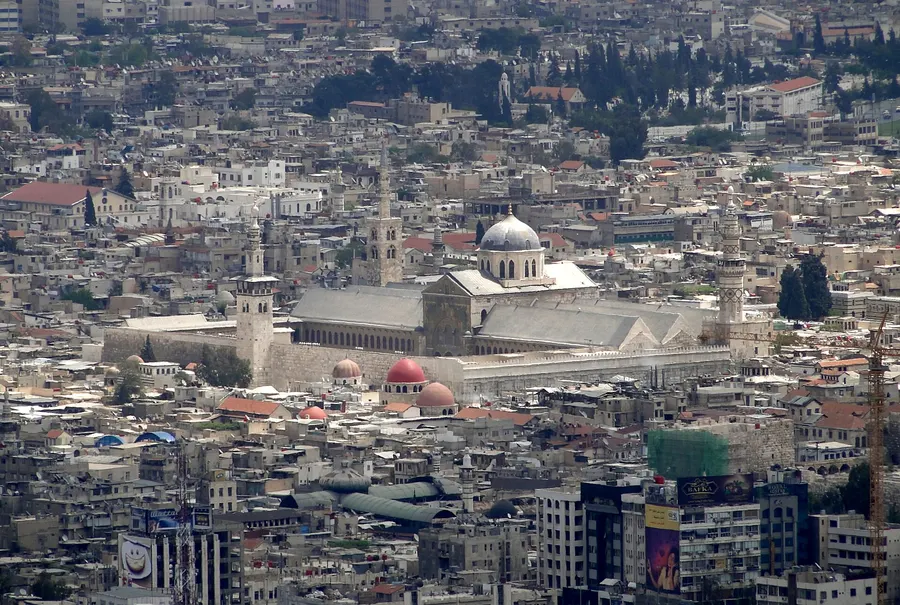
The Umayyad Mosque rising above the old city of Damascus.
Image creditBernard Gagnon · CC BY-SA 3.0Resized and cropped for display.

A pope enters a mosque for the first time

On 6 May 2001 Pope John Paul II took off his shoes and entered the Umayyad Mosque in Damascus, becoming the first pope known to set foot in a mosque. He was received by Syria’s senior Muslim clergy in one of the oldest great mosques of Islam, built on the site of a Christian basilica.

Inside, the Pope visited the shrine that both faiths honour as the resting place of the head of John the Baptist. In his address he asked Christians and Muslims to forgive one another for past wrongs and to work together for peace.

Read the full storyHistory & Timeline →Source: Holy See: Meeting with the Muslim leaders, Omayyad Great Mosque, Damascus (6 May 2001) ↗
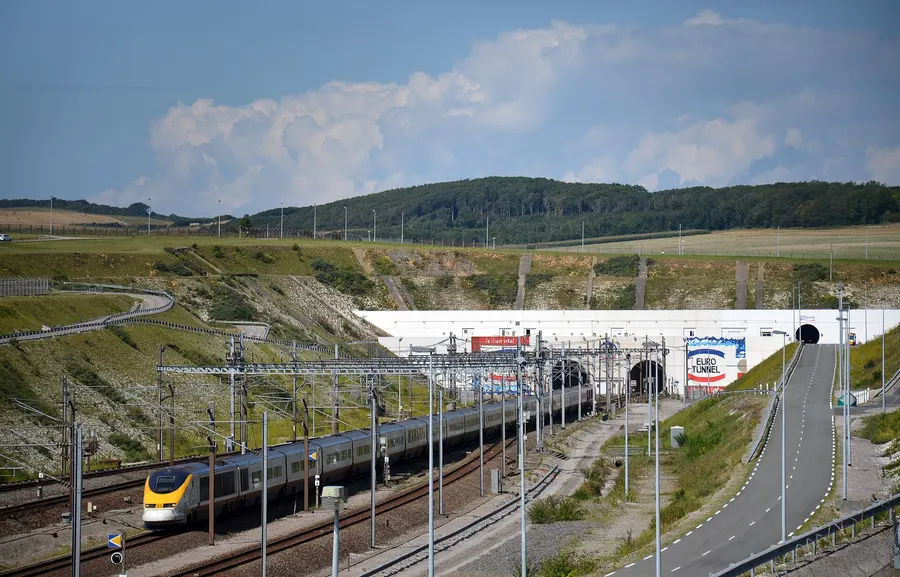
A Eurostar train leaving the Channel Tunnel at Coquelles, near Calais.
Image creditBilly69150 · CC BY-SA 4.0Resized and cropped for display.

The Channel Tunnel opens

On 6 May 1994 Queen Elizabeth II and President François Mitterrand of France formally opened the Channel Tunnel, with ceremonies on both sides of the Channel. For the first time since the end of the last Ice Age, Britain was joined to mainland Europe by land.

The tunnel runs about 50 kilometres between Folkestone and Coquelles near Calais, nearly 38 of them under the sea, in two rail tunnels with a service tunnel between them. It cost around twice the original estimate, and regular Eurostar passenger trains between London, Paris and Brussels began that November.

Read the full storyHistory & Timeline →Source: EBSCO Research Starters: Opening of the Channel Tunnel ↗
♙
PEOPLE

Born Today

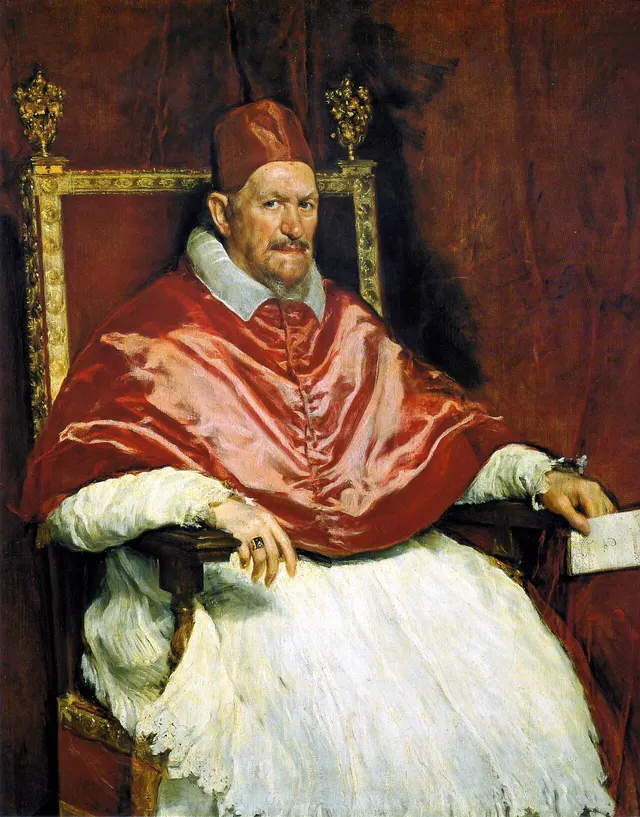
Pope Innocent X
Image creditDiego Velázquez · Public domainResized and cropped for display.

Pope Innocent X

Roman nobleman who became pope and was painted by Velázquez in one of the great portraits of the age.

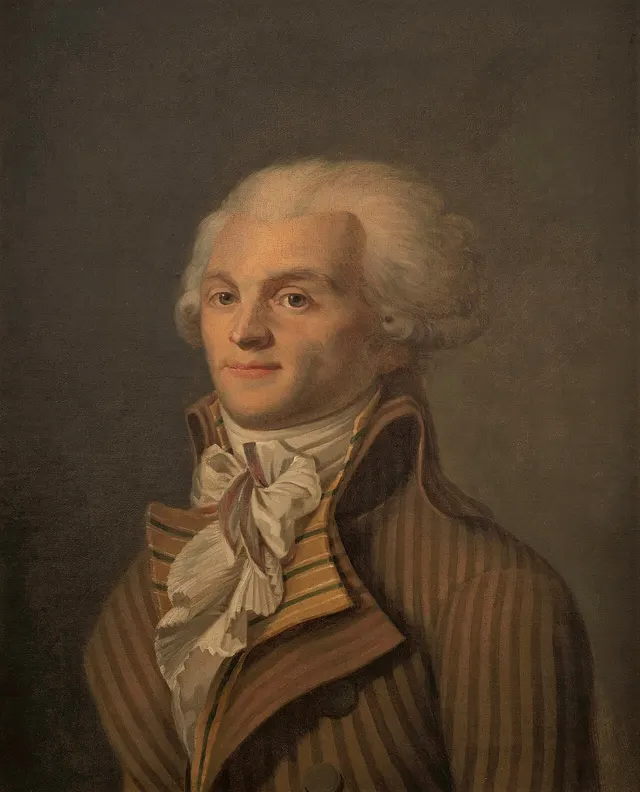
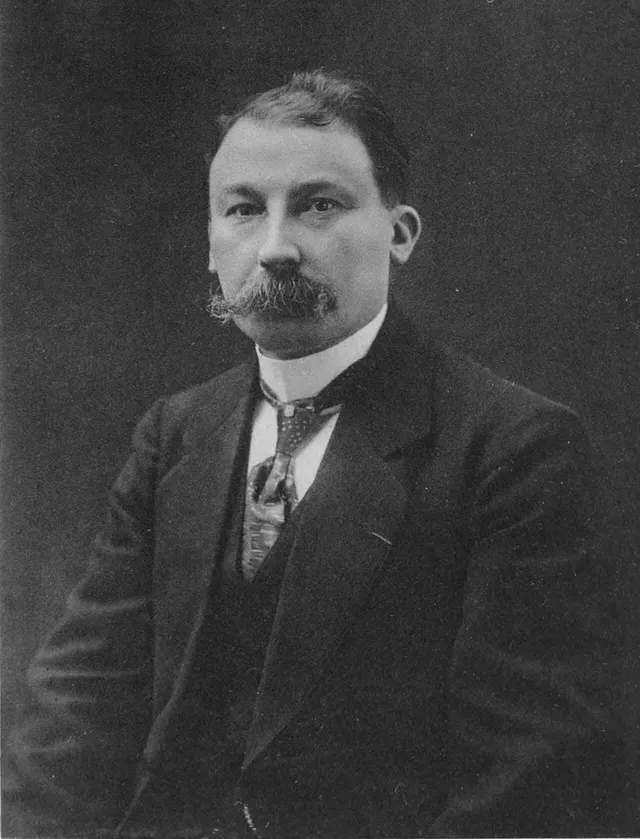
Maximilien Robespierre
Image creditUnidentified painter · CC0Resized and cropped for display.

Maximilien Robespierre

French revolutionary lawyer who led the Committee of Public Safety during the Terror.

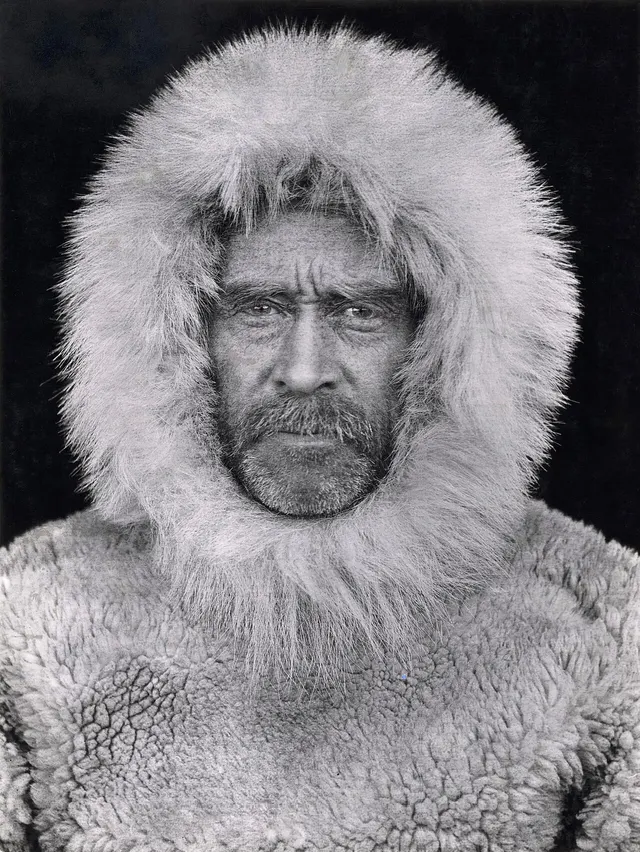
Robert Peary
Image creditRobert Peary · Public domainResized and cropped for display.

Robert Peary

American naval officer and Arctic explorer who claimed to have reached the North Pole.

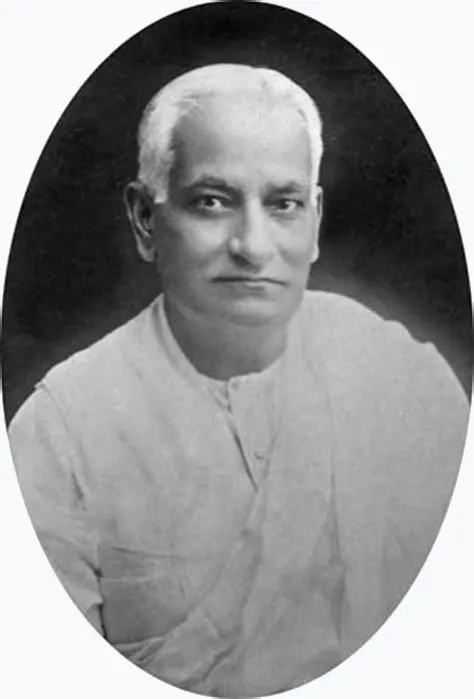
Motilal Nehru
Image creditUnknown author · Public domainResized and cropped for display.

Motilal Nehru

Indian lawyer and independence leader who twice served as president of the Indian National Congress.

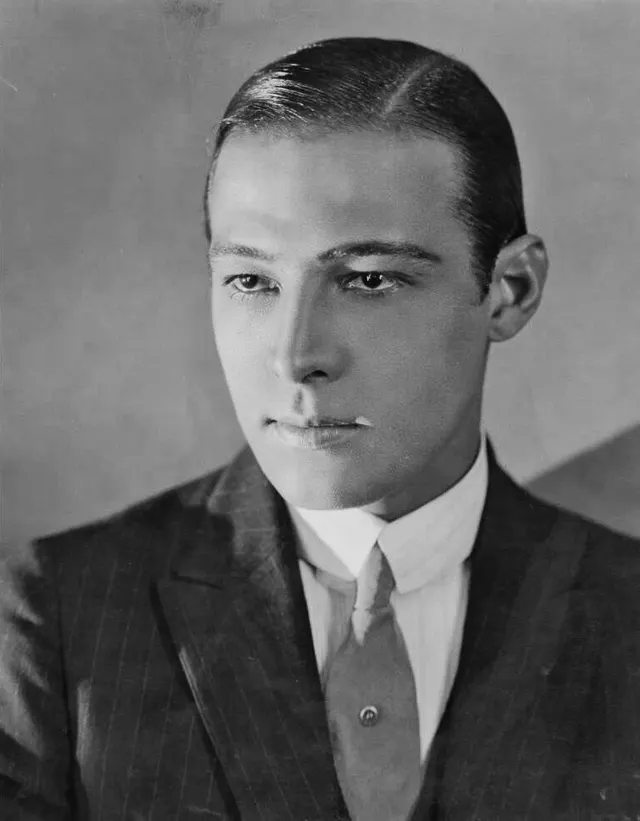
Rudolph Valentino
Image creditDonald Biddle Keyes · Public domainResized and cropped for display.

Rudolph Valentino

Italian-born actor who became the great romantic idol of silent Hollywood.

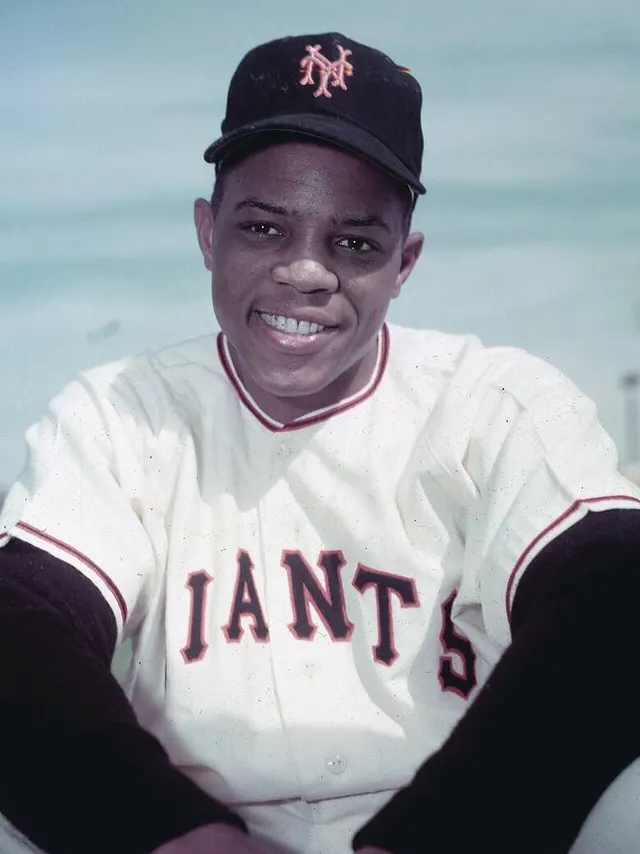
Willie Mays
Image creditUnknown author · Public domainResized and cropped for display.

Willie Mays

American baseball star, the ‘Say Hey Kid’, counted among the finest players of all time.

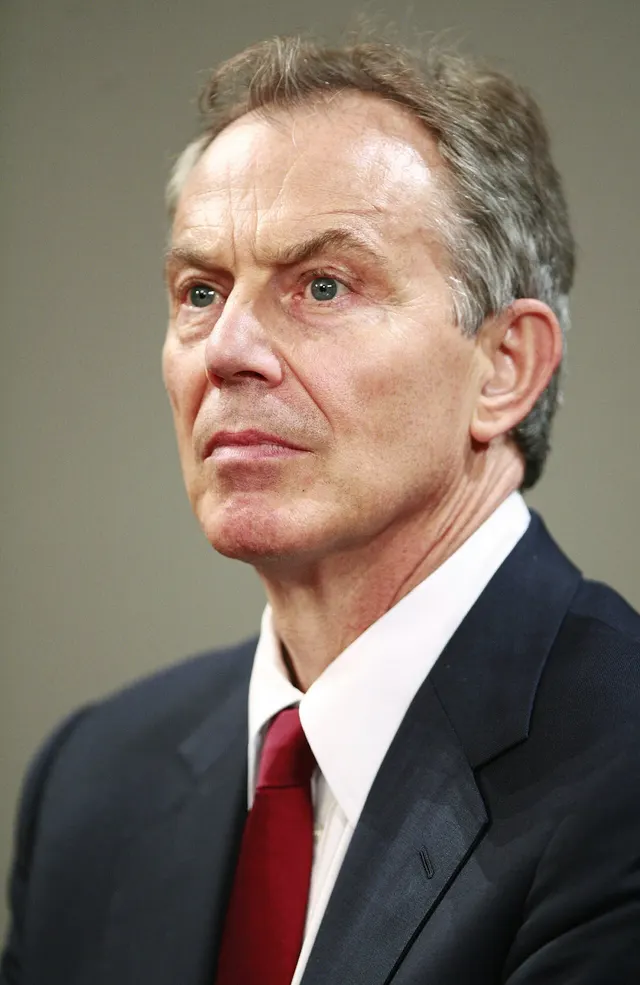
Tony Blair
Image creditPavel Golovkin · CC BY 4.0Resized and cropped for display.

Tony Blair

Labour politician who served ten years as Prime Minister of the United Kingdom.

◉
IDEAS THAT CHANGED THINGS

Firsts, Science & Discoveries

The monument to John Gorrie in Gorrie Square, Apalachicola, Florida, unveiled in 1900.
Image creditJ. Williams (JW1805) · Public domainResized and cropped for display.

A doctor patents a machine to make ice

On 6 May 1851 John Gorrie, a physician in Apalachicola, Florida, was granted US patent number 8080 for a machine that made ice artificially. It was the first American patent for mechanical refrigeration.

Gorrie wanted cool air for patients suffering from fevers in the Florida heat, and his machine chilled by letting compressed air expand. He could not find backers to make it a business, but refrigeration machines built on similar principles later changed food, medicine and everyday life.

Read the full storyHistory & Timeline →Source: Smithsonian National Museum of American History: Gorrie Ice Machine, Patent Model ↗
☆
SPORTING HISTORY

Sporting Moments

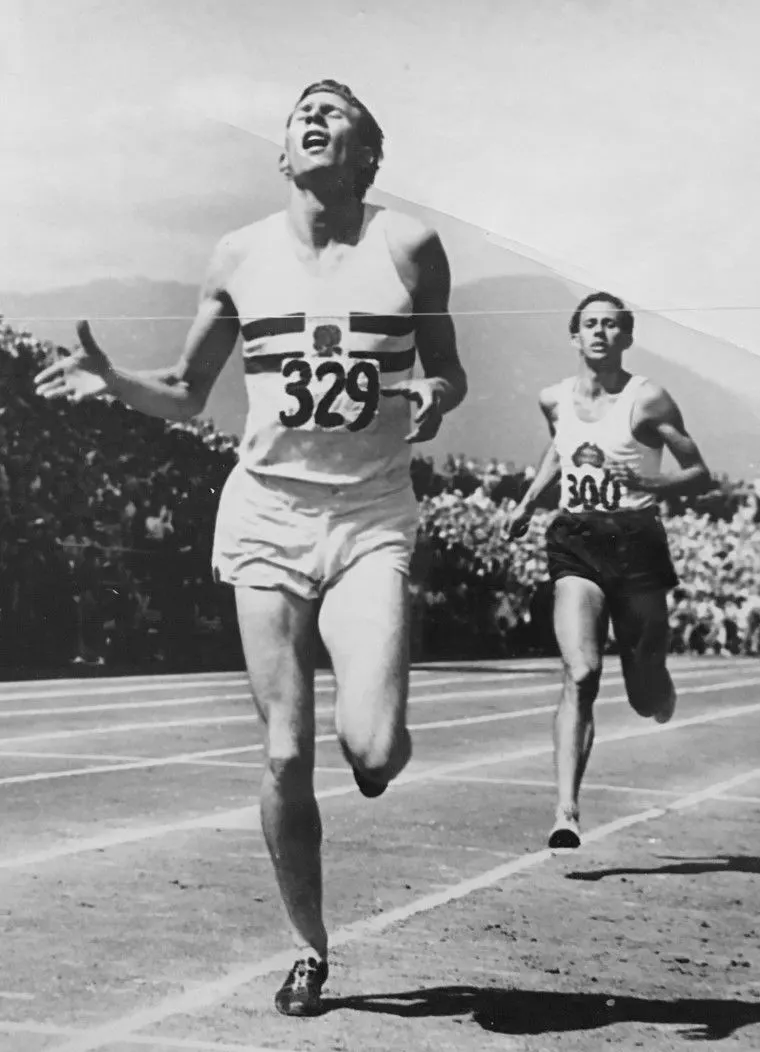
Roger Bannister racing in 1953, the year before his record mile.
Image creditUnknown (United Press International) · Public domainResized and cropped for display.

Roger Bannister runs the first four-minute mile

On 6 May 1954, at the Iffley Road track in Oxford, the 25-year-old medical student Roger Bannister ran a mile in 3 minutes 59.4 seconds. He became the first person known to break the four-minute barrier, a target many had thought beyond human reach.

The race was a meeting between Oxford University and the Amateur Athletic Association, run in a gusty wind, with Chris Brasher and Chris Chataway pacing Bannister for most of the distance. Within weeks Australia’s John Landy ran faster, and many others followed in the years after.

Read the full storyHistory & Timeline →Source: World Athletics: 70 years since Bannister’s 3:59.4 ↗
♫
MUSIC • FILM • BOOKS • CULTURE

Culture Stories

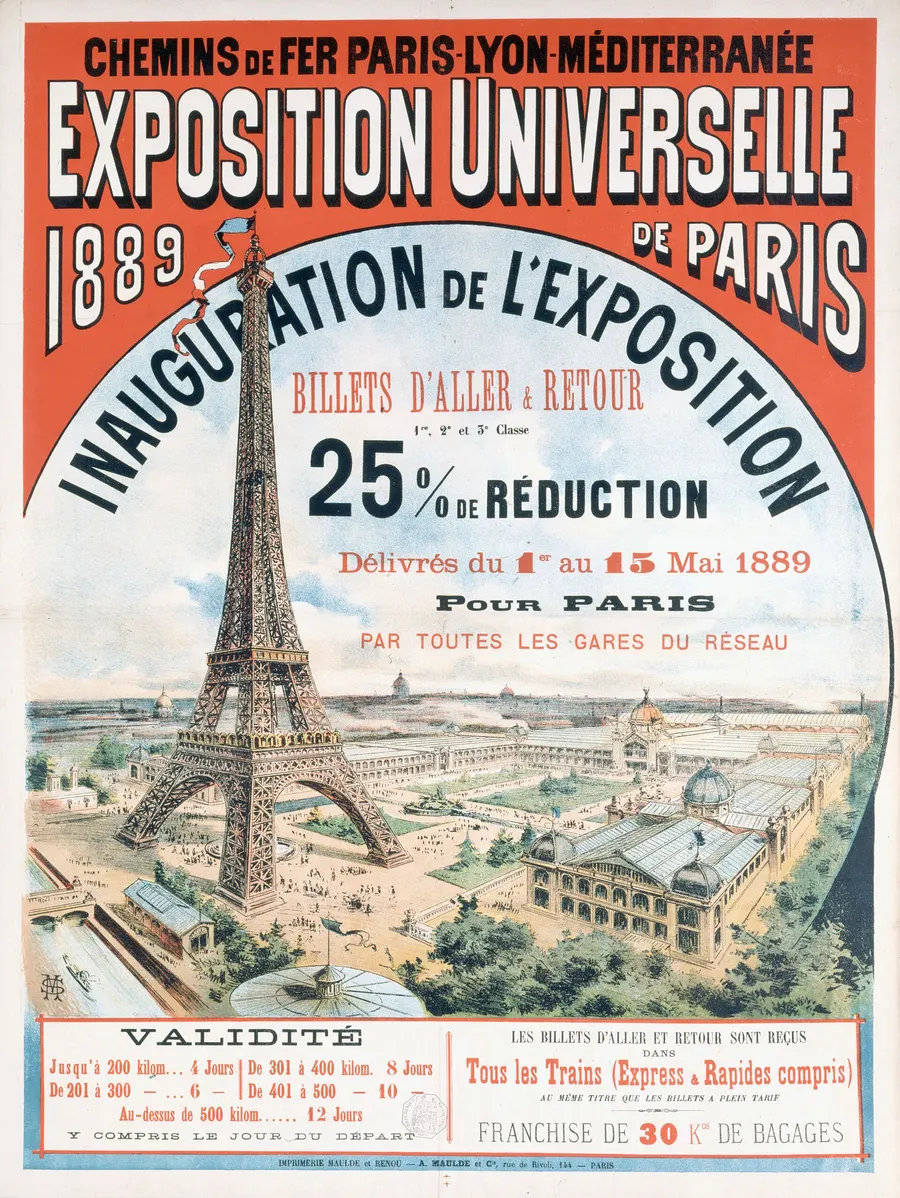
A railway poster for the 1889 Exposition Universelle in Paris, with the new Eiffel Tower.
Image creditImprimerie A. Maulde et Cie (poster designer signed M.S.) · Public domainResized and cropped for display.

The Paris world’s fair opens beneath the Eiffel Tower

On 6 May 1889 President Sadi Carnot opened the Exposition Universelle in Paris, held to mark a hundred years since the French Revolution. More than 61,000 exhibitors filled the Champ de Mars, the Trocadéro and the Esplanade des Invalides.

Visitors entered beneath Gustave Eiffel’s new iron tower, the tallest structure in the world, and marvelled at the vast Galerie des Machines. Pavilions and villages from France’s colonies drew huge crowds, and the fair left Paris the landmark that became its symbol.

Read the full storyHistory & Timeline →Source: Bureau International des Expositions: Expo 1889 Paris ↗
✦
LIVES REMEMBERED

Remembered Today

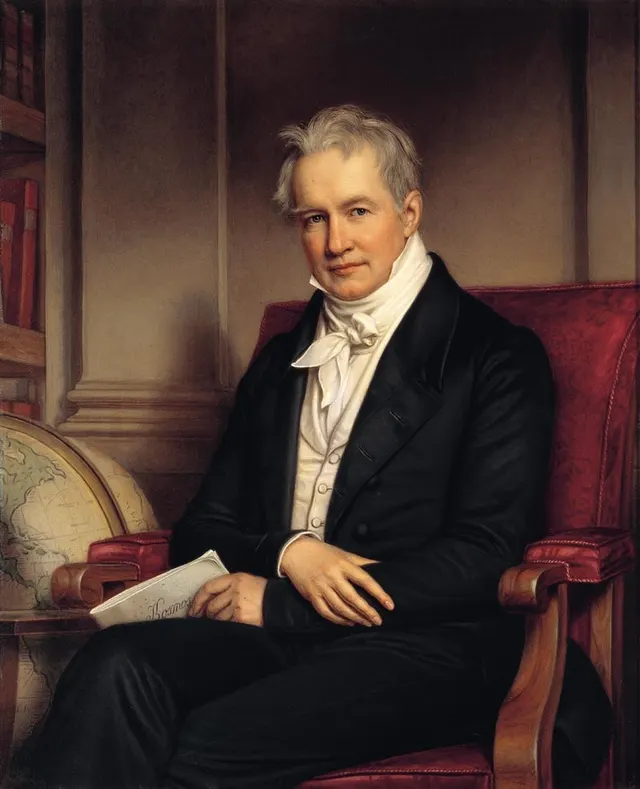
Alexander von Humboldt
Image creditJoseph Karl Stieler · Public domainResized and cropped for display.

Alexander von Humboldt

Prussian naturalist and explorer who pioneered the scientific study of the Americas and of nature as a connected whole.

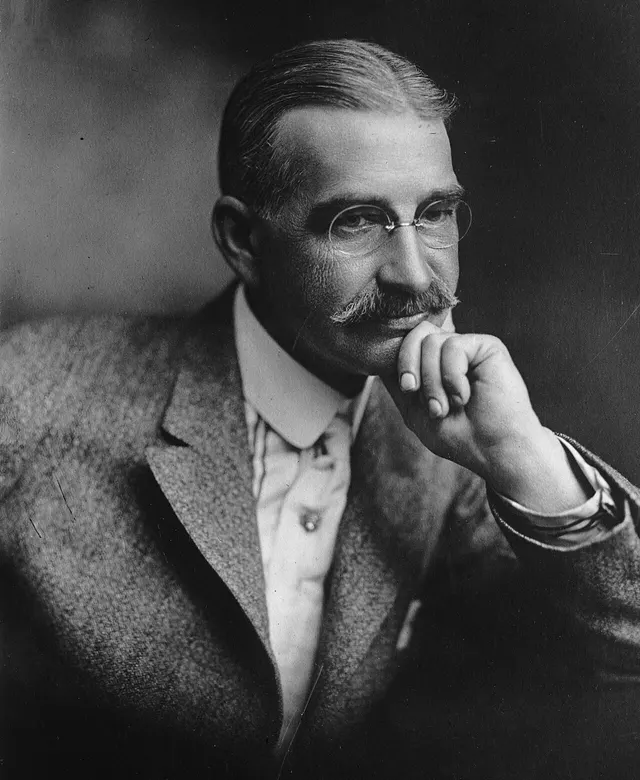
L. Frank Baum
Image creditGeorge Steckel · Public domainResized and cropped for display.

L. Frank Baum

American author who created The Wonderful Wizard of Oz.

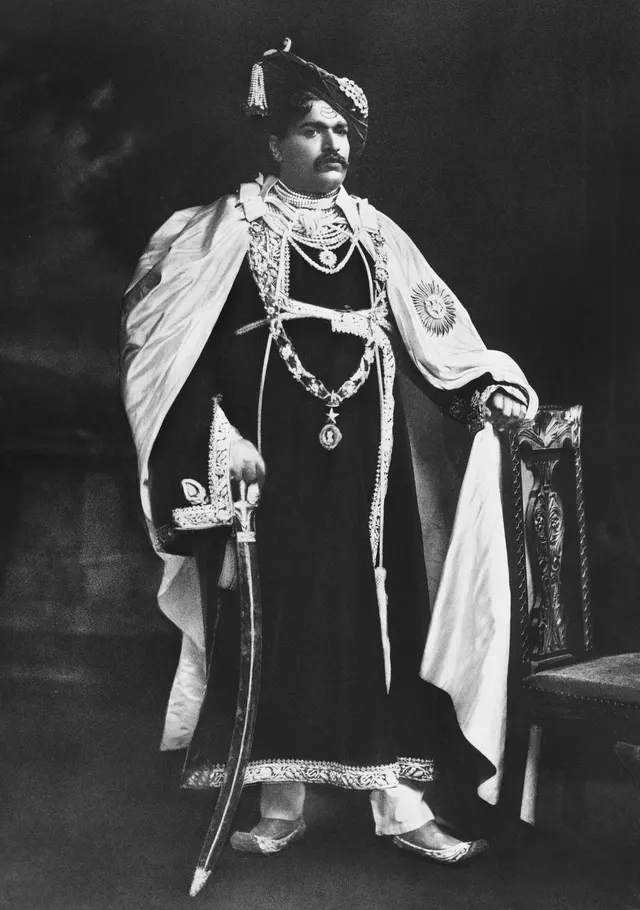
Shahu of Kolhapur
Image creditDevare & Co., Bombay · Public domainResized and cropped for display.

Shahu of Kolhapur

Indian ruler of Kolhapur who championed education and reserved posts for lower castes.

☉
AROUND THE WORLD

Observances & Anniversaries

Drummers and crowds at the Hıdırellez festival in Ahırkapı, Istanbul, in 2013.
Image creditHamdigumus · CC0Resized and cropped for display.

Hıdırellez spring festival

On 6 May people in Türkiye, North Macedonia and across a wide area from the Balkans to Central Asia celebrate Hıdırellez, the awakening of nature in spring. The name joins Hıdır and İlyas, figures believed to protect land and water, and the day brings picnics by water, music, dancing and wishes tied to rose bushes. UNESCO added the festival to its list of the intangible cultural heritage of humanity in 2017.

Source: UNESCO Intangible Cultural Heritage: Spring celebration, Hıdrellez ↗
HISTORY & TIMELINE

Finished the highlights?

Follow 6 May chronologically, from the Middle Ages to the modern day, with 14 verified events and the sources behind them.

This day through time →