Explore 29 April

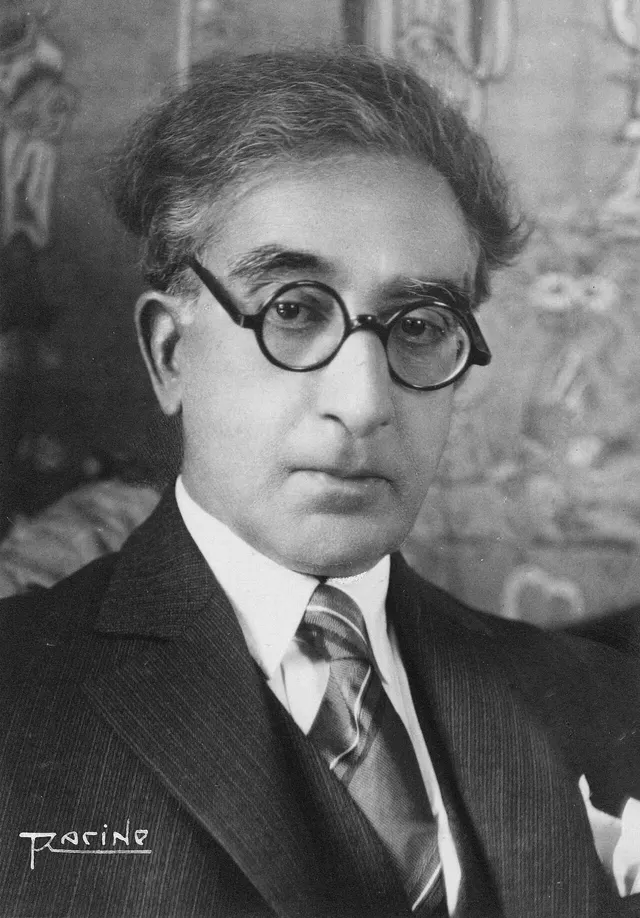
Explore 29 April: Joan of Arc rides into besieged Orléans, the Endeavour anchors in Botany Bay, a great cyclone strikes Bangladesh and the ban on chemical weapons comes into force. Meet Duke Ellington, Henri Poincaré and Constantine Cavafy, born on this date, and remember Alfred Hitchcock.

This day through time →15 verified events across 5 eras

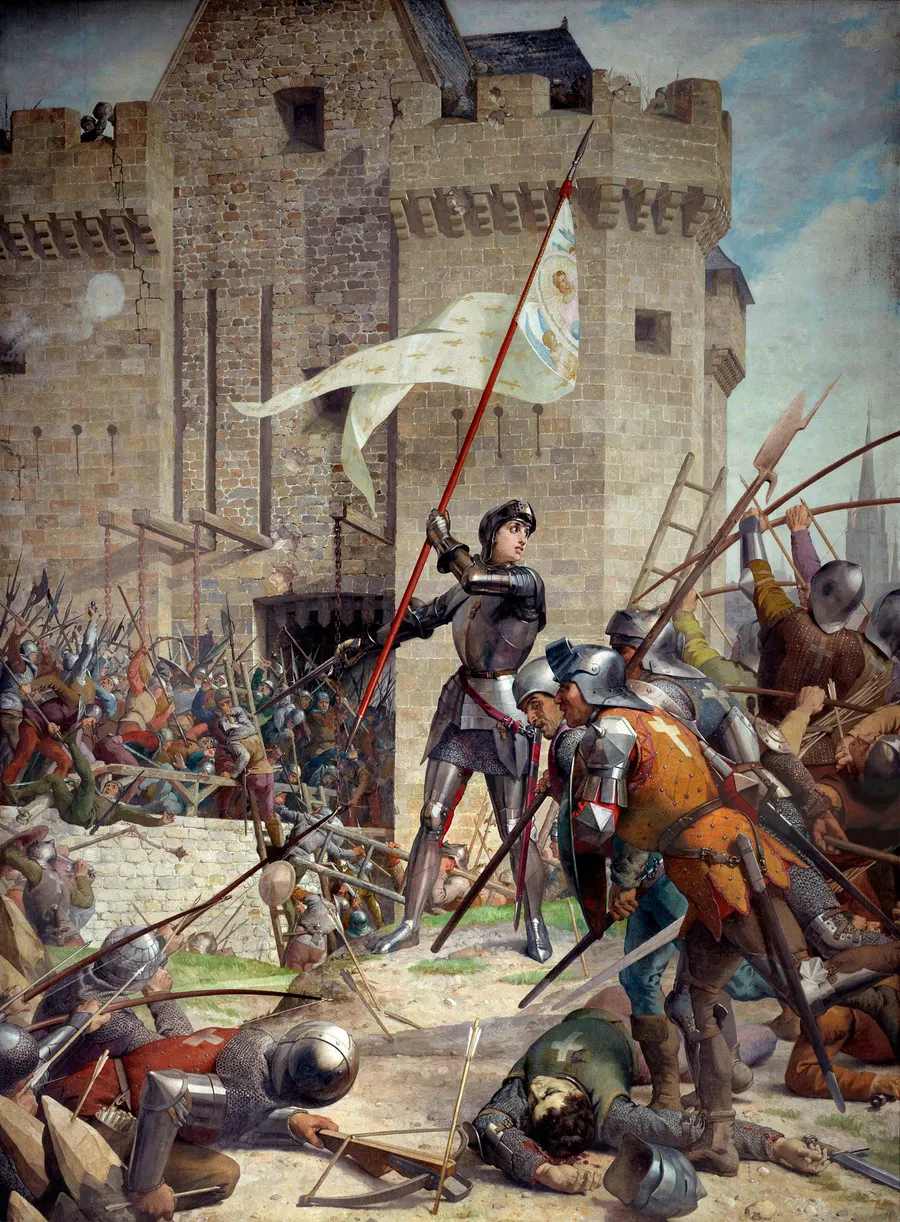
Joan of Arc at the siege of Orléans, a romantic scene painted by Jules Eugène Lenepveu in 1886-1890 for the Panthéon, Paris.
Image creditEugène Lenepveu · Public domainResized and cropped for display.

Joan of Arc rides into besieged Orléans

On 29 April 1429 a 17-year-old peasant girl from Lorraine entered the city of Orléans, which English forces had held under siege since the previous October. While a French sortie drew the English attention to the west, Joan of Arc came in through the eastern gate after dark, in armour and carrying her banner, with a convoy of supplies.

Orléans was the key to the Loire and to southern France, and its fall would have left the uncrowned Charles VII with little to defend. Within ten days the French had taken the English forts around the city and the siege was lifted on 8 May, a turning point that led to Charles’s coronation at Reims that July.

Read the full storyHistory & Timeline →Source: Britannica: Saint Joan of Arc ↗
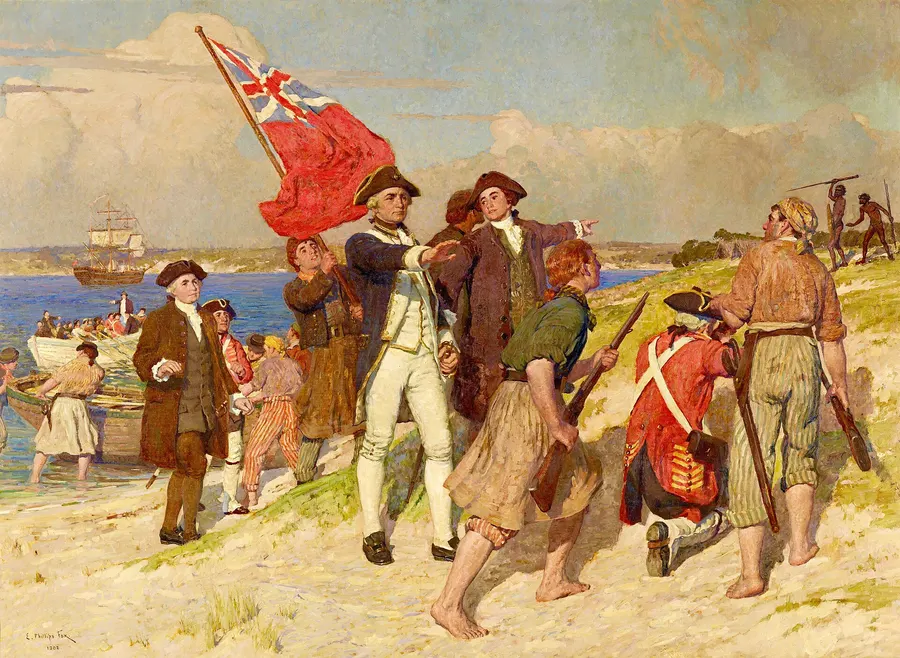
E. Phillips Fox's painting of Cook's landing at Botany Bay, an imagined scene painted more than a century later.
E. Phillips Fox’s painting of Cook’s landing at Botany Bay, an imagined scene painted more than a century later.
Image creditE. Phillips Fox · Public domainResized and cropped for display.

The Endeavour anchors in Botany Bay

On 29 April 1770 the British ship Endeavour, commanded by James Cook, anchored on the southern shore of the bay the Gweagal people call Kamay, at what is now Kurnell in Sydney. It was the first European landing on the east coast of Australia, and the Gweagal met the strangers with clear signs that they were not welcome.

The crew stayed eight days, taking on water and firewood while the naturalists Joseph Banks and Daniel Solander gathered so many new plants that Cook named the place Botany Bay. His favourable report on the bay helped persuade the British government to send the convict fleet there in 1788.

Read the full storyHistory & Timeline →Source: National Museum of Australia: Kamay - Botany Bay ↗
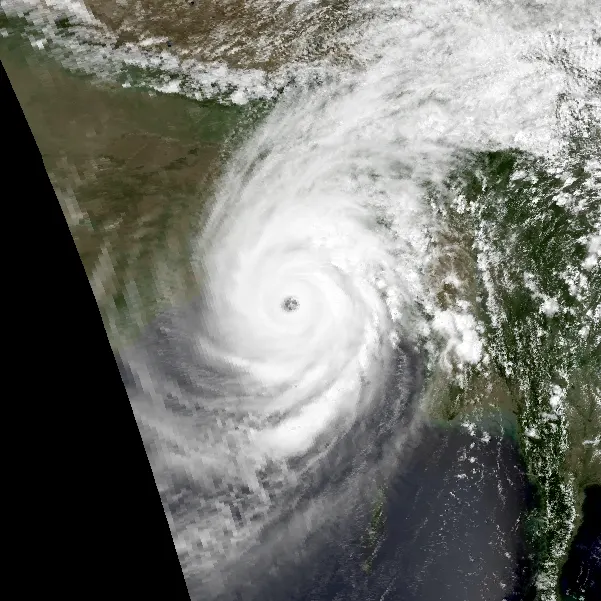
The cyclone over the Bay of Bengal on 29 April 1991, in a NOAA satellite image.
Image creditThe National Oceanic and Atmospheric Administration, NCDC · Public domainResized and cropped for display.

A great cyclone strikes the coast of Bangladesh

On 29 April 1991 a powerful tropical cyclone came ashore near Chittagong in south-eastern Bangladesh late in the evening, with winds of around 250 km/h and a storm surge that swept over low-lying islands and coastal land. It was one of the deadliest storms on record: about 138,000 people died and millions lost their homes.

After a cyclone in 1970 the country had begun building raised concrete shelters, and studies later found that those in use saved many lives, though there were far too few. The disaster led Bangladesh to expand its warning system and shelter network, which has greatly reduced the death toll from later storms.

Read the full storyHistory & Timeline →Source: Britannica: Bangladesh cyclone of 1991 ↗
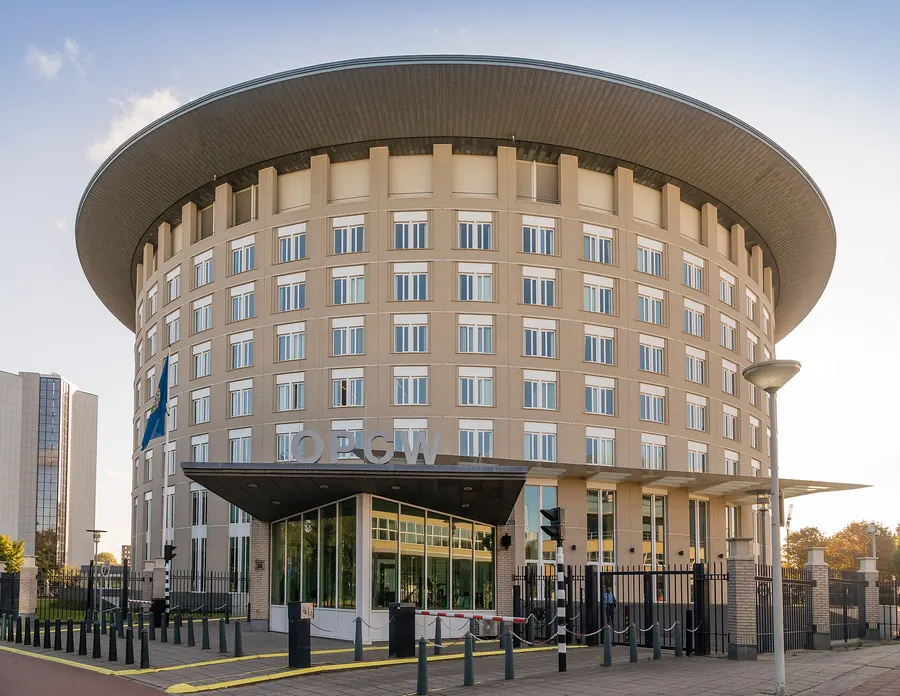
The headquarters of the Organisation for the Prohibition of Chemical Weapons in The Hague.
Image creditCEphoto, Uwe Aranas · CC BY-SA 4.0Resized and cropped for display.

The ban on chemical weapons comes into force

On 29 April 1997 the Chemical Weapons Convention came into force, 180 days after Hungary became the 65th country to ratify it. The treaty forbids states to develop, produce, stockpile or use chemical weapons, and requires them to destroy any they hold.

The same day the Organisation for the Prohibition of Chemical Weapons was formally set up in The Hague to inspect and verify that work. Almost every country has since joined, and in 2023 the organisation confirmed that all declared stockpiles had been destroyed; it received the Nobel Peace Prize in 2013.

Read the full storyHistory & Timeline →Source: OPCW: History ↗
♙
PEOPLE

Born Today

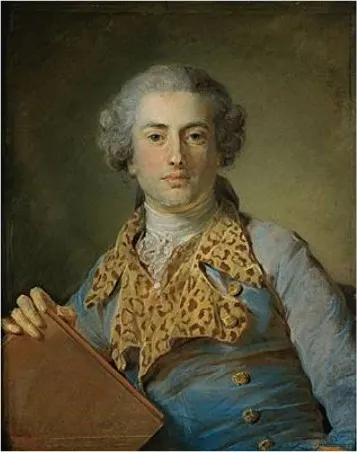
Jean-Georges Noverre
Image creditJean-Baptiste Perronneau · Public domainResized and cropped for display.

Jean-Georges Noverre

French dancer and ballet master whose ideas made ballet tell stories through movement.

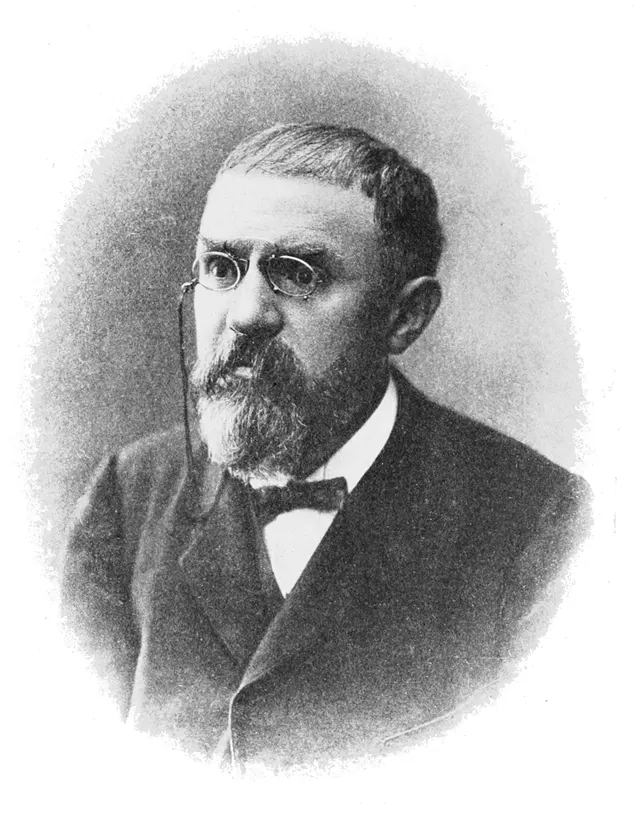
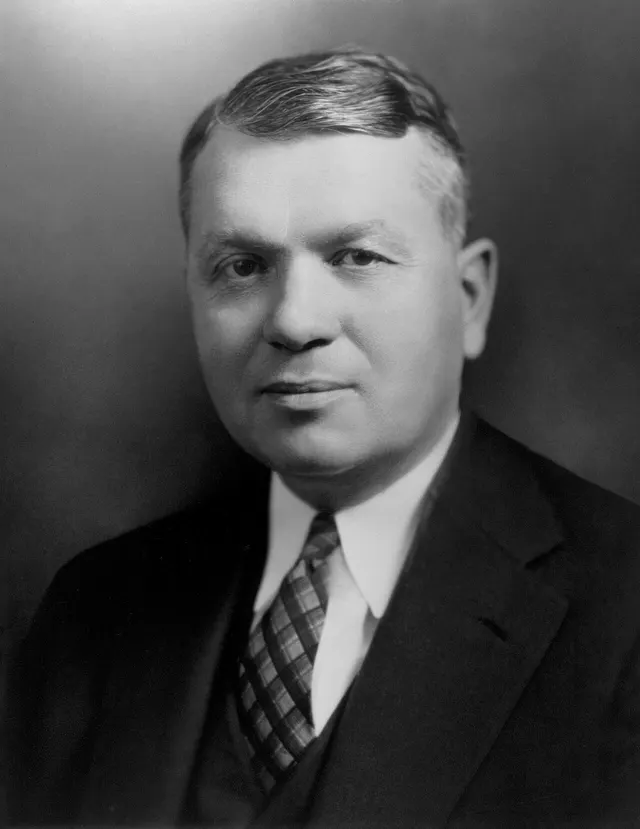
Henri Poincaré
Image creditUnknown author · Public domainResized and cropped for display.

Henri Poincaré

French mathematician and physicist who laid foundations of topology and chaos theory.

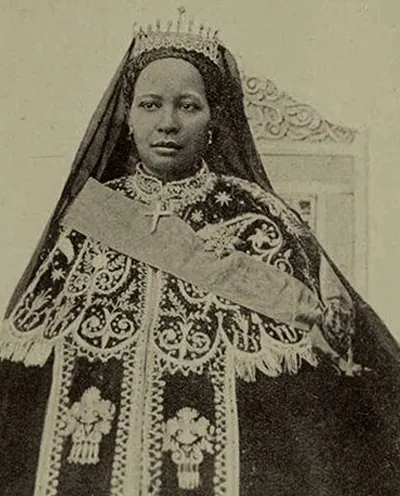
Zewditu
Image creditUnknown author · Public domainResized and cropped for display.

Zewditu

Empress of Ethiopia from 1916 to 1930, the first woman to rule the country in her own right in modern times.

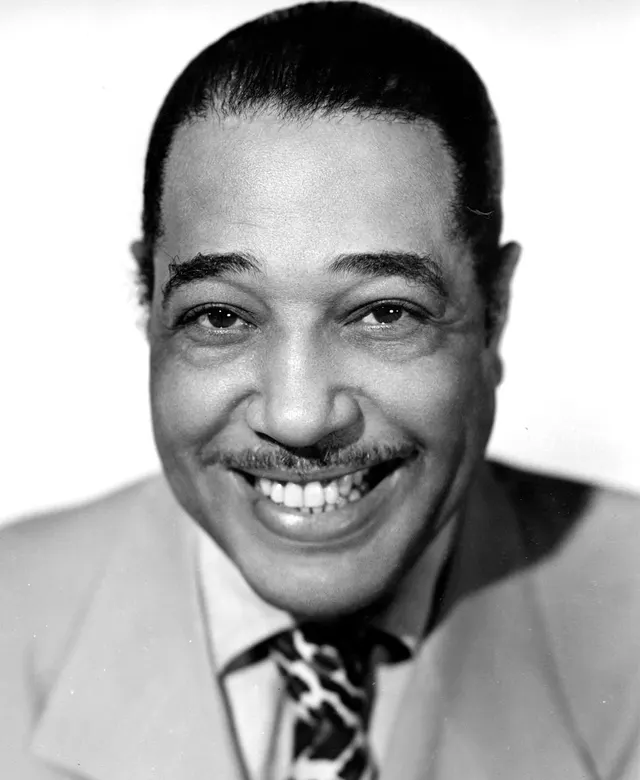
Duke Ellington
Image creditUnknown author · Public domainResized and cropped for display.

Duke Ellington

American composer, pianist and bandleader, one of the great figures of jazz.

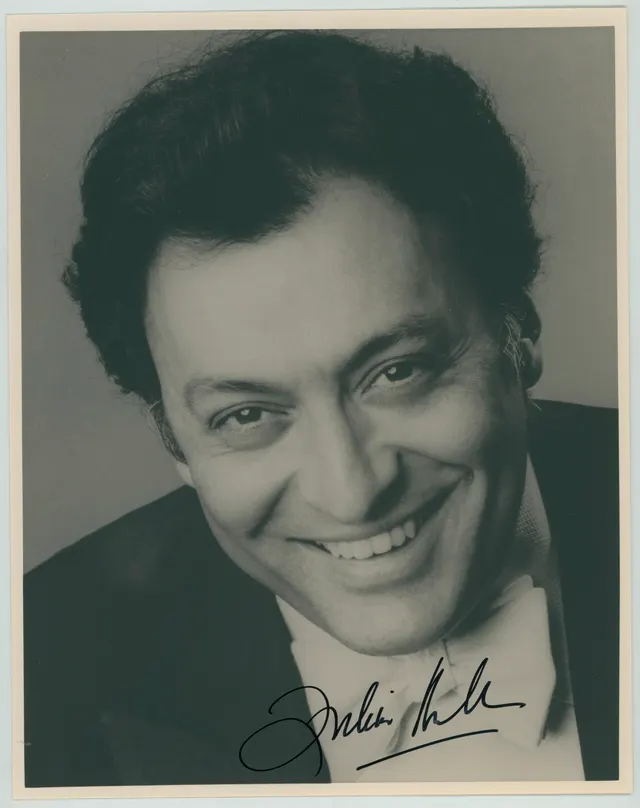
Zubin Mehta
Image creditUnknown photographer · Public domainResized and cropped for display.

Zubin Mehta

Indian-born conductor who led the Israel Philharmonic for half a century.

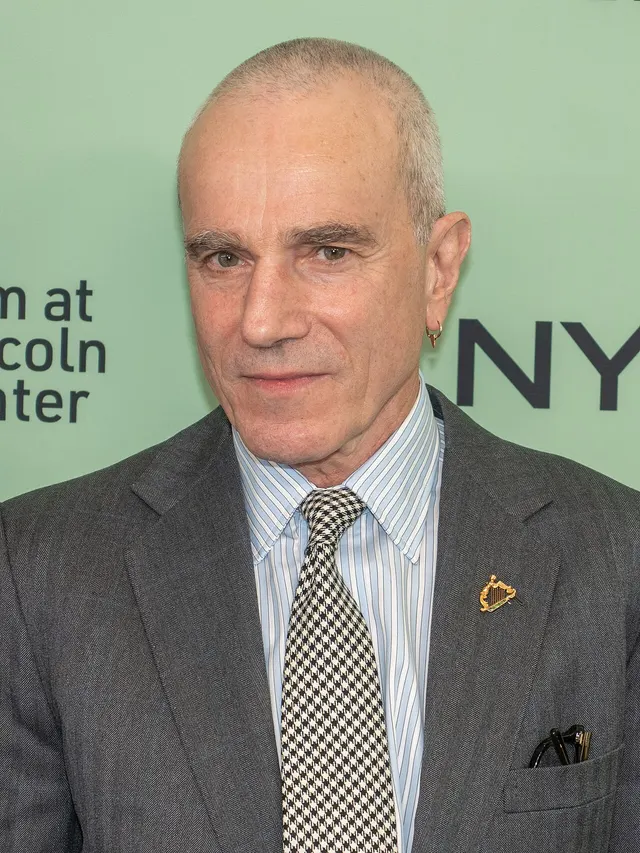
Daniel Day-Lewis
Image creditBryan Berlin · CC BY-SA 4.0Resized and cropped for display.

Daniel Day-Lewis

English actor, the only man to win three Academy Awards for Best Actor.

◉
IDEAS THAT CHANGED THINGS

Firsts, Science & Discoveries

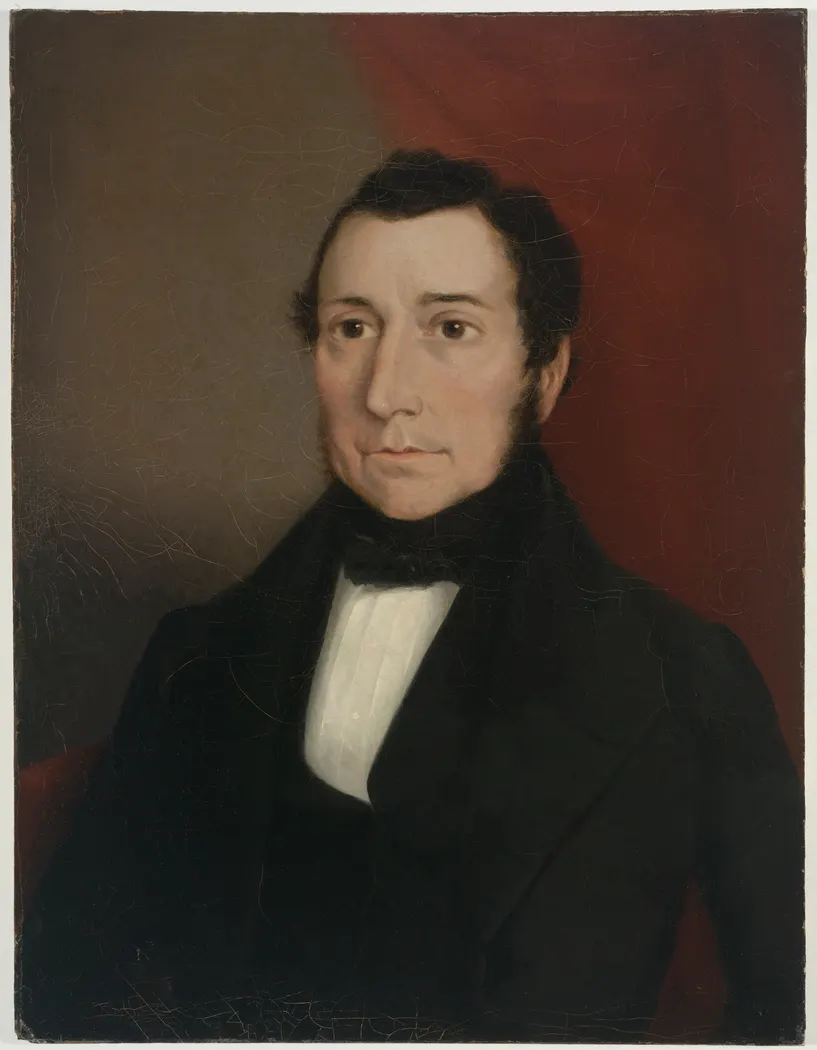
James Dunlop, in an oil portrait by Joseph Backler of about 1843 (State Library of New South Wales).
Image creditJoseph Backler · Public domainResized and cropped for display.

A galaxy is spotted from Parramatta

On 29 April 1826 the Scottish-born astronomer James Dunlop, sweeping the southern sky from the observatory at Parramatta near Sydney, noted a faint, hazy patch in the constellation Centaurus. He listed it in his catalogue of southern nebulae; it is now known as NGC 5128.

More than a century later radio astronomers found that the object is one of the brightest radio sources in the sky, and named it Centaurus A. It is a giant galaxy crossed by a dark band of dust, the remains of a smaller spiral galaxy it swallowed, with a massive black hole at its centre.

Read the full storyHistory & Timeline →Source: Orchiston et al., Publications of the Astronomical Society of Australia (arXiv): Early Australian Optical and Radio Observations of Centaurus A ↗
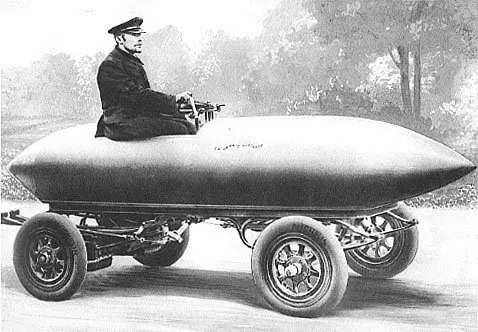
Camille Jenatzy at the tiller of La Jamais Contente, the bullet-shaped electric car.
Image creditUnknown · Public domainResized and cropped for display.

An electric car passes 100 km/h

On 29 April 1899 the Belgian driver Camille Jenatzy took his torpedo-shaped electric car, La Jamais Contente (‘Never Satisfied’), along a road at Achères, west of Paris, and reached about 105 km/h. No road vehicle had gone faster than 100 km/h before.

The car ran on heavy batteries driving two electric motors, and sat on Michelin tyres. For a few years electric cars held the land speed record, before petrol engines took over; the car itself survives in the car museum at Compiègne.

Read the full storyHistory & Timeline →Source: Ville d’Achères: 125 ans du record de la Jamais Contente ↗
☆
SPORTING HISTORY

Sporting Moments

The sled from Naomi Uemura's 1978 solo journey to the North Pole, marked 'Aurora'.
The sled from Naomi Uemura’s 1978 solo journey to the North Pole, marked ‘Aurora’.
Image creditRobertTheRed · CC BY-SA 3.0Resized and cropped for display.

Naomi Uemura reaches the North Pole alone

On 29 April 1978 the Japanese adventurer Naomi Uemura reached the North Pole by dog sled, the first person to make the journey alone. He had set out from Cape Edward on Ellesmere Island in northern Canada in early March and crossed around 770 km of shifting sea ice in 55 days, with supplies dropped by air.

On the way a polar bear raided his camp and the floe he was sleeping on broke apart. Uemura, who had already climbed the highest peaks on five continents, died on Denali in Alaska in 1984, and is remembered in Japan as one of its greatest explorers.

Read the full storyHistory & Timeline →Source: Guinness World Records: First solo expedition to the North Pole ↗
♫
MUSIC • FILM • BOOKS • CULTURE

Culture Stories

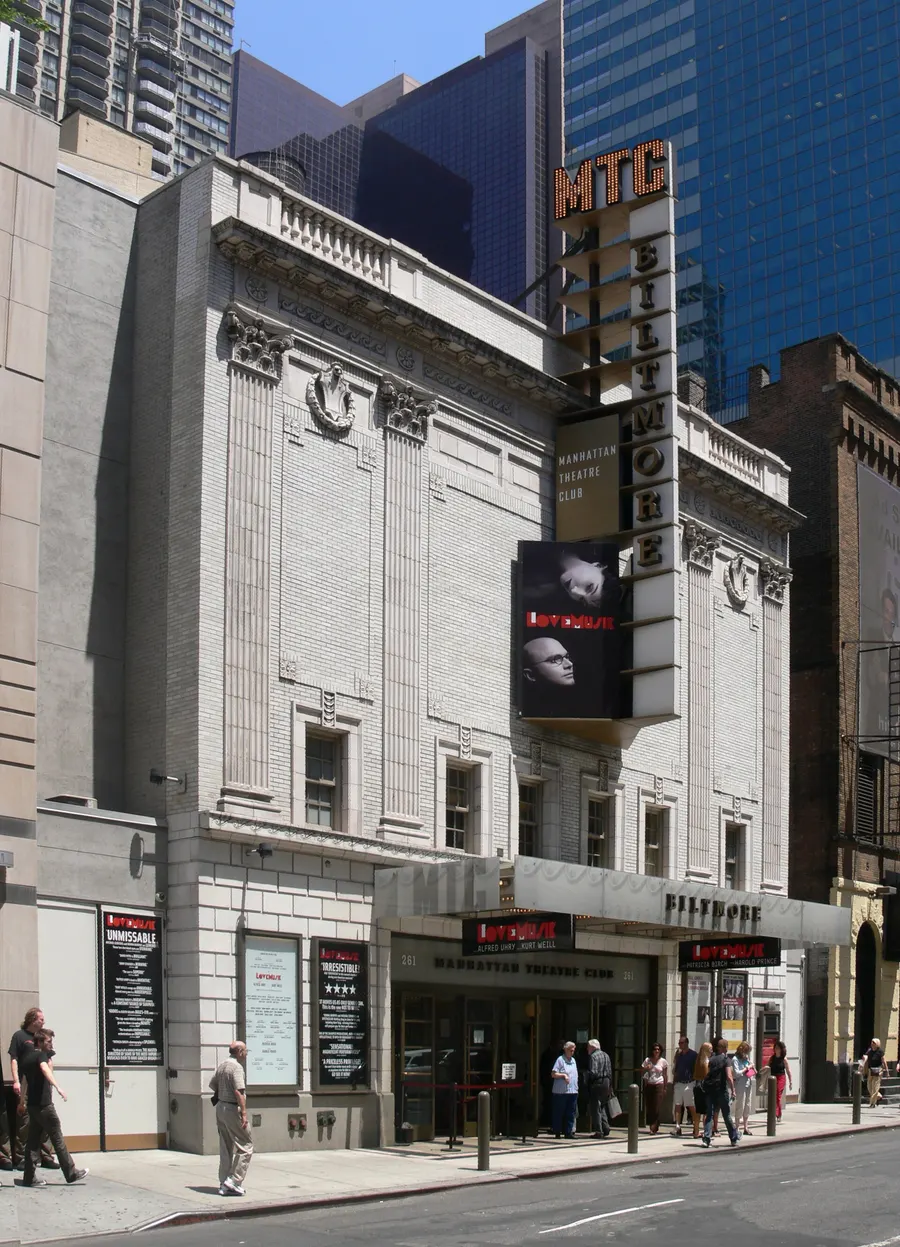
The Biltmore Theatre on West 47th Street, New York, where Hair opened on Broadway, photographed in 2007.
Image creditAndreas Praefcke · CC BY 3.0Resized and cropped for display.

Hair opens on Broadway

On 29 April 1968 the rock musical Hair, written by Gerome Ragni and James Rado with music by Galt MacDermot, opened at the Biltmore Theatre in New York. Subtitled ‘The American Tribal Love-Rock Musical’, it followed a group of young hippies as one of them faces the draft for the Vietnam War.

Its rock score, loose plot and frank treatment of drugs, sex and protest were new to Broadway. The show ran for 1,750 performances, and its songs ‘Aquarius’ and ‘Let the Sunshine In’ became hits around the world.

Read the full storyHistory & Timeline →Source: Internet Broadway Database: Hair (1968) ↗
✦
LIVES REMEMBERED

Remembered Today

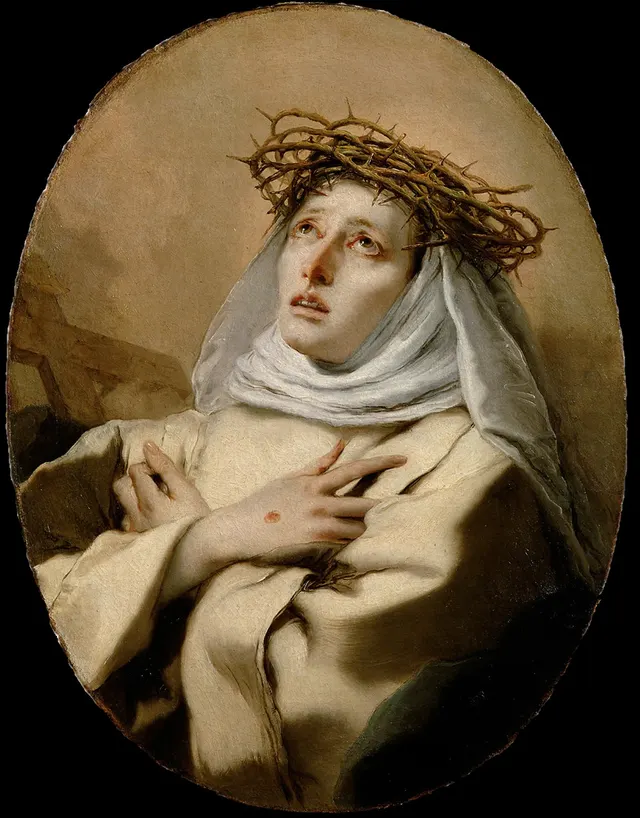
Catherine of Siena
Image creditGiovanni Battista Tiepolo · Public domainResized and cropped for display.

Catherine of Siena

Italian mystic and writer who helped persuade the pope to return from Avignon to Rome.

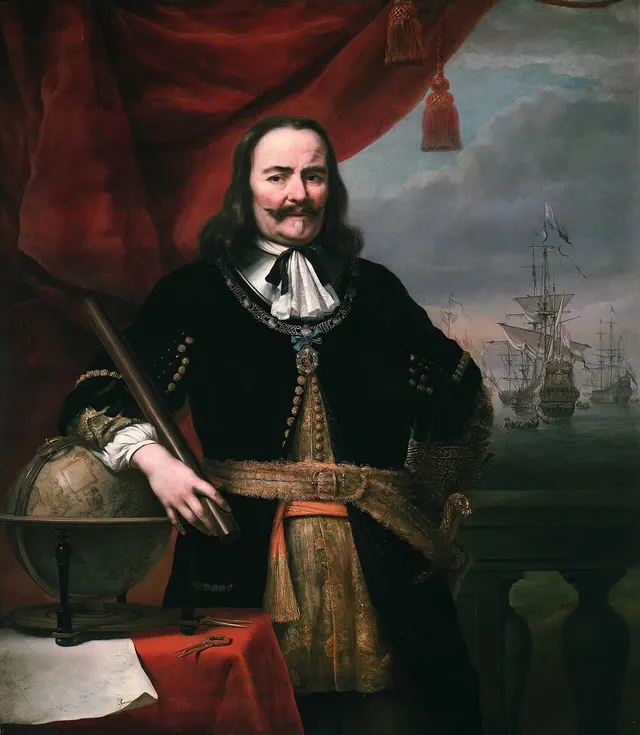
Michiel de Ruyter
Image creditFerdinand Bol · Public domainResized and cropped for display.

Michiel de Ruyter

Dutch admiral, his country’s greatest naval commander, who died of wounds off Sicily.

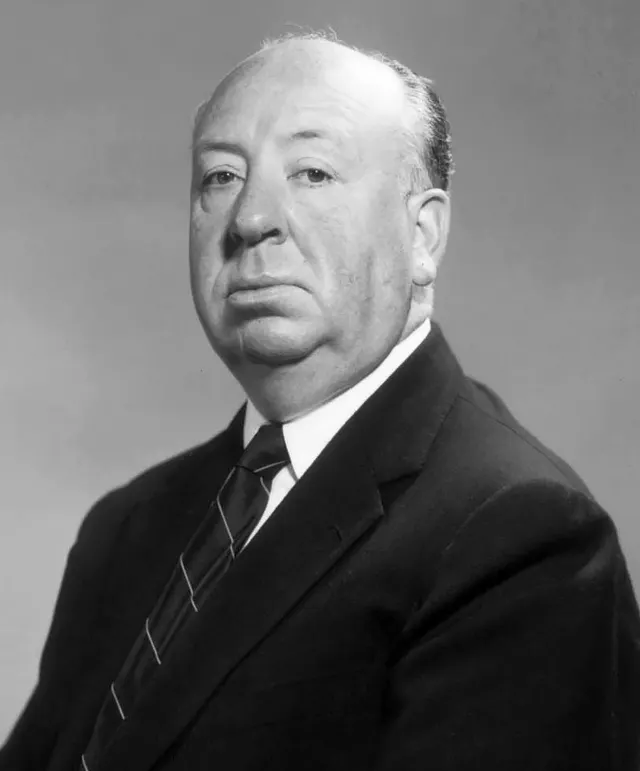
Alfred Hitchcock
Image creditAnte Brkan · Public domainResized and cropped for display.

Alfred Hitchcock

English film director, the ‘Master of Suspense’, maker of Psycho, Vertigo and Rear Window.

Irrfan Khan
Image creditBollywood Hungama · CC BY 3.0Resized and cropped for display.

Irrfan Khan

Indian actor admired in Hindi cinema and in films such as Life of Pi and The Lunchbox.

☉
AROUND THE WORLD

Observances & Anniversaries

People dancing in front of the Estates Theatre in Prague on International Dance Day, 29 April 2011.
Image creditKychot · CC BY-SA 3.0Resized and cropped for display.

International Dance Day

International Dance Day was created in 1982 by the dance committee of the International Theatre Institute, a partner of UNESCO. It falls on 29 April, the birthday of the French choreographer Jean-Georges Noverre, whose ideas shaped modern ballet.

Each year a leading dancer or choreographer writes a message that is read at events around the world, and schools, companies and communities put on free performances to celebrate dance in all its forms.

Source: International Theatre Institute: International Dance Day ↗
Koinobori carp streamers flown for Golden Week over the Tengan River in Uruma, Okinawa.
Image creditU.S. Marine Corps photo by Lance Cpl. Anastasia Dausilio · Public domainResized and cropped for display.

Shōwa Day in Japan

Japan keeps 29 April, the birthday of Emperor Hirohito, as Shōwa Day, a public holiday for reflecting on the Shōwa era of 1926 to 1989, with its war, defeat and recovery, and on the country’s future. After the emperor’s death the day was kept as Greenery Day, and it took its present name in 2007.

The holiday opens Golden Week, a run of public holidays into early May when many people in Japan travel or take time off.

Source: Nippon.com: Shōwa Day (Japan’s National Holidays) ↗
HISTORY & TIMELINE

Finished the highlights?

Follow 29 April chronologically, from the Middle Ages to the modern day, with 15 verified events and the sources behind them.

This day through time →