Explore 26 April

Explore 26 April: Tanganyika and Zanzibar unite as one republic, the Pazzi conspirators strike in Florence Cathedral, a reactor explodes at Chernobyl and the Ideal X carries the first shipping containers to sea. Meet Eugène Delacroix, I. M. Pei and Fanny Blankers-Koen, born on this date, and remember Count Basie.

This day through time →15 verified events across 5 eras

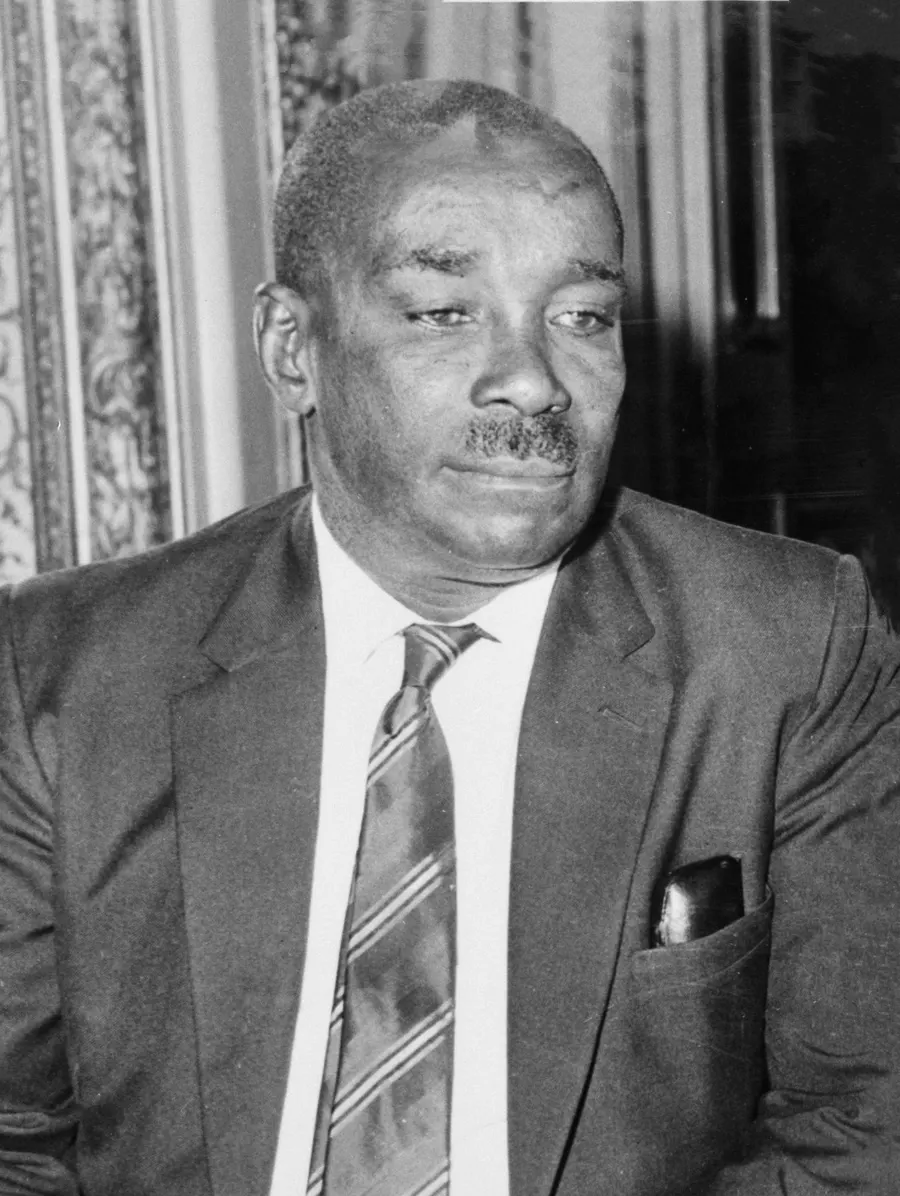
Abeid Amani Karume, Zanzibar's president, who became the union's first vice-president, photographed in 1964.
Abeid Amani Karume, Zanzibar’s president, who became the union’s first vice-president, photographed in 1964.
Image creditUnknown author · CC BY-SA 3.0 nlResized and cropped for display.

Tanganyika and Zanzibar become one republic

On 26 April 1964 the mainland republic of Tanganyika and the islands of Zanzibar joined to form a single state. Julius Nyerere and Abeid Amani Karume had signed the Articles of Union four days earlier, and at the Karimjee Hall in Dar es Salaam they exchanged the documents and mixed soil from both lands to mark the union.

Nyerere became president and Karume first vice-president, while Zanzibar kept its own government for island affairs. Later that year the new country took the name Tanzania, and 26 April is still a national holiday, Union Day.

Read the full storyHistory & Timeline →Source: Dodoma City Council (Tanzania government): Union Day ↗
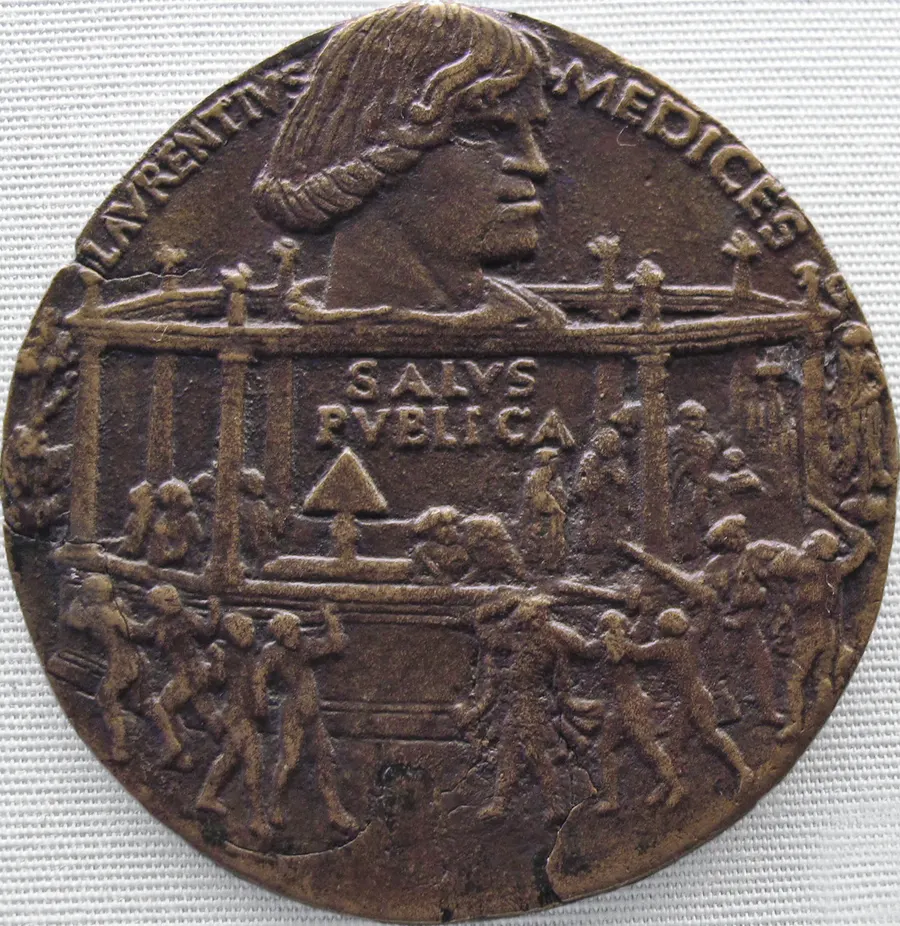

Bertoldo di Giovanni's medal of 1478 recording the Pazzi attack, with Lorenzo de' Medici's head above the scene in the cathedral choir.
Bertoldo di Giovanni’s medal of 1478 recording the Pazzi attack, with Lorenzo de’ Medici’s head above the scene in the cathedral choir.
Image creditsailko · CC BY-SA 3.0Resized and cropped for display.

The Pazzi conspirators strike in Florence Cathedral

On 26 April 1478, during Sunday Mass in Florence Cathedral, men in the pay of the rival Pazzi family attacked the brothers Lorenzo and Giuliano de’ Medici, who ruled the city in all but name. Giuliano was stabbed to death, but Lorenzo, wounded in the neck, escaped into the sacristy and barred the door.

The plot had the backing of Pope Sixtus IV’s circle and the archbishop of Pisa, Francesco Salviati, yet Florence rallied to the Medici. Salviati and dozens of conspirators were executed within days, some hanged from the windows of the government palace, and Lorenzo’s power emerged stronger than before.

Read the full storyHistory & Timeline →Source: Staatliche Museen zu Berlin: The Pazzi Conspiracy (exhibition) ↗
The New Safe Confinement arch built over the ruined Chernobyl reactor, photographed in August 2016.
Image creditCls14 · CC BY-SA 4.0Resized and cropped for display.

A reactor explodes at Chernobyl

At 1.23 in the morning on 26 April 1986, during a safety test at low power, reactor number 4 at the Chernobyl nuclear power station in Soviet Ukraine went out of control. Two explosions destroyed the core and the roof of the building, and a fire released large amounts of radioactive material into the air.

Two workers died that night and 28 more, mostly firefighters and plant staff, died of radiation sickness within months. About 116,000 people were evacuated in 1986, including the town of Pripyat, and a wide exclusion zone around the plant remains today.

Read the full storyHistory & Timeline →Source: IAEA: The 1986 Chornobyl nuclear power plant accident ↗
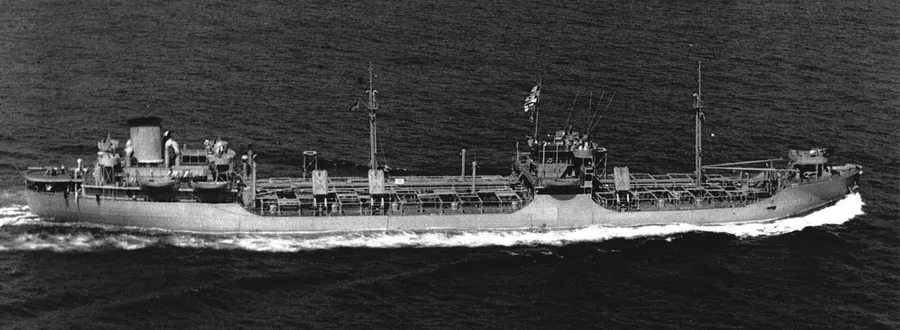
The T2 tanker Hat Creek at sea in 1943; the Ideal X was converted from a wartime tanker of this type.
Image creditU.S. Navy · Public domainResized and cropped for display.

The Ideal X carries the first boxes to sea

On 26 April 1956 the converted tanker Ideal X sailed from Port Newark, New Jersey, for Houston, Texas, with 58 metal containers loaded on a deck built for the purpose. The idea came from Malcom McLean, a trucking businessman who wanted to lift whole trailer boxes on and off ships instead of handling cargo piece by piece.

The containers were loaded in under eight hours and the ship reached Houston five days later. Standard shipping containers went on to transform world trade, cutting the cost of moving goods and reshaping the world’s ports.

Read the full storyHistory & Timeline →Source: Port Authority of New York and New Jersey: Port Newark - how Malcom McLean changed the world ↗
♙
PEOPLE

Born Today

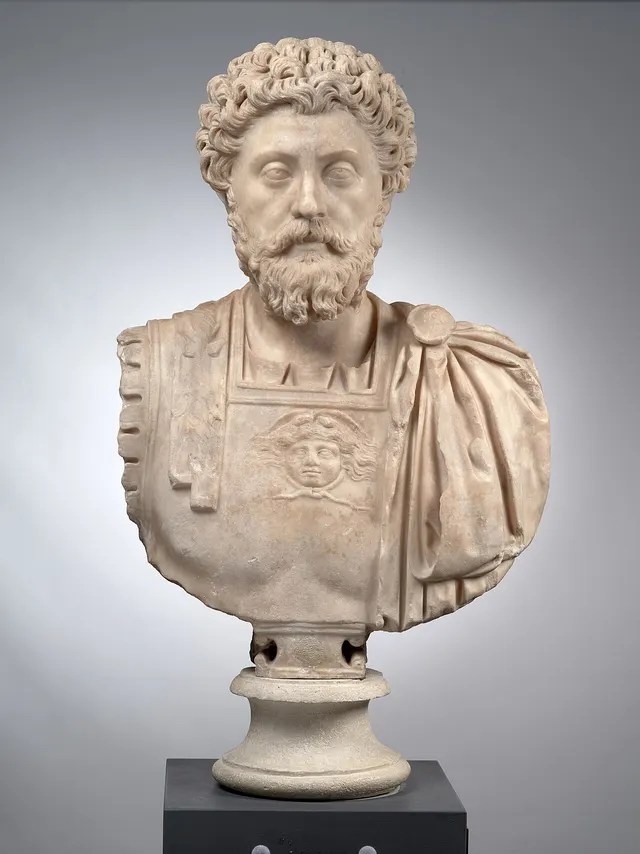
Marcus Aurelius
Image creditDaniel Martin · CC BY-SA 4.0Resized and cropped for display.

Marcus Aurelius

Roman emperor and Stoic philosopher whose private notebook, the Meditations, is still widely read.

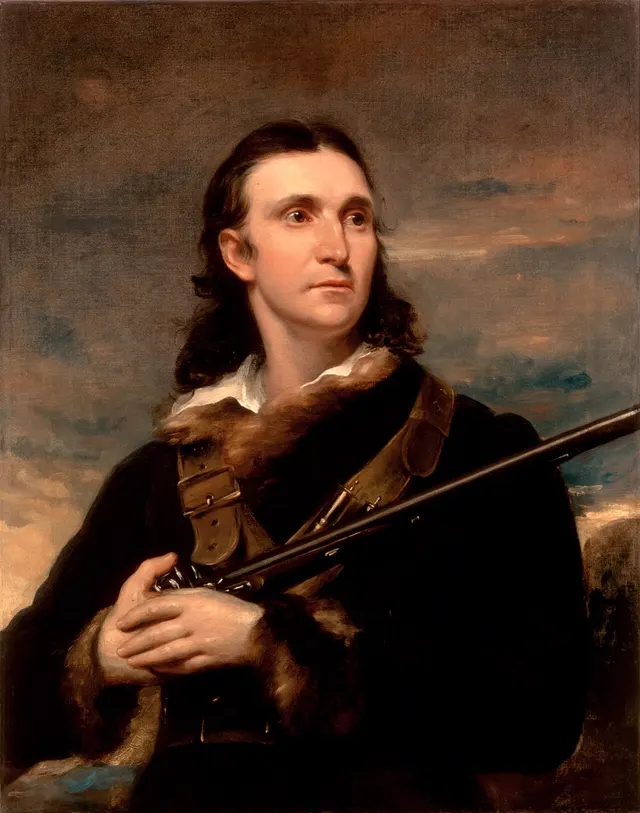
John James Audubon
Image creditJohn Syme · Public domainResized and cropped for display.

John James Audubon

Naturalist and artist born in Saint-Domingue whose Birds of America painted North American birds life-size.

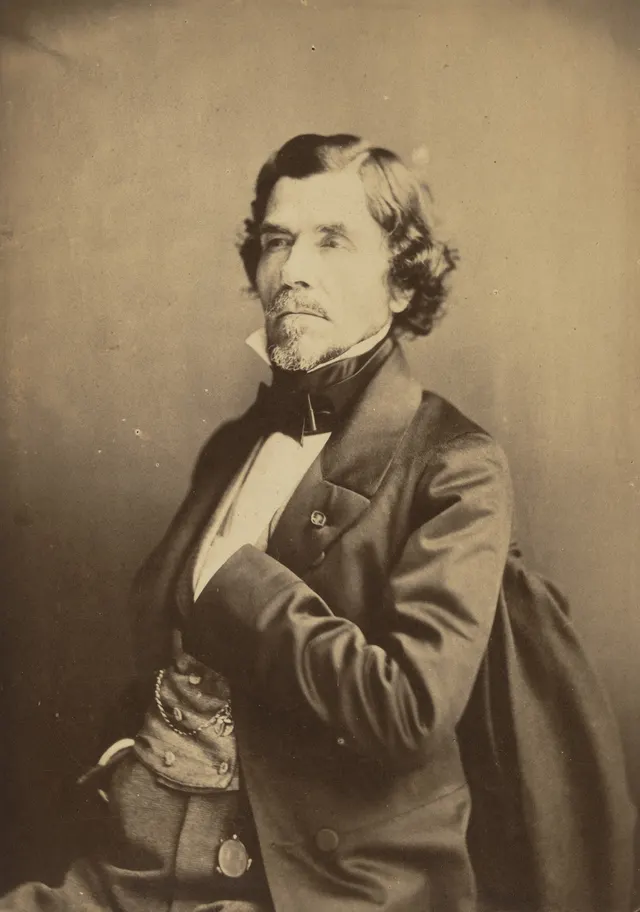
Eugène Delacroix
Image creditNadar · Public domainResized and cropped for display.

Eugène Delacroix

French painter, leader of the Romantic movement, known for Liberty Leading the People.

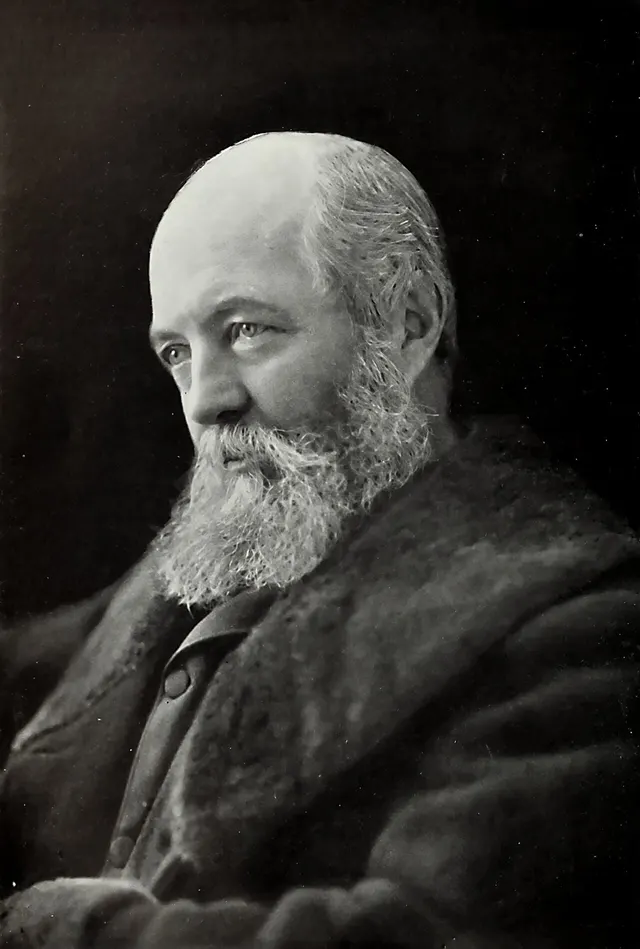
Frederick Law Olmsted
Image creditJames Notman · Public domainResized and cropped for display.

Frederick Law Olmsted

American landscape architect who co-designed Central Park in New York.

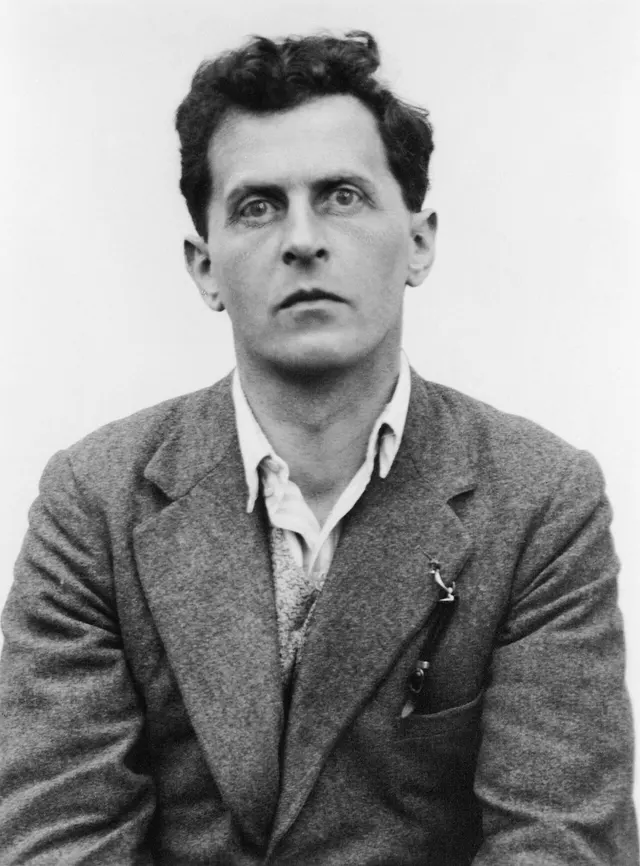
Ludwig Wittgenstein
Image creditMoritz Nähr · Public domainResized and cropped for display.

Ludwig Wittgenstein

Austrian-born philosopher whose work on logic and language changed modern philosophy.

I. M. Pei
Image creditBernard Gotfryd · Public domainResized and cropped for display.

I. M. Pei

Chinese-American architect who designed the glass pyramid at the Louvre.

Fanny Blankers-Koen
Image creditDaan Noske / Anefo · CC0Resized and cropped for display.

Fanny Blankers-Koen

Dutch athlete who won four gold medals at the 1948 London Olympics.

Jet Li
Image creditRobert Scoble · CC BY 2.0Resized and cropped for display.

Jet Li

Chinese martial arts champion who became an international film star.

◉
IDEAS THAT CHANGED THINGS

Firsts, Science & Discoveries

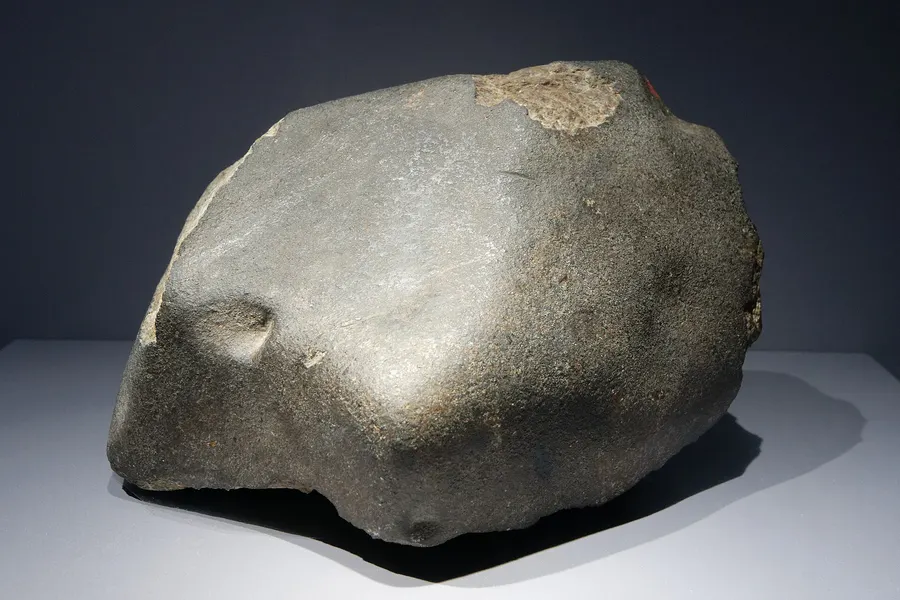
A stone from the L'Aigle fall of 1803, in the mineralogy collection of the Muséum national d'Histoire naturelle, Paris.
A stone from the L’Aigle fall of 1803, in the mineralogy collection of the Muséum national d’Histoire naturelle, Paris.
Image creditMarie-Lan Taÿ Pamart · CC BY 4.0Resized and cropped for display.

Stones fall from the sky at L’Aigle

On 26 April 1803 a shower of more than 3,000 stones fell around the small Normandy town of L’Aigle, watched by many startled villagers. At the time most European scientists doubted that rocks could fall from the sky and put such stories down to superstition.

The French Academy of Sciences sent the young physicist Jean-Baptiste Biot to investigate. His careful report, combining the stones themselves with the evidence of many witnesses, convinced the scientific world that meteorites were real and founded the science of meteoritics.

Read the full storyHistory & Timeline →Source: Lunar and Planetary Institute (Meteoritical Society 2003): The meteorite fall at L’Aigle on April 26th 1803 ↗
☆
SPORTING HISTORY

Sporting Moments

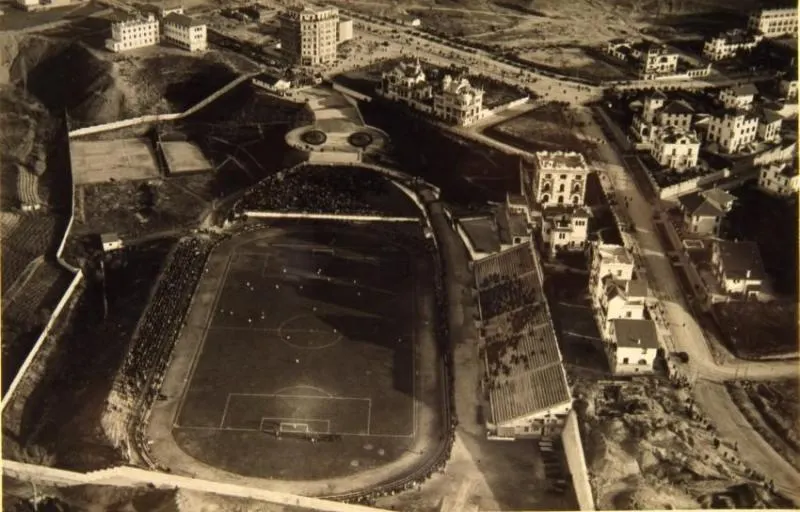
Atlético's old Stadium Metropolitano in Madrid, in a panoramic photograph of about 1927.
Atlético’s old Stadium Metropolitano in Madrid, in a panoramic photograph of about 1927.
Image creditBenBarek1903 · CC BY-SA 4.0Resized and cropped for display.

Atlético Madrid is founded

On 26 April 1903 a group of Basque students living in Madrid founded a football club as a local branch of Athletic Club of Bilbao. They had been inspired by Athletic’s comeback win in the Spanish cup final earlier that month.

The club soon went its own way, and after several changes of name it became Club Atlético de Madrid in 1947. It has since won the Spanish league many times and reached three European Cup and Champions League finals.

Read the full storyHistory & Timeline →Source: Club Atlético de Madrid (official site): 122 years of Atlético de Madrid ↗
♫
MUSIC • FILM • BOOKS • CULTURE

Culture Stories

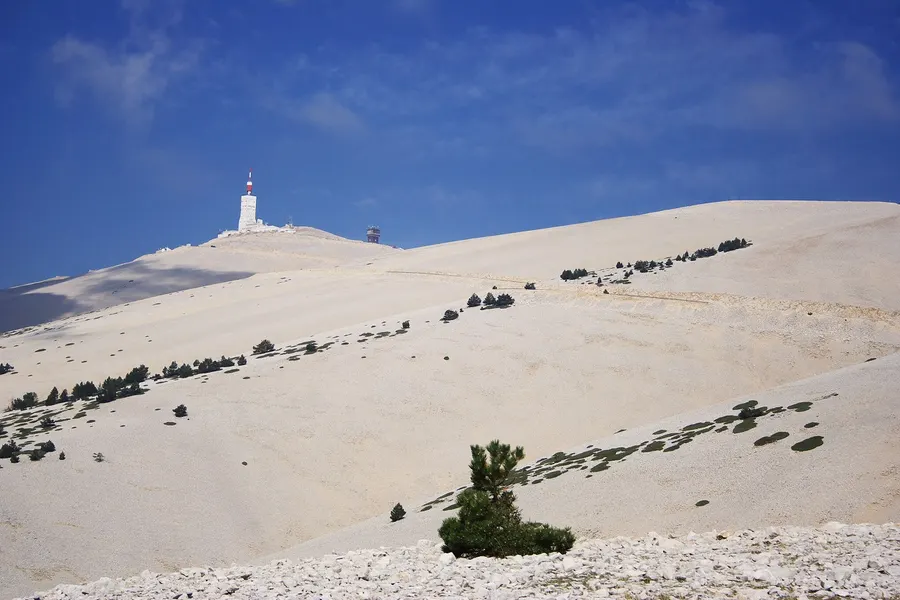
The bare limestone summit of Mont Ventoux in Provence.
Image creditmuneaki · CC BY-SA 3.0Resized and cropped for display.

Petrarch climbs Mont Ventoux for the view

On 26 April 1336, by his own account, the Italian poet Petrarch climbed Mont Ventoux in Provence with his brother and two servants, simply to see the view from the top. He described the ascent in a famous letter to his former confessor, later collected among his Familiar Letters.

At the summit he opened his copy of Saint Augustine’s Confessions and read a passage rebuking people who marvel at mountains but neglect their own souls. Scholars doubt some details of the letter, which may have been written years later, but it is often seen as an early sign of the Renaissance outlook.

Read the full storyHistory & Timeline →Source: Hanover College History Department: Petrarch, The Ascent of Mount Ventoux (text) ↗
✦
LIVES REMEMBERED

Remembered Today

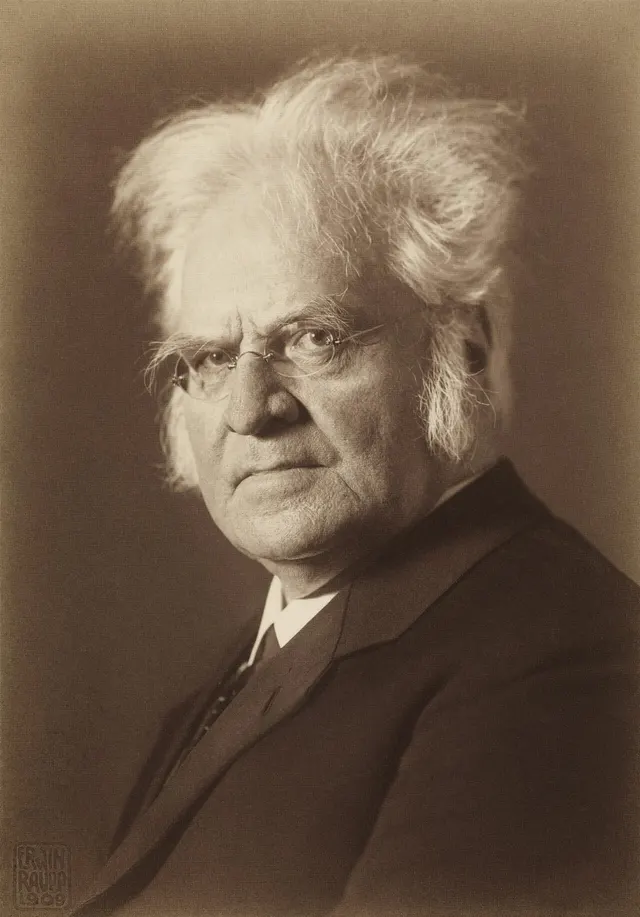
Bjørnstjerne Bjørnson
Image creditErwin Raupp / Adam Cuerden · Public domainResized and cropped for display.

Bjørnstjerne Bjørnson

Norwegian writer and Nobel laureate who wrote the words of Norway’s national anthem.

Count Basie
Image creditJames J. Kriegsmann · Public domainResized and cropped for display.

Count Basie

American jazz pianist and bandleader whose orchestra defined swing for half a century.

Lucille Ball
Image creditCBS Television · Public domainResized and cropped for display.

Lucille Ball

American comedian and star of I Love Lucy, and the first woman to run a major television studio.

Augusto Roa Bastos
Image creditFF MM · CC BY-SA 3.0Resized and cropped for display.

Augusto Roa Bastos

Paraguayan novelist, author of I, the Supreme, and winner of the Cervantes Prize.

☉
AROUND THE WORLD

Observances & Anniversaries

The main building of the World Intellectual Property Organization in Geneva, in autumn.
Image creditEmmanuel Berrod · CC BY-SA 4.0Resized and cropped for display.

World Intellectual Property Day

World Intellectual Property Day was created by the member states of the World Intellectual Property Organization in 2000 and first held in 2001. It falls on 26 April because the convention founding the organisation came into force on that day in 1970, and it highlights the part that patents, copyright and trademarks play in encouraging invention and creativity.

Source: WIPO: World Intellectual Property Day - frequently asked questions ↗
HISTORY & TIMELINE

Finished the highlights?

Follow 26 April chronologically, from the Middle Ages to the modern day, with 15 verified events and the sources behind them.

This day through time →